17 Stunning Front Yard Garden Bed Ideas For Instant Curb Appeal
I finally learned that front beds are for slow improvements, not one big overhaul.
I ripped out a hedge once and regretted the empty space for a year. Now I plant in stages.
These ideas are things I’ve used, failed with, and then fixed. They’re realistic. You can do any of them.
17 Stunning Front Yard Garden Bed Ideas For Instant Curb Appeal
These 17 ideas are practical and real.
I include things I’ve tried and what I’d change.
You’ll get plant lists and simple shopping hints.
All 17 ideas are included below.
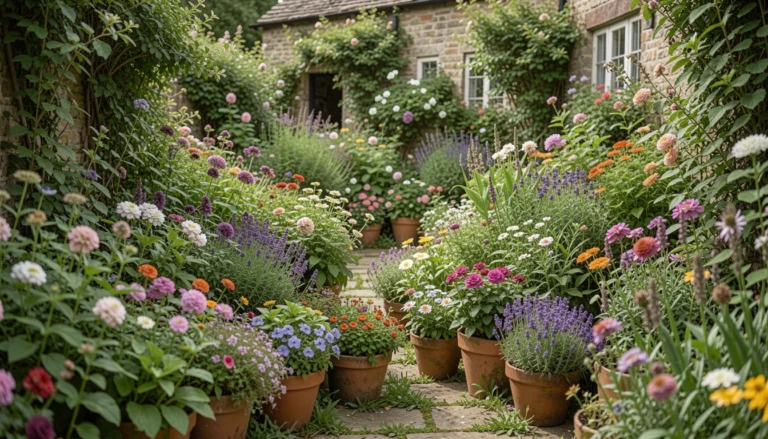
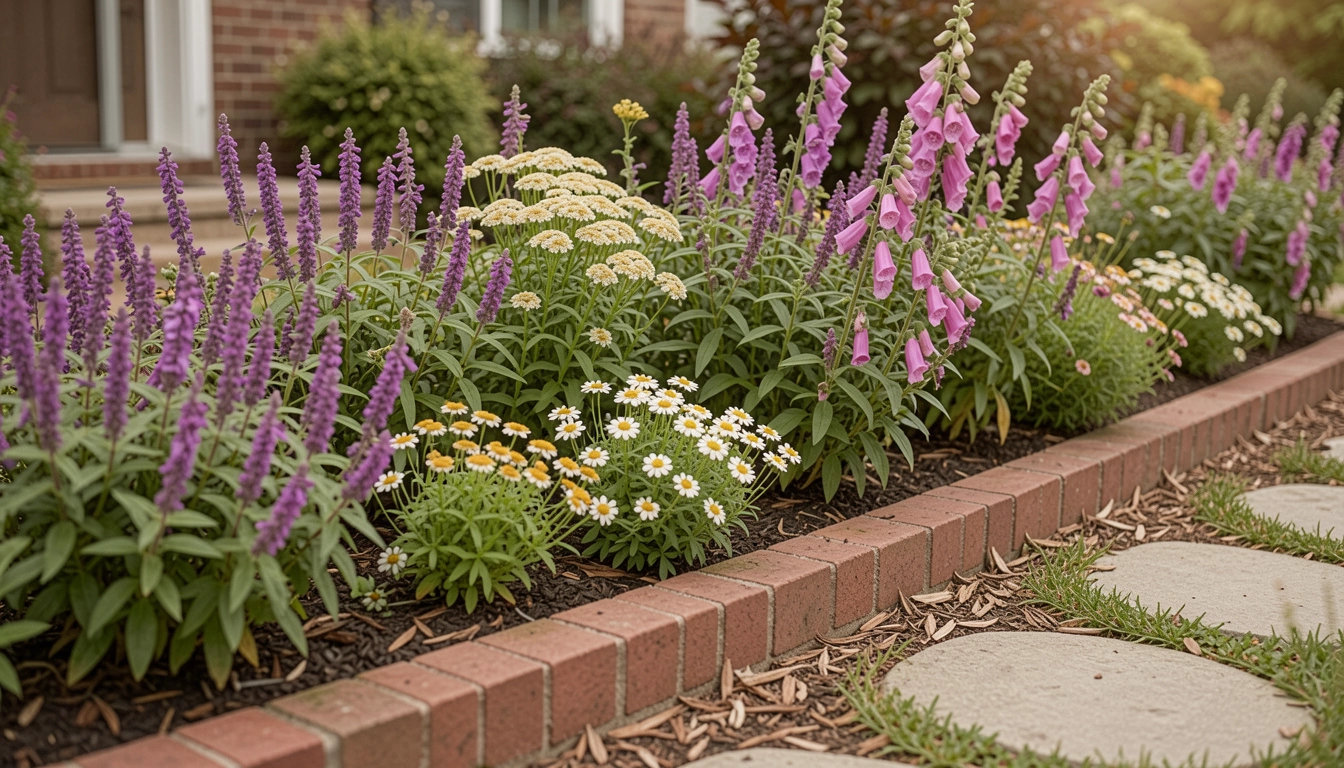
1. Layered Cottage Border with Perennials and Bulbs
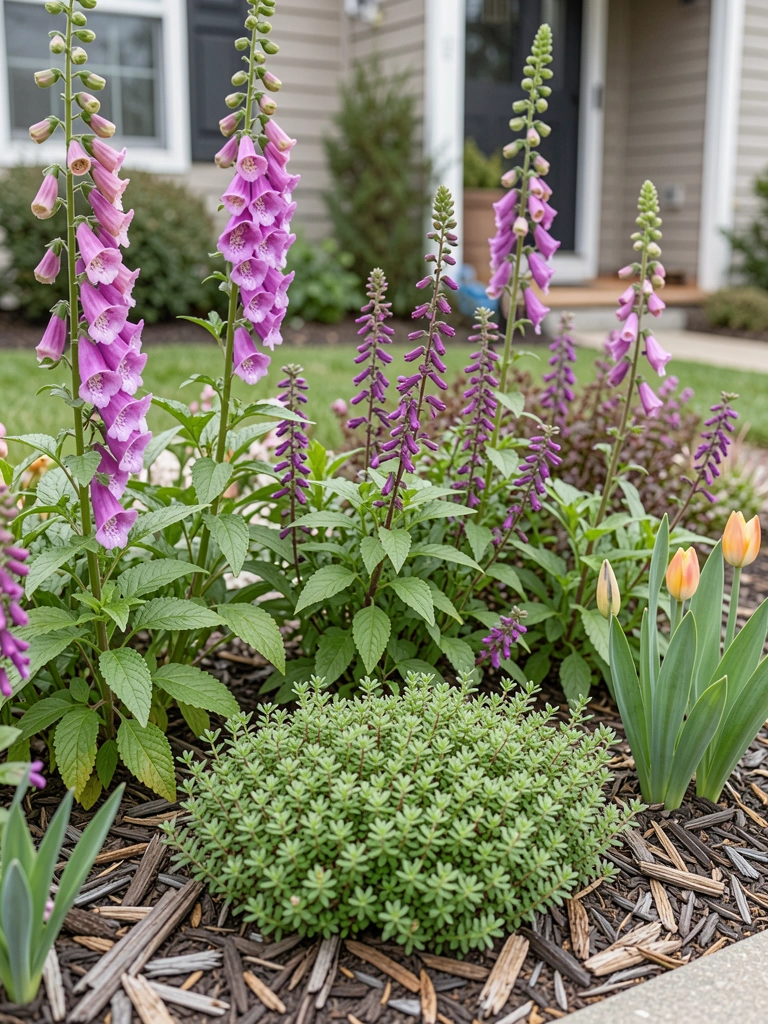
I planted a narrow bed like this in front of my porch. It filled out slowly, but by year two it felt like the house had grown a smile.
I mixed spring bulbs with summer perennials. That staggered the color so I always had something blooming.
I underestimated spacing at first and had to thin things out. That was a good mistake — it taught me not to cram.
What You’ll Need for This Look
- Mixed perennial pack (salvia, achillea, rudbeckia)
- Spring bulb collection (tulips, daffodils)
- Natural cedar edging (4–6-inch)
- Organic mulch, medium shred
2. Low-Maintenance Native Grass and Wildflower Strip
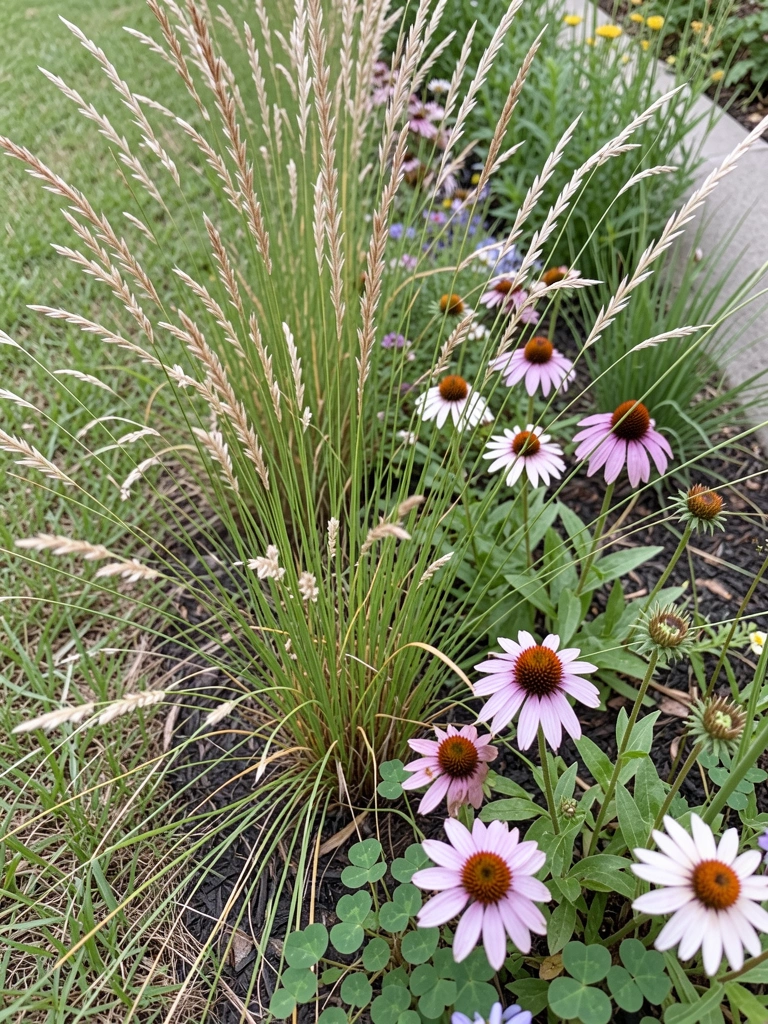
I switched a sunny strip near the driveway to native grasses and wildflowers. It’s forgiving and the maintenance is minimal.
It doesn’t look “finished” in winter, but birds and bees love it. I finally felt okay with a messier look.
My first mix included high-maintenance ornamentals by mistake. I pulled them out the next season and everything settled.
What You’ll Need for This Look
- Native grass plugs (little bluestem, switchgrass)
- Wildflower seed mix for your region
- Soil conditioner for poor soil
- Handheld seed spreader
3. Evergreen Foundation Planting with Seasonal Accents
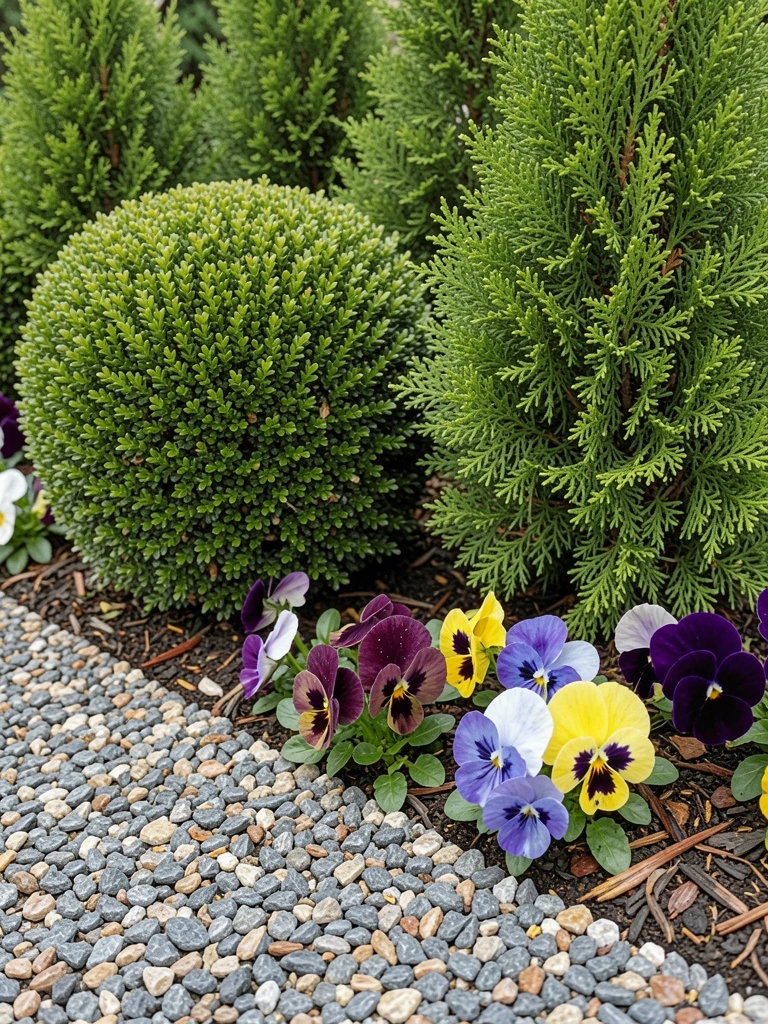
I learned that evergreens give the front yard backbone. I planted a row of mixed evergreens along the foundation and added seasonal annuals for color.
That steadiness made mowing feel easier and the house read as tidy. I avoid too many varieties; too many shapes looked cluttered.
At first I trimmed boxwood into tiny spheres and they looked stiff. Looser forms fit my house better.
What You’ll Need for This Look
- Dwarf boxwood shrubs (2–3 gallon)
- Dwarf spruce or yew (3–5 gallon)
- Seasonal pansies or violas
- Slow-release shrub fertilizer
4. Drought-Tolerant Mediterranean Bed with Lavender and Rosemary
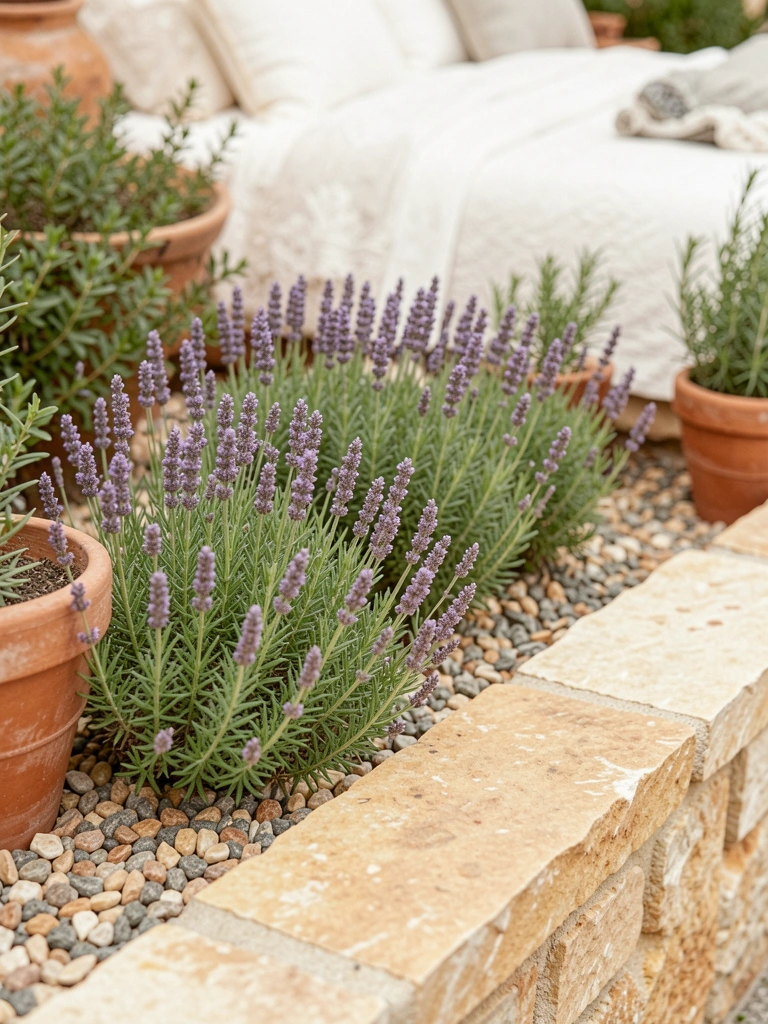
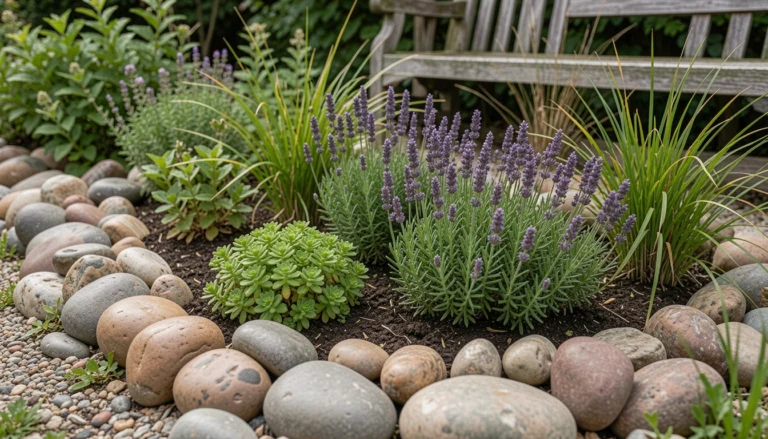
I tested lavender and rosemary on a sunny slope. They liked the poor, well-drained soil and nearly no watering after establishment.
It made the front yard smell like summer. The texture and scent worked together better than I expected.
I did overwater the first season and lost a lavender plant. Now I plant on a small berm and water sparingly.
What You’ll Need for This Look
- Lavender plants (Munstead or Hidcote)
- Upright rosemary (3–4 gallon)
- Gravel or decomposed granite mulch
- Terracotta pots (medium)
5. Raised Bed Along the Walkway for Structure and Focus
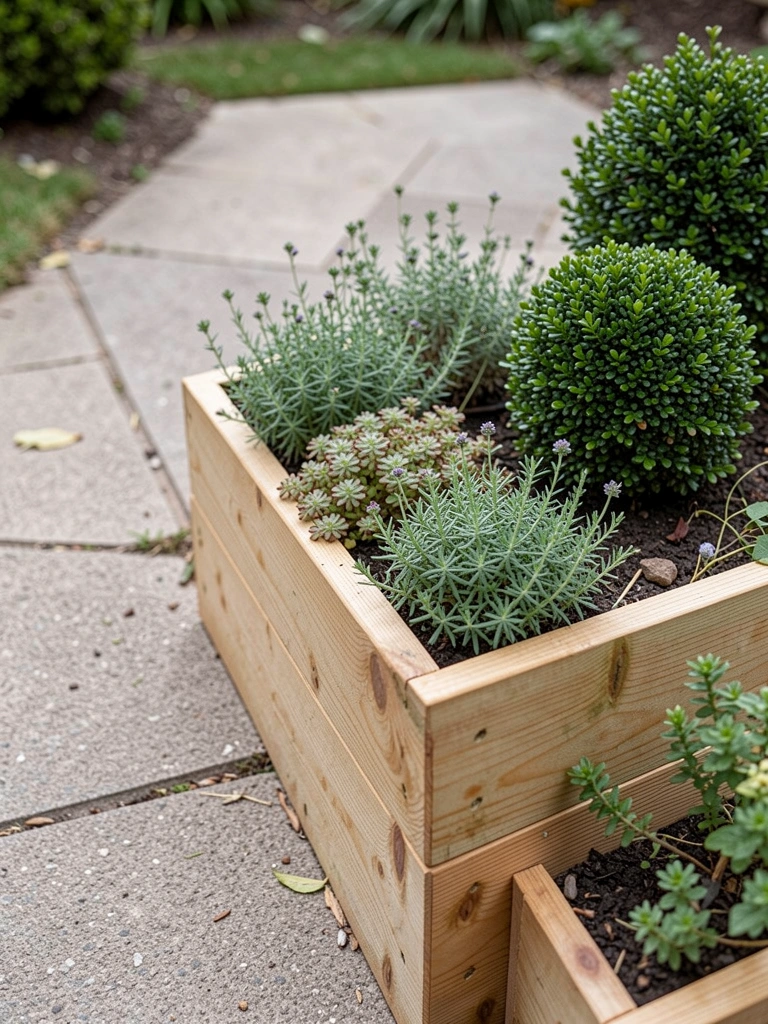
I built a raised cedar bed along my walkway to hide bare soil and anchors the path to the street.
It added height without feeling formal. I planted herbs at the front so I actually use them when I walk by.
I made it too tall once and it dominated the narrow path. I rebuilt it lower and it fit the scale.
What You’ll Need for This Look
- Cedar raised bed kit (6–8 inch height)
- Herb selections (oregano, chives, thyme)
- Well-draining potting mix
- Low-voltage path lighting
6. Small-Scale Rock Garden for Texture and Drainage
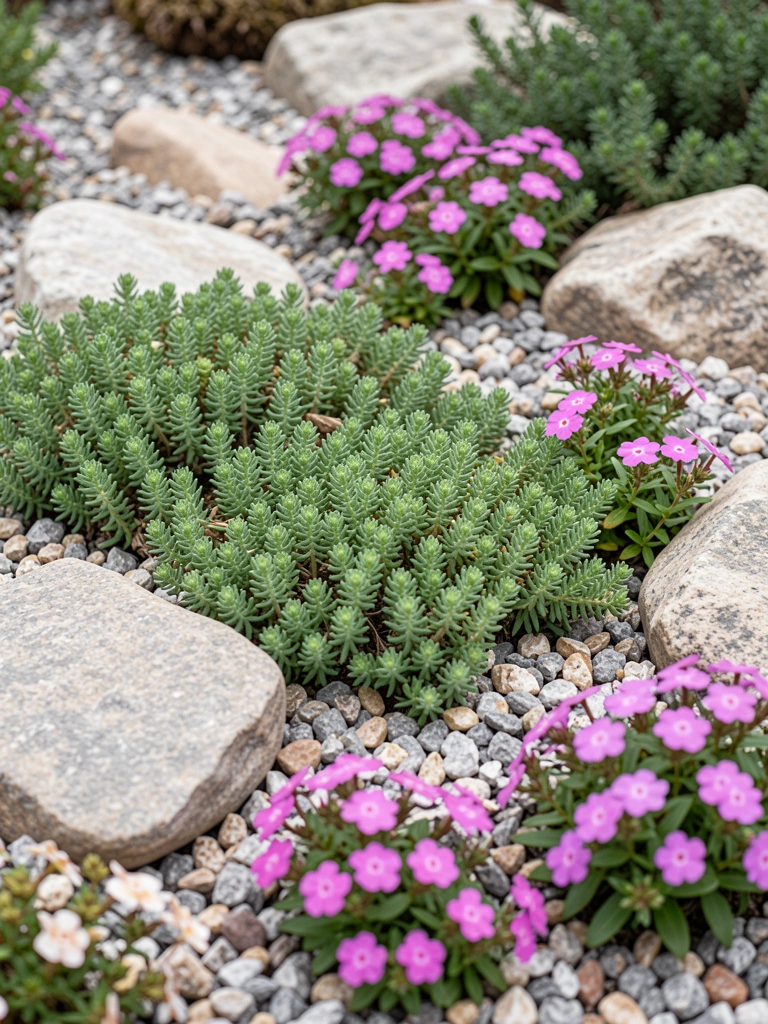
My front slope had terrible soil. I converted a patch to a rock garden and everything started to thrive.
The rocks create microclimates, which helped succulents and alpine plants survive winter wet. It looks purposeful but lived-in.
I made the mistake of using big landscaping rocks at first—they felt out of scale. Smaller stones fit the yard better.
What You’ll Need for This Look
- Assorted small boulders and gravel
- Alpine sedums and sempervivums
- Rocky soil mix (high grit)
- Landscape fabric (breathable)
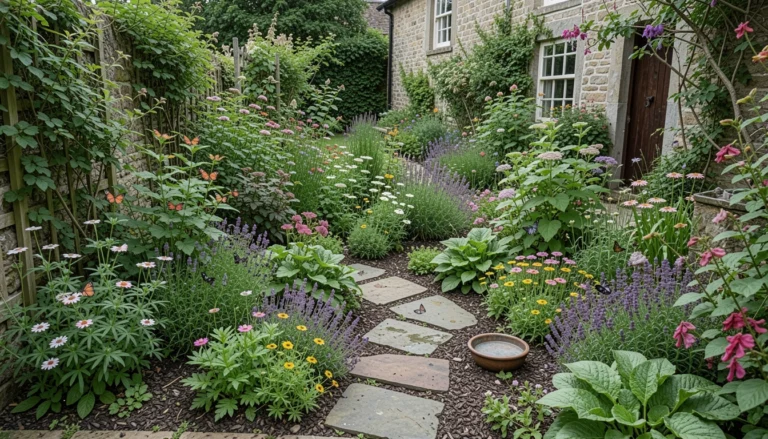
7. Pollinator-Friendly Front Bed with Layered Heights
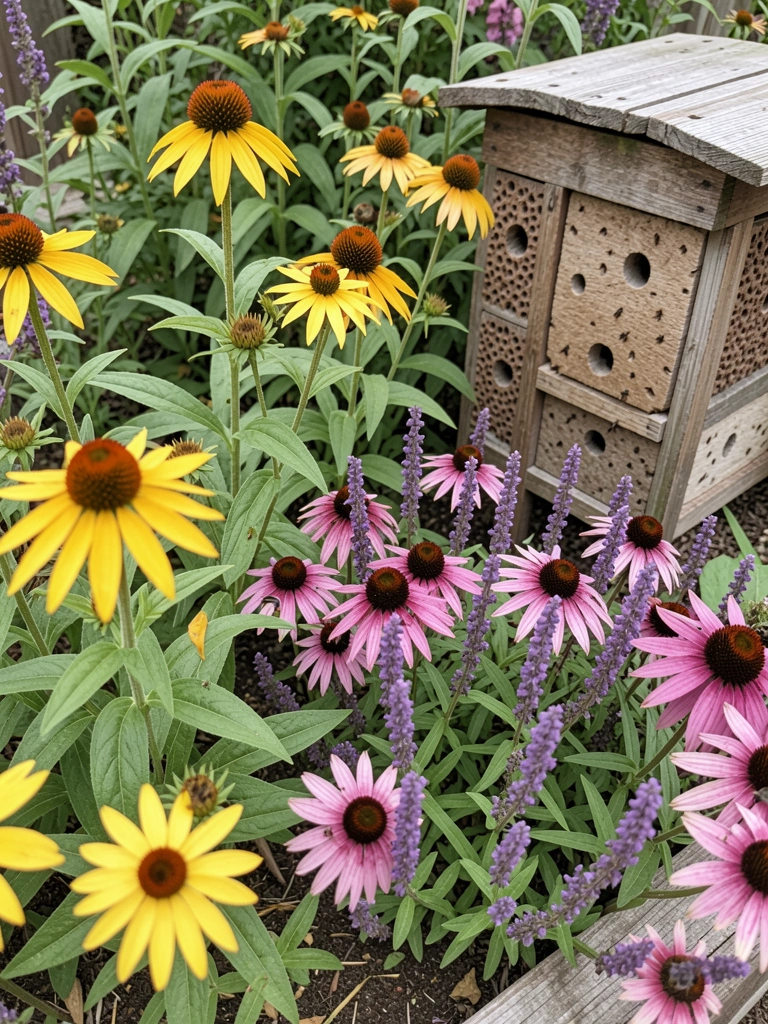
I dedicated a bed to pollinators and saw immediate changes: more butterflies and fewer aphid outbreaks.
Tall coneflowers in back, mid-height salvias, and low asters created a natural buffet. It felt wild but intentional.
I once planted a single species and a moth infestation followed. Diversity fixed that fast.
What You’ll Need for This Look
- Native milkweed, echinacea, salvia
- Bee hotel or small brush pile
- Organic slow-release fertilizer
- Water saucer for pollinators
8. Formal Boxwood Parterre for a Clean, Modern Look
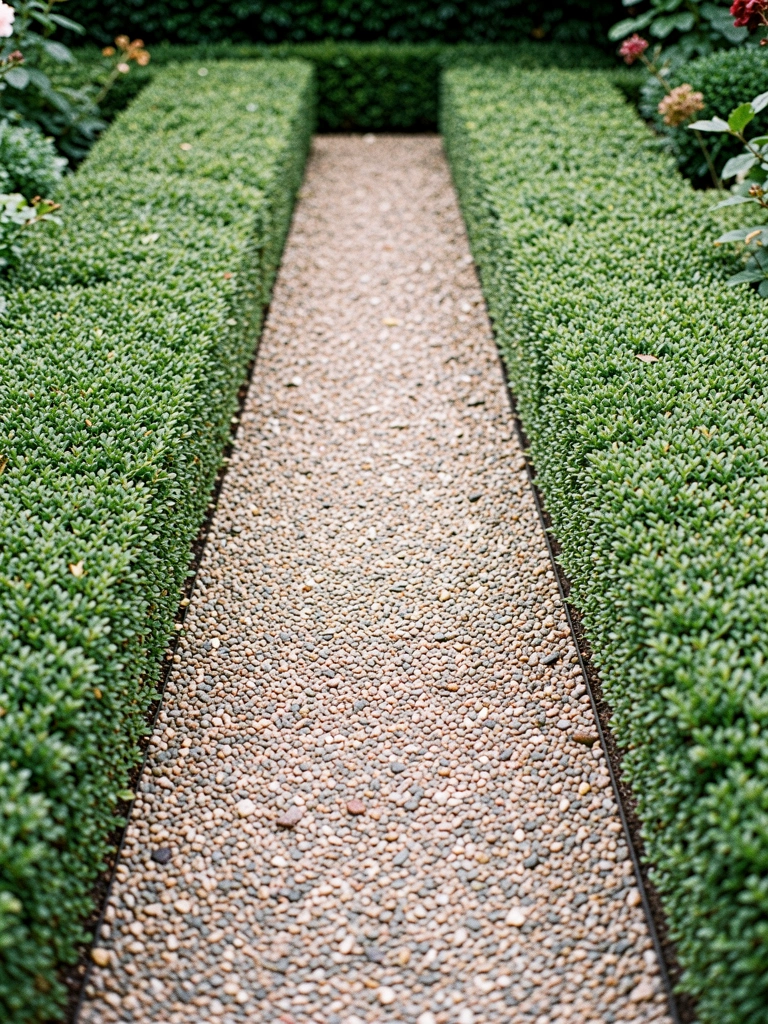
I planted a tiny parterre by the front steps to give a modern, clean edge without fuss.
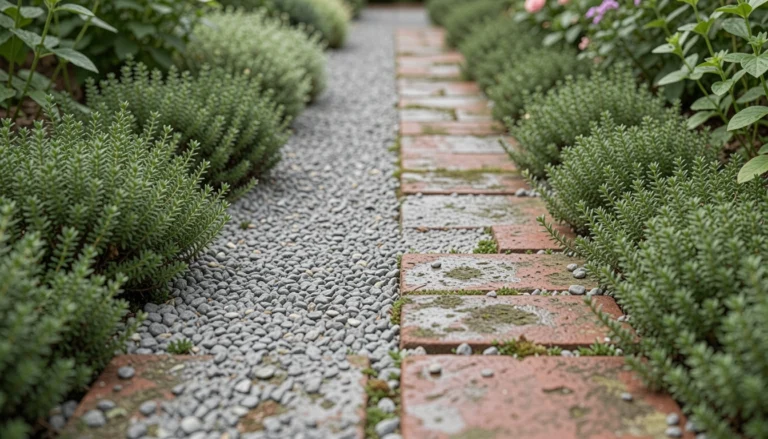
It reads crisp from the street. I use slow-growing boxwood and keep paths gravel to reduce grass creep.
My first trim was too aggressive and set them back a season. I learned to prune lightly and on schedule.
What You’ll Need for This Look
- Boxwood plants (Buxus, 3–5 gallon)
- Pea gravel for paths
- Hand pruners and hedge shears
- Landscape edging, metal
9. Shade-Loving Woodland Edge with Ferns and Hostas
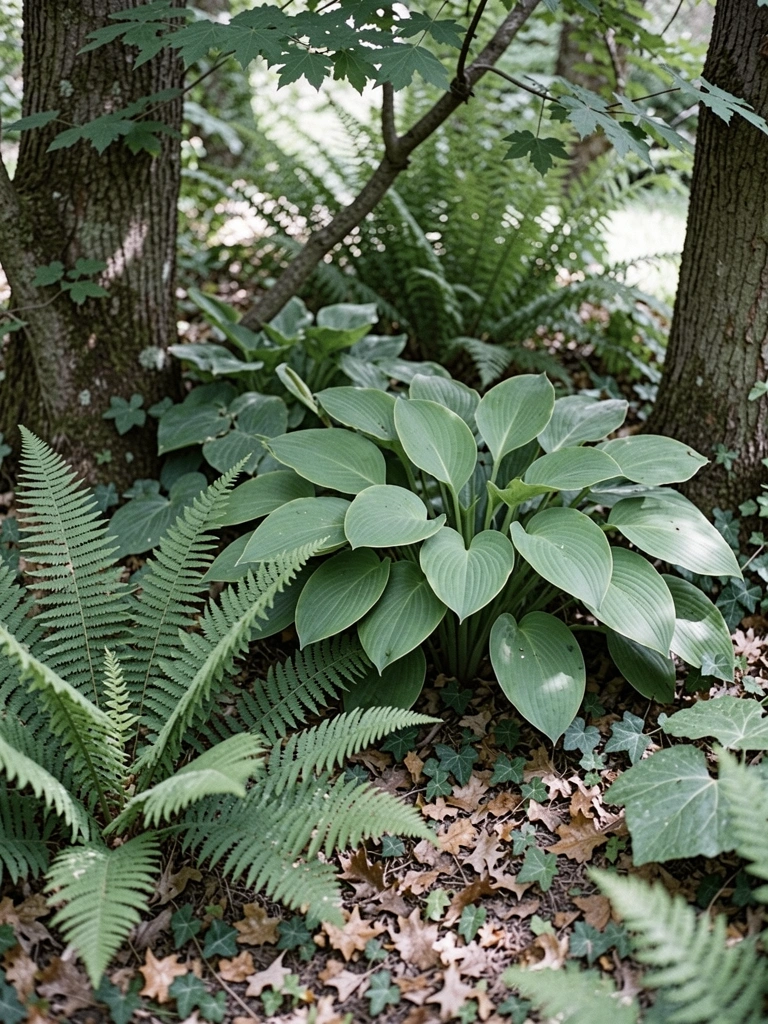
A narrow bed under my maple finally stopped being a muddy eyesore after I planted shade lovers.
Hostas, ferns, and heuchera took to the dappled light. The soil held moisture and felt lush without fuss.
I once planted begonias that sulked in my deep shade. Knowing your light saves a season of fussing.
What You’ll Need for This Look
- Hostas (varied sizes)
- Native ferns (e.g., ostrich fern)
- Acid-loving soil amendment if needed
- Organic leaf mulch
10. Coastal-Friendly Salt-Tolerant Bed for Seaside Homes
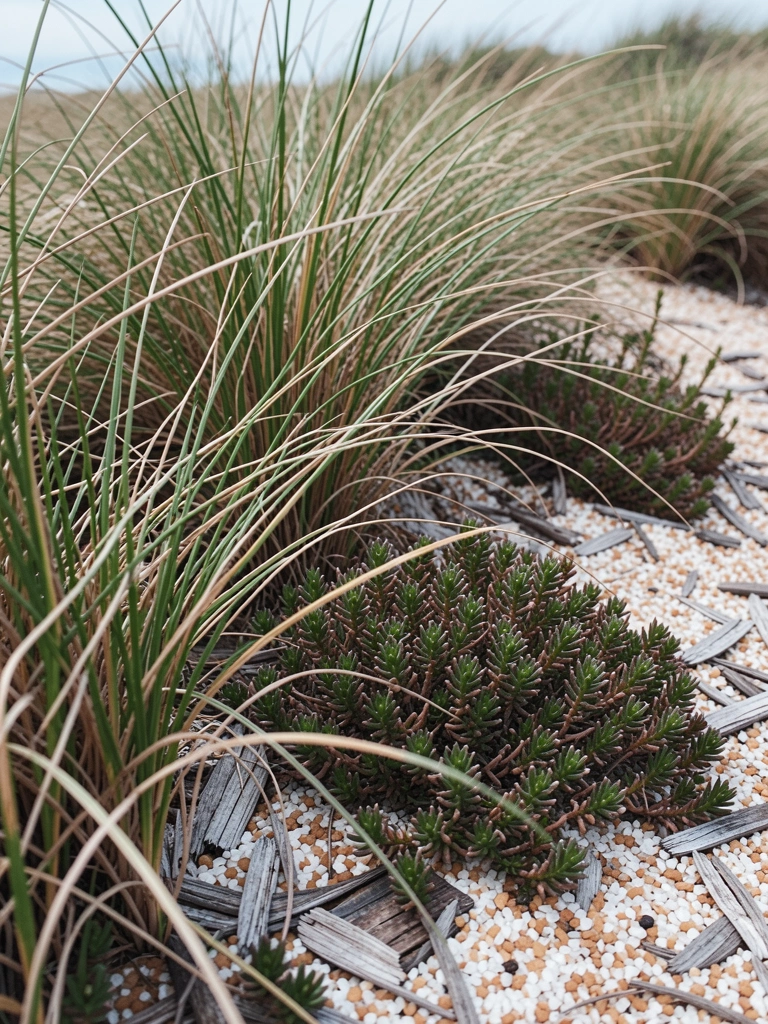
I moved to a salty street and swapped tender shrubs for coastal-tough plants. It was a relief.
Sea thrift, grasses, and seaside rosemary held up to wind and salt. The plants are low and durable, so I don’t fret storms.
I learned the hard way that some “coastal” labels don’t handle direct spray. I now look for true salt-tolerant varieties.
What You’ll Need for This Look
- Sea thrift (armeria), seaside goldenrod
- Salt-tolerant grasses (festuca)
- Coarse sand or gravel mulch
- Windbreak planting (if needed)
11. Symmetrical Twin Beds Flanking a Walkway
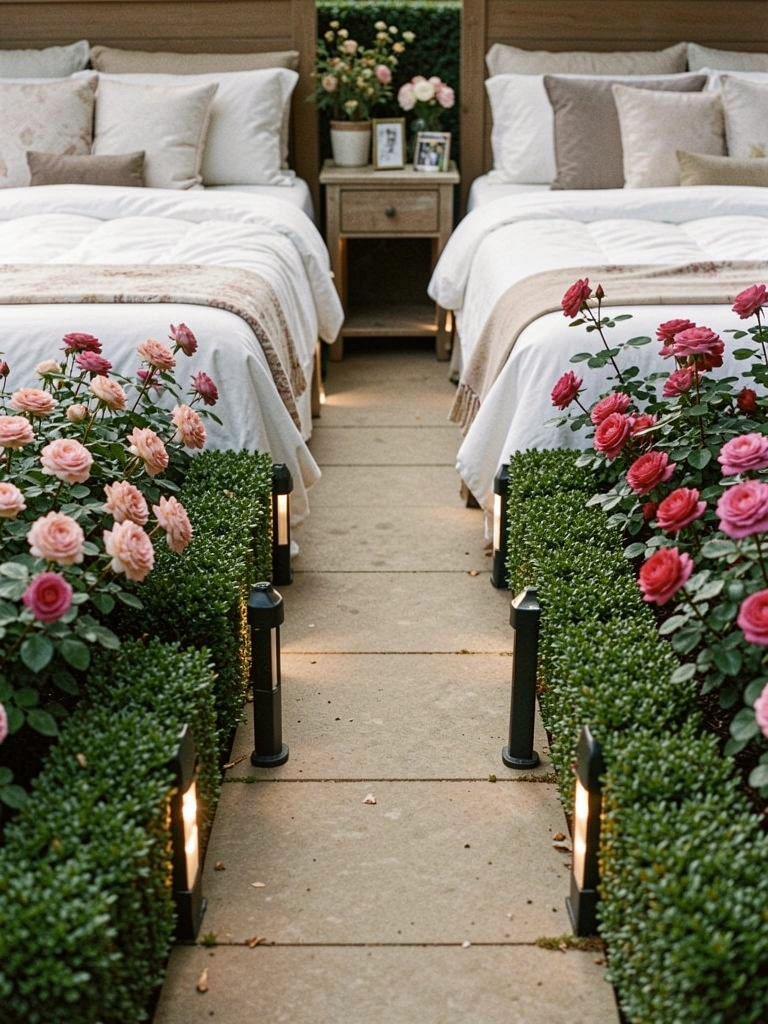
I planted matching beds on either side of my walk to give a framed entrance. Symmetry did most of the work.
I used the same repeating plants, so maintenance is predictable. It reads neat from the curb and feels welcoming.
I once chose different bloom times and the balance was off. Matching rhythm fixed the look.
What You’ll Need for This Look
- Matching shrubs (roses or hydrangeas)
- Repeating perennials (two or more varieties)
- Pair of warm white path lights
- Mulch in matching color
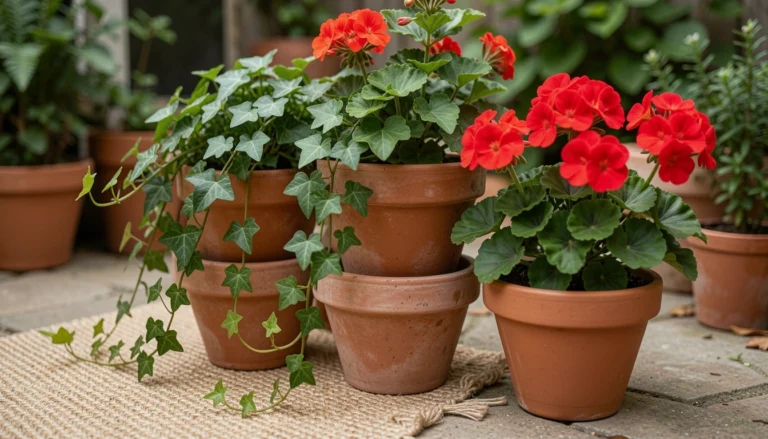
12. Small Urban Pocket Garden with Containers and Plants
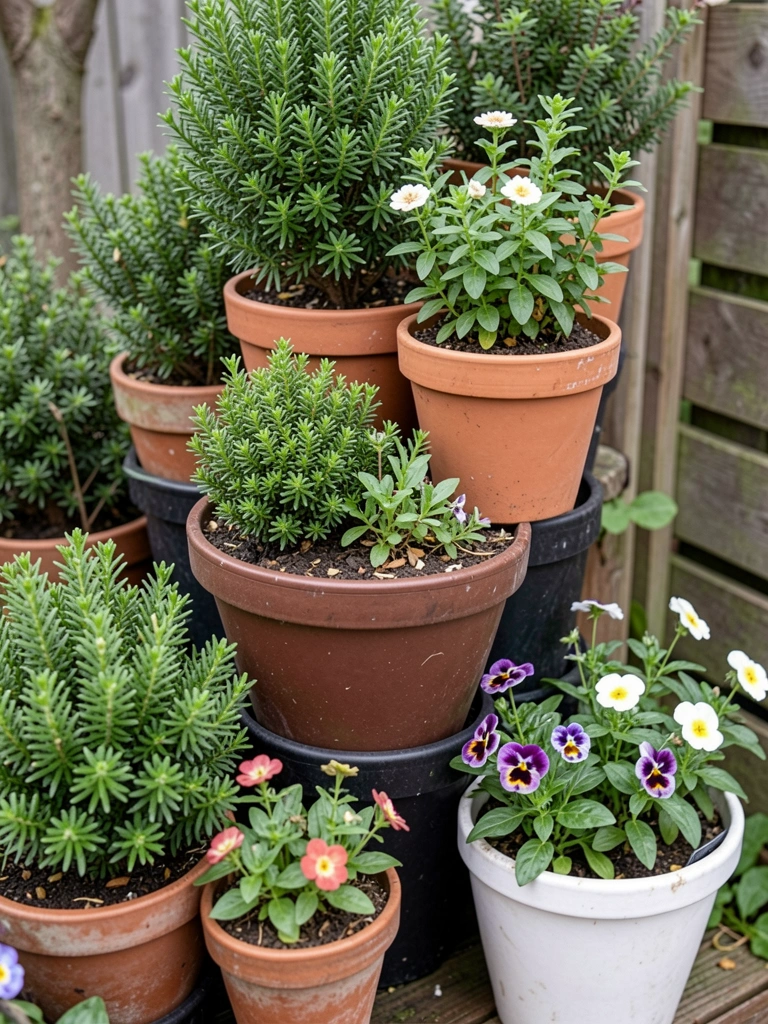
My narrow city lot got a pocket garden of containers inside a shallow bed. It made the space feel intentional.
Containers let me change plants seasonally. I also used dwarf shrubs to give permanence without crowding.
I overplanted pots the first year and they competed. Now I pick one focal plant and a couple of companions.
What You’ll Need for This Look
- Assorted containers (8–16 inch) in terracotta or ceramic
- Dwarf shrubs (9–12 inch pots)
- Premium potting mix
- Drip irrigation or a watering can
13. Color-Blocked Annual Band for Seasonal Punch
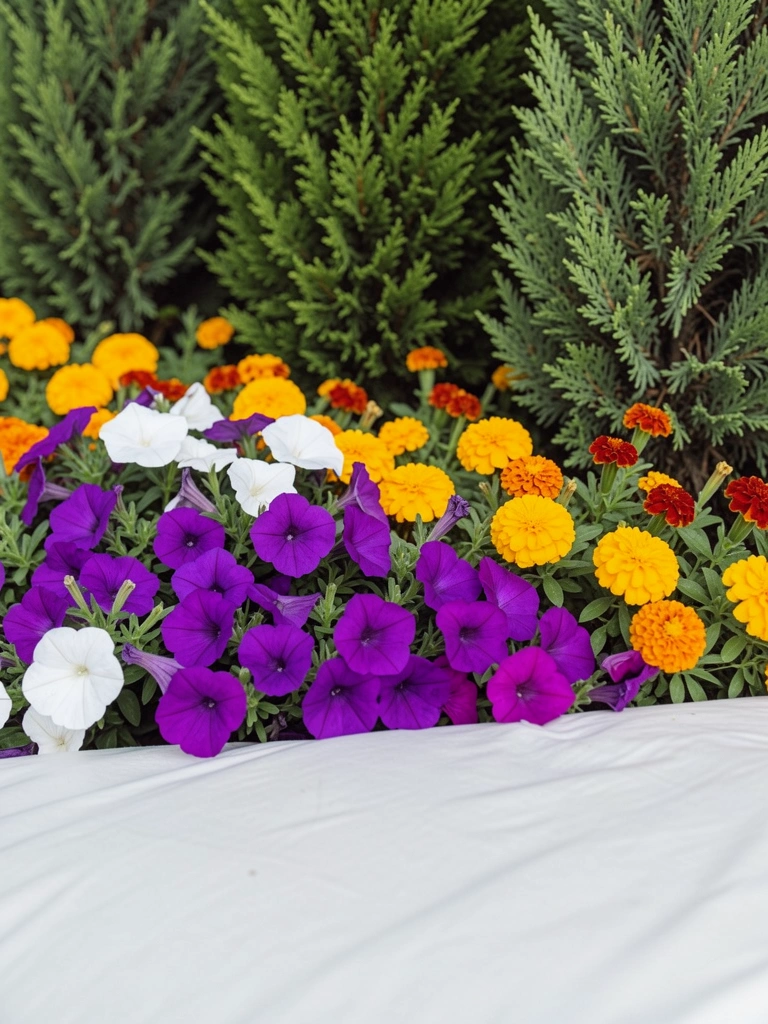
I reserve a narrow strip for annuals so the house gets seasonal color without big decisions.
A band of one color makes a strong statement and reads tidy from the street. I swap in cool or warm tones seasonally.
I once mixed too many colors and it looked chaotic. One or two harmonizing colors keeps it calm.
What You’ll Need for This Look
- Seasonal annuals (petunia, marigold, coleus)
- 6–8 inch bedding soil
- Low edging to define the band
- Fertilizer for bloom boosters
14. Native Shrub Meadow for Screening and Privacy
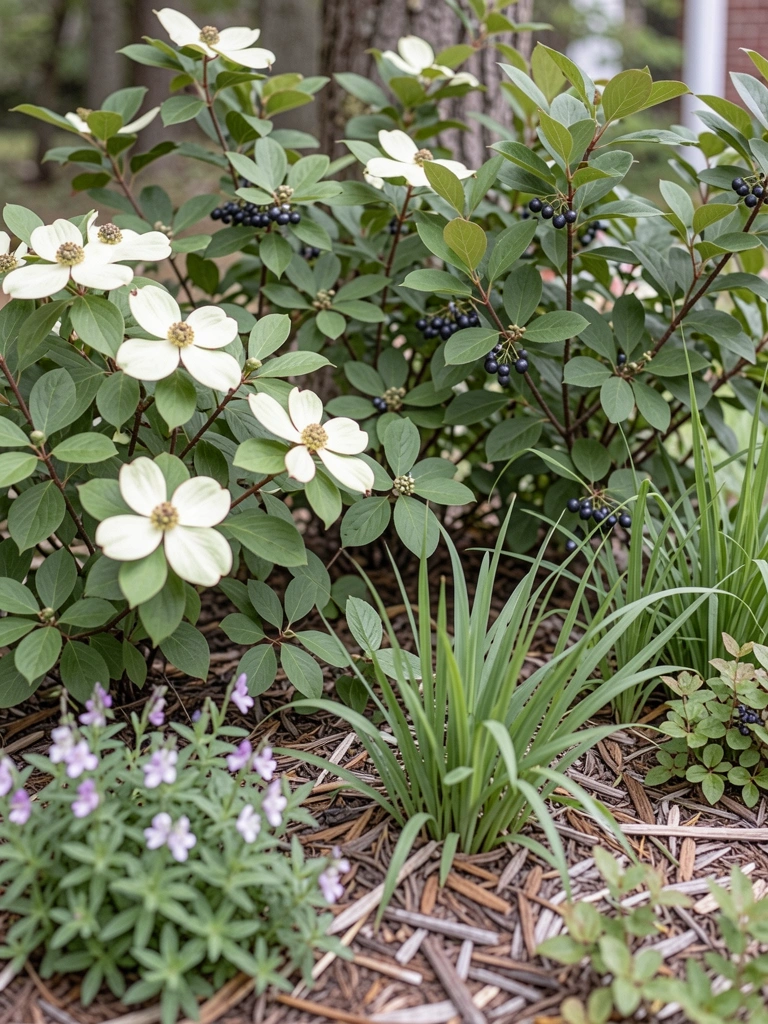
I planted a native shrub meadow at the front to give privacy without a fence. It worked slowly, but then the house felt tucked-in instead of closed-off.
The mix of shrubs and understory perennials offers seasonal interest and habitat. It’s relaxed and forgiving.
I misjudged mature size once and had to remove a crowded shrub. Give distance between groups.
What You’ll Need for This Look
- Native shrubs (serviceberry, dogwood)
- Understory perennials (fern, goldenrod)
- Compost to amend planting holes
- Mulch and stakes for young shrubs
15. Stacked Planter Steps for a Sloping Front Yard
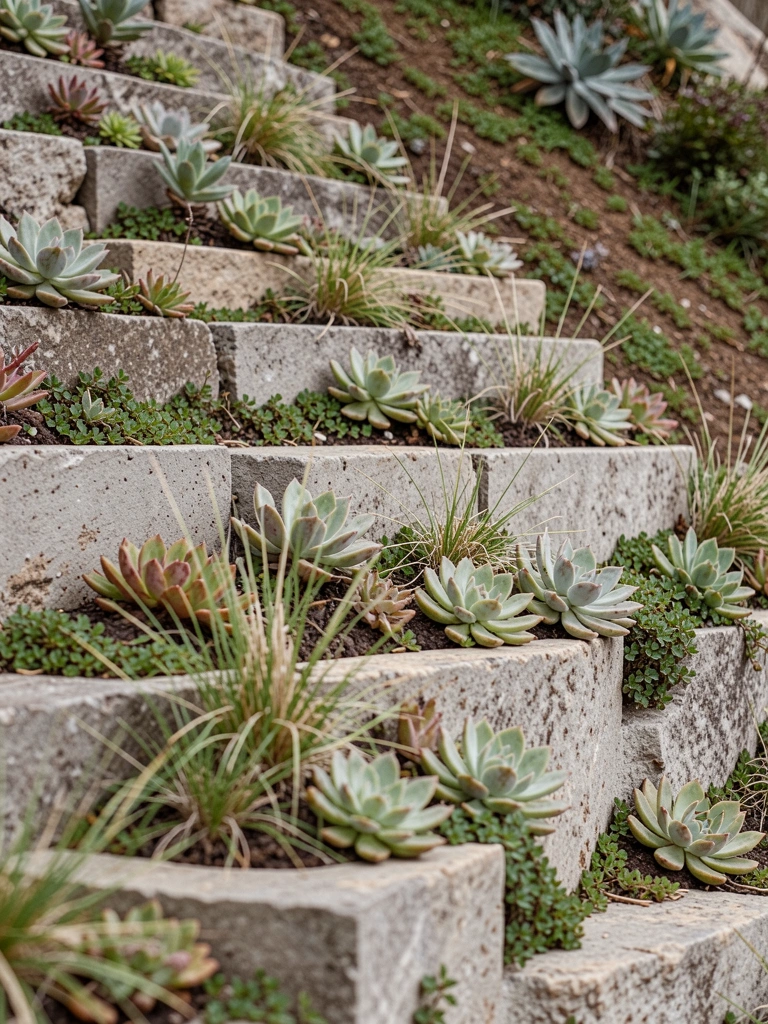
My sloping front yard used to erode. I built small terraced beds and planted each step with different textures.
It made maintenance manageable and created mini-scenes as you walk up. I planted trailing groundcovers at the front to soften edges.
I underestimated how fast groundcovers spread and had to edge them back. Now I choose slower spreaders for terraces.
What You’ll Need for This Look
- Stone or timber risers for terraces
- Succulents, low grasses, groundcovers
- Good drainage mix for each terrace
- Hand trowel and edging tool
16. Mirror Planting to Make a Small Yard Feel Larger
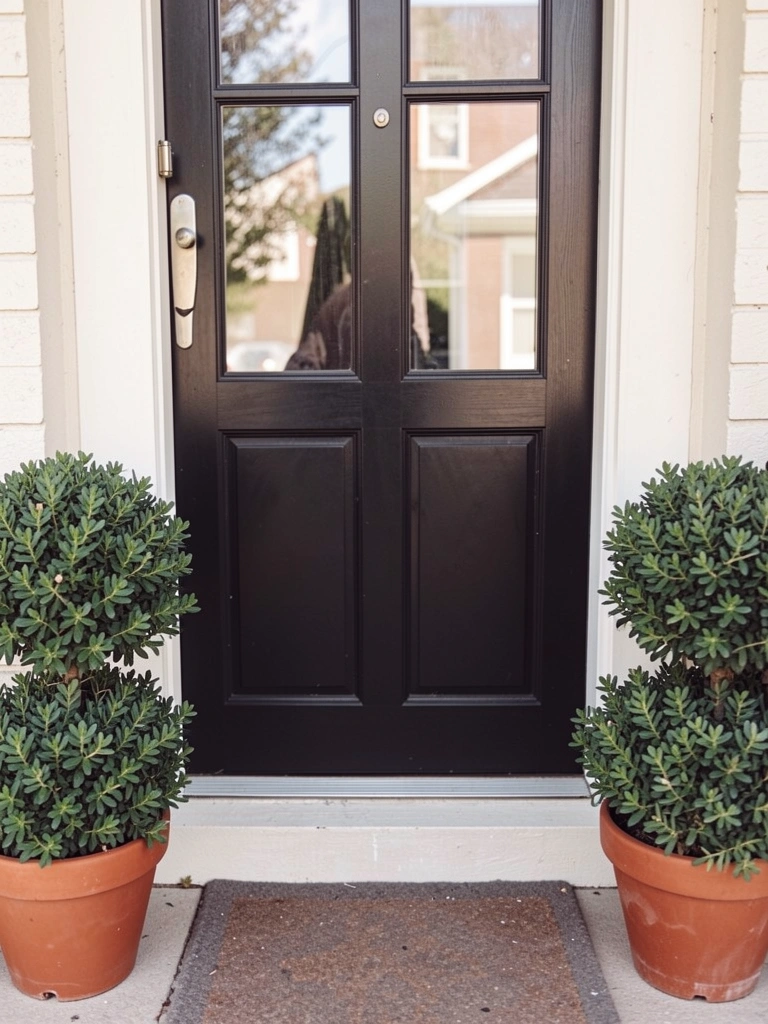
My tiny front area felt cramped until I mirrored plantings across the doorway. The repetition creates balance and the space looks wider.
I used the same container style and a pair of shrubs. It feels intentional, clean, and calm.
Once I tried mismatched pots and the illusion broke. Matching scale matters more than matching exact plants.
What You’ll Need for This Look
- Pair of matching containers (12–16 inch)
- Paired shrubs (dwarf hollies or extras)
- Topsoil and slow-release fertilizer
- Decorative pebble topdress
17. Edible-Forward Front Bed with Fruit and Herbs
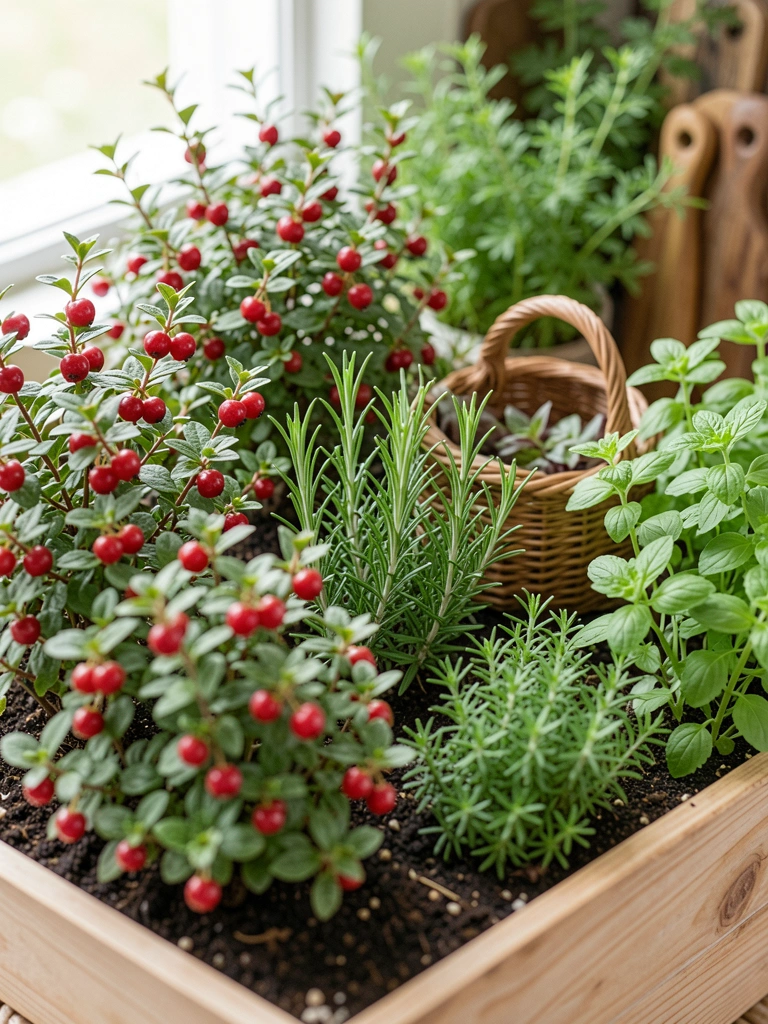
I grew tired of hiding edibles in the backyard and moved compact berries and herbs to the front bed. It feels useful and pretty.
Compact blueberries, thyme, and lavender give scent, structure, and snacks. Neighbors often stop to admire and ask what I’m harvesting.
I once planted a large raspberry and it spread too vigorously. I now pick compact or container-friendly varieties.
What You’ll Need for This Look
- Compact blueberry bushes (3–5 gallon)
- Herb starters (thyme, basil, rosemary)
- Berry-friendly acidic soil mix (if needed)
- Small harvest basket
Final Thoughts
I’ve planted, pruned, and fixed more front beds than I can count. Most fixes were simple and cheap.
You don’t have to do everything. Pick one idea. Start small. Watch it grow.
Trust your taste. Gardens take time, but they repay patience.