How to Plant a Butterfly Garden Step by Step
I’d been staring at a patchy corner that felt empty.
I wanted movement and color every afternoon.
I wanted life and real visitors.
This guide shows how to plant a butterfly garden that looks intentional and feels alive. It’s practical and calm, not fussy. Start small and tweak as you watch.
How to Plant a Butterfly Garden Step by Step
You’ll learn how to pick a sunny site, place host and nectar plants for constant bloom, and shape a small layout that butterflies actually use and return to.
What You’ll Need
- Sunny planting area (3–6 ft wide, south or southwest exposure)
- Native milkweed (Asclepias spp.), 3–5 crowns as host plants
- Purple coneflower (Echinacea purpurea), clumps of 5–7 stems for nectar
- Bee balm (Monarda), bright red or pink mounds for summer nectar
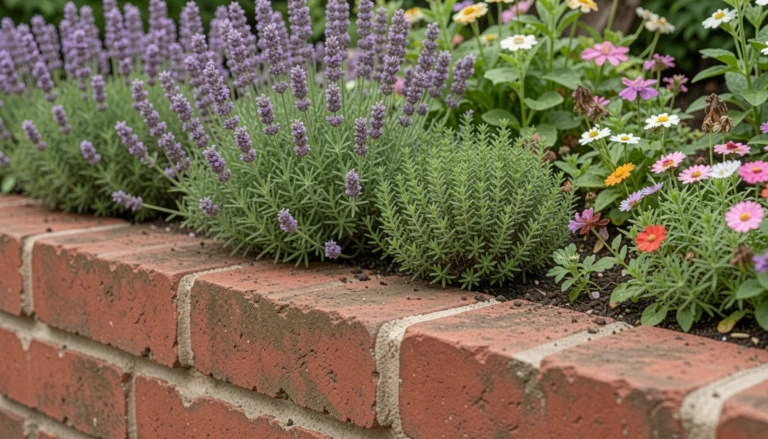
- Lavender (Lavandula angustifolia), low silvery mounds for late-season visits
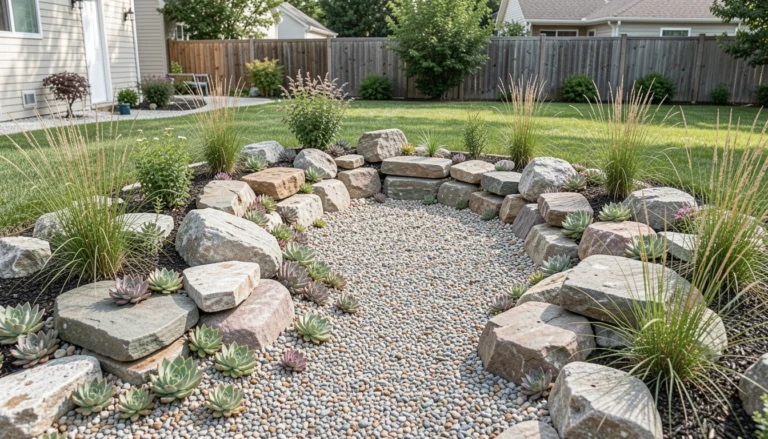
- Flat sun-warmed stones (2–3 flagstones) for basking
- Shallow glazed dish (low, shallow ceramic) for puddling water
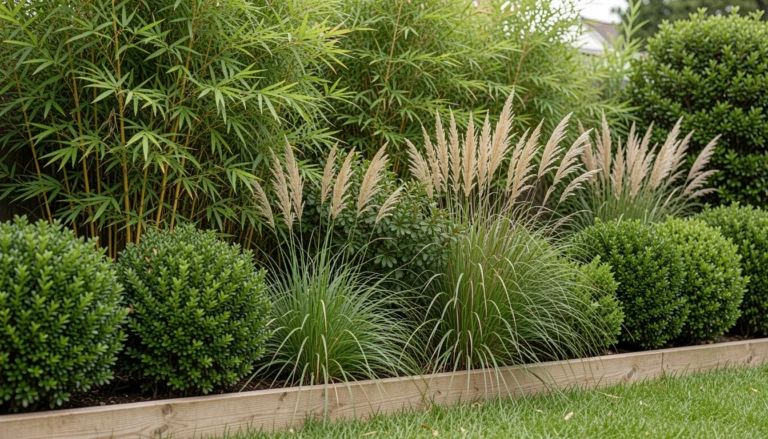
- Small evergreen backdrop (compact native shrub, 2–3 ft) for shelter
Step 1: Choose a Sunny, Visible Spot
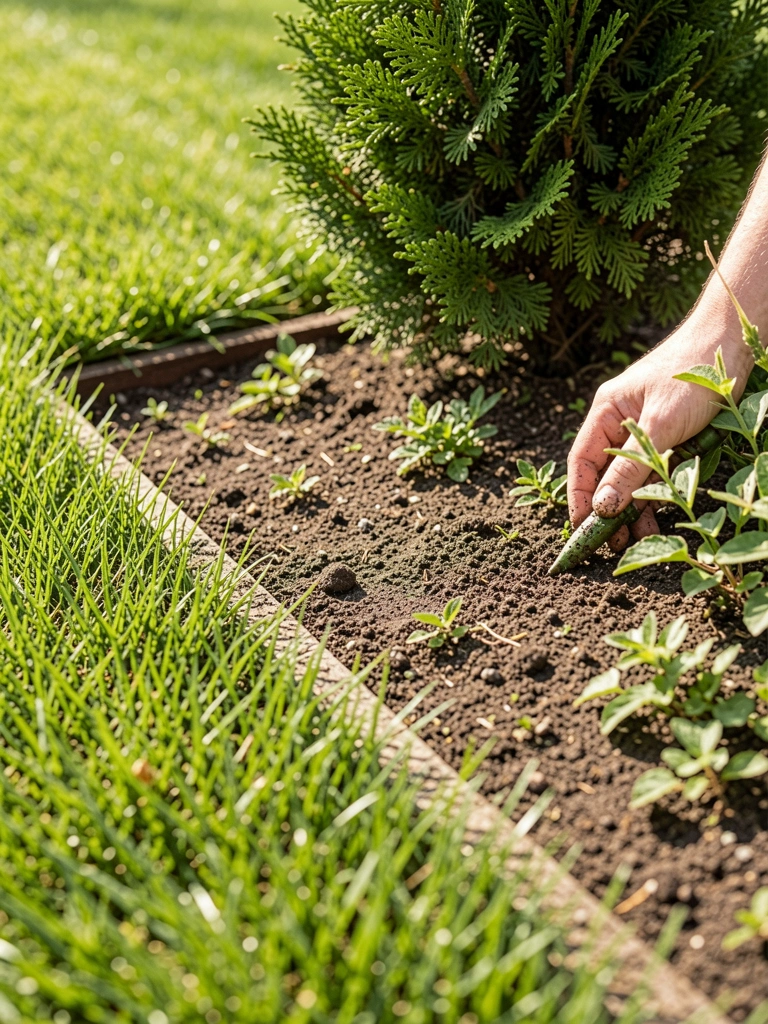
I start where the sun hits for most of the day. Butterflies need warmth and visibility. Placing the bed on an edge or near a path makes it readable from the yard and invites more visits. Visually, an empty corner becomes framed and purposeful once I commit to its shape. People often miss how much butterflies favor edges and paths rather than deep, hidden beds. A small mistake is making the bed too formal or narrow — I leave room for plants to breathe and for me to step in and enjoy the view.
Step 2: Plant Host Plants in Simple Clumps
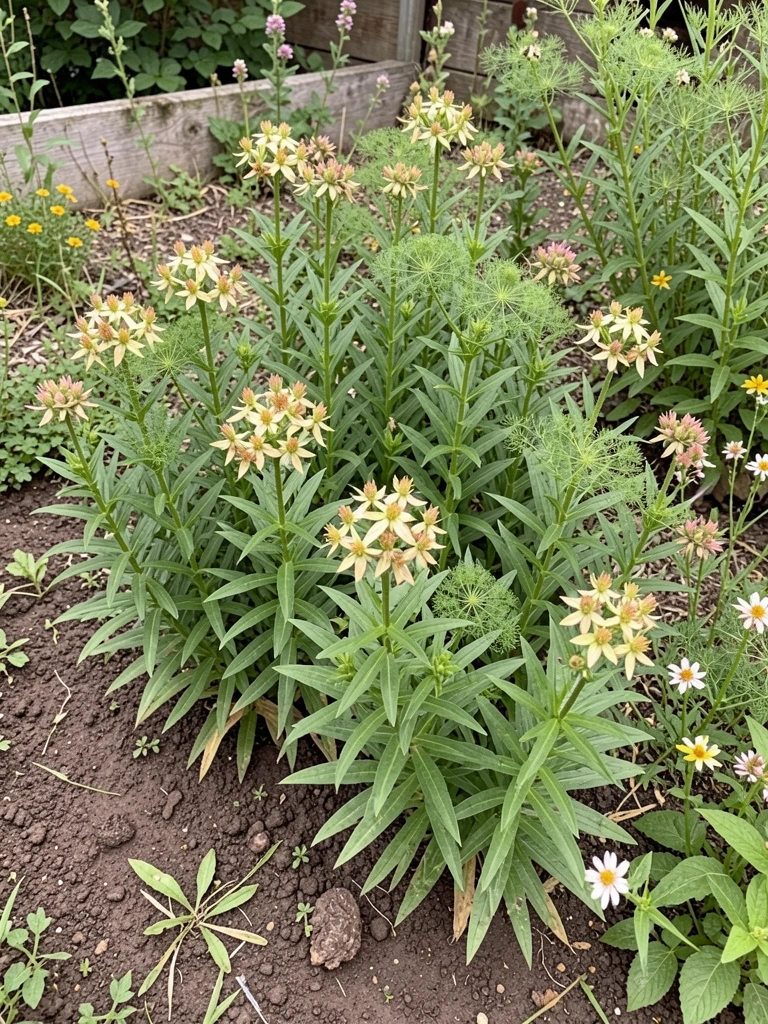
I place host plants like milkweed in tight groups rather than scattering single stems. Caterpillars find food more easily when hosts read as a block. Visually, these clumps become the green anchor of the bed, not just random leaves. Many people miss that host plants need to be obvious — tucked-away milkweed gets ignored by egg-laying females. Avoid hiding hosts behind taller flowers. Don’t plant hosts in tiny, single pots; they need presence to be useful and to catch a butterfly’s eye.
Step 3: Drift Nectar Plants for Continuous Bloom
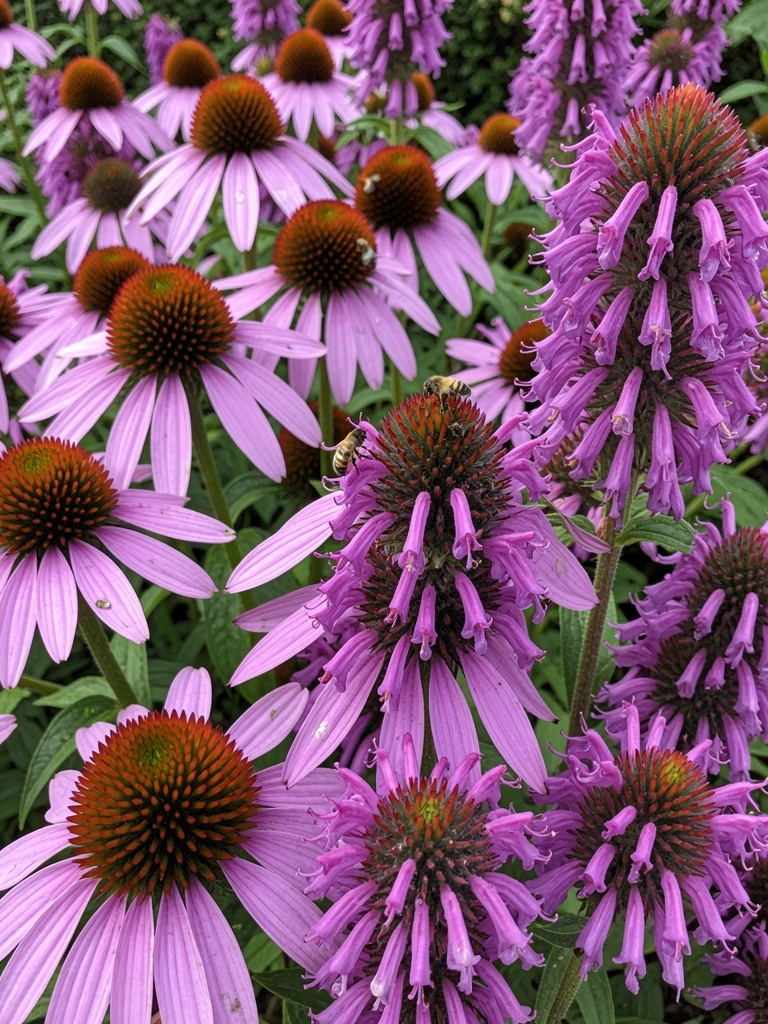
I group nectar perennials in drifts—three to seven plants per color group—so a butterfly sees a clear feeding patch. I balance height: low lavender and taller coneflowers behind. The bed shifts from flat green to layered color and movement when flowers open. One insight I learned is to stagger bloom times so something is always in flower through the season. A common mistake is planting one lucky stem of a favorite flower; singles rarely draw the same steady traffic as a visible cluster. I think in color masses, not isolated stems.
Step 4: Add Micro-Habitats — Stones, Water, and Shelter
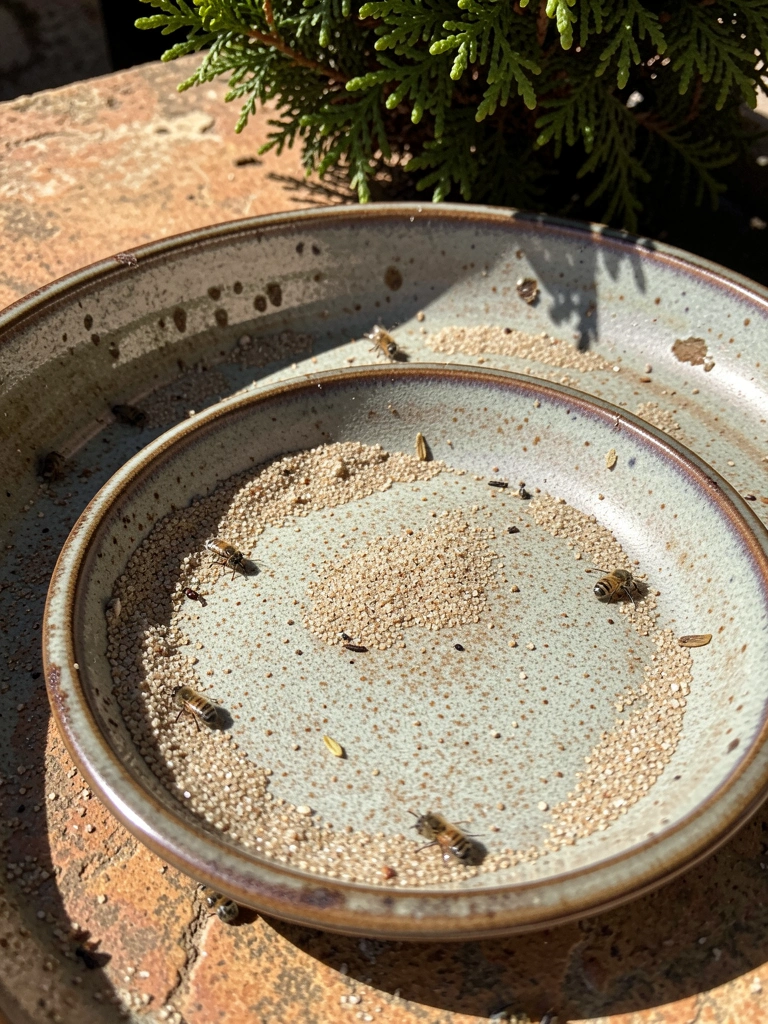
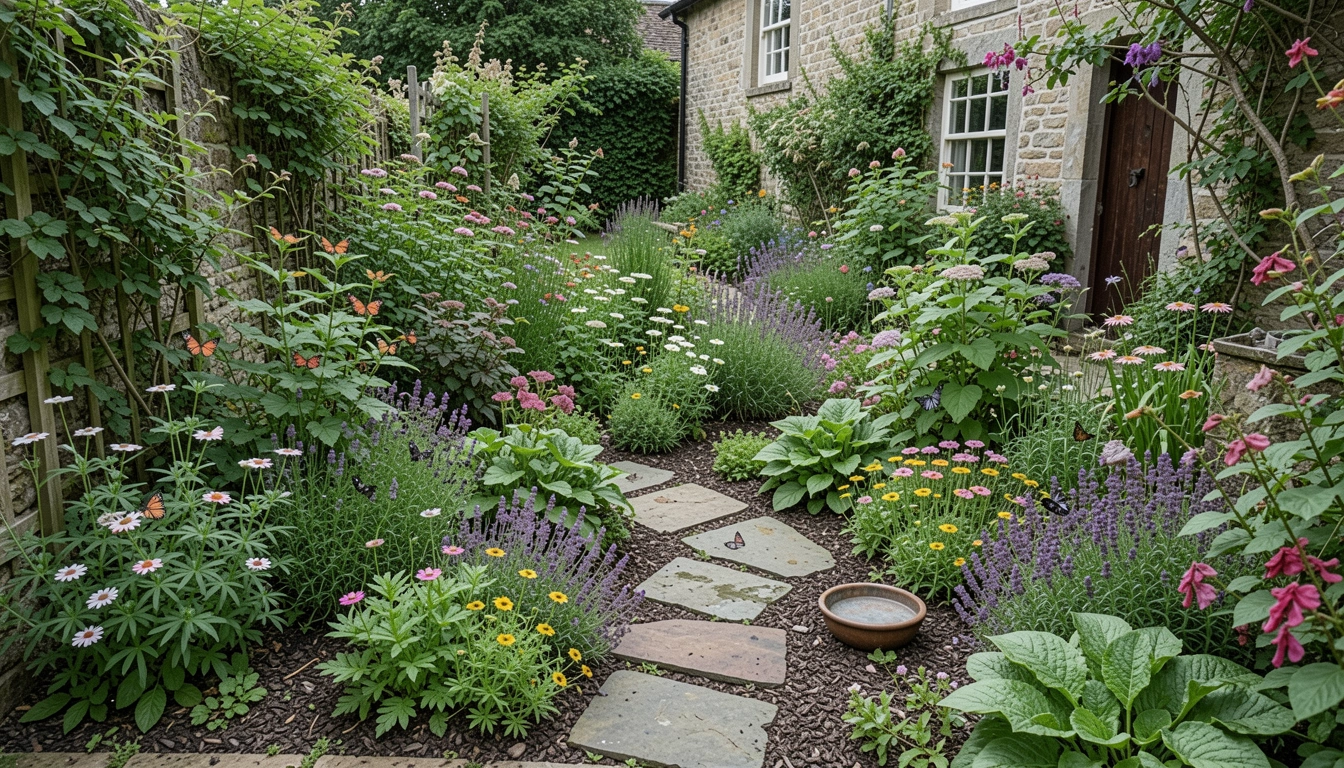
I tuck in a shallow dish with damp sand or pebbles for puddling and a couple of flat stones for basking. I also keep a low evergreen or dense shrub at the back for shelter. These small features change the bed from pretty to usable; butterflies pause, drink, and rest. People often forget that butterflies need more than flowers — they need places to warm, drink, and hide. Don’t add deep water or slippery edges. Keep puddling shallow and natural-looking so it feels like part of the garden, not a decoration.
Step 5: Watch, Tweak, and Let It Live
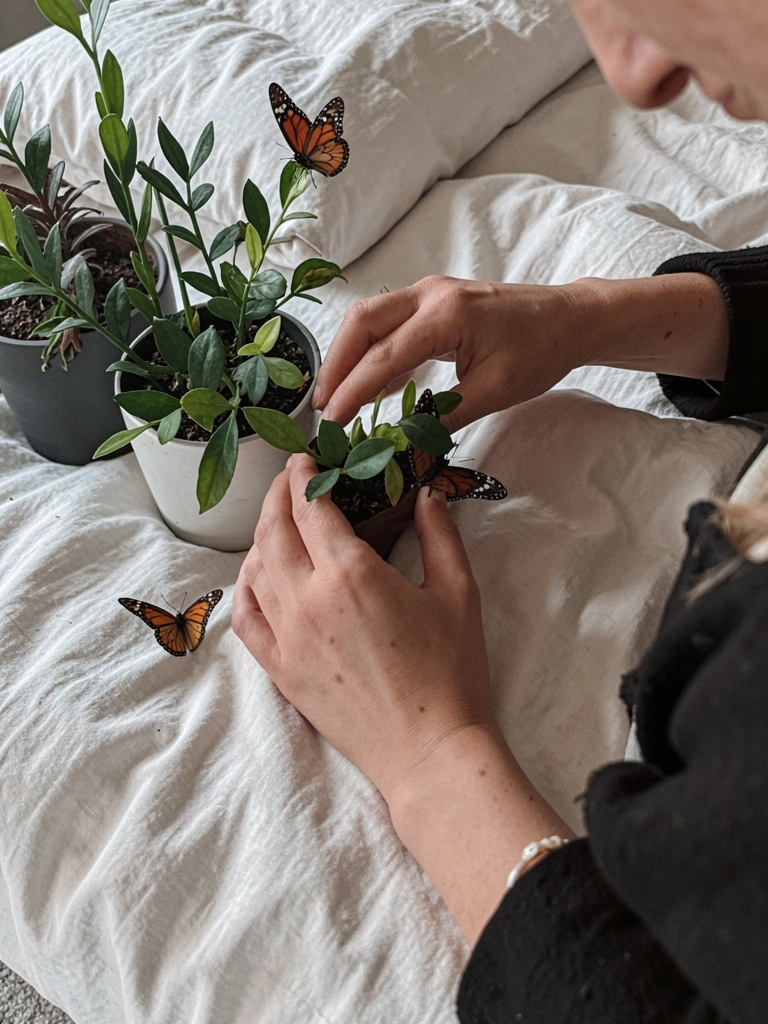
I spend quiet minutes watching where butterflies land, which flowers they prefer, and which plants get ignored. Then I move a few pots or thin a cluster to improve sightlines. Visually, the bed refines itself — gaps fill and blooms read as a sequence rather than chaos. A key insight is that small adjustments beat perfect planning. The common mistake is to over-manage: constant fussing or too much tidying removes the rough edges butterflies like. I keep notes and adjust a little each season.
Best Plants for a Butterfly Garden
Choose a mix of host plants and nectar sources. Host plants: native milkweed (Asclepias spp.), fennel, dill, and parsley for swallowtails. Nectar plants: purple coneflower (Echinacea), bee balm (Monarda), lavender (Lavandula), and late asters. I favor native varieties where possible because they tend to attract local butterflies.
Plant in groups and think of bloom succession. Early, mid, and late bloomers keep the menu open. A small shrub like a compact Viburnum or native Ceanothus (where appropriate) provides scale and shelter.
Design Tips for Small Spaces
Keep shapes simple. A curved bed or a triangular patch beside a path reads larger than a square. I use drifts of three to seven plants to make impact without crowding.
Focus on sightlines. Place taller nectar plants at the back and low lavender at the front. Bulleted reminders:
- Group three or more of the same plant for visibility.
- Leave a stepping space or viewing gap.
- Include at least one evergreen for winter structure.
Seasonal Maintenance Made Simple
I tidy minimally. Deadhead spent flowers to encourage more blooms, but I leave some seedheads for late-season interest and shelter. Cut back in late winter except for a few stems I leave for overwintering insects.
Watch for pests and resist the urge to spray. A few chewed leaves mean the garden is doing its job. Top up the puddling dish in warm weather and replace one plant a season if needed.
Final Thoughts
Start with a single sunny patch and one host plant.
Work in color drifts and a shallow puddle.
Make small adjustments after a week of watching.
You’ll get more visits than you expect if the layout reads as simple, comfortable, and useful.