19 Natural Garden Bed Ideas With Rocks For A Low Effort Landscape
I finally understood that rocks don’t make a garden cold — they make it sensible.
I used them to hide wonky edging, to hold soil on slopes, and to slow my watering down.
These ideas are from muddy mornings and late afternoons in real yards. Simple. Practical. Doable.
19 Natural Garden Bed Ideas With Rocks For A Low Effort Landscape
These 19 ideas use rocks to cut work, protect soil, and add texture without fuss.
I’ll show what I did, what went wrong, and what actually worked.
Expect straightforward, real-world options you can start this weekend.
1. River Rock Path Through a Cottage Bed
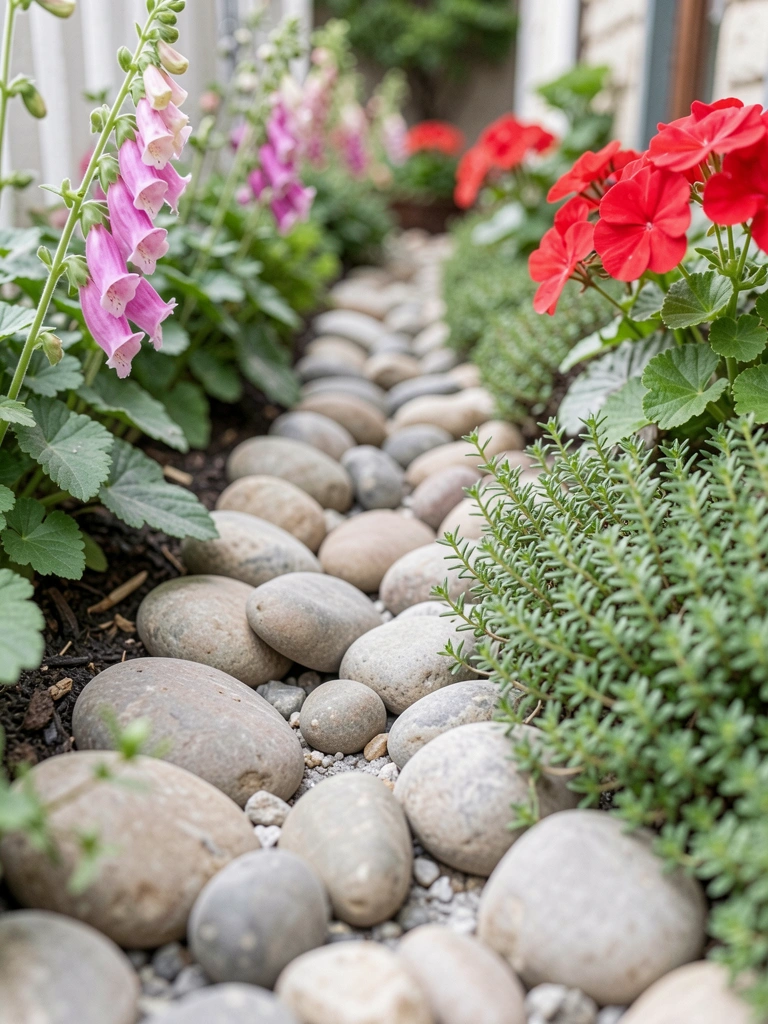
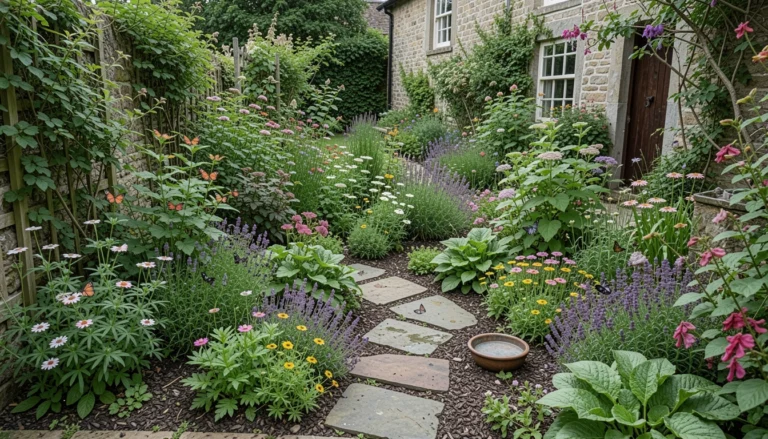
I dug a shallow trench and dumped river rock. It looked rough at first, but as thyme spilled over the edges it warmed up. The path keeps my shoes cleaner and stops my clumsy dog from trampling seedlings.
If you skimp on base material the stones sink; I learned that after a rainy season. A layer of crushed stone under the river rocks fixed it.
What I like is the low upkeep. Sweep a few leaves; let plants spill over.
What You’ll Need for This Look
- River rock, 1–2 inch rounded
- Crushed stone or coarse sand base
- Creeping thyme or low groundcover
- Rubber-edged shovel
2. Dry Creek Bed for Slopes and Drainage
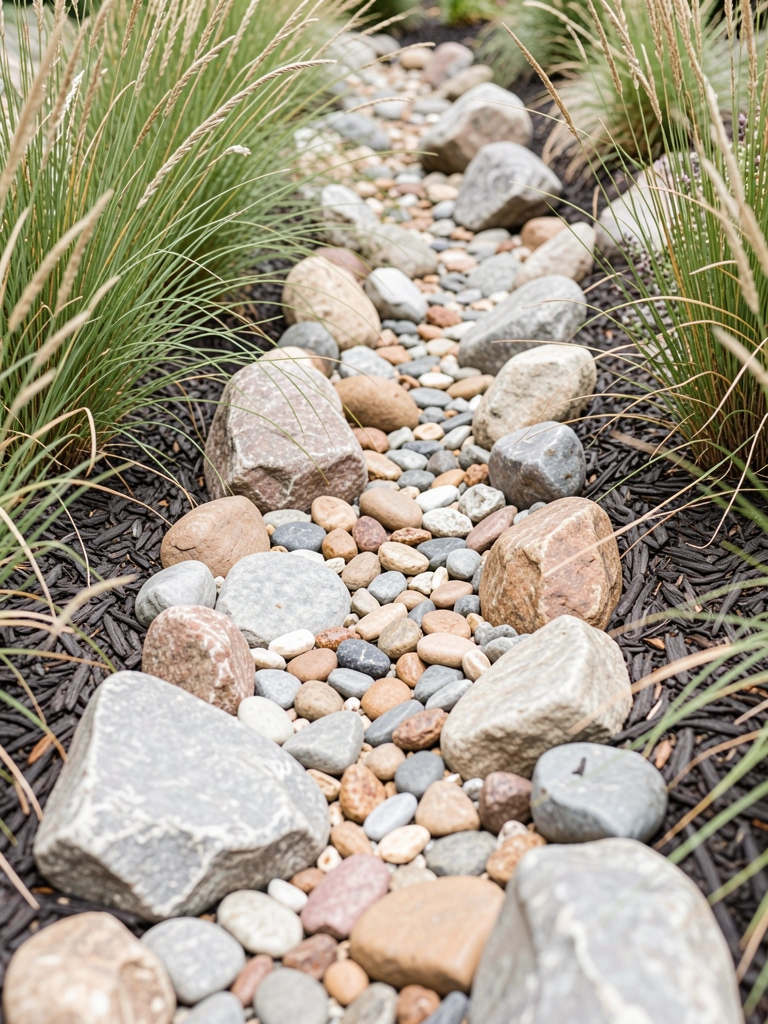
I built a dry creek to stop run-off across a steep patch. It’s honest and looks right in the garden — not too fussy. Water follows the path, and I finally stopped losing soil after storms.
My mistake was choosing stones that were too uniform; they looked like a stream in a catalog. I swapped in larger, flatter rocks and some slate for variety and it feels natural now.
It’s low work once set. Pull a couple weeds twice a year and it does its job.
What You’ll Need for This Look
- Mixed gravel (¼–¾ inch)
- Flat stepping boulders (12–24 inch)
- Native sedges, ornamental grass
- Landscape fabric (optional)
3. Rock-Edged Raised Bed With Mulch Infill
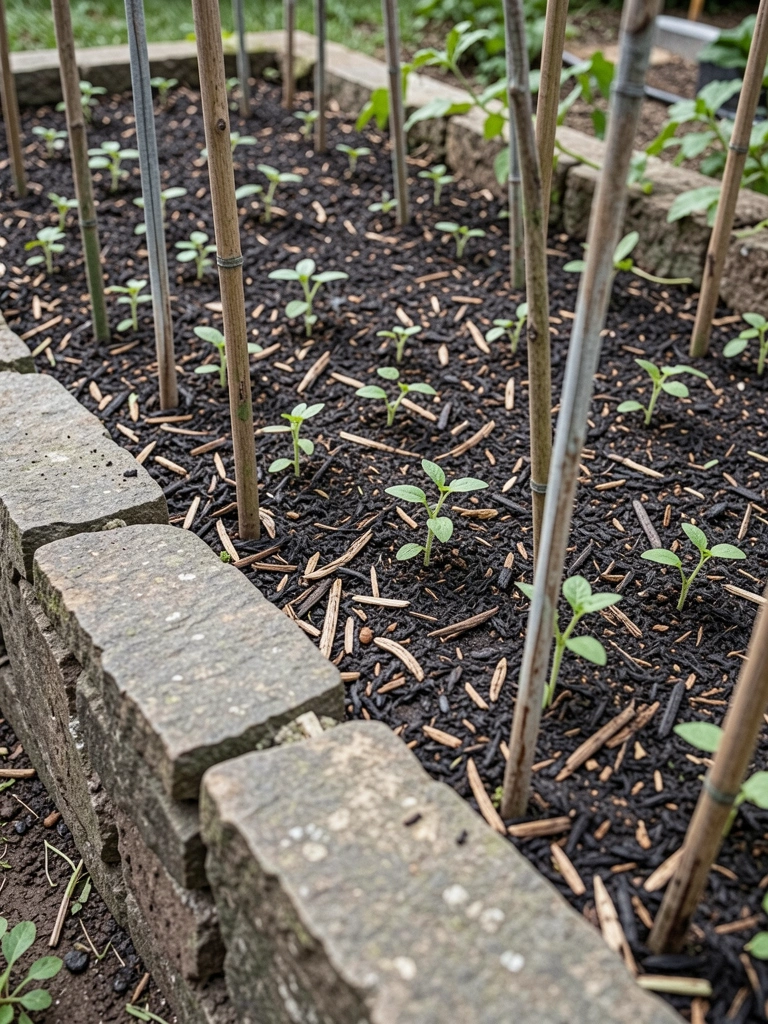
I stacked fieldstones to create a low raised bed for my tomatoes. The stones absorb heat and release it at night, which nudged my plants along early in spring.
I overfilled the bed the first year and roots didn’t have room. Pulling back some soil and adding compost solved that. Now it looks settled and sturdy.
The edge keeps mulch tidy and gives the bed a lived-in look without paint or finish.
What You’ll Need for This Look
- Fieldstone (6–12 inch)
- Compost-rich topsoil
- Mulch (bark or straw)
- Tomato cages or trellis
4. Pebble Mulch Around Drought-Tolerant Plants
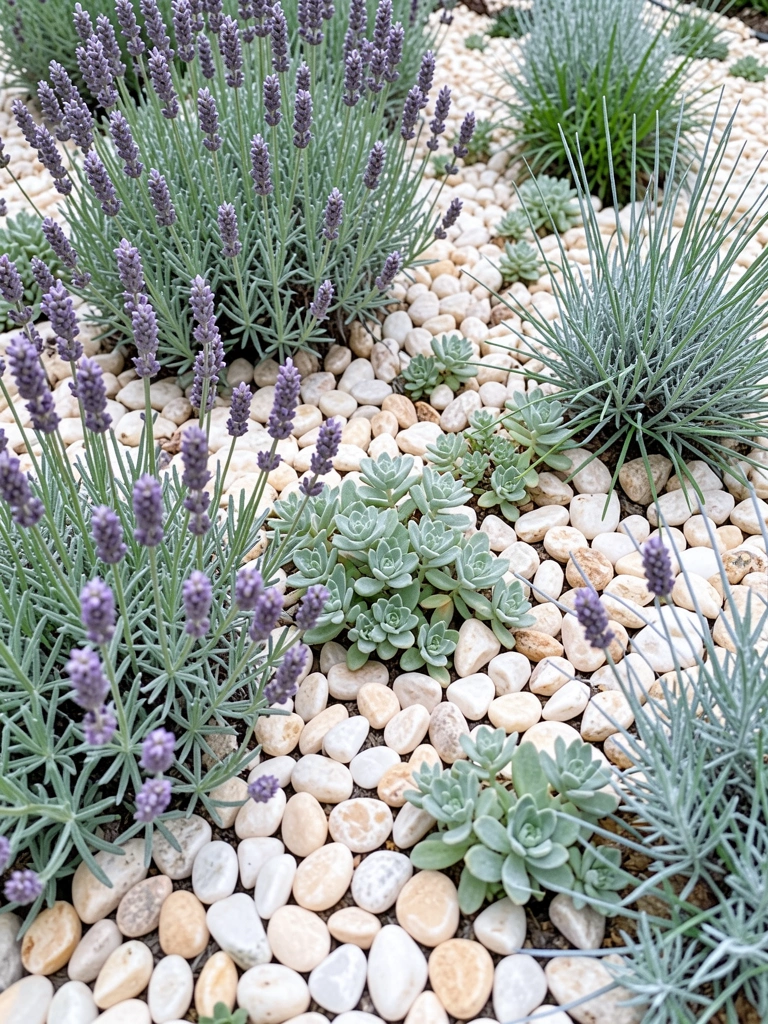
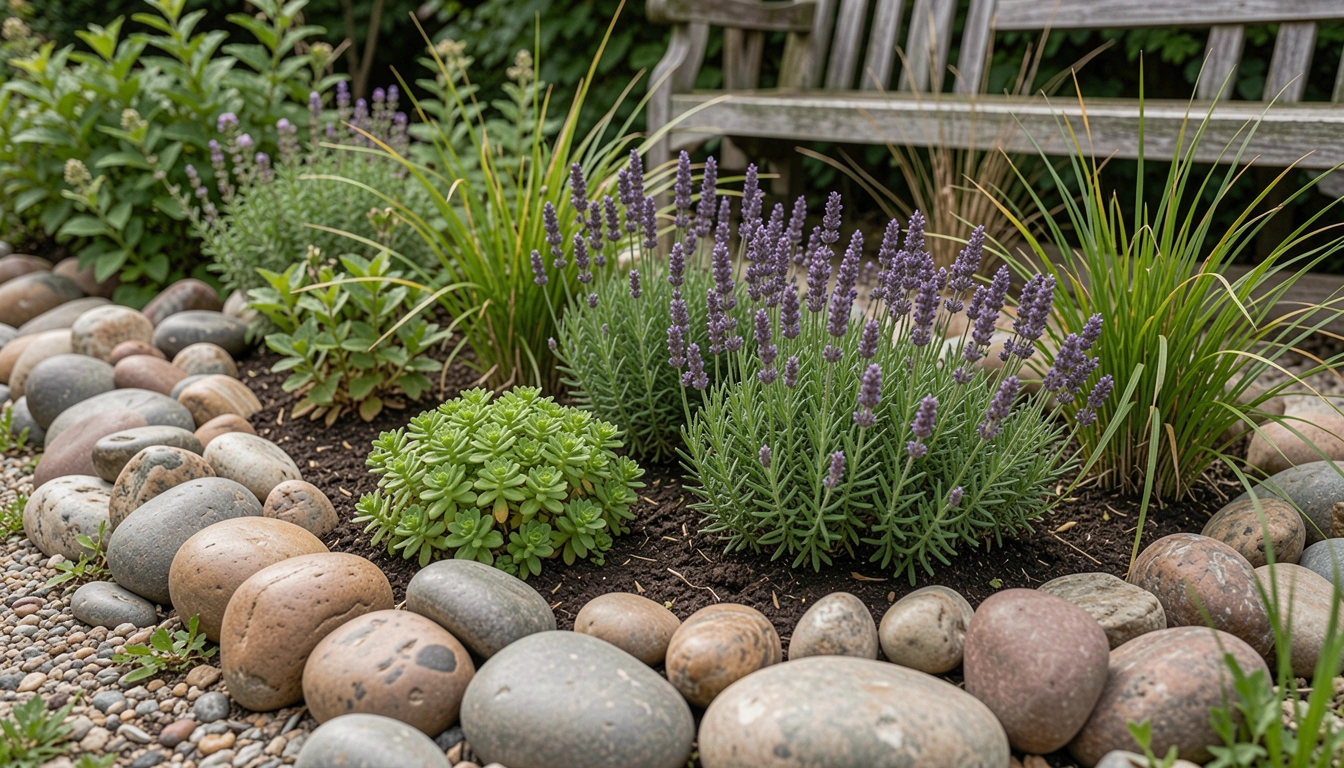
I tried pebble mulch around lavender and it made the bed feel calm and modern. The pebbles keep soil temperature steady and stop splashing during rain.
I learned to leave a small gap at the stem to avoid crown rot. It’s tempting to pile pebbles against plants; don’t.
This approach cuts weeds and watering needs. It’s tidy, and plants like lavender look professional without fuss.
What You’ll Need for This Look
- ¾ inch decorative pebbles (light color)
- Lavender, sedum, blue fescue
- Hand trowel
- Landscape fabric (optional)
5. Stepping Stone Gallery With Moss and Low Groundcover
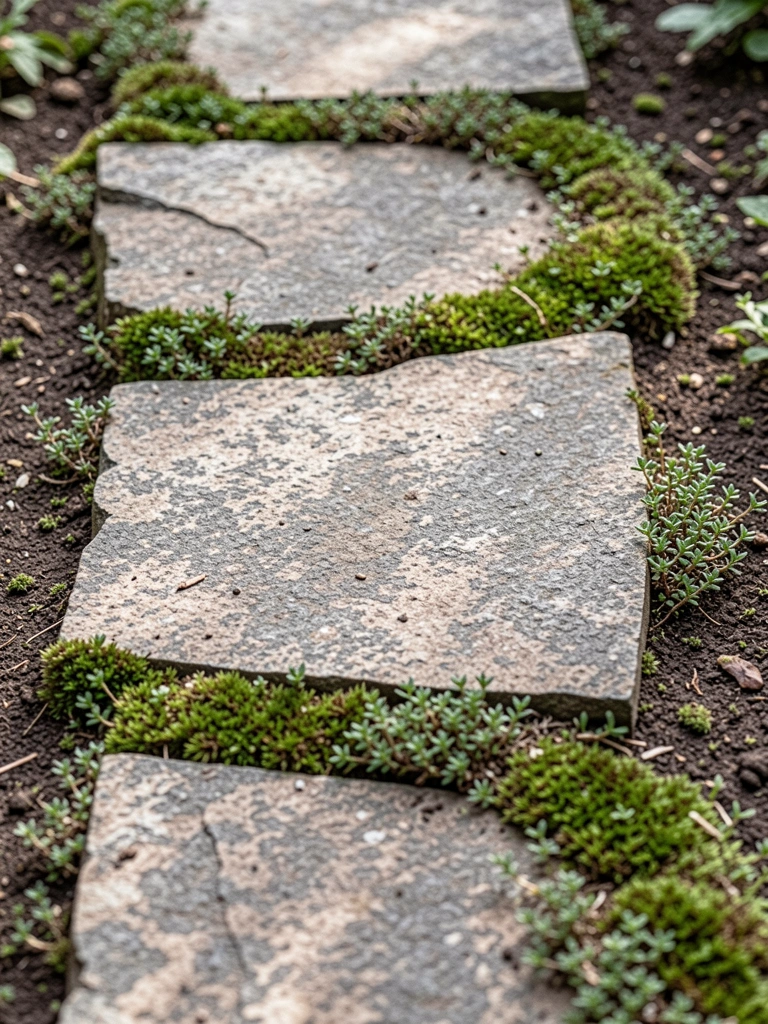
I set flagstones as a wandering step in a shaded bed. Moss filled the edges and made it feel older than it is. It’s one of those features where time does the work.
My error was setting the stones too high—the first winter they wobbled. I reset them flatter and packed soil and gravel firmly around them.
Now it’s soft underfoot, and the low groundcover hides uneven joints while staying easy to walk on.
What You’ll Need for This Look
- Irregular flagstones (12–18 inch)
- Moss or creeping thyme
- Gravel or sand for leveling
- Rubber mallet
6. Upright Rock Backdrop for a Meadow Bed
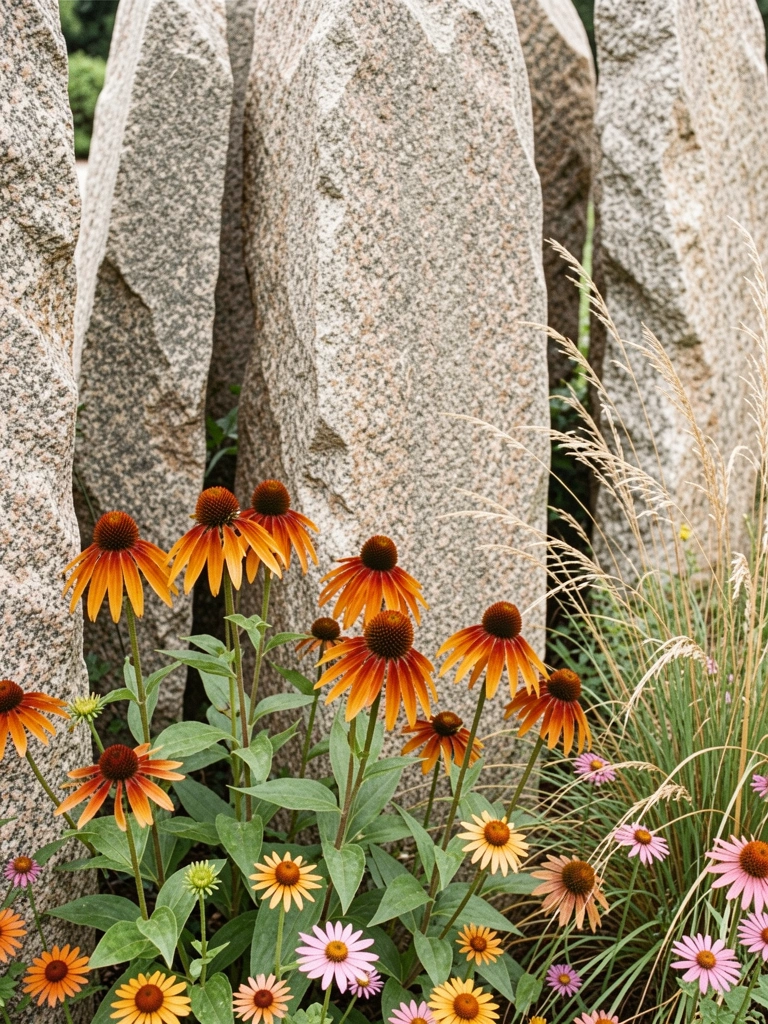
I leaned a few upright rocks at the back of a wildflower planting. They act like a wall without feeling formal. Seeds collect in the pockets and give surprises the first spring.
The rocks also break wind and shelter taller flowers. I noticed blooms lasted longer in front of the stones.
It’s a simple trick that gives character. Place them with natural irregularity; don’t force symmetry.
What You’ll Need for This Look
- Upright boulders (20–30 inch)
- Coneflowers, asters, ornamental grasses
- Shovel or small skid for placement
- Mulch for settling
7. Mixed Stone Border With Native Shrubs
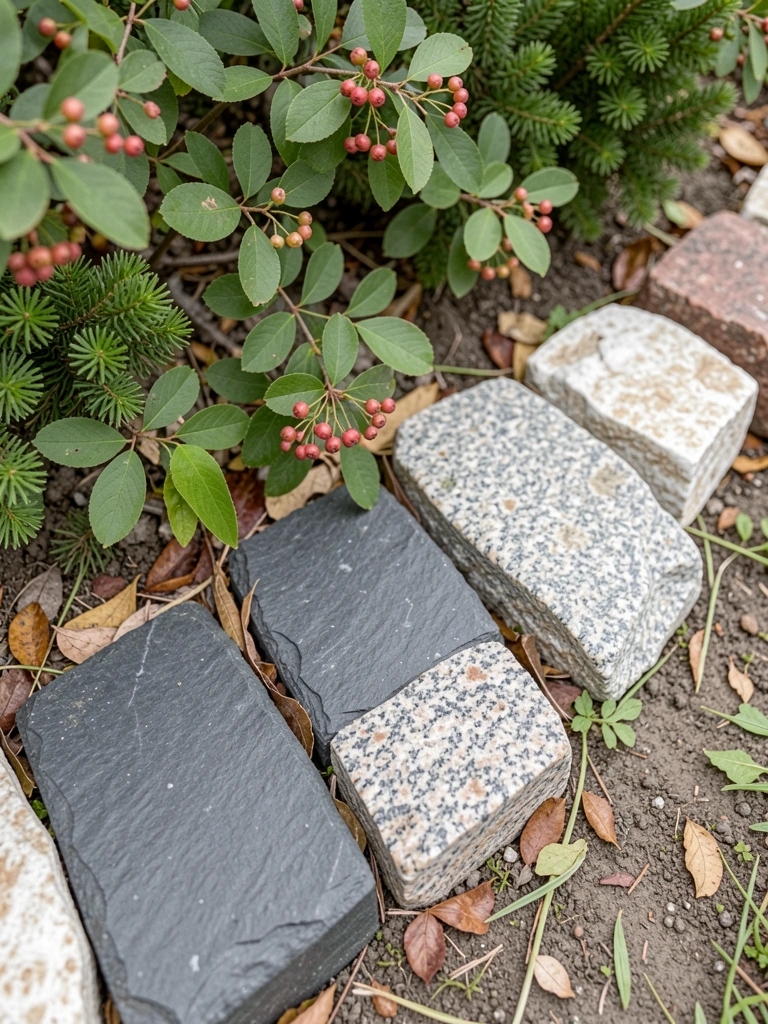
I mixed slate and granite to edge a bed of native shrubs. The varied tones match the leaves through the seasons and hide dirt better than a single stone type.
At first I used tiny pebbles and lost the look to weeds. Switching to larger stones reduced maintenance and looked more intentional.
The stones act as a visual anchor; they make the shrubs feel like part of the yard, not an afterthought.
What You’ll Need for This Look
- Mixed flagstones (6–12 inch)
- Serviceberry, dwarf boxwood, or native shrubs
- Hand tamper
- Mulch
8. Rock Circles Around Small Trees
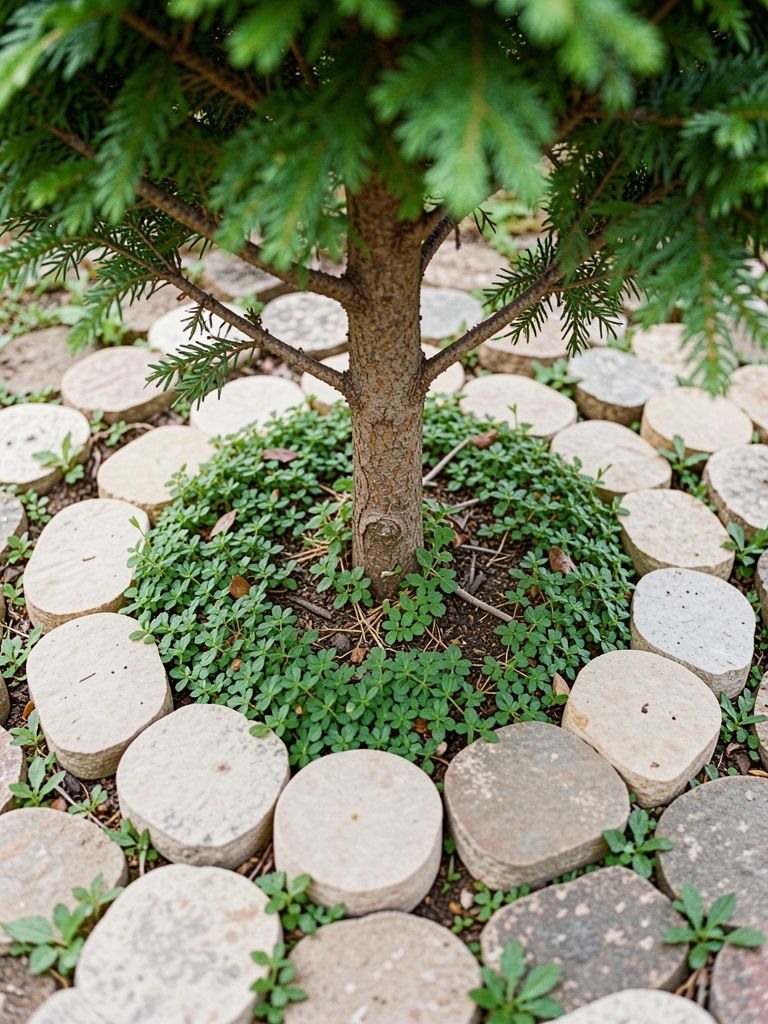
When I planted a young maple, I built a stone ring to keep grass mowers away. The ring protects the trunk and gives a neat place to mulch.
I’d recommend leaving a few inches between trunk and stones. I once packed them too close and it kept moisture against the bark. After moving them out, the trunk looked happier.
It’s a tidy, low-effort way to frame a tree and reduce edging chores.
What You’ll Need for This Look
- Flat stones for ring (8–14 inch)
- Composted mulch
- Groundcover like ajuga or low sedge
- Garden rake
9. Low Rock Walls With Pocket Planting
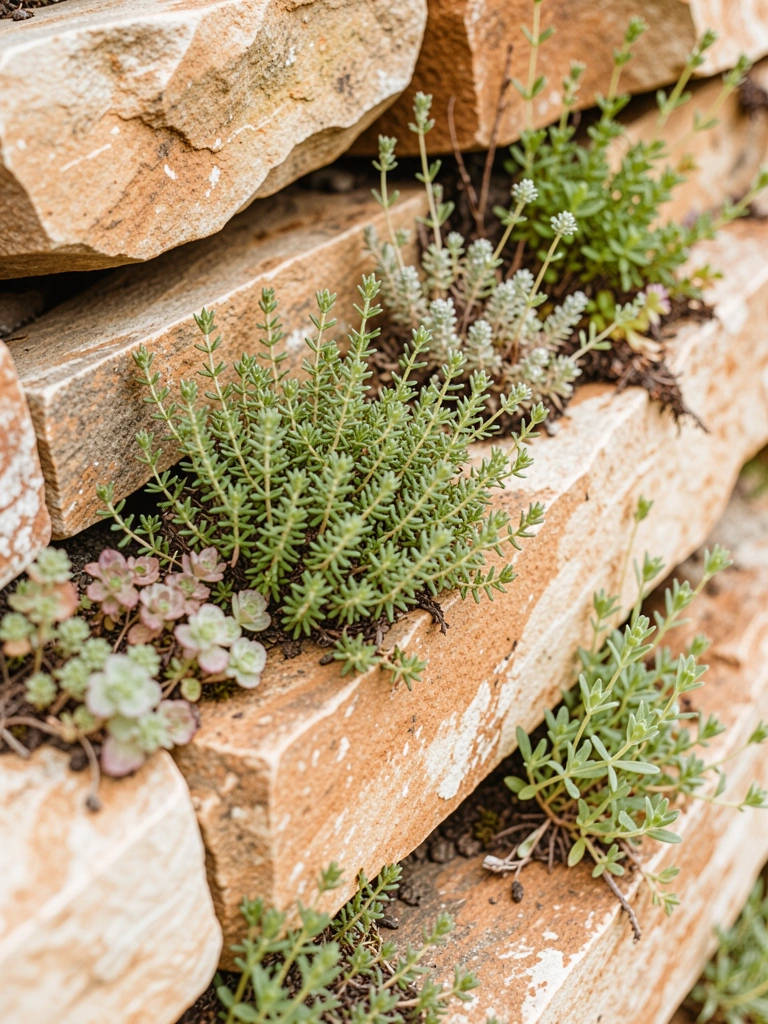
I dry-stacked stones for a low wall and planted pocket succulents in the crevices. It looks like a feature that aged in place. The pockets drain fast and the plants rarely sulk.
I made the wall too tight the first time; roots couldn’t spread. Leaving wider pockets made the plants happier and easier to replace.
It’s an excellent option for herbs or drought-tolerant succulents along a sunny edge.
What You’ll Need for This Look
- Flat stacking stones
- Sedum, thyme, small succulents
- Small hand trowel
- Gravel for pocket drainage
10. Rock Mulch Around Ornamental Grasses
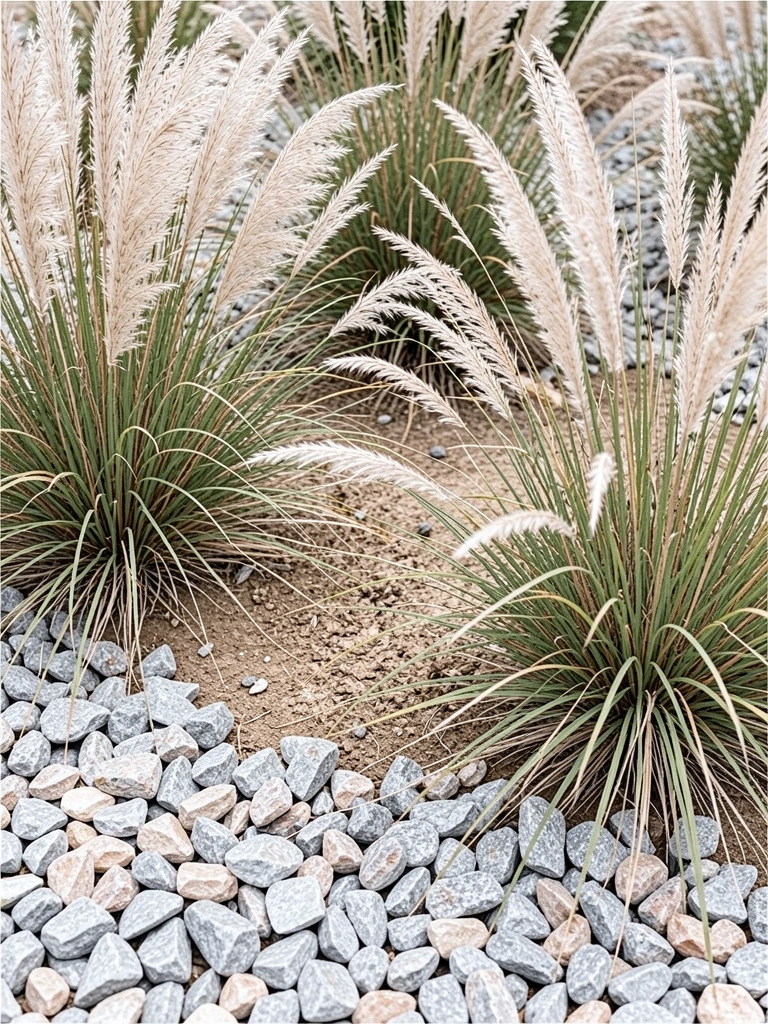
I surrounded my grasses with crushed granite. The color matched the palette and looks clean through winter. Grasses don’t like wet feet and the rock keeps soil airy.
I watch for twigs and leaves that build up; once a season I rake debris off and the bed instantly looks tidy.
This style is low-care and especially good where you want a modern, clean edge without plastic edging.
What You’ll Need for This Look
- Crushed granite or decomposed granite
- Miscanthus, blue oat grass, or feather reed grass
- Leaf rake
- Border edging (optional)
11. Cobble Seating Nook With Planting Pocket
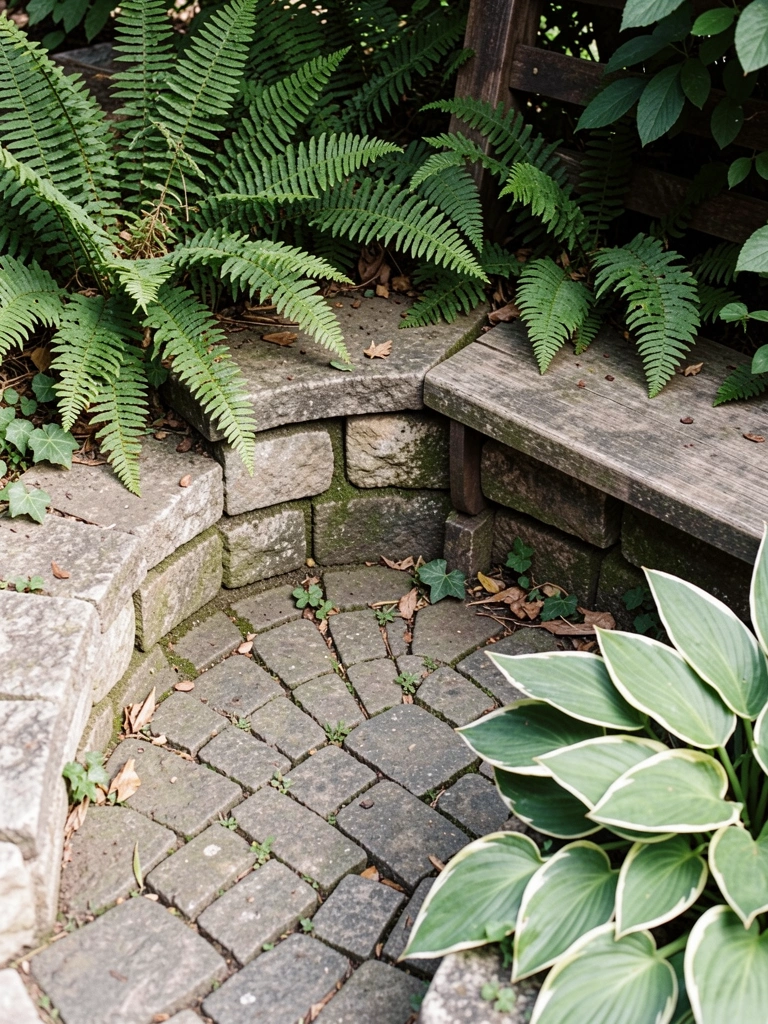
I used rounded cobbles to create a small semicircle bench base under a shady tree. The stones are forgiving and look casual. I tuck ferns and hostas into the gaps for softness.
It took a day to get the stones to sit level. I swapped stones until the bench felt steady. That extra time paid off — guests sit down without a wobble.
This gives an immediate place to pause and keeps the area looking intentional without much fuss.
What You’ll Need for This Look
- Cobbles (6–10 inch) for semicircle
- Small wood or metal bench
- Shade plants: hosta, fern
- Leveling sand
12. Rock Garden for Alpine and Succulents
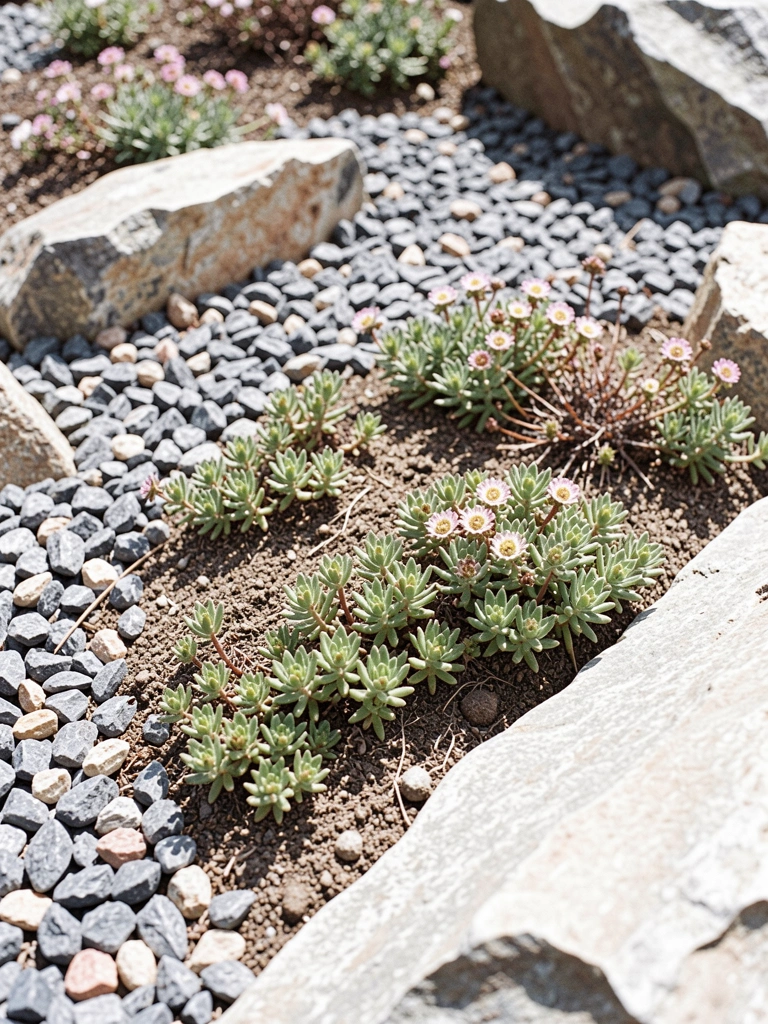
I carved a sunny corner into a rock garden for alpine plants. Fast-draining pockets and bright sun made a place for plants that hate wet soil.
I once overwatered and watched tiny saxifrage rot. I learned to water sparingly and let the gravel do the work.
It’s a small, focused garden that stays tidy and gives a lot of seasonal interest with minimal care.
What You’ll Need for This Look
- Sharp gravel for drainage
- Larger rocks for structure
- Saxifrage, sedum, dwarf thyme
- Gritty soil mix
13. Slate Stepping Plates in a Modern Gravel Bed
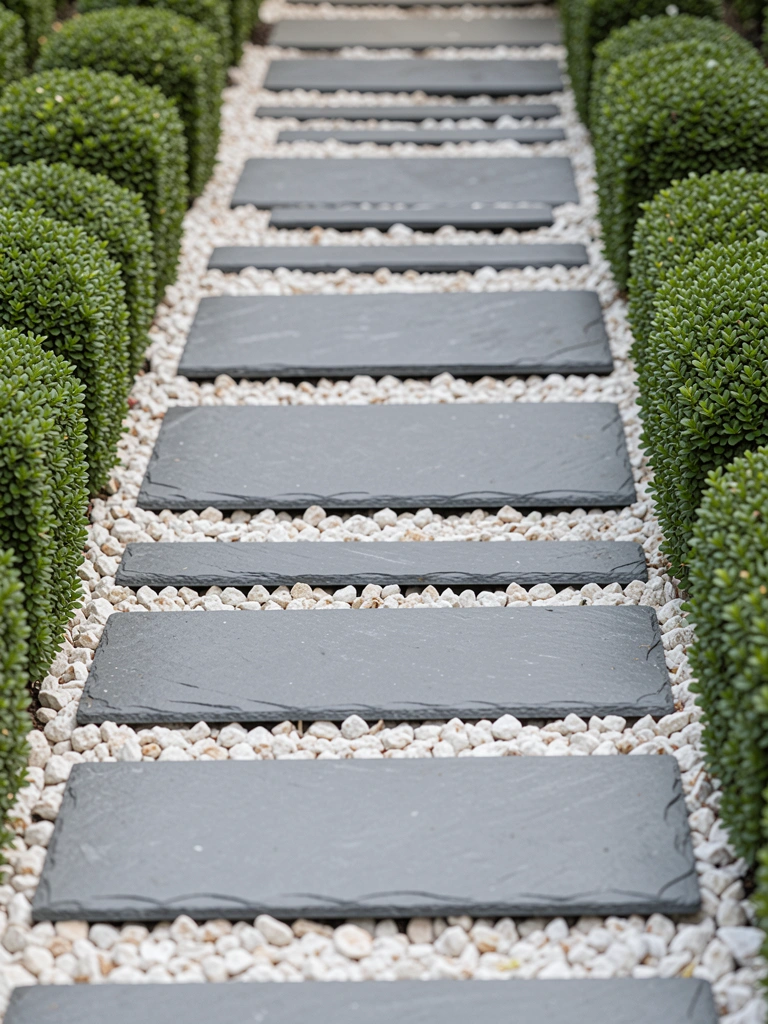
I replaced a muddy walkway with slate plates in pale gravel. It looks clean and the gravel hides dirt. The slate plates give solid footing without a formal path.
At first the plates shifted underfoot. Anchoring them with a thin layer of sand and compacted base fixed it. Now they’re steady and look intentionally spaced.
It suits a low-maintenance, modern corner where mowing isn’t possible.
What You’ll Need for This Look
- Thin slate stepping plates
- Pale gravel (pea gravel or crushed limestone)
- Sand for bedding
- Clipped dwarf shrubs (optional)
14. Boulders as Seatbacks for a Fire Pit Area
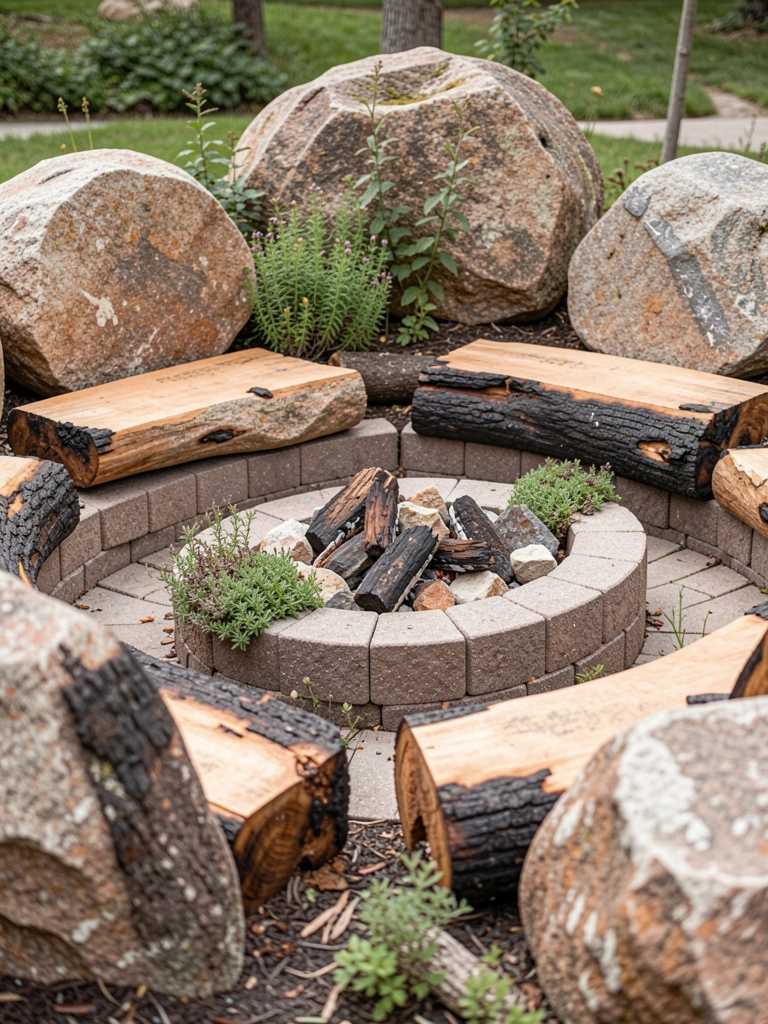
I grouped boulders around a small fire pit to form natural seatbacks. People lean against them and the stones radiate heat when the fire dies down.
My early layout had the boulders too far from the pit; conversations felt spread out. Bringing them closer created a cozy circle.
The setup is durable and needs little care — just sweeping ashes and trimming surround plants once a year.
What You’ll Need for This Look
- Large boulders (24–36 inch)
- Small metal or stone fire pit
- Flat pavers for floor
- Low-maintenance perennials
15. Gravel Parking Pad With Planting Strip
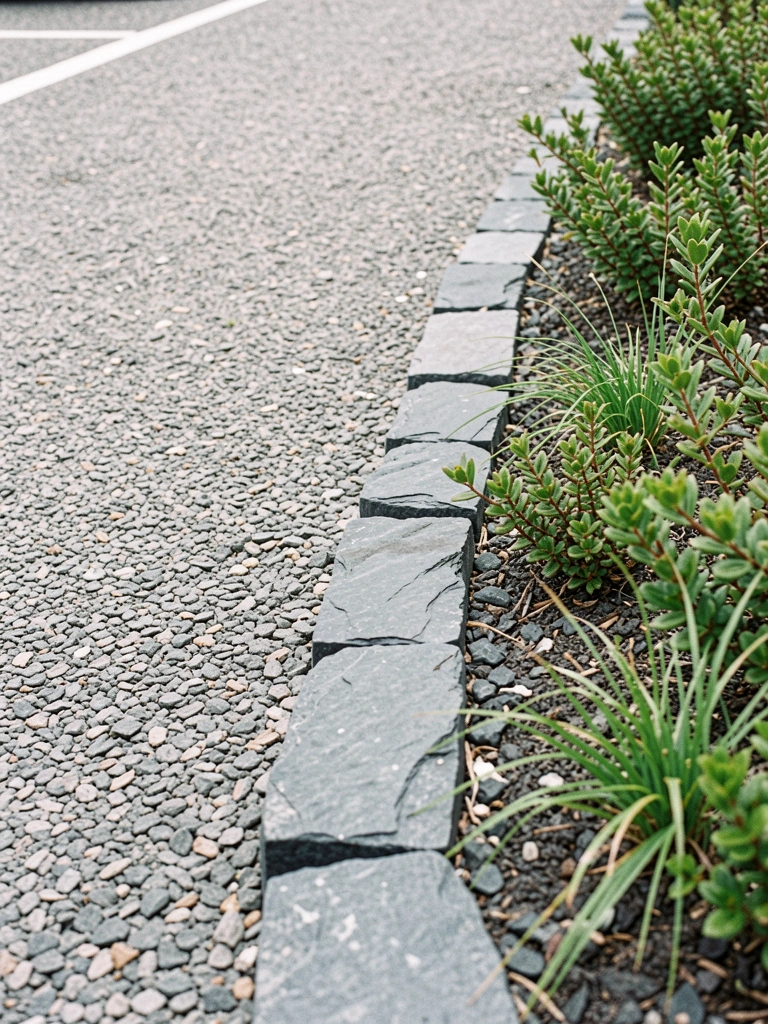
I turned a tired driveway edge into a gravel pad edged with basalt and a strip of planting. It drains well and looks intentional rather than thrown together.
I used too fine a gravel once and it compacted into mud in winter. Upgrading to larger crushed stone allowed water through and stayed stable.
A planting strip softens the hard surface and keeps the area from feeling industrial.
What You’ll Need for This Look
- Crushed stone for base (¾ inch)
- Top gravel (¾–1 inch)
- Basalt or granite edging stones
- Small shrubs or grasses
16. Rock-Faced Raised Planters for Container Veggies
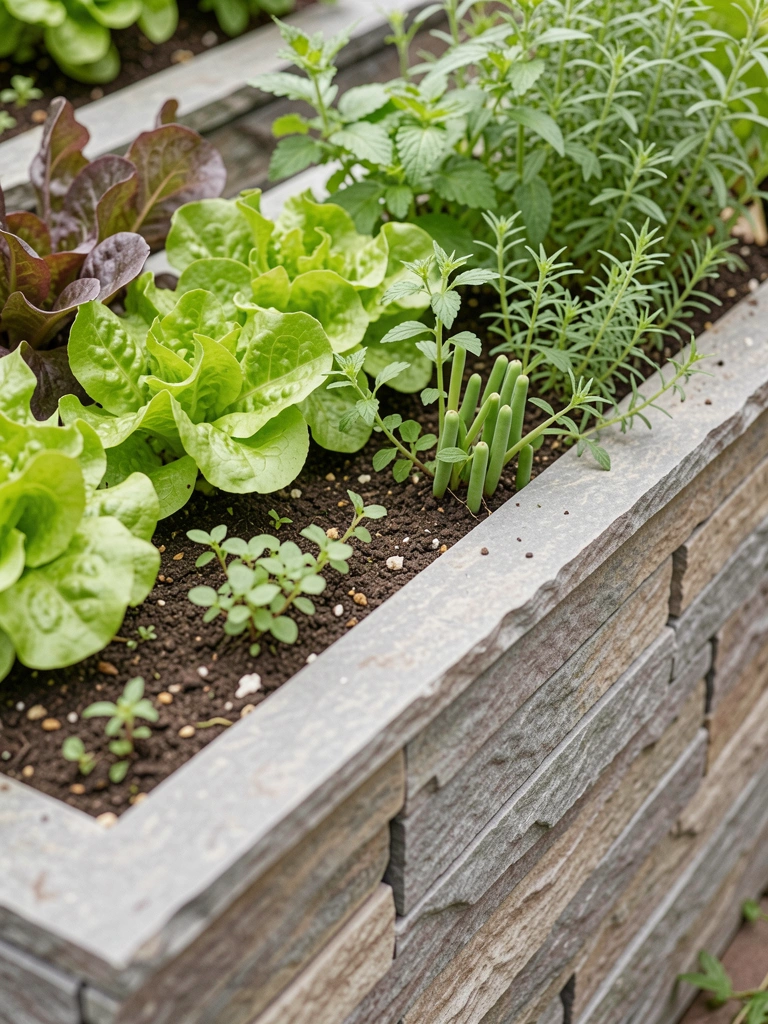
I faced cedar raised beds with thin stacked stone panels to make them read as permanent. The stone takes hits and hides weathering wood.
I learned to seal the stone panels where they meet wood to stop water wicking into the boards. A simple silicone bead did the trick. The beds look built-in and mature now.
They make vegetable beds feel like part of the yard and reduce critter digging at the edges.
What You’ll Need for This Look
- Stacked stone veneer panels
- Cedar raised bed box
- Vegetable seedlings: lettuce, herbs, bush beans
- Exterior silicone sealant
17. Pebble Zen Patch for Meditation Corner
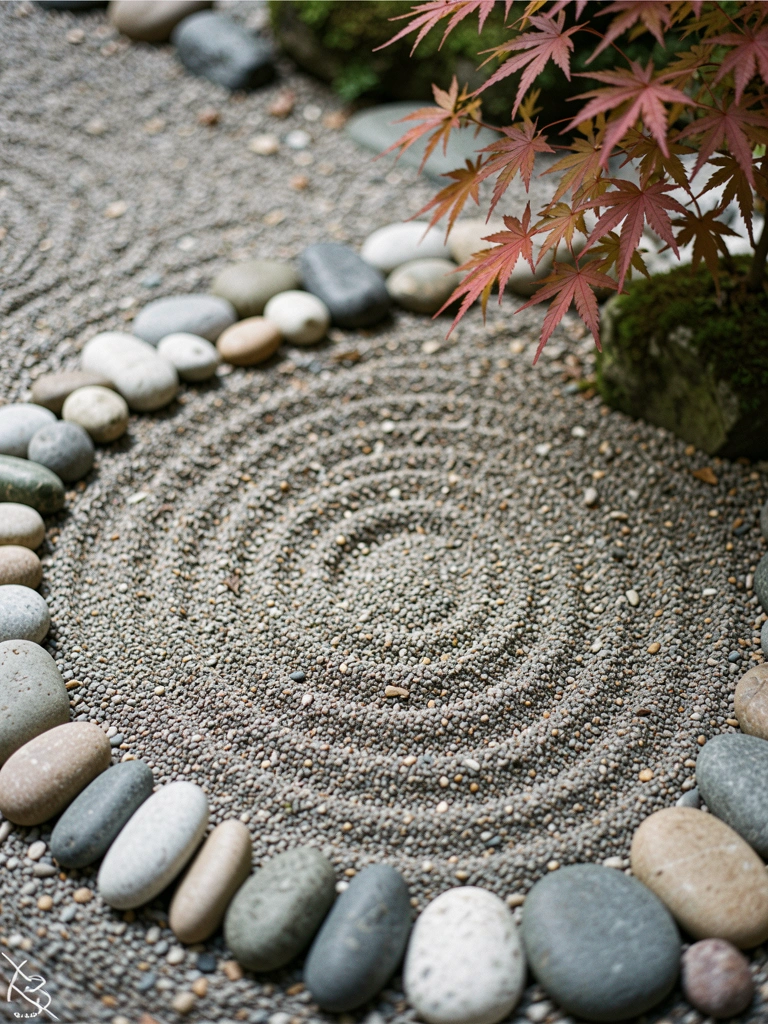
I carved a small pebble patch under a maple for quiet mornings. Raking the pebbles is odd therapy and it keeps the area tidy without mowing.
I tried a perfect circle the first time; it looked forced. Letting the edges be irregular made it read as natural and more restful.
It’s tiny maintenance — a quick rake and leaf sweep — and gives a clear place to sit and slow down.
What You’ll Need for This Look
- Small pea gravel or pebbles
- River stones for border
- Japanese maple or small specimen tree
- Hand rake
18. Low Rock Bank With Shade-Loving Plants
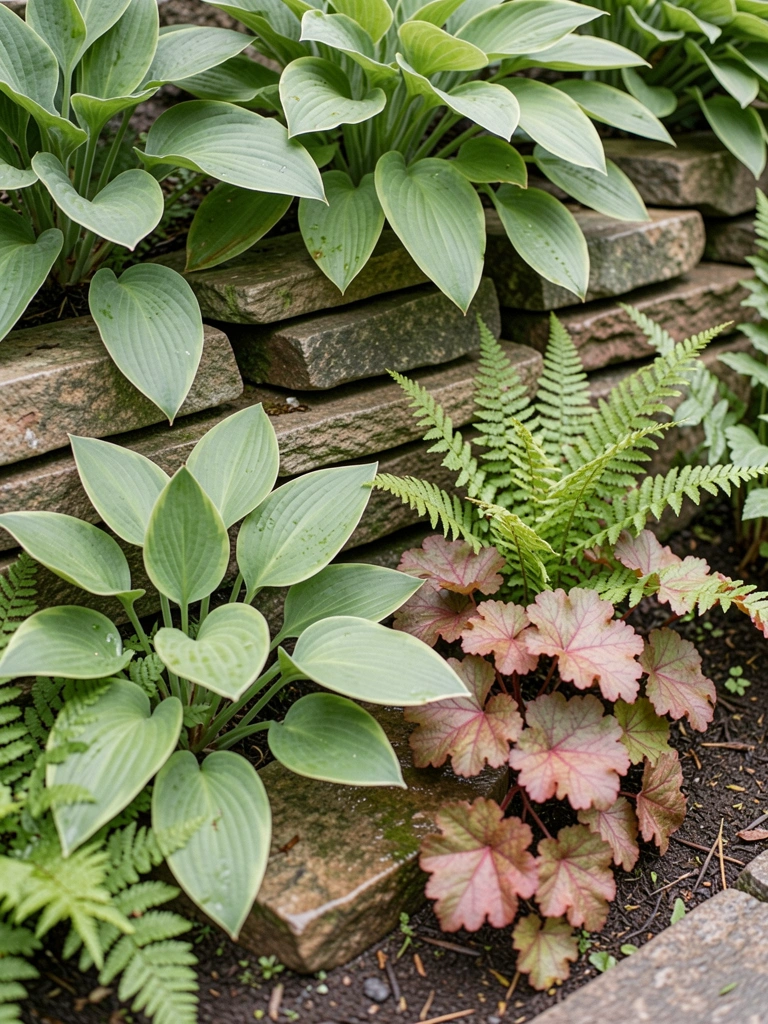
I banked stones along a shady slope and tucked in shade lovers. The rocks hold the soil and give pockets of cool, damp spots perfect for ferns.
At first I packed the pockets with topsoil only; plants struggled. Mixing compost into the pockets made a huge difference and growth improved quickly.
It’s a restful, green corner that needs occasional leaf clearing and little else.
What You’ll Need for This Look
- Stacked stones or small retaining rock
- Hostas, ferns, heuchera
- Compost-amended soil
- Garden fork
19. Mixed-Size Rock Mosaic Around a Water Feature
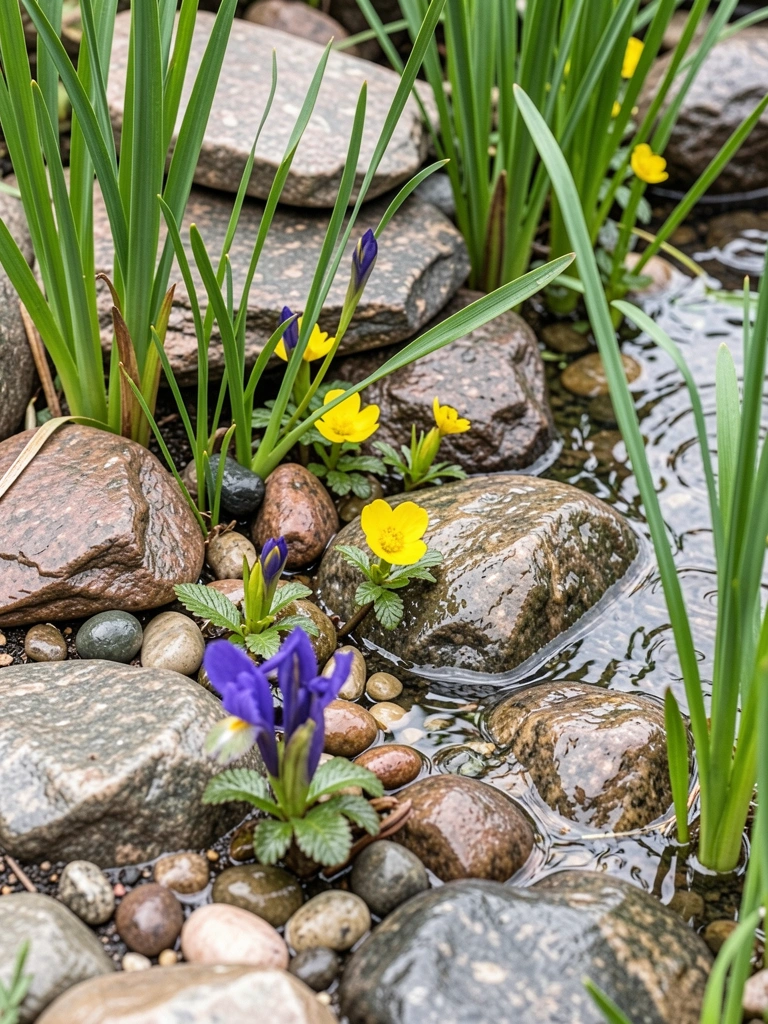
I edged a small backyard pond with a mosaic of stones — big ones anchor, small pebbles fill gaps. Marginal plants hide liner edges and make frogs happy.
I overdid the smooth pebbles at first and it looked manufactured. Adding rougher stones and a few flat slabs made it feel like a real pond.
The combination is forgiving and easy to tweak as plants settle in.
What You’ll Need for This Look
- Mixed-size stones and pebbles
- Flat slabs for stepping or shelves
- Marginal plants: iris, marsh marigold
- Pond liner and pump
Final Thoughts
Rocks are honest helpers. They steady soil, hide edges, and let plants do the soft work.
You don’t need to copy everything. Pick one idea, try it, and learn from the dirt.
I promise it’ll look better in a season than you expect.