How to Build a Butterfly House
I used to stare at a sunny corner and wonder why butterflies never lingered. The garden looked tidy, but the movement was missing.
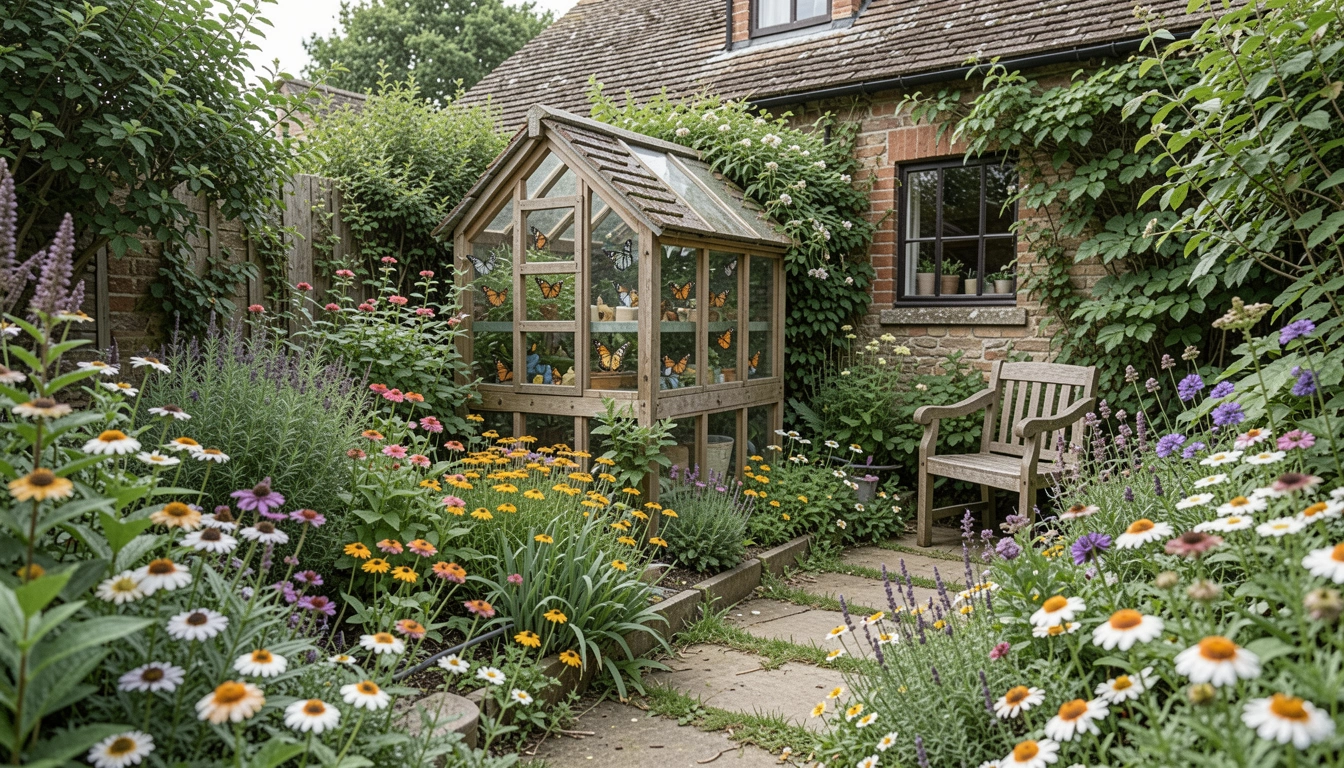
I learned a simple fix: give butterflies a small, sheltered home and place it where flowers and warmth meet.
It pulls a quiet, living moment into the bed without fuss.
How to Build a Butterfly House
I'll show how to place and choose a butterfly house so your garden gains steady butterfly visits and a calm focal point. It’s practical and achievable.
What You’ll Need
- Weatherproof cedar butterfly house (8–12 in tall)
- Sunny, sheltered south- or east-facing spot
- Cluster of native nectar plants (milkweed, buddleia, phlox)
- Host plants for caterpillars (milkweed, fennel, parsley)
- Low mixed-height planting bed or large terracotta container
- Stable mounting post or fence hook at eye level
- A few flat stones or a shallow puddling dish
Step 1: Pick the Right Spot and Read the Light
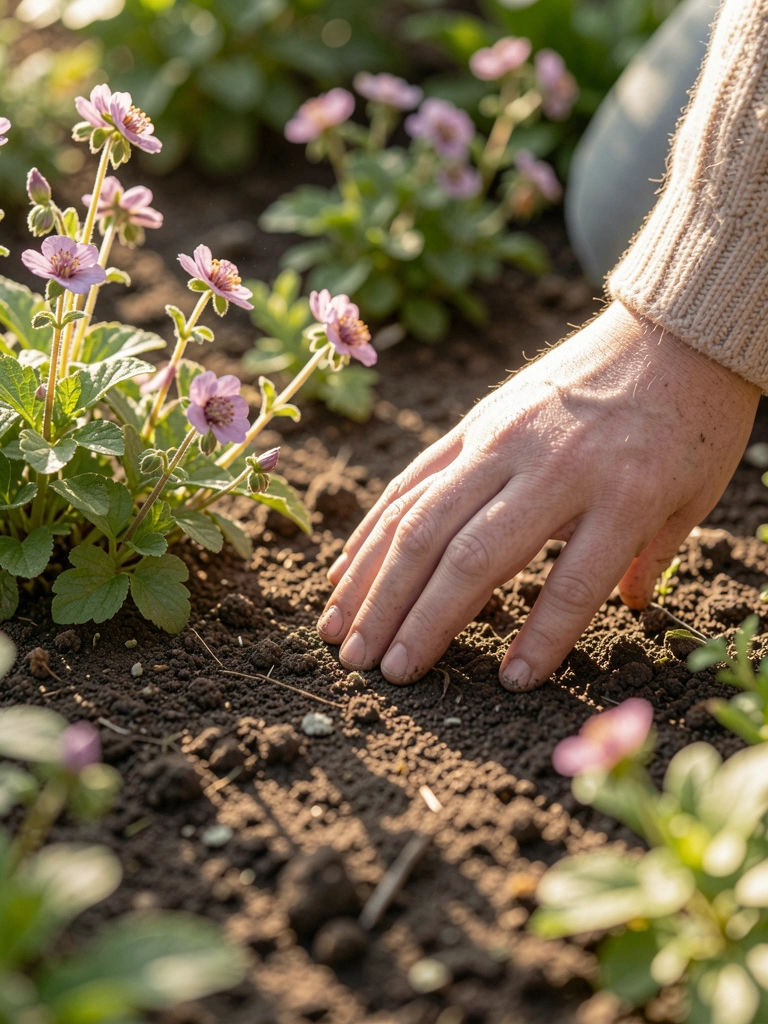
I pick the spot first. A butterfly house needs morning sun and afternoon shelter. I stand where it will go and watch the light through the day.
Placing it where early light warms the entrance makes the house feel alive. Visually it becomes a warm vertical note against lower blooms.
People often miss the surrounding microclimate — a wind funnel or afternoon scorch ruins the appeal. Avoid the common mistake of putting it in full midday sun with no shade. I trust that balance.
Step 2: Tuck It Among Nectar Plants
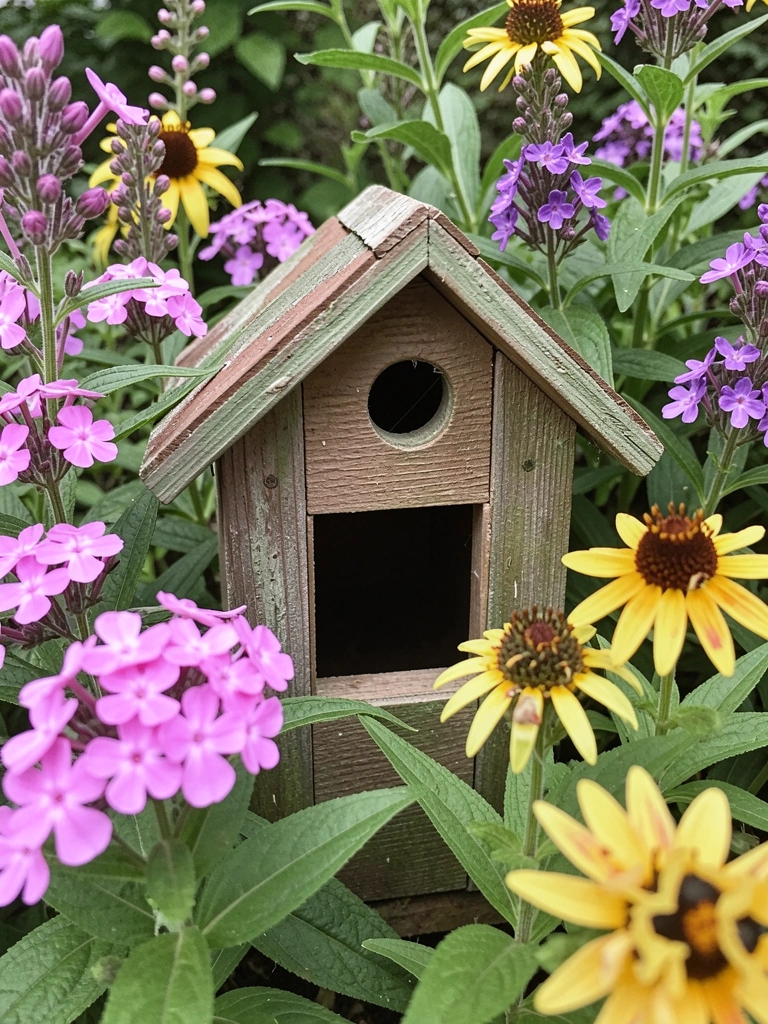
I set the house close to nectar plants. Butterflies make short flights between flowers and shelter, so proximity matters. I like the house to sit within arm’s reach of dense blooms.
Visually this reads as part of the bed instead of an afterthought. I tuck it beside taller stems so flowers frame the entrance and soften hard edges.
A common oversight is isolating the house on bare soil. Avoid leaving a bare radius — it looks exposed and discourages visits. Don’t crowd the doorway with aggressive plants either; leave a small clear approach.
Step 3: Mount at a Comfortable Height
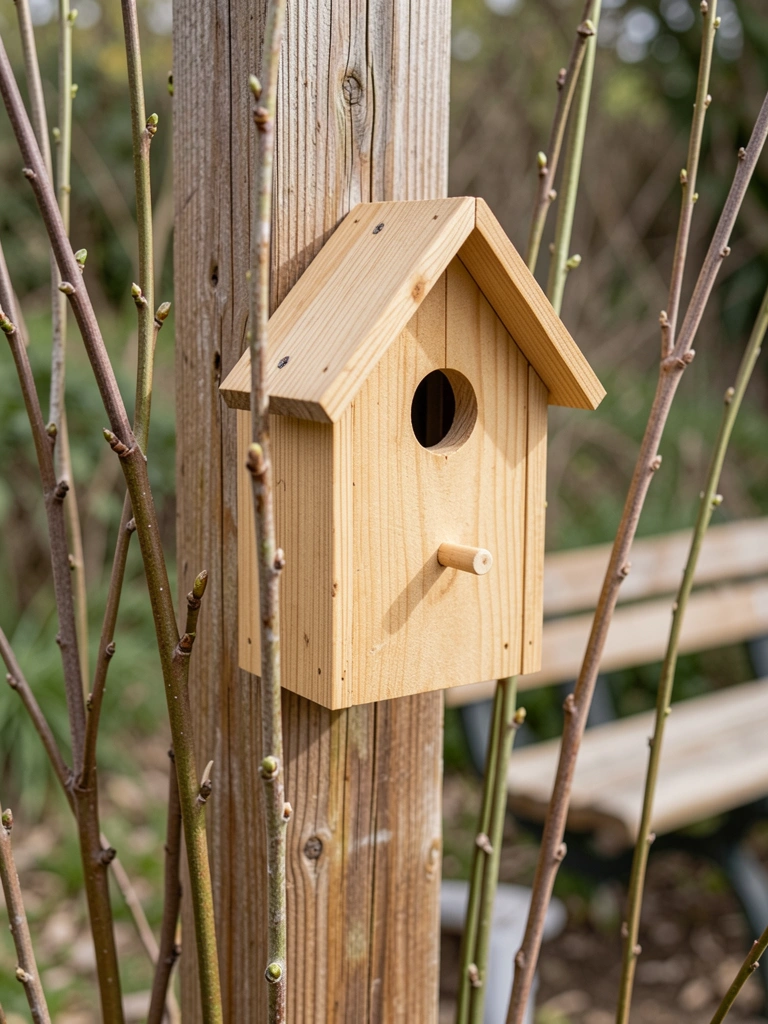
I think about height like composing a picture. Eye level or slightly above feels right — easy to view from a bench and sheltered by surrounding stems.
Mounting on a sturdy post gives the house a deliberate presence. Visually it becomes a vertical punctuation that draws the eye without shouting. I prefer natural wood against green foliage for a soft look.
People often mount the house too high or too low. A common mistake is hanging it where it touches overhanging branches — movement and rubbing bother butterflies. Keep it steady and gently away from busy branches.
Step 4: Create Small Micro-Habitats Nearby
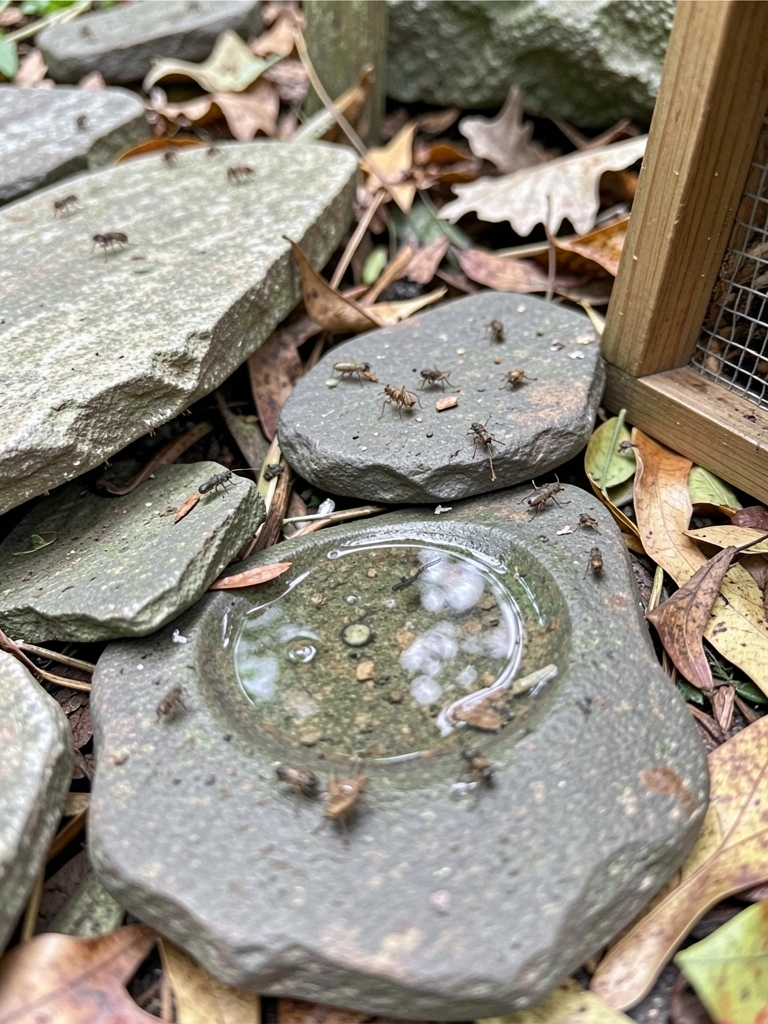
I create small supportive features nearby. A few flat stones warmed by sun, a shallow dish for puddling, and a patch of leaf litter give insects places to rest.
These details shift how the area feels: busier in a gentle way, lived-in rather than staged. Butterflies will use the stones to bask and the dish for minerals.
People forget that a tidy garden can be too clean. Avoid removing every bit of debris. A common mistake is clearing leaf litter right under the house; leave a little roughness. It helps insect life.
Step 5: Care for Sightlines, Not Perfection
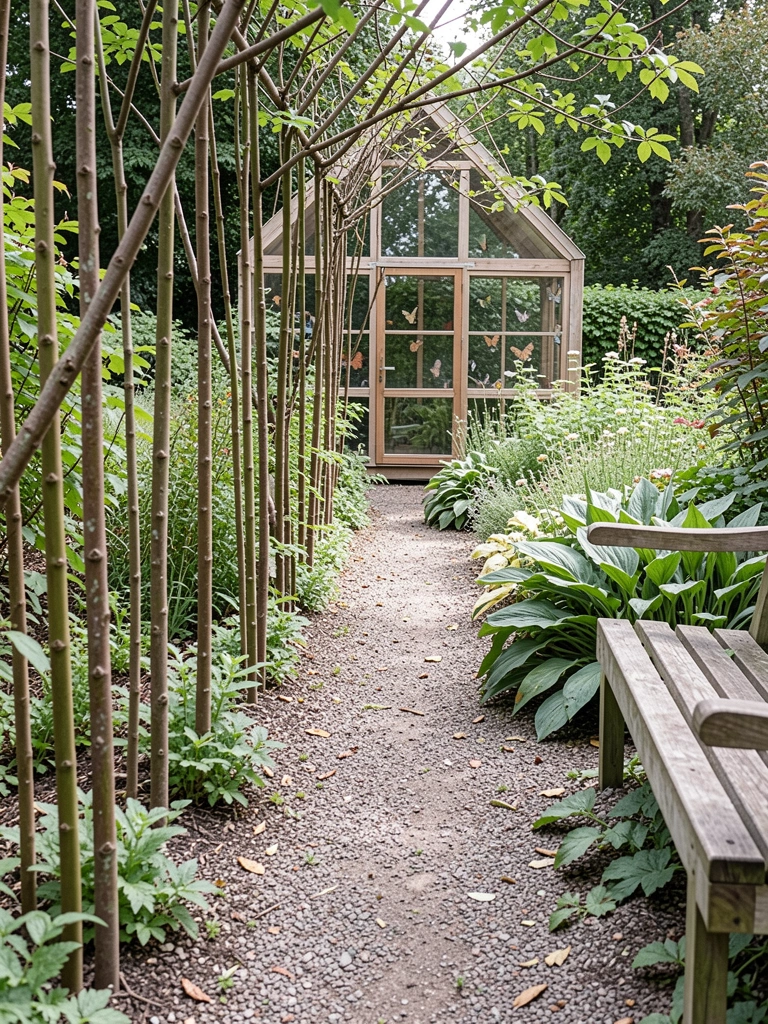
I think about how I want to see the house from paths and the bench. Clear sightlines make it feel intentional. I trim a stem or move a pot to keep a soft viewing corridor.
Maintenance is light: an occasional gentle check, a quick sweep of cobwebs, and replacing a faded house if needed. The visual rhythm matters more than perfection.
A common mistake is over-adjusting. Moving the house often disrupts returning insects. Let it settle for a season before judging its success.
Where to Place It in Different Garden Types
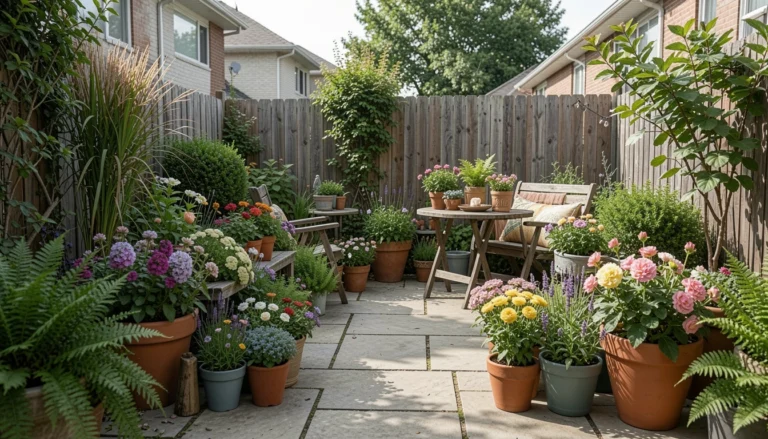
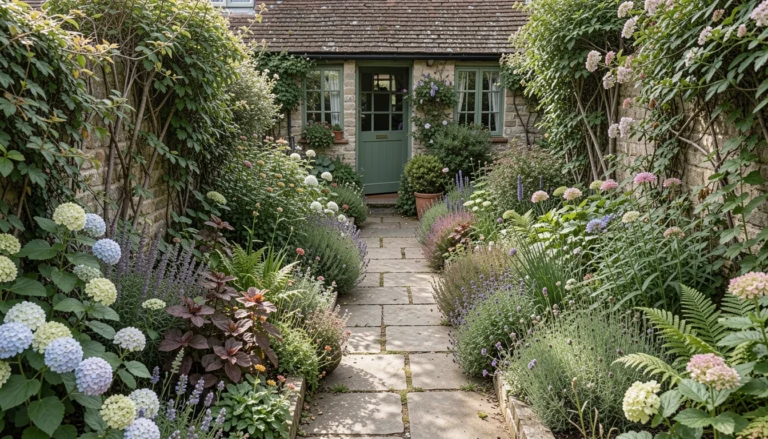
In a cottage bed, tuck the house into an informal cluster of perennials so it reads as part of the planting. In a tight urban yard, place it near a pot of nectar plants and a sunny wall to reflect warmth.
In a prairie or meadow margin, use a post set among taller grasses so the house is anchored visually yet still accessible. Think about how people will approach and how the house will sit in the long view.
Plant Pairings That Invite Butterflies
I favor nectar plants that bloom in waves. Think:
- Early: phlox, asters
- Peak: buddleia, coneflower
- Late: sedum, goldenrod
Also keep some host plants close by — milkweed for monarchs, fennel or parsley for swallowtails. The mix gives visiting butterflies food and places for caterpillars.
Simple Care and Troubleshooting
Check the house each season for water damage or heavy cobwebs and freshen the approach if stems get ragged. If you rarely see butterflies, reassess light, wind, and nearby blooms before moving the house.
If birds become a problem, shift the house a little closer to shelter or add low thorny planting to deter perching. Small adjustments often fix what feels wrong.
Final Thoughts
Start small. One house in a single bed shows you how it reads through the seasons.
You learn what plants suit your site and where wind or birds interfere.
The effect is quiet and steady. It brings motion, color, and a calm focal point. Try it this year; you'll enjoy watching.