How to Decorate a Garden Path
Paths in my yard used to feel like corridors, not parts of the garden. I’d walk them and wonder why they didn’t invite me to linger.
I stopped thinking of paths as just practical. I began treating them like rooms made with plants and small objects.
This guide shows how to decorate a garden path so it looks and feels like it belongs.
How to Decorate a Garden Path
You’ll learn how to make a path read as part of the garden by arranging stones, plants, and small details for balanced flow and comfort.
This is the method I use every time a garden feels unfinished.
What You’ll Need
- Mat-forming thyme (low, fragrant, green)
- Irregular slate stepping stones (flat, natural edges)
- River pebbles (neutral tones, 20–40 mm)
- Small lanterns (weatherproof, black metal)
- Clumping ornamental grass (soft, 30–60 cm)
- Compact lavender (grey-green foliage, scented)
- Rustic bench (weathered wood, compact)
Step 1: Establish the line and comfortable width
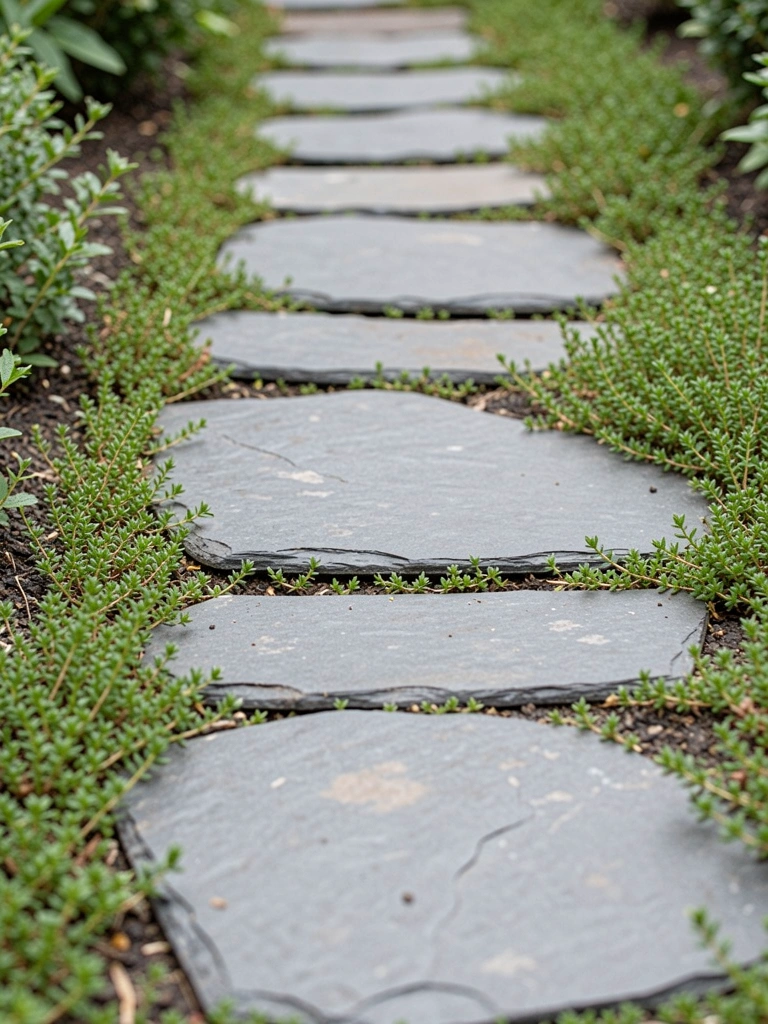
I start by walking the route and imagining how I want it to feel when I’m standing on it. I pick a gentle line that curves or cuts deliberately—no accidental zigzags. Then I place stones with a pace that matches a relaxed stride.
Visually the path becomes a deliberate invitation rather than a narrow shortcut. The biggest thing people miss is width: a path that’s too narrow feels timid. Avoid the mistake of squeezing the path between plants; give it breathing room for hands and hips to brush by.
Step 2: Anchor with larger elements
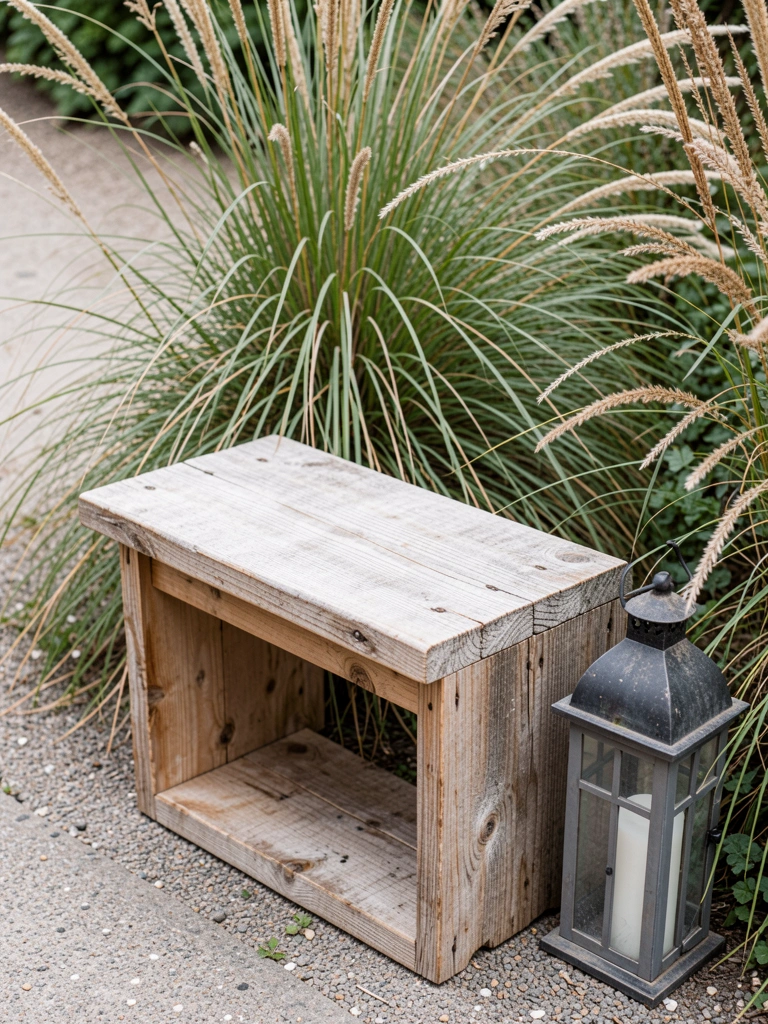
I pick one or two larger anchors near the path—a small bench, a clump of ornamental grass, or a mature pot. I place them so the eye rests on them from different angles as you walk. They make the path feel intentional and purposeful.
The visual change is immediate: the path reads as part of a series of garden scenes. One insight I’ve learned is to use asymmetry; a single bench feels warmer than two perfectly balanced objects. Don’t make the mistake of crowding the anchors right on the edge—let them sit a little back so the path still breathes.
Step 3: Soften the edges with low plants
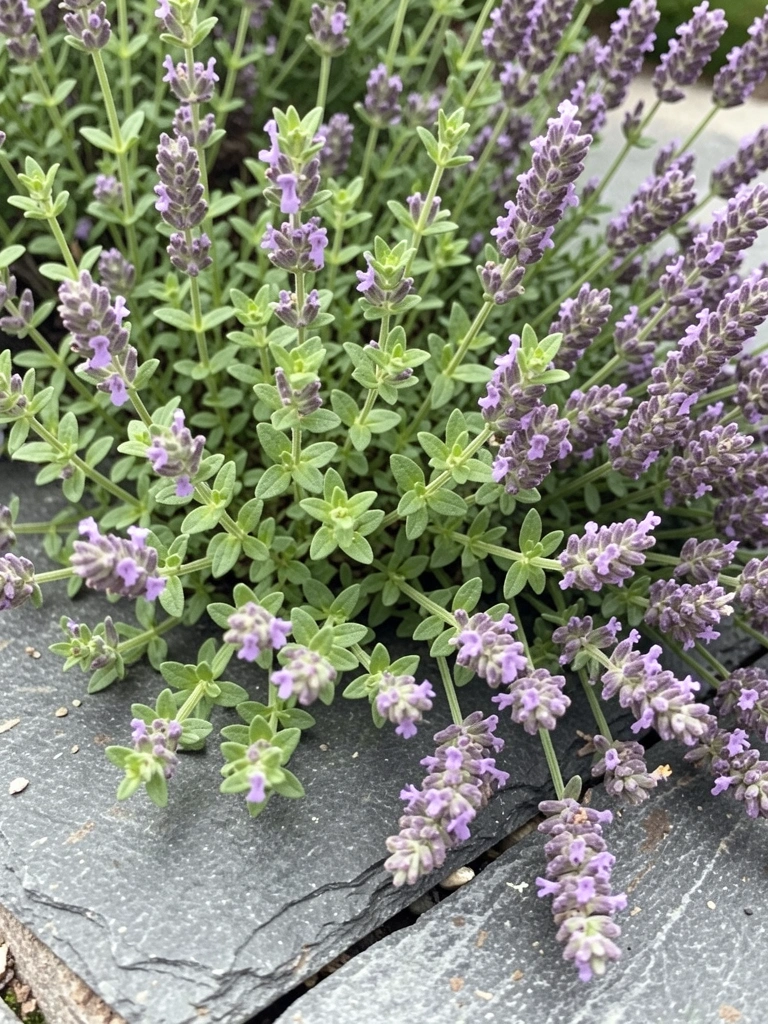
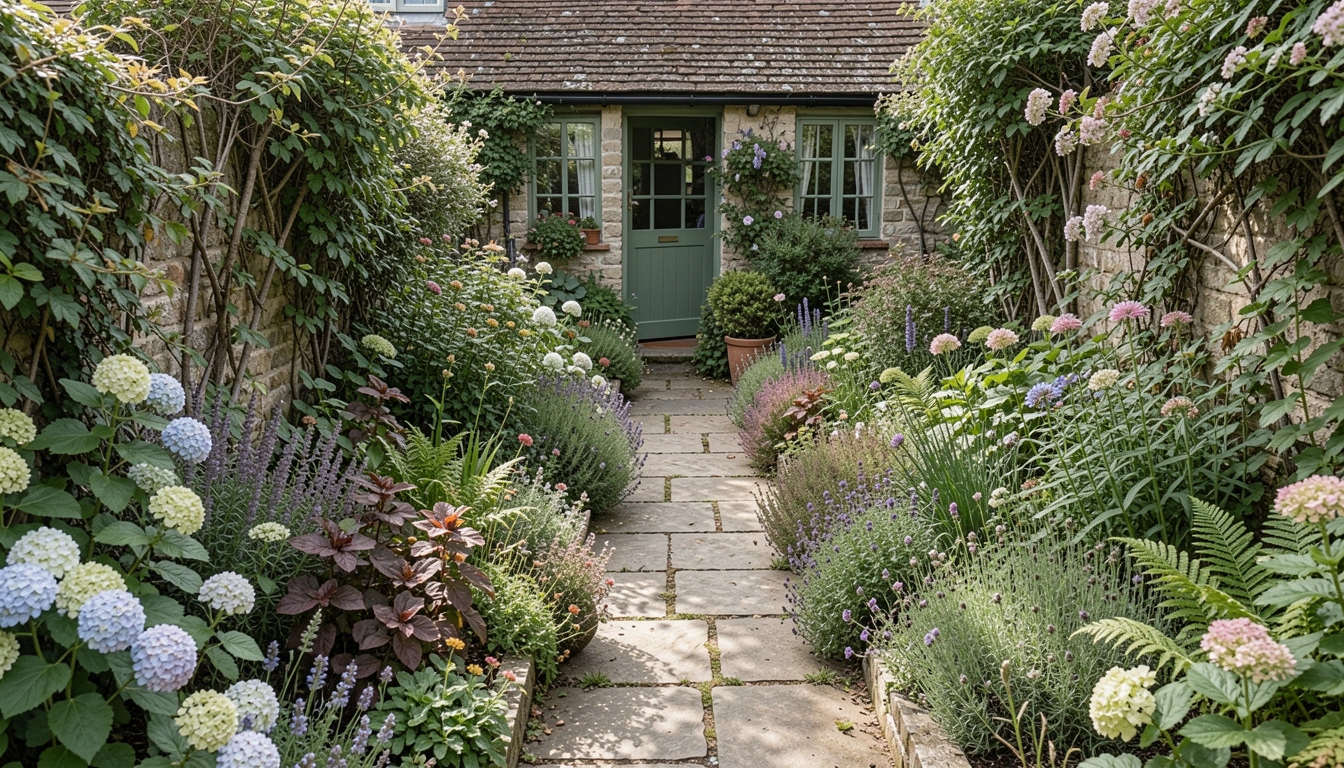
I always plant low, mat-forming herbs and compact perennials along the edges. Thyme between stones, lavender tucked at the edge, and a few clumps of grass give a soft frame. I think about scale—small plants at the edge, taller ones set back.
The path shifts from hard lines to a softer, lived-in feel. People often miss repeating the same plant in small groups to create rhythm. A common mistake is over-planting right up to the stone edge; leave a little gap so the stone still reads as a path surface.
Step 4: Layer surfaces and textures
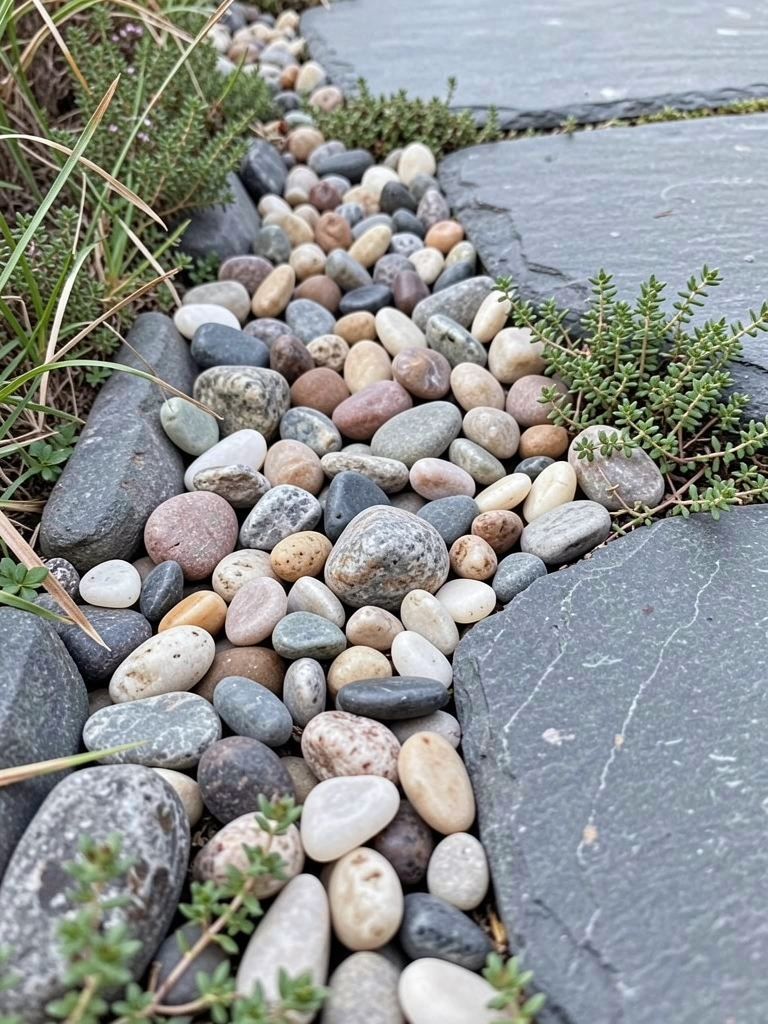
I layer materials so the path has texture underfoot and visual contrast. Slate stones, pebbles between them, and a fringe of thyme create three clear layers. I use neutral pebbles to keep the focus on plant color and the stone shapes.
The result is a richer, more tactile path that invites stepping. One insight is that contrast is calming—different surfaces stop the design from being flat. Avoid the mistake of using the same color or texture everywhere; that makes the path disappear into the rest of the bed.
Step 5: Add small details for year-round character
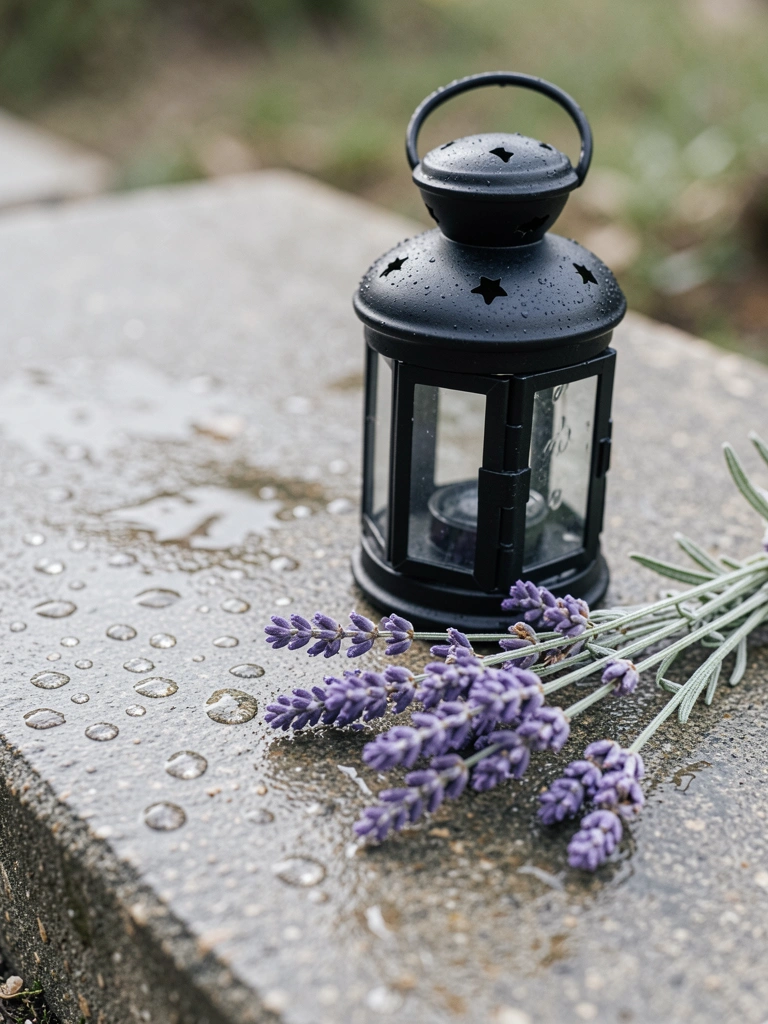
I finish with a few small details: a lantern tucked low, a single decorative pot, or a sprig of evergreen for winter structure. I place them where they won’t block the route but can be seen from different points on the path.
These little touches make the path feel cared for and lived-in. People often miss thinking about winter interest—grasses and evergreen give shape when flowers are gone. Don’t overdo it; too many ornaments turn the path into clutter and can become tripping hazards.
Lighting and Nighttime Feel
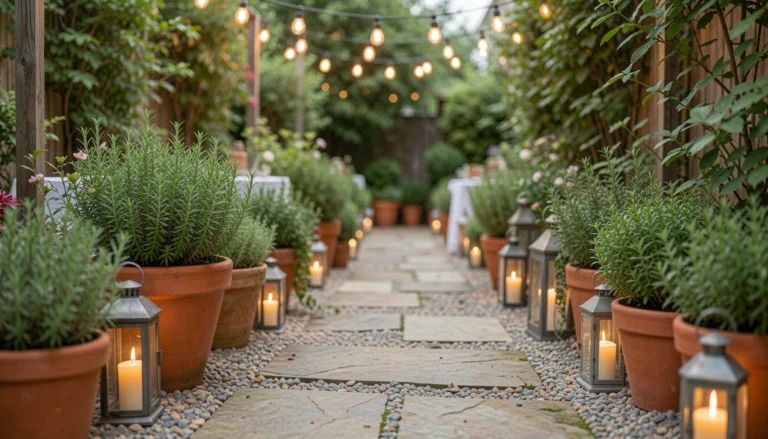
A couple of soft lights change how a path reads after dusk. I favor low lanterns that cast warm pools of light rather than bright, even illumination. Place them where they highlight texture and guide the eye.
Keep wiring minimal or use battery lanterns. The goal is to add atmosphere, not spotlight every inch.
Choosing Plant Combinations
Think in threes: repeat three or five plants along a stretch for rhythm. Combine scent (thyme, lavender) with texture (grasses) and a steady evergreen or two. That mix keeps interest through the seasons.
Use compact varieties near stones and allow bolder shapes further out. That balance keeps the path legible and comfortable.
Keeping It Lived-In
I maintain the feel by occasional tidy-ups: trimming edges, replacing a tired plant, and sweeping pebbles back into place. Small regular attention keeps the path inviting.
Accept some imperfection. A bit of moss, a crooked stone, or a leaning stem often adds to the lived-in comfort.
Final Thoughts
Start with one short stretch, not the whole garden. I often redo a single section until it feels right.
You don’t need perfect symmetry. Aim for balance, not mirror images.
A well-decorated path changes how you move through the garden. It makes the whole space feel more intentional and comfortable.