7 Budget-Friendly Butterfly Garden Tips
I used to think butterfly gardens were for people with huge yards.
Turns out, they fit in a corner or a few pots.
I learned by messing up layouts, buying too many non-natives, and watching plants surprise me.
These tips are simple. They’re what actually worked on my patch. You’ll get seven clear, budget-friendly ideas you can try this weekend.
7 Budget-Friendly Butterfly Garden Tips
These 7 ideas are practical and small-scale.
They’re things I did in real, imperfect gardens.
Expect step-by-step-feeling tips and honest warnings.
There are exactly 7 ideas below.
1. Pocket Host-Plant Patch for Caterpillars
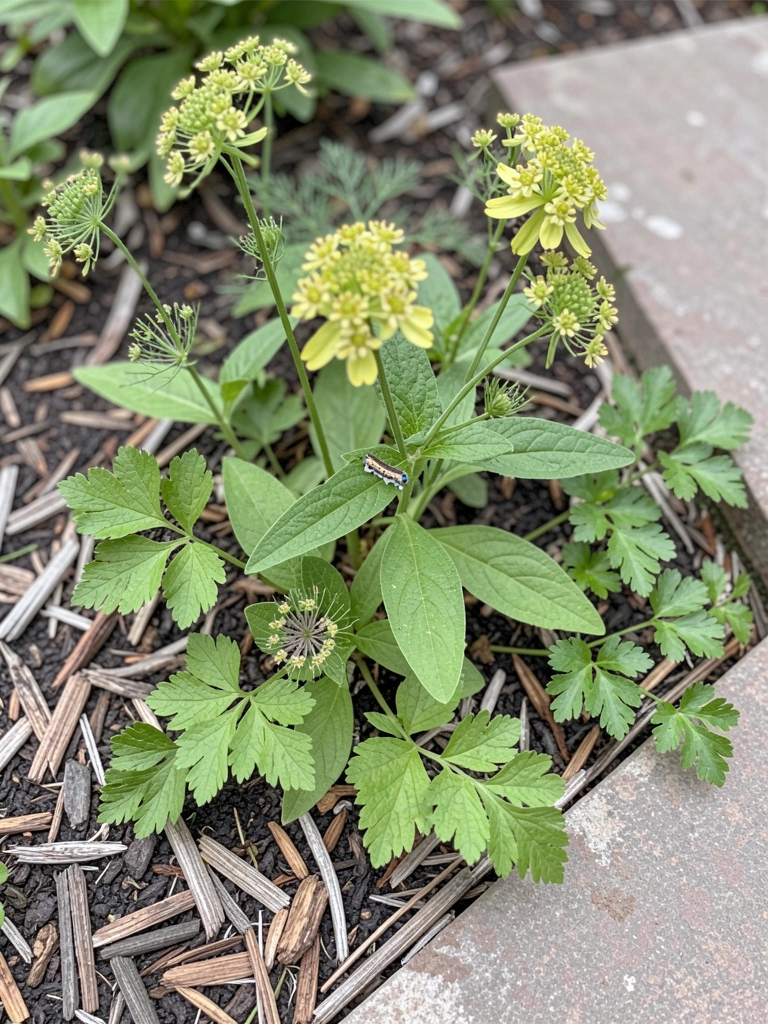
I planted a tiny host-plant patch in a sunny gap and watched caterpillars arrive in two weeks.
At first I scattered single plants around the yard. That was my mistake — the caterpillars couldn’t find each other.
Clustering plants into one sunny pocket made the difference. It looked fuller and supported more caterpillars.
Now I check that patch daily and let a few ragged leaves stay for the larvae.
What You’ll Need for This Look
- Common milkweed plugs (6–8-inch)
- Fennel or dill starts
- Parsley clumps (edible)
- Organic mulch, shredded (2–3 inch)
2. Cheap, Long-Bloom Seed Drift
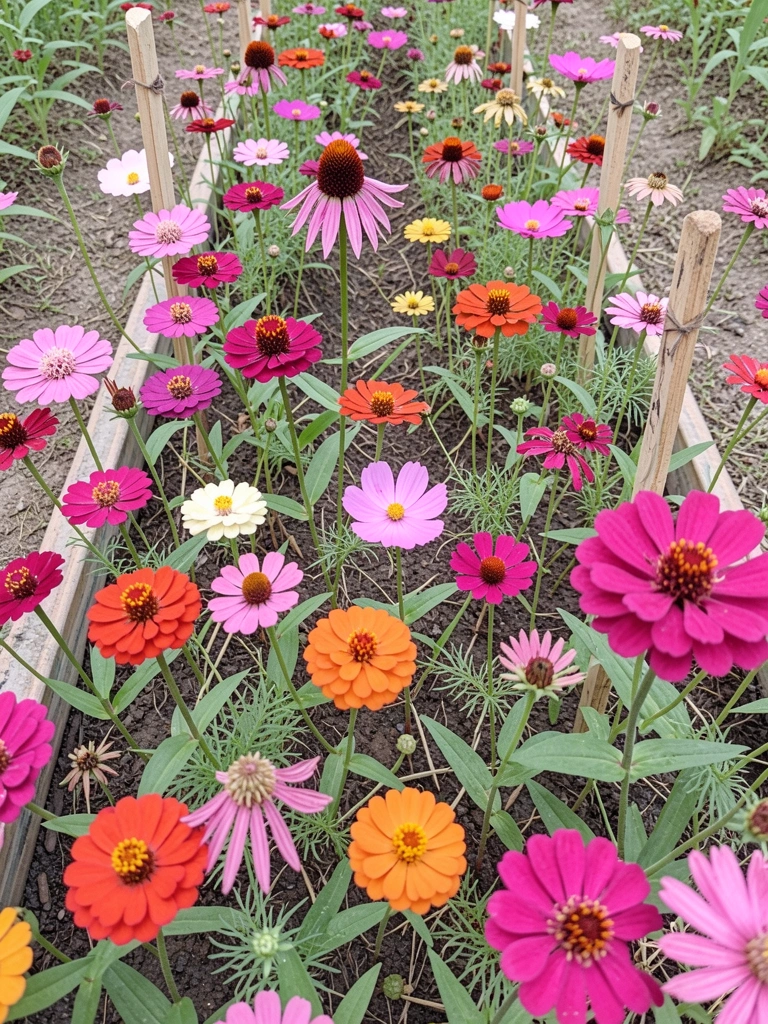
I sowed a packet of mixed annuals along a border and got a long season of nectar.
My early mistake was sowing too densely; seedlings were spindly and needed thinning. I learned to thin to strong plants.
Sowing in a drift of one or two species looks natural and keeps costs down.
You get more color for less money, and butterflies find the concentrated blooms easily.
What You’ll Need for This Look
- Zinnia seeds (compact varieties)
- Cosmos seeds (dwarf)
- Coneflower (echinacea) plugs
- Small hand seed rake or trowel
3. Recycled Container Nectar Stations
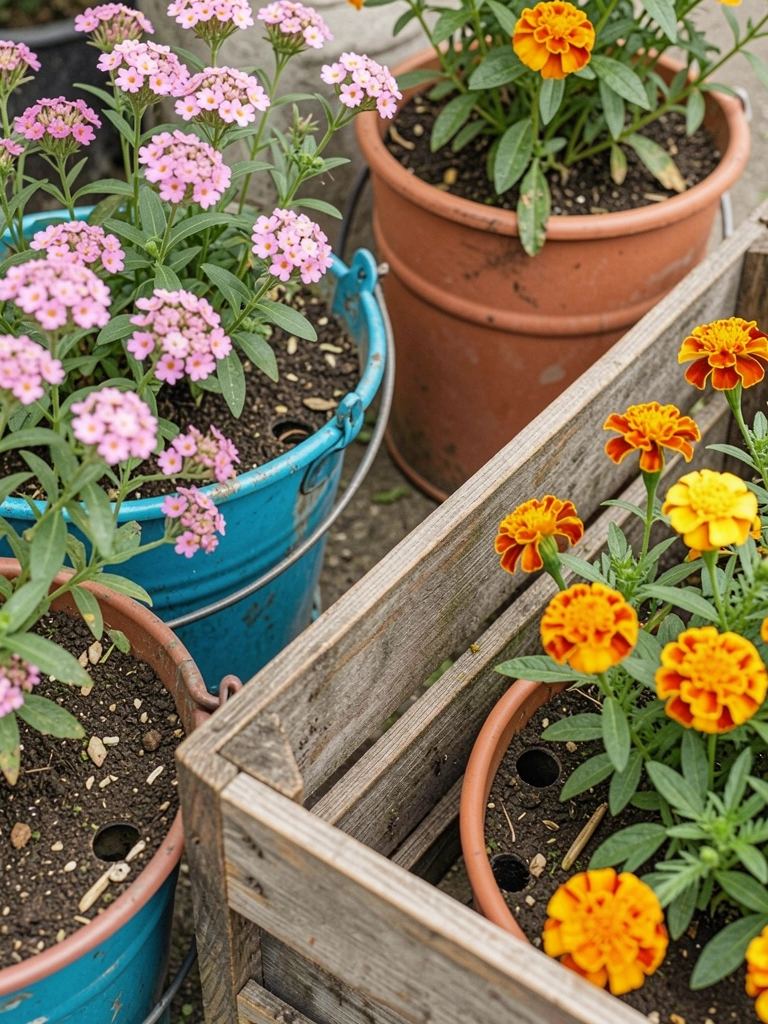
I filled old buckets and crates with nectar plants when my soil was poor.
At first I used dark plastic pots that baked roots in summer. Big regret. I switched to terracotta and painted light colors.
Grouping containers lets me move blooms to where butterflies visit most.
Containers are cheap and portable. They’re perfect if you rent or don’t want big digging.
What You’ll Need for This Look
- Terracotta pots (8–12 inch) and painted buckets
- Verbena, lantana, marigold transplants
- Potting mix with slow-release organic fertilizer
- Gravel for drainage
4. Shallow "Mud Puddle" and Stone Sunbathing Spot
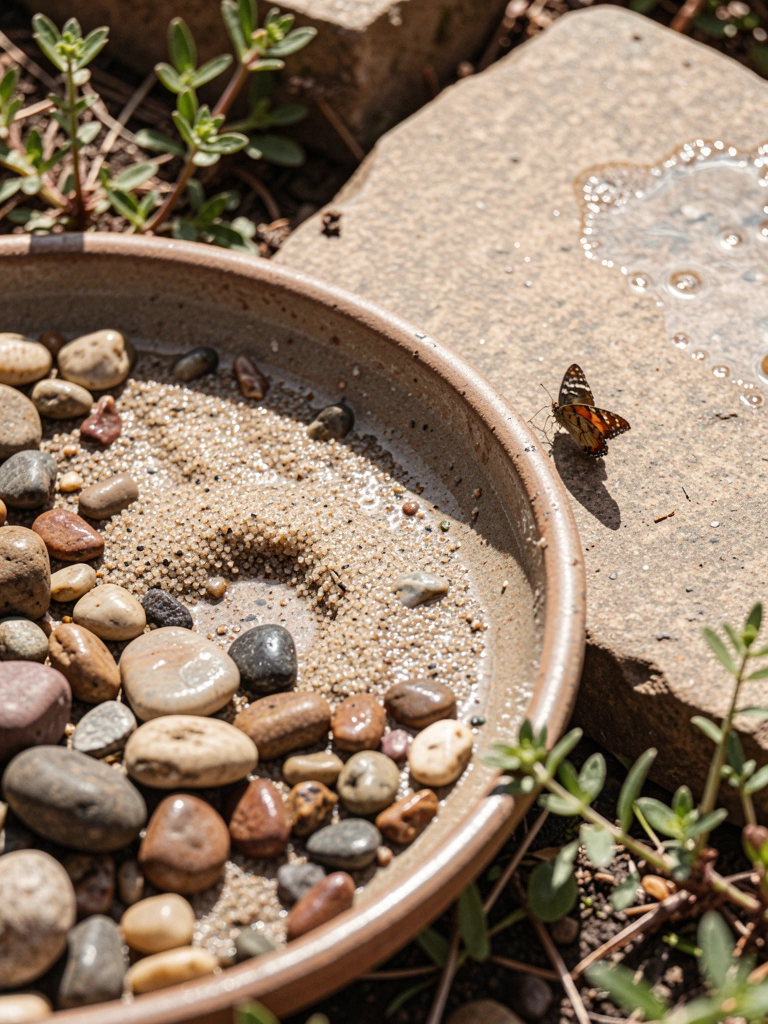
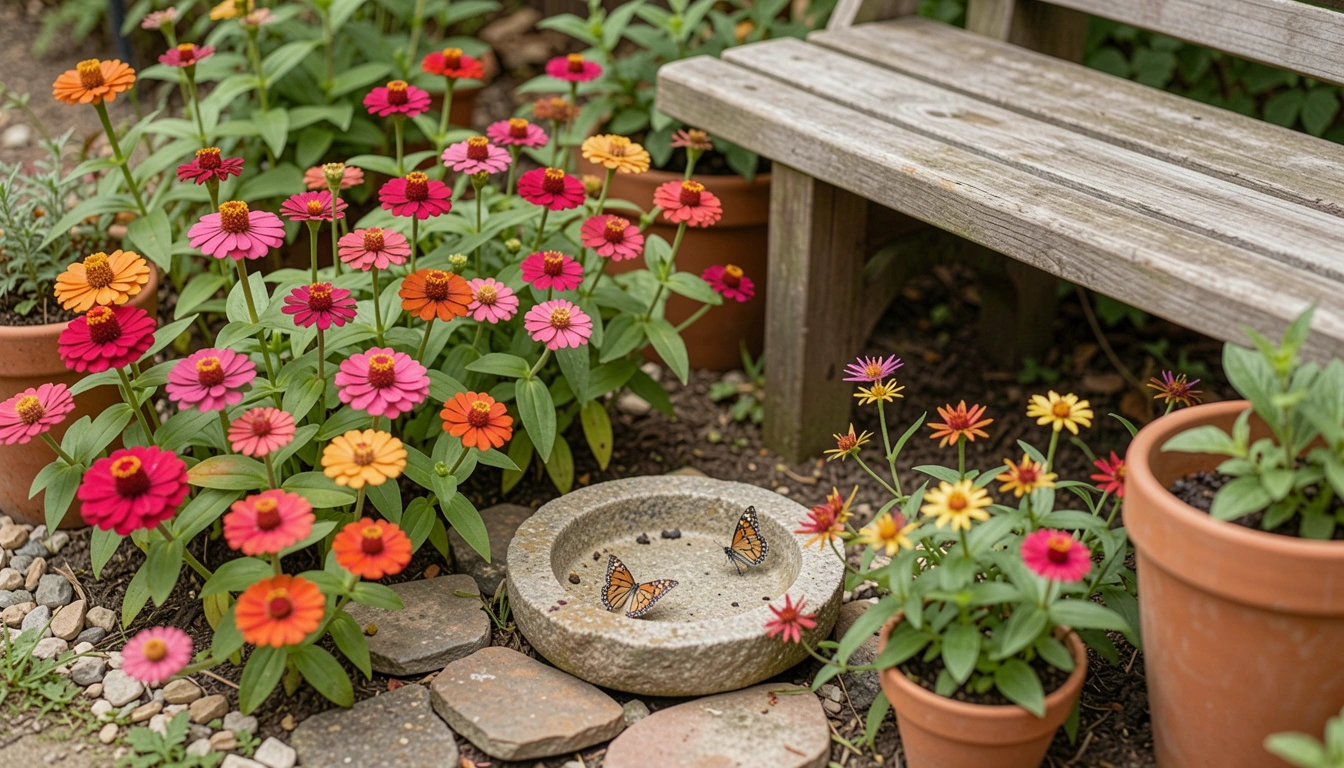
I put out a shallow dish with damp sand and saw butterflies gather the same afternoon.
I learned to refresh the water; algae and mosquitoes were my early mistakes.
A flat stone beside the dish gives them a warm spot to dry wings. It changes how often I sit outside.
This tiny setup attracts more species than a dozen flowers alone.
What You’ll Need for This Look
- Shallow ceramic dish or saucer
- Clean sand and small pebbles
- Flat sun-warmed paving stone
- Small hand mister or watering can
5. Late-Blooming Perennials for Autumn Visits
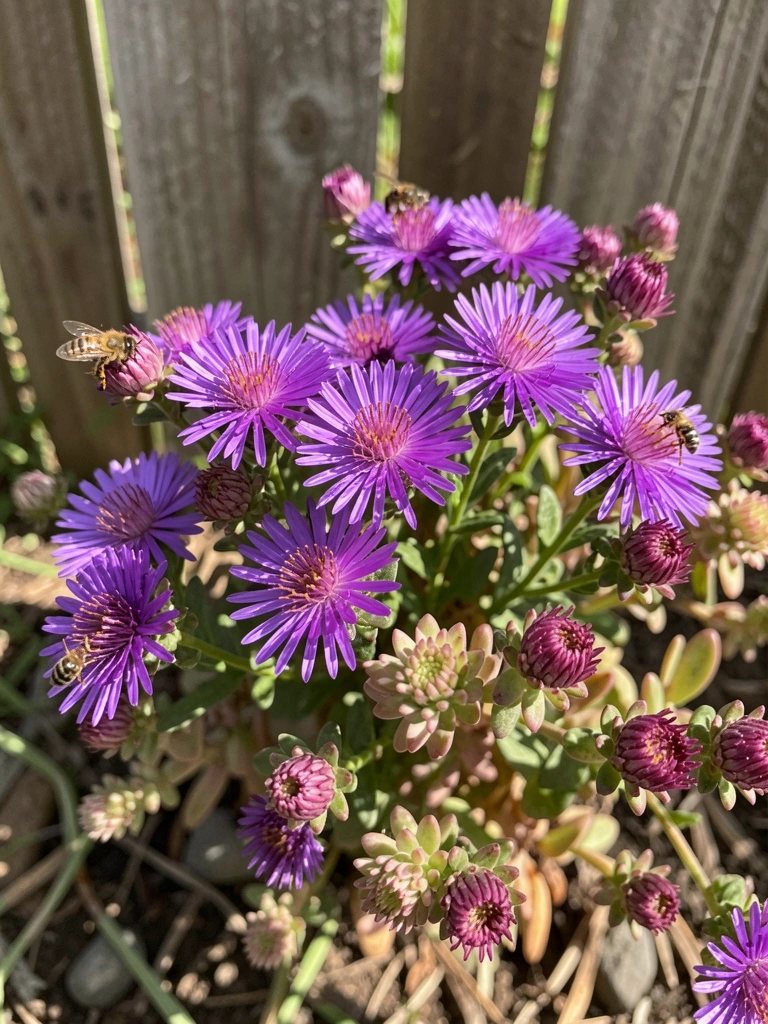
I planted asters and sedum along a tired fence and suddenly had butterflies in late season.
I once bought a fast-blooming annual instead. That looked good in July but left a nectar gap in September. I fixed that by adding perennials.
Late blooms keep migrations fed and extend the garden’s interest.
Plant a few clumps now and they return every year without much cost.
What You’ll Need for This Look
- Aster plugs (native varieties)
- Sedum (Autumn Joy or similar)
- Small trowel and compost
- Mulch (leaf or bark)
6. Low-Cost Shelter: Brush Pile and Rock Nook
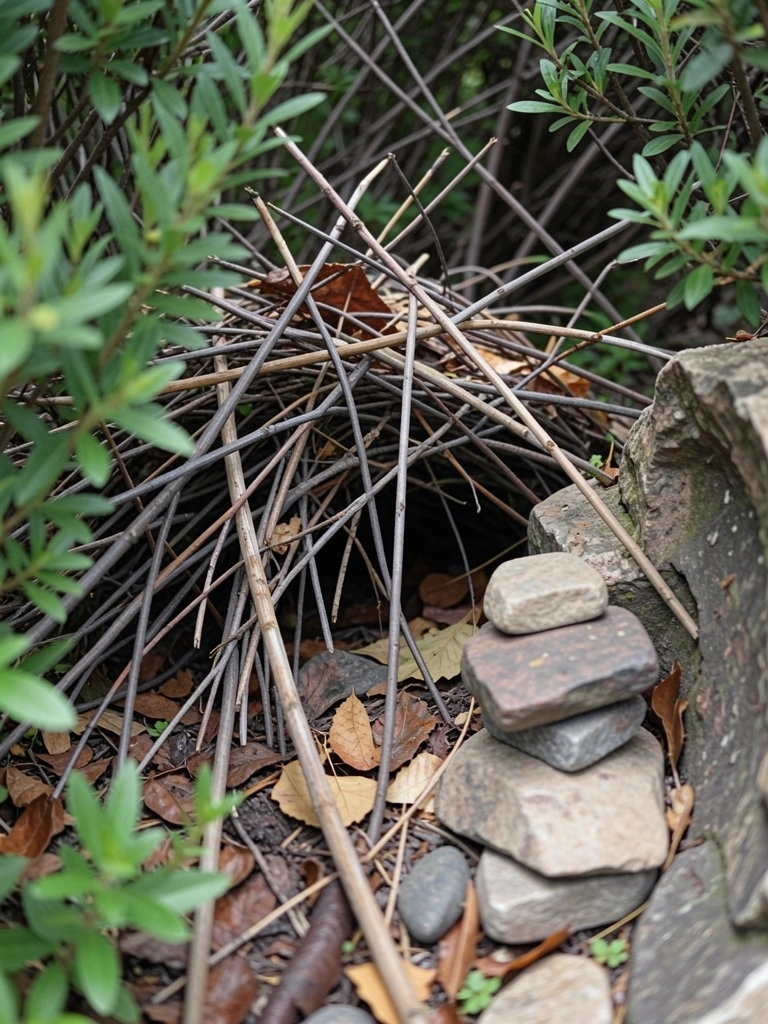
I made a simple brush pile behind a hedge and started seeing pupae and sheltering insects.
I once burned trimmings without thinking and lost an overwintering bunch. That taught me to keep a discreet pile instead.
A rock nook and loose bark give places for chrysalis and roosts. It looks natural and costs nothing.
Leave a little mess. It’s where life hides and survives the cold.
What You’ll Need for This Look
- Small pile of prunings and twigs
- Flat rocks or broken bricks
- Pieces of bark or untreated wood
- Pruning shears
7. Simple Seating and Warm Solar Lights to Watch
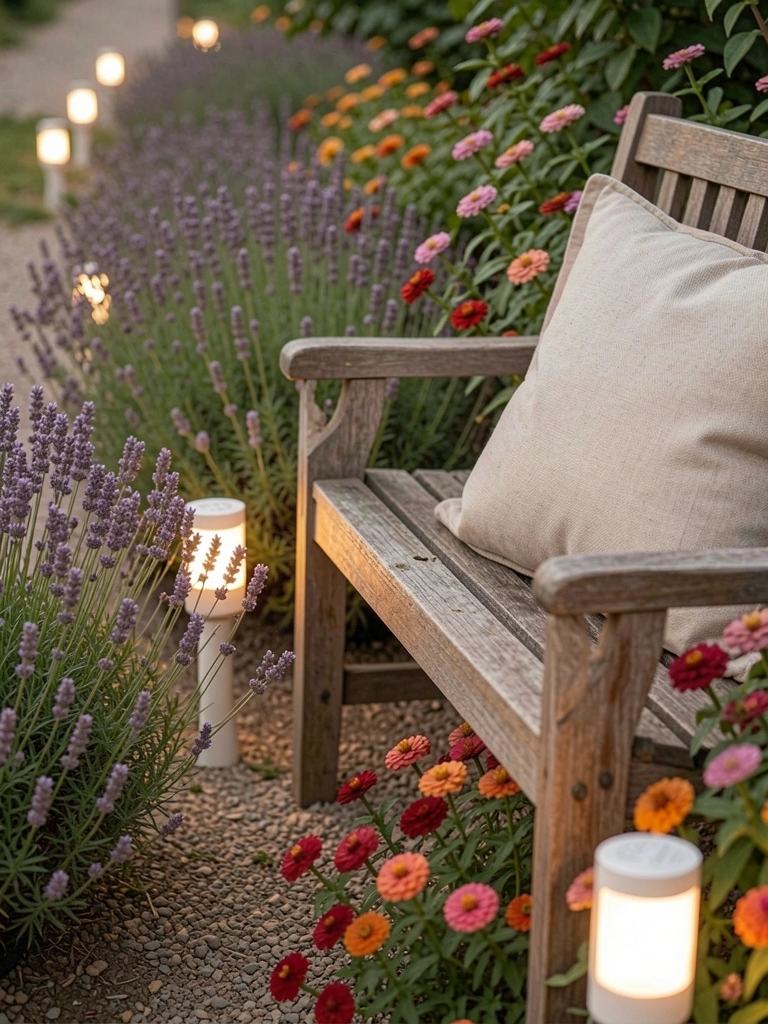
I added a cheap bench and soft solar lights and found I watched butterflies more.
My mistake was bright LED floodlights once; they kept everything away. I switched to warm, low solar lamps and it made evenings gentle.
Seating invites patience, and lighting lets you enjoy late flights without scaring them off.
This costs little but changes how often you use the garden.
What You’ll Need for This Look
- Small wooden or metal bench (2-seater)
- Warm white solar path lights (low lumen)
- Cushioned outdoor seat pad
- Lavender or low hedge plants nearby
Final Thoughts
You don’t need a big budget or perfect soil.
Do one small thing and watch how it builds.
Gardening is about patience and small corrections. Start simple and keep what works for you.