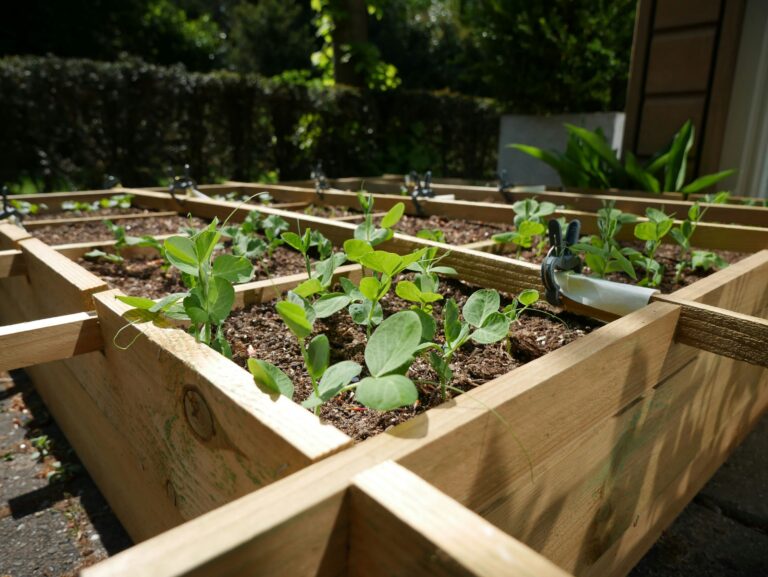
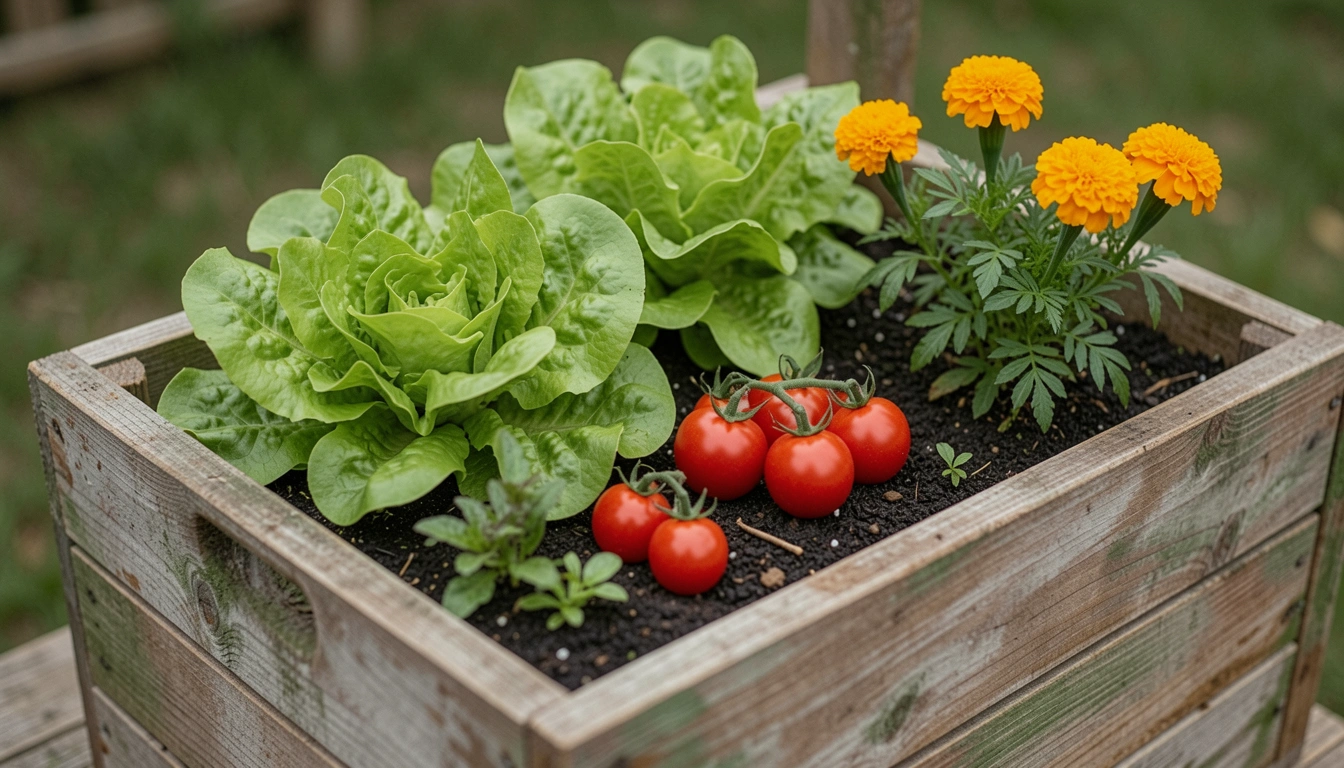
9 DIY Garden Boxes For Flowers, Herbs, And Vegetables
I used to cram plants into pots and wonder why they sulked.
Building simple boxes taught me the real fix: give plants the right depth and soil and stop overcomplicating.
These are designs I’ve built, failed with, and kept. They’re honest, practical, and doable.
No perfect gardens here — just steady, small wins.
9 DIY Garden Boxes For Flowers, Herbs, And Vegetables
These 9 DIY garden boxes are straightforward builds I use in real yards.
They cover flowers, herbs, and vegetables.
Choose one, and you’ll have a plan to start today.
1. Reclaimed Wood Raised Box for Mixed Veggies
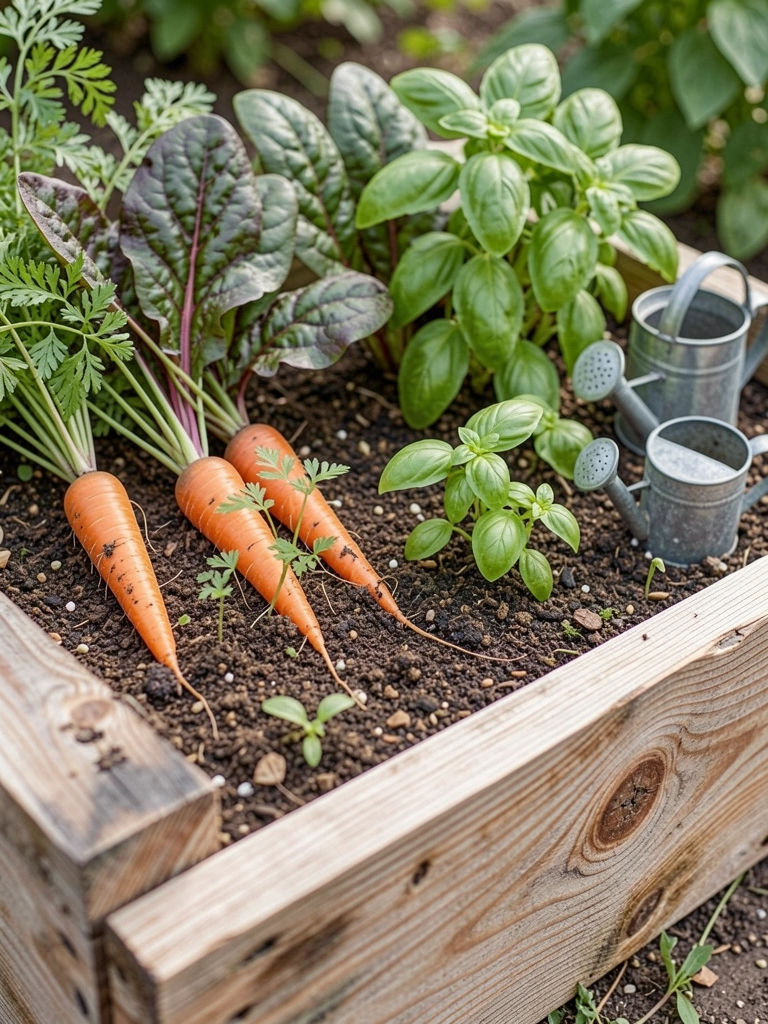
I built this from old fence boards when I learned how long cheap wood lasts if you cut it right.
I like the depth for carrots and brassicas. The box feels solid underfoot and makes the bed look intentional.
I once used untreated pallet wood and regretted the rot that started in year two. I learned to seal cut ends and use rot-resistant pieces.
Plant spacing matters — I pack herbs at one end and leave room for larger veggies.
What You’ll Need for This Look
- Reclaimed wood planks (2×8)
- Galvanized corner brackets
- Heavy-duty landscape fabric
- All-purpose potting mix with compost
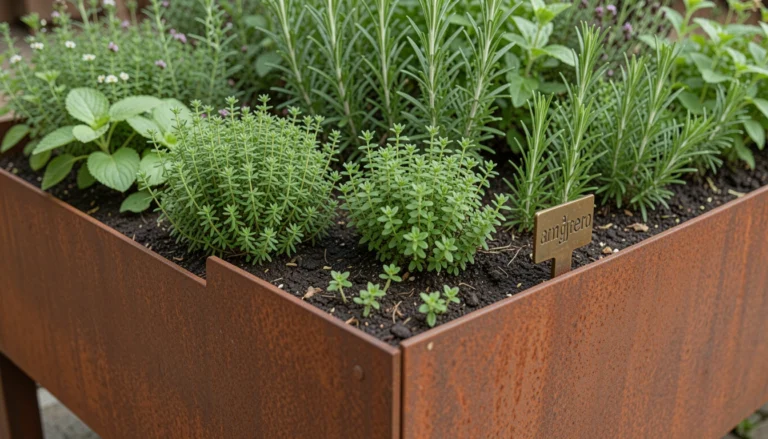
2. Tiered Cinder Block Herb Steps

I stacked cinder blocks into three low tiers near the kitchen door. It’s the easiest harvest I’ve had.
Blocks hold heat and dry quickly, which small herbs like. The tiers make a tiny slope look designed.
I made the mistake of planting sun-loving thyme in the shady bottom tier once — it sulked. Now I match plants to each level’s light.
This design drained too fast at first; I added a thin compost layer to retain moisture.
What You’ll Need for This Look
- Standard cinder blocks (6–10)
- Gravel for base
- Lightweight potting soil
- Small herbs (chives, thyme, oregano)
3. Galvanized Trough Box for Salad Greens

I grabbed an old livestock trough and turned it into a continuous salad bed.
Shallow roots like lettuce and spinach do great. The trough warms early, so I start planting sooner than raised beds.
At first I over-fertilized; the greens went leggy. Now I feed sparingly and cut often — it stays dense and tidy.
Watch for heat in midday — I tuck a shade cloth for July. It’s portable and gives consistent yields.
What You’ll Need for This Look
- Galvanized trough (36–48 inch)
- Seed mix for salad greens
- Lightweight compost-rich potting mix
- Shade cloth, clips
4. Window-Height Cedar Boxes for Easy Harvest

I built cedar boxes to sit at waist height outside the kitchen. Harvesting felt lazy in the best way.
Cedar resists rot and looks clean. I plant herbs and small edibles — no bending, no excuses.
My first version was too narrow and dried out. I learned to make them at least 12 inches deep and add water-retaining mix.
Mounting needs sturdy brackets. Once secure, it’s a little garden that fits my daily routine.
What You’ll Need for This Look
- Cedar boards (1×6)
- Heavy-duty shelf brackets
- 12–14 inch potting soil depth
- Herb seedlings (basil, parsley, thyme)
5. Pallet Vertical Herb Wall Box

I almost dismissed pallets until I made a vertical herb wall for a tight patio.
It freed floor space and brought scent to eye level. I mixed pots and pocketed soil for variety.
Mistake: I planted mint directly and it exploded. Now I keep aggressive plants in pots within the pallet to contain roots.
Watering is uneven; I added a drip line along the top. It’s compact and lively without being fussy.
What You’ll Need for This Look
- Pallet or vertical frame
- Small nursery pots or planting pockets
- Drip irrigation line or watering can
- Assorted herb plants (mint in pot, sage, cilantro)
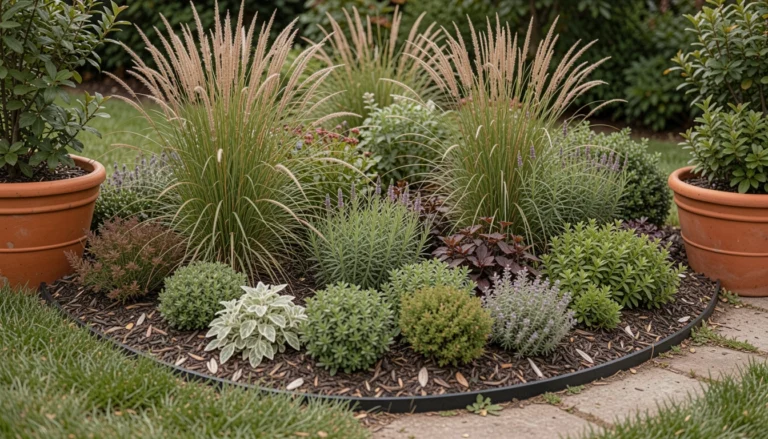
6. Concrete Block "No-Dig" Flower Bed
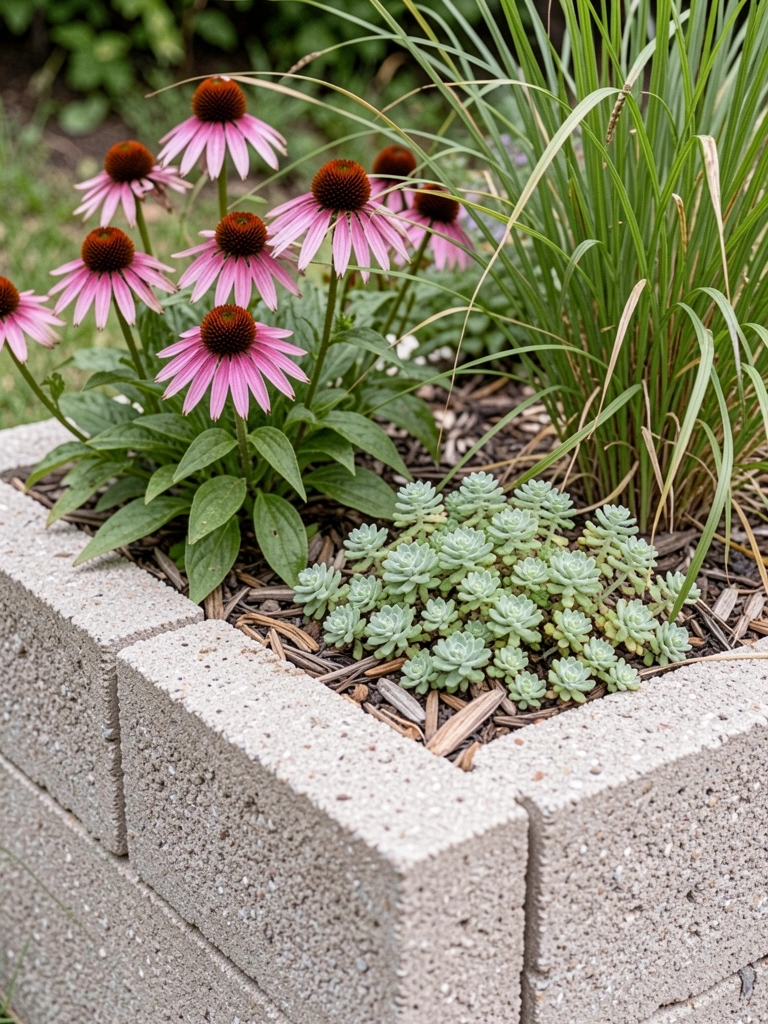
I used concrete blocks to outline a no-dig flower bed. It was the moment I stopped wrestling with sod.
Blocks make a sturdy border and I filled the bed with layered compost and mulch. Flowers settled in fast.
I learned to lay a weed barrier first; otherwise bindweed snuck up through gaps. A tight edge keeps it tidy.
The look is modern and low-maintenance once established. I add small perennials and leave room for volunteers.
What You’ll Need for This Look
- Concrete blocks (16–24)
- Sheet weed barrier
- Flowering perennials and sedums
- Mulch (shredded bark)
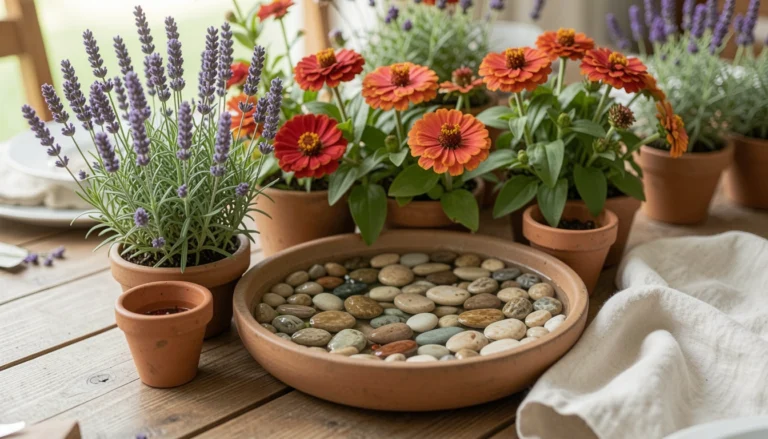
7. Half-Barrel Pollinator Flower Box
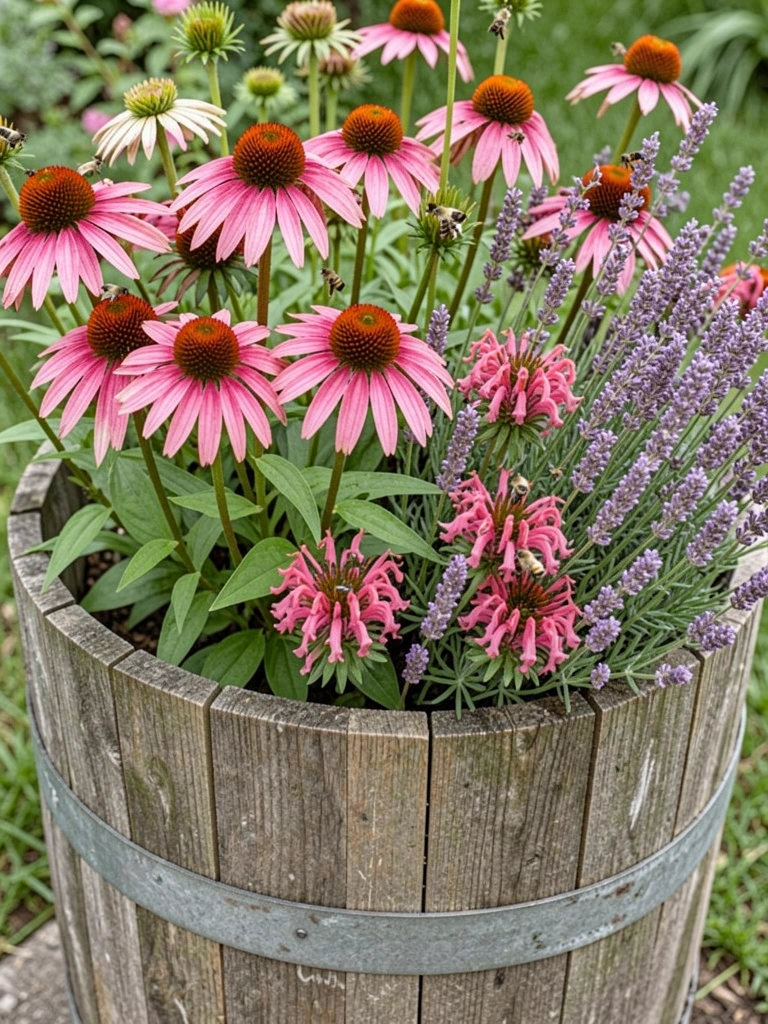
I cut an old wine barrel in half and filled it with pollinator-friendly flowers.
It became the happy spot in the yard — bees and butterflies showed up daily. The wood warms the soil and looks good on the patio.
I once planted tall varieties that shaded the barrel’s center. Now I plan heights — low at the front, taller in the middle.
These barrels dry faster than earth beds, so I check moisture more often. It’s a small, lively display that draws life.
What You’ll Need for This Look
- Half wine barrel planter
- Pollinator mix (coneflower, bee balm, lavender)
- Well-draining potting soil
- Organic slow-release fertilizer
8. Mobile Planter on Casters for Sun Chasing

I mounted a shallow raised bed on casters after losing sun to a neighbor’s tree.
Rolling it to follow sun was a small miracle. Tomatoes and peppers loved the extra hours of light.
I did underestimate the weight when wet; cheap casters bent. I upgraded to heavy-duty wheels and it moved easily.
This is great for renters or patios. Mind the soil weight and lock the wheels once settled.
What You’ll Need for This Look
- Wooden planter box (24–36 inch)
- Heavy-duty swivel casters with locks
- Deep potting mix for vegetables
- Tomato or pepper seedlings
9. Brick-Edged Deep Root Box for Tomatoes

I built a deep brick-edged box specifically for big indeterminate tomatoes.
The depth let roots run and the bricks held heat. Plants were sturdier and I got fewer cracked fruits.
Mistake: I planted too close at first and had late blight spread faster. I now space with airflow in mind and prune lower leaves.
Bricks are heavy but permanent. Once cured, it became my most dependable tomato patch.
What You’ll Need for This Look
- Reclaimed bricks or new brick edging
- Deep loam-rich soil with compost
- Tomato cages or sturdy stakes
- Indeterminate tomato seedlings
Final Thoughts
Start with one box you can manage.
I’d rather see you keep one box thriving than twenty half-loved beds.
Pick a build that fits your time and back, and let it teach you.