8 Modern Garden Privacy Ideas With Bamboo
I finally understood that privacy is about feeling safe, not hiding.
Bamboo did that for my yard without heavy fences.
It grows fast, can be elegant, and fits small spaces.
Simple steps, honest mistakes, real plants.
8 Modern Garden Privacy Ideas With Bamboo
I put together eight ideas using bamboo in real gardens — small spaces, patios, and rental balconies. Practical, modern privacy solutions you can copy.
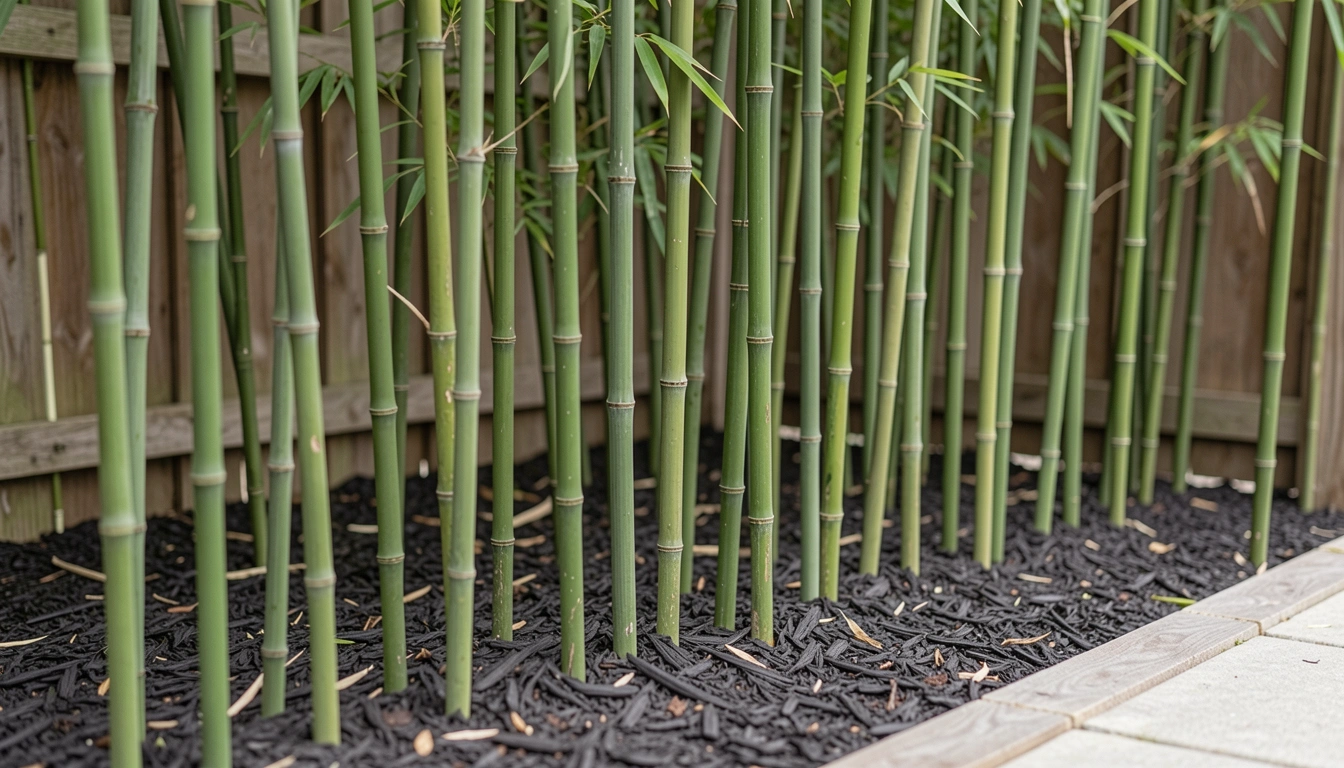
1. Clumping Bamboo Hedge for Year-Round Screening
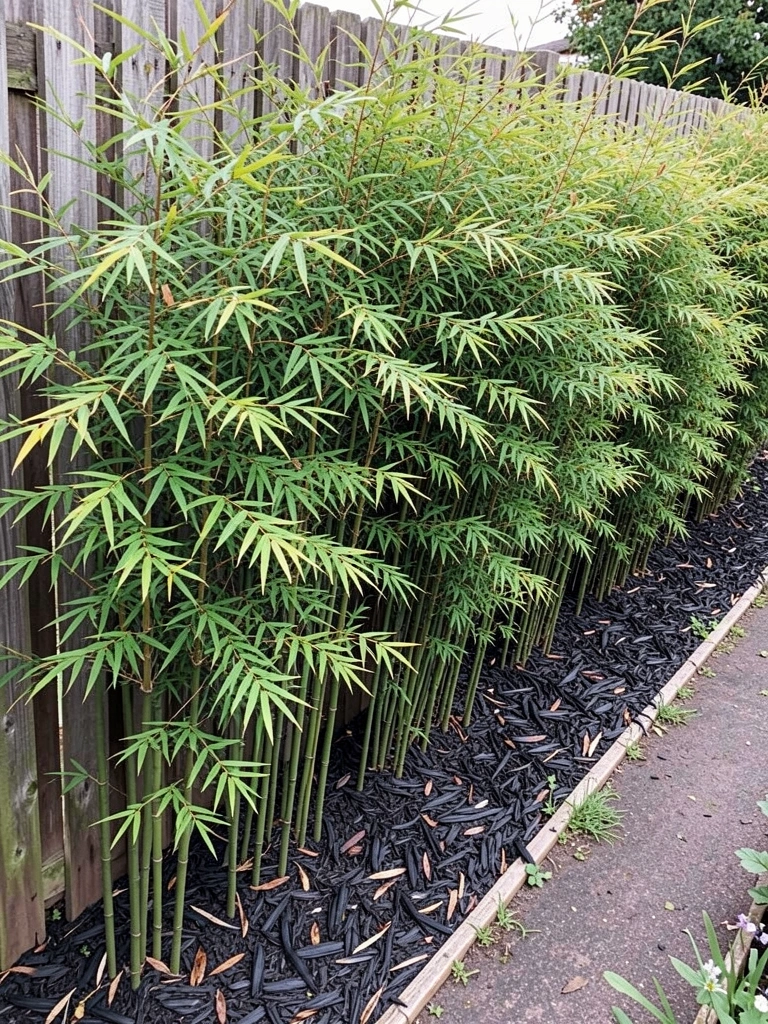
I planted a row of clumping Fargesia along the back fence and it finally gave real privacy.
At first they were thin; I planted them too close and some died. I learnt spacing is everything.
Now they form a year-round green wall that feels close but not claustrophobic. It mutes street noise and gives late summer shade, staying tidy after annual pruning.
Tip: put a 30–40cm root barrier, water deeply first two summers, and prune the oldest canes each spring.
What You’ll Need for This Look
- Fargesia clumping bamboo (2–3m)
- Root barrier (30–40cm height, polypropylene)
- Mulch (2–3 inches, bark)
- Long-handled pruners, garden hose with spray nozzle
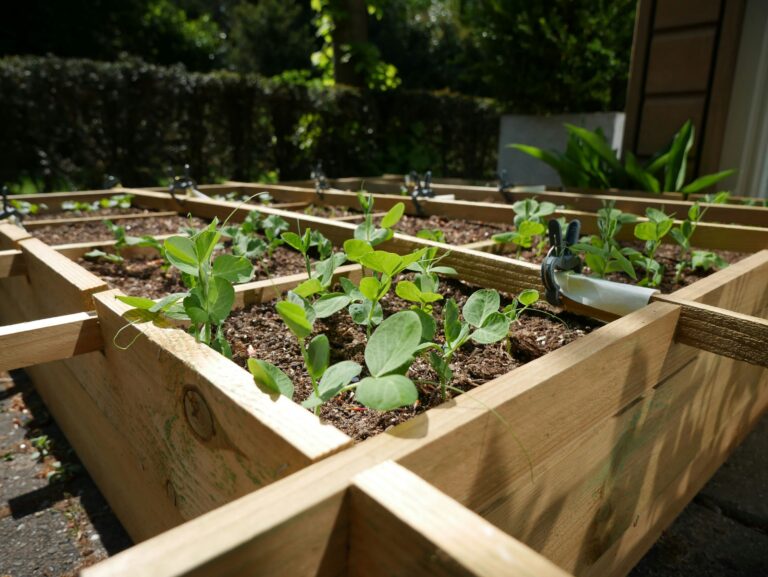
2. Bamboo in Long Raised Planters to Define a Patio
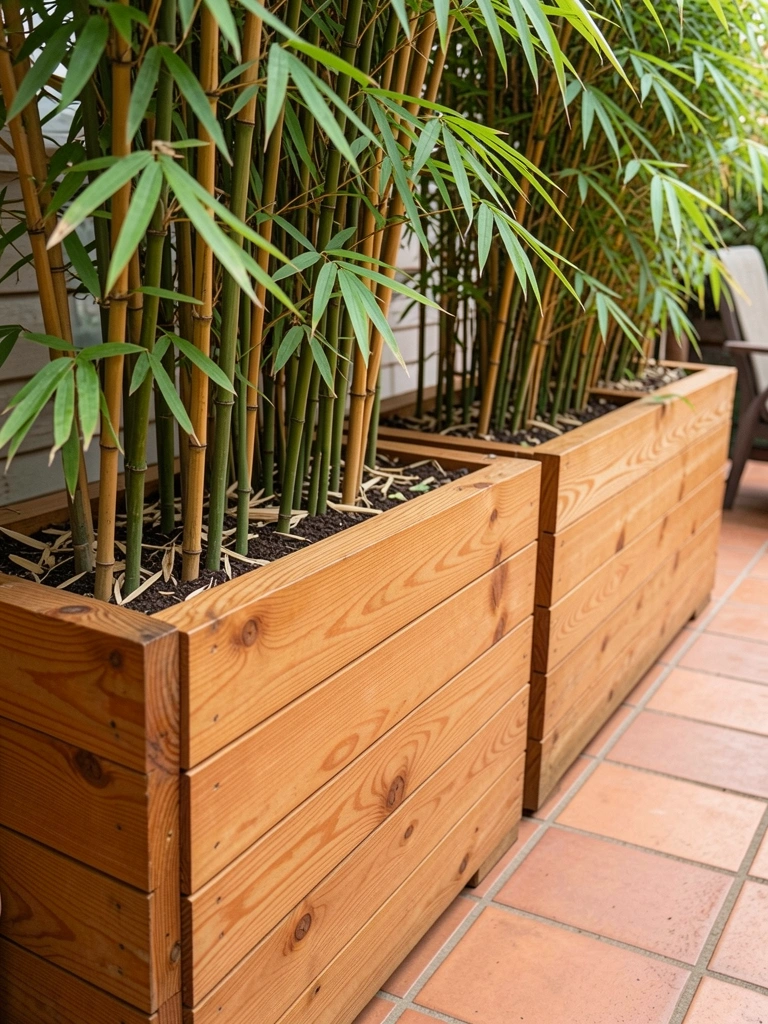
I lined our patio with long cedar planters and planted medium clumping bamboo. The planters made an instant green edge.
I misjudged depth at first; one batch became rootbound. I rebuilt the boxes deeper and the plants thrived. I anchor posts in concrete.
The sound changed. The patio felt private without losing light. I also learned to stagger planting times so the taller clumps don’t overshadow newer ones.
Tip: use 60cm deep planters, add good compost, and fit drip irrigation so leaves don’t scorch.
What You’ll Need for This Look
- Cedar raised planter (60cm depth, 1.2m length)
- Clumping bamboo (50–80cm pot)
- Free-draining compost, slow-release fertilizer
- Drip irrigation kit, mulch
3. Mixed Bamboo and Evergreens for Winter Privacy
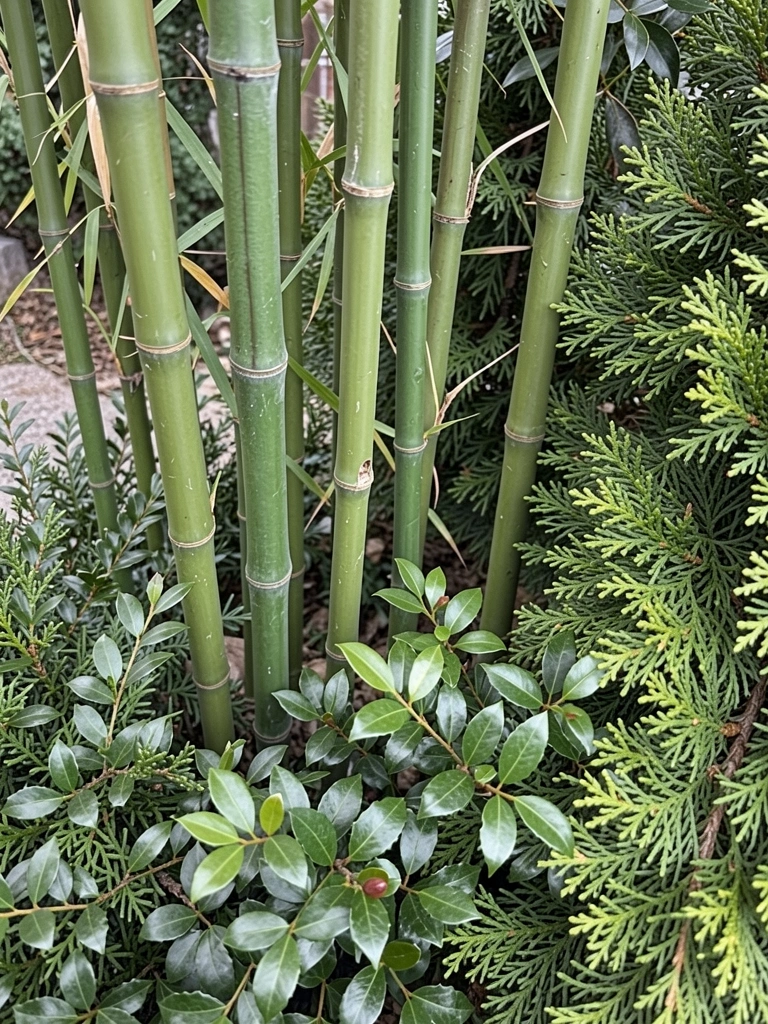
I planted bamboo behind a line of yew and holly to keep a green screen through winter. That mix gave structure when perennials died back.
At first the bamboo shaded the small evergreens and one yew struggled. I moved it slightly back and pruned lower canes.
Now the bamboo frames the winter plants and the garden reads as three layers: evergreen, bamboo, perennials. I top-dress with leaf mould each autumn for nutrients.
Tip: keep 50cm gap between trunks and add mulch to reduce competition.
What You’ll Need for This Look
- Clumping bamboo (1.5–2m height)
- Yew or holly (50–80cm)
- Garden mulch, slow-release feed
- Hand trowel, pruning saw
4. Bamboo Slat Screen with Steel Frame for a Modern Look
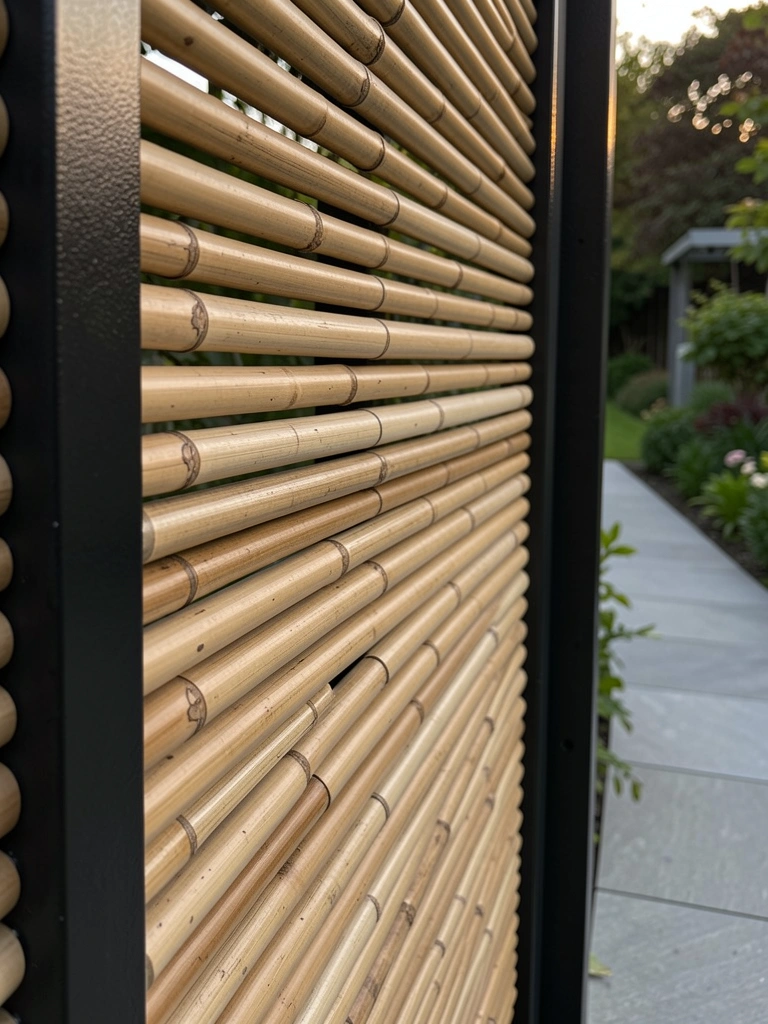
I built a slim steel frame and fixed bamboo slats horizontally for a clean, modern screen. It reads like architecture rather than a hedge.
At first the cheap slats warped and split. I replaced them with treated poles and pre-drilled holes. That stopped cracking.
The screen throws dappled shade and keeps the view subtle. I added uplights at dusk which softens the hard lines and makes the space feel comfortable.
Tip: use stainless fixings and seal the bamboo yearly.
What You’ll Need for This Look
- Steel frame (powder-coated black, 2m height)
- Bamboo poles (treated, 2–3cm diameter)
- Stainless screws, wood sealer, drill
5. Potted Bamboo Screens on a Small Balcony
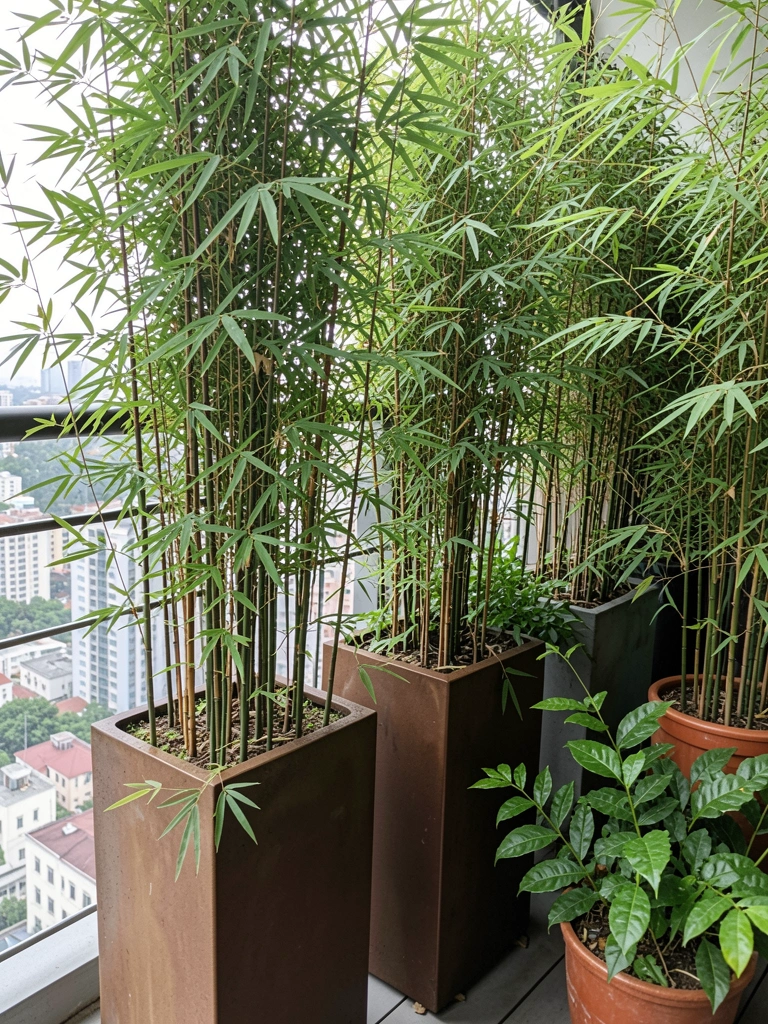
I used clumping bamboo in tall pots to make a green screen on our narrow balcony. It gives height without heavy structure.
At first I overwatered and stunted the rootball. I learned to pick pots with deep drainage and to lift and check roots every two years.
Choosing smaller Fargesia varieties kept the scale right. I move pots into shade during heatwaves to protect foliage.
Tip: use lightweight composite pots and secure them to the railing.
What You’ll Need for This Look
- Composite tall planter (30–40cm depth)
- Fargesia clumping bamboo (compact variety)
- Potting compost, drainage grit
- Cable ties, saucer
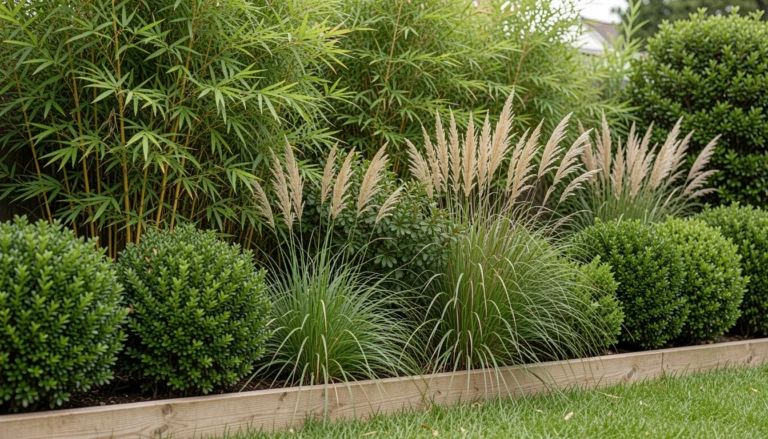
6. Layered Planting: Bamboo Backdrop with Flowering Midlayer
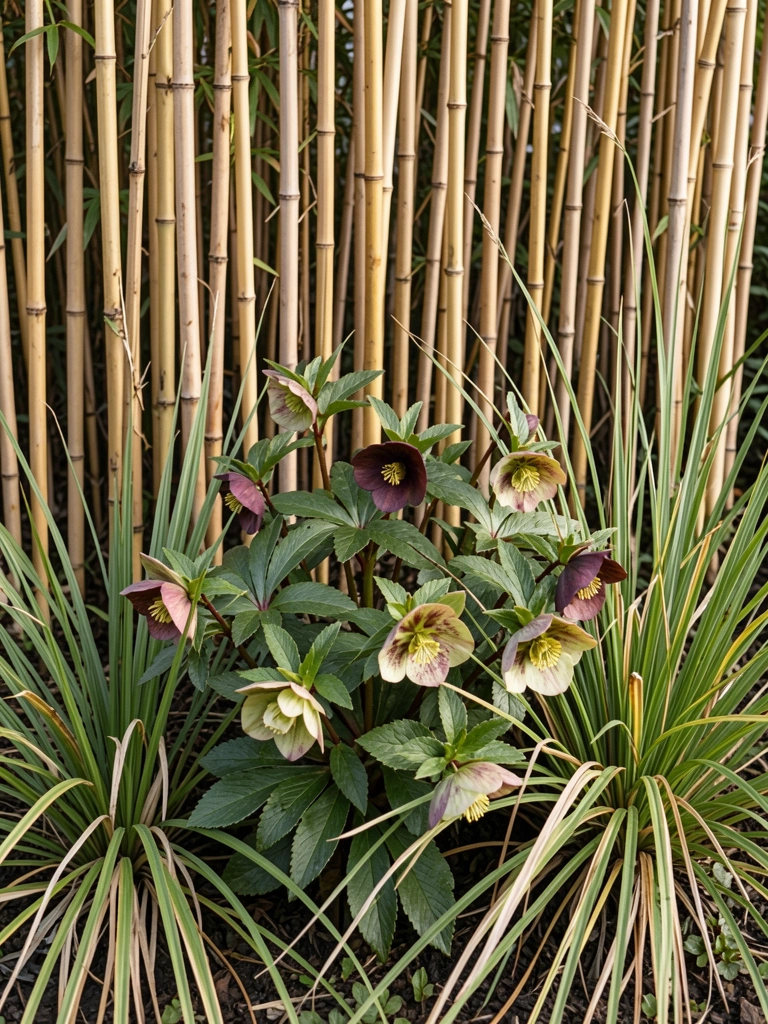
I used bamboo as a tall backdrop and planted flowers and ornamental grasses in front. It made a small border feel fuller overnight.
I made the mistake of choosing sun-loving perennials first. The lower bamboo created too much shade. I replaced them with hellebores and astilbe.
Now the midlayer holds color and texture while bamboo gives height and movement. I add a thin mulch each spring to keep moisture even for young perennials.
Tip: prune lower canes and choose shade-tolerant perennials for success.
What You’ll Need for This Look
- Clumping bamboo (2m)
- Hellebores, astilbe, sedges
- Compost, hand fork, secateurs
7. Bamboo and Timber Pergola for Intimate Corners
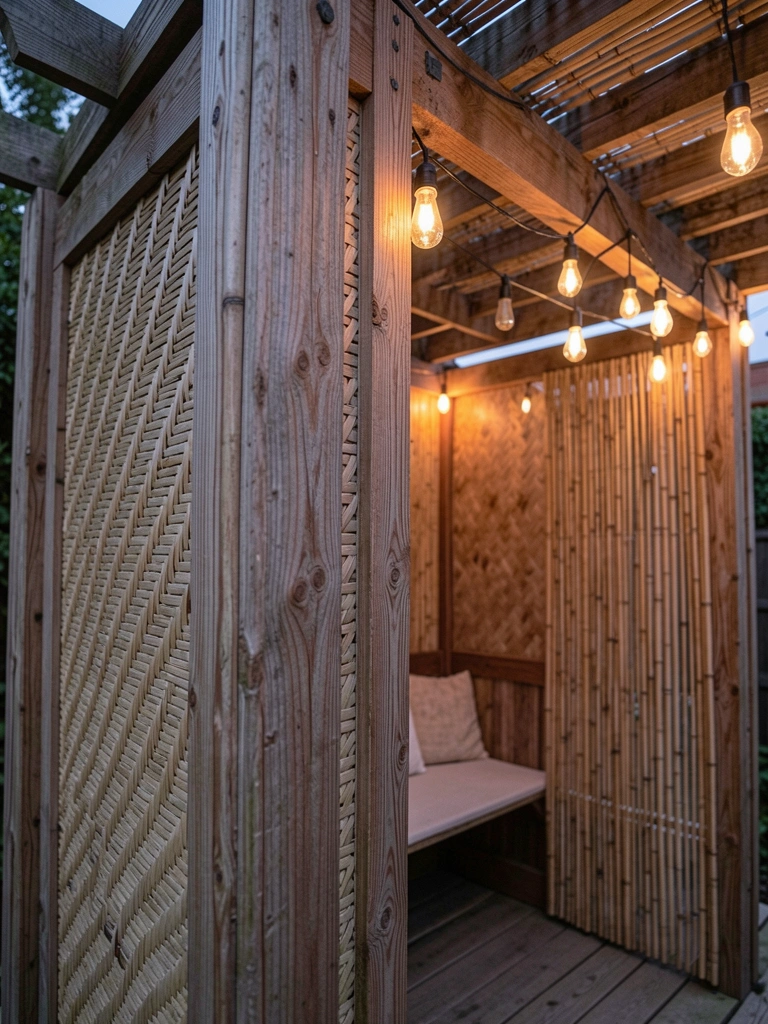
We attached bamboo screens to the sides of our timber pergola to make a snug reading corner. It created instant privacy without closing it off.
I initially used thick poles that made the pergola lean. I swapped to thinner woven panels and reinforced the posts. I anchor posts in concrete.
Now it’s a sheltered nook that still lets light through. At night I drape a string of warm LED bulbs and it feels gentle.
Tip: check the structure’s load rating and fix panels with stainless brackets.
What You’ll Need for This Look
- Timber pergola (oak or cedar, 2.2–2.5m height)
- Woven bamboo panels (lightweight)
- Stainless brackets, outdoor string lights, drill
8. Portable Bamboo Screens for Renters and Flexibility
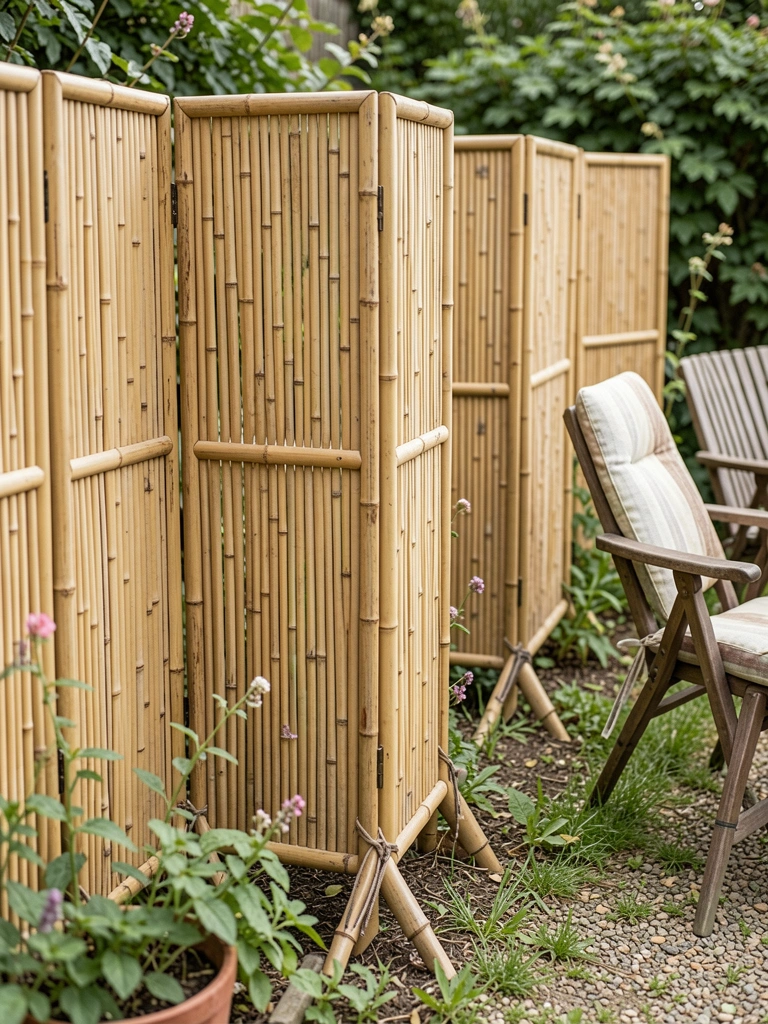
I kept a set of folding bamboo screens for when we needed privacy during summer dinners. They live in the shed and come out on demand.
At first a gust toppled one and cracked the slats. I now weight the bases with sandbags and fix them to railings when needed. They dry well.
They’re inexpensive and flexible for renters, and they age into a warm patina if sealed occasionally. They let me try layouts without commitment.
Tip: seal panels and add base weights for windy sites.
What You’ll Need for This Look
- Folding bamboo screen panels (1.8m)
- Sandbags or weighted bases
- Exterior sealer, bungee cords, storage cover
Final Thoughts
You don't need every idea.
Pick one or two that match your space. Bamboo is forgiving if you choose the right type and give it room.
Start small, watch how it moves in wind, and adjust. It grows into place more often than not. You can do this. Slowly. Really.