9 Lush Garden Privacy Ideas With Plants
I used to leave my back fence bare and wish for privacy.
Then I started planting deliberately, one messy experiment at a time.
I learned what hides a neighbor’s yard and what just looked crowded.
This is what I actually planted and still reach for.
9 Lush Garden Privacy Ideas With Plants
These 9 ideas are practical, plant-focused ways I made private spaces in real gardens.
Each idea is something I used or fixed.
You’ll get clear steps and exact items to look for.
1. Narrow Bamboo Alley for a Small Side Yard
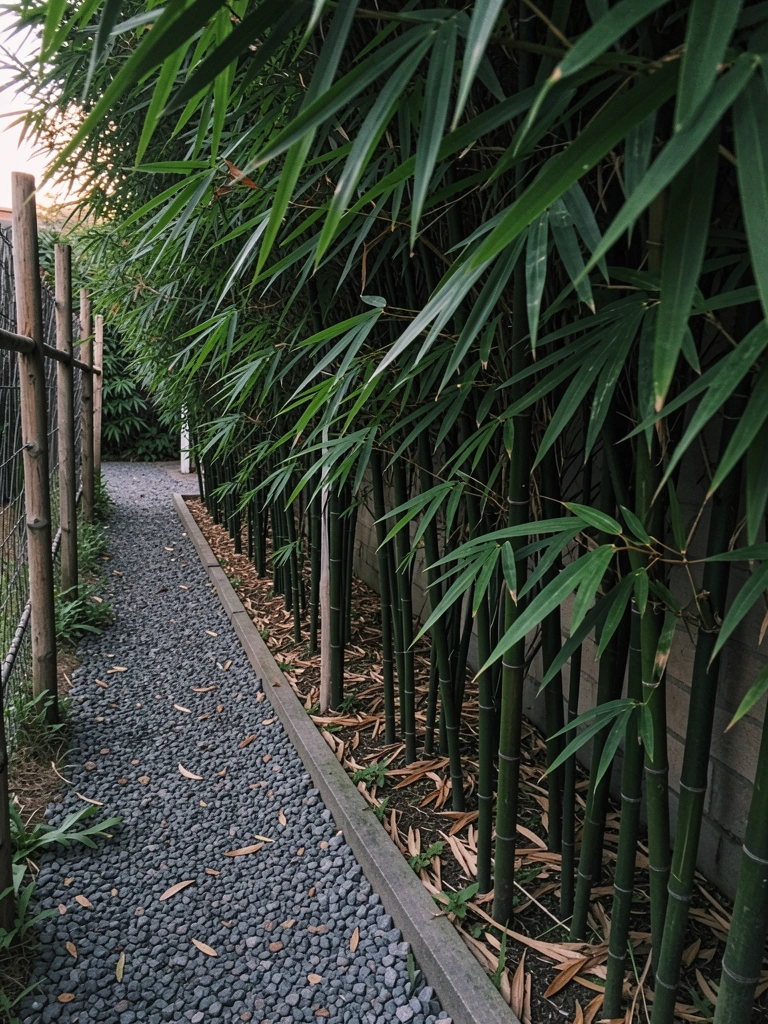
I planted clumping bamboo along a fence and it instantly felt enclosed.
It shaded a worn path and softened the ugly fence.
My mistake was starting with running bamboo—root barriers fixed that costly regret.
Now the alley feels private without feeling boxed in.
Use staggered pots or a trench barrier if your soil is shared with neighbors.
What You’ll Need for This Look
- Clumping bamboo (3–4 ft container)
- Root barrier or 1 mm polyethylene sheeting
- Gravel path mix, pea gravel (3/8 inch)
- Timber edge boards (2×4)
2. Evergreen Hedge that Actually Looks Good All Year
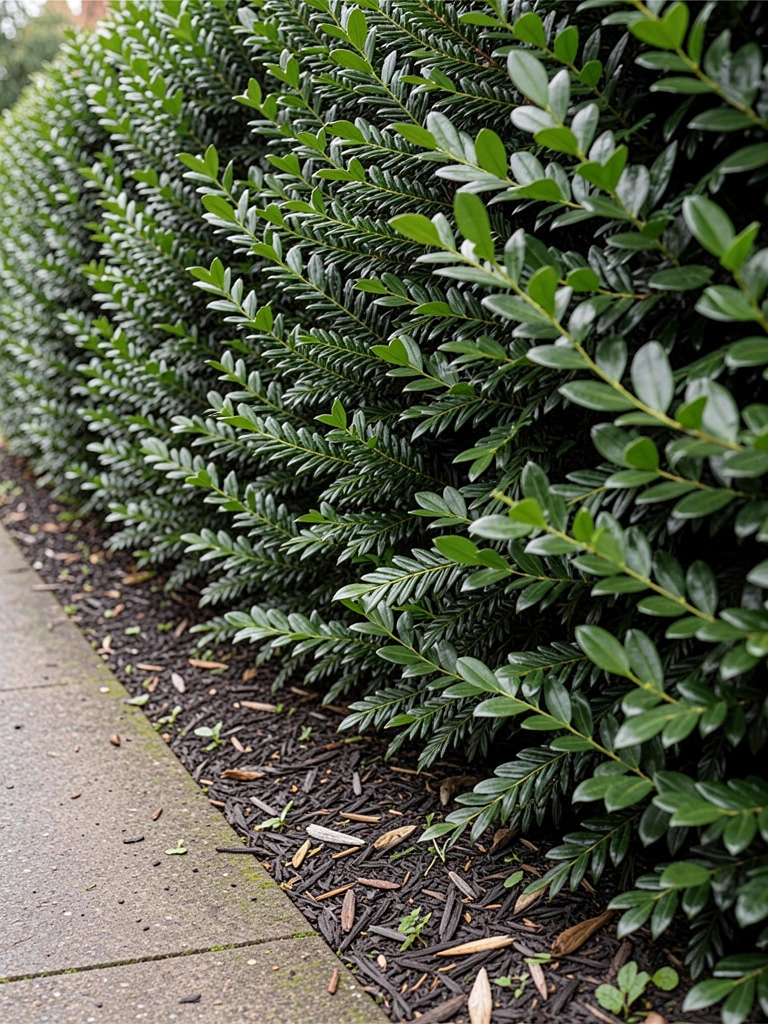
I planted a mixed evergreen hedge after one too many cold nights where deciduous shrubs looked tired.
I used yew and Portuguese laurel for texture.
I ruined the first row by planting them too close—crowded growth was my lesson.
Spacing correctly gave me air, fewer disease problems, and a thicker screen within three seasons.
It’s quiet, green, and private even in January.
What You’ll Need for This Look
- Yew (Taxus) 3–4 ft
- Portuguese laurel (Prunus lusitanica) 3–4 ft
- Mulch, 2–3 inches (bark)
- Hand pruners and garden gloves
3. Tiered Planters With Climbing Vines on a Patio
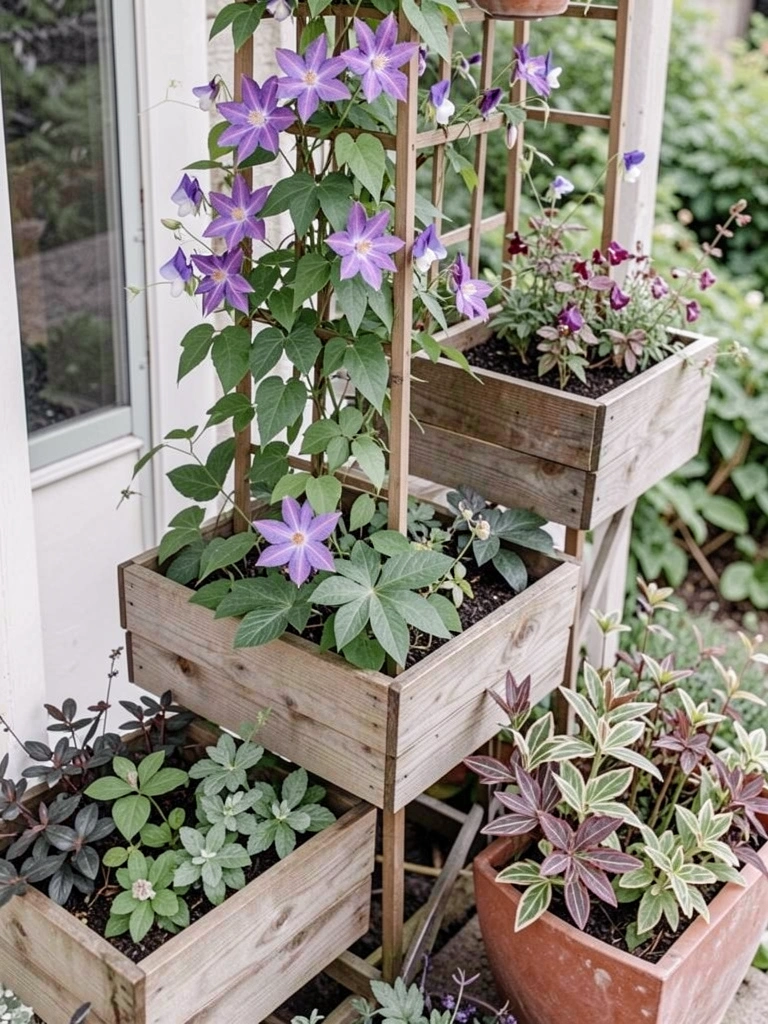
I stacked cedar planters at different heights to hide a low wall.
Clematis and hops climbed a slim trellis and created a living curtain.
What surprised me was how quickly the vertical layer made the patio feel wider, not smaller.
It’s flexible too—if I need more sun for vegetables, I move a pot.
This is great for renters or patios with limited ground soil.
What You’ll Need for This Look
- Cedar tiered planter set (varied heights)
- Slim folding trellis, powder-coated
- Clematis (mixed varieties)
- Potting mix, slow-release fertilizer
4. Tall Ornamental Grasses That Move and Muffle Noise
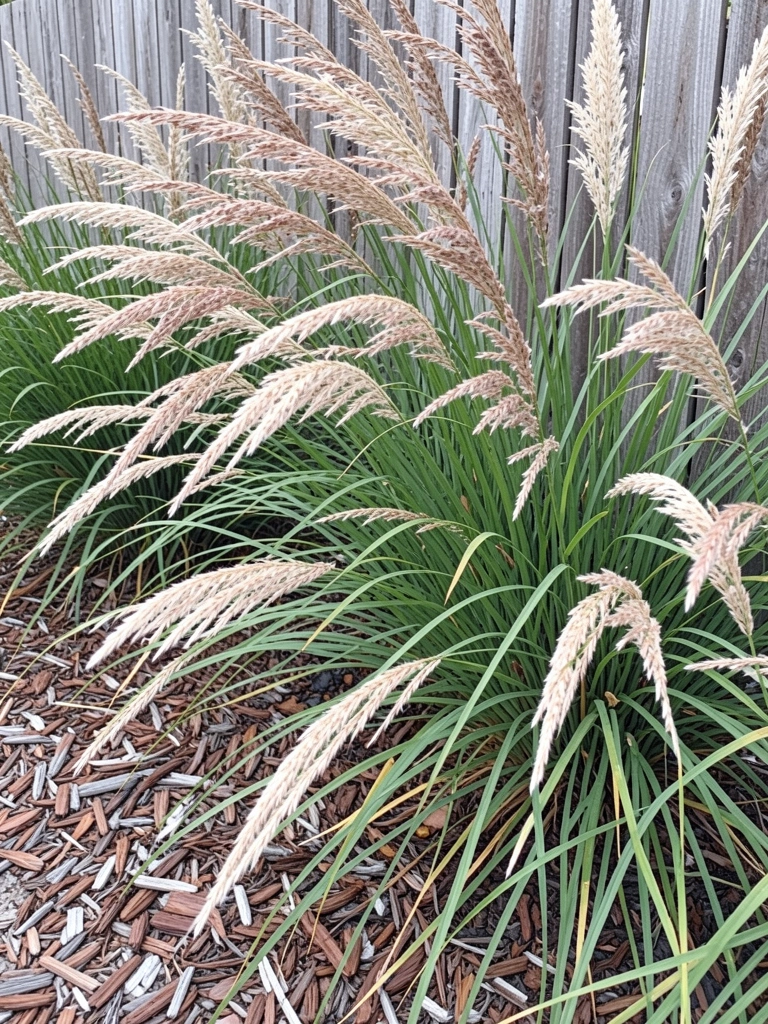
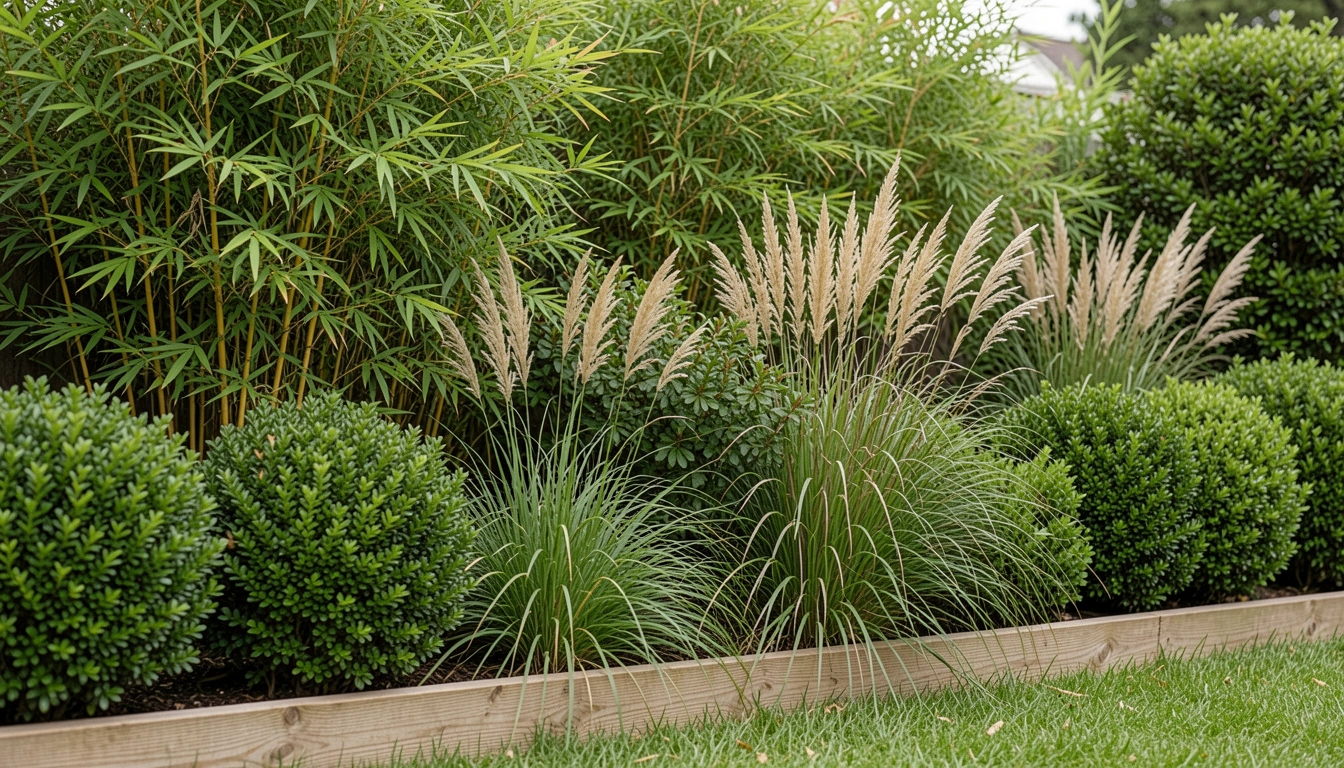
I used miscanthus and calamagrostis to hide a noisy street and was surprised by how much sound they softened.
At first I cut them too early in spring and lost winter structure—big regret.
Now I leave seedheads through winter; they add height and privacy year-round.
They sway, they rustle, and they’re low fuss once established.
Plant in clusters for a soft, living screen that isn’t a wall.
What You’ll Need for This Look
- Miscanthus sinensis (clumps)
- Calamagrostis x acutiflora (feather reed)
- Organic mulch, coarse
- Garden shears for tidy spring cutback
5. Mixed Shrub and Perennial Hedge for Seasonal Interest
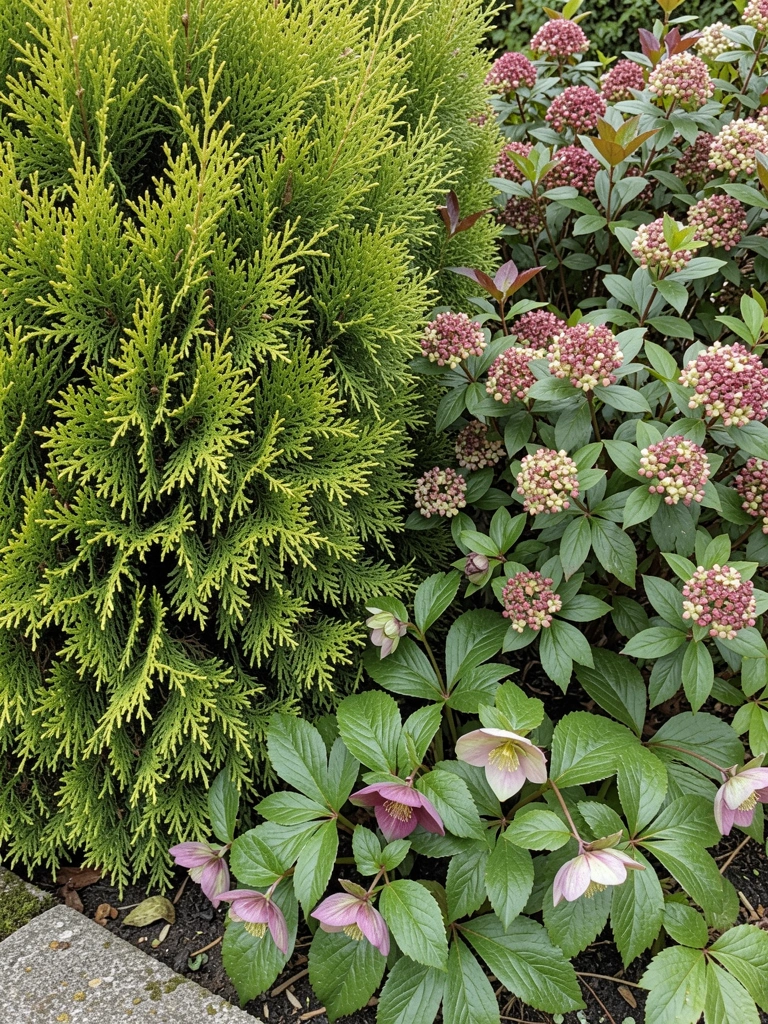
I stopped planting single-species borders after a bland fenceline taught me about resilience.
Now I mix viburnum, hellebore, and small evergreens for structure and flowers.
That variety gave me privacy even when some species struggled—disease in one plant didn’t open the whole screen.
It looks lived-in and layered, and it draws my eye away from the neighbor’s shed.
Planting in odd numbers helped the mix read as natural, not regimented.
What You’ll Need for This Look
- Viburnum tinus or opulus (2–3 ft)
- Hellebore mixed varieties (pack)
- Small evergreen shrubs (boxwood, 18–24 inch)
- Compost-enriched topsoil
6. Container Conifers for Instant Year-Round Screening
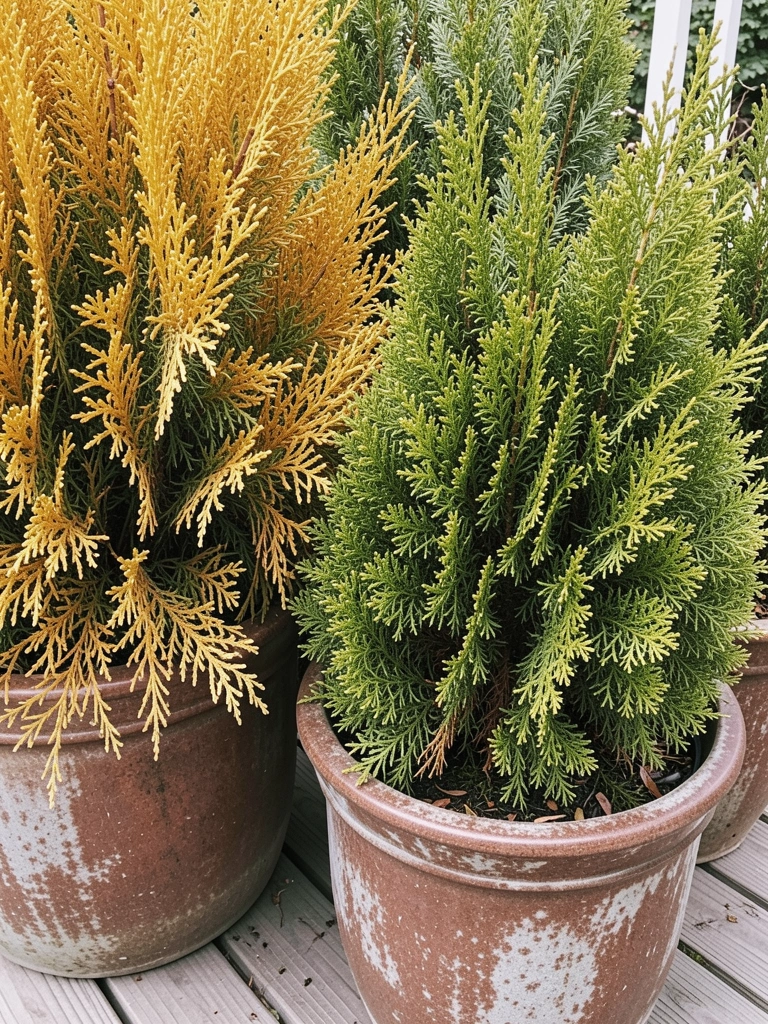
I put tall container conifers on a deck to block a ground-floor window.
They gave me instant height and a sense of enclosure.
I overestimated pot size the first season and had poor drainage—roots nearly drowned.
Switching to larger, well-draining containers solved that and they grew steadily.
This is a neat, movable solution for renters or patios where in-ground planting isn’t possible.
What You’ll Need for This Look
- Dwarf conifers (arborvitae, spruce) in 24–30 inch pots
- Large terracotta or resin planters with drainage
- Premium potting mix with perlite
- Slow-release granular feed for containers
7. Fast-Growing Climbers on Wires for a Soft Screen
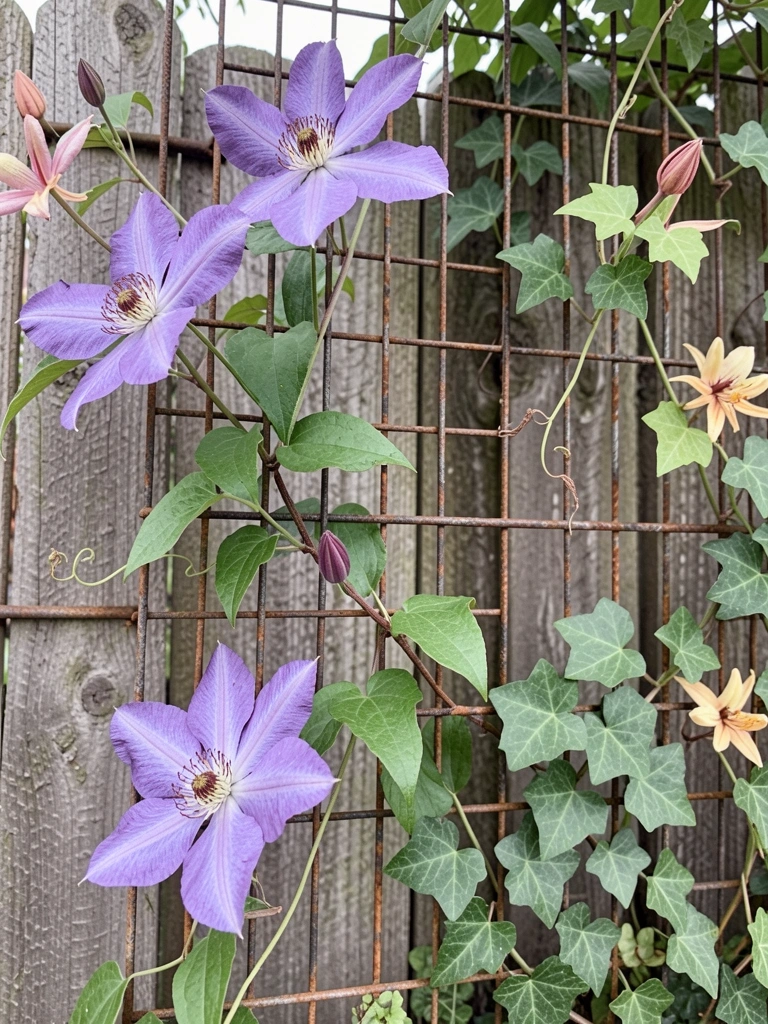
I strung stainless-steel wires across a fence and trained clematis and honeysuckle up them.
Within a single season the wires vanished under foliage.
My early mistake was tying vines too tightly; they choked.
Looser, breathable ties let stems expand and kept plants healthy.
This gives you a soft, breathable screen that’s easy to repair and replace as needed.
What You’ll Need for This Look
- Stainless-steel wire trellis kit
- Clematis (mixed colors)
- Lonicera (honeysuckle) or Jasminum
- Soft garden ties, bamboo canes
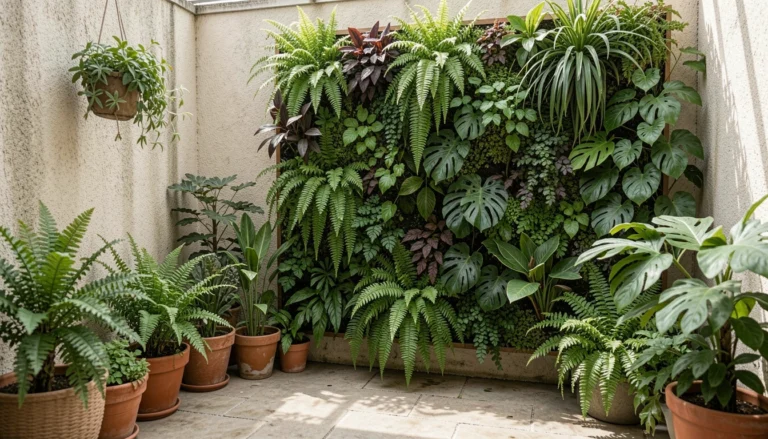
8. Living Wall Pockets for Vertical Privacy on a Balcony
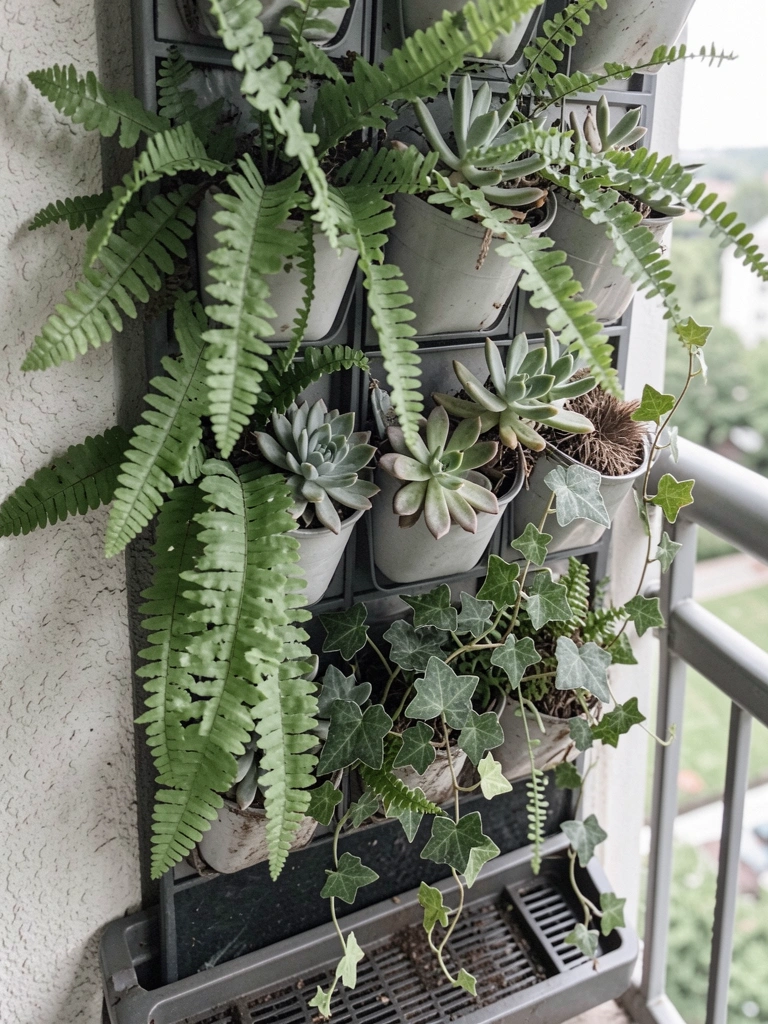
I hung felt pocket planters on a balcony and filled them with ferns and succulents to hide a neighboring flat.
The first set leaked and stained the wall—lesson learned: use a water tray and backing board.
After that, it was low fuss and lush.
It’s surprising how much green you can fit in small vertical space.
Great when floor space is precious and you want privacy without building a structure.
What You’ll Need for This Look
- Felt pocket planter panels
- Backing board or drip tray
- Ferns, succulents, trailing ivy mix
- Lightweight potting mix, moisture-retentive
9. Fruit Tree Espalier for a Thin, Decorative Screen
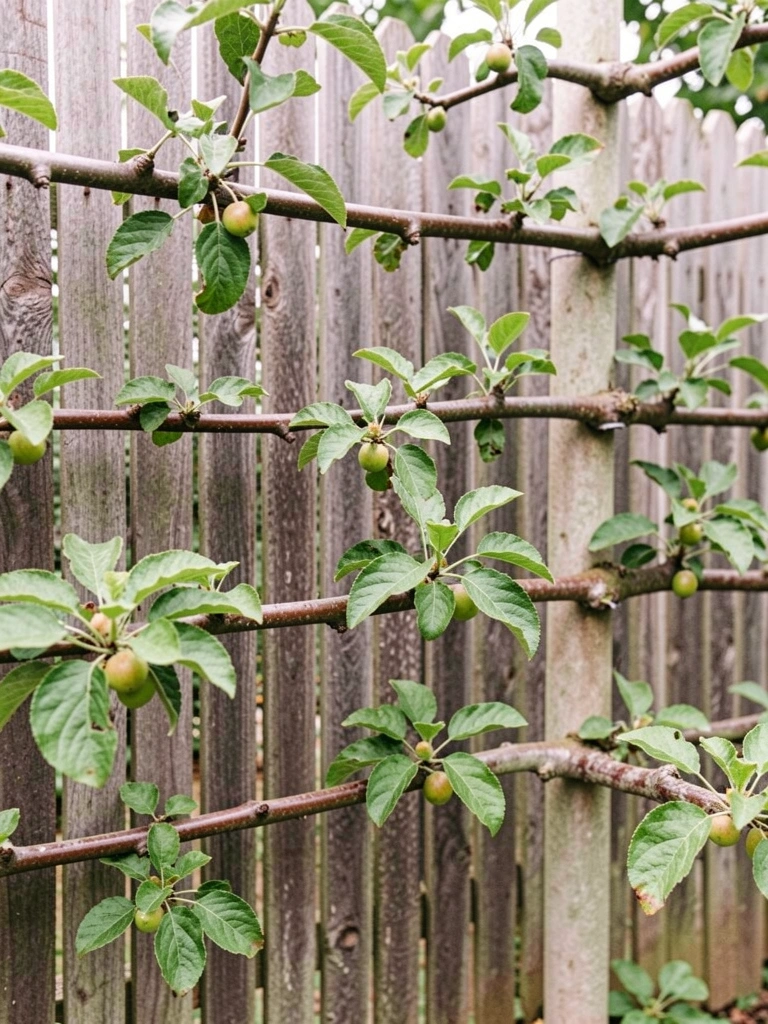
I trained a pair of espaliered apple trees along a narrow boundary to get privacy and fruit.
They took patient pruning, but they never felt bulky like a tall hedge.
My early pruning was too aggressive and set growth back—now I prune lightly and annually.
They give filtered privacy, seasonal flowers, and a tidy, intentional look.
It’s satisfying to pick fruit while still feeling sheltered.
What You’ll Need for This Look
- Espalier-friendly apple or pear saplings (1–2 year)
- Horizontal training wires and hooks
- Sharp pruning shears and ribbon ties
- Fruit tree feed and compost
Final Thoughts
You don’t need to do all these at once.
Pick one idea that fits your space and budget.
I’ve built privacy slowly and learned to keep things movable and forgiving.
You’ll find what works for your garden as you go.