14 Stylish Garden Privacy Fence Ideas
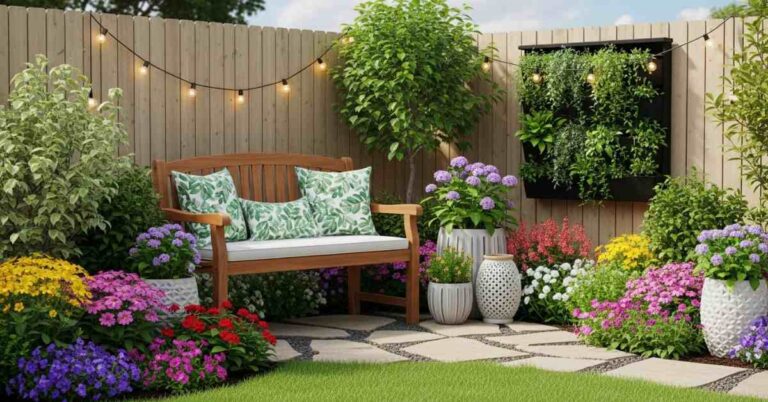
I always thought a fence was just a line. Then I learned it can be a room-maker.
I fixed a messy hedge, one small board at a time. The yard felt quieter.
These ideas come from real fixes, wrong plants, and small wins. You can try one at a time.
14 Stylish Garden Privacy Fence Ideas
These 14 ideas are practical and tested in real yards.
Each one shows how I solved privacy without overdoing it.
Pick a few that fit your space — all are doable.
1. Cedar Slat Fence with Climbing Roses
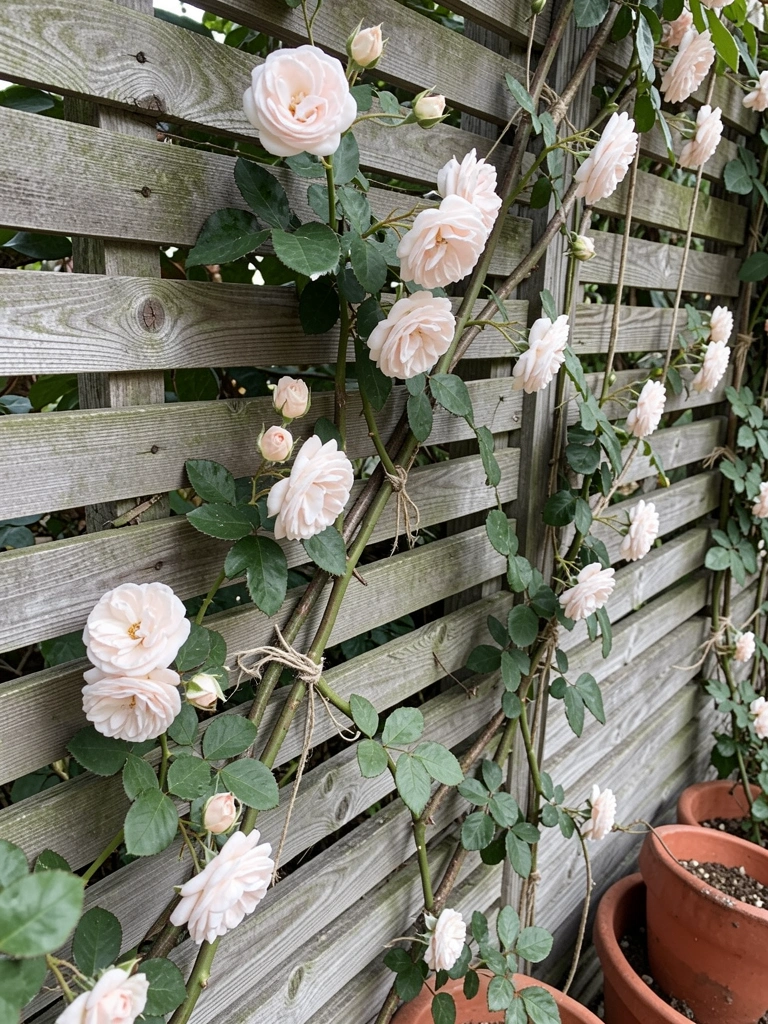
I built a cedar slat fence and trained climbing roses up it. The wood warms the garden and the roses hide gaps by midsummer. I planted too close at first and had to move one plant—lesson learned.
The look became a soft, cozy backdrop for a small seating nook. I prune early to keep blooms and airflow.
Tip: leave space for mulch and feeding, or roses sulk.
What You’ll Need for This Look
- Cedar slat fence (6 ft)
- Climbing roses (bare-root or 2–3 potted)
- Galvanized fence staples
- Bamboo canes for training
2. Freestanding Trellis Panels with Mixed Vines
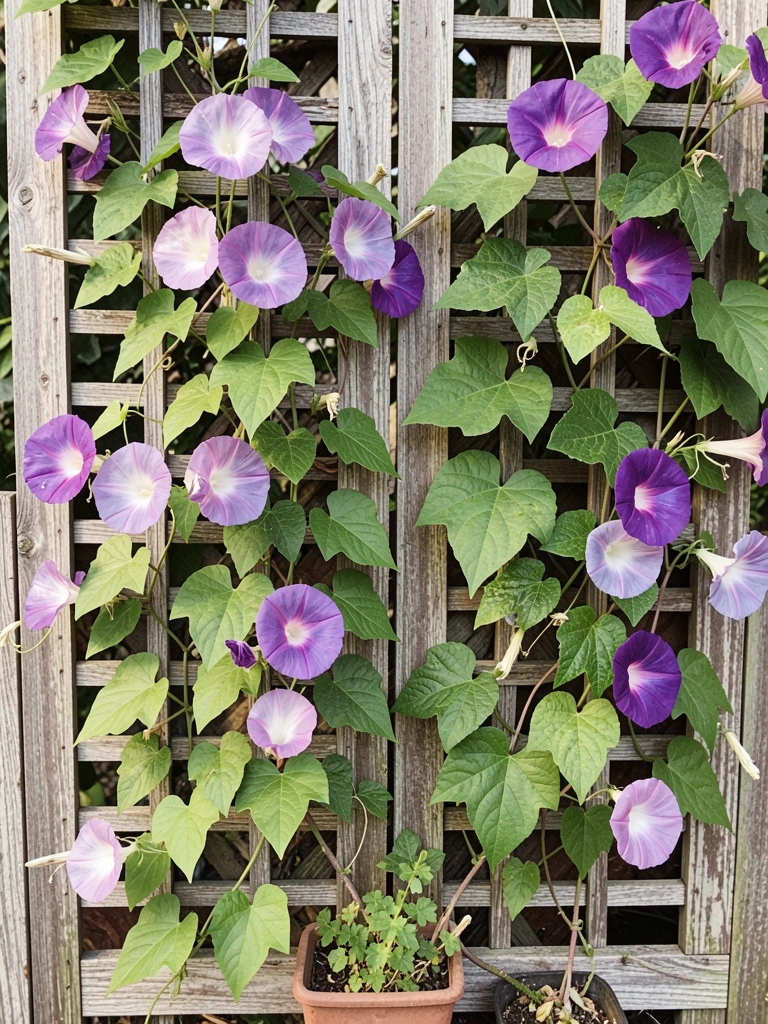
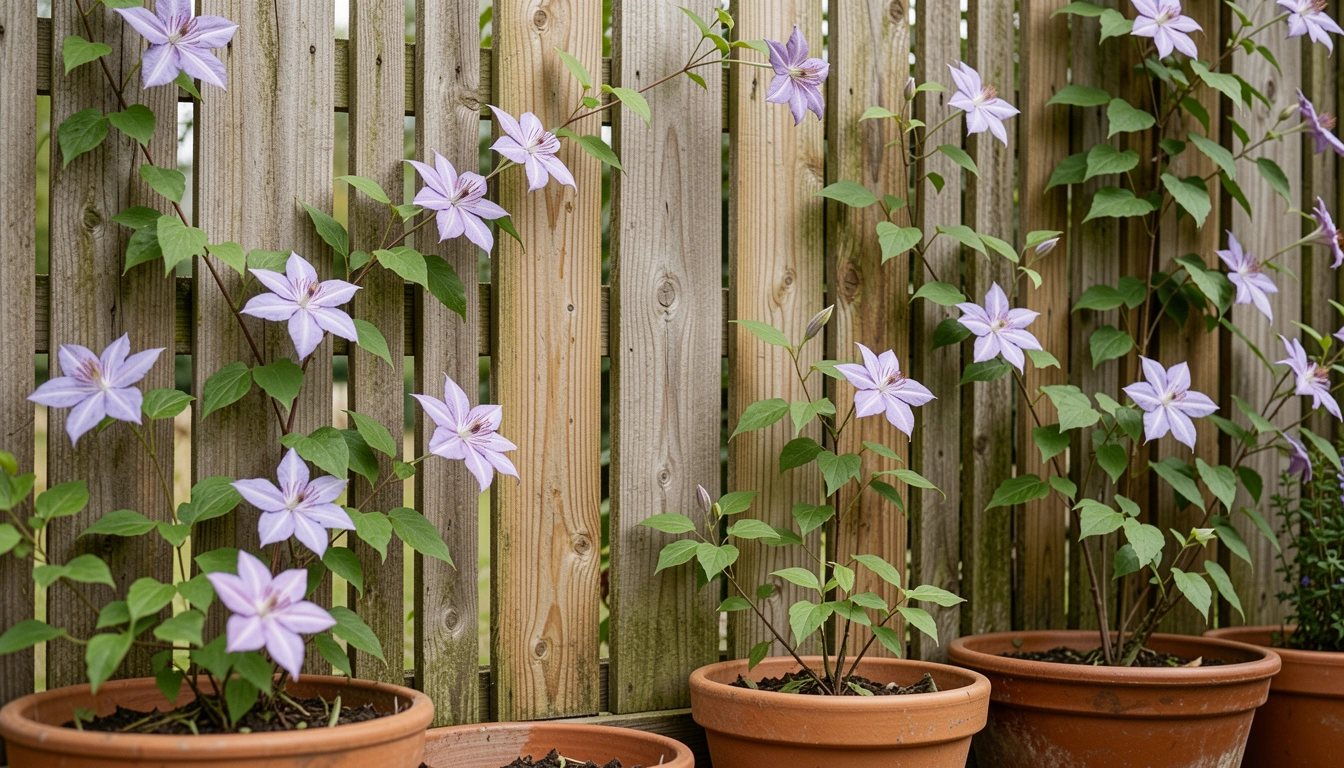
I added freestanding trellis panels along a tired fence and planted mixed vines. Morning glory gave fast cover, clematis gave blooms, honeysuckle gave scent. I rushed and planted too many seedlings; thinning was annoying but necessary.
The layered leaves softened lines and let light through. I space vines now and clip lightly every season for shape.
Watch moisture at the base; dense growth can hide rot if you don’t check.
What You’ll Need for This Look
- Wood trellis panels (4 ft)
- Morning glory seed packet
- Clematis potted plants
- Honeysuckle vine (whips)
- Garden twine for training
3. Living Bamboo Screen in Raised Beds
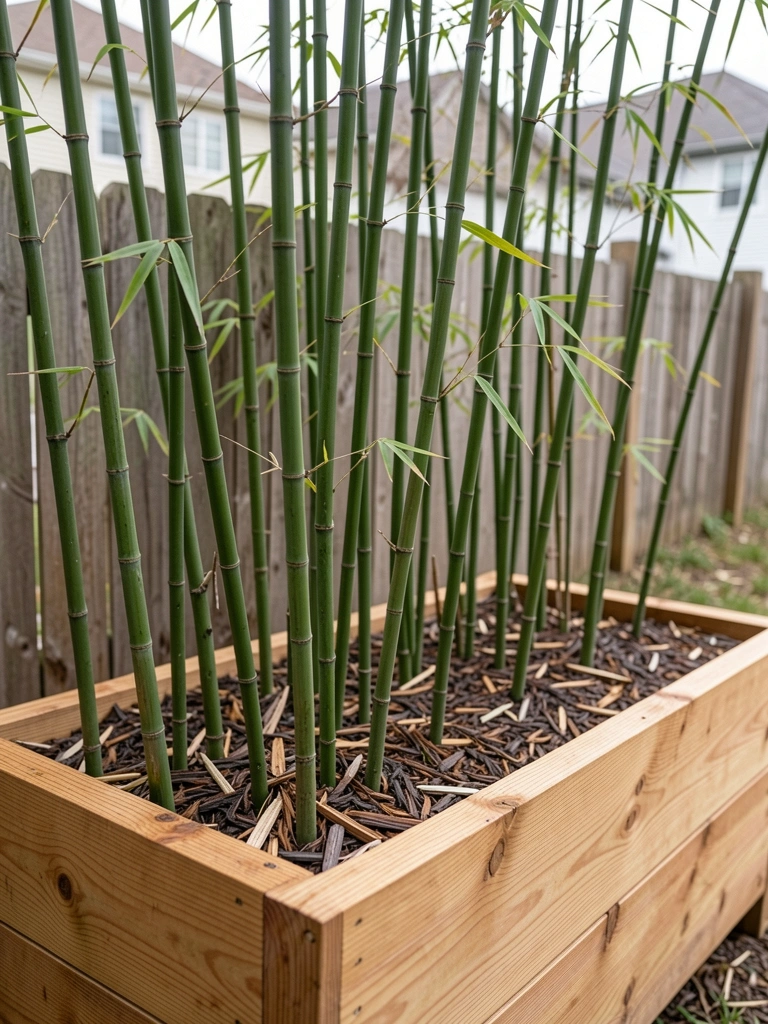
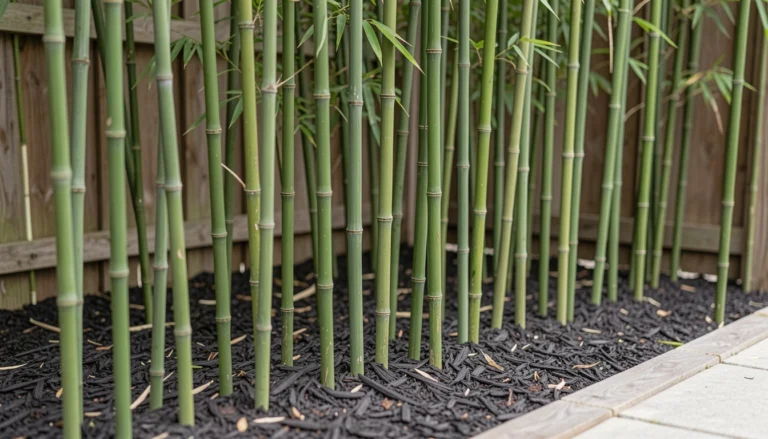
I used clumping bamboo in a raised bed to block a noisy driveway. It filled out fast and gave that tall, private feel I wanted. I tried a running bamboo once and regretted it—clumping is the safer choice.
The sound dampens and the vertical lines feel modern and calm. I cut lower canes each year to keep it tidy.
Important: choose clumping bamboo and a deep raised bed to contain roots.
What You’ll Need for This Look
- Clumping bamboo (2–3 gallon pots)
- Raised cedar bed kit (18 in deep)
- Coarse mulch
- Heavy-duty landscape fabric
4. Lattice Top with Potted Evergreen Anchors
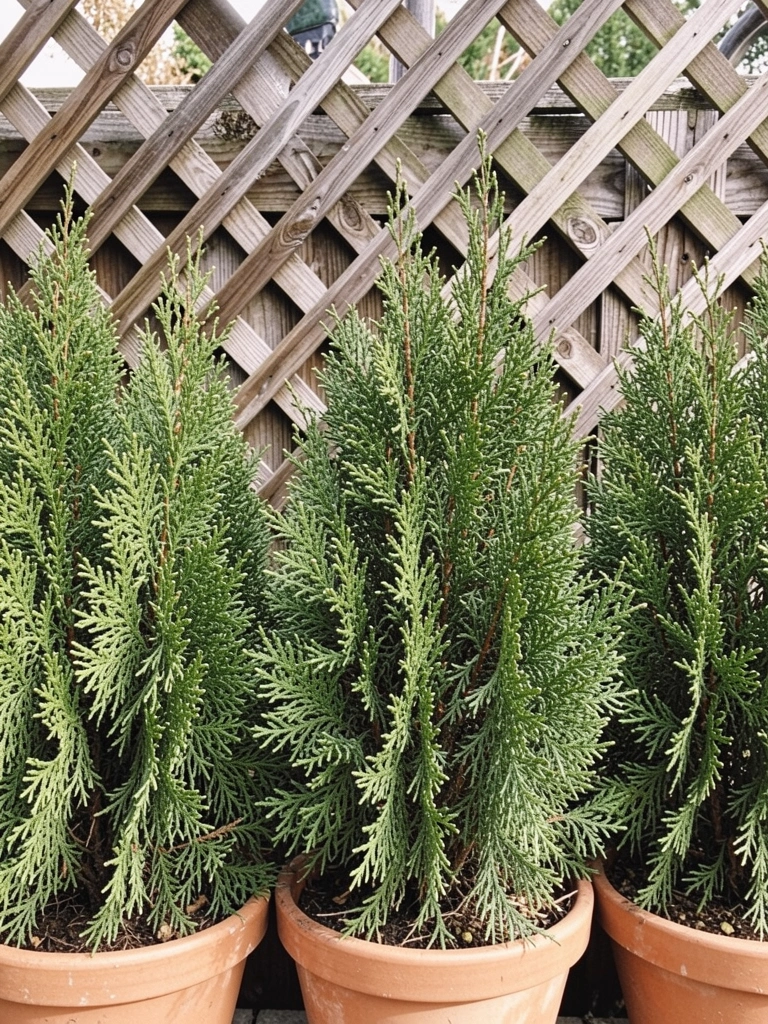
I added a lattice top to an existing fence and lined the base with large potted evergreen cones. The lattice gives climb and pattern; the pots add instant height and year-round privacy.
I like the flexibility—the pots can move if I redo the patio. The lattice also lets wind pass, so it’s less oppressive on stormy days.
Tip: use heavy pots so wind won’t tip them over.
What You’ll Need for This Look
- Fence lattice panels (topper)
- Large clay pots (16–20 in)
- Dwarf evergreen cones (potted)
- Pot saucers and slow-release fertilizer
5. Reclaimed Wood Panels with Narrow Garden Beds
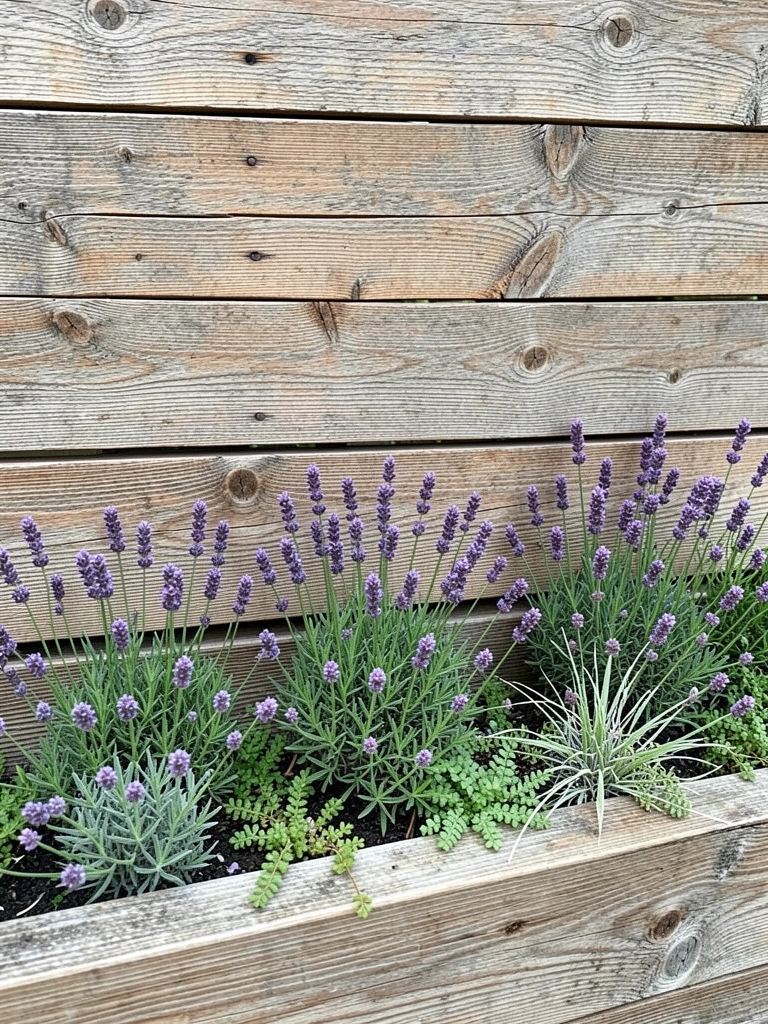
I built panels from reclaimed wood and planted a narrow bed in front. The wood’s grain adds personality and the planting softens the rough edges. My mistake was not sealing the back—wood drew moisture; I had to add a simple water repellent.
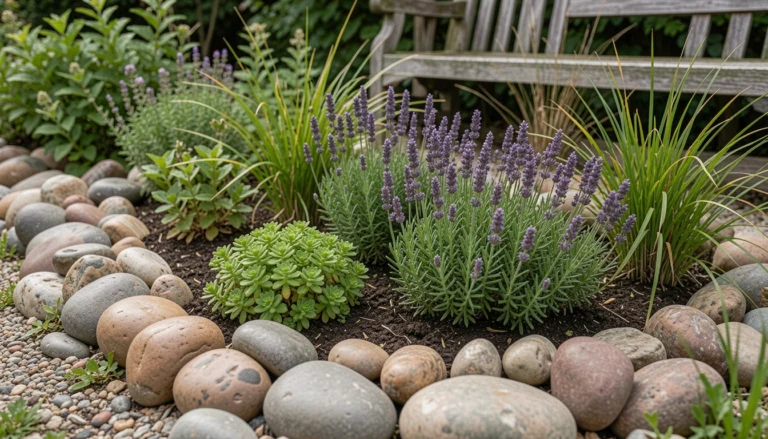
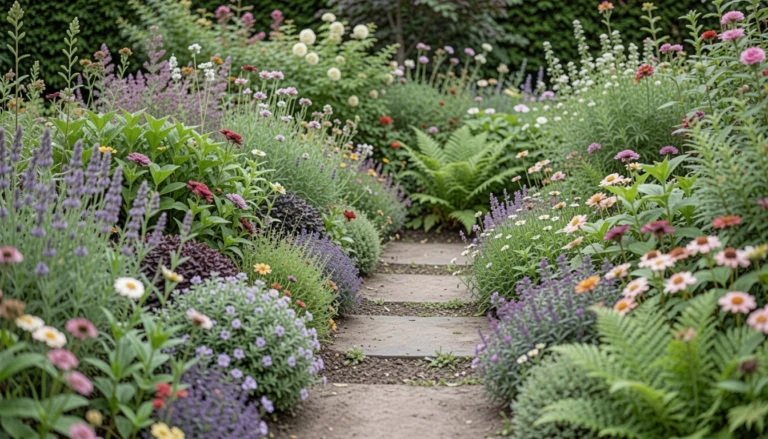
The bed makes the fence feel intentional and close-up smells of lavender cover the lane. It’s low fuss if you choose hardy plants.
Tip: seal wood where it touches soil and pick drought-tolerant herbs.
What You’ll Need for This Look
- Reclaimed wood panels (custom size)
- Lavender plants (Lavandula angustifolia)
- Dwarf ornamental grasses
- Exterior wood sealant
6. Vertical Planter Wall with Succulents
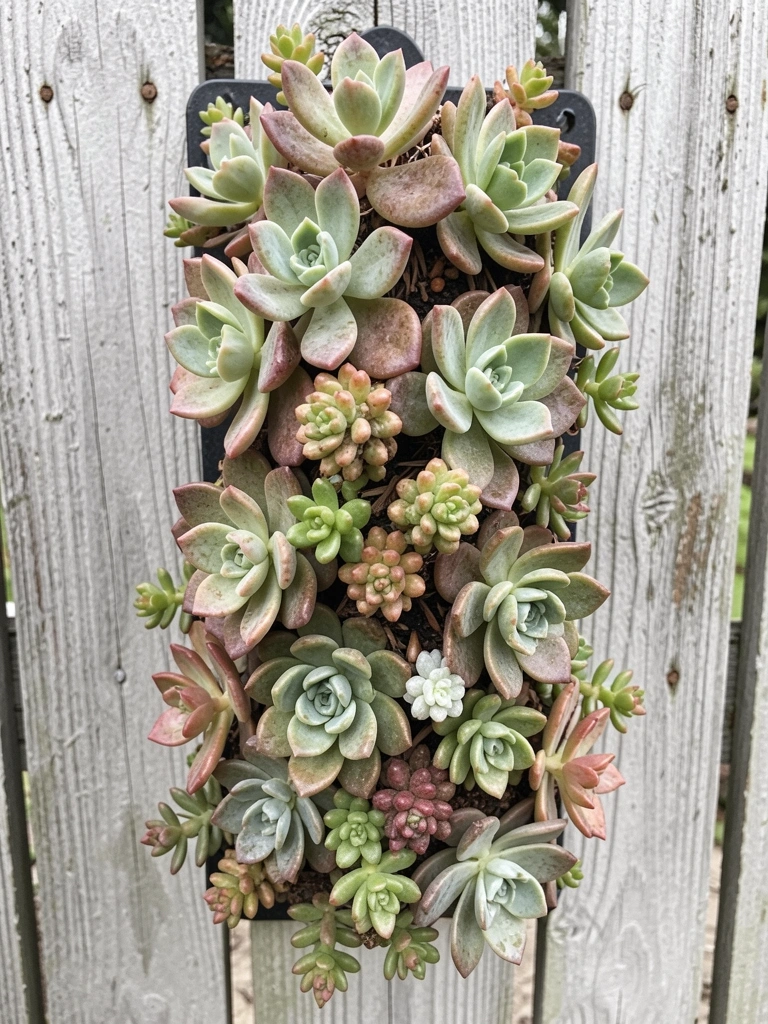
I mounted vertical planter pockets on a fence and filled them with succulents. They handled sun and neglect surprisingly well. The living wall breaks up monotony without heavy soil work.
I water sparingly and swap a plant here and there. It brightens a small patio and gives privacy at eye level without feeling closed-in.
Tip: use pockets with good drainage and choose hardy succulent mixes.
What You’ll Need for This Look
- Wall-mounted planter pockets (felt or plastic)
- Assorted succulents (sedum, echeveria)
- Cactus mix potting soil
- Drip irrigation or watering wand
7. Gabion Wall with Climbing Groundcover
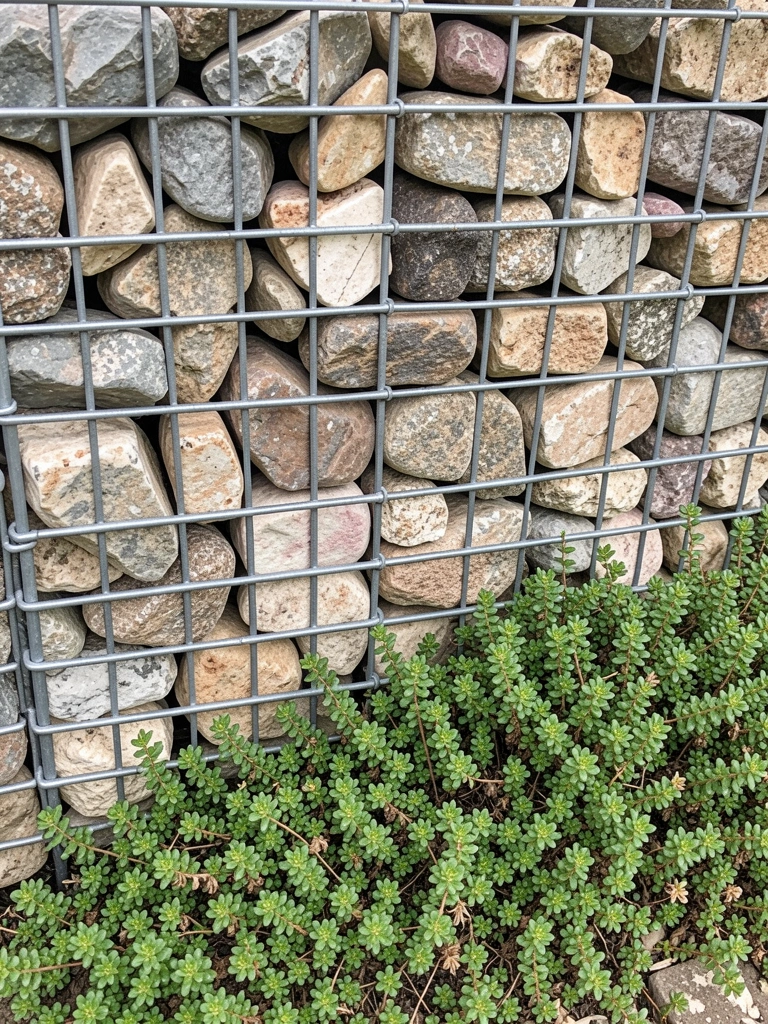
I built a low gabion wall and trained creeping thyme and juniper at its base. The stones give weight and texture; the plants soften the edge. It’s sturdier than wood and looks simple in my garden’s palette.
The gabion keeps the eye level private without blocking sun. It’s a good choice where you want permanence and little maintenance.
Tip: use angular stone for a tighter stack and plant groundcover that tolerates heat from the rocks.
What You’ll Need for This Look
- Gabion cage kits (custom length)
- Crushed granite or mixed stone (fill)
- Creeping thyme plugs
- Landscape staples and gravel base
8. Metal Screen Panels with Climbing Ivy
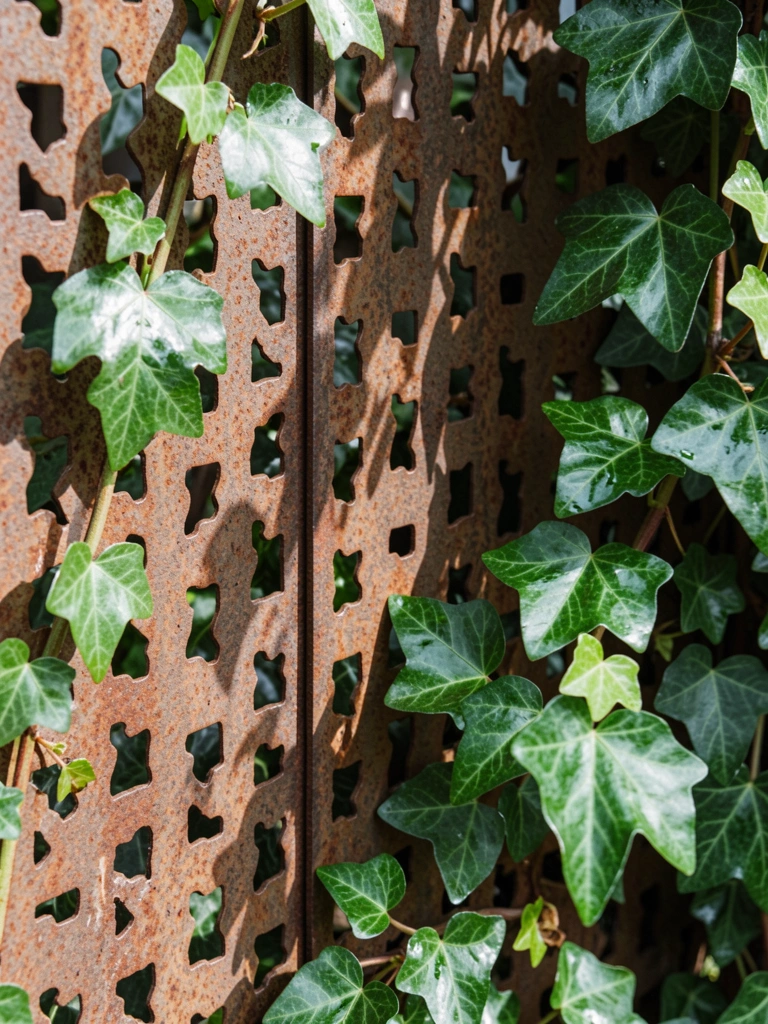
I installed laser-cut metal panels for a modern edge and let English ivy climb them. The panels cast interesting shadows and hold the vine beautifully. I once planted ivy without cutting back—within two seasons it was heavy and needed severe trimming.
Now I cut annually and keep the metal clear to avoid moisture buildup. The result is sculptural and private but still airy.
Tip: pick a rusted finish if you want a warmer tone against plant green.
What You’ll Need for This Look
- Laser-cut metal panels (Corten or powder-coated)
- English ivy (trained plants)
- Metal mounting brackets
- Long-handled loppers
9. Boxwood Hedge in Front of Timber Fence
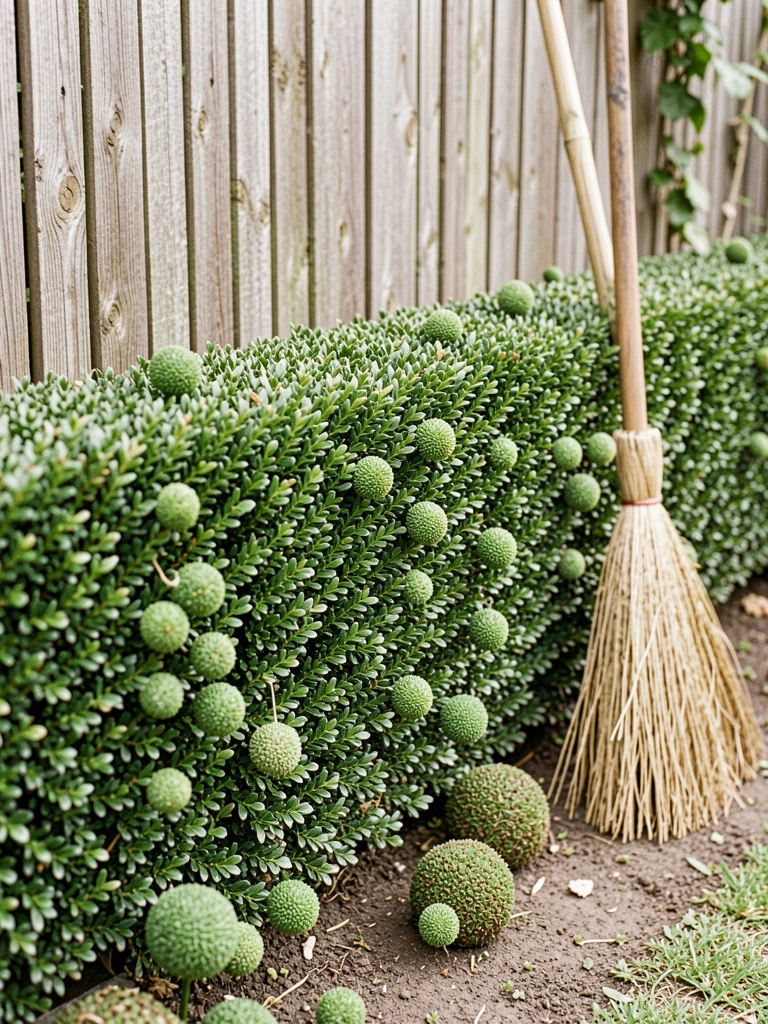
I planted a double row of boxwood in front of a timber fence. The clipped hedge adds formality and screens gaps. Boxwood takes pruning and looks neat year-round if you keep up.
Early on I let one side grow too high—the trim fixed the imbalance. After that I set a simple pruning schedule and the look stayed consistent.
Tip: choose disease-resistant cultivars and a slow-release feed in spring.
What You’ll Need for This Look
- Boxwood shrubs (Buxus, 2–3 gallon)
- Timber fence (stained)
- Hedge shears
- Slow-release shrub fertilizer
10. Pergola Extension with Draped Fabric and Planters
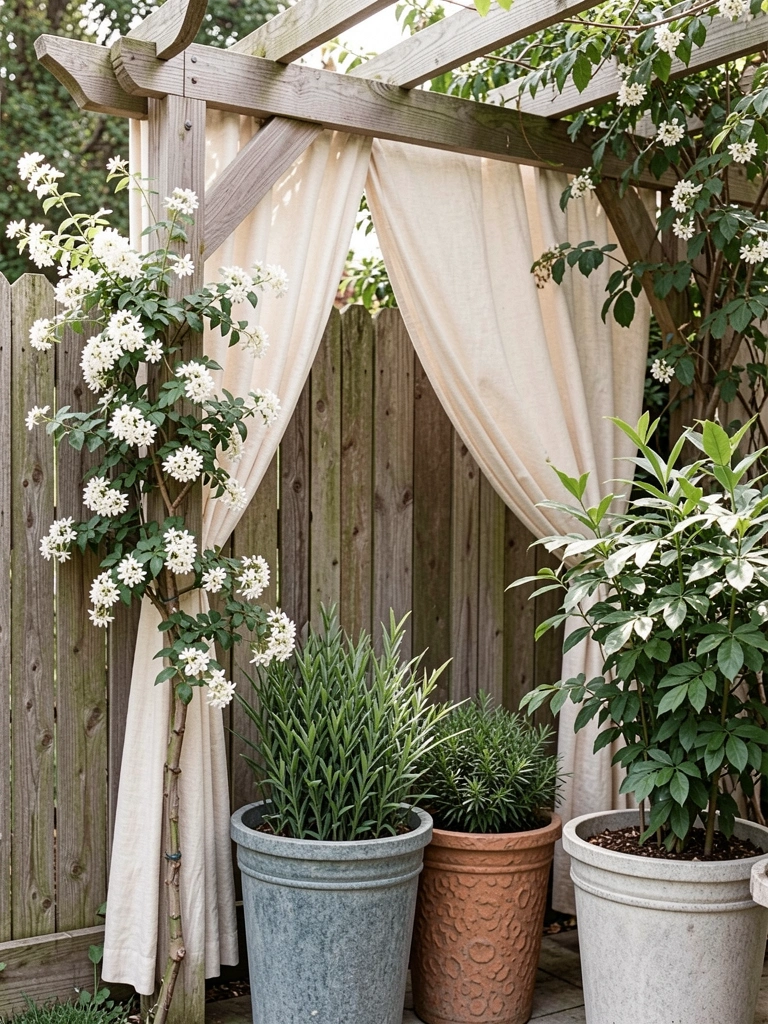
I extended a pergola from an existing fence and hung outdoor drapes. Tall planters of jasmine and wisteria climb the posts. The drapes give privacy and a soft, relaxed room feel.
I used weatherproof fabric that washes easily. The scent in late spring is a bonus. It’s a bit more work but perfect for a small dining spot.
Tip: anchor fabric well and use tension rods to avoid sagging.
What You’ll Need for This Look
- Pergola extension kit
- Outdoor drapery panels (UV-resistant)
- Tall planters (18–24 in)
- Jasmine and wisteria vines
11. Stacked Planter Wall with Seasonal Color
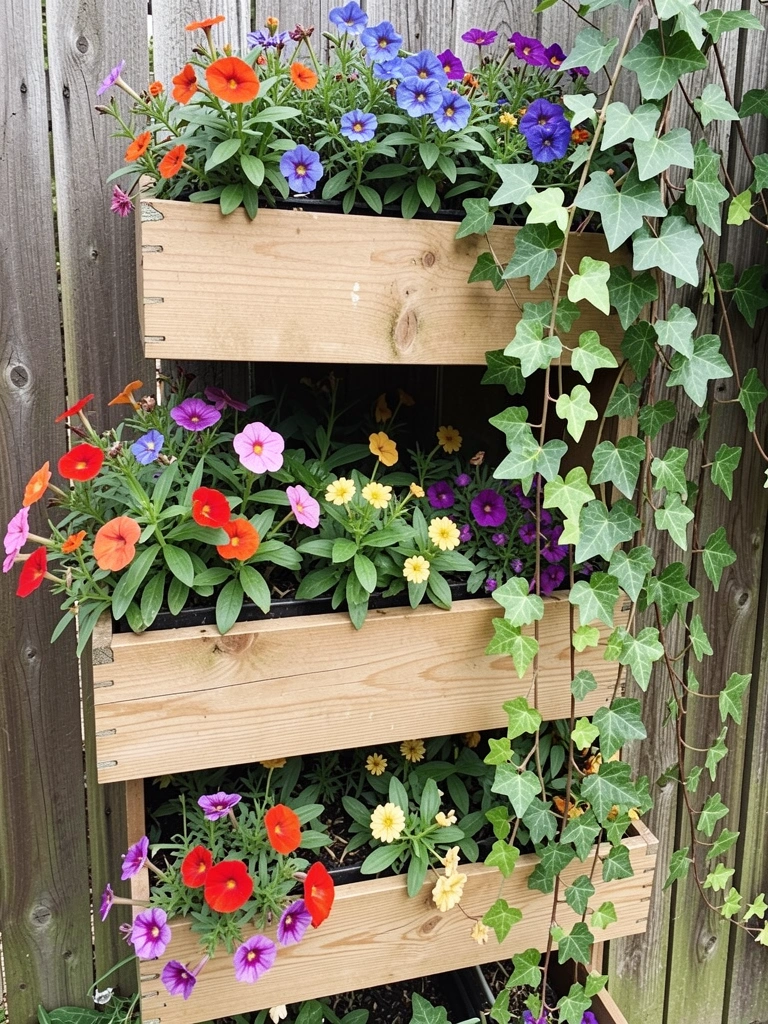
I stacked wooden planters in front of a short fence and rotate seasonal color. Spring bulbs, summer geraniums, autumn pansies—each season changes the wall. I once used thin pallets that warped; I rebuilt with thicker boards and it lasted.
This approach lets me experiment with color without permanent changes. It’s also great for small spaces where a tall hedge won’t fit.
Tip: use rot-resistant wood and plan for drainage holes in every box.
What You’ll Need for This Look
- Stacked wooden planter boxes (various sizes)
- Seasonal annuals and bulbs
- Potting compost
- Drill for drainage holes
12. Stone Column Posts with Lattice Infill
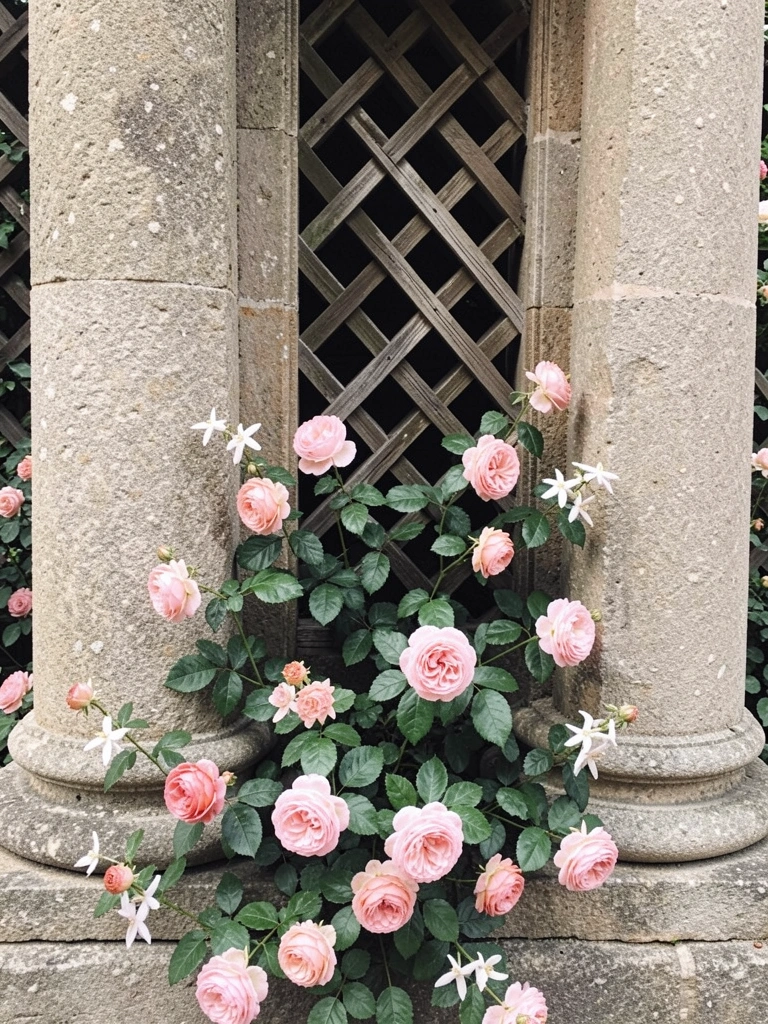
I replaced old posts with short stone columns and added lattice infill between them. The stone anchors the view and the lattice lets vines climb. It reads like a crafted border rather than a plain fence.
I like the permanence; even simple gardening around stone improves the whole yard. It’s one of those details that makes a property feel intentional.
Tip: match mortar color to stone for a seamless look.
What You’ll Need for This Look
- Stone column kits or stacked stone
- Lattice infill panels
- Clematis and climbing roses
- Exterior mortar and sealant
13. Reed Screen with Native Grasses Planting
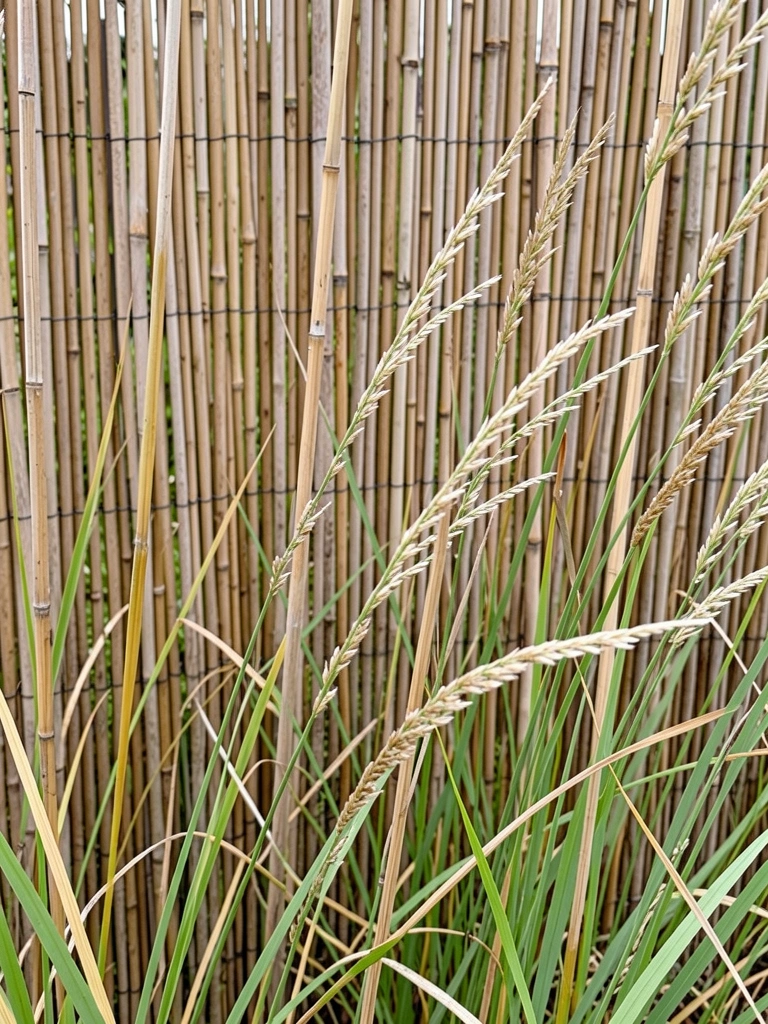
I installed reed screens for a low-cost, quick privacy fix and planted native grasses in front. The reeds look natural and the grasses add movement. They’re inexpensive and fit a more relaxed, cottage vibe.
They don’t last forever, so I plan to replace panels every few years. Still, for a seasonal solution they’re lovely and biodegradable.
Tip: secure reeds to a sturdy frame and tuck gravel at the base to avoid rot.
What You’ll Need for This Look
- Reed or bamboo rolls (privacy screen)
- Mounting battens and zip ties
- Native ornamental grasses (switchgrass, miscanthus)
- Garden staples for anchoring
14. Mixed Material Patchwork Fence with Potted Trees
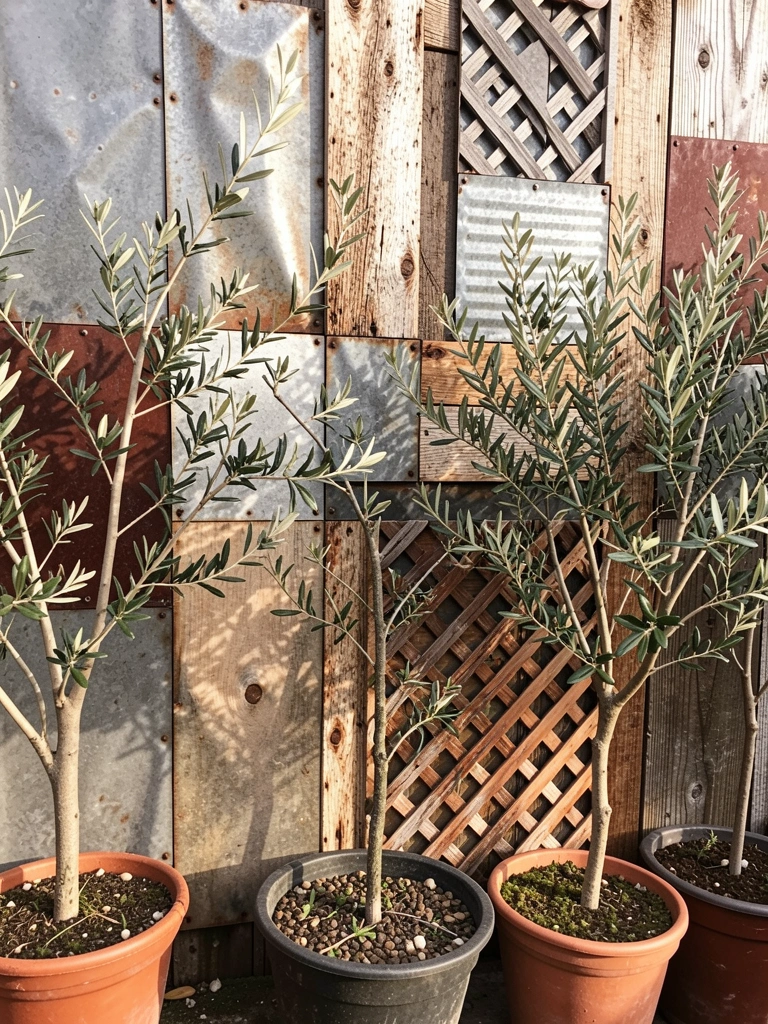
I patched together leftover panels—wood, metal, lattice—and added potted trees like olives. It started as a repair job and became a deliberate, eclectic screen. The pots lift the eye and give scale where panels were short.
It’s imperfect but intentional, and neighbors comment on the mix. I keep a consistent color palette to avoid chaos.
Tip: use matching pot colors and group odd panels for balance.
What You’ll Need for This Look
- Assorted fence panels (reclaimed wood, metal, lattice)
- Large pots (matching finish)
- Potted olive or small ornamental trees
- Exterior paint or stain for tying materials
Final Thoughts
You don’t need to do all of these.
Pick one idea that fits your space and budget.
I started with cedar and a single clematis. That small change made the yard feel like mine again. Trust small moves and steady care.