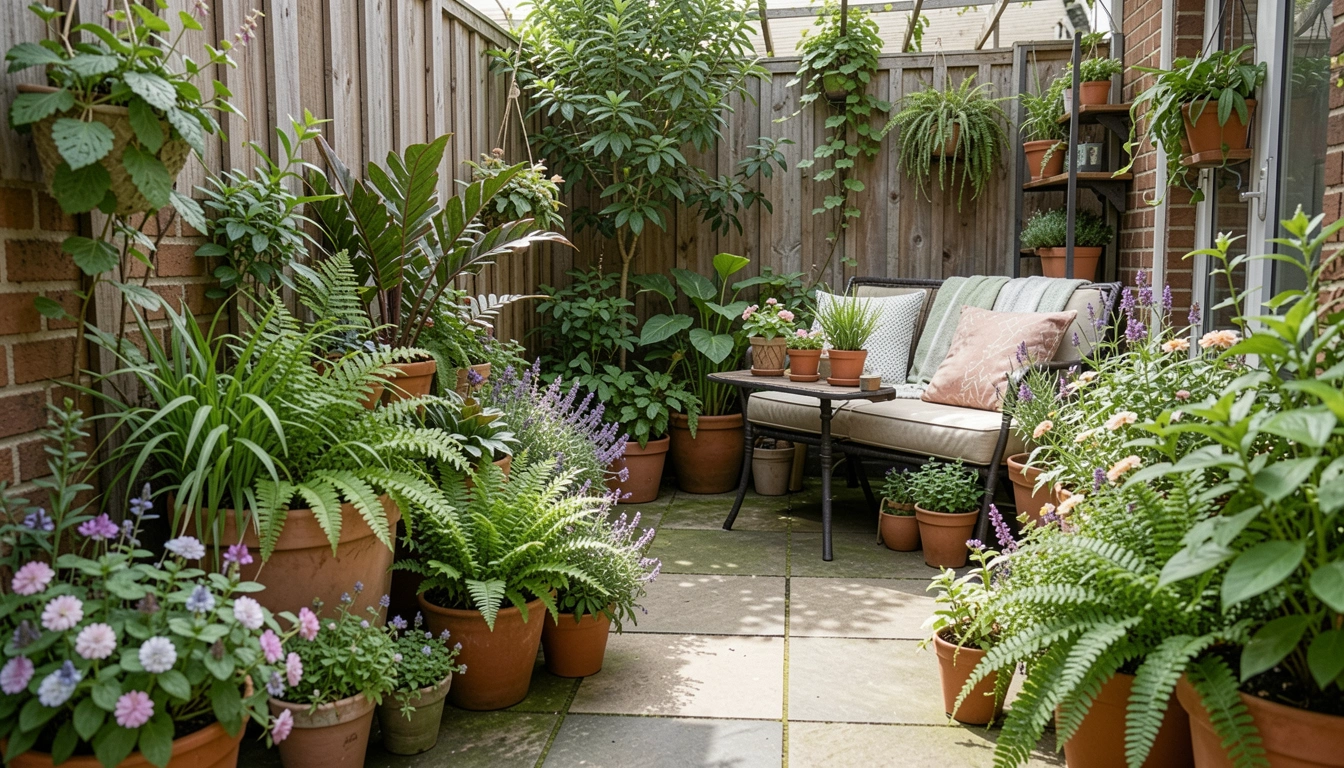
How to Build a Container Garden for Patio
I used to stand on my patio and feel the blankness like a missing sentence. It was awkward, especially at eye level. I wanted pots that read like a room corner, not a jumble.
I learned to arrange for balance and sightlines. Small moves made the space feel comfortable.
How to Build a Container Garden for Patio
I’ll show how to make a balanced, living patio with layered containers that feel intentional and comfortable, and you can finish it in a weekend.
What You’ll Need
- One large ceramic planter (16–20 in, warm terracotta)
- Two medium metal pots (10–12 in, dark gray)
- One small glazed pot (6–8 in, contrasting blue or green)
- Quality potting mix (peat-free, well-draining)
- Organic slow-release fertilizer (balanced NPK)
- Tall structural plant (ornamental grass, ~3–4 ft)
- Foliage filler plant (variegated coleus or similar)
- Trailing spiller (cascading ivy or lobelia)
Step 1: Pick and Place Your Containers for Balance
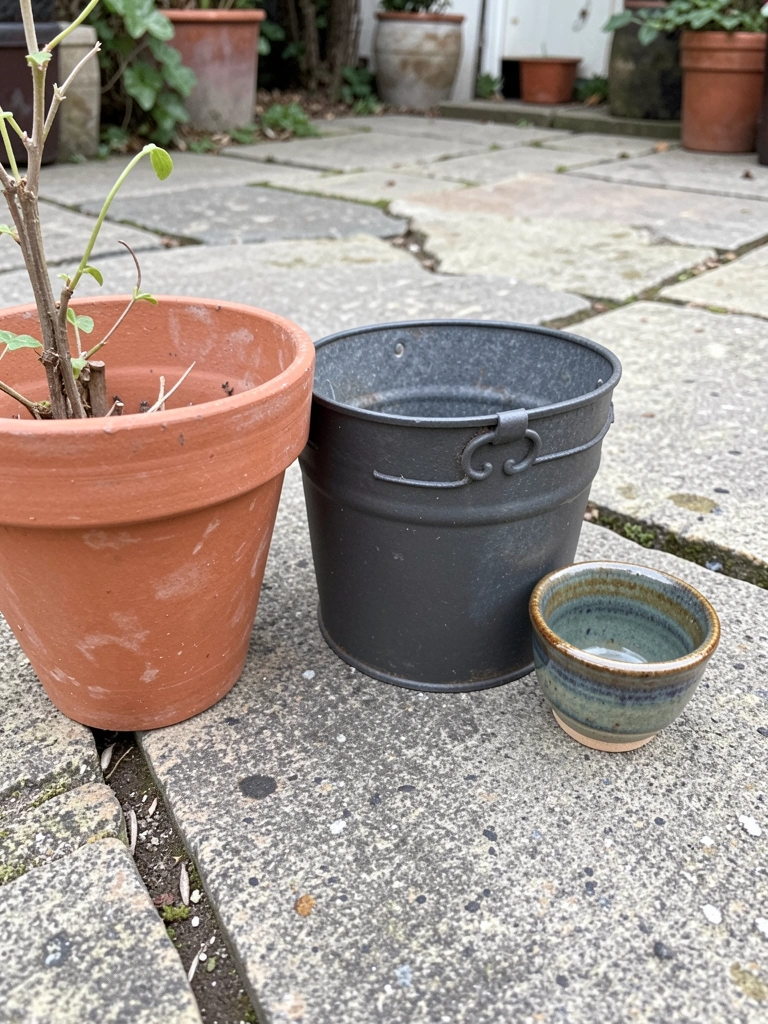
I start by standing back and reading the patio like furniture. I choose one large planter as an anchor, then add two medium pots and a small one for accents. The visual weight should move your eye, not stop it.
What changes visually is scale—one tall object, a couple of mids, and a small pop. People miss that contrast in material matters; clay next to metal calms the scene. A mistake is symmetry for symmetry’s sake. Don’t place identical pots in a straight line unless you want a formal look.
Step 2: Assign Plant Roles—Tall, Filler, Spiller
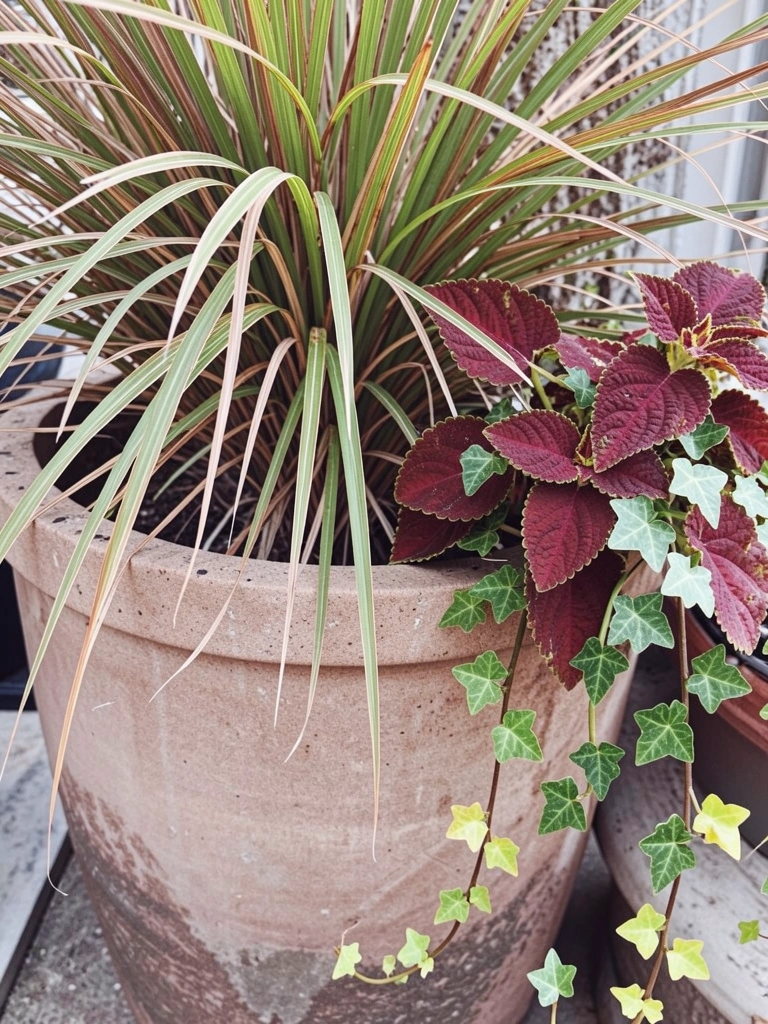
I mentally assign a role to each pot: a tall structural plant, a middle layer of foliage, and a trailing spiller. That trio reads like bass, middle, and treble. It gives rhythm and keeps the composition lively.
The patio goes from flat to layered. People often plant everything the same height and lose depth. One common miss is ignoring texture—fine grass next to broad leaves adds interest. Avoid packing every pot with only one plant type; it flattens the composition.
Step 3: Plant for Layers and Scale
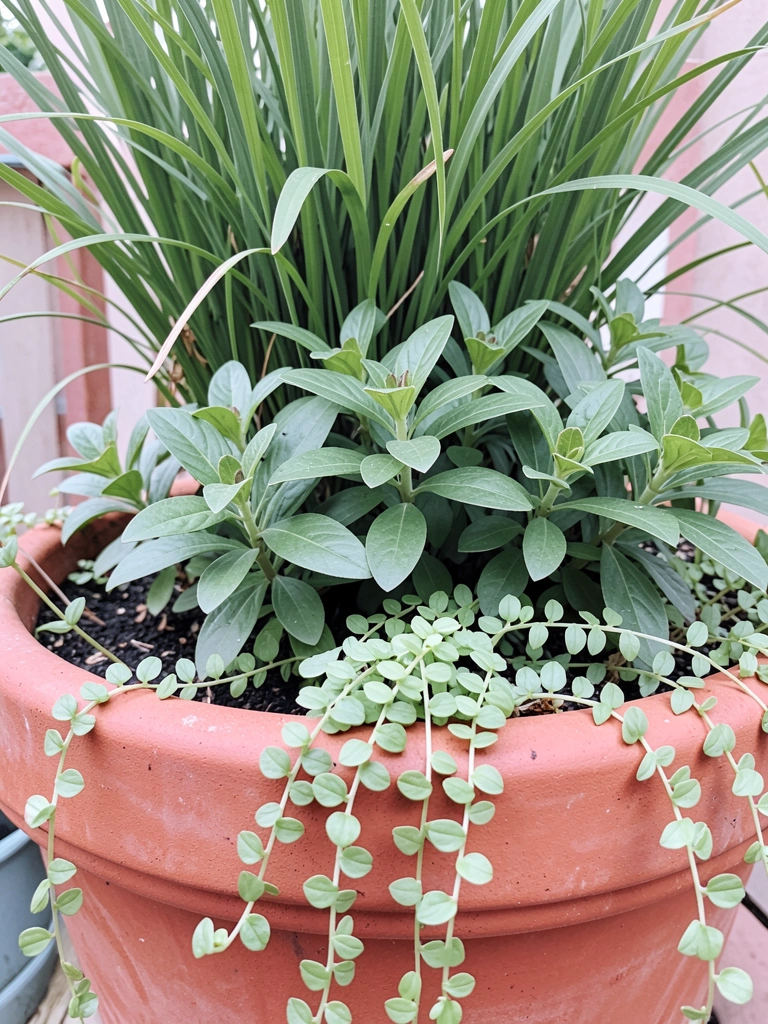
When I place plants, I think in planes: background, middle ground, foreground. Tall forms sit toward the back or center, mid-height fills create the body, and spillers soften edges. The change you’ll see is depth—layers that read from a distance and close up.
An insight people miss is how leaf size affects scale; a giant-leafed plant makes a small pot feel crowded. A common mistake is ignoring negative space; plants need breathing room to show their shape.
Step 4: Group Pots for Flow and Sightlines
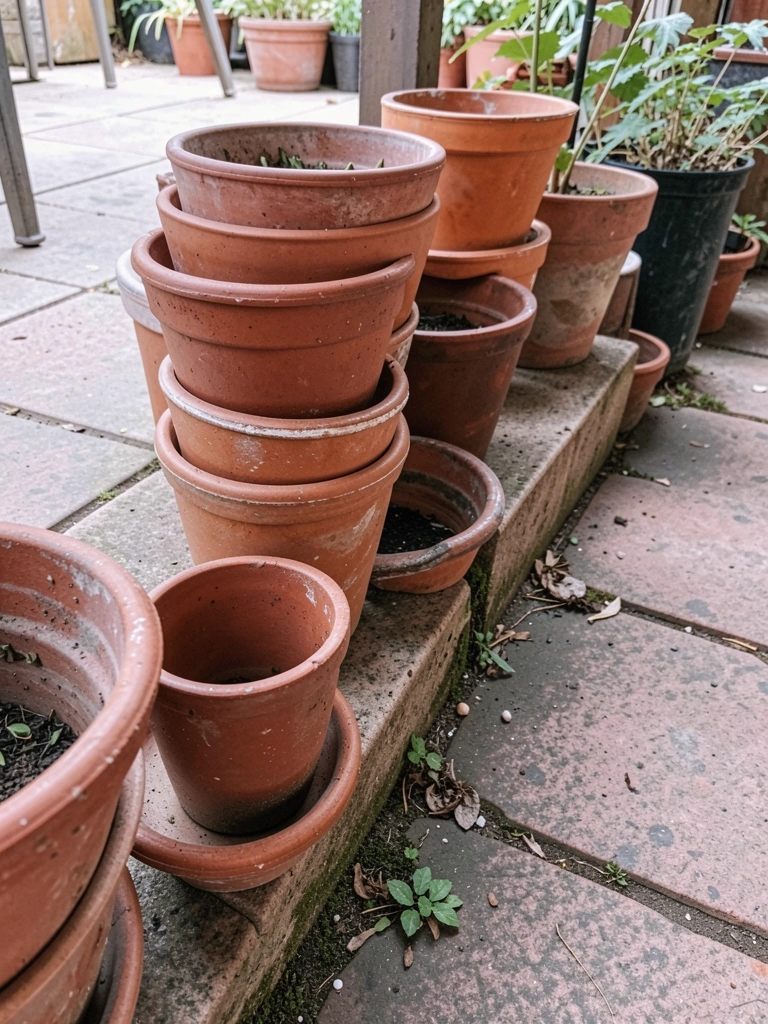
I group pots in odd numbers and stagger heights so sightlines aren’t blocked. I leave easy access for moving or swapping a pot. The visual shift is immediate—clusters feel like scenes rather than single objects.
People often scatter pots evenly; that can look tentative. I also watch the path: the group should welcome movement, not create a maze. Don’t cram pots against a doorway; the small mistake of blocking flow will annoy you every time you step out.
Step 5: Finish with Repetition and Seasonal Swaps
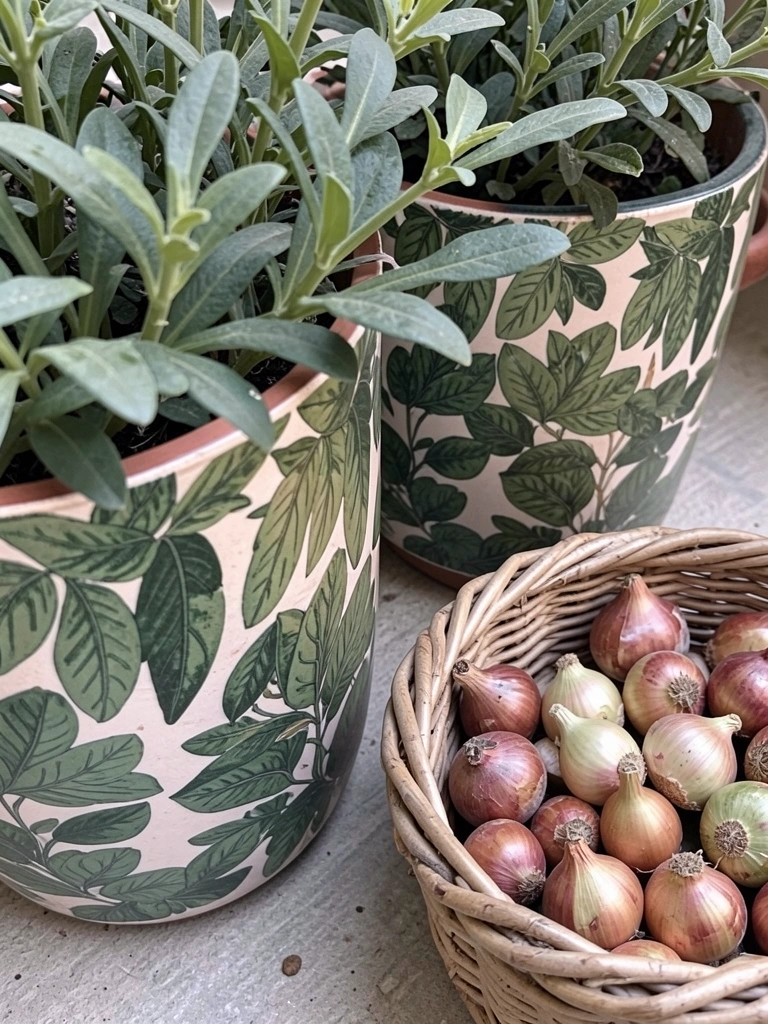
I finish by repeating one or two colors or leaf shapes across containers. Repetition ties disparate pots together and makes the patio read as a single composition. I also plan a small seasonal swap—one pot for summer flowers, another for autumn bulbs.
You’ll notice the space feels calmer with repeating tones. What’s often missed is planning for change; a static arrangement can feel tired. Avoid overcomplicating the palette. Too many colors compete and make the whole grouping noisy.
Plant Choices and Pairing
I stick to a simple palette: one tall plant with bold shape, one or two foliage fillers, and one spiller. That trio handles most patios.
Pair broad leaves with fine textures. Try a grassy form beside a soft-leaved coleus. Repeat a color in at least two pots to tie things together.
- Tall: ornamental grass, dahlia can work
- Filler: coleus, geranium, euphorbia
- Spiller: ivy, lobelia, bacopa
Placement Tips for Small Patios
I favor corners and steps for anchors. A single large pot at a focal point reduces clutter. Keep a small path and don’t block views.
Groupings should allow movement. I use odd numbers and varied heights to create a comfortable flow. Think of sightlines from the door and from seating.
- Leave breathing room
- Avoid straight lines unless intentional
- Vary materials for a lived-in look
Seasonal Care and Refresh
I plan two small refreshes per year. One for spring planting and one for late summer tweaks. That keeps the mix lively without constant work.
I watch for balance as plants grow. Sometimes a filler becomes dominant and needs replacing. Small seasonal swaps keep the composition honest and comfortable.
Final Thoughts
Final Thoughts
Start with one anchored pot and build from there. Small changes add up. I find this method makes patios feel composed and comfortable.
You don’t need everything perfect. Tweak as plants settle and seasons change. The goal is a patio you want to spend time in.