How to Decorate Small Patio Garden
I used to avoid my small patio. It felt awkward and unfinished.
Chairs were islands. Pots looked like a mismatched collection.
I wanted it to feel like a room outdoors—comfortable, balanced, and intentional. This is about making that happen without overthinking.
How to Decorate Small Patio Garden
You’ll learn how to place seating, layer pots, add textiles, and light the space so the patio feels like one intentional room. It’s simple and achievable. The end result is a comfortable, lived-in patio you use.
What You’ll Need
- Small outdoor two-seater bistro set (metal, black)
- Narrow natural wood bench (36–48 in)
- Large terracotta planter (tall, 14–16 in)
- Glazed ceramic pots (assorted sizes, blue/green)
- Low jute outdoor rug (small, 3×5)
- Warm-white string lights (low-voltage)
- Dwarf boxwood (12-in pot)
- Trailing variegated ivy (hanging basket)
- Small metal lantern (black)
Step 1: Anchor the Patio with One Main Piece
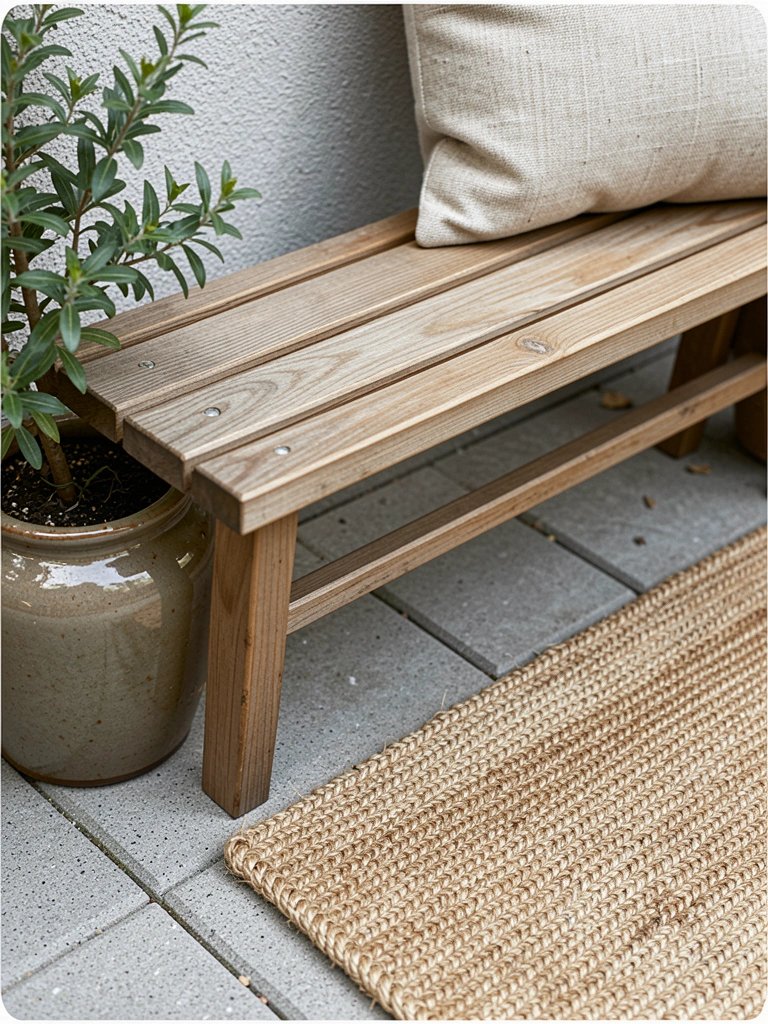
I start by choosing one main anchor: a bench or a bistro set. That single piece defines scale and use. It tells you whether the patio is for sitting, sipping coffee, or just looking at plants.
Visually the area goes from “random stuff” to a room with a purpose. The anchor makes everything else feel like it belongs.
People often miss that one clear focal piece. Small mistake: trying to fill the space with too many competing items. Don’t cram a second seating group into a tiny area.
Step 2: Build Vertical Layers for Depth
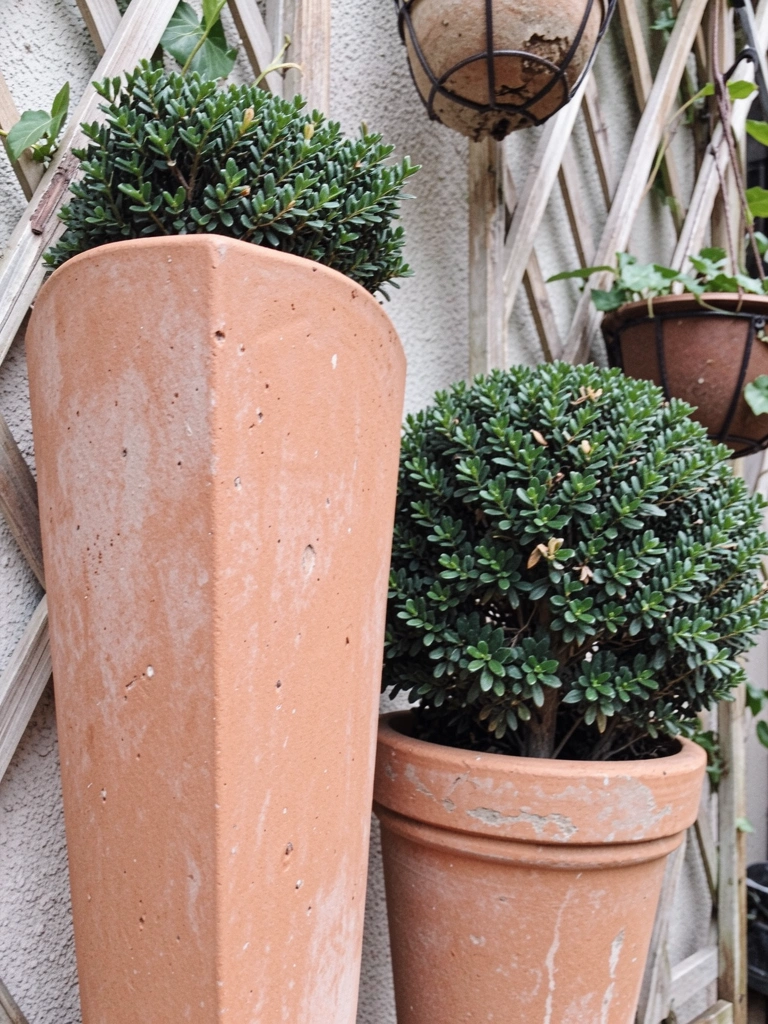
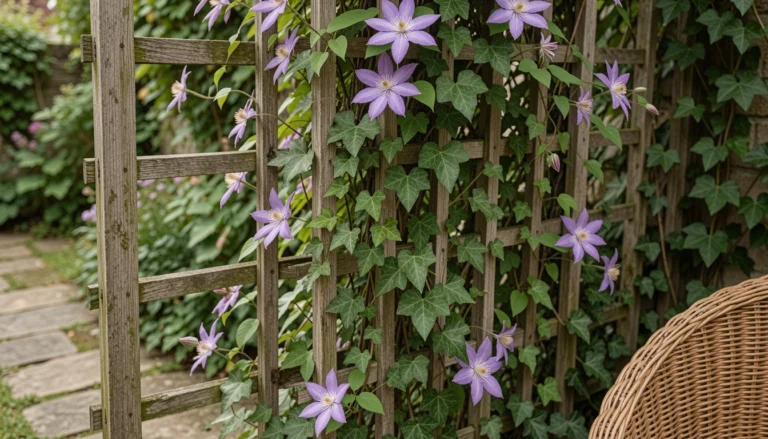
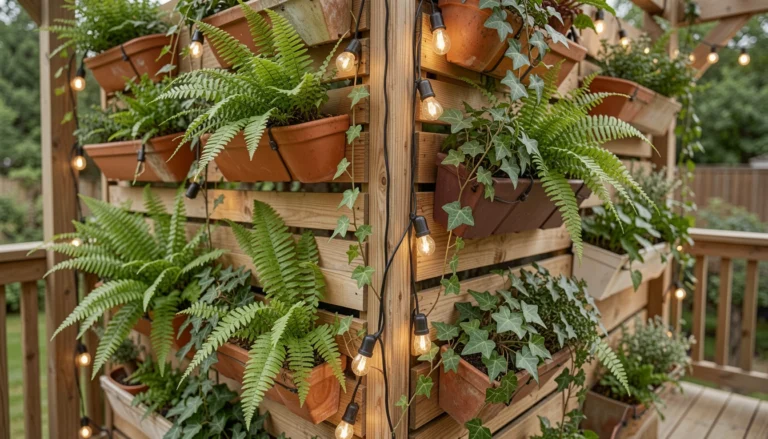
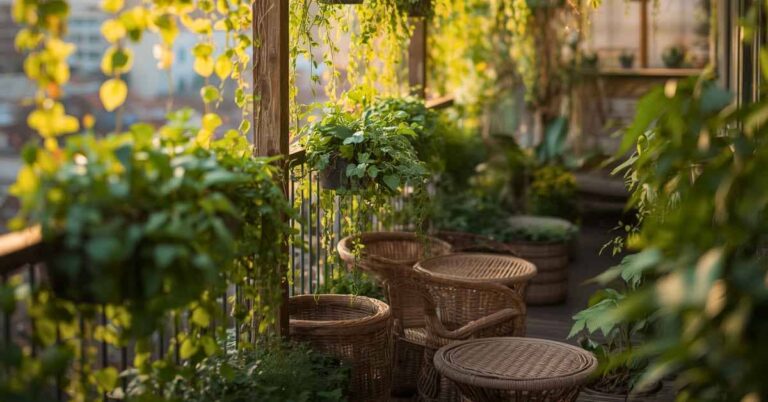
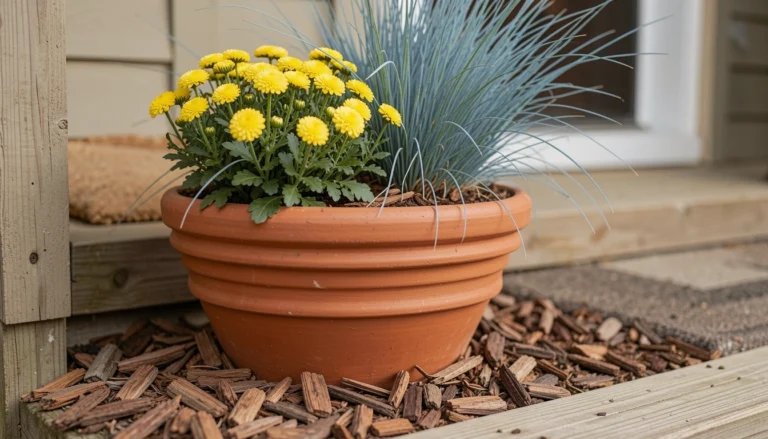
I add vertical interest next. A tall terracotta planter, a hanging basket, or a simple trellis pulls the eye upward. That makes the patio feel taller and less boxy.
You’ll notice the change immediately. The space stops feeling flat. Height creates depth and a sense of enclosure without shrinking the area.
One insight: stagger heights rather than matching them. Small mistake: placing tall items where they block movement or the view from the door. Leave clear sightlines and a small path.
Step 3: Cluster Pots for Rhythm and Green Mass
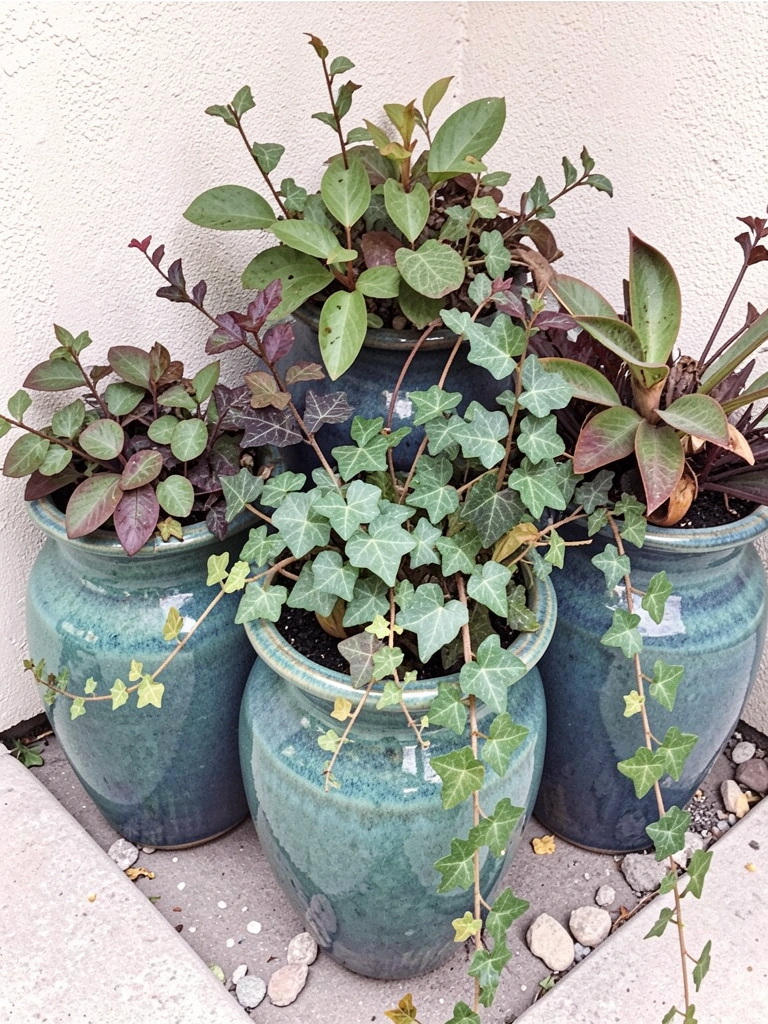
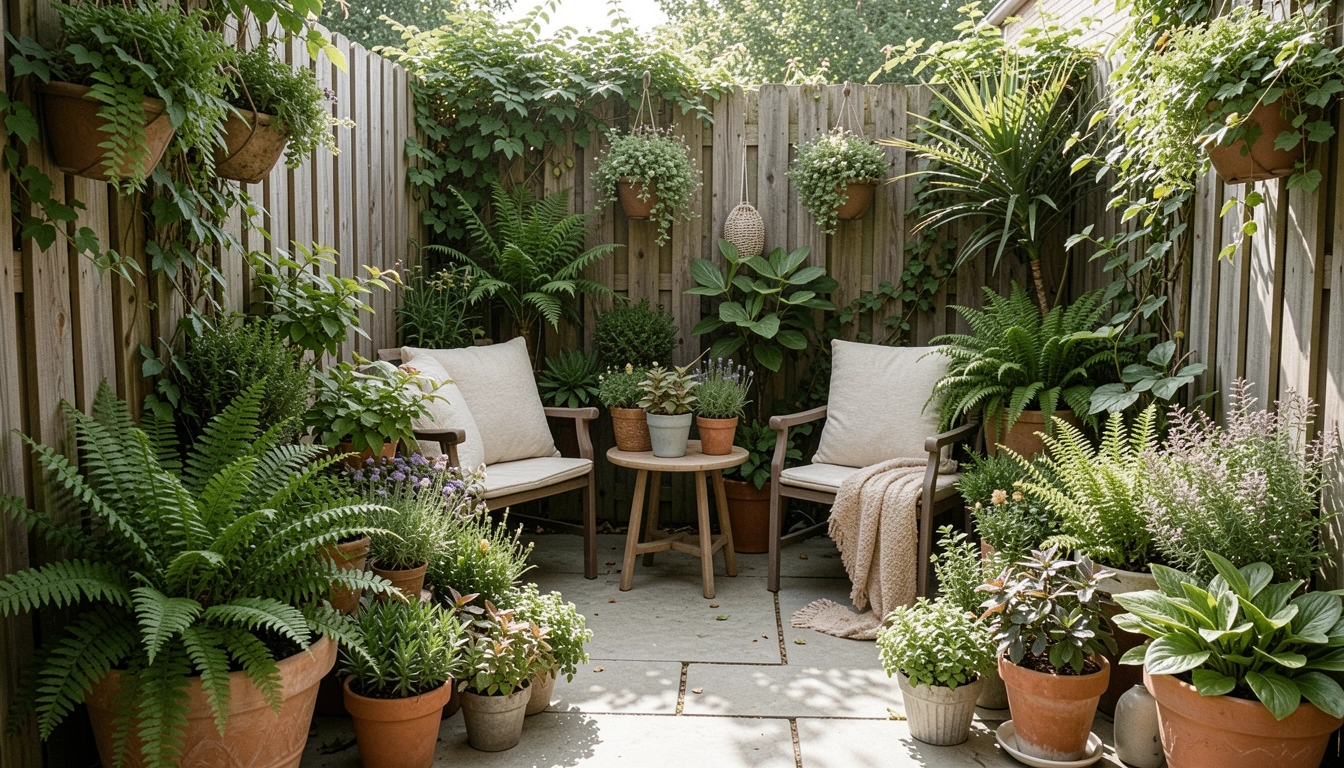
I group pots into small clusters. Three pots of different sizes, layered heights, and mixed textures read as a single green mass. That makes a small patio feel lush without clutter.
Visually you get softer edges and pockets of interest. The clusters create a rhythm that guides the eye around the space.
People often space pots evenly or use pairs. Try odd numbers and overlapping groupings. Small mistake: lining identical pots in a row. That makes the space feel staged, not lived-in.
Step 4: Add Textiles and Small Surfaces for Comfort
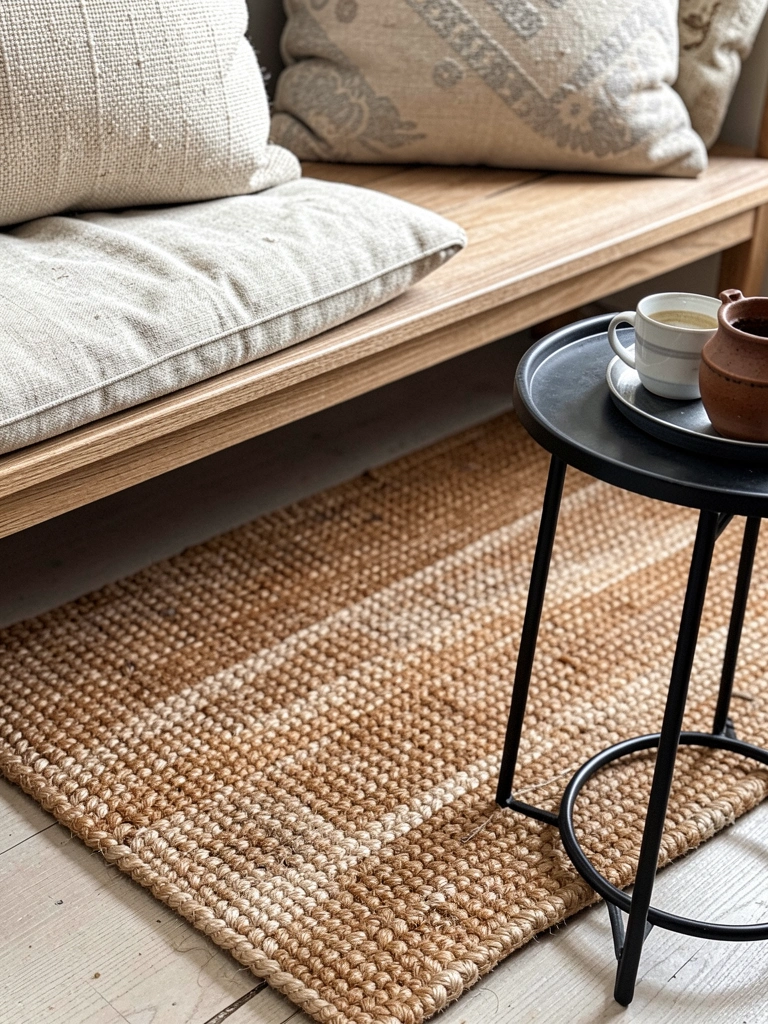
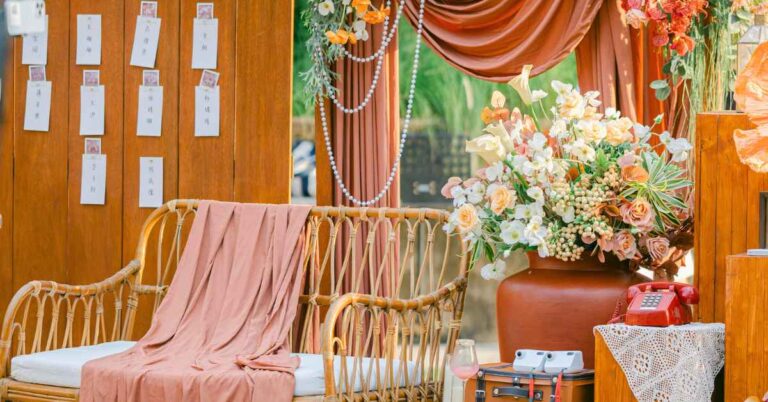
I bring in a small rug, one or two cushions, and a narrow side table. These elements make the patio feel usable and invite sitting down. They also soften hard surfaces and tie the palette together.
The visual change is immediate — it reads as a cozy corner instead of a bare slab. Color and texture connect the plants to the seating.
One insight: pull color from the plants when choosing textiles. Small mistake: using too many patterns or an oversized rug that overwhelms the space.
Step 5: Light and Finishing Touches for Evenings
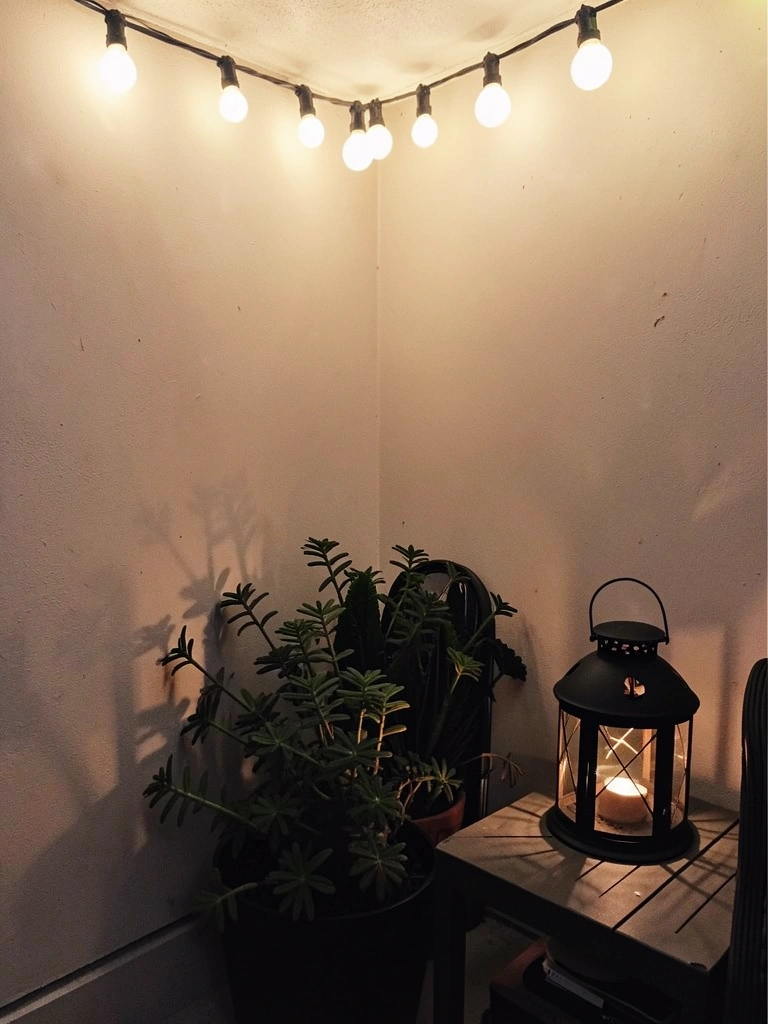
I finish with soft lighting and a couple of small decorative pieces. Warm-white string lights and a metal lantern extend use into the evening and add a gentle glow to foliage.
The room-like quality becomes obvious after dark. Light creates pockets of warmth and makes the patio feel intentional around the clock.
People forget to think about light direction. Small mistake: hanging too many lights or making them too bright. Keep them low and warm for a comfortable feel.
Choosing Plants for a Small Patio
I aim for a mix of structure, seasonal color, and trailing softness. The structure should come from one or two evergreen pots. Annuals and herbs add color and scent. Trailers spill over edges and soften hard lines.
Plants I use most:
- Dwarf boxwood (structure, year-round)
- Rosemary or lavender (scent, form)
- Variegated ivy (trailing)
- A couple of seasonal pots (petunias, begonias, or salvias)
Choose plants that suit the light and don’t overplant a single pot.
Maintaining Balance Over Time
I check the space monthly. Rotate smaller pots, deadhead blooms, and trim trailers so they don’t swamp seating. Little edits keep the arrangement feeling intentional.
Simple maintenance list:
- Monthly prune and tidy
- Move pots slightly to change sightlines
- Replace one seasonal pot instead of everything at once
Small changes keep the patio fresh without a big overhaul.
Scaling Ideas for Very Tiny Patios
On very small patios I go vertical and foldable. A slim bench or a foldable bistro set frees space. Rail planters and hanging baskets give greenery without losing floor area.
Quick ideas:
- Use a railing planter for herbs
- Choose a slim, narrow bench over a full table
- Hang one statement plant rather than many small pots
Less is more; pick one strong idea and build from it.
Final Thoughts
Start with one piece and one plant. That’s how I avoid overwhelm. Make small, visible edits and live with them for a week before changing anything.
You don’t need every trend. You need a space that reads as intentional and comfortable. Start small, and the patio will begin to feel like a real room outdoors.