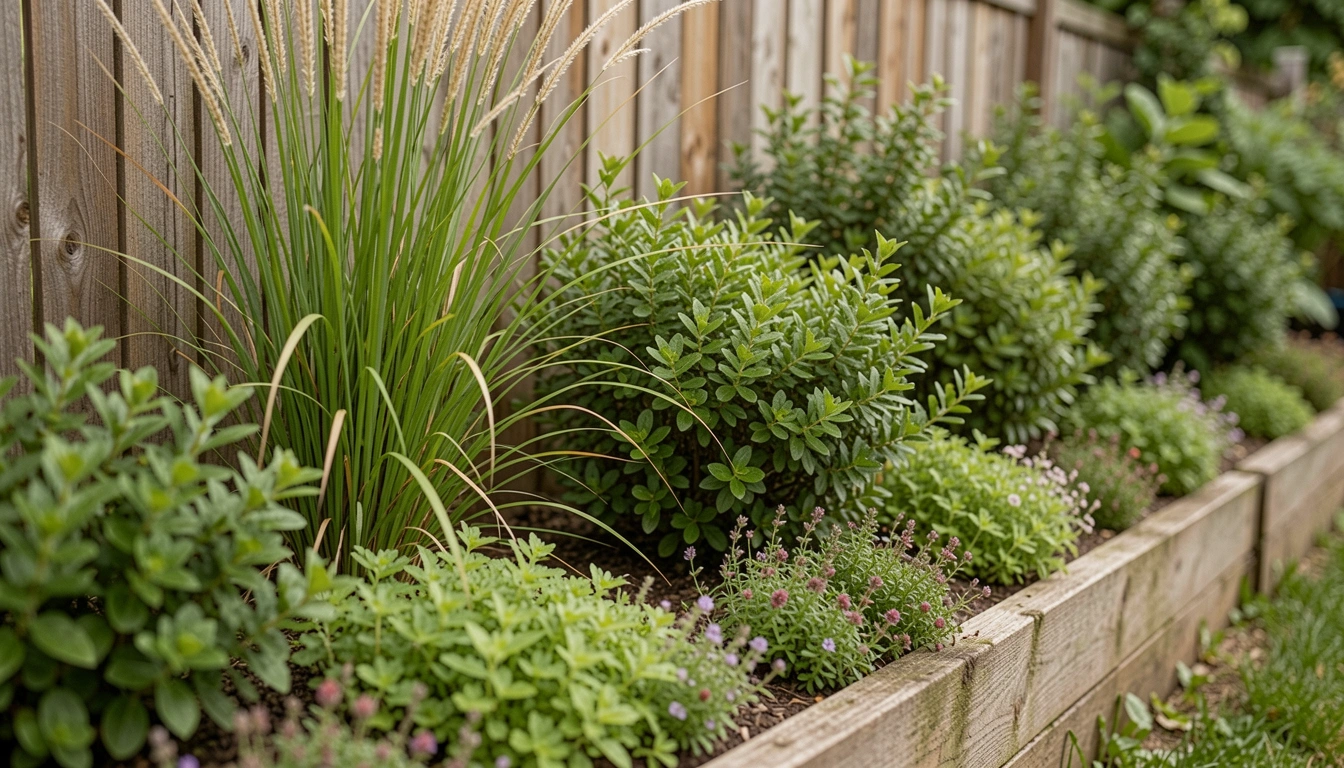
12 Clever Garden Bed Ideas Along A Fence For Added Privacy
I used to hate the long bare fence at the back of my yard.
I finally tried planting along it in small, honest steps.
The change was immediate — quieter, softer, more private.
I’ll share what worked, what flopped, and what to buy.
12 Clever Garden Bed Ideas Along A Fence For Added Privacy
These 12 ideas are hands-on and achievable.
They’re what I’ve actually planted along my fence.
You’ll get practical, buy-this-not-that tips and clear, simple projects.
1. Tall Ornamental Grasses as a Moving Privacy Screen
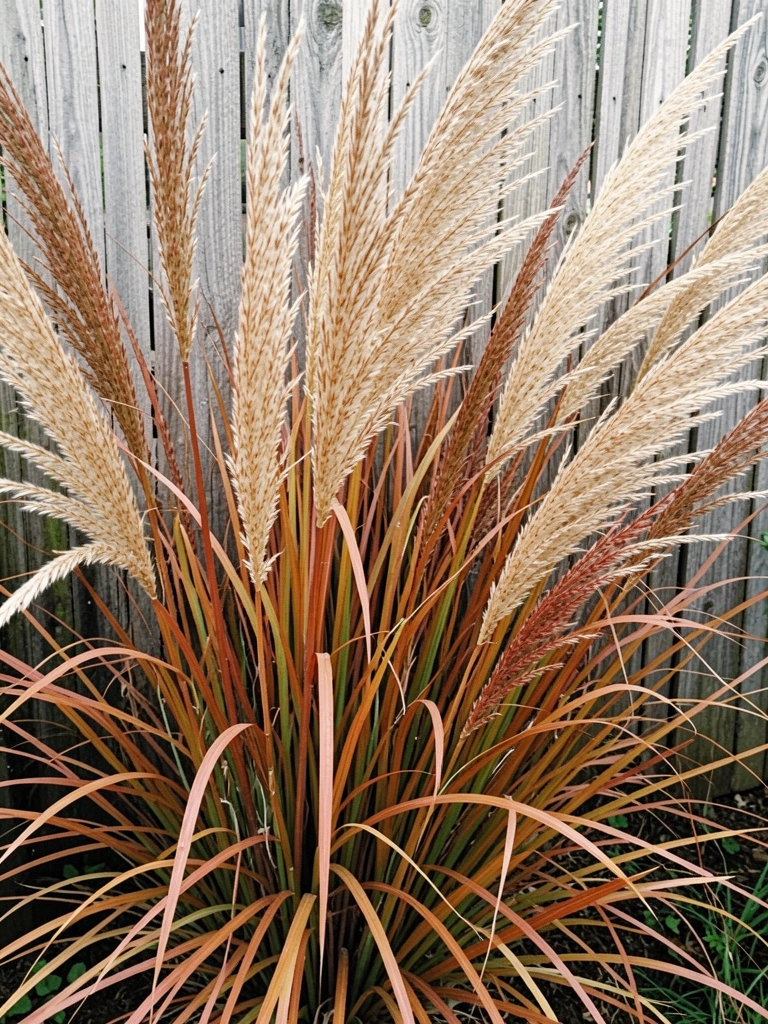
I planted Miscanthus in a row and finally had the soft, swaying screen I wanted.
It muffled sound and broke sightlines without feeling heavy.
I made the mistake of placing one too close to a gate — it flopped into the path, so give each clump room.
Once established it needed little care; I cut it back in late winter and it came back fuller.
What You’ll Need for This Look
- Miscanthus sinensis (clump-forming, 3–5 gallon)
- Pennisetum alopecuroides (mid-height)
- Organic mulch, 2–3 inch
- Garden spade and edging bar
2. Mixed Evergreen Hedge for Year-Round Screening
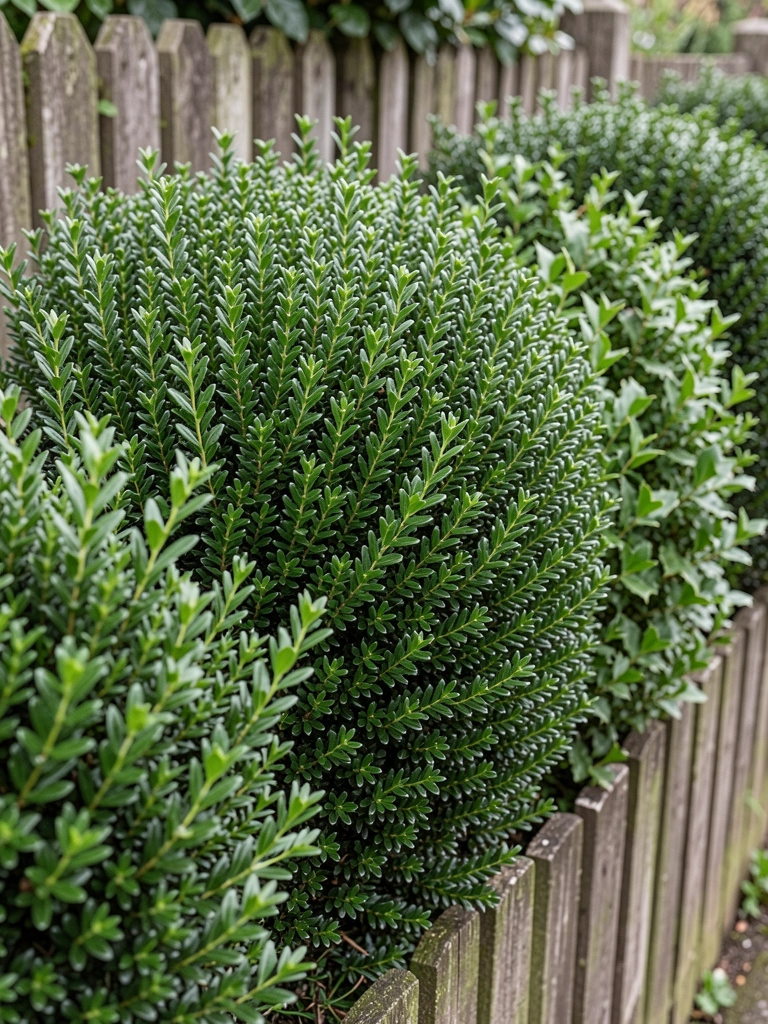
I planted a mix of boxwood and yew for steady privacy through winter.
It made the fence feel intentional instead of neglected.
I rushed and bought small plugs that looked cheap; patience mattered — the planted 3–5 gallon shrubs filled in far better.
I prune lightly once a year to keep shape.
What You’ll Need for This Look
- Boxwood or Buxus (3–5 gallon)
- Yew or Taxus (3–5 gallon)
- Slow-release shrub fertilizer
- Hand pruners and gloves
3. Climbing Roses on Lattice for Scent and Screen
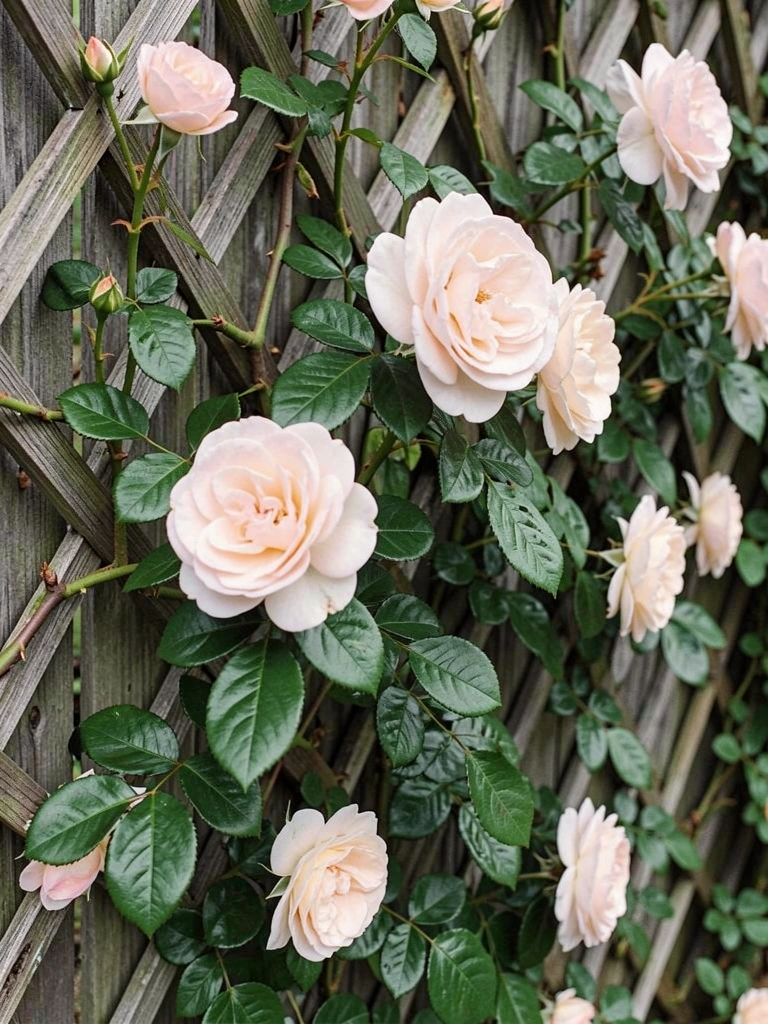
I trained climbing roses on a simple lattice and the fence became a fragrant wall.
The flowers hide gaps and give height without bulk.
My early mistake was using a rambler in a small spot; choose a variety that suits the space.
Tie canes loosely and feed in spring for a steady show.
What You’ll Need for This Look
- Climbing rose (3–5 gallon)
- Wooden lattice or galvanized trellis
- Soft garden ties
- Rose fertilizer and compost
4. Layered Shrub-Bed with Seasonal Interest
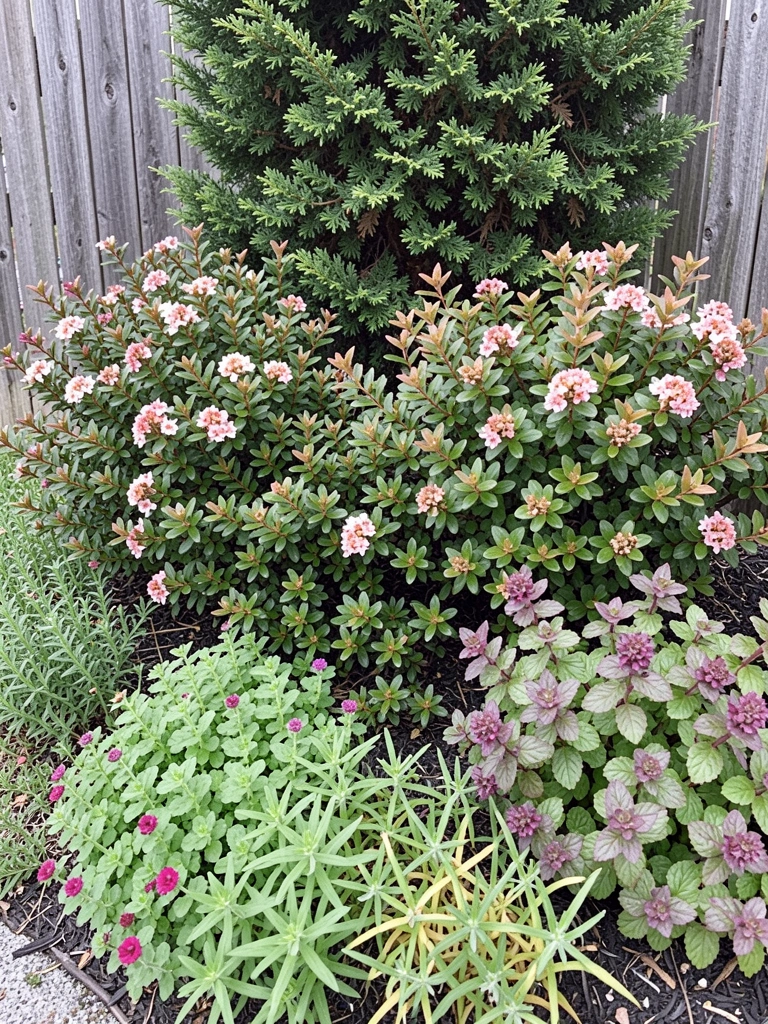
I built depth by planting tall evergreen at the back, shrubs in the middle, and perennials in front.
It reads like a living fence — green in winter, blooms in summer.
At first I planted shrubs too close and they competed; stagger spacing and think five years ahead.
The layers hide the fence while keeping a neat, intentional edge.
What You’ll Need for This Look
- Evergreen backbone shrubs (6–8 gallon)
- Flowering mid-shrubs (3–5 gallon)
- Perennial groundcover plugs
- Mulch and a bed rake
5. Vertical Succulent Planters on the Fence
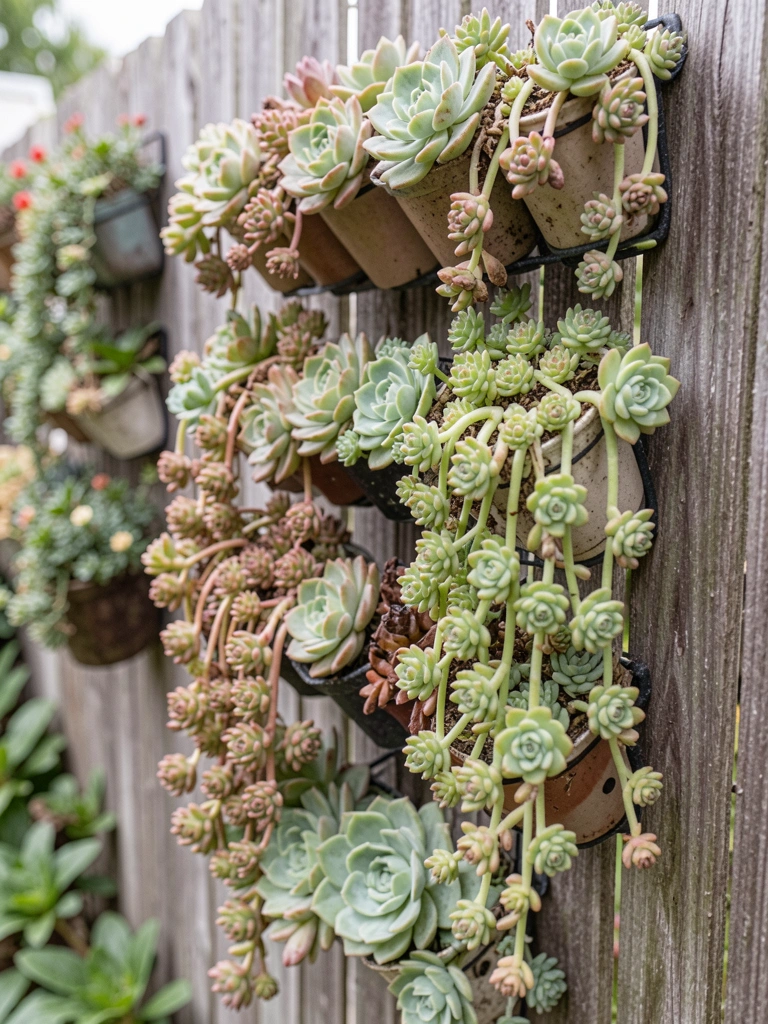
I mounted pocket planters and filled them with succulents for a low-water privacy strip.
It brightened the fence and required almost no pruning.
My mistake was shallow pots that dried out in heat; choose deeper pockets and an drip line.
This is perfect where space is tight and you want texture without tall planting.
What You’ll Need for This Look
- Vertical pocket planters (deep, fabric or wooden)
- Mixed succulents (sedum, sempervivum)
- Cactus mix potting soil
- Drip irrigation dripline
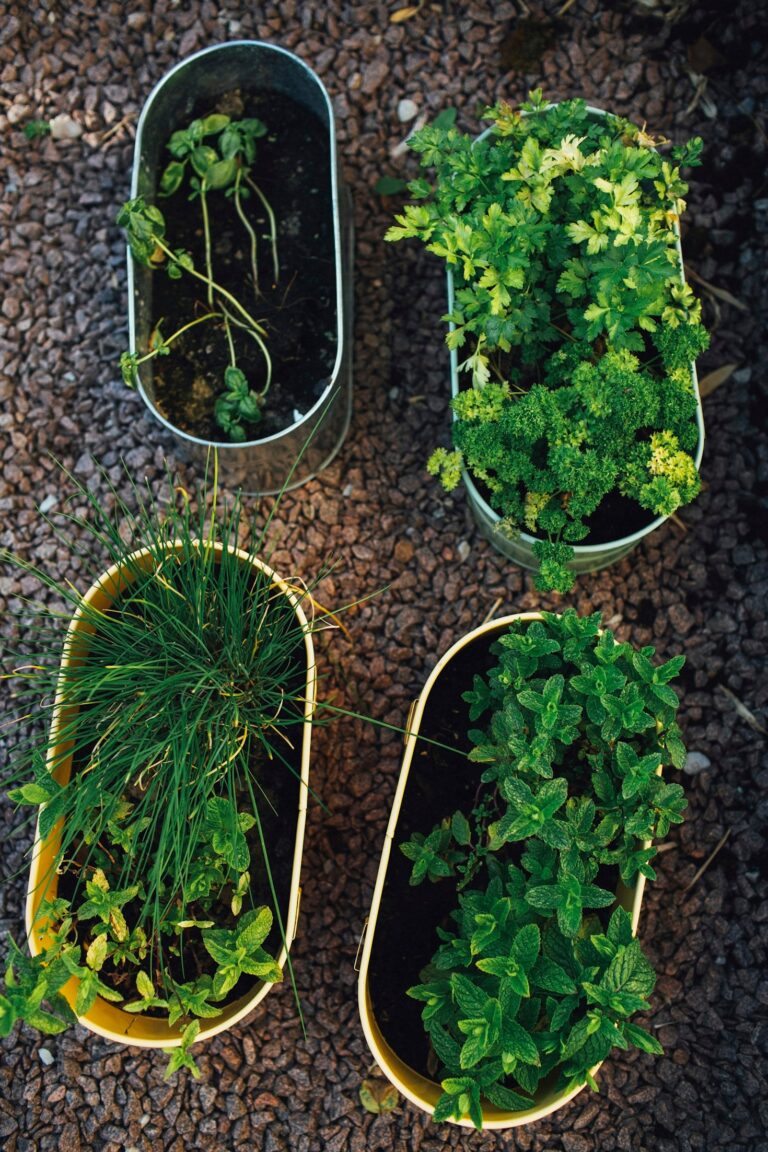
6. Edible Herb Border for Fragrant Screening
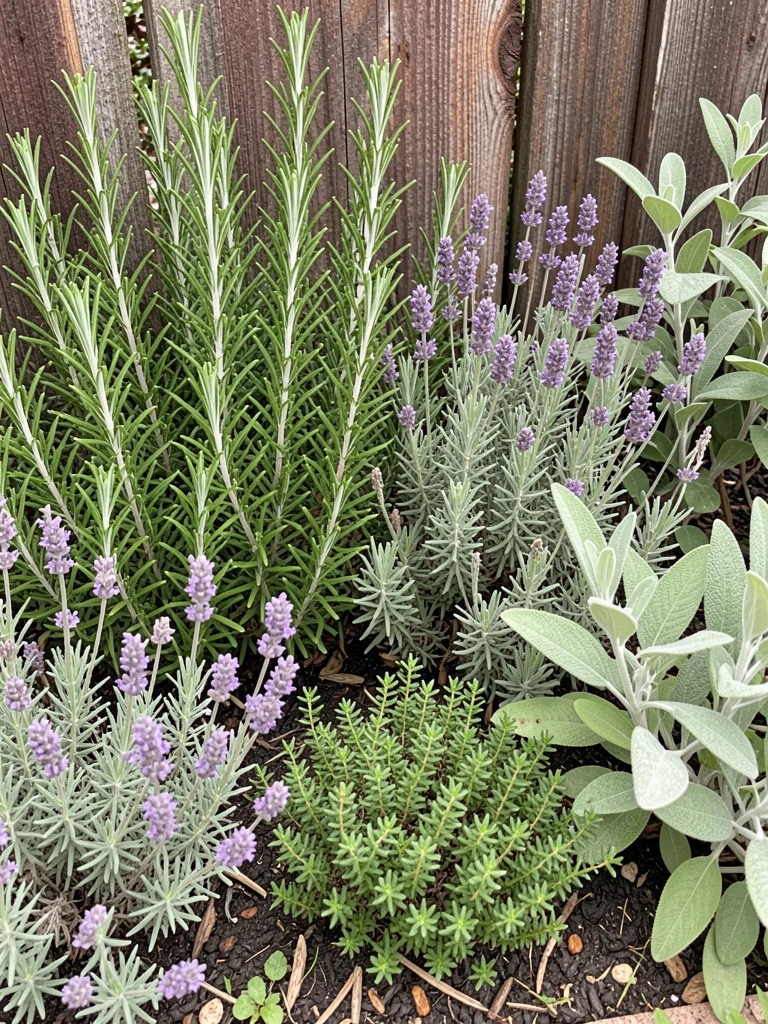
I planted rosemary and lavender along a sunny fence and got scent plus a modest screen.
It’s useful and looks lived-in, and herbs reward light trimming.
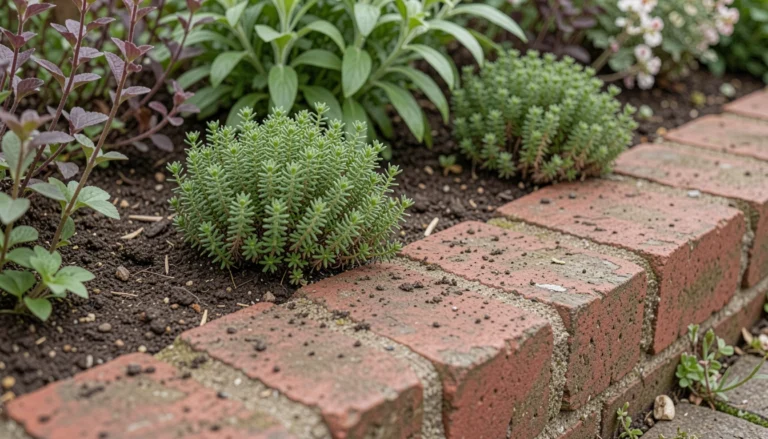
I once let thyme run unchecked and it took over — use edging or containers for runners.
This is one of the easiest beds to keep tidy and harvest from.
What You’ll Need for This Look
- Rosemary and lavender (2–3 gallon)
- Thyme or oregano in small pots
- Sharp edging or low stone border
- Well-draining soil mix
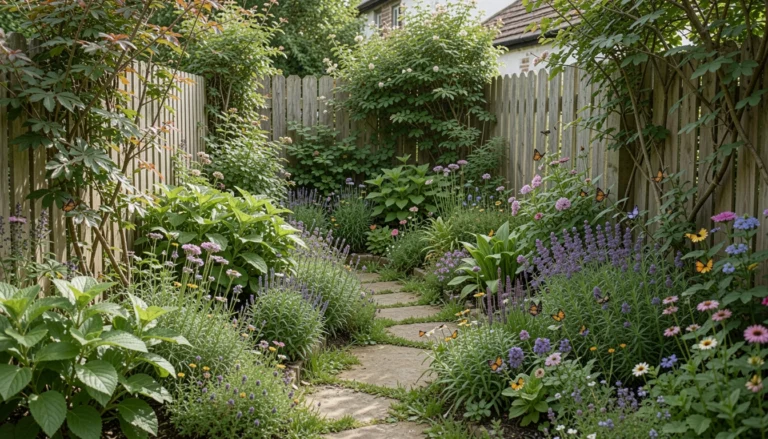
7. Native Pollinator Strip for Life and Privacy
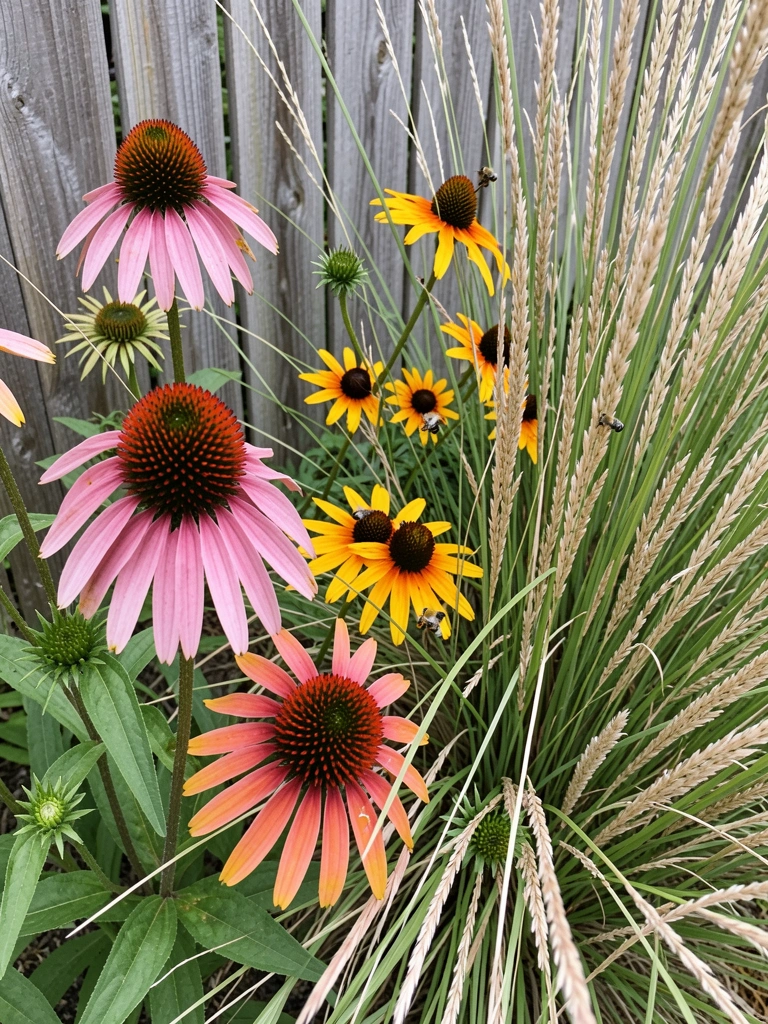
I dedicated a stretch to native flowers and the fence felt healed, not blank.
It drew bees and put color at eye level, softening sightlines.
I packed seedlings too tightly the first year and had to thin; leave space for roots.
Once it settled it needed little water and looked natural, like it belonged.
What You’ll Need for This Look
- Native wildflower plugs (echinacea, rudbeckia)
- Native grasses (little bluestem)
- Wildflower seed mix for gaps
- Organic compost and a hand trowel
8. Shade-Loving Bed with Hostas and Ferns
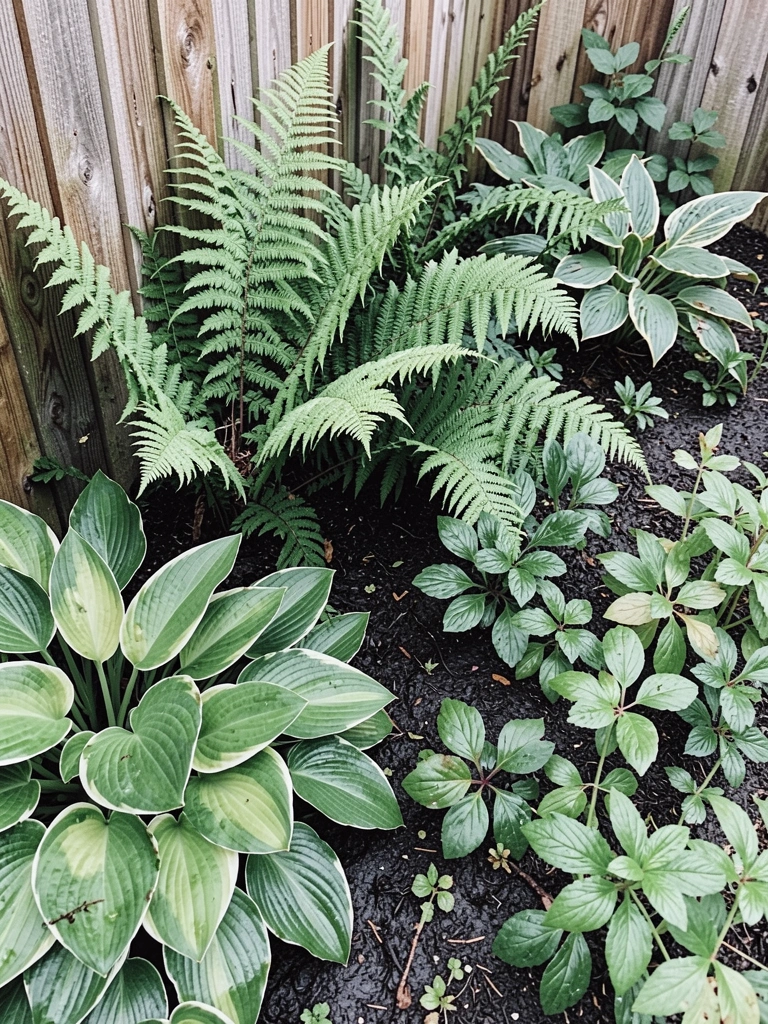
My north-facing fence became a lush, cool strip when I planted hostas and ferns.
It felt like a secret corridor and hid the fence in rich green texture.
I learned the hard way that some hostas sulk in poor soil — amend with compost for deep color.
Keep the mulch light to avoid rot and you’ll have a calm, layered border.
What You’ll Need for This Look
- Hostas (size to taste)
- Ferns (Matteuccia or Dryopteris)
- Leaf mold or compost
- Garden fork and hand rake
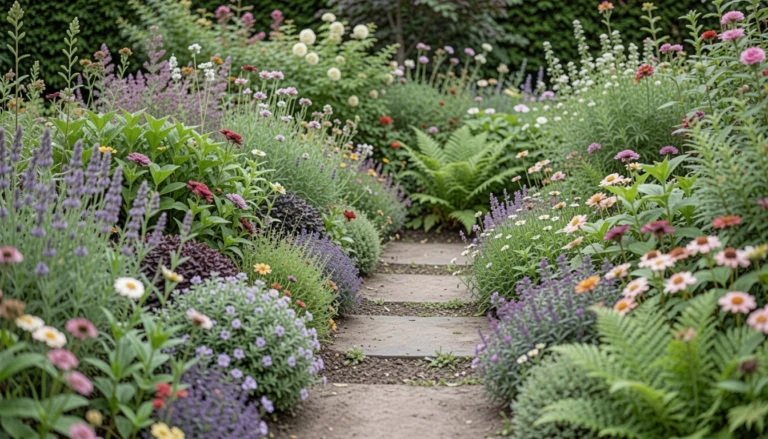
9. Cottage-Style Mixed Perennial Border
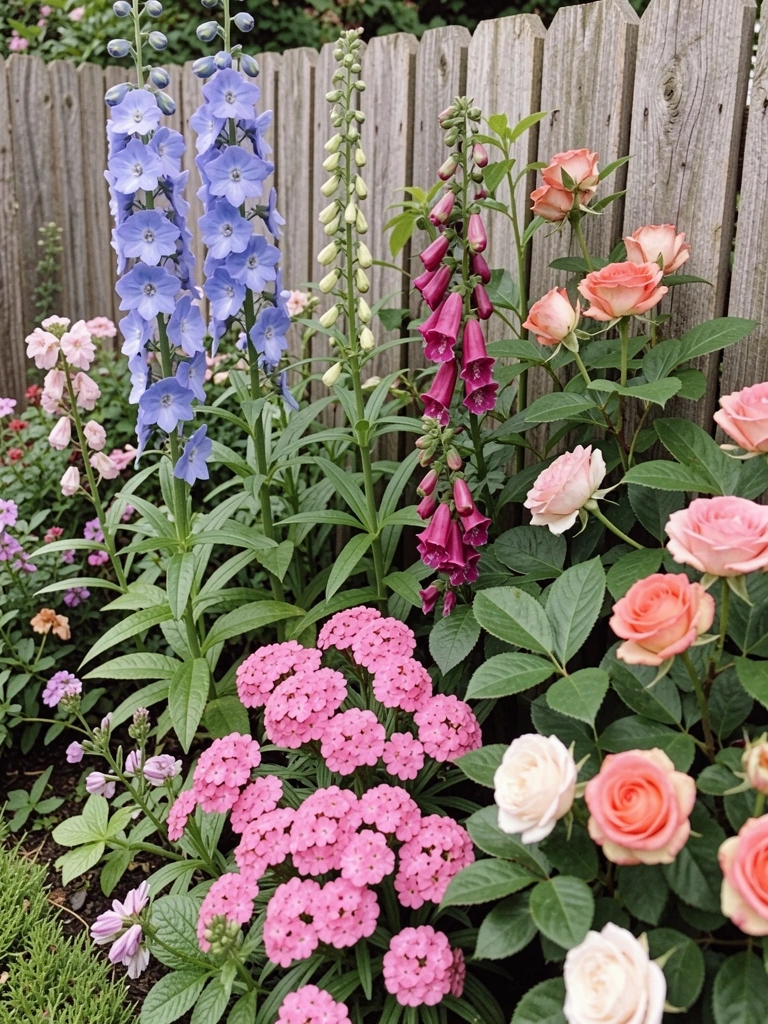
I embraced a slightly messy cottage strip so the fence looked cozy, not severe.
Tall spires behind, mid-flowers in the middle, and spillers in front created a welcoming screen.
My error was underestimating support — I now stake delphinium early to prevent flop.
It’s forgiving; if one plant fails, something else usually fills the space.
What You’ll Need for This Look
- Tall perennials (delphinium, hollyhock)
- Mid-height perennials (phlox, salvia)
- Low spillers (campanula, nemesia)
- Plant stakes and soft ties
10. Modern Gravel Bed with Architectural Plants
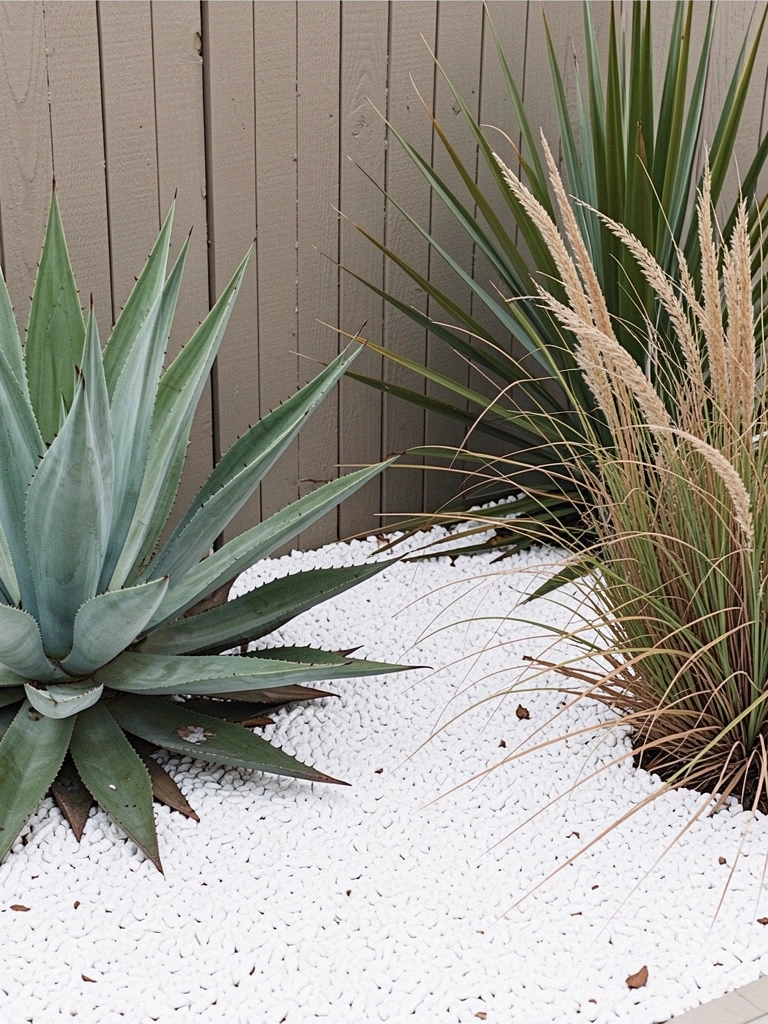
I swapped messy soil for a gravel bed and planted architectural succulents for a modern screen.
The clean surface made the fence look intentional and the plants stand out.
I did plant one agave too close to a pathway — give sharp-leaved plants a buffer.
This is low-care and drought-wise if you pick the right species.
What You’ll Need for This Look
- Agave or yucca (5–7 gallon)
- Architectural grass (festuca)
- Washed gravel (3–4 cm depth)
- Landscape fabric and heavy gloves
11. Contained Bamboo for a Tall, Fast Screen
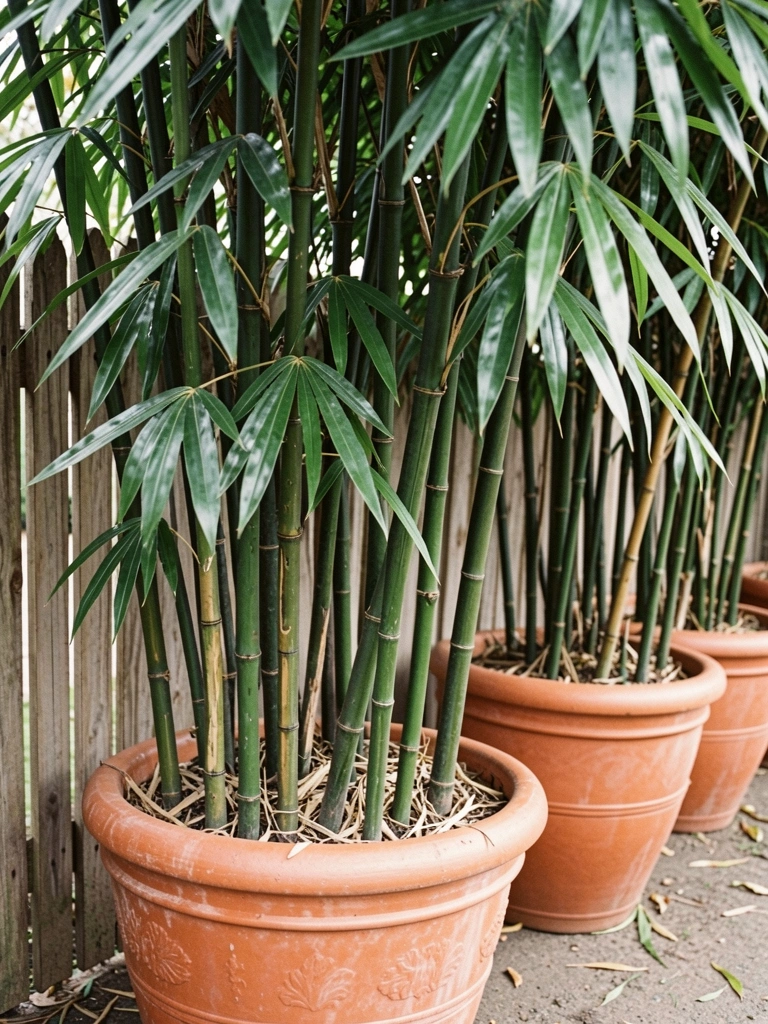
I used clumping bamboo in heavy pots to get height quickly without the run-away problem.
It gave immediate privacy and a tropical feel in a compact strip.
I once tried running bamboo and regretted it — use clumping varieties and big containers.
Water regularly the first two seasons and the screen will thicken nicely.
What You’ll Need for This Look
- Clumping bamboo (Pleioblastus or Fargesia) in 7–10 gallon pots
- Heavy-duty large planters (terracotta or fiber)
- Slow-release fertilizer for bamboo
- Mulch and a watering can
12. Secret Seating Nook Framed by Climbers
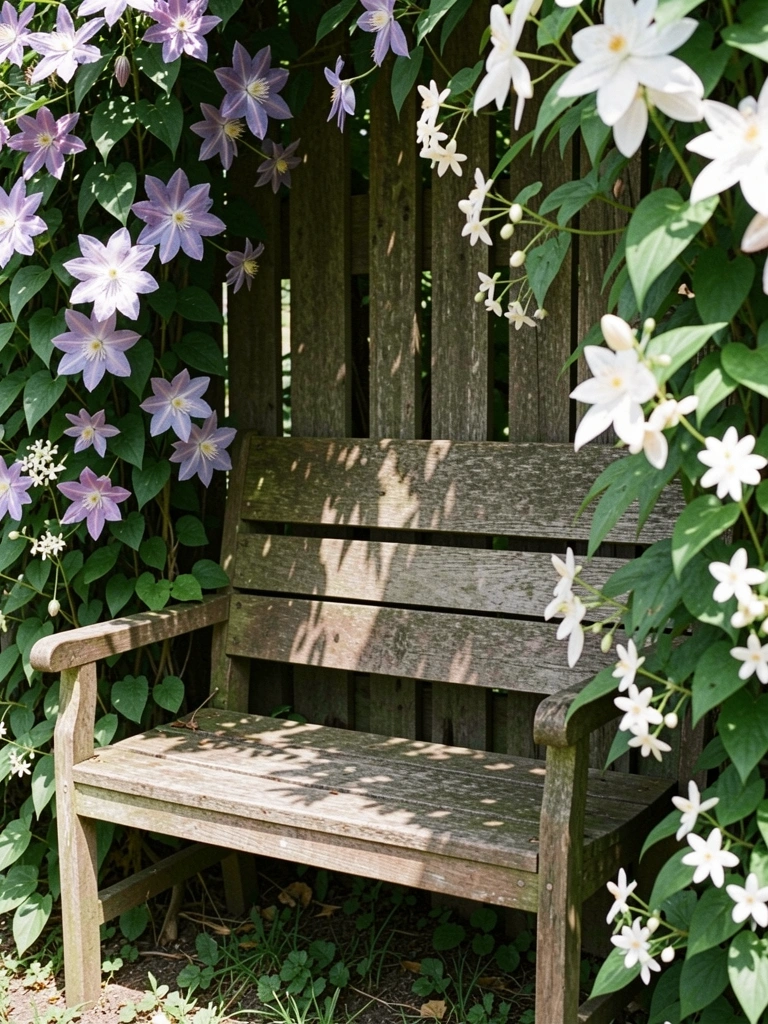
I carved a tiny bench spot and trained clematis and jasmine around it.
The fence turned into a green room and gave privacy for morning tea.
I misjudged drainage once and the bench area stayed damp; raise the seat on gravel to avoid soggy wood.
This is as much about comfort as plants — add a light and a low side table.
What You’ll Need for This Look
- Clematis and star jasmine (3–5 gallon)
- Small outdoor bench (treated wood)
- Gravel base or pavers for drainage
- Solar string light, warm white
Final Thoughts
You don’t need to do every idea.
Pick one corner and plant.
It grows from small, honest choices — and you’ll learn fast.