8 Sleek Raised Metal Garden Bed Ideas For A Modern Backyard
I finally stopped overthinking metal beds and started using them where they matter.
I made ugly, shallow boxes at first. Then I learned to pick scale and soil over style.
These ideas grew from real mistakes, late nights replanting, and small wins. They’re simple, honest, and doable.
8 Sleek Raised Metal Garden Bed Ideas For A Modern Backyard
These 8 ideas are hands-on, lived-in looks for metal beds.
I’ll show what I planted, what failed, and what to buy.
Expect practical layouts, not staged shots. These are eight real solutions.
1. Narrow Corten Bed Along a Pathway
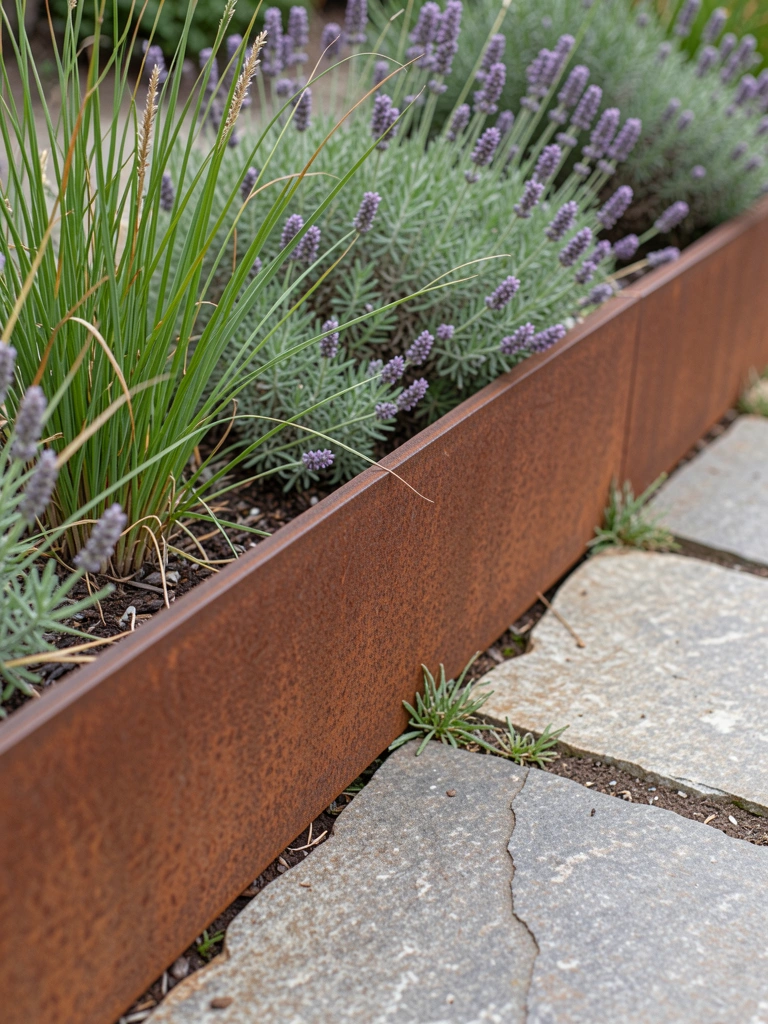
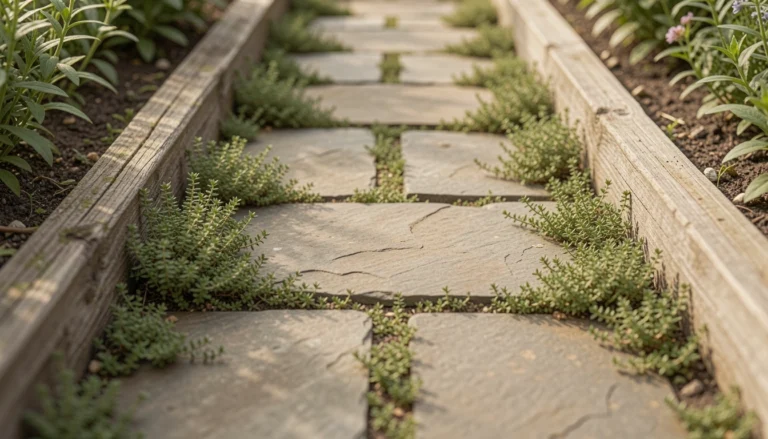
I put a slim corten bed beside our walkway to tidy the edge. It framed the path and held plants that would otherwise spill everywhere. I liked how the rusty tone warmed the stones.
I learned the hard way: keep it shallow for sedums and thyme. Deep soil made drainage problems near the path.
Plant low, mow-friendly species. Add a layer of gravel under soil where water pools. It looks pulled-together and stays low-maintenance.
What You’ll Need for This Look
- Narrow corten steel raised bed (6–8" height)
- Low-growing lavender and sedum mix
- Pea gravel for base layer
- Brass plant labels
2. Modular Square Beds for Veg Rotation (My First Crop Failure)
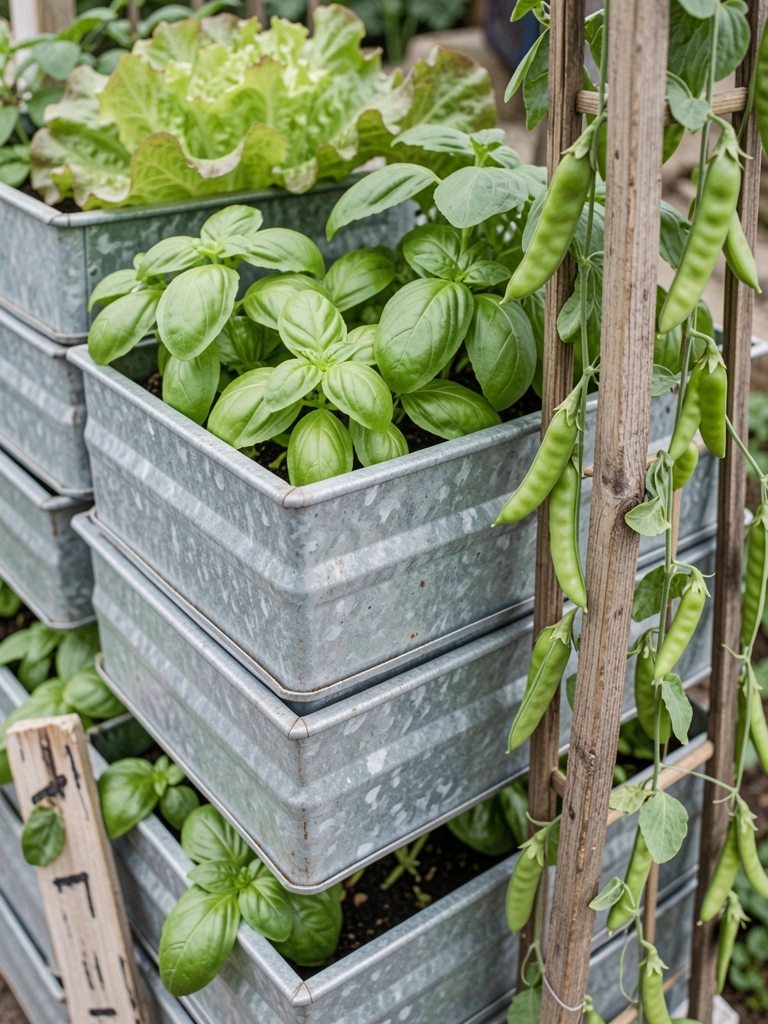
I bought modular boxes and planted three at once. My first year I overcrowded them and lost tomatoes to blight. Lesson: rotate and leave one bed fallow.
Now I use one bed per crop family. It’s tidy and I can move soil amendments between modules. The metal heats fast, so I plant earlier and transplant before midsummer heat.
Use trellises on the back module for vining peas or beans. They look modern and save space.
What You’ll Need for This Look
- Galvanized modular square beds (24" x 24")
- Lightweight trellis panels
- Leafy salad mix and basil seedlings
- Soil thermometer
3. Long Low Bed for Mixed Perennials and Grasses
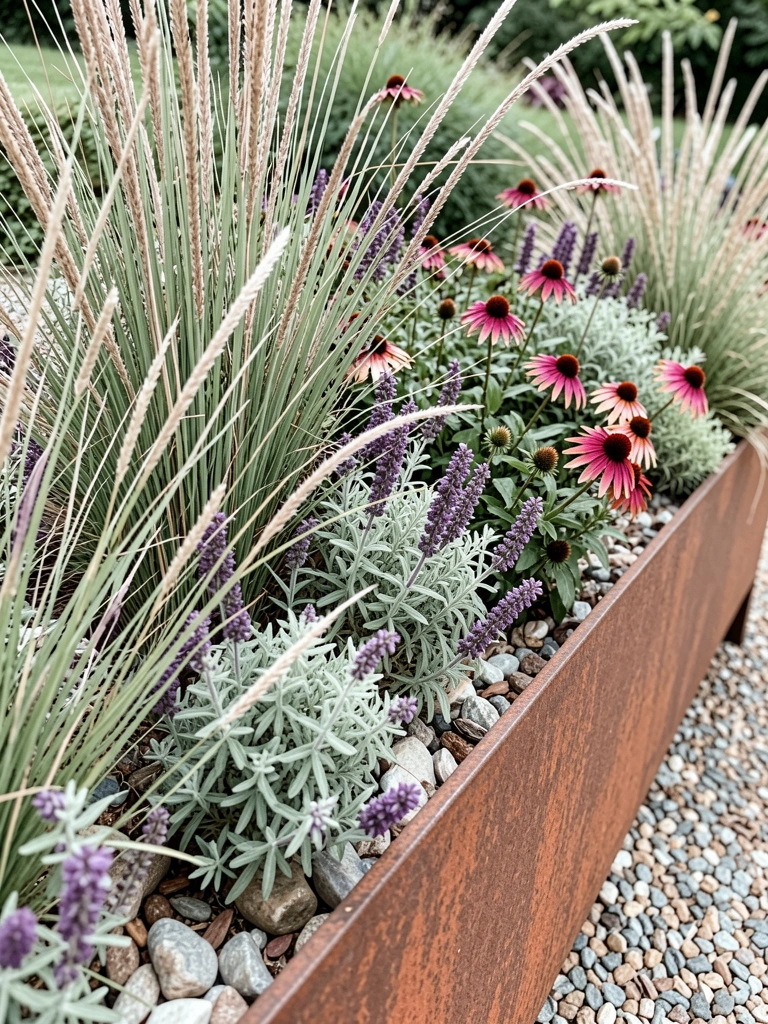
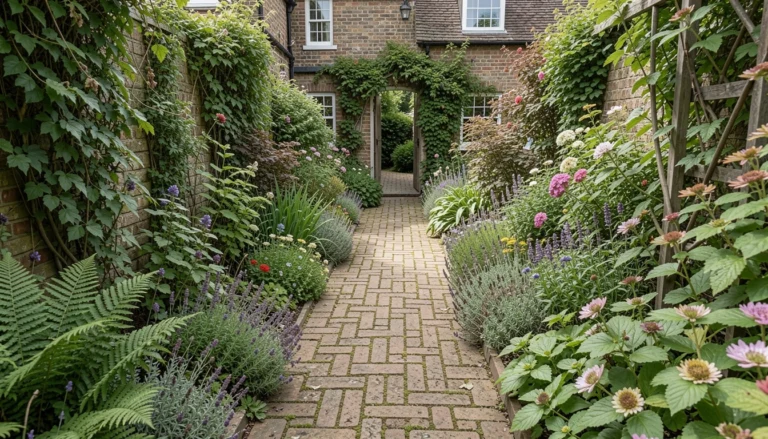
I built a long, low bed under a fence and filled it with perennials and ornamental grasses. It created a calm horizontal band that hides the fence and softens the yard.
I noticed early on that spacing mattered—plants grown too tight looked messy by year two. I widened spacing and let clumps breathe.
Pick plants that age well and don’t need constant dividing. Mulch lightly to keep a clean look and clip grasses once a year.
What You’ll Need for This Look
- Long corten metal bed (6"–12" height)
- Ornamental grasses (Panicum, Pennisetum)
- Salvia and echinacea perennials
- Gravel mulch (3/8" size)
4. Tiered Metal Beds on a Small Slope (My Layout Mistake)
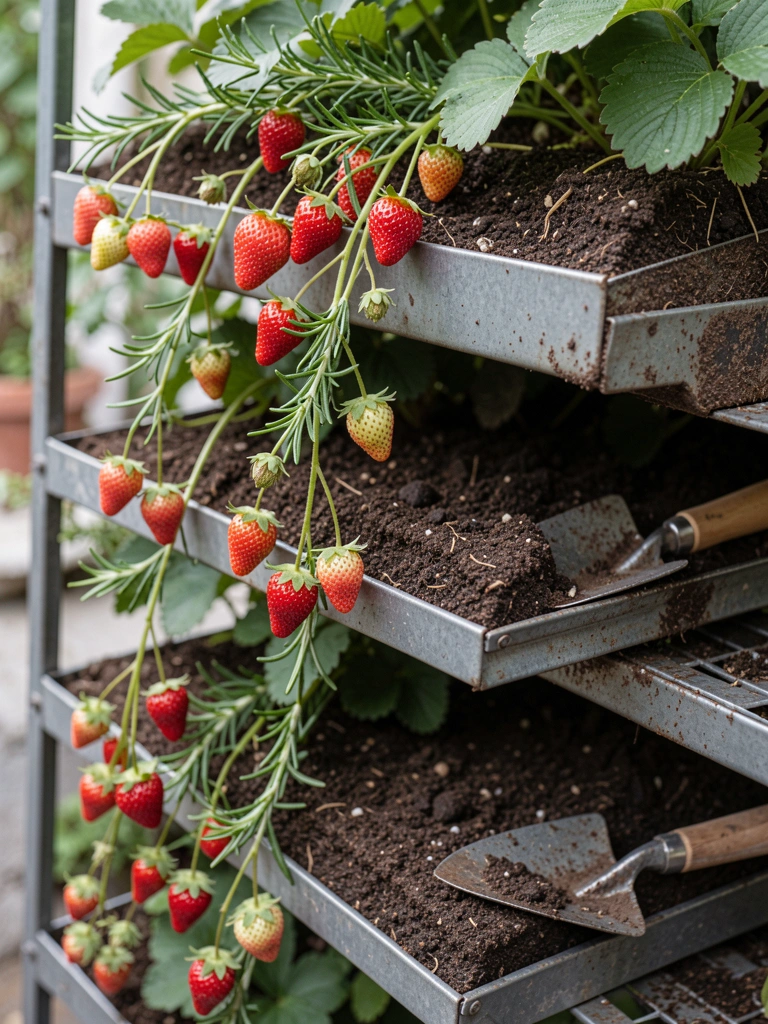
I once placed tiers too steeply and soil slid between levels. After redoing the anchors, the tiers held and the slope became an advantage.
Staggered heights let me plant trailing strawberries on the top and deeper-rooted herbs below. It creates a garden with vertical interest without feeling tall.
Anchor tiers well and use landscape fabric between levels to stop soil wash. The result is compact and very usable on tricky ground.
What You’ll Need for This Look
- Two-tiered galvanized raised bed kit
- Strawberries, rosemary, chives
- Landscape fabric for separators
- Metal ground anchors
5. Minimalist Urban Balcony Bed with Built-in Seating
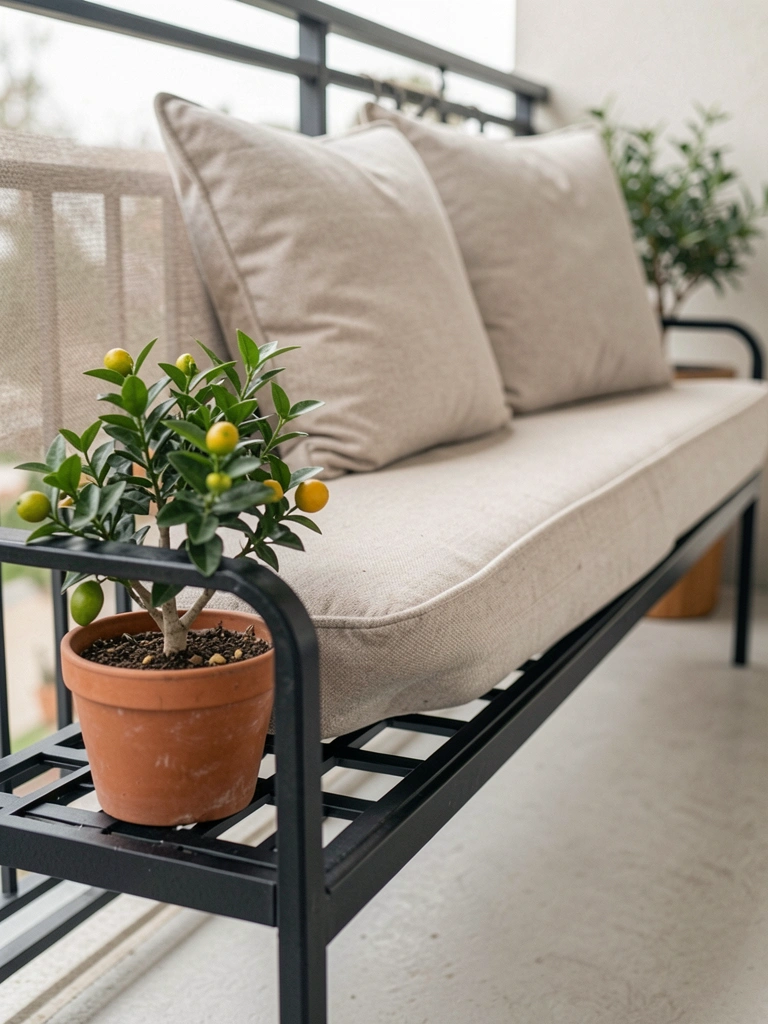
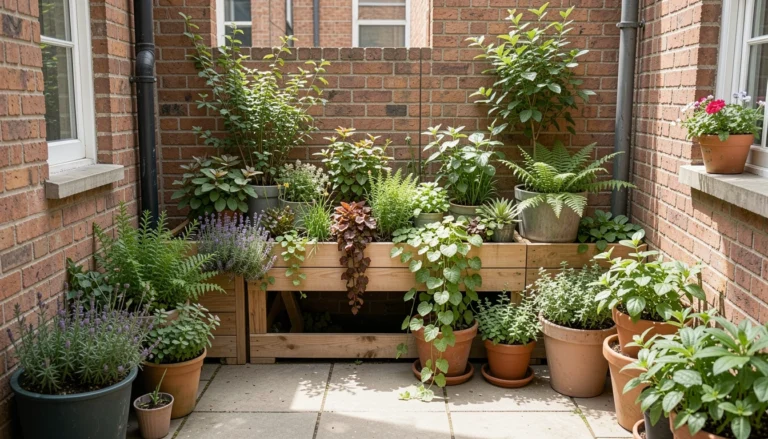
On my small terrace I used a shallow metal bed that doubles as a seat. It’s narrow but deep enough for compact herbs and a dwarf citrus in the corner.
I learned to account for weight. Soil plus pots added load, so I tested the structure before full planting.
Choose compact plants and add cushions that can be removed. The look is clean, modern, and you actually sit among the herbs.
What You’ll Need for This Look
- Powder-coated metal planter/bench (12–18" deep)
- Dwarf citrus or compact olive
- Cushion set for outdoor bench
- Lightweight potting mix
6. Modern Cut-Out Bed With Integrated Lighting (Lighting Tip I Missed)
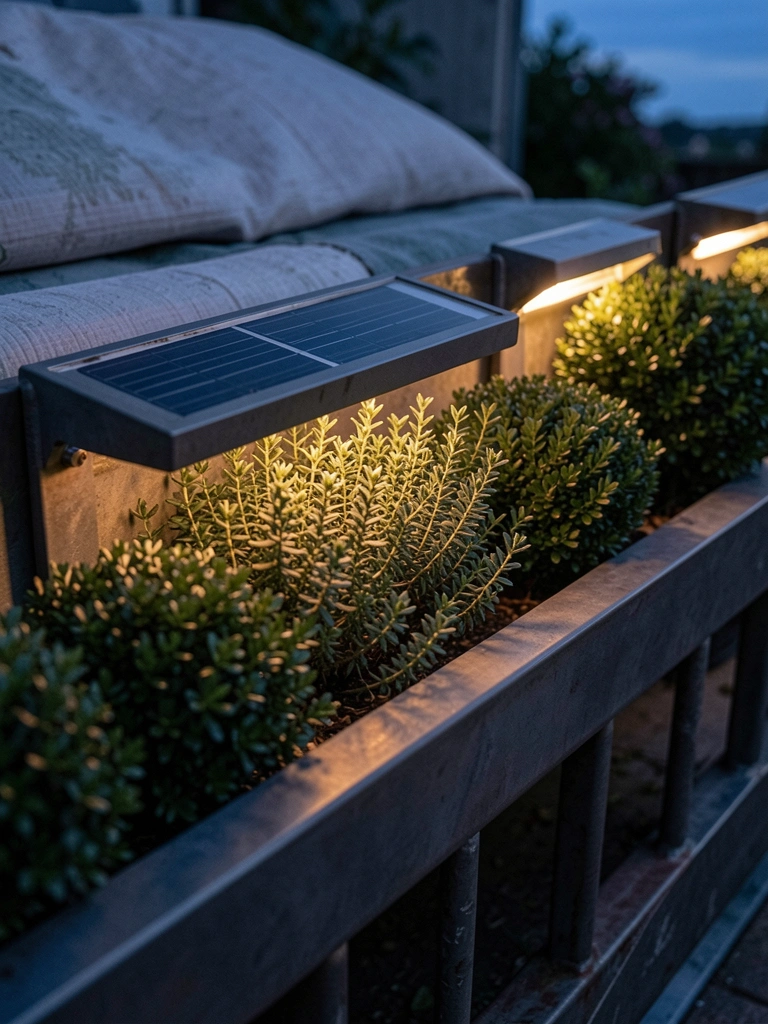
I added small solar uplights to a metal bed and regretted placing them where plants grew too tall. I moved lights outward for better glow.
The integrated lighting highlights textures at night and makes the bed a focal point. Use warm LEDs for a cozy feel.
Plan light placement with mature plant heights in mind. This gentle lighting makes evening walks feel intentional, not staged.
What You’ll Need for This Look
- Metal raised bed with mounting flange
- Solar uplight set, warm white
- Low boxwood and thyme groundcover
- Extension stake connectors
7. Industrial Galvanized Bed with Rustic Wood Top (A Material Mix-Up I Fixed)
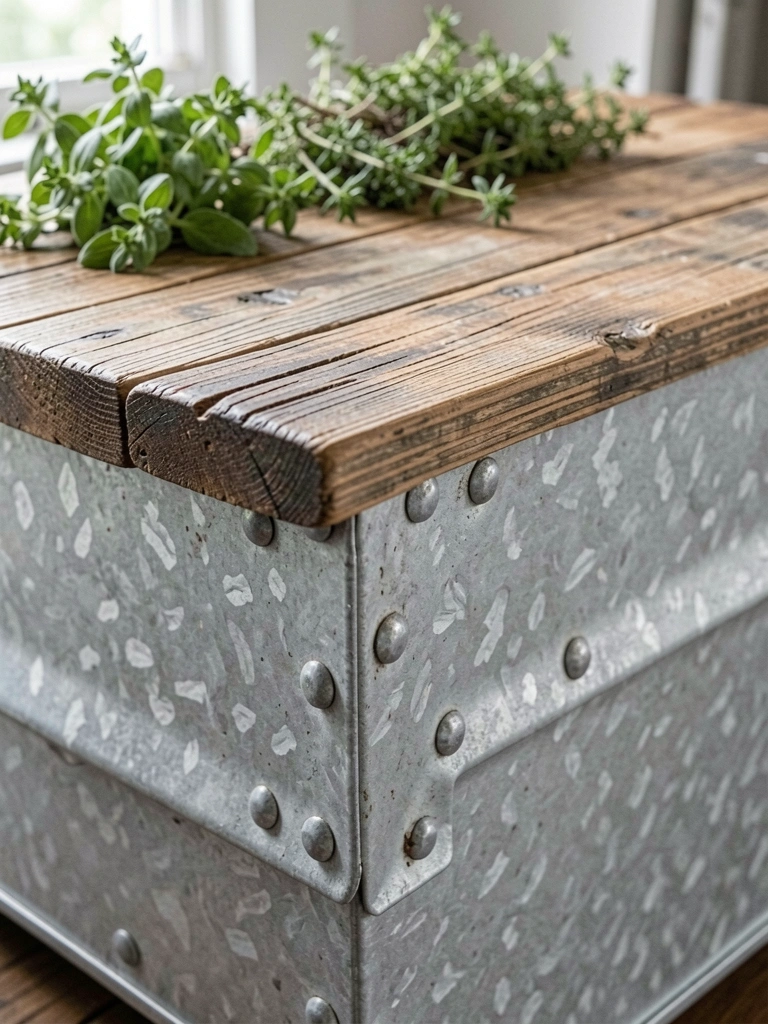
I once used untreated wood for the top and it warped fast. Replacing it with sealed reclaimed planks made it last and gave a softer edge.
The wood top doubles as a work surface and looks intentional against the shiny metal. It’s great for potting seedlings and sitting while pruning.
Seal the wood and screw it through to metal for stability. It’s a practical mix of raw metal and warm texture.
What You’ll Need for This Look
- Galvanized metal raised bed (18" height)
- Reclaimed wood planks, sealed
- Herb starters (oregano, sage)
- Stainless steel screws and sealant
8. Slim Pollinator Strip With Wildflowers and Native Grasses
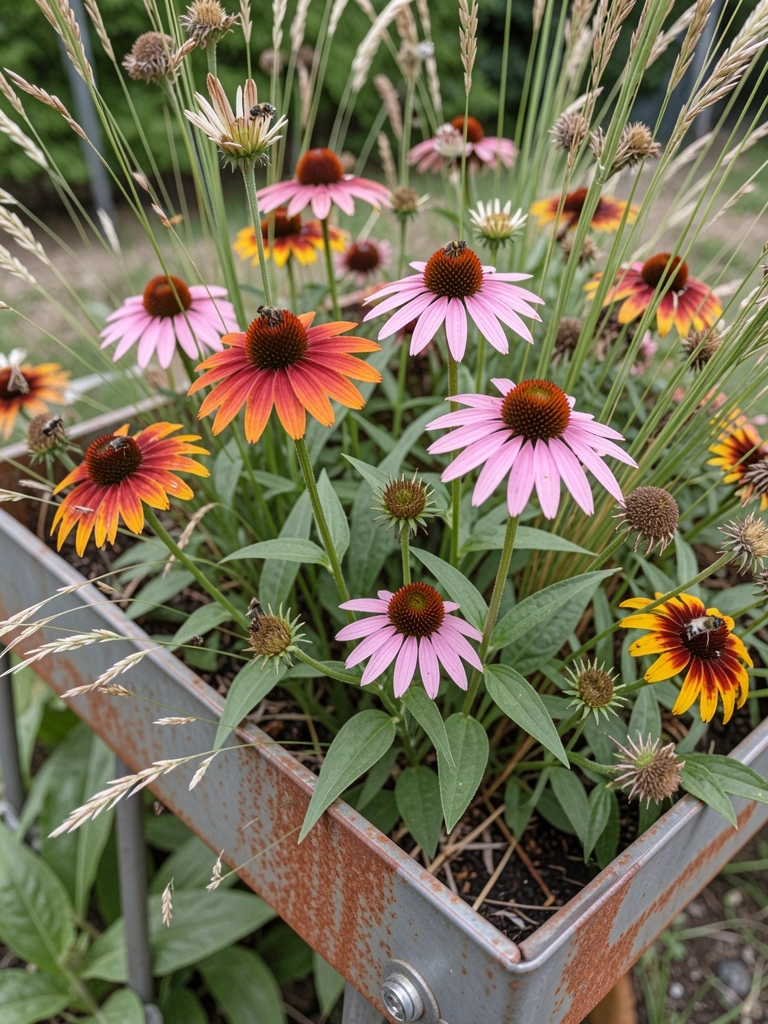
I turned a narrow bed into a pollinator strip and was surprised how much life it drew. Bees and small butterflies use it as a corridor across the yard.
My first seed mix had too many showy annuals; I switched to native perennials for repeated blooms and resilience. Now it fills in year after year.
Choose perennials that bloom in sequence. Plant in drifts for visibility. It feels like a small wild patch, kept tidy by the metal edge.
What You’ll Need for This Look
- Narrow corten or galv metal bed
- Native perennial seed mix (cone flowers, rudbeckia)
- Small clump-forming native grasses
- Pollinator-friendly plant tags
Final Thoughts
You don’t need to copy every idea. Pick one that fits your space and start there.
Metal beds are forgiving once you learn soil, spacing, and drainage.
Do one project, live with it for a season, and adjust as you go.