11 DIY Garden Ideas To Transform Your Outdoor Space
I used to cram plants into whatever pot I had and wonder why nothing thrived.
Once I slowed down, the garden started to feel like mine. I learned which fixes actually change how an outdoor space feels.
These ideas are the ones I use again and again—simple, real, and doable in a weekend.
11 DIY Garden Ideas To Transform Your Outdoor Space
These 11 ideas are hands-on and honest.
Each one is something I’ve done in real gardens.
You’ll get clear, practical steps and the exact items I’d buy.
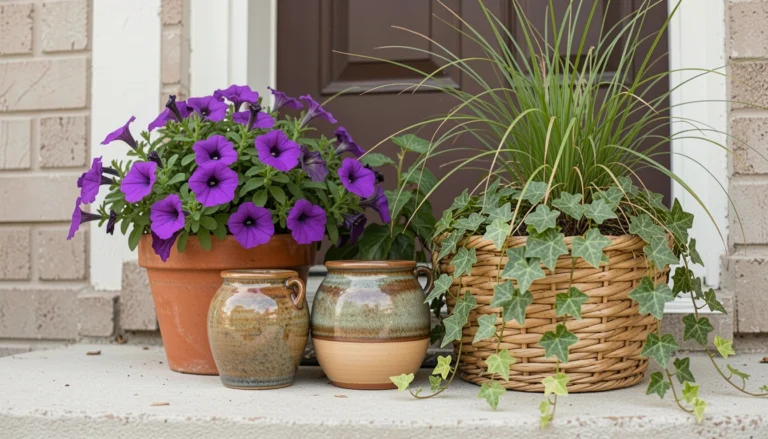
1. Layered Container Planting That Makes a Patio Feel Full
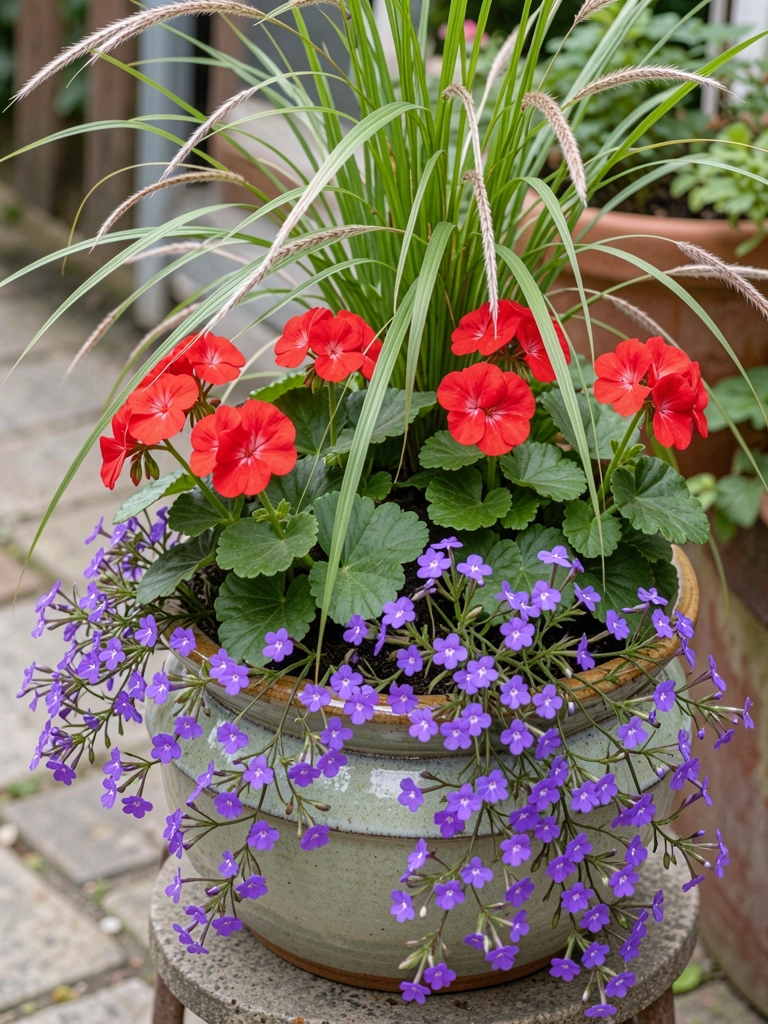
I started with a single pot and learned layering changes everything. I plant a tall focal, a mid-height filler, and a trailing spiller. On my first try I overwatered the spiller and lost it, so now I check drainage first.
Visually it gives depth without needing a huge garden. It feels like a living vignette.
Tip: pick one bold foliage for height and one bright-flowering filler.
What You’ll Need for This Look
- Glazed ceramic planter (12–16 inch)
- Fast-draining potting mix
- Ornamental grass (tall)
- Geranium or salvia (mid-height)
- Trailing lobelia or ivy
2. Pallet Herb Rack for Sunny Walls
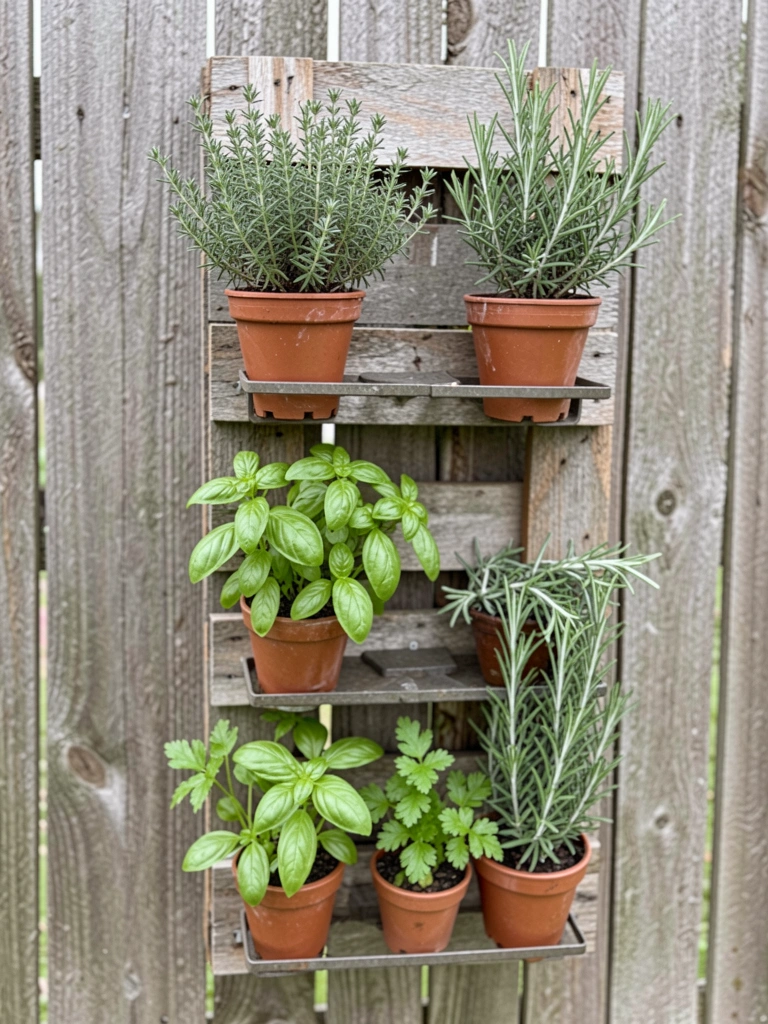
I built a pallet herb rack to stop herbs from suffocating in too-big beds. I hung it on a sunny fence. My mistake was choosing thin pots at first—they dried out too fast. I swapped to slightly deeper pots and it worked.
It saves space and keeps herbs at hand for cooking. I touch the plants daily now, which keeps them healthy.
Tip: group herbs by water needs; basil with parsley, rosemary alone.
What You’ll Need for This Look
- Repurposed pallet or vertical planter frame
- 4–6 small to medium pots (6–8 inch)
- Hook or bracket mounts
- Basil, parsley, thyme, rosemary
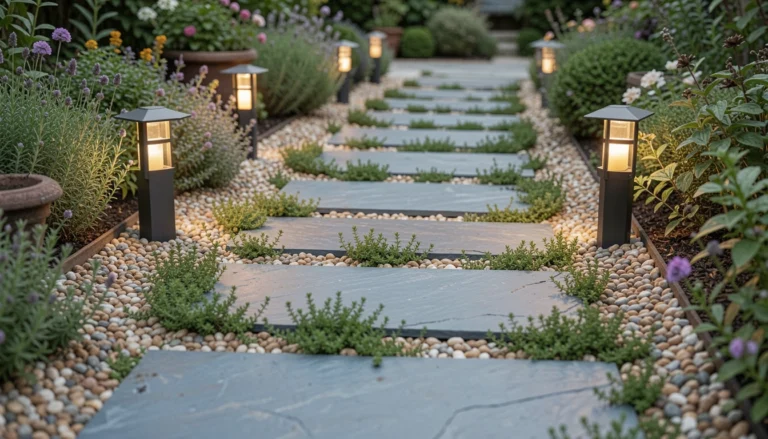
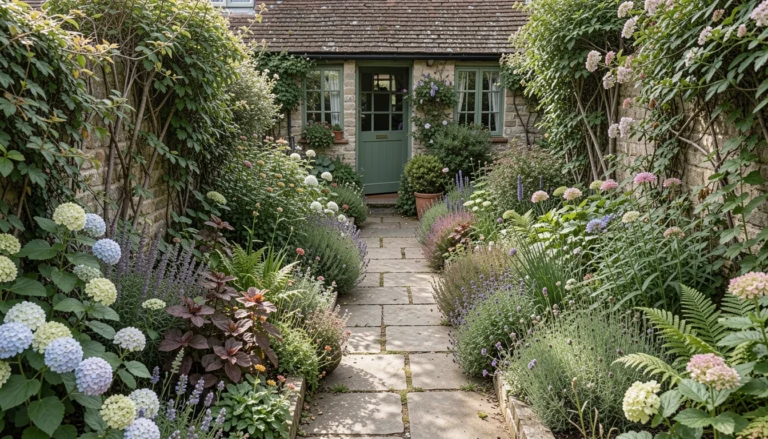
3. Cottage-Style Border with Repeats for a Cozy Path
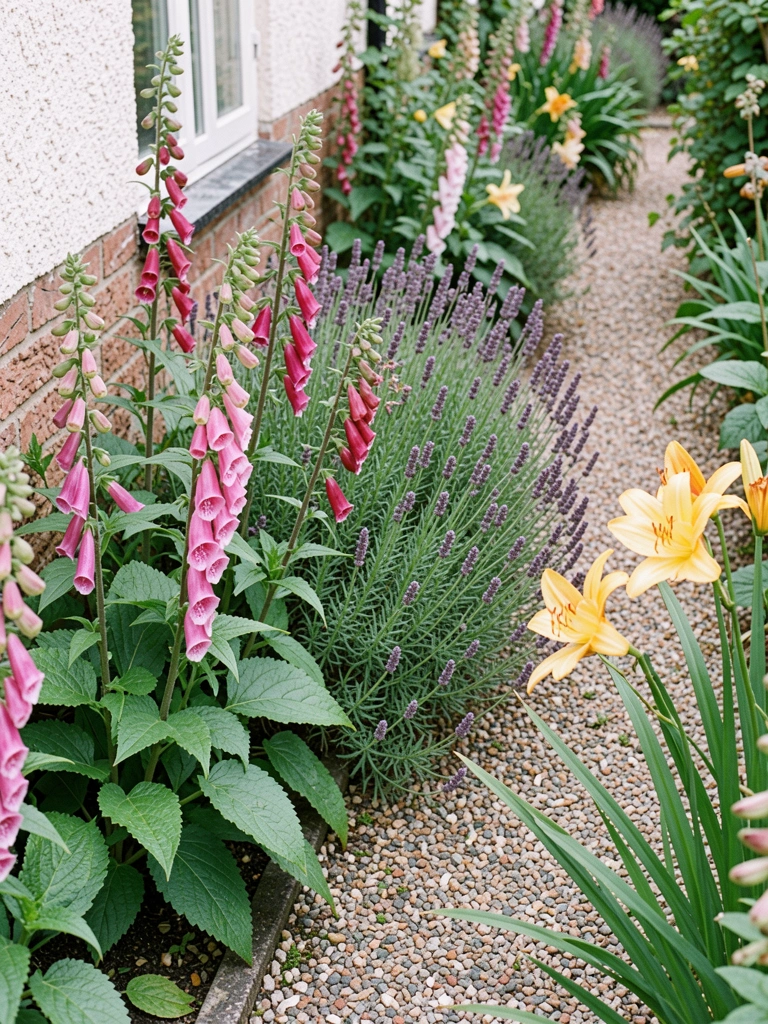
I wanted a cozy, walk-through border and found repetition makes a small space read bigger. I planted three repeats of the same group rather than mixing everything. That rhythm calmed the chaos.
It’s forgiving—if one clump fails, the others carry the look. The path now feels like a deliberate room edge.
Tip: pick two strong anchor plants and one softer filler for each repeat.
What You’ll Need for This Look
- Lavender (mid-height)
- Foxglove or tall perennial
- Daylilies or nepeta (filler)
- Gravel or stepping stones
4. Raised Bed with Built-In Seating for Tired Backs
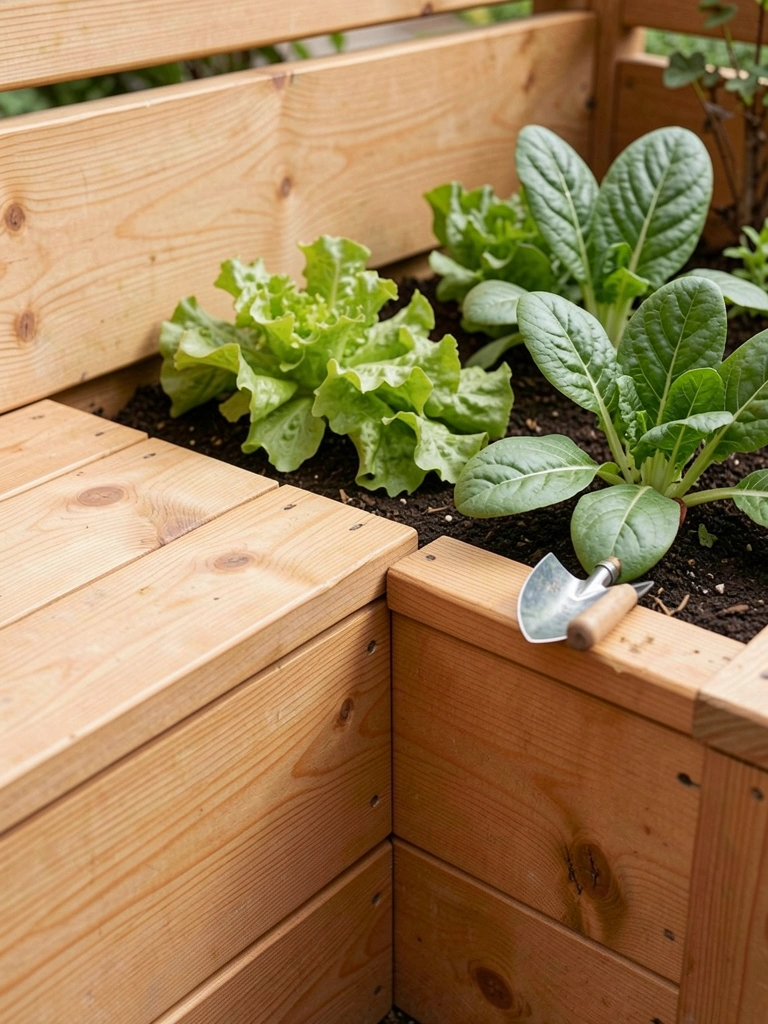
My back gave out after kneeling in low beds, so I built a 2-foot-high raised bed with a narrow bench along one side. It’s easy to reach and doubles as a seat for coffee in the morning.
Plants like lettuces and beans have gone from struggling to abundant because I can tend them regularly. The bench makes the space feel used, not just decorative.
Tip: leave a 1–2 foot walkway for easy access.
What You’ll Need for This Look
- Cedar raised bed kit (4×4 or custom)
- Garden soil mix and compost
- Built-in bench board (cedar)
- Lettuce, chard, bush beans
5. Fairy-Light Pergola for Evenings That Actually Get Used
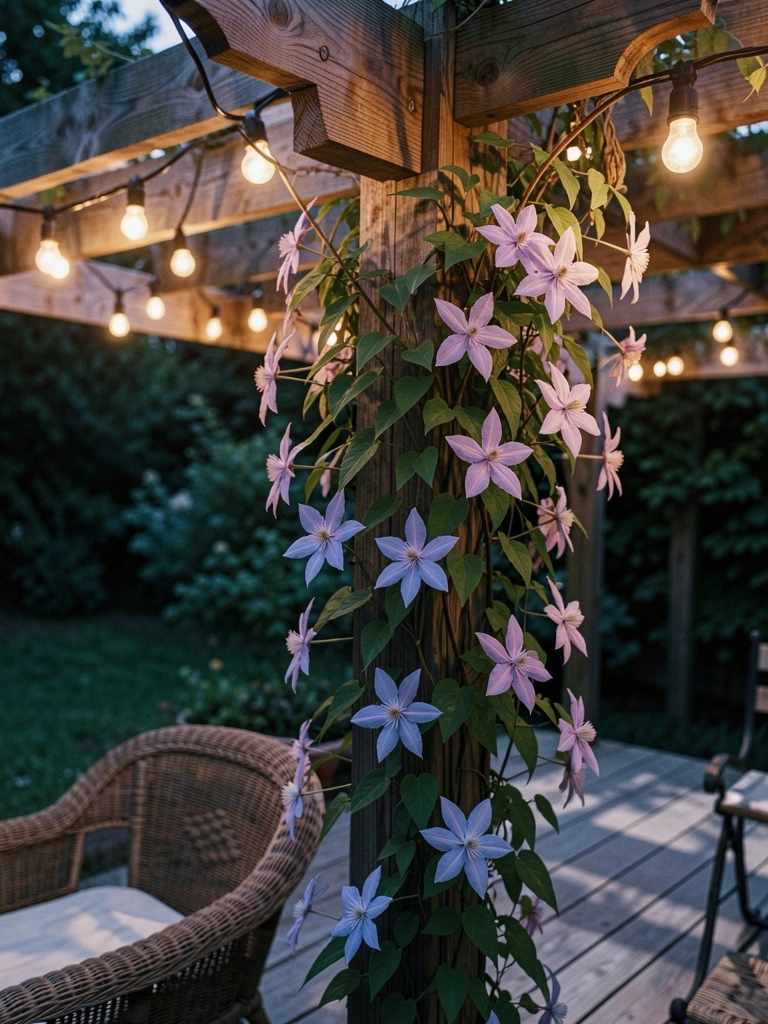
I hung warm string lights across a cheap pergola and suddenly we ate outside more. I once used lights rated only for indoor use and fried a string in rain—learned to buy outdoor-rated.
The glow makes the whole garden feel comfortable after sunset. It doesn’t need to be perfect timberwork; even a simple frame works.
Tip: route lights along beams and secure with weatherproof clips.
What You’ll Need for This Look
- Outdoor-rated string lights, warm white
- Wooden pergola or freestanding frame
- Clematis or climbing vine
- Weatherproof clips and outdoor outlet
6. Low-Maintenance Native Patch for Weekends Off
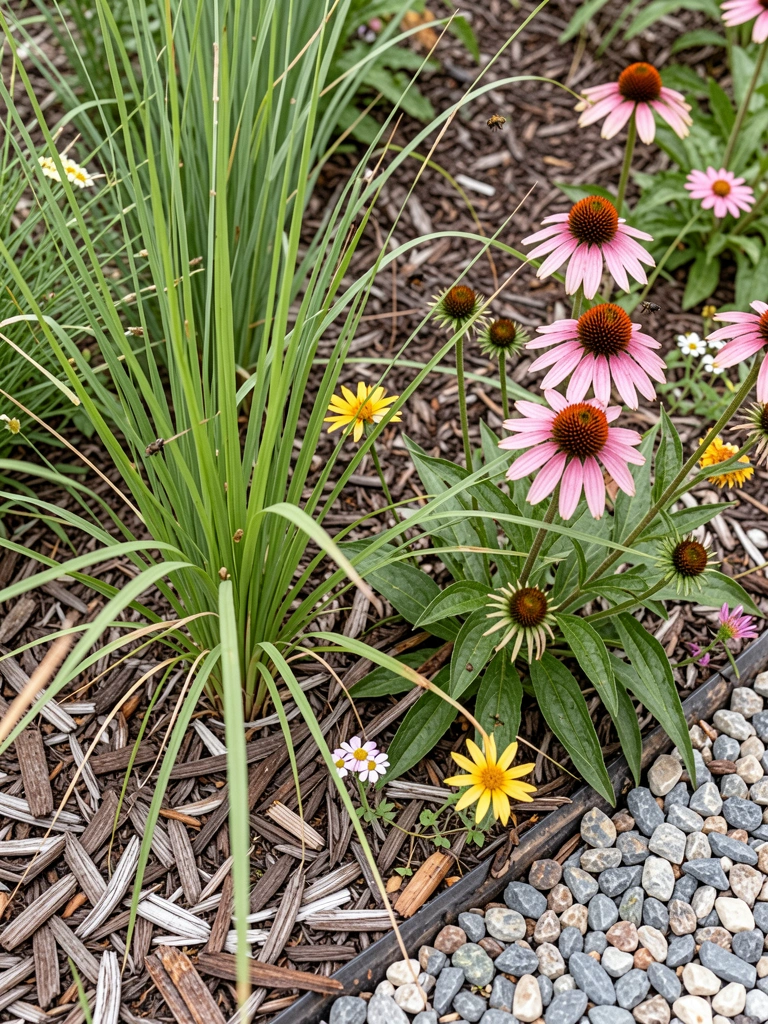
I replaced a thirsty lawn patch with native grasses and echinacea. It’s the least fuss I’ve ever had. I only water hard in the first season. The birds and bees moved in within months.
It looks informal, which matched my slow-maintenance goal. Don’t expect instant order; natives take a season to settle but then pay off.
Tip: remove aggressive weeds the first year and let the patch fill in.
What You’ll Need for This Look
- Native grass plugs
- Echinacea or rudbeckia seedlings
- Mulch (shredded bark)
- Garden spade for planting
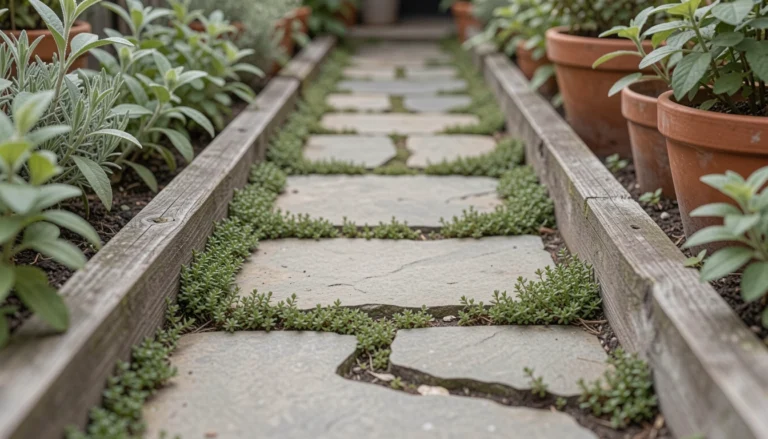
7. DIY Path Edging Using Reclaimed Bricks
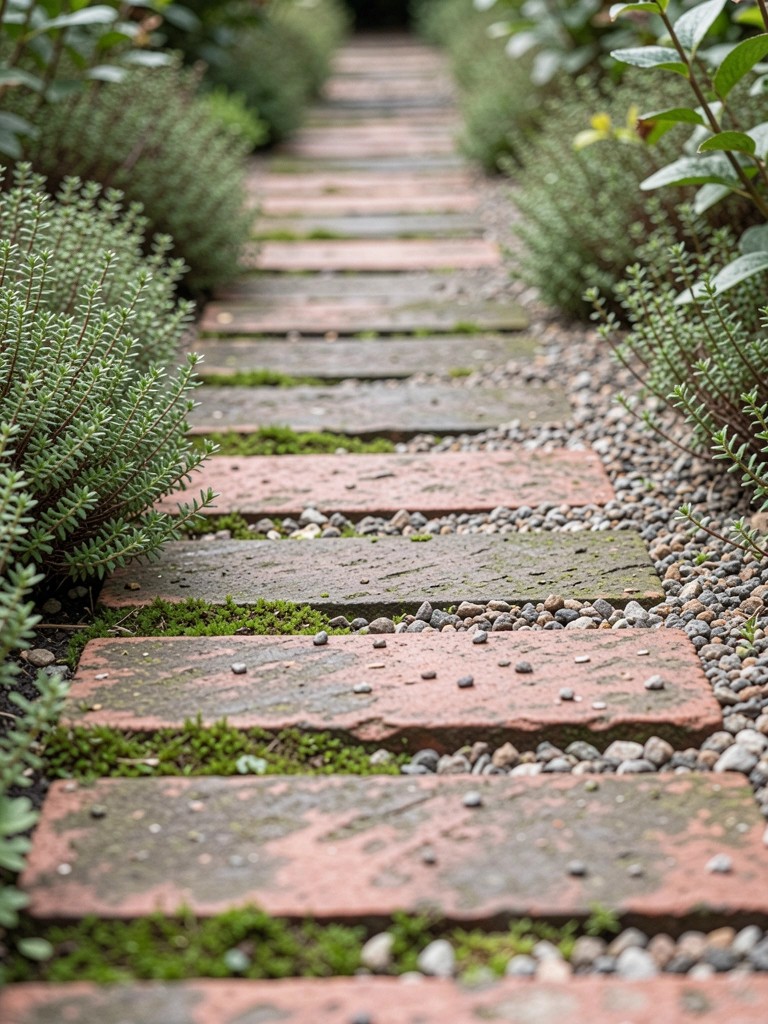
I laid reclaimed bricks to edge a winding path. My early mistake was not leveling the base; a few bricks rocked for months until I dug down and compacted sand. Now the edge feels settled and lived-in.
The bricks add personality and keep gravel in place. The thyme I planted between bricks softens the hard edge.
Tip: use a rubber mallet and compacted sand base for a snug fit.
What You’ll Need for This Look
- Reclaimed bricks (assorted)
- Compactable sand or small gravel
- Creeping thyme or sedum
- Rubber mallet and level
8. Tabletop Veg Planters for Small Balconies
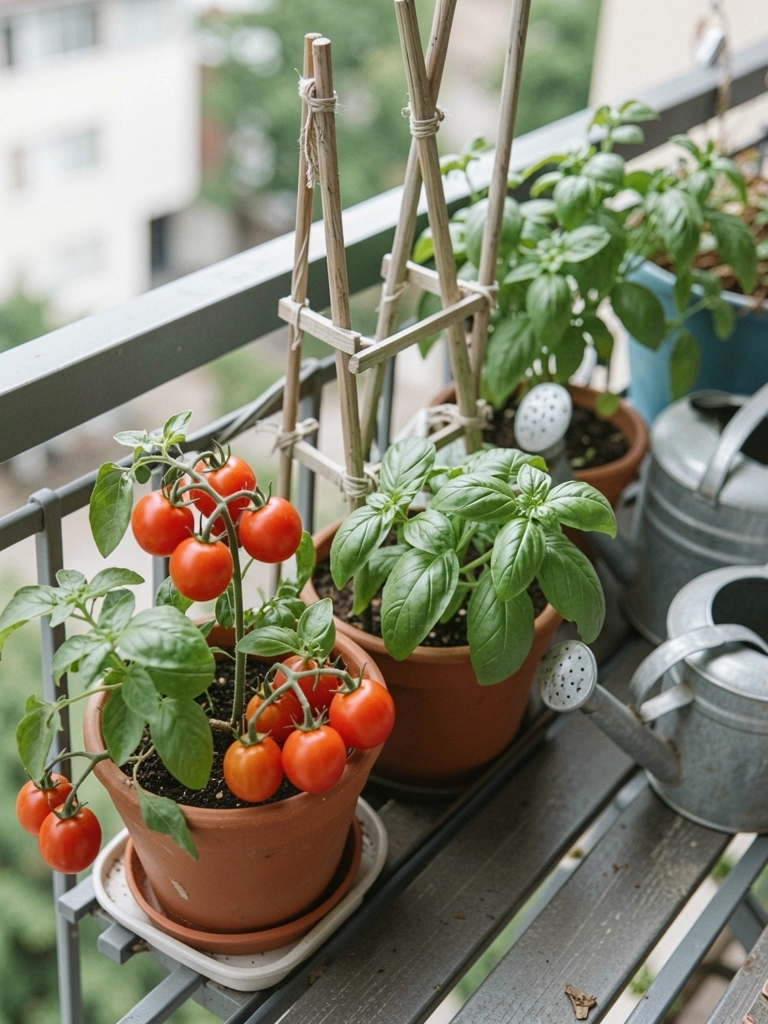
I wanted tomatoes on a tiny balcony, so I built tabletop planters with a slim profile. They sit on the railing and don’t block light. Harvesting is easy—no bending, no ladder.
It surprised me how productive small containers can be. I learned to water regularly; pots dry faster than beds. The payoff is fresh herbs and salads steps from my door.
Tip: use a small trellis for indeterminate tomatoes to save space.
What You’ll Need for This Look
- Tabletop planter boxes (24–36 inch)
- Potting mix with good drainage
- Cherry tomato, basil, and lettuce seedlings
- Small trellis or tomato cages
9. Salvaged-Furniture Potting Nook for Messy Tasks
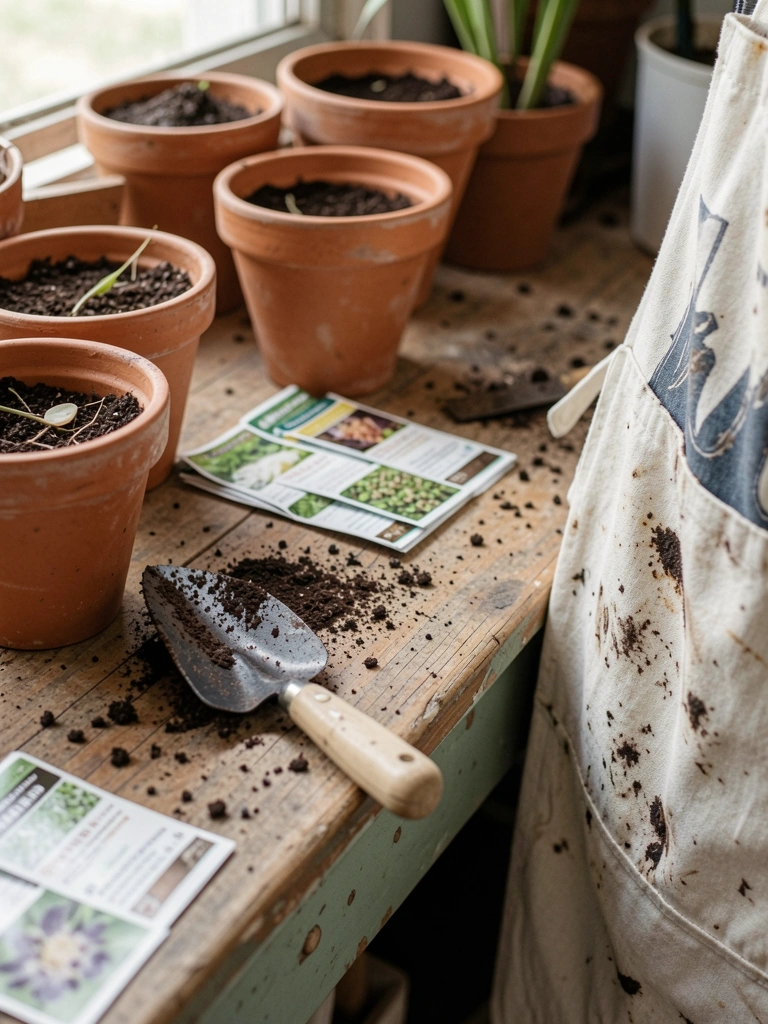
I converted an old workbench into a potting nook against a shed. I initially underestimated storage and still tripped over bags of soil. Lesson learned: add hooks and a bin.
Now potting feels tidy and I actually use the space daily. It keeps mess out of the house and makes small projects manageable.
Tip: install a shallow shelf for seed trays and hooks for tools.
What You’ll Need for This Look
- Repurposed workbench or potting table
- Terra cotta pots (various)
- Seed trays and potting soil
- Hooks and small storage bin
10. Night-Safe Planting with Scented Shrubs Near Doors
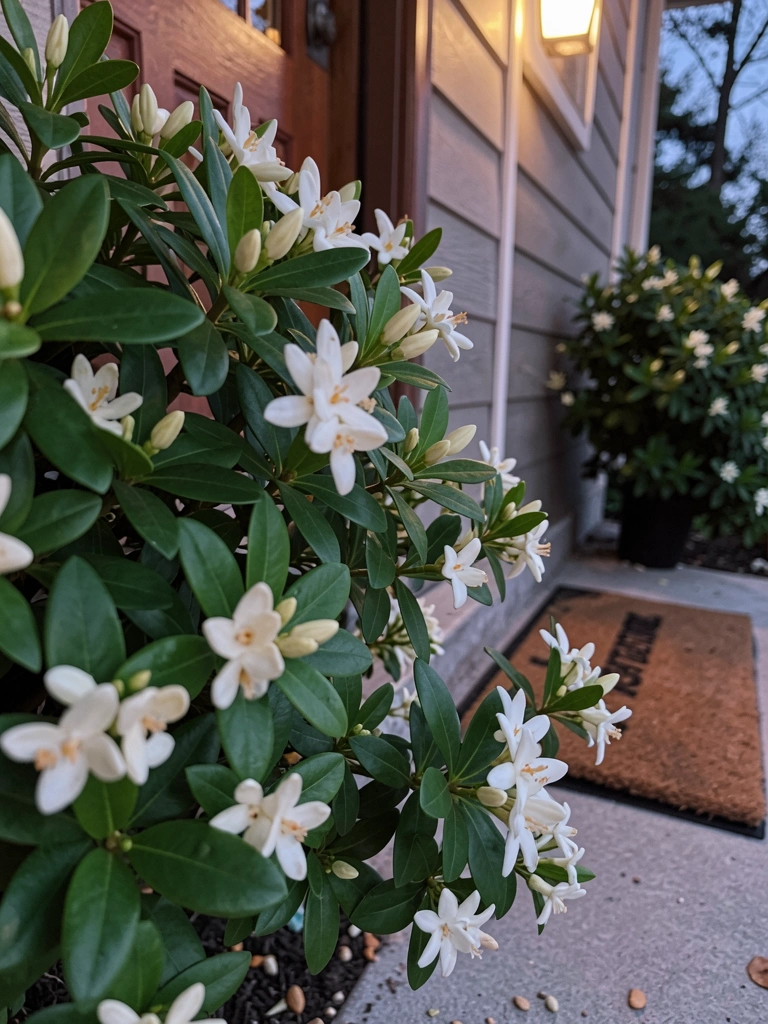
I planted scented shrubs by the back door so evenings smell like something. Night-blooming jasmine and mock orange reward late steps outside. It changed how I thought about entrances.
A mistake I made: planting too close to the path—prune for clearance. When kept tidy, the scent greets you without blocking the way.
Tip: prune lightly after blooming to maintain shape.
What You’ll Need for This Look
- Night-blooming jasmine or mock orange
- Small pruning shears
- Compost for planting hole
- Mulch to retain moisture
11. Small Water Feature That Attracts Birds
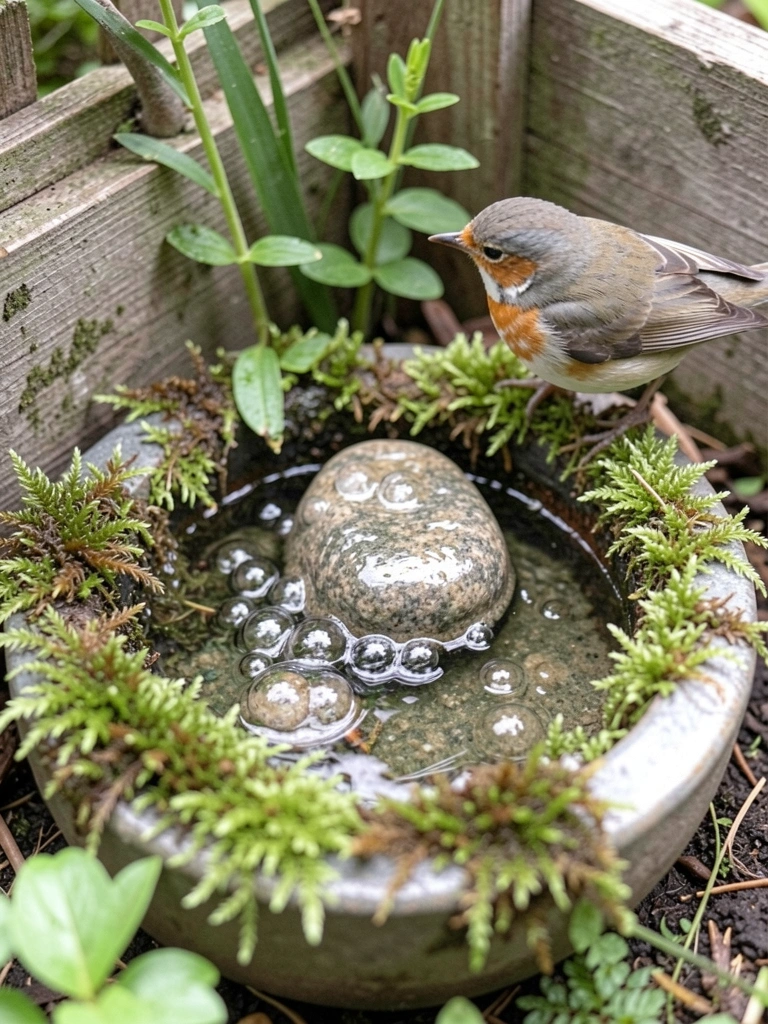
I installed a simple bubbler and watched birds arrive in weeks. It’s a shallow basin with a small pump; nothing elaborate. I once used a too-powerful pump that splashed everywhere—now I use a gentle flow.
The sound softens nearby noise and brings motion. Cleaning is easy and I enjoy topping the water and watching activity.
Tip: place near shrubs for birds to land safely.
What You’ll Need for This Look
- Shallow basin or ceramic bowl (12–18 inch)
- Small submersible pump with adjustable flow
- Bubbling stone or ornament
- Pebbles and a sponge for cleaning
Final Thoughts
You don’t need to do all of these.
Pick one that matches your time and mood, then live with it for a season.
Gardens change slowly. Small, honest projects give the most lasting pleasure.