How to Make a Rock Garden Without Plants for a Low-Maintenance Landscape
I’ve stood in beds that felt empty and unsure. I didn’t want more plants to fill the gap. I wanted something simple that stays calm all year.
So I learned to use stones, texture, and composition instead. It made the whole border feel finished. It’s quiet and easy to live with.
How to Make a Rock Garden Without Plants for a Low-Maintenance Landscape
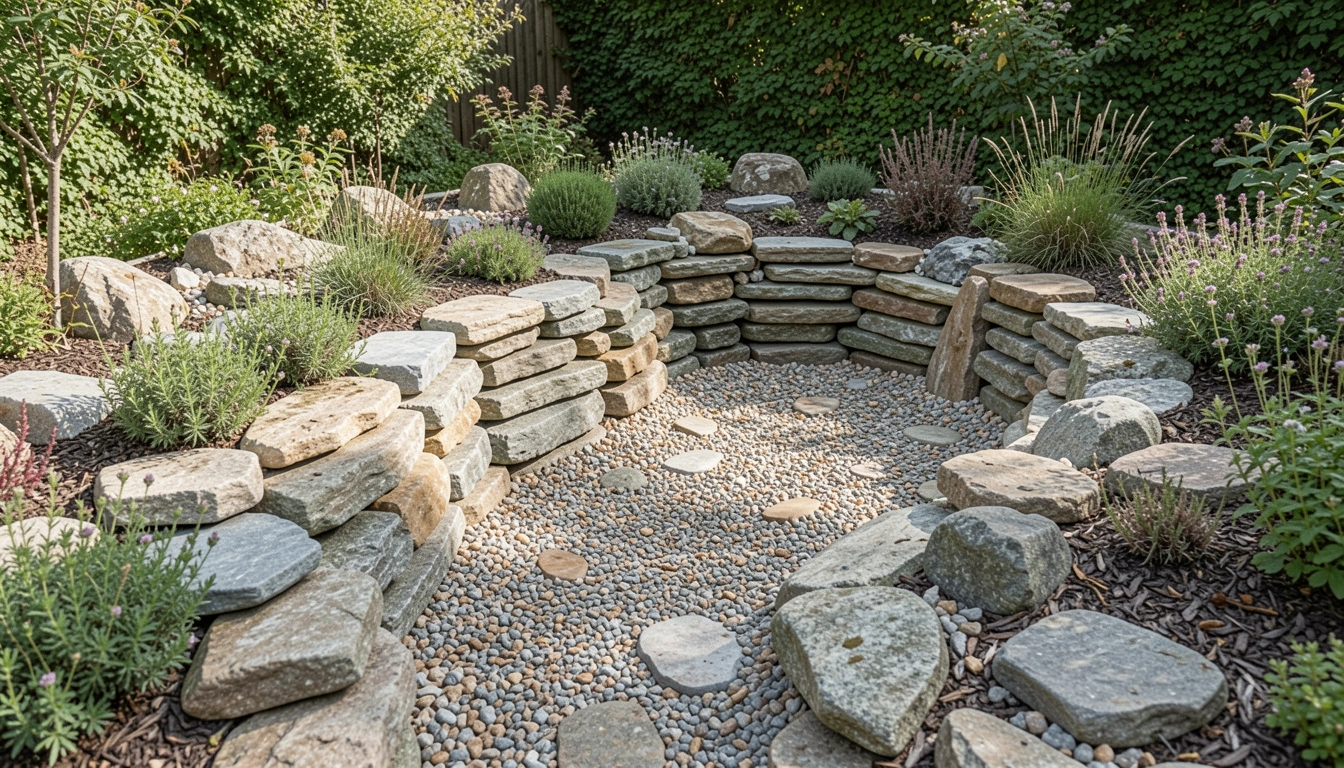
This shows you how I shape a plant-free rock garden that reads as intentional and lived-in. You’ll see how to get balance, scale, and flow so the space looks complete, not spare.
What You’ll Need
- Washed river stones (2–4 inch, mixed grays and tans)
- Small pea gravel (3/8-inch, light gray)
- Flat flagstones (large, irregular, sandstone)
- Medium boulders (1–2 ft, weathered surface)
- Low, weathered driftwood or log (3–4 ft)
- Coarse crushed stone for base (dark gray, angular)
- A few accent pebbles (polished or bright-colored)
- Mulch or decomposed granite for adjacent edges (warm brown)
Step 1: Choose the Shape and Anchor Points
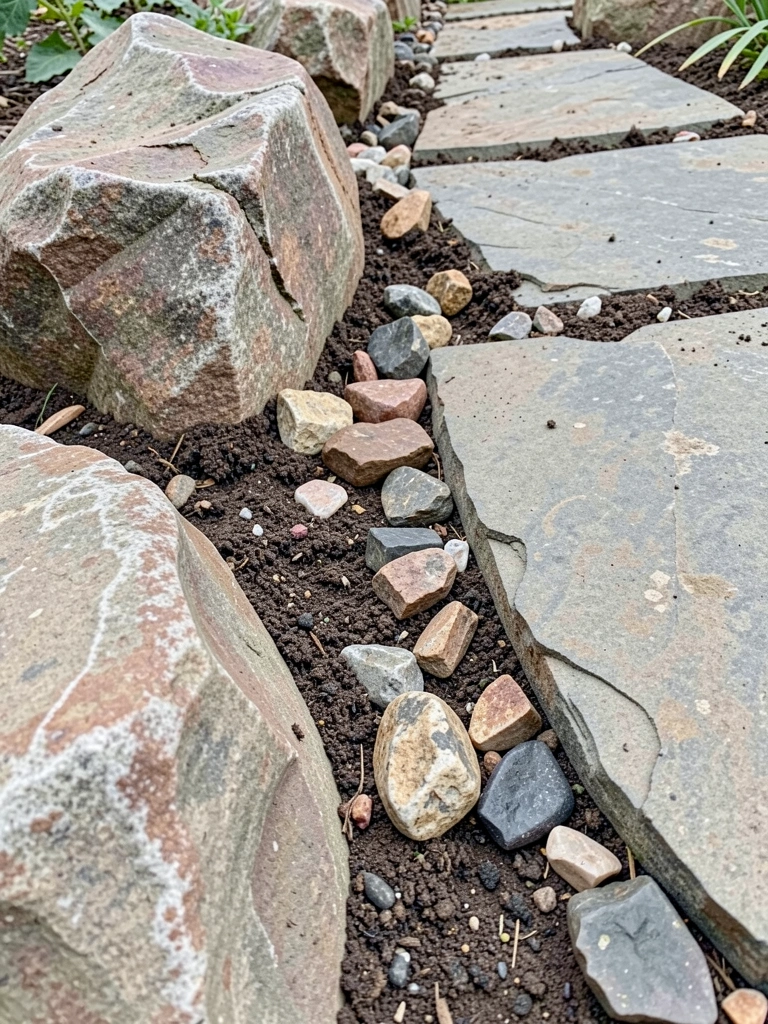
I walk the area and sketch the shape with my eye. I look for existing sightlines and decide where a big stone will sit. That anchor stone becomes the visual starting point. The change is immediate: the bed stops feeling like an afterthought and starts to read as intentional.
Most people underestimate scale. If the stone is too small, the garden looks fiddly. A common mistake is placing anchors in a straight line. Instead, stagger them so the eye moves naturally.
Step 2: Set Large Stones to Define Movement
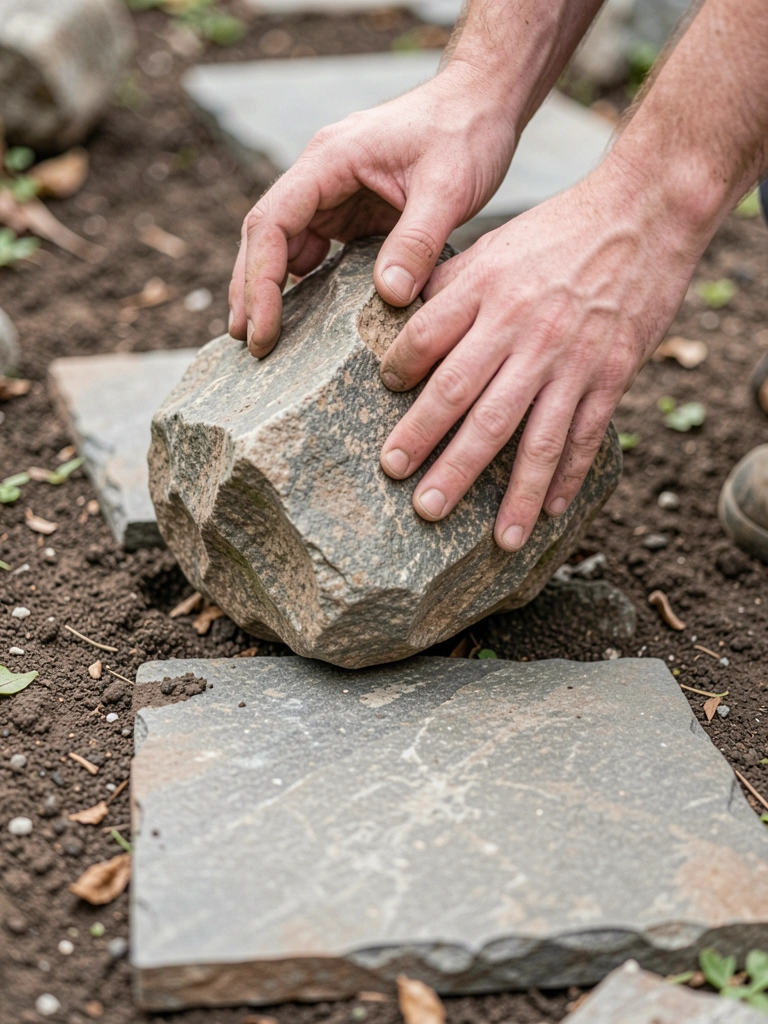
I place the largest stones next, thinking of movement rather than symmetry. I angle a boulder so it points toward a view or walkway. Then I lay a couple of flat flagstones to suggest a path or pause. Visually the bed gains lanes and resting spots. It feels like a room with furniture.
A lot of gardeners focus on neat rows. I avoid that and aim for counterbalances. One mistake is overpacking stones too close. Give each piece breathing room so textures read clearly.
Step 3: Fill Midground with Mixed Stones for Texture
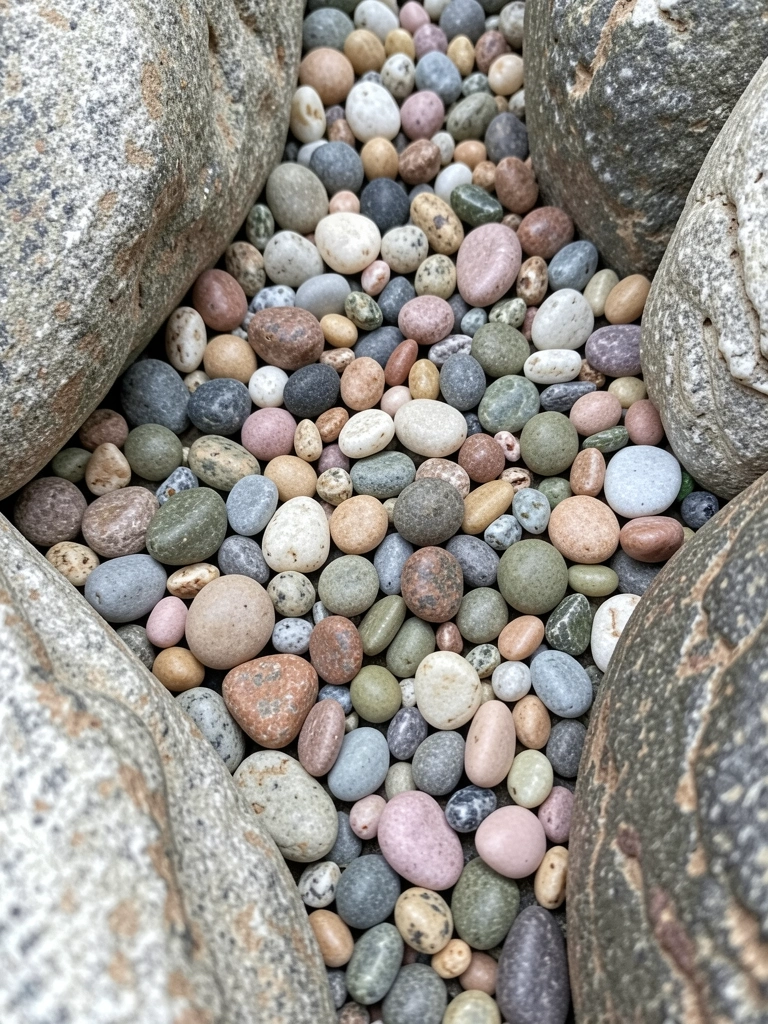
I mix river stones and pea gravel in groups, letting colors repeat across the bed. I keep clusters of similar tones together to create visual weight. This step softens the anchors and ties them to the ground. The surface goes from bare to intentionally textured.
An insight people miss is rhythm: repeat stone color or size at least three times. A common slip is uniform coverage. I leave small gaps and pockets to avoid a monotonous carpet.
Step 4: Add Accent Pieces for Human Scale
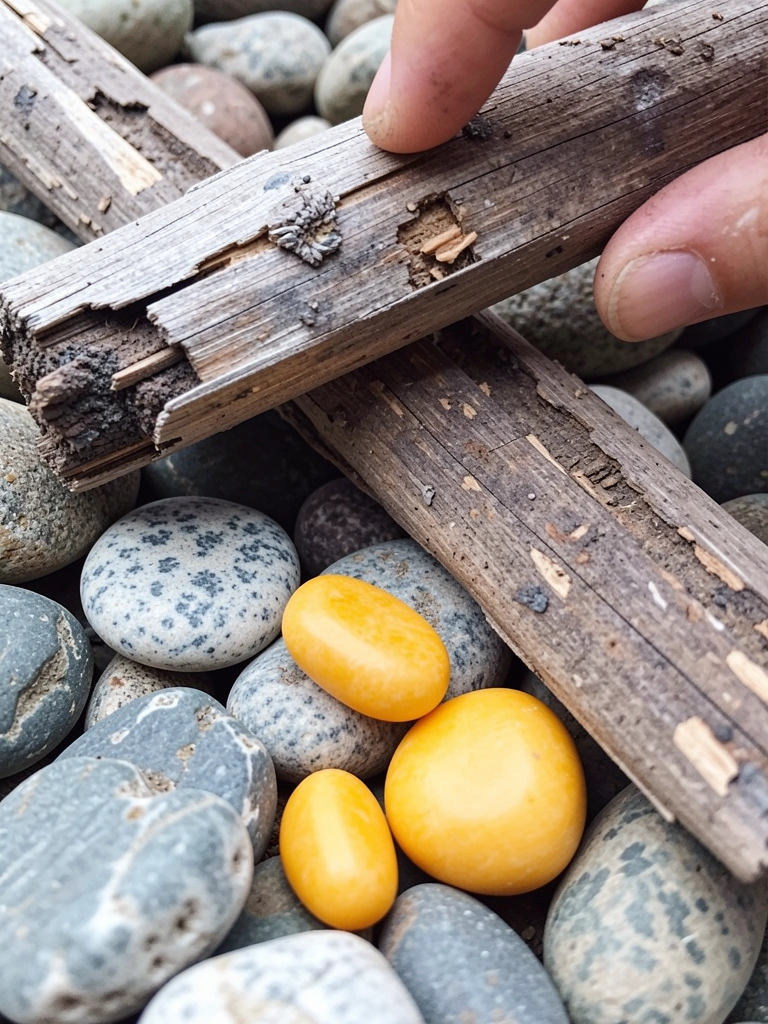
I add one or two non-stone accents—driftwood, an old ceramic shard, or a round boulder with a warm color. These give scale and a human touch. They break up stone textures and make the scene approachable. The bed looks curated, not clinical.
People often forget how small accents change perception. Avoid too many accents. One focal non-stone item keeps the scene calm and comfortable.
Step 5: Frame Edges and Plan for Seasonal Calm
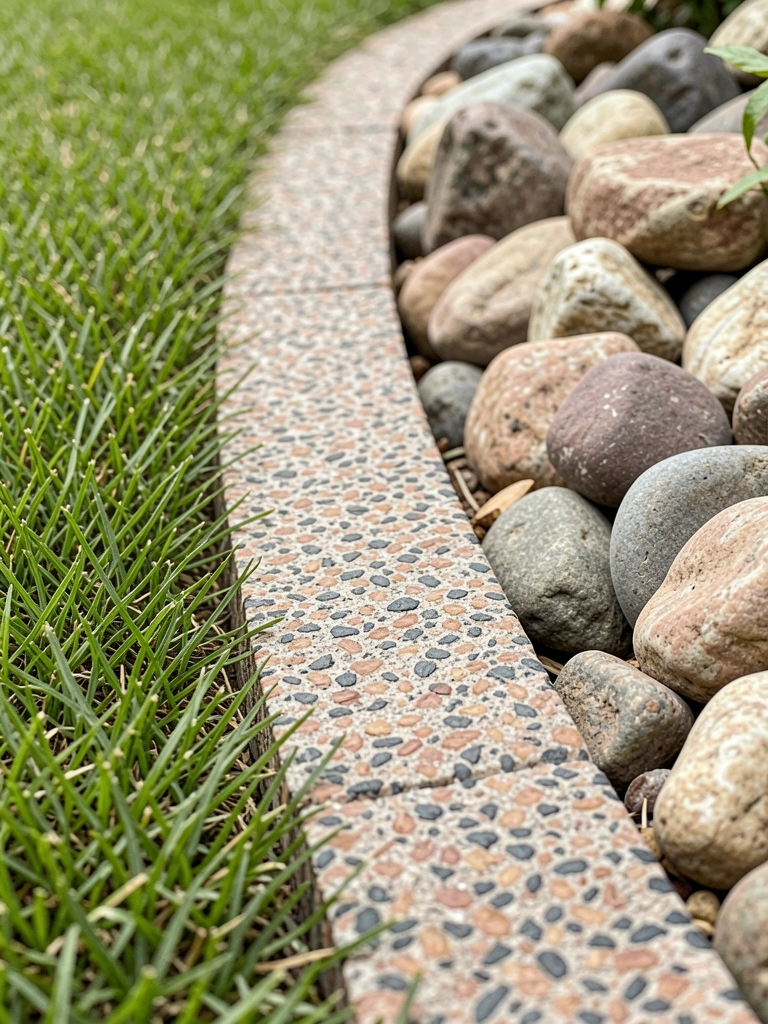
I finish by softening the hard edge with decomposed granite or a thin mulch band. I stand back and check balance from the path. The final move is always about the edge because it decides whether the garden feels integrated. The bed should read as part of the yard, not a separate object.
A frequent oversight is sharp, abrupt borders. Don’t make it a moat. A gentle transition keeps the look relaxed and low-maintenance.
Placement and Scale Tips
Think about where people look from. A rock garden under a window needs lower stones. One near a driveway can take bolder pieces. I size stones to match the house and other garden elements.
Keep proportions consistent. If the yard is small, use compact stones and tighter groupings. In larger yards, let pieces breathe and increase the scale of anchors.
Low-Maintenance Care
This design is low-effort but not invisible. I sweep leaves off the surface and rake pea gravel once a season. Gravel may settle; I top it up lightly as needed.
Avoid heavy planting near the edges. Too many roots push stones apart. Keep the area clean and it stays simple for years.
Common Problems and Fixes
If the bed reads chaotic, step back and remove half the small stones. Less is often better. Reintroduce repeated colors or textures to restore rhythm.
If weeds appear, pull them and add a thin topcoat of gravel. Preventive attention in the first year saves work later.
Final Thoughts
Start with a small corner. Lay one anchor stone and live with it for a week. You’ll see how scale and balance feel in real life.
This approach is forgiving. You can nudge stones, add a pebble, or remove an accent and it still works. It’s quiet, simple, and made to be lived with.