11 Whimsical Butterfly Garden Decor
I learned the hard way that butterflies respond to small, honest things—not perfect layouts.
I started with big plans and kept what worked: nectar close to shade, landing spots, and a few thoughtful accents.
These ideas are what stayed in my garden after seasons of trial and error.
11 Whimsical Butterfly Garden Decor
These 11 ideas are simple, usable, and rooted in real mistakes I made.
I include practical notes so you can pick what fits your space.
You’ll get 11 clear, garden-tested decor ideas to invite butterflies closer.
1. Painted Milkweed Stake Markers
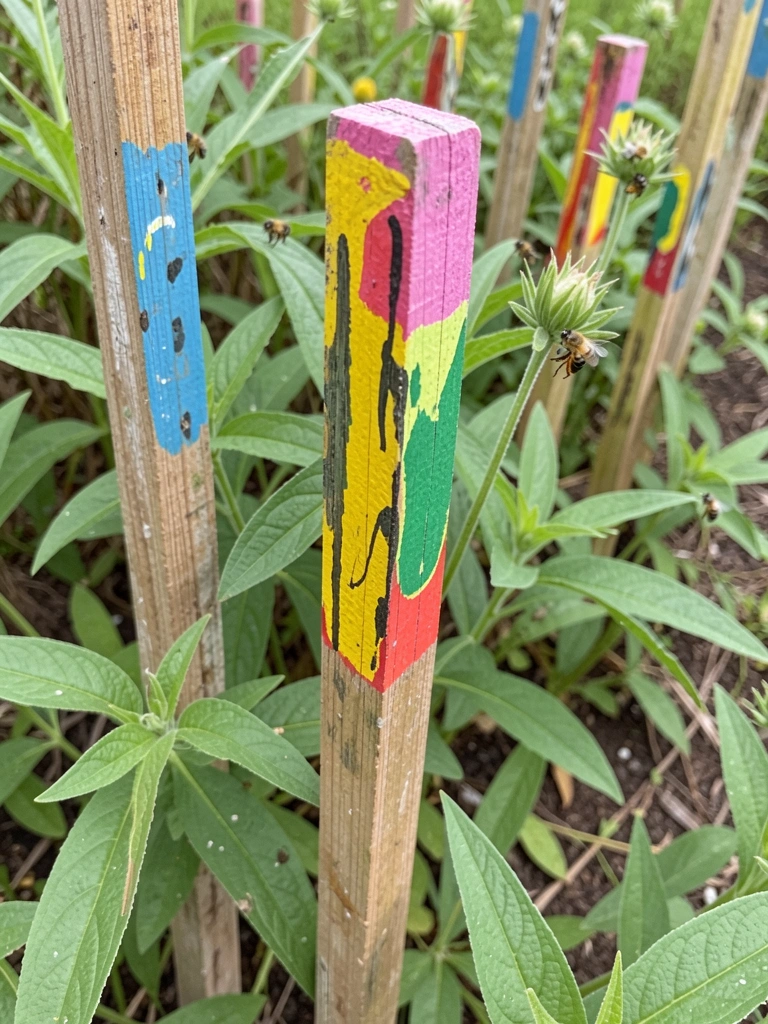
I planted milkweed and then realized visitors couldn’t find the little patch among tall grasses. I painted simple stakes with leaf shapes and colors to catch my eye and the butterflies’ landing spaces look deliberate now.
It feels hand-made and casual, not a formal sign. I made one too bright at first; butterflies didn’t mind, but I did, so I toned the colors back.
Use stakes to guide attention and patch placement. Don’t overdo the paint.
What You’ll Need for This Look
- Wooden garden stakes (3–4 ft)
- Outdoor acrylic paints (muted green, rust, cream)
- Milkweed plugs (Asclepias tuberosa or syriaca)
- Exterior clear sealer
2. Layered Container Planting That Draws Butterflies
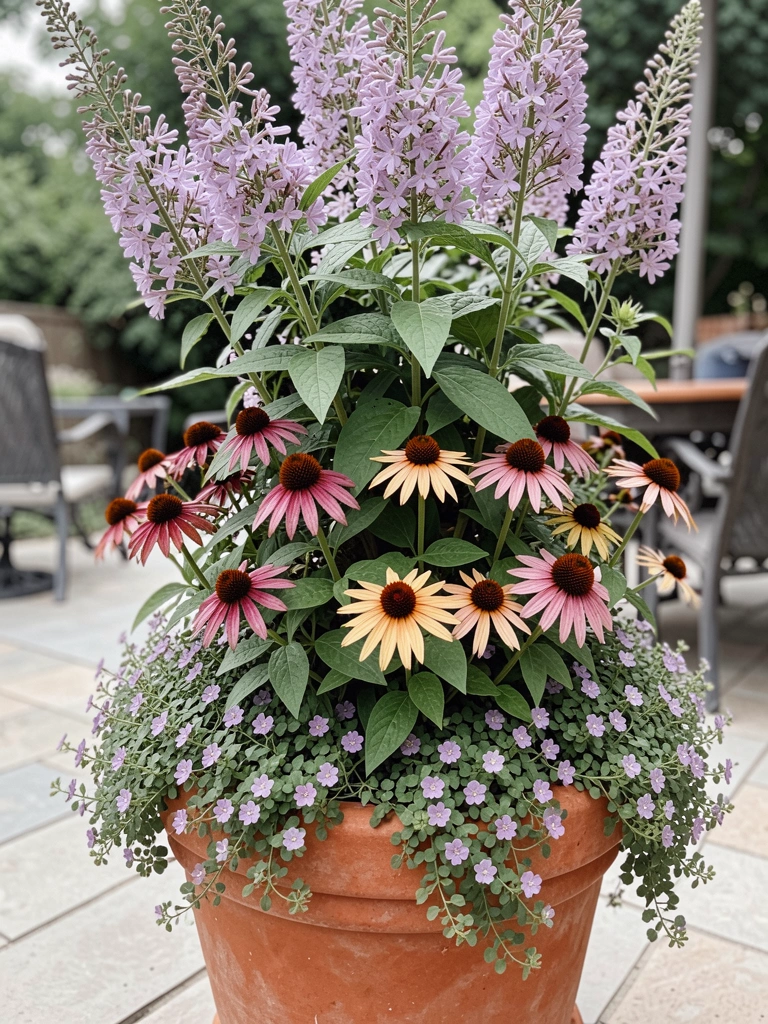
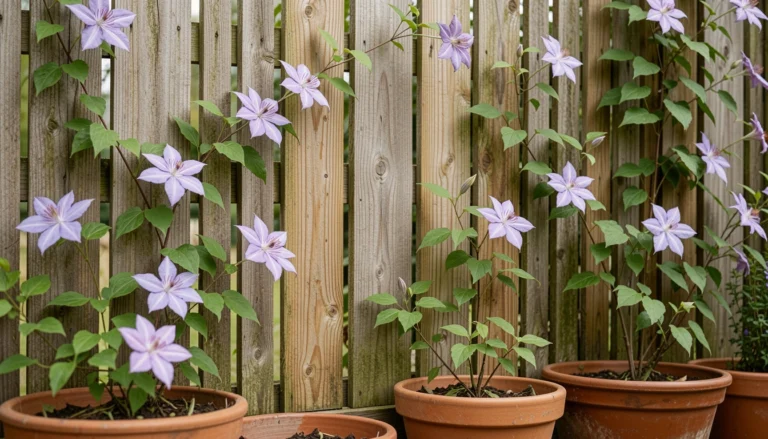
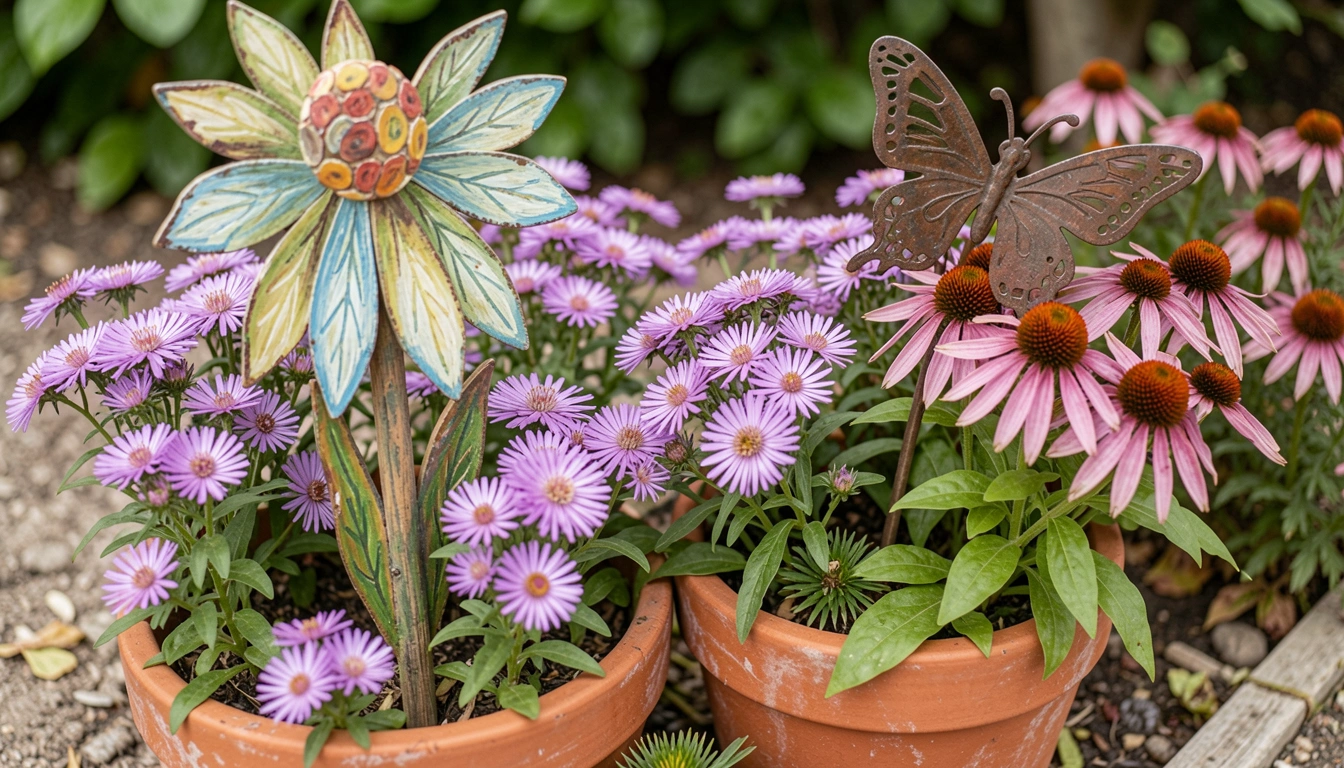
I used mismatched pots and a layered planting method on my patio. Tall stems give height, mid-level bloomers give color, and a trailing plant softens the edge. Butterflies land on the lower blooms before moving up.
At first I crowded the pots; growth was floppy. I learned to space layers and pick sturdier mid-size plants. The result feels full without being messy.
This is an easy way to have nectar near seating for close views.
What You’ll Need for This Look
- 18–24 inch terracotta or resin planter
- Tall plant (butterfly bush or Joe-Pye weed)
- Mid-height blooms (coneflower, salvias)
- Trailing filler (lobelia, alyssum)
3. Repurposed Window Frame Nectar Station
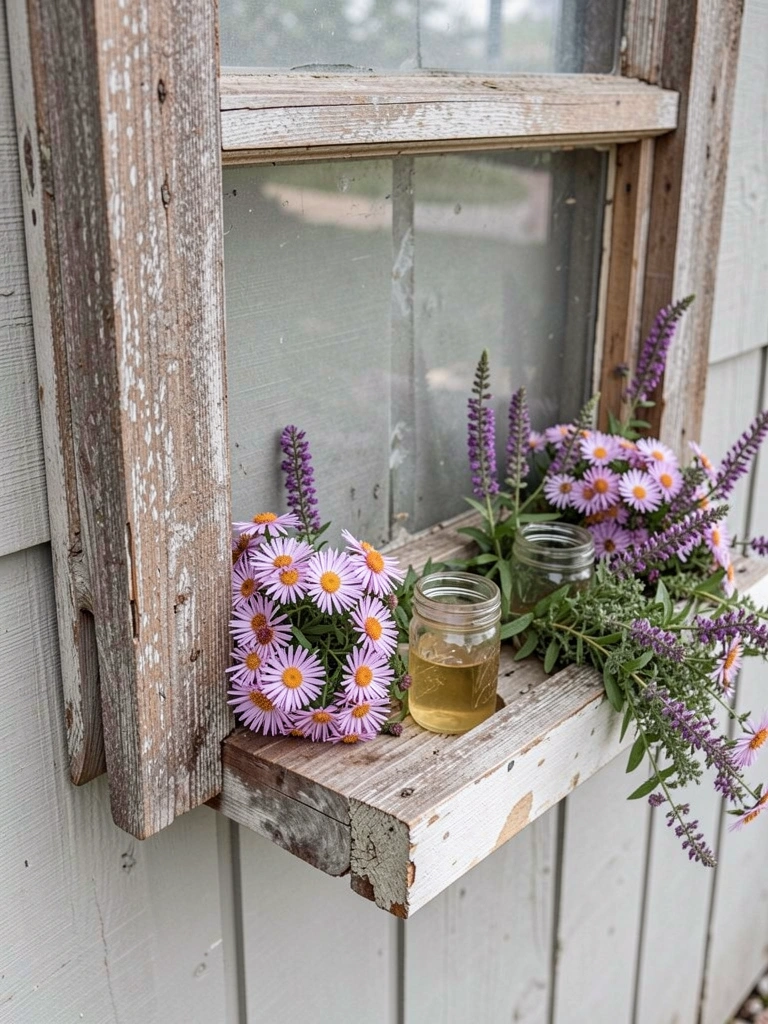
I hung an old window frame on the shed and clipped jars and small vases to it. It became a nectar station and a favorite spot for watching. Butterflies land on the rims and I get a slow, steady show.
My mistake was using thin glass at first; wind broke a couple. I swapped to thick mason jars and tied them securely. The frame gives structure without taking planting space.
This is great where ground space is tight but you still want nectar at eye level.
What You’ll Need for This Look
- Old wooden window frame (reclaimed)
- Mason jars or thick glass vases
- Twine or metal clips for hanging
- Nectar plants nearby (asters, monarda)
4. Butterfly-Friendly Rock Path with Host Plant Pockets
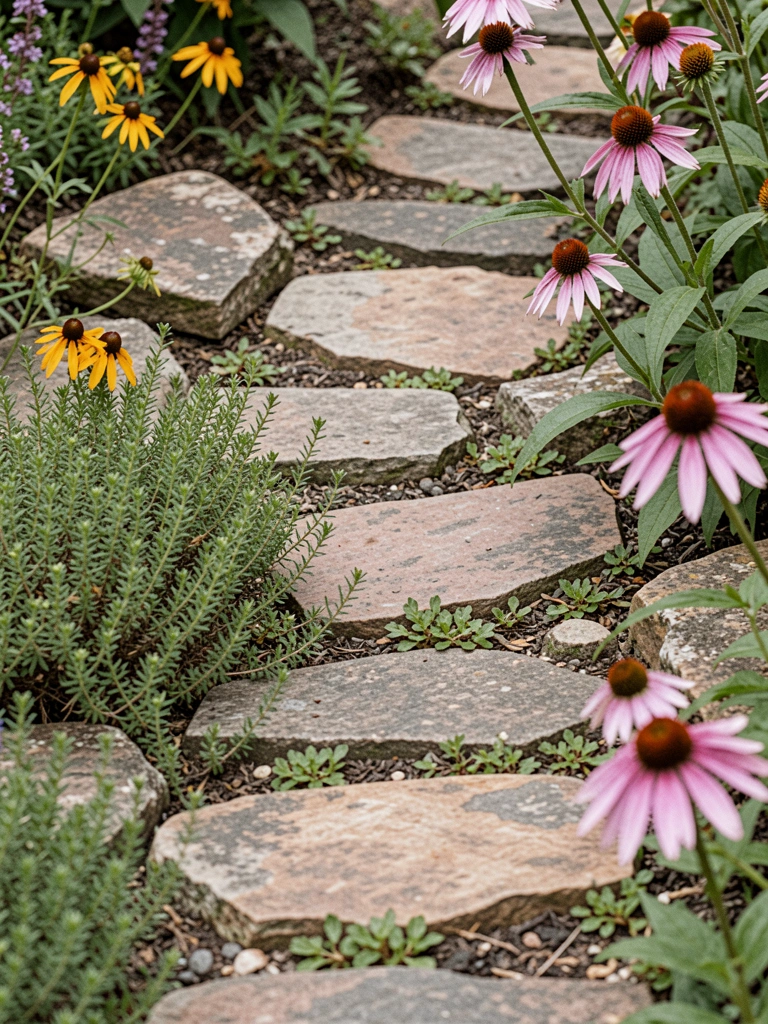
I replaced a plain stone path with one that leaves small planting pockets. I tucked thyme, dwarf milkweed, and dwarf salvias into the crevices. Butterflies use the path edges as warm resting spots and I love the natural, messy look.
I initially used too-tight mortar and plants struggled. Let pockets have loose soil and drainage. This is low-maintenance once established and makes wanderings feel accidental and lovely.
Keep the pockets varied in size to support different plants.
What You’ll Need for This Look
- Flagstone or irregular pavers
- Pocket soil mix (sandy loam)
- Low-growing herbs (thyme) and host plants (milkweed)
- Small hand trowel
5. Vintage Teacup Saucer Feeding Stations
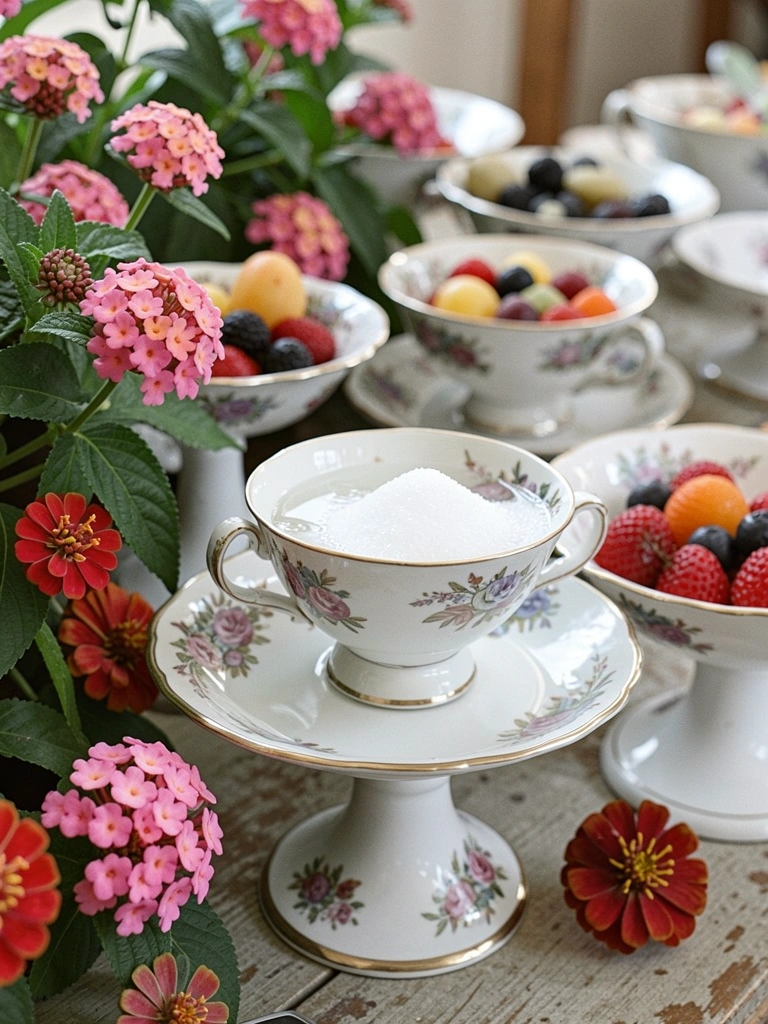
I set a few old teacup saucers on short pedestals filled with mashed overripe fruit. Butterflies love landing on the delicate edges. It feels cozy, like a small garden table for insects.
I learned to clean and refresh the fruit every couple of days. Once I forgot and it attracted ants. Now I move them under partial shade so they don’t bake.
This adds a human scale to the garden and makes for quiet observing moments.
What You’ll Need for This Look
- Vintage teacup and saucer sets
- Small pedestals or upturned bricks
- Overripe fruit (banana, peach)
- Small spoon for refreshing
6. Solar-Powered Mason Jar Lanterns for Evening Viewing
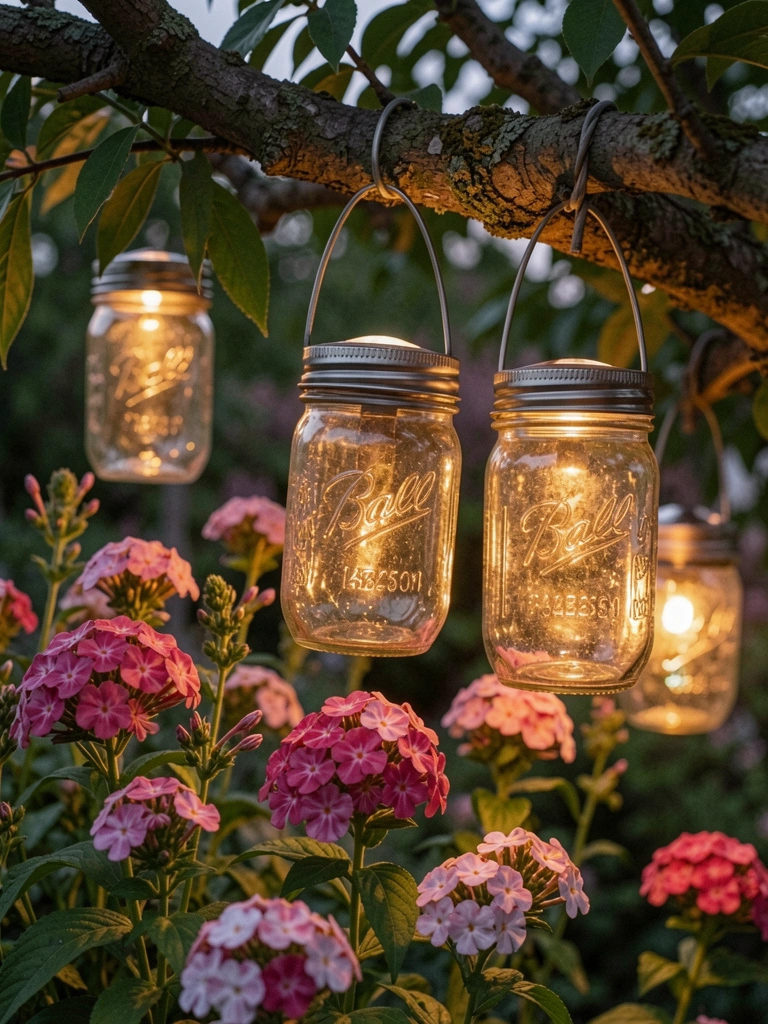
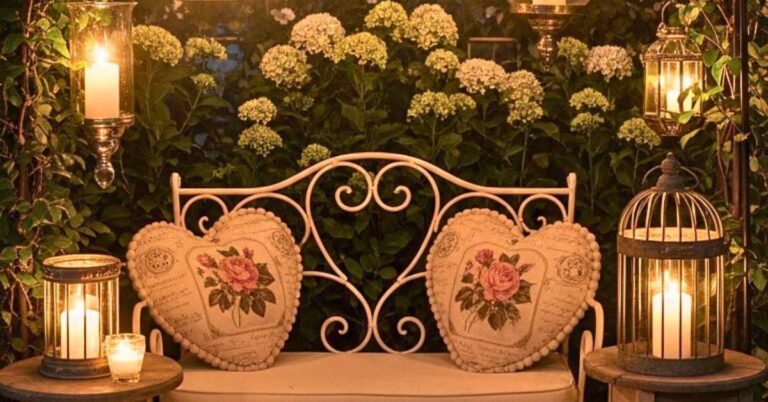
I hung solar mason jar lights above a late-blooming bed. They give a warm glow that draws moths and late butterflies at dusk. The jars are simple, and the light helps me see visiting insects without harsh glare.
A mistake I made was placing them where they shaded the plants during the day. I moved them higher so blooms get full sun. They now add gentle evening ambiance without interfering with growth.
Choose warm-white LEDs for a soft look.
What You’ll Need for This Look
- Solar mason jar lids with LED lights
- Quilted or regular mason jars (pints)
- Hanging wire or S-hooks
- Late-blooming nectar plants (phlox, goldenrod)
7. Living Wall of Native Nectar Plants
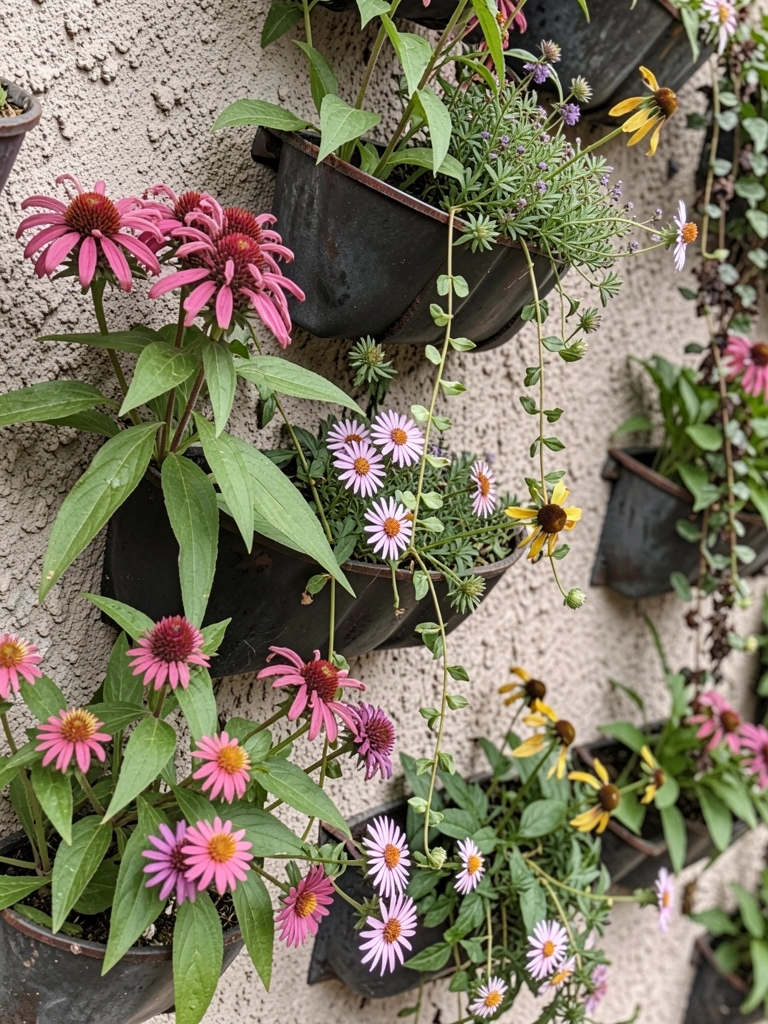
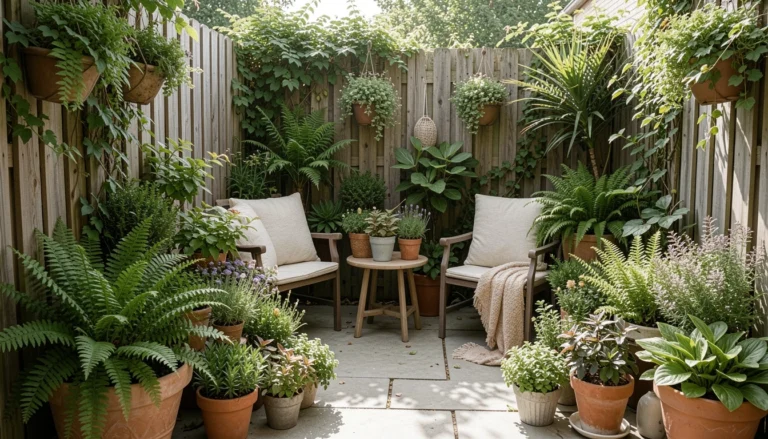
I built a vertical planter against a shady fence and filled pockets with layered native nectar plants. It gave me a dense, butterfly-rich area without losing ground space. The wall hums with wings in late summer.
I overplanted the first season and had to thin aggressively. Now I space pockets and rotate plants yearly. It’s more maintenance than a single bed but perfect for tiny yards or patios.
Use natives for resilience and stronger butterfly draws.
What You’ll Need for This Look
- Vertical pocket planter or pallet planters
- Native nectar plants (monarda, asters, milkweed)
- Lightweight potting mix
- Wall anchors/hardware
8. Painted Fence Mural with Built-in Planter Boxes
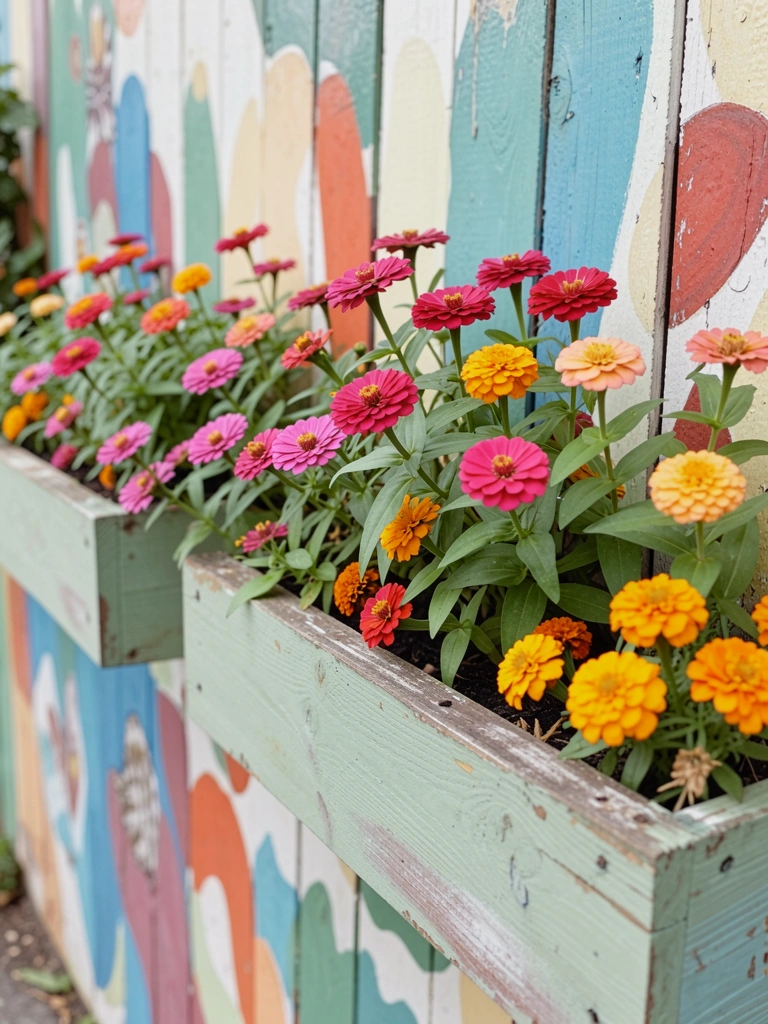
I painted a simple floral motif on a tired fence and added planter boxes below. The art draws attention to the planting and gives butterflies a backdrop for landing. It turned a blank wall into a scene.
At first I used glossy paint and it looked out of place. Matte, subtle tones worked better with plants. The boxes help contain vigorous volunteers and keep things tidy.
This is an easy way to add personality where the garden meets the edge.
What You’ll Need for This Look
- Exterior matte paint in 2–3 muted colors
- Cedar planter boxes (24–36 inch)
- Fast-draining potting mix
- Bright annuals (zinnias, marigolds)
9. Low Bench with Built-in Planter and Landing Pads
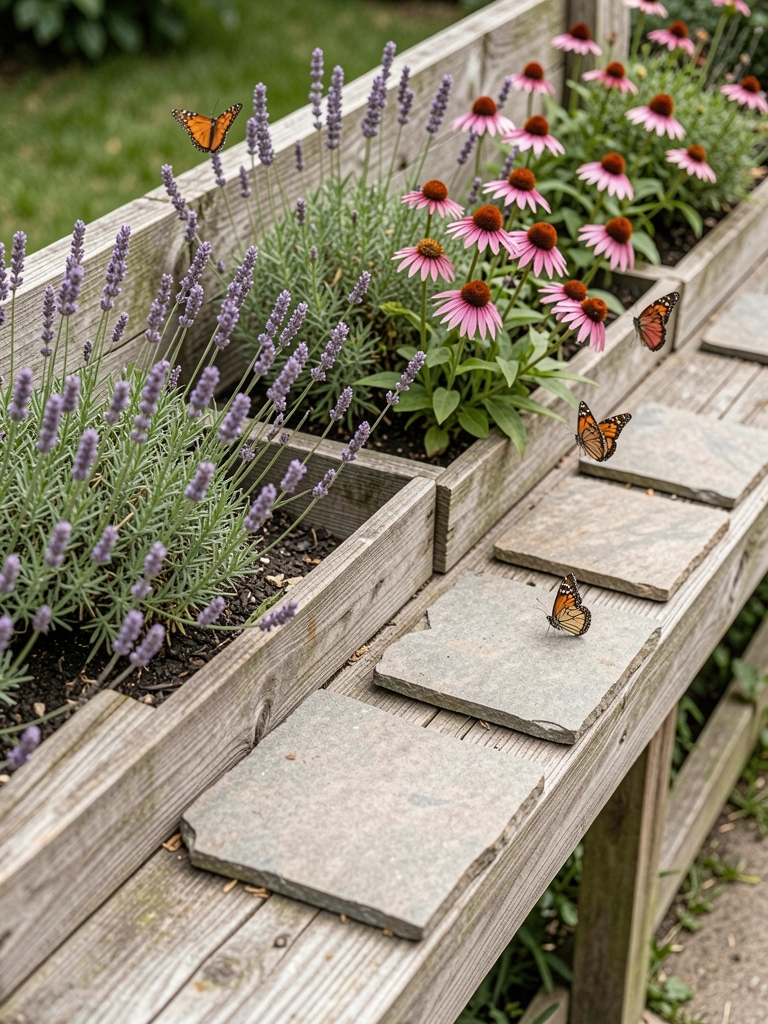
I built a small bench with planters at each end and flat stone landing pads in front. Sitting there is the best way to watch butterflies up close. The stones warm and provide secure takeoff spots.
My first bench sat too far from the plants and I was always too far away. Moving it within arm’s reach changed everything. It now feels like a living room seat for garden life.
Include low-maintenance perennials so the spot is quiet to relax.
What You’ll Need for This Look
- Small wooden bench with built-in planters
- Flat stepping stones for landing pads
- Perennials (lavender, coneflower)
- Outdoor-grade screws and sealant
10. Rain Chain with Moss and Pollen Shelves
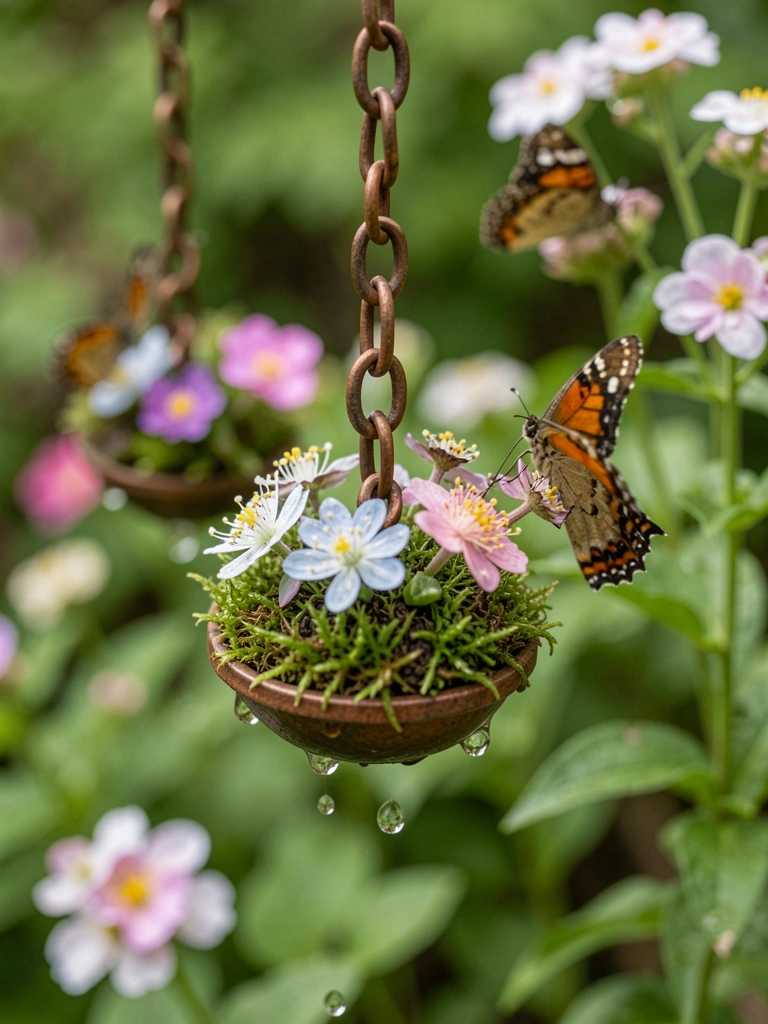
I swapped a noisy downspout for a rain chain that drops into shallow dishes with moss and small flowers. The moisture and moss create tiny microhabitats. Butterflies sip and rest after rainstorms.
I once used deep bowls and standing water attracted mosquitoes. Shallow dishes with good drainage solved that. The soft patter and the living dishes add a quiet center to the bed.
This works best near a mixed border so butterflies can dry off and feed nearby.
What You’ll Need for This Look
- Copper or metal rain chain
- Shallow moss-filled dishes or saucers
- Small moisture-loving plants (moss, sedge)
- Drainage pebbles
11. Mini Meadow Patch with Irregular Edging
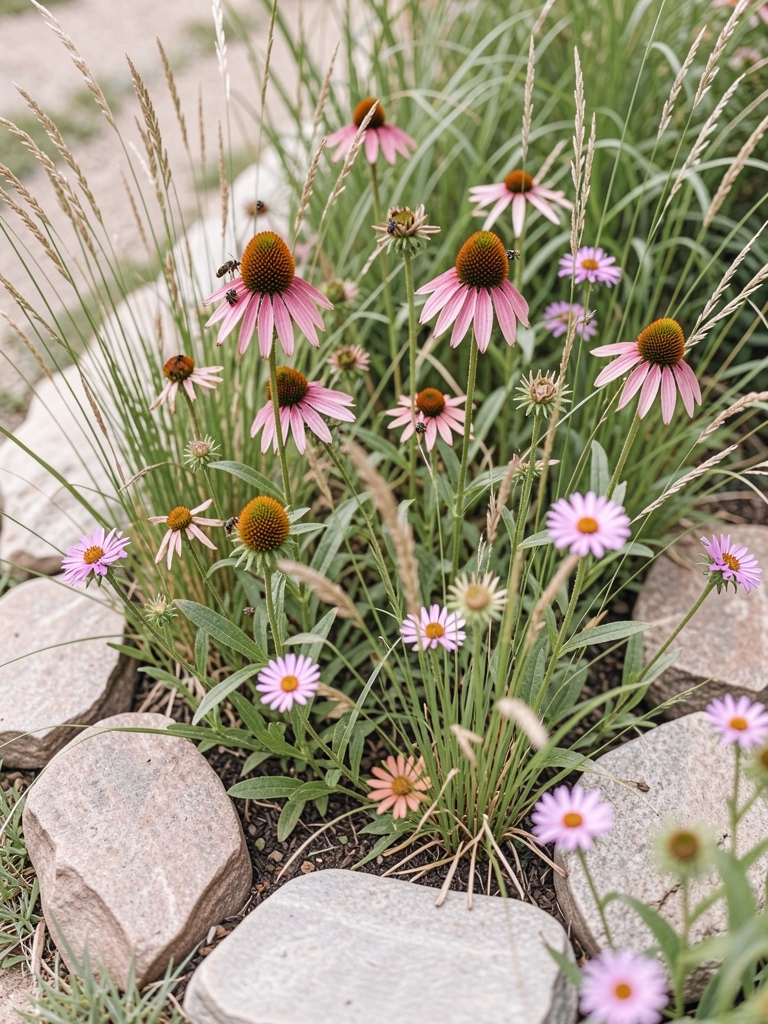
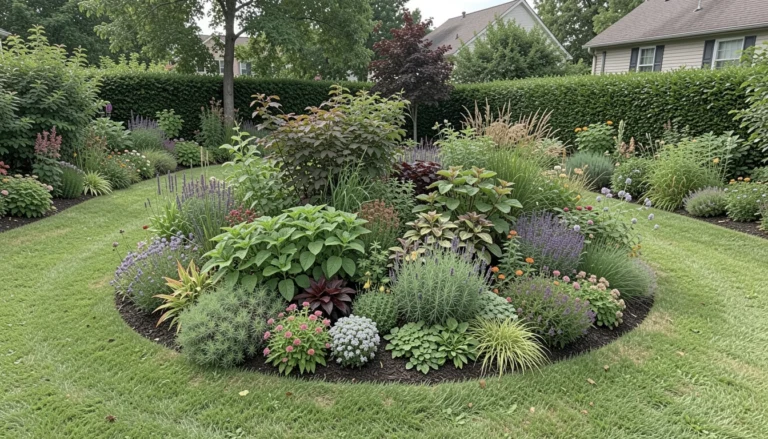
I turned a corner of lawn into a mini meadow with irregular edges. I planted a mix of native grasses, coneflowers, and asters. The rough edge invites butterflies and gives them places to land and hide.
Early on I tried to make a perfect curve and it looked fake. Letting edges be ragged made the patch read as natural. It’s a bit wilder, but that’s where the insects thrive.
This is forgiving and grows better each year as plants settle.
What You’ll Need for This Look
- Native seed mix or plugs (grasses, coneflower, asters)
- Irregular edging stones or no edging
- Lightweight rake and seed spreader
- Mulch for first-season establishment
Final Thoughts
You don’t need all these ideas. Pick one or two that fit your space and try them.
Gardening is slow. Small, honest changes bring the best visits from butterflies.
Start with what you can care for and keep observing.