13 Beautiful Butterfly Garden Ideas For Small Spaces
I finally learned that you don’t need a yard to invite butterflies. I started with one pot and now I can count species from my kitchen window.
This list is practical and messy—what worked, what failed, what surprised me.
I kept each idea small and doable so you can pick one and get planting.
13 Beautiful Butterfly Garden Ideas For Small Spaces
These 13 ideas are hands-on, budget-friendly, and genuinely small-space friendly.
I show what I planted, what I messed up, and what to buy.
Pick one idea and try it—these are the 13 I use.
1. Layered Container Planting That Makes a Patio Feel Full
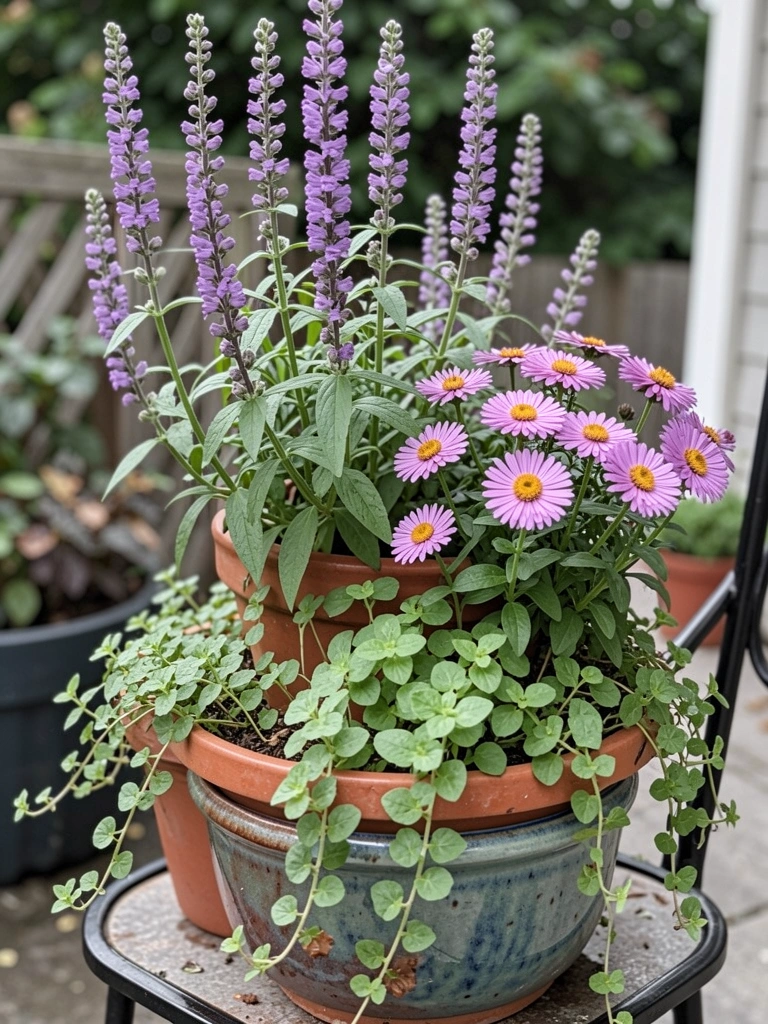
I planted three pots together and suddenly the corner felt alive. Taller salvias in back, a midlayer of asters, trailing bidens in front gave height and constant blooms.
I learned the hard way to match root depth; deep-rooted mums choked a shallow geranium pot once. Use pots with similar soil needs.
Visually it reads like a small border. Butterflies move easily from pot to pot. I keep a watering can handy; pots dry faster.
What You’ll Need for This Look
- Terracotta planter set (12–16 inch)
- Organic potting mix
- Salvia, asters, bidens (or similar bloom times)
- Long-spout watering can
2. Vertical Pocket Garden with Native Milkweed
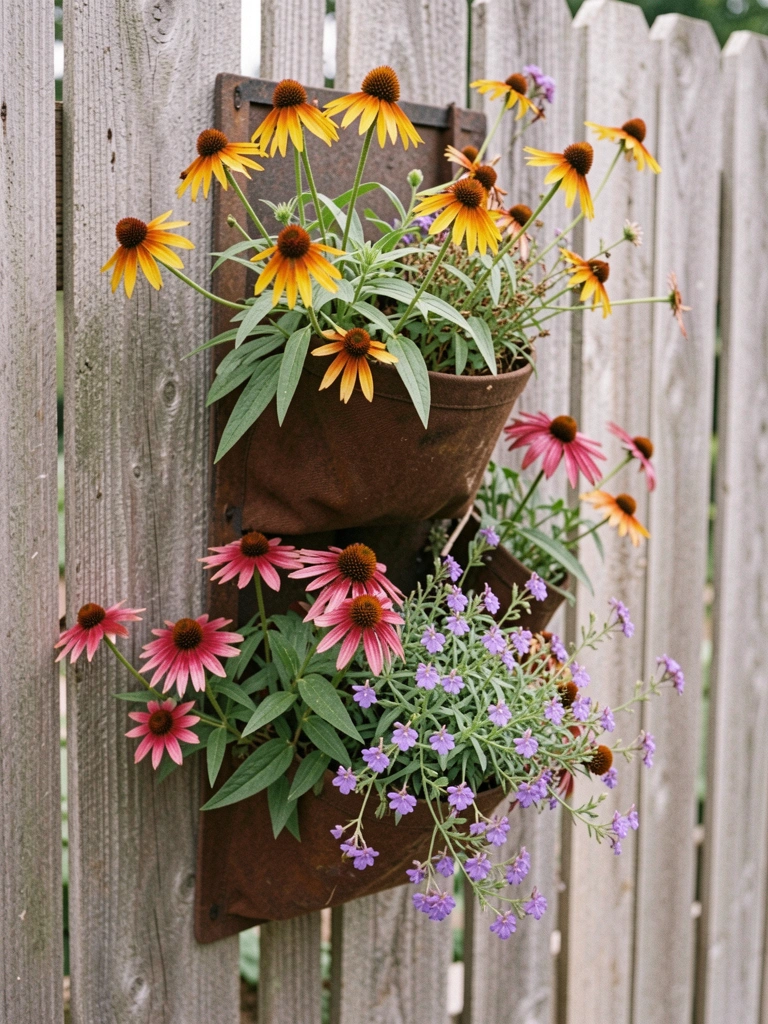
I hung a felt pocket system on a narrow fence and added milkweed pockets. Monarch caterpillars found it within weeks.
At first I overwatered; the pockets held too much moisture and roots rotted. I switched to a lighter mix and watered sparingly.
It’s surprising how much nectar I get from a vertical strip. The mix of milkweed and nectar plants keeps butterflies browsing at eye level.
What You’ll Need for This Look
- Wall-mounted felt pocket planter
- Fast-draining potting mix
- Tropical or swamp milkweed plugs
- Coneflower and lobelia seedlings
3. Window Box Pollinator Strip for Sunny Sills
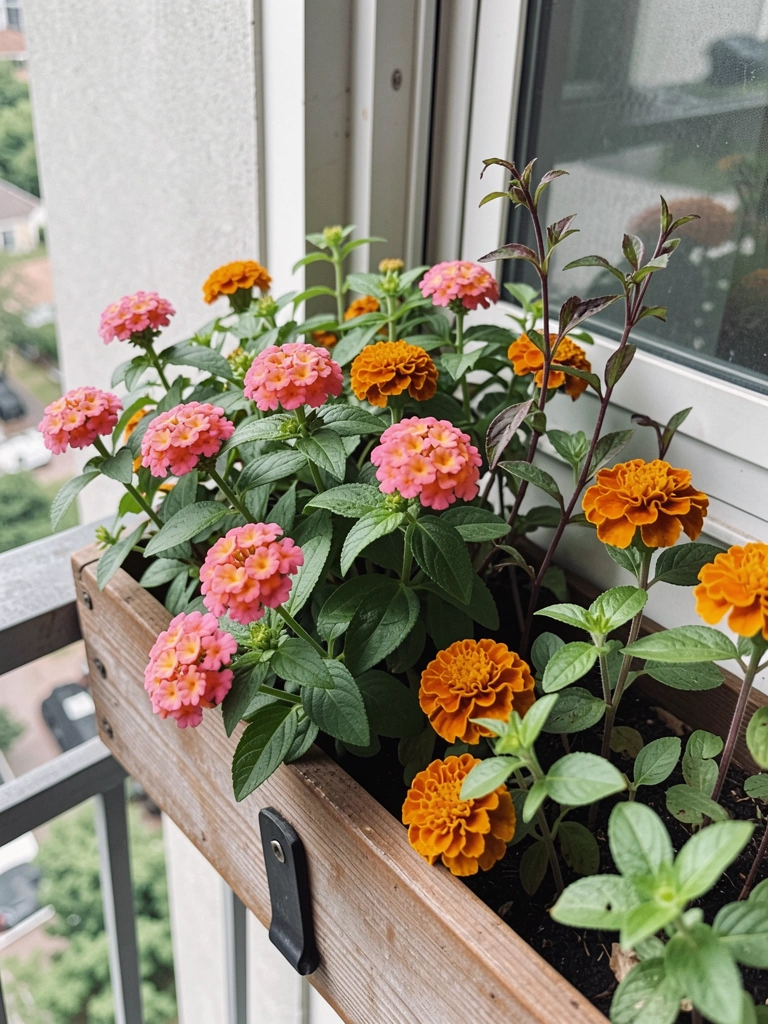
I turned my window into a pollinator strip. Lantana and marigolds bloom nonstop, and a dwarf butterfly bush anchors the middle.
I used too-small boxes once and plants got root-bound. Now I choose boxes at least 18 inches deep and replace soil yearly.
Butterflies love the high vantage point. I sit at the sink and watch them sip. It’s low-effort and gives me steady color.
What You’ll Need for This Look
- Wooden window box (18 inch)
- Coco coir potting mix
- Dwarf butterfly bush, lantana, marigolds
- Drainage liner
4. Mini Meadow in a Raised Planter
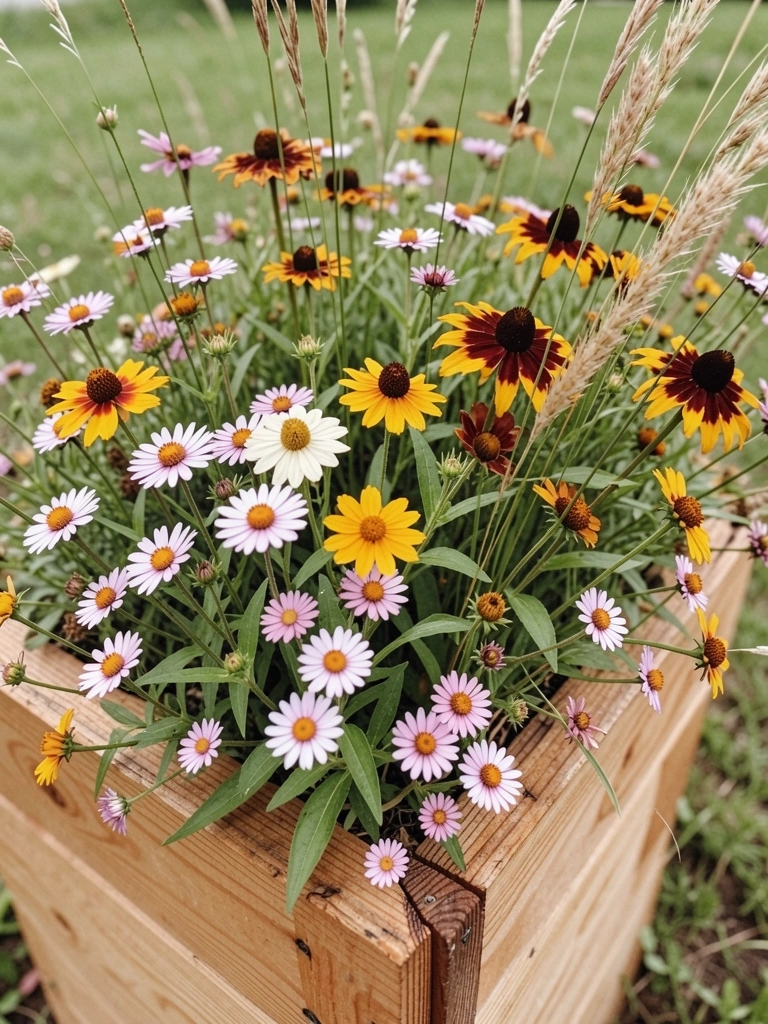
I ripped out a formal bed and planted a mini meadow in a small cedar box. It felt wild and I loved how butterflies claimed it.
I underestimated seed mix variety at first; it resembled a single species. I learned to buy a certified pollinator seed blend for diversity.
The meadow cycles through blooms so something is always attractive. I cut a path through taller stems for close viewing.
What You’ll Need for This Look
- Raised cedar planter (3–4 ft)
- Pollinator seed mix (diverse native species)
- Lightweight compost
- Small hand rake
5. Host-Plant Focus: A Tiny Milkweed Corner
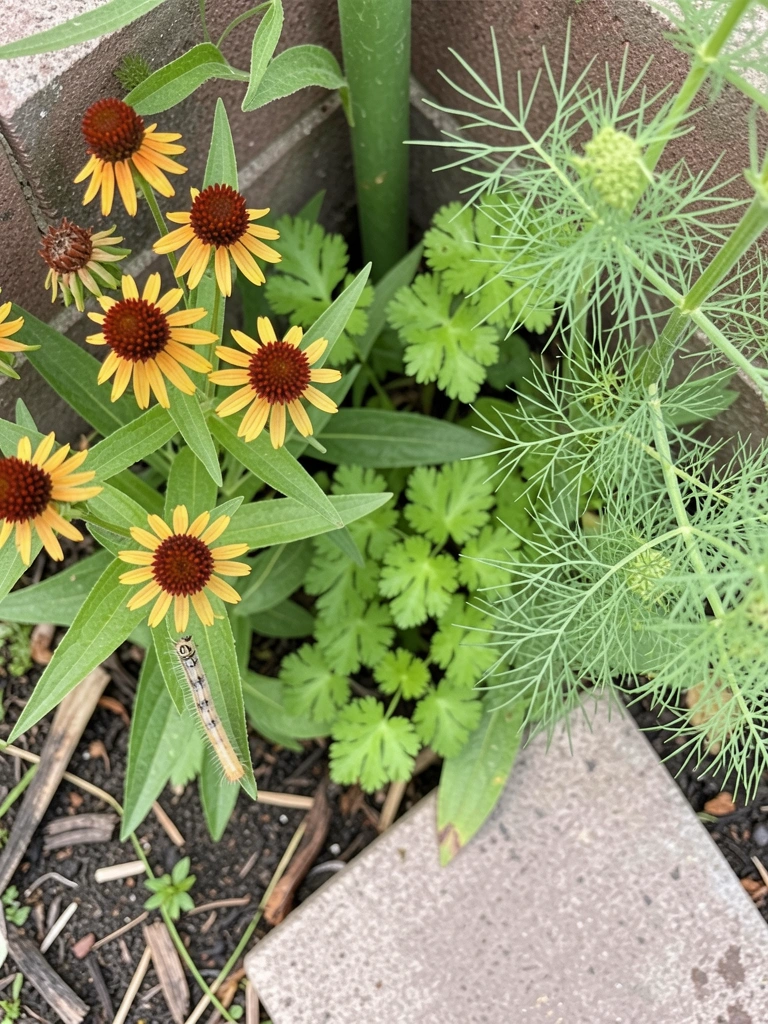
I dedicated a 2×2 foot corner to host plants. Milkweed for monarchs, parsley for swallowtails, and fennel for black swallowtails—it became a caterpillar nursery.
I made the mistake of planting too close to the foundation once; caterpillars were hard to watch. Now I leave a little stepping area.
Having host plants felt intimate. Watching the lifecycle from egg to butterfly on a single corner made the effort worthwhile.
What You’ll Need for This Look
- Swamp milkweed plugs
- Parsley and fennel seedlings
- Small stepping stone
- Mulch
6. Twilight Garden with Night-Bloomers and Soft Lights
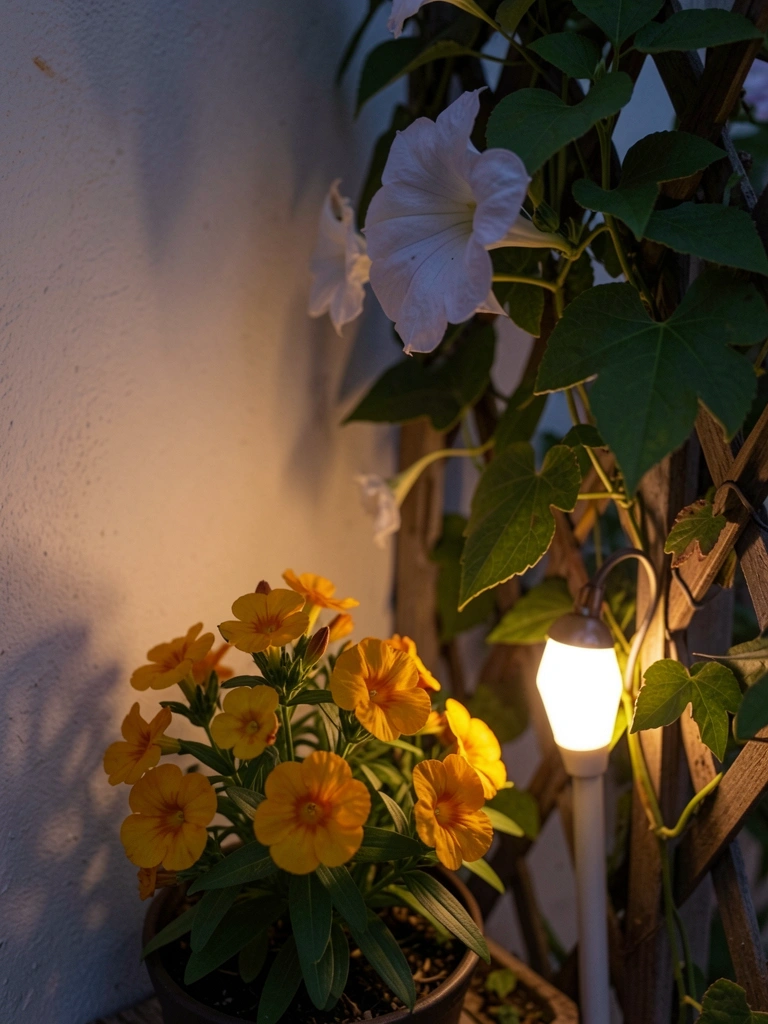
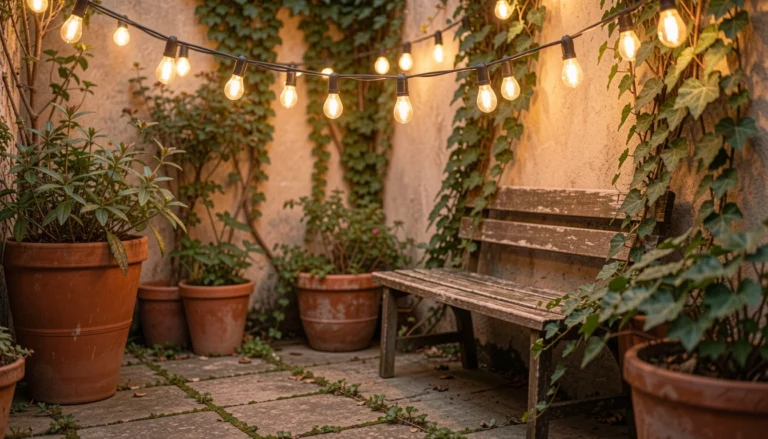
I wanted butterflies that visit at dusk, so I planted evening primrose and moonflower. Soft solar lights made it readable without startling the insects.
I learned not to oversaturate with lights; too bright kept everything away. Warm, low-output lights work best.
This corner invites late sipping and quiet moments. The scent and softer colors attract moths and some butterfly species I didn’t see in daytime.
What You’ll Need for This Look
- Moonflower seeds or vine
- Evening primrose plants
- Warm white solar stake lights (low lumen)
- Small trellis for support
7. Herb Border That Doubles as Nectar Trail
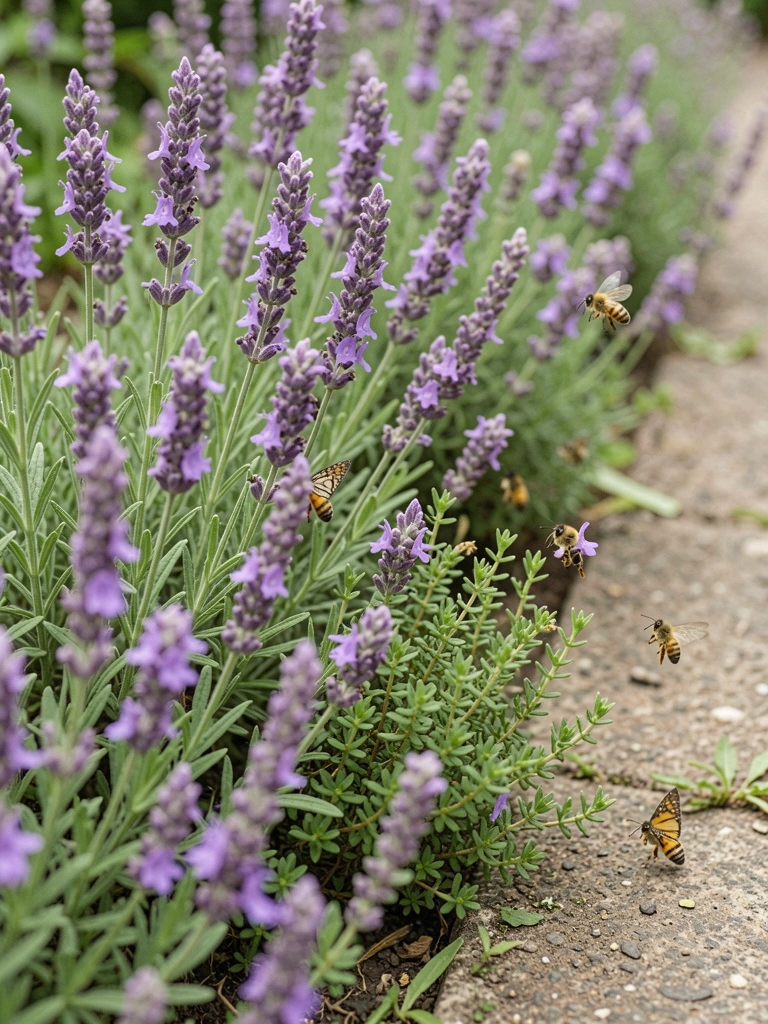
I planted a narrow herb border along my path. Lavender, thyme, and borage bloom and pull butterflies through the space.
I once pruned lavender too aggressively and missed a bloom cycle. Now I prune lightly and in stages to keep steady flowers.
It’s useful and fragrant. I harvest the herbs and still have continuous nectar for visitors. Butterflies love landing on thyme’s low flowers.
What You’ll Need for This Look
- Lavender, thyme, borage plants
- Narrow edging stones
- Well-draining soil
- Hand pruners
8. Rocky, Drought-Tolerant Patch with Native Milkwort
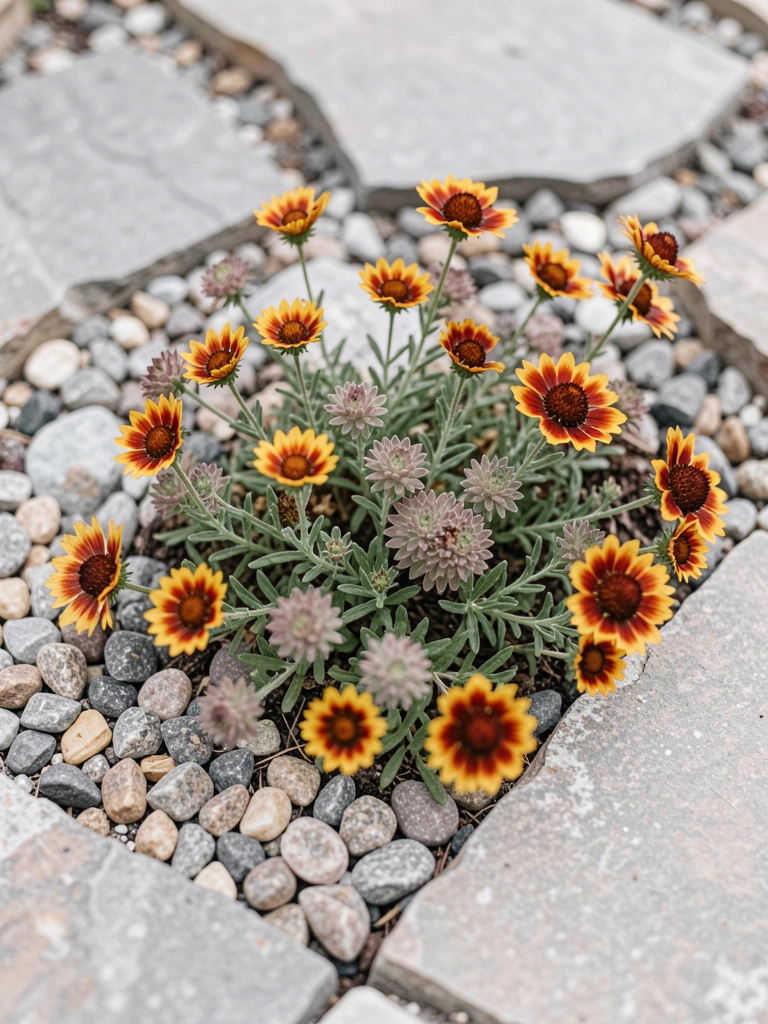
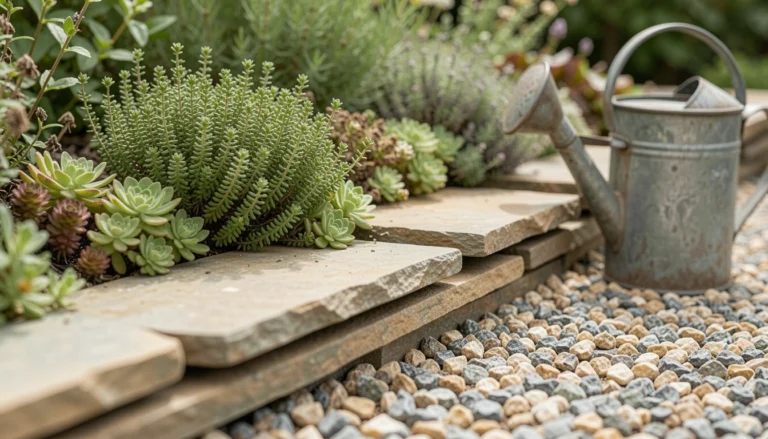
I carved out a sunny strip and layered gravel over poor soil. I planted milkwort, sedum, and gaillardia. It required almost no watering after establishment.
I initially used too-fine gravel and the soil stayed damp. Coarser grit improved drainage and plant health.
The contrast of rocks and bright flowers looks natural. Butterflies bask on stones and sip from low blooms. It’s surprisingly vibrant with minimal fuss.
What You’ll Need for This Look
- Coarse gravel and landscape fabric
- Drought-tolerant native plants (milkwort, sedum, gaillardia)
- Flat stepping stones
- Small hand trowel
9. Small Water Feature: Birdbath and Shallow Basin
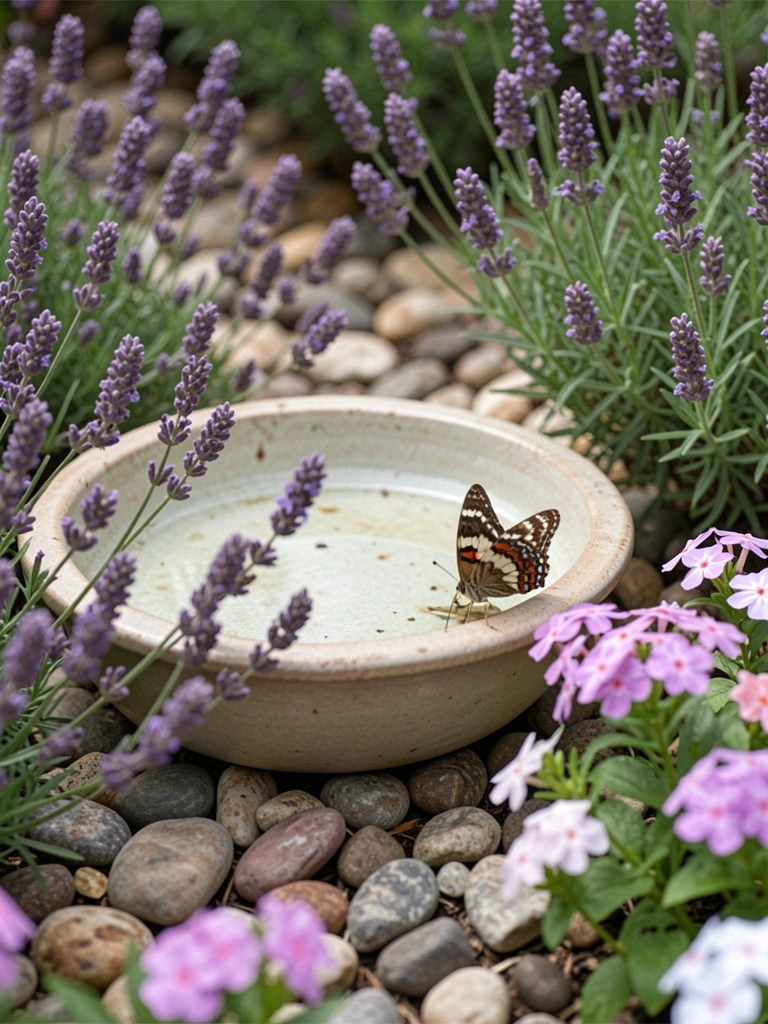
I added a shallow birdbath and noticed butterflies drinking within days. A damp place is often what they look for on hot afternoons.
Once I picked a deep bowl and had to add pebbles for insects to land on. A shallow basin or stones near the edge is essential.
Water makes the garden feel alive. Butterflies, birds, and bees use it. It’s small but becomes the spot everyone visits.
What You’ll Need for This Look
- Shallow ceramic birdbath (6–8 inch basin)
- Decorative pebbles
- Phlox and lavender for edges
- Small scoop for topping up water
10. Balcony Railing Planters with Continuous Bloom
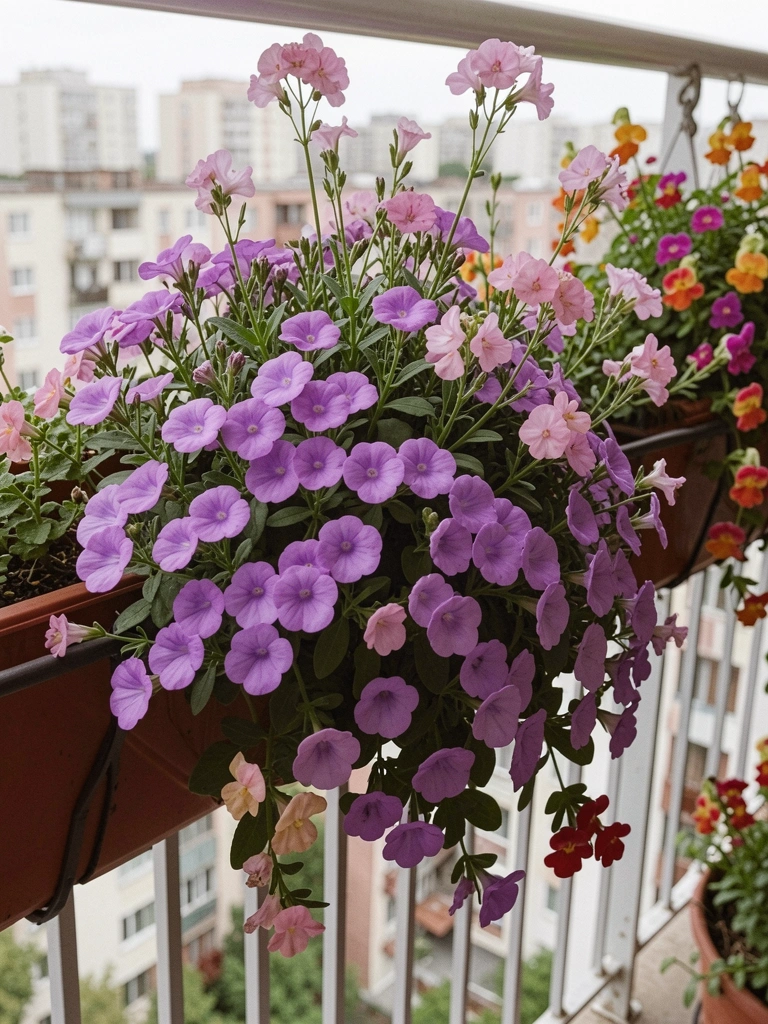
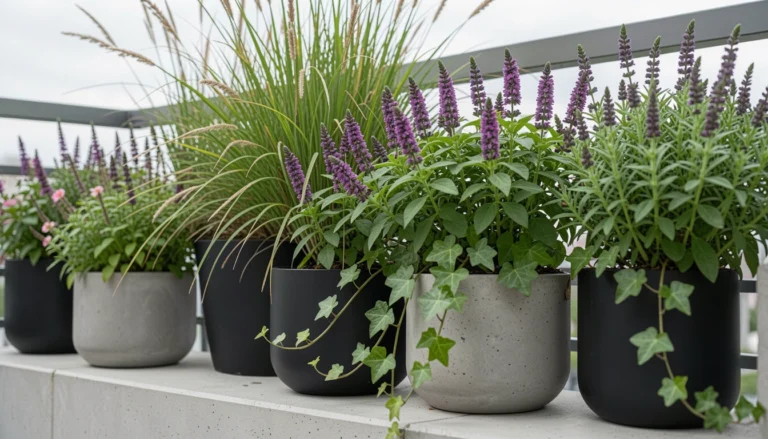
My balcony railing planters became a nectar highway. Trailing calibrachoa and gaura kept blooms spilling over for months.
I once filled railing boxes with heavy clay pots and they sagged. I now use lightweight fiberglass planters and secure brackets.
The vertical drop attracts butterflies from street level. It’s an easy swap if you want color without occupying floor space.
What You’ll Need for This Look
- Railing planter boxes (24 inch, lightweight)
- Secure planter brackets
- Calibrachoa, gaura, dwarf snapdragon
- Lightweight potting mix
11. Repurposed Wheelbarrow Planter as a Focal Mini-Garden
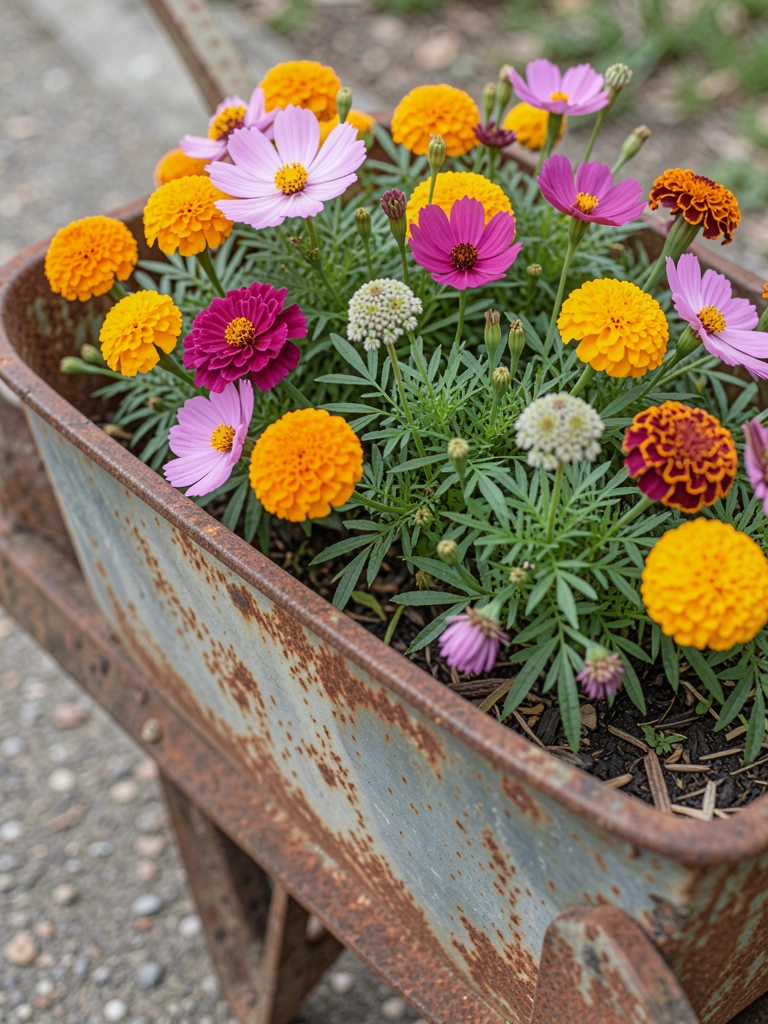
I converted an old wheelbarrow into a planter and it instantly read as a centerpiece. Cosmos and milkweed pop against the metal patina.
I forgot drainage holes once and had soggy roots. Drilling holes and elevating the barrow solved it.
It’s movable, so I follow sun and shade. Guests always stop to look, and butterflies love the clustered blooms.
What You’ll Need for This Look
- Old wheelbarrow or large metal basin
- Drill for drainage holes
- Cosmos, milkweed, marigolds
- Coir liners or landscape fabric
12. Coastal/Sunny Drought Mix for Sunny Apartments
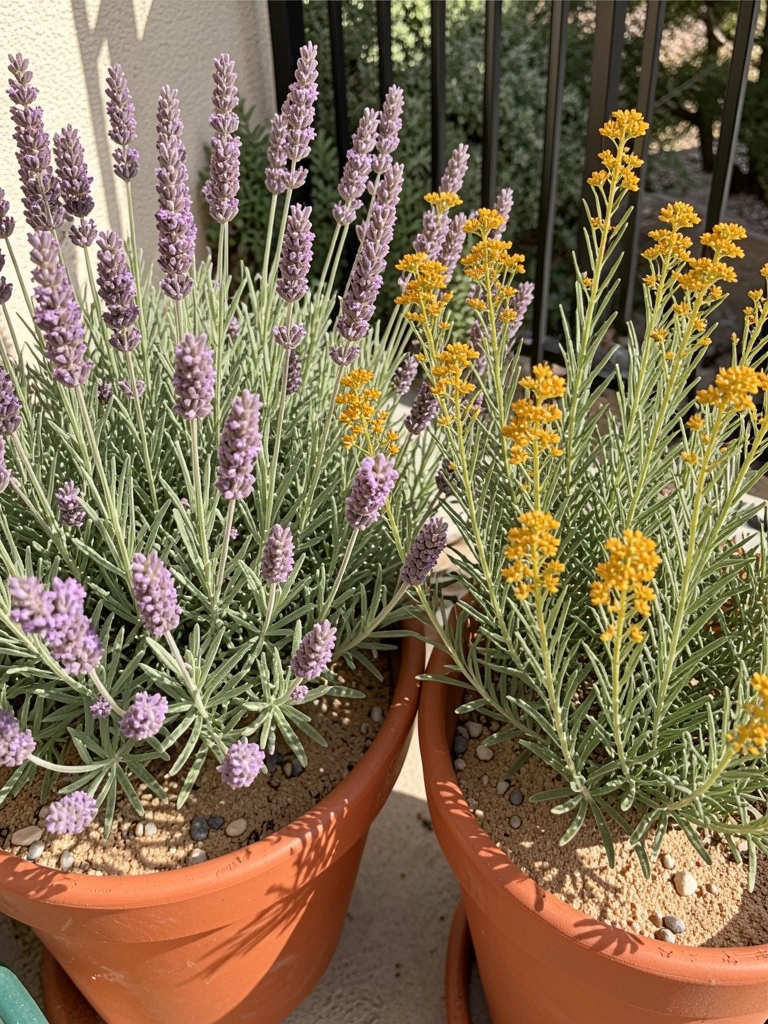
I live in a sunny, windy spot and switched to coastal plants. Lavender, Russian sage, and goldenrod handled sun and brought butterflies even in dry spells.
I learned that some garden centers sell inland varieties that flop in wind. I now look for coastal or wind-tolerant cultivars.
The palette is silver and gold, simple and calm. It’s low water and high visitation once established.
What You’ll Need for This Look
- Sand-based, well-draining potting mix
- Lavender, Russian sage, seaside goldenrod
- Wind-tolerant pots
- Slow-release granular fertilizer
13. Shaded Woodland Nook with Ferns and Wild Geraniums
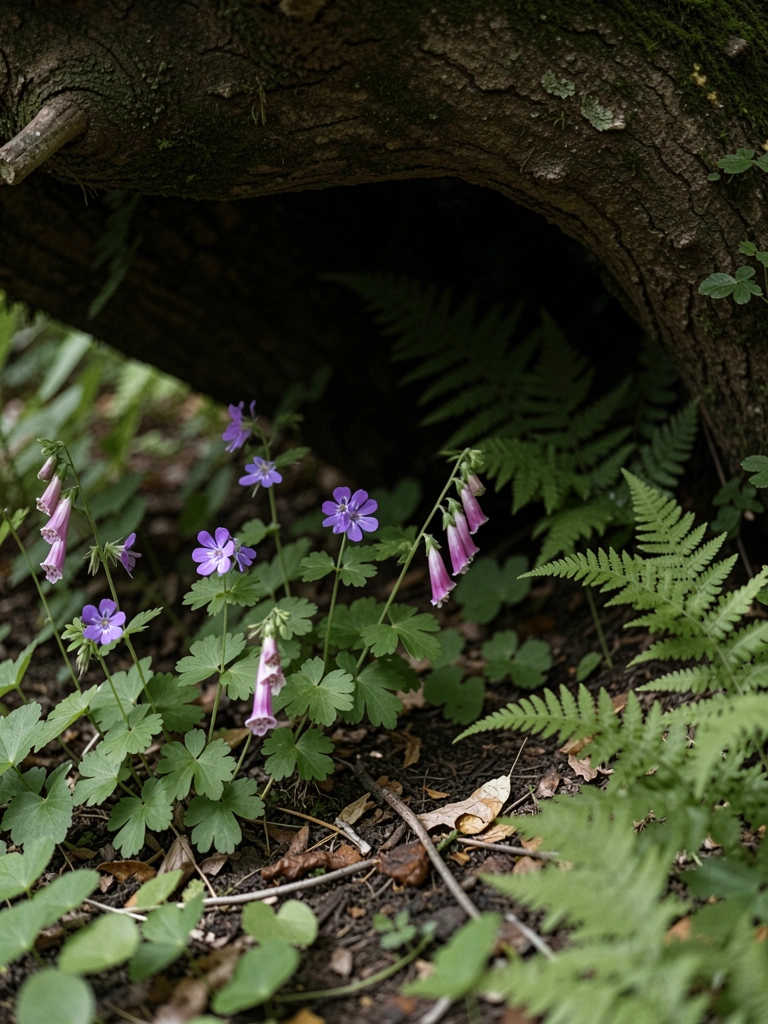
I transformed a tight shaded corner under a maple into a woodland nook. Wild geraniums, foxglove, and ferns created layers that butterflies still visit on sunny afternoons.
I once over-cleaned leaf litter and removed caterpillar food. Letting some leaf litter stay improved soil and insect habitat.
The nook feels cool and private. It proves butterfly gardens aren’t only for sun; they just change species and timing.
What You’ll Need for This Look
- Shade-tolerant plants (wild geranium, foxglove, native ferns)
- Leaf mulch or compost
- Small bench or stepping stones
- Moisture-retentive soil mix
Final Thoughts
You don’t need a lot of space to make a big difference.
Pick one idea, make a small plan, and plant next weekend.
Gardening is about small choices stacked over time. Trust the plants and enjoy the visitors.