15 Bold Large Garden Bed Ideas That Make A Dramatic Statement
I used to shy away from big beds. They felt like too much work and too easy to mess up.
Then I planted one giant bed and learned more from its failures than any tidy border.
These ideas are from that messy, honest learning. They’re doable and driven by what actually worked for me.
15 Bold Large Garden Bed Ideas That Make A Dramatic Statement
These 15 ideas are hands-on and practical.
I’ll show you beds I built, what went right, and what I’d change.
Expect straightforward plant lists and purchases you can make today.
1. Monumental Monoculture Flower Block
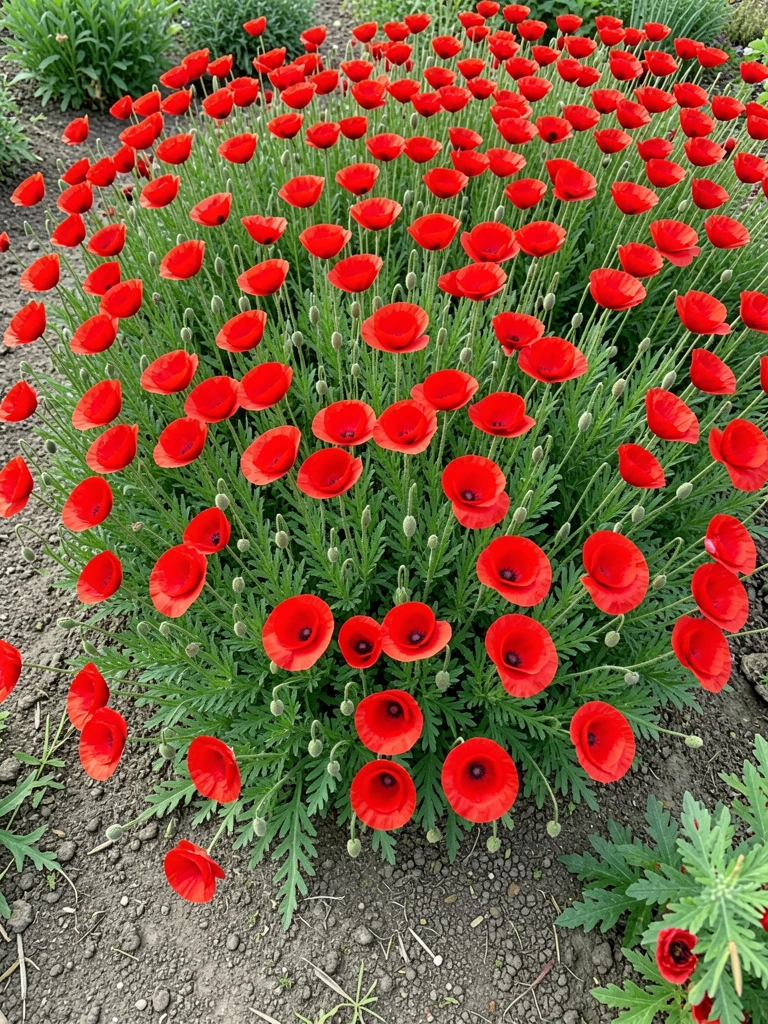
I planted an entire bed in one variety of poppy one spring. It read like a painting from across the lawn. Up close it felt bold and cohesive. I learned spacing matters—crowded seedlings sulked the first year.
From a distance the color becomes the structure. Up close the repetition is soothing. Watch for slugs on dense foliage in damp months.
Tip: pick a long-blooming variety and reserve half the bed for volunteer fillers next season.
What You’ll Need for This Look
- Bulk bedding plants (same variety, color)
- Soil conditioner and compost (superfine)
- Straw mulch, 2–3 inch
- Garden hose with even-flow nozzle
2. Architectural Grasses Wave Bed
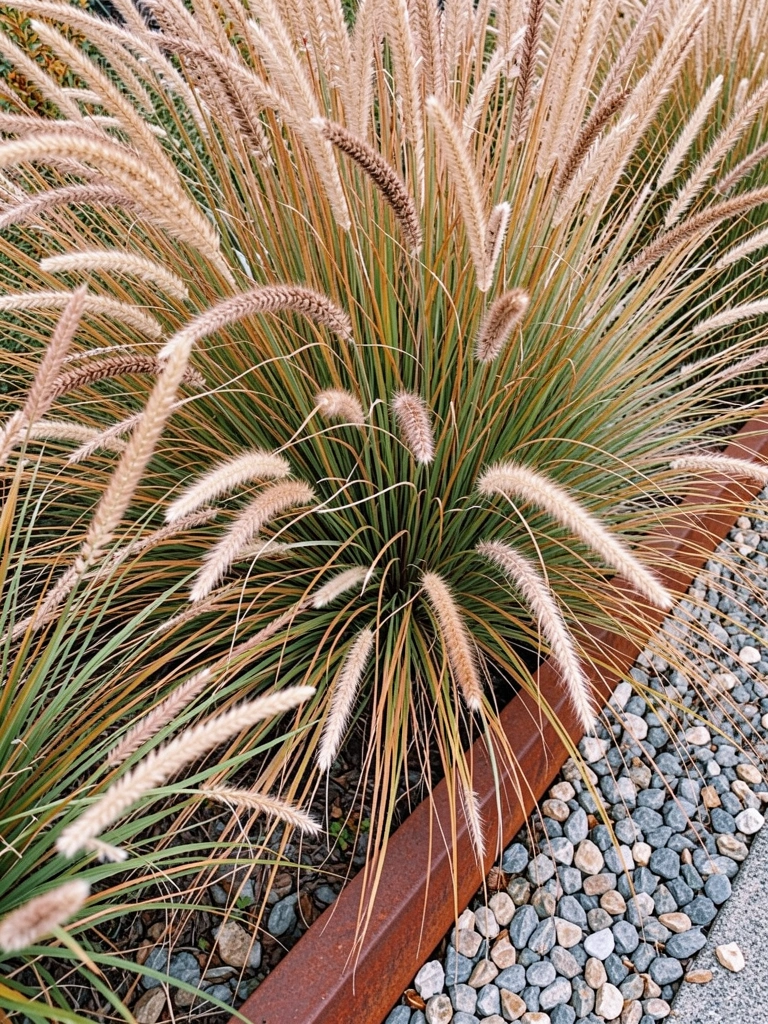
I built a curving bed of ornamental grasses along a driveway. They give motion and sound when wind hits them. I overplanted a bit at first; the center choked out neighbors in year two. I ripped some and thinned the rest.
Grasses age beautifully through seasons. Cut the tired foliage in late winter and you get a clean canvas for spring bulbs. Plant in drifts—waves read better than single clumps.
Tip: space the largest grasses three to four feet apart for long-term rhythm.
What You’ll Need for This Look
- Clumping ornamental grasses (miscanthus, pennisetum)
- Rusted steel or corten edging
- Gravel path material
- Heavy-duty garden shears
3. Formal Boxwood and Seasonal Ribbon Bed
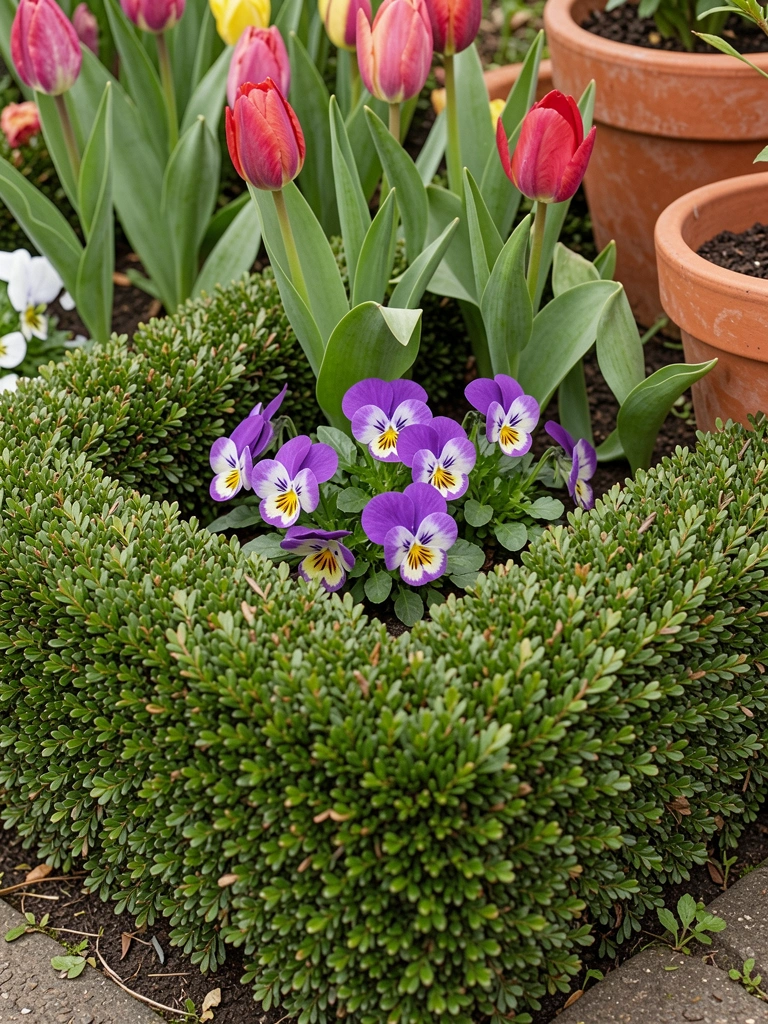
I used boxwood to create a tidy frame that lets seasonal color steal the show. The box creates calm lines. I misjudged sun on one side and lost summer annuals to afternoon scorch. I swapped in tougher perennials and it relaxed the bed’s maintenance needs.
This bed feels intentional and homey. The box keeps a consistent skeleton while plantings change each season. Aim for a neat trim three times a year for structure.
Tip: choose dwarf boxwood varieties and plant seasonal bulbs in groups.
What You’ll Need for This Look
- Dwarf boxwood plants (6–12 inch)
- Seasonal bulbs (tulip, daffodil)
- Soil for bulbs and annuals
- Pruning shears for shaping
4. Meadow-Style Native Perennial Bed
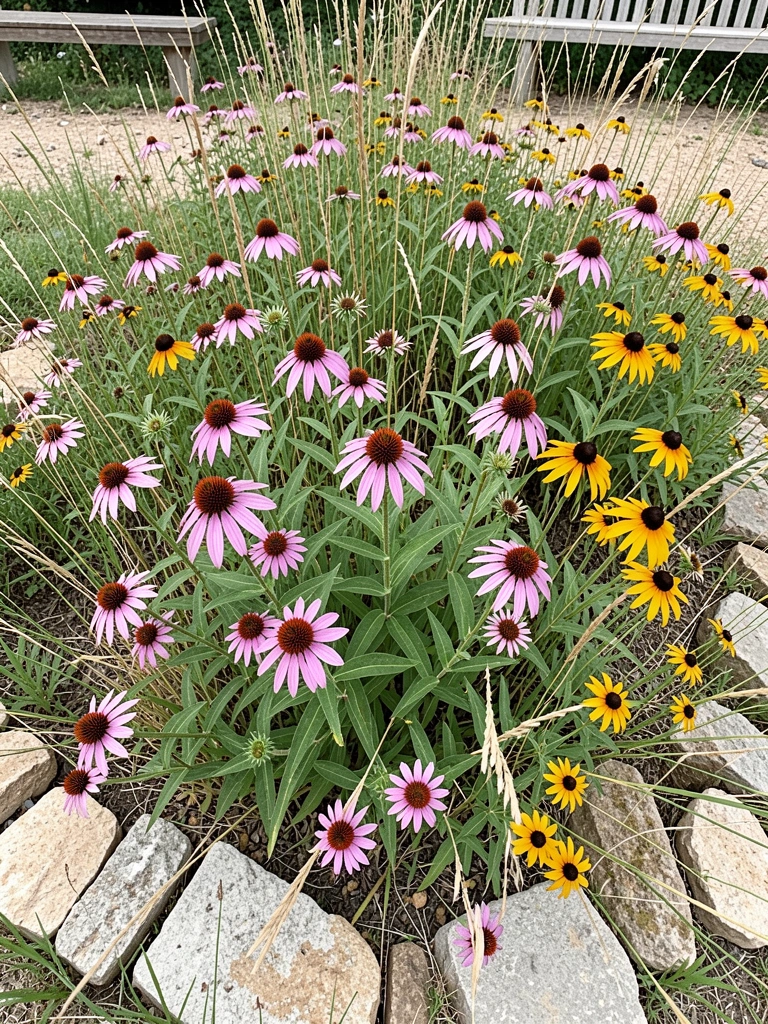
I ripped out a formal bed and seeded natives in its place. Year one was scraggly. Year two it read like a real meadow. The mix of heights and textures makes it feel wild but purposeful. I had to hand-weed early on or invasives would sneak in.
This is forgiving long-term and great for wildlife. Let the seed heads stand through winter; they look good and feed birds. Plan for annual refreshes of gaps in spring.
Tip: layer quick-fill annuals the first season to hide bare soil.
What You’ll Need for This Look
- Native perennial seed mix
- Quick-fill annuals (cosmos, zinnia)
- Organic mulch for initial seasons
- Hand weeder and garden gloves
5. Bold Tropical Leaf Bed
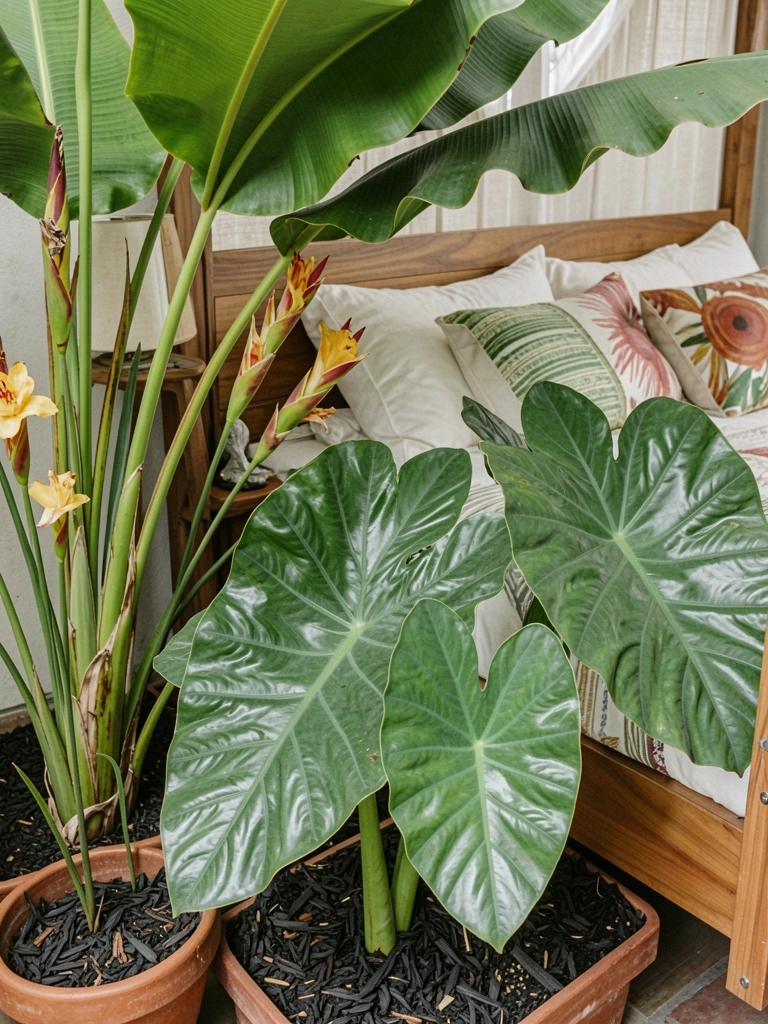
I gave a shady, damp corner a tropical makeover. The large-leaf plants made the whole bed feel dramatic even in low light. The surprise was how hungry they were—I started a steady feed schedule mid-summer.
Large foliage hides mistakes and fills gaps quickly. Watch for slugs and check the soil; these plants want steady moisture. In my cooler zone I lift the tender plants before hard frost and store roots in dry sand.
Tip: pick a focal banana or cannas, then underplant with shade-loving ferns.
What You’ll Need for This Look
- Tropical clumping plants (banana, cannas)
- Colocasia/taro tubers
- Rich potting soil and compost
- Slow-release fertilizer
6. Mixed Edible and Ornamental Kitchen Bed
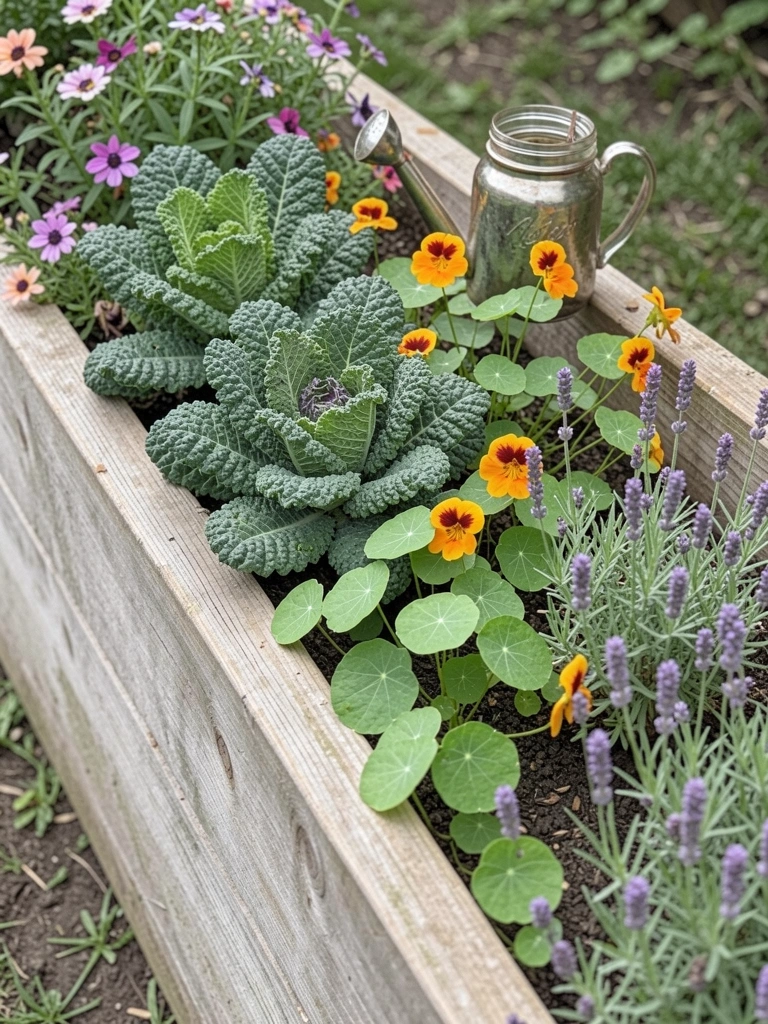
I mixed vegetables with flowers to make a large bed both useful and attractive. I once planted everything too close; the squash smothered my herbs. I learned to give sprawling veg their own zones. Seeing pollinators and dinner-stage tomatoes next to thyme feels right.
This bed looks alive and reduces trips to the kitchen. Interplant taller edibles with low ornamentals to hide stakes and cages. Expect to harvest and tidy often.
Tip: create small paths for harvest access and rotate heavy feeders yearly.
What You’ll Need for This Look
- Raised cedar bed kit (4×8 foot)
- Vegetable seedlings and companion flowers
- Drip irrigation kit
- Biodegradable plant ties and tomato cages
7. Dark Foliage Drama Bed
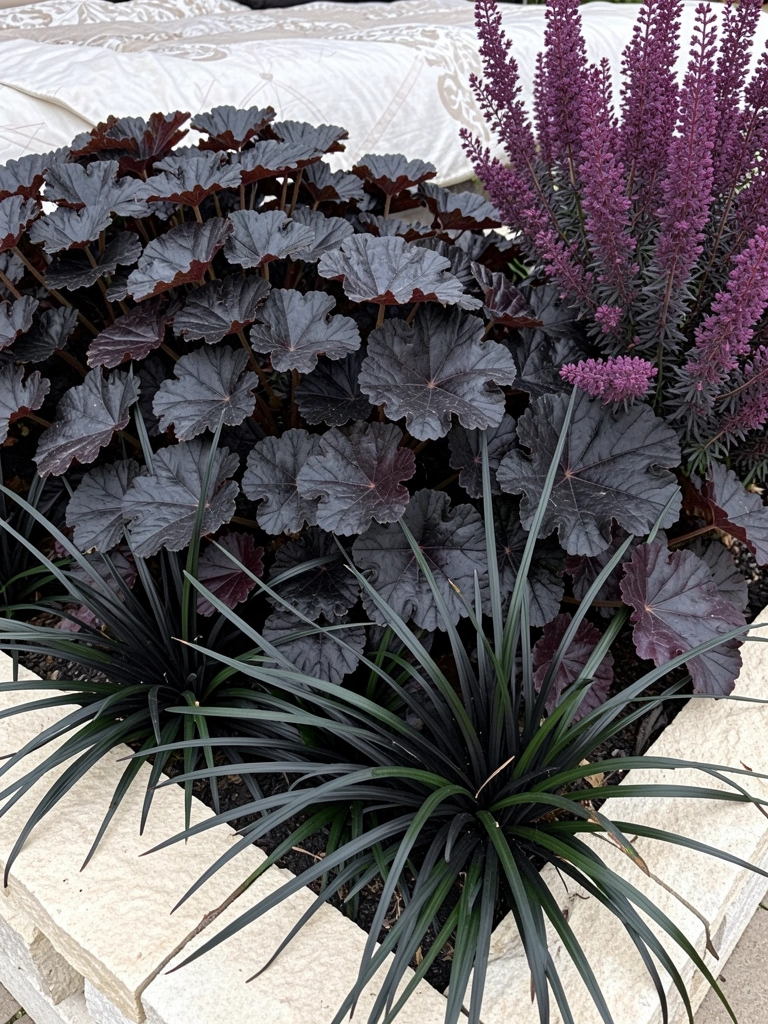
I planted an all-dark foliage bed near a pale fence. The contrast made the house feel sharper. The trick is to mix textures so it never reads flat. After planting, I added a few silver-leaf plants to lift the composition.
This style reads modern and moody. It’s lower-maintenance because foliage fills the space, but watch light—some dark plants scorch in strong sun. I prune back spent leaves in spring to reveal fresh color.
Tip: pair with pale gravel or a light pathway for impact.
What You’ll Need for This Look
- Dark-leaved perennials (heuchera, mondo grass)
- Contrast silver/white plants (lavender, artemisia)
- Pale gravel or stone edging
- Mulch in charcoal or black
8. Layered Woodland Edge Bed
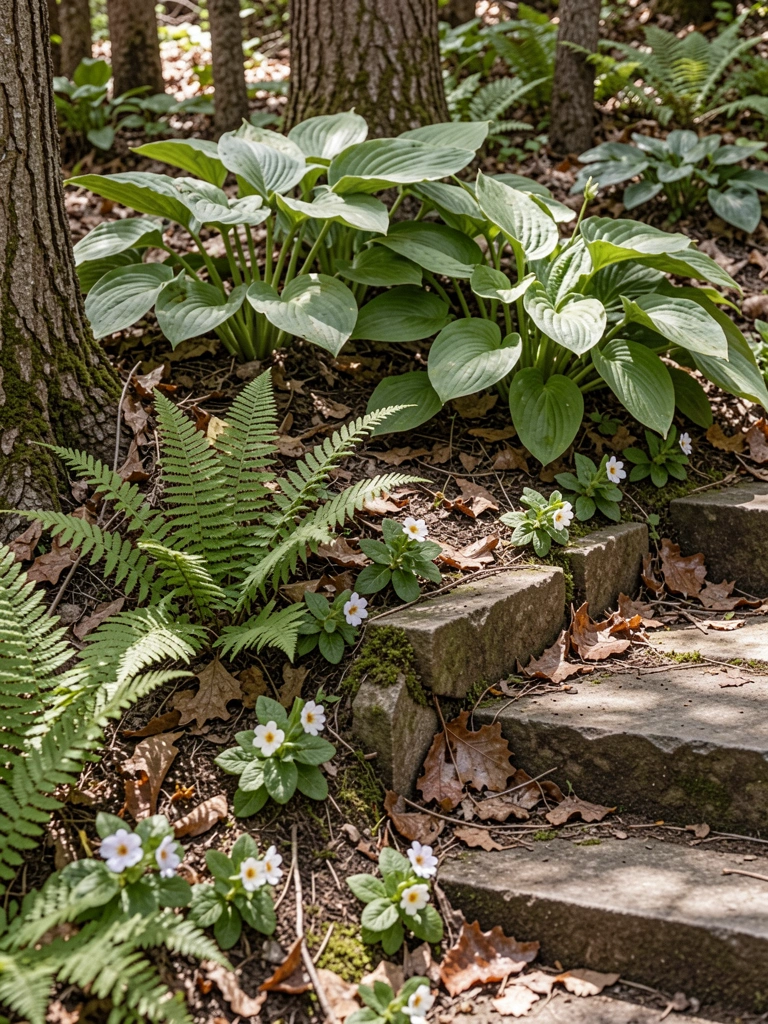
I turned a shaded edge into layered plantings with roots, mid-height, and groundcover. It made the border feel like a room. Early on I planted too many sun lovers and lost them; I replanted shade natives instead.
The layers create depth and invite you to walk close. Keep the top layer light and airy—don’t smother spring ephemerals. I leave a patch of leaf litter for insects; it’s part of the rhythm.
Tip: wide stepping stones help access for maintenance without trampling roots.
What You’ll Need for This Look
- Shade-loving perennials (hosta, fern, primrose)
- Natural stone stepping stones
- Leaf mulch or compost
- Hand tools for careful planting
9. Pollinator Corridor Long Bed
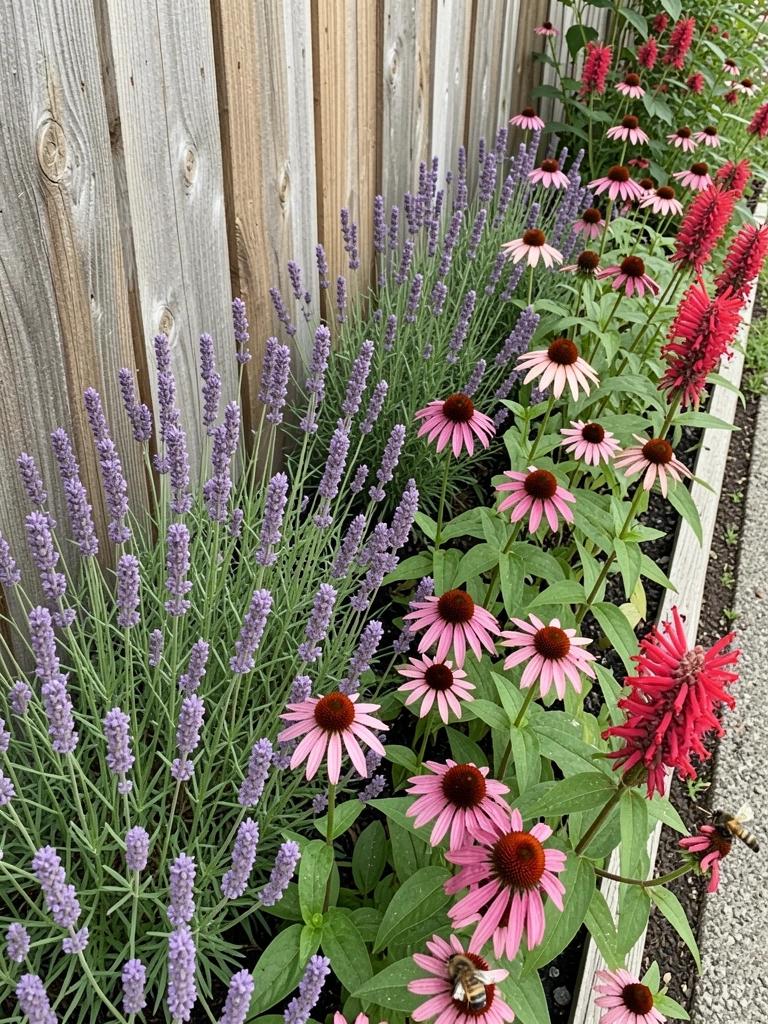
I planted a long bed along a fence specifically for bees and butterflies. I overplanted early with hybrids; their scent wasn’t as strong and pollinators ignored them. I ripped those out and switched to tried-and-true nectar plants.
This corridor hums in summer. It’s rewarding and easy to maintain once established. Cut spent blooms selectively to keep a long season. Add a shallow water bowl and flat stones for bee perching.
Tip: include staggered bloom times so there’s always something flowering.
What You’ll Need for This Look
- Pollinator perennials (lavender, echinacea, monarda)
- Shallow water bowl or bee bath
- Long planter bed soil mix
- Wooden fence or trellis for background
10. Minimalist Gravel and Sculptural Plant Bed
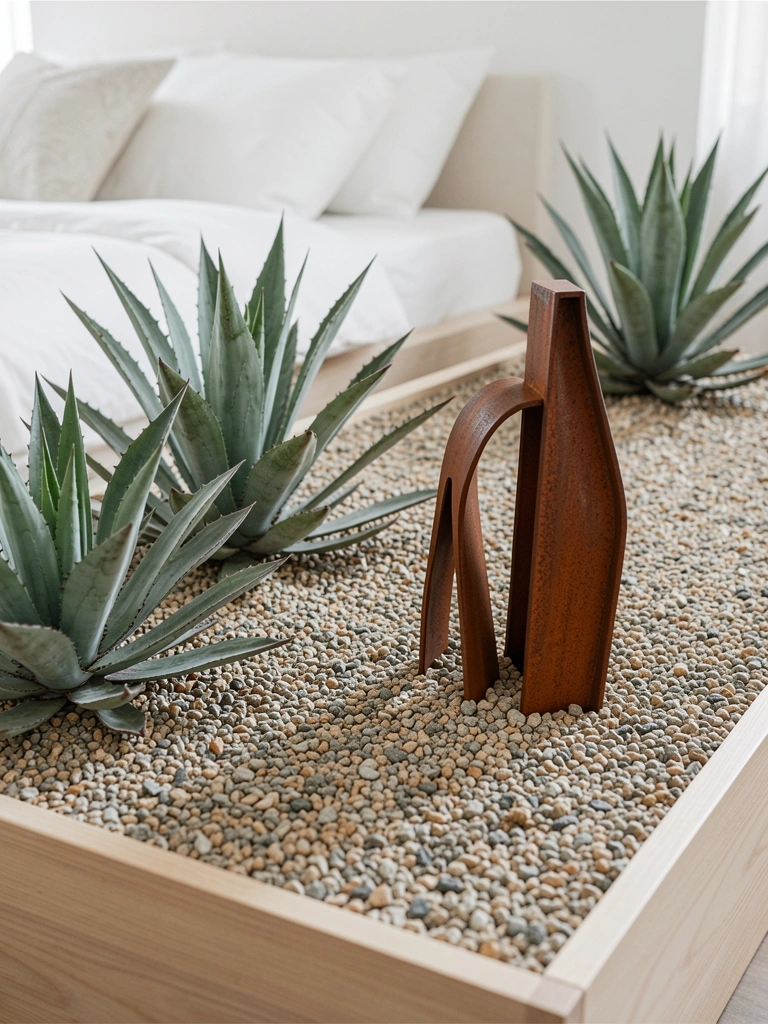
I carved out a small zone and made it bold with sculptural succulents and gravel. The restraint made every plant read like art. It was low-water and shockingly low-maintenance. I did learn that one misplaced fast-draining soil spot became an ugly puddle—fixable with a small mound and better drainage.
This bed works when you want calm and impact. Keep plant numbers low and pick statement forms. A single sculpture or boulder ties the composition together.
Tip: use coarse gravel and raised planting mounds for drainage.
What You’ll Need for This Look
- Sculptural succulents (agave, yucca)
- Coarse gravel (light color)
- Corten steel or stone focal piece
- Fast-draining cactus soil
11. Raised Cedar Bed with Built-In Seating
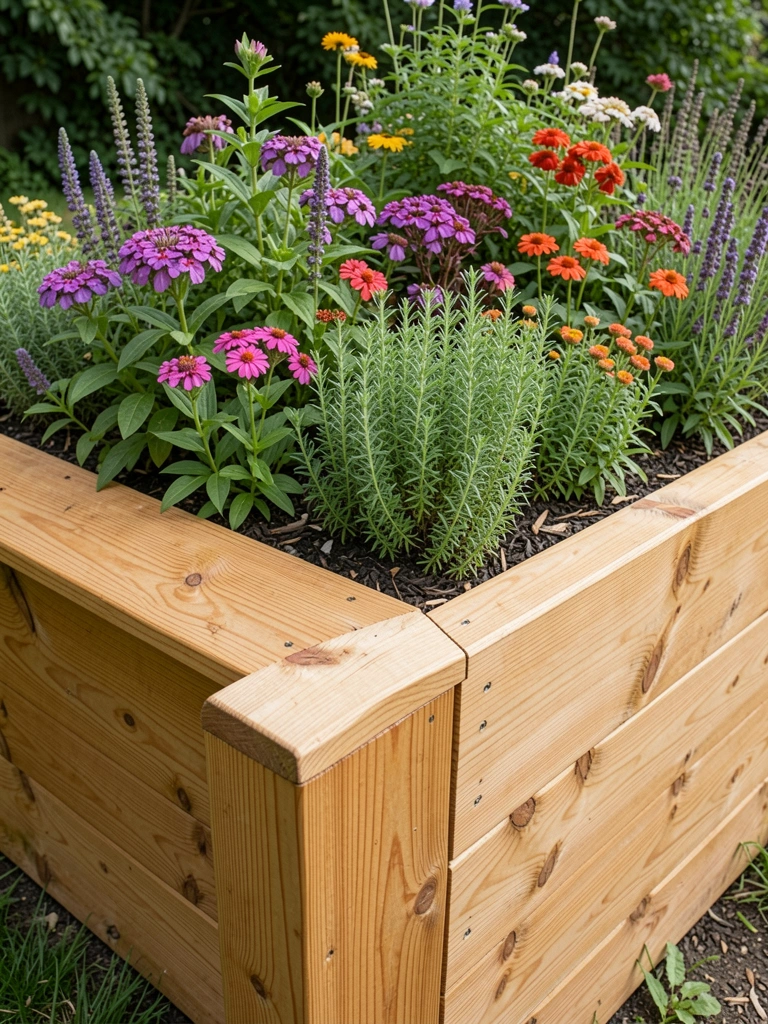
I built a 4×8 cedar bed with a bench along one side. It doubles as a planting space and a place to sit and weed. The cedar held up well, and the seating made the bed feel like a room you could live in.
I once forgot to line a corner and soil leaked a bit, so I now use landscape fabric to preserve soil and wood. Planting at bench height saves my back and makes harvesting easy.
Tip: plant trailing herbs along the seat edge for scent when you sit.
What You’ll Need for This Look
- Cedar raised bed kit (4×8 foot)
- Landscape fabric liner
- Mixed perennials and culinary herbs
- Outdoor bench-fastening screws
12. Color-Blocked Spring Bulb Bed
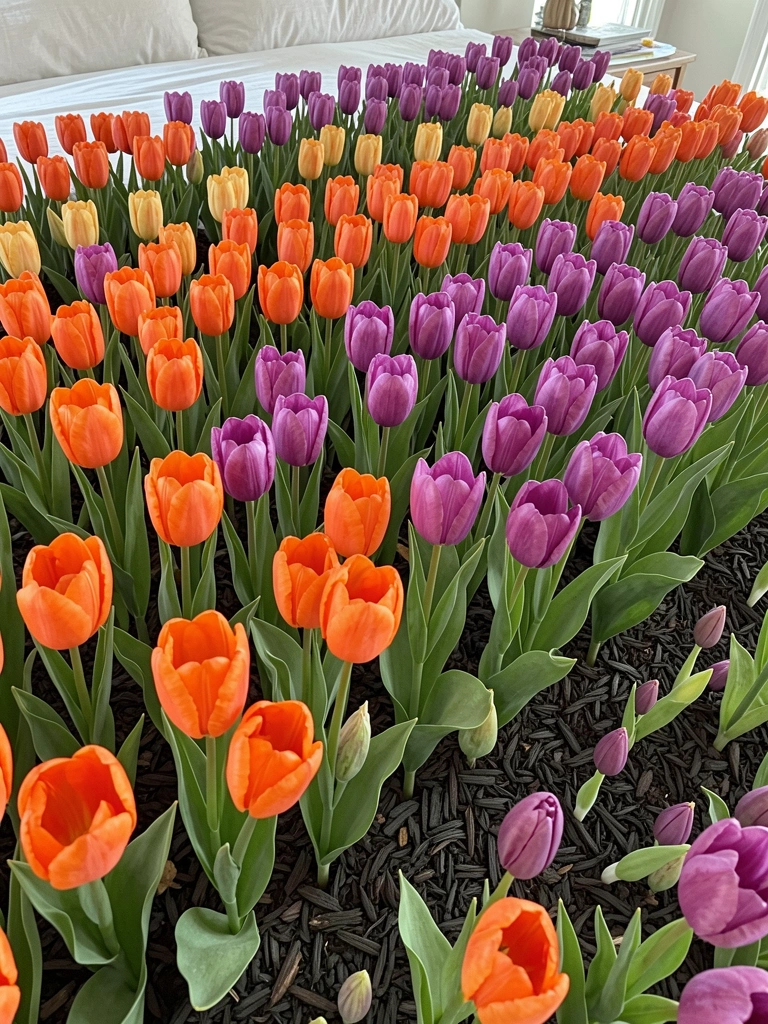
I mass-planted bulbs in color blocks across a large bed. The result was like a stripe across my front yard. The mistake I made was planting bulbs at inconsistent depths; some bloomed unevenly. After standardizing depth, the repeatability improved.
Color blocks make huge impact with minimal effort. Plant in staggered drifts for a natural edge. After bloom, let foliage die back before mowing.
Tip: plan color families and plant in groups of 20–50 bulbs per block.
What You’ll Need for This Look
- Spring bulbs by color family (tulip, allium)
- Bulb planting tool and depth guide
- Compost for backfill
- Mulch to hide soil and retain moisture
13. Reclaimed Materials Cottage Bed
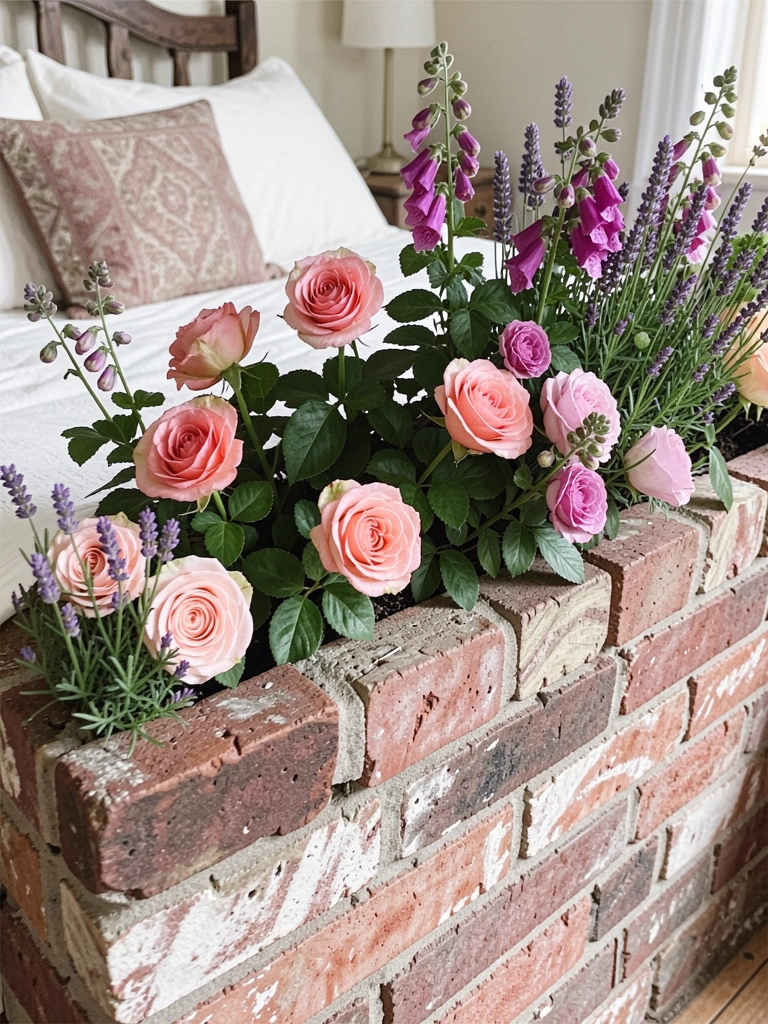
I used old bricks and a scavenged gate to edge a large cottage bed. It felt instantly lived-in. I underestimated soil depth and had to raise parts with extra compost later. The reclaimed materials gave the bed a story and softened the hard edges.
This look is relaxed and layered. Mix annuals and perennials for continuous interest. Keep paths informal and allow plants to spill over for that cozy feel.
Tip: stabilize reclaimed edging with a gravel base to stop settling.
What You’ll Need for This Look
- Reclaimed brick or stone for edging
- Mixed cottage plants (roses, foxglove, lavender)
- Bulk garden soil and compost
- Small gravel for base stabilization
14. Sunset Focal Bed with Small Ornamental Tree
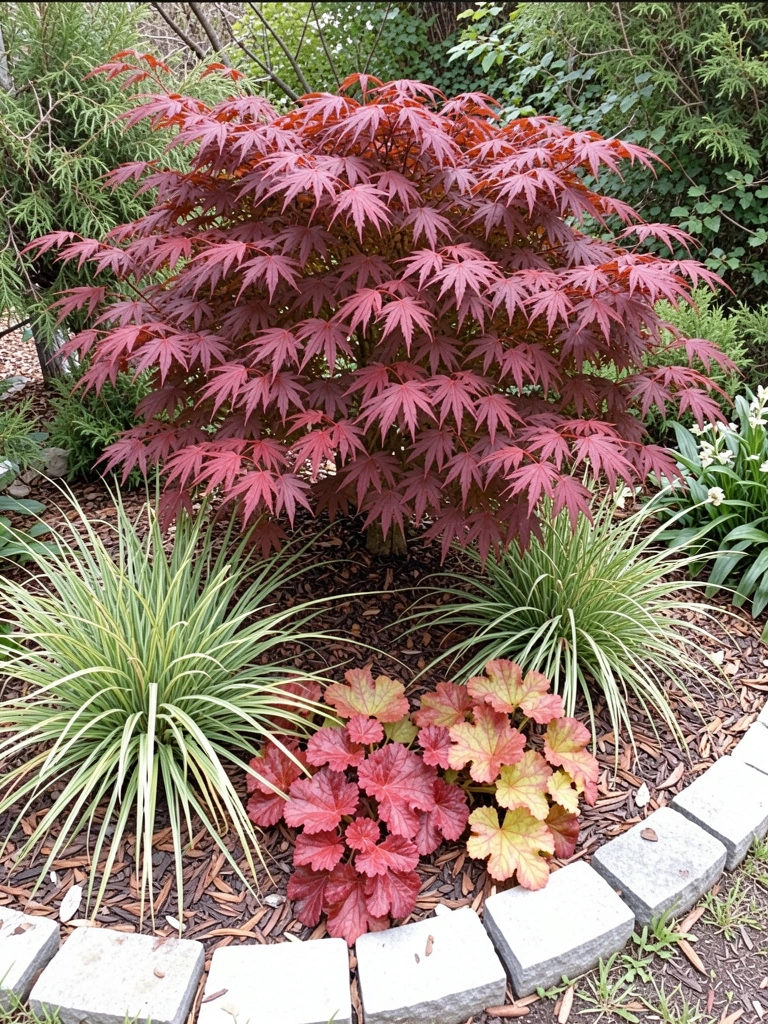
I planted a small ornamental tree as the bed’s anchor. The canopy makes evening light glow through the garden. I planted too many shade-loving underplants under the young tree and they struggled as the canopy filled in. I thinned them for balance.
A focal tree gives scale and seasons. Surround it with lower layers and a ring of soil that won’t compact. Water deeply the first three seasons to build a strong rootball.
Tip: choose dwarf trees for smaller yards and pick underplantings that thrive in the eventual shade.
What You’ll Need for This Look
- Small ornamental tree (Japanese maple, crabapple)
- Underplant perennials (heuchera, ornamental grass)
- Mulch and slow-release fertilizer
- Tree stake and flexible ties
15. Water-Wise Mediterranean Gravel Bed
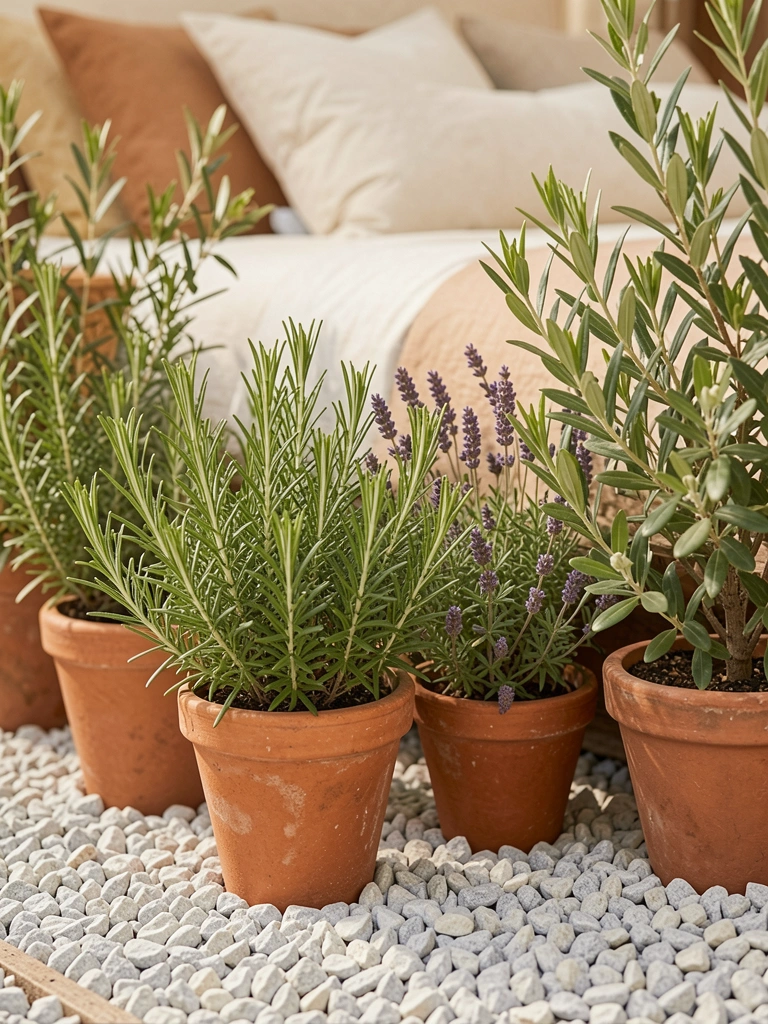
I converted a thirsty bed to Mediterranean-style plantings. The switch to gravel, drought-tolerant shrubs, and terracotta instantly cut water needs. The learning curve: planting depth and soil texture matter; poor drainage meant one rosemary didn’t survive. I replanted with raised mounds and it recovered.
This bed feels dry and calm. It’s low-care once established and smells good in summer. Use drip irrigation for establishment, then wean off.
Tip: amend soil with grit and avoid heavy mulches that retain too much moisture.
What You’ll Need for This Look
- Drought-tolerant shrubs (lavender, rosemary)
- Pale gravel or pea stone
- Terracotta planters
- Gritty soil mix and drip irrigation starter kit
Final Thoughts
Large beds don’t need to be intimidating. Start with one idea that fits your time and soil.
You’ll make mistakes. I did. Each one taught me what plants and materials last.
Pick a look, source a few quality plants or materials, and plant in stages. It’s how gardens grow into something you love.