8 Flower Bed Designs For Every Garden Style
I kept making the same mistake: too-neat rows that looked empty after a month.
I finally learned to plant like a group of friends—some tall, some small, all a bit messy.
These flower bed designs are what I use now. They fit different gardens and budgets. Try one, not all.
8 Flower Bed Designs For Every Garden Style
These 8 ideas are practical, lived-in looks you can copy.
Each idea includes what I used and what to buy.
You'll get straightforward, garden-tested options you can start this weekend.
1. Layered Cottage Border for a Small Yard

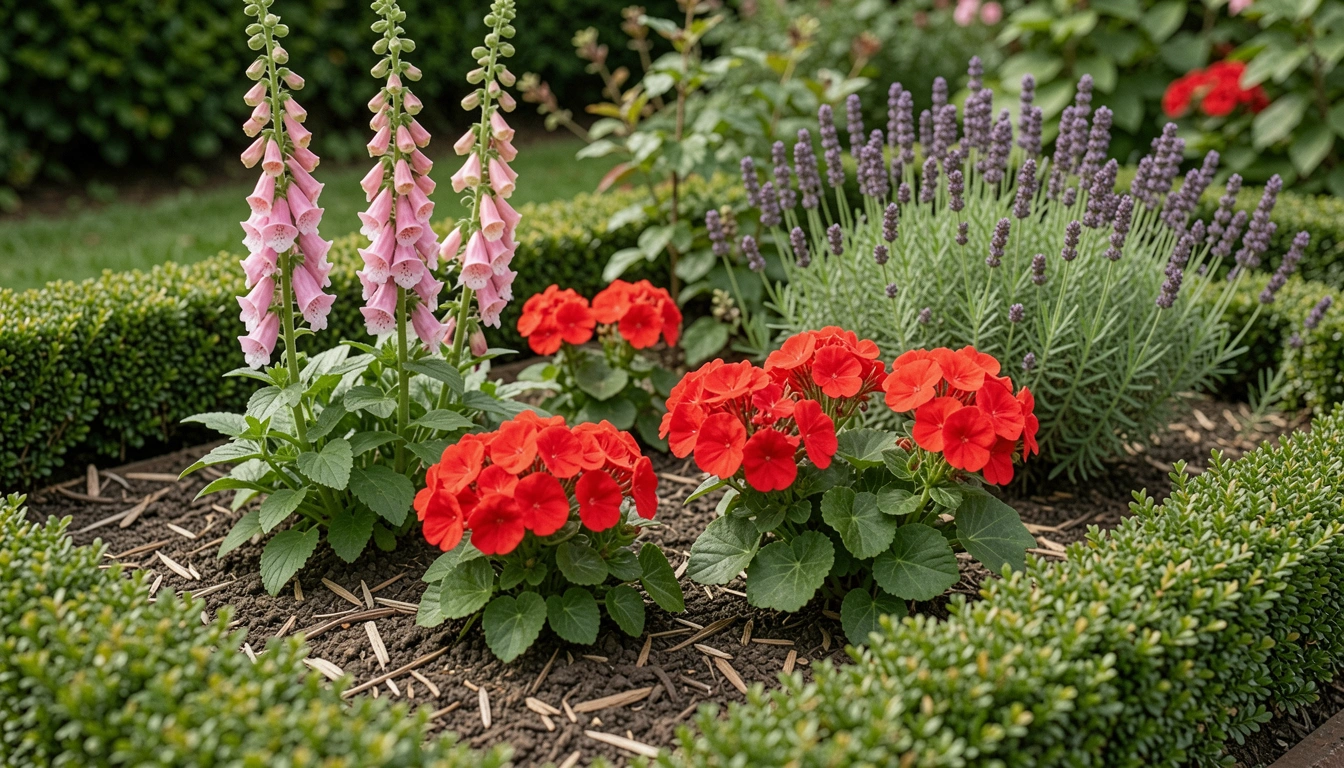
I planted this along our narrow fence to hide a tired chain link. I mixed tall spires (foxgloves) with mounded geraniums and a low boxwood edge. At first I overplanted perennials and the center got shaded out — lesson learned: give the middle room to breathe.
The bed reads informal but full. It blooms from spring into fall. Bees love it and so do I.
Tip: stagger heights in threes and leave 12–18 inches between plants.
What You’ll Need for This Look
- Boxwood hedging (small, 12–18 inch)
- Foxglove or penstemon plants (tall)
- Hardy geraniums (mounded)
- Lavender (compact)
- Natural cedar mulch (2–3 in depth)
2. Modern Linear Bed with Grasses and Sedums

I built a straight, low bed along the driveway and used clumping grasses with sedum as punctuation. It reads clean from the street and needs little fuss. I learned not to crowd sedums; they need room to spread outward.
The movement of grasses calmed an otherwise busy front. I trim annually and leave seedheads over winter for structure.
Tip: keep soil lean and drainage good—sedums hate soggy feet.
What You’ll Need for This Look
- Ornamental grasses (Miscanthus, 2–3 ft clumps)
- Sedum groundcover (blue-gray varieties)
- Concrete or steel edging (linear profile)
- Gravel mulch (fine, warm gray)
3. Pollinator-Friendly Wildflower Strip

I cleared a bland lawn strip and sowed a pollinator mix. The first year I used a general seed blend and got mostly grasses; rookie error. The second year I hand-planted plugs of coneflower and milkweed and it exploded with life.
It feels alive—hovering bees, occasional butterflies, and noisy hoverflies. I let some stems flop over for insect shelter.
Tip: plant plugs for reliable color the first season, then fill with seed mixes.
What You’ll Need for This Look
- Coneflower (Echinacea) plugs
- Milkweed plugs (Asclepias)
- Pollinator seed mix (region-specific)
- Coir mat edging or natural straw mulch
4. Shade-Loving Woodland Bed with Ferns and Astilbes

Under a big maple I replaced struggling lawn with a woodland bed. I planted a mix of ferns, hostas, and astilbes and added a small stone path. It felt instantly calmer—the cool palette and textured leaves are forgiving.
I had trouble the first summer with competing tree roots. The trick was raised soil mounded above roots and plenty of organic matter.
Tip: choose native ferns and shade perennials; they cope better with root competition.
What You’ll Need for This Look
- Mixed ferns (lady fern, Christmas fern)
- Hostas (small to medium)
- Astilbe (pink or white)
- Natural stone stepping path
- Raised soil mix (leaf mold, compost)
5. Raised Cedar Vegetable-Flower Combo Bed

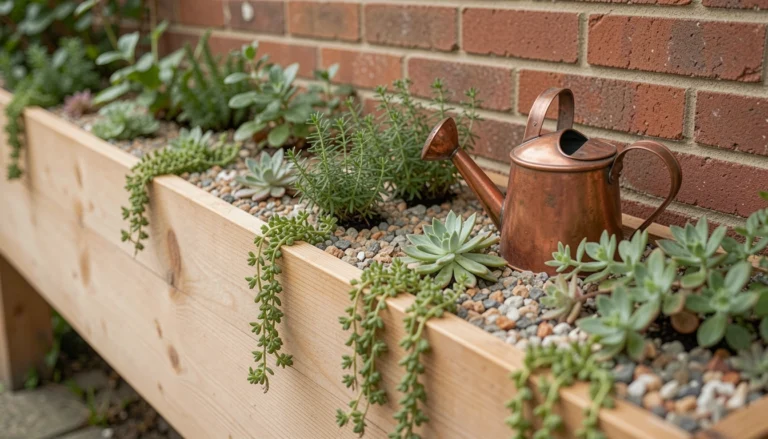
I swapped a flat veggie patch for a 4×8 cedar raised bed and added flowering companions. I once planted tomatoes too densely; blight found the crowded canopy. Now I space and tuck basil and nasturtiums around the edges.
The bed is productive and pretty. I like reaching in from the path and cutting herbs and flowers together for dinner.
Tip: install slow dripper irrigation and leave access on both sides.
What You’ll Need for This Look
- Cedar raised bed kit (4×8)
- Tomato plants (indeterminate)
- Basil and nasturtium (companion plants)
- Drip irrigation tubing (1/4 inch)
- Organic vegetable mix soil (light, well-draining)
6. Container Ring Bed Around a Patio

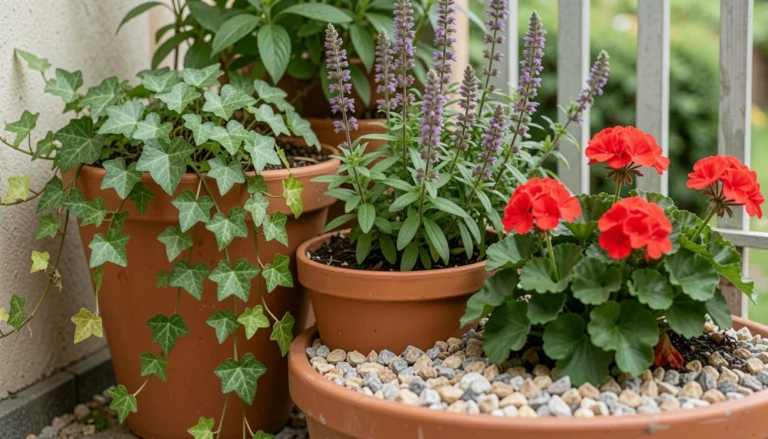
I had poor soil by the patio and used a ring of containers instead of digging. That gave me control and instant color. I messed up once by using identical pots—looked flat. Mixing heights and pot materials made the circle much better.
I rotate seasonal plants: bulbs in spring, annuals in summer, and structural evergreens for winter.
Tip: use a bigger central focal pot and varied heights around it.
What You’ll Need for This Look
- Terracotta and glazed containers (assorted sizes)
- Central focal tree/shrub pot (5–15 gallon)
- Trailing annuals (petunia, calibrachoa)
- Compact ornamental grasses (small pots)
- Potting mix for containers (light, fast-draining)
7. Fragrant Night Garden Bed for Evenings

I wanted a bed that felt alive after dinner. I planted night-blooming jasmine, moonflower, and fragrant stock. My mistake was placing jasmine too close to the path—its vigor swallowed smaller plants. I moved it and the scent now hits you as you sit.
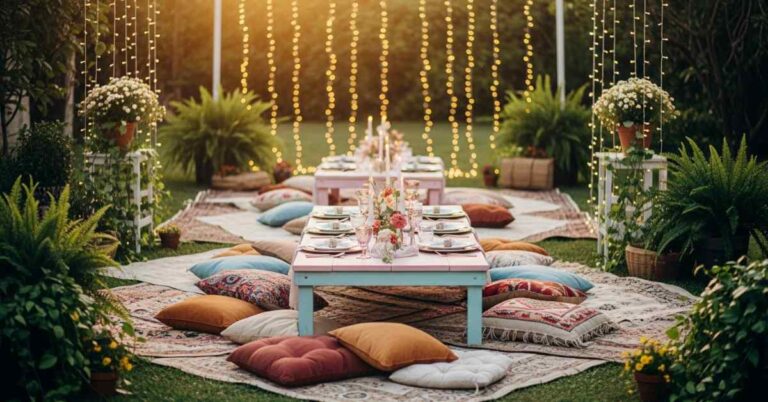
We eat outside more because the fragrances carry on warm nights. Add a small bench and soft lanterns and the bed becomes a living room garden.
Tip: stagger scent sources and avoid planting too many aggressive climbers.
What You’ll Need for This Look
- Night-blooming jasmine (vine, support)
- Moonflower seeds or seedlings
- Fragrant stock or nicotiana
- Solar lanterns or warm white string lights
- Small outdoor bench (wood or metal)
8. Drought-Tolerant Mediterranean Rock Bed

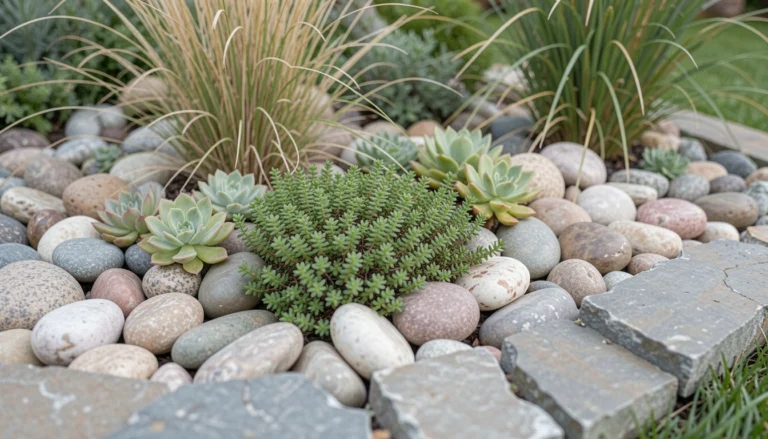
On a sunny slope I ripped out thirsty plants and planted a Mediterranean mix. Lavender, rosemary, and salvias settled in fast. Early on I fertilized too much; the rosemary grew leggy and weak. I stopped feeding and let the lean soil set the tone.
Now the bed is low-water and low-work. It smells like the coast and needs just an annual prune.
Tip: use coarse gravel mulch and group by water needs.
What You’ll Need for This Look
- Lavender (English or Grosso)
- Rosemary shrubs (prostrate or upright)
- Salvia varieties (purple/blue)
- Crushed stone mulch (pea gravel)
- Terracotta pots for accents
Final Thoughts
You don’t need to copy every idea. Pick one that fits your space and comfort level.
Start small, learn from mistakes, and tweak as you go.
Gardening is mostly about showing up and making small choices that add up.