13 Lovely Raised Bed Flower Garden Ideas Using Planter Boxes
I used to cram plants together and blame the soil. Then I learned to let planter boxes speak for themselves.
I prefer simple, honest beds that look like someone lives here—mud on the boots, a watering can nearby.
These ideas are what worked in my messy, real gardens. You can copy any of them.
13 Lovely Raised Bed Flower Garden Ideas Using Planter Boxes
These 13 ideas show real, doable looks for raised bed flower gardens using planter boxes.
They’re practical, tested, and meant for regular yards.
I include easy materials and a clear sense of what to buy.
1. Sun-Loving Mediterranean Bed in Cedar Planter Boxes
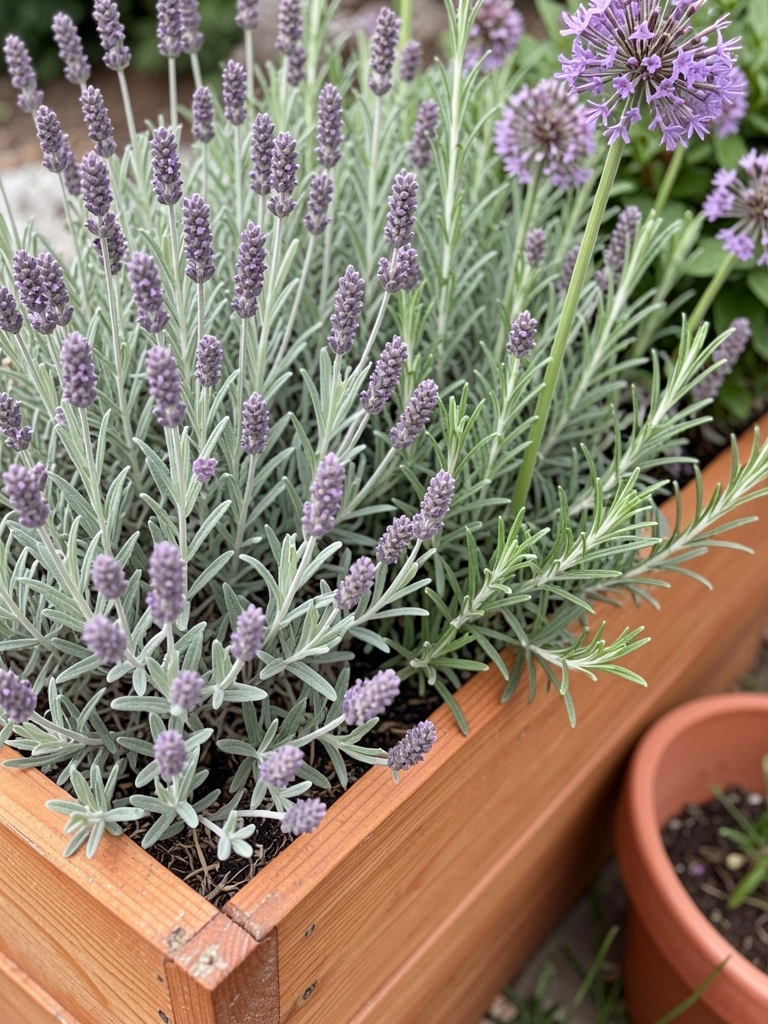
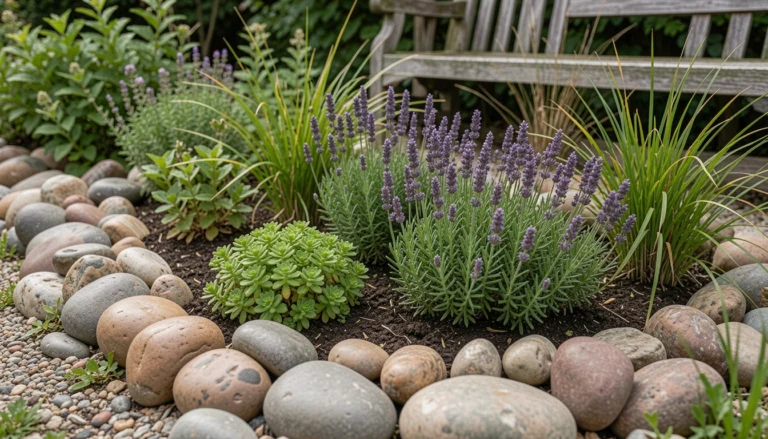
I planted a row of lavender and rosemary in a long cedar box and it finally felt like a slice of Provence. The scent fills the patio in July and the silvery leaves keep the box readable from a distance.
I did overplant the first year and had to remove a shy rosemary. Lesson learned: give Mediterranean plants elbow room.
This look brightened a sunny wall and cut down on constant deadheading.
What You’ll Need for This Look
- Cedar raised planter box (4 ft)
- Lavender plants (English, 3–4 in pot)
- Rosemary bush (compact variety)
- Gravel top dressing, terracotta saucers
2. Painted Cottage Mix in Shallow Planter Boxes
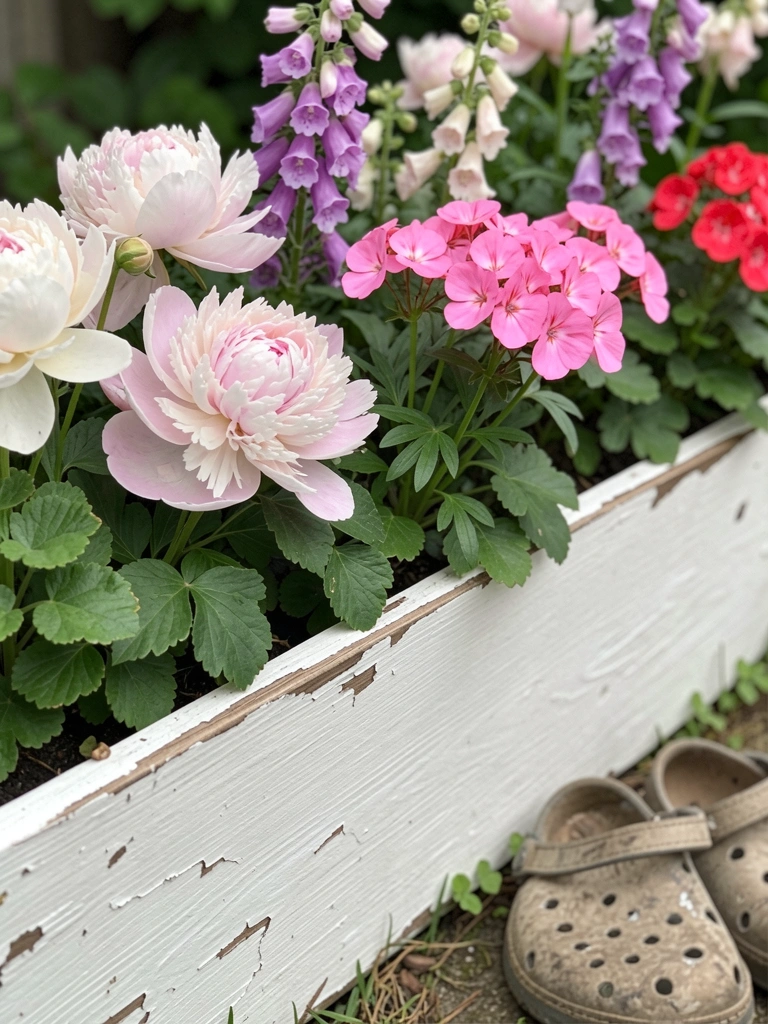
I painted old planters in pale blue and filled them with foxgloves, geraniums, and a few peonies. The color ties the whole corner together and hides imperfect carpentry.
I misjudged height at first—foxgloves shaded the geraniums—so I replanted by bloom time. Now the layers read well and I can reach everything from the path.
This feels cozy and informal, like a casual cottage border but contained.
What You’ll Need for This Look
- Shallow wooden planter boxes (painted, 18–24 inch)
- Foxglove seedlings, hardy geraniums, peony crowns
- Exterior paint (pale blue)
- Small hand trowel
3. Vertical Pocket Planter for a Narrow Side Yard
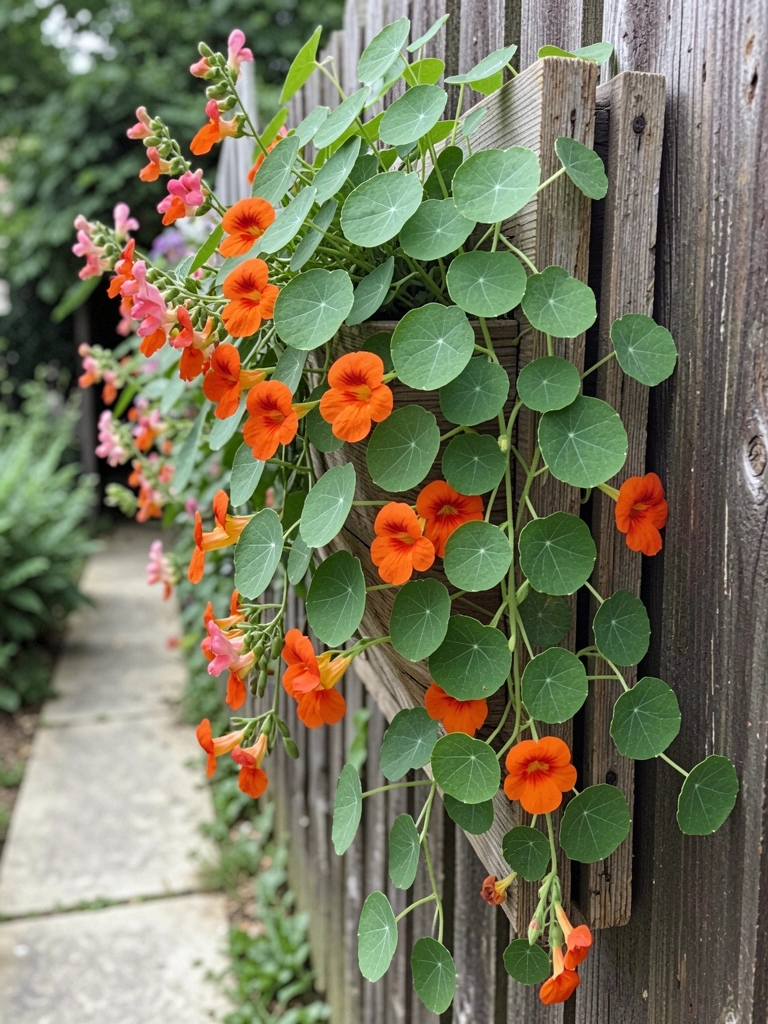
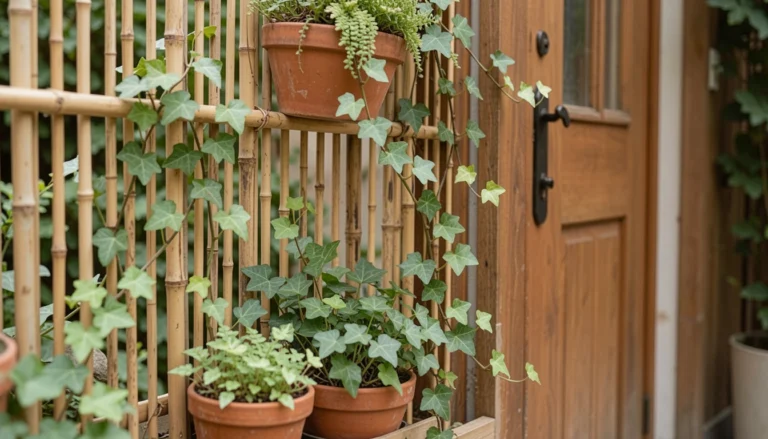
I mounted staggered planter boxes on a fence and turned a narrow side yard into a living wall. Trailing nasturtiums and snapdragons spill over and make the space feel wider.
My first attempt used heavy pots and the frame sagged. I switched to lightweight cedar pocket boxes and it steadied up.
This gives height without taking floor space and is great for filling an awkward strip.
What You’ll Need for This Look
- Cedar pocket planter (vertical, 5–6 pockets)
- Trailing nasturtiums, snapdragons, sweet alyssum
- Galvanized brackets or strong wall screws
- Lightweight potting mix
4. Moonlight Night Garden in White Planter Boxes
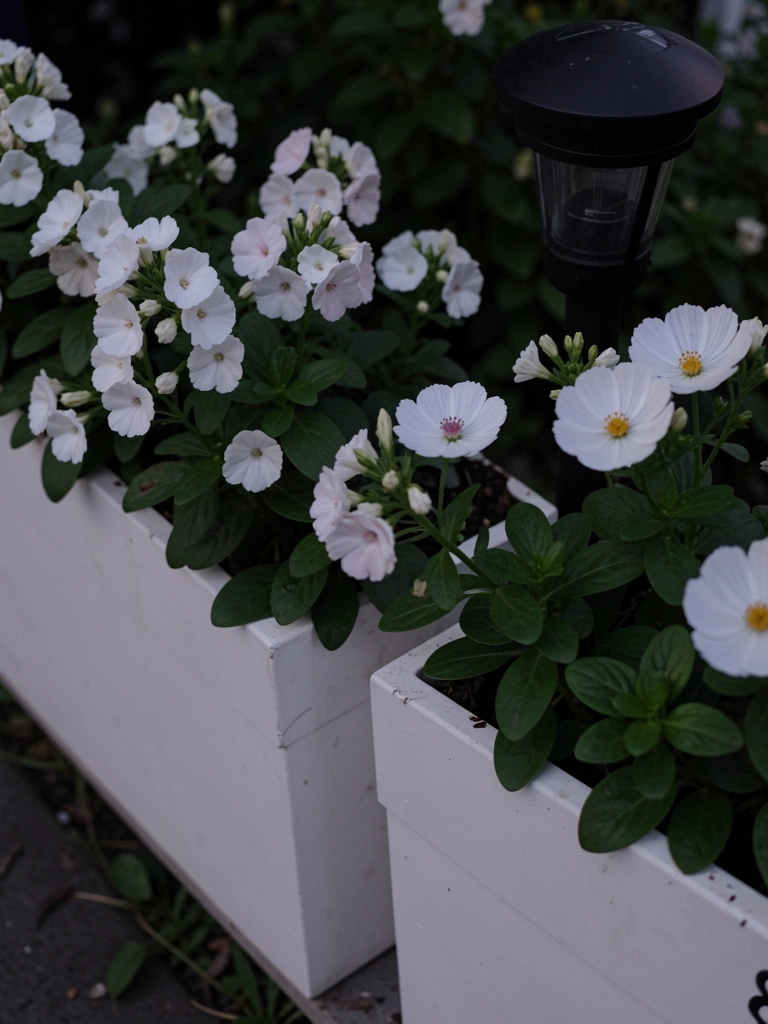
I set up white planter boxes near the patio and planted night-scented jasmine, nicotiana, and white cosmos. At twilight the scent changes the way the whole garden feels.
I once planted a yellow marigold in the middle—bright but distracting. I removed it. Whites and silvers read best under evening lights.
I add a couple of warm solar stake lights and sit with a cup of tea. It’s quietly pleasant and low fuss.
What You’ll Need for This Look
- White painted planter boxes (24–36 inch)
- Night-scented jasmine, nicotiana, white cosmos
- Warm white solar stake lights
- Potting soil mix for containers
5. Pollinator Corridor with Staggered Planter Boxes
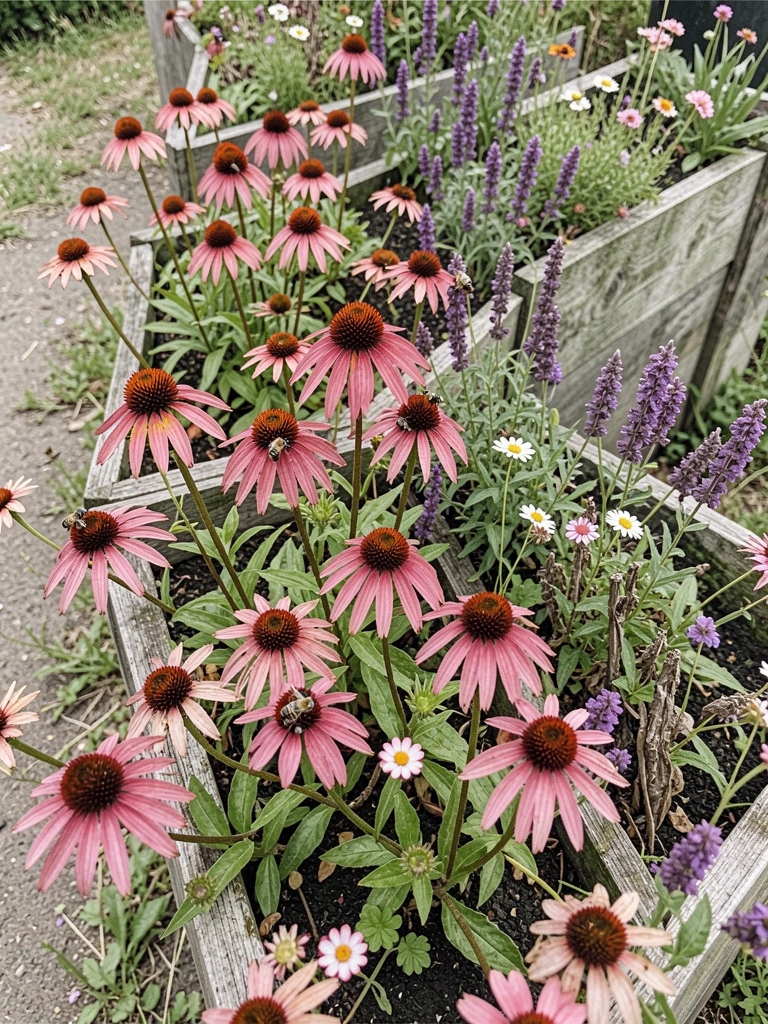
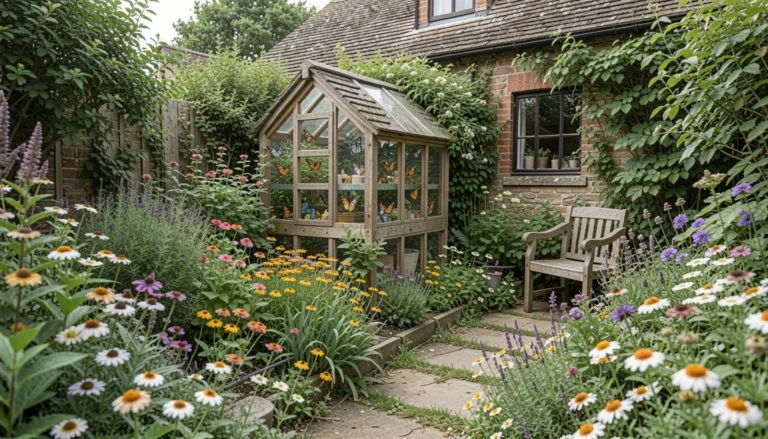
I lined my driveway with staggered boxes full of echinacea, salvia, and native coneflowers. Butterflies and bees turned my entry into a mini-pollinator corridor.
I underestimated how hungry the bees were—one season I planted too few salvia and the echinacea got swamped. Now I space them out and they all get visits.
This layout looks intentional from the road and gives steady summer color.
What You’ll Need for This Look
- Multiple rectangular planter boxes (varied heights)
- Echinacea, salvia, native wildflowers (pollinator mixes)
- Mulch or shredded bark
- Small watering wand
6. Low-Maintenance Sedum and Ornamental Grass Bed
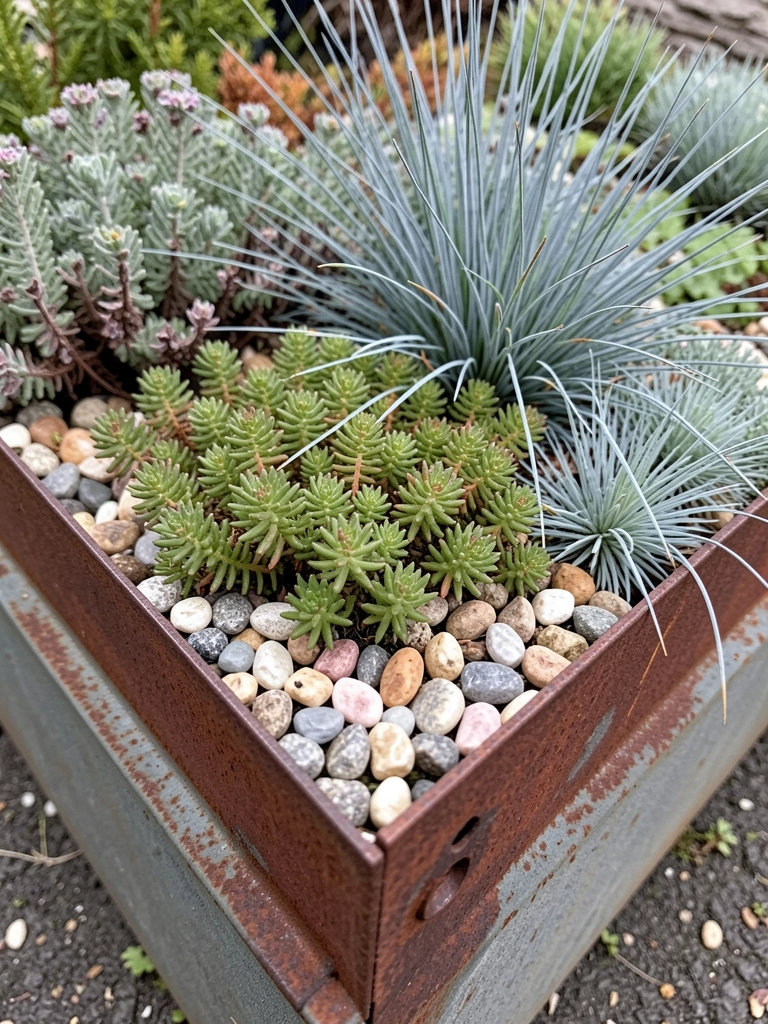
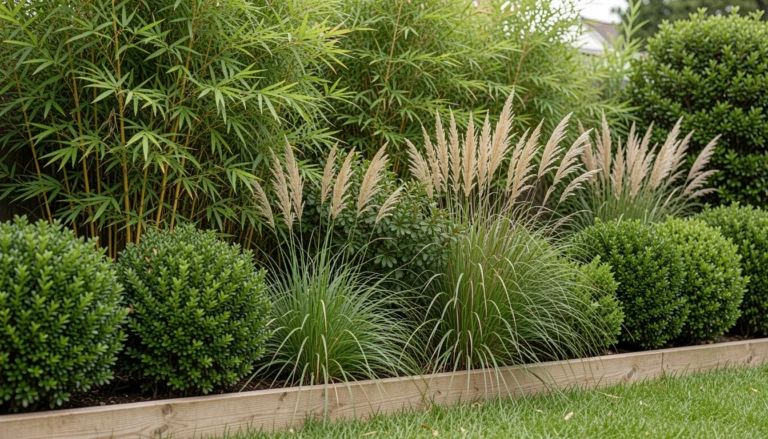
I put sedums and blue fescue in a shallow galvanized box for a low-water corner. It is forgiving—little watering, occasional trim, and it never looks messy.
My first mix had too many trailing sedums and they hid the grass. I pruned and rearranged, and the contrast now reads clean and modern.
This is great where you want texture more than blooms, and it keeps the maintenance minimal.
What You’ll Need for This Look
- Galvanized raised planter box (24–36 inch)
- Sedum mix, blue fescue clumps
- Gravel mulch, pumice-amended soil
- Garden scissors for trims
7. Succulent Rockery in Shallow Stone-Style Boxes
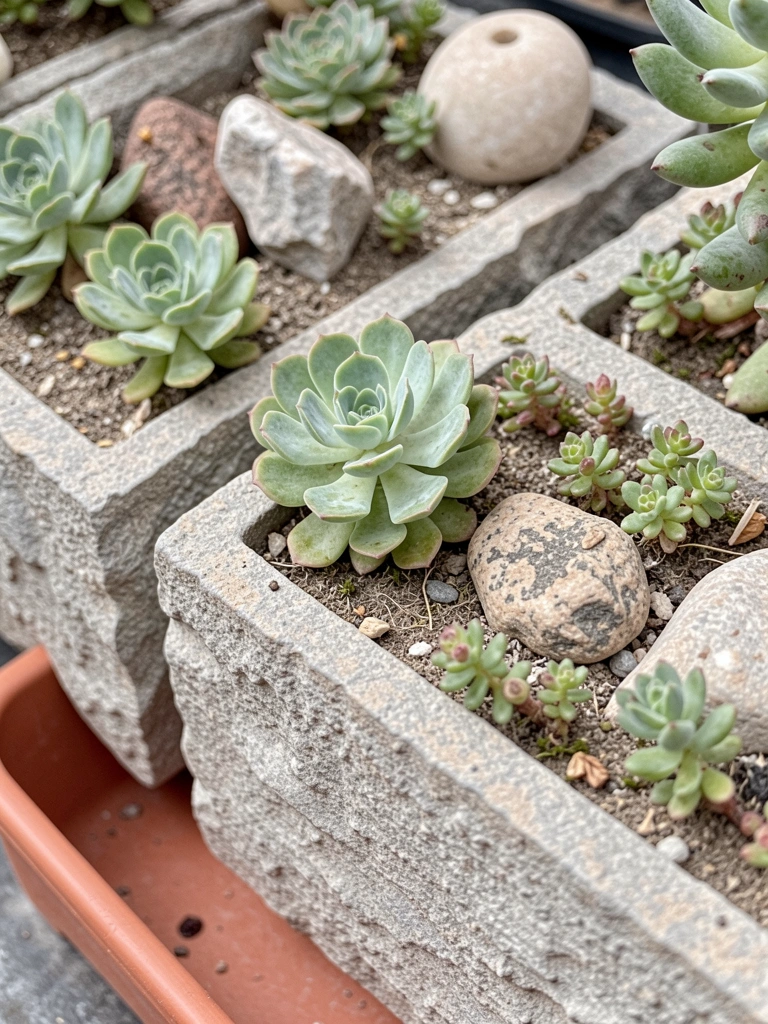
I layered succulents in shallow stone-effect boxes along a sunny wall. They require little water and the shapes hold up through heat.
I once placed a thirsty geranium nearby and it muddied the look. Now I keep water-lovers separate and the succulents stay crisp.
This is a tidy, modern corner that reads like a small rock garden.
What You’ll Need for This Look
- Shallow stone-effect planter boxes (12–18 inch)
- Mixed succulents (echeveria, sedum, aeonium)
- Cactus soil mix, decorative rocks
- Small watering syringe
8. Shade-Friendly Woodland Edge in Deep Planter Boxes
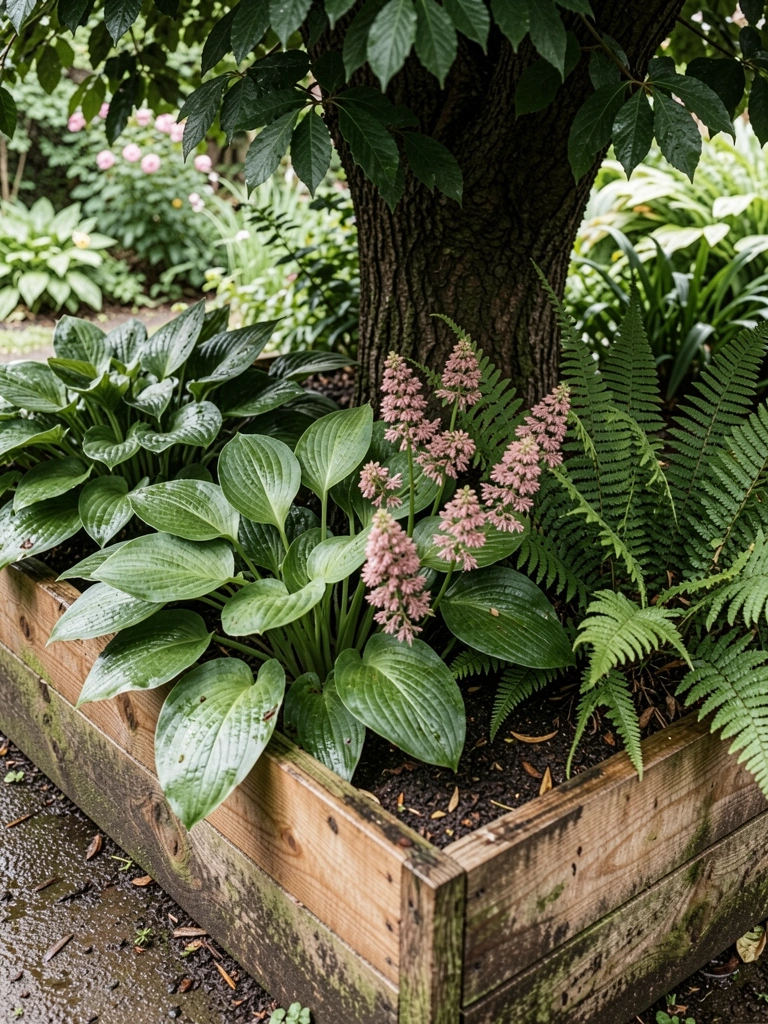
I made deep boxes under a large maple and planted hostas, ferns, and astilbe. The cool greens read peaceful and the boxes stopped root competition from the tree.
At first I used shallow boxes and the plants sulked. Switching to deeper boxes fixed drainage and root space.
This turned a dark corner into a real room of plants that stays calm through summer heat.
What You’ll Need for This Look
- Deep wooden planter boxes (24–36 inch)
- Hostas, hardy ferns, astilbe crowns
- Moisture-retentive potting mix, compost
- Shade-tolerant slow-release fertilizer
9. Cut-and-Come-Again Annual Bed for Vases
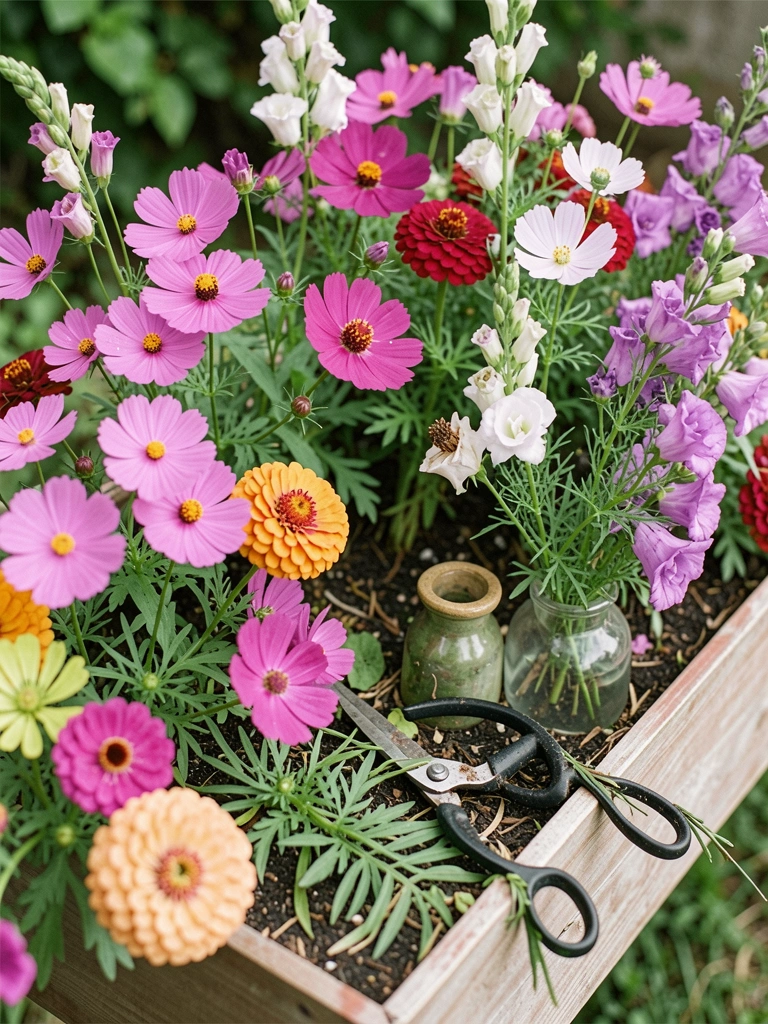
I built long planters near the kitchen and planted a mix of cut-and-come-again annuals—cosmos, zinnias, lisianthus. I can grab fresh flowers for the table every few days.
I used a heavy feed the first month and had lanky stems. Once I switched to regular deadheading and moderate fertilizing, the beds stayed compact and productive.
This keeps the house supplied with inexpensive, cheerful bouquets.
What You’ll Need for This Look
- Long rectangular planter boxes (4–6 ft)
- Cosmos, zinnias, lisianthus seedlings
- Floral shears, small indoor vase
- Balanced liquid fertilizer
10. Spring Bulb Followed by Summer Annuals Rotation
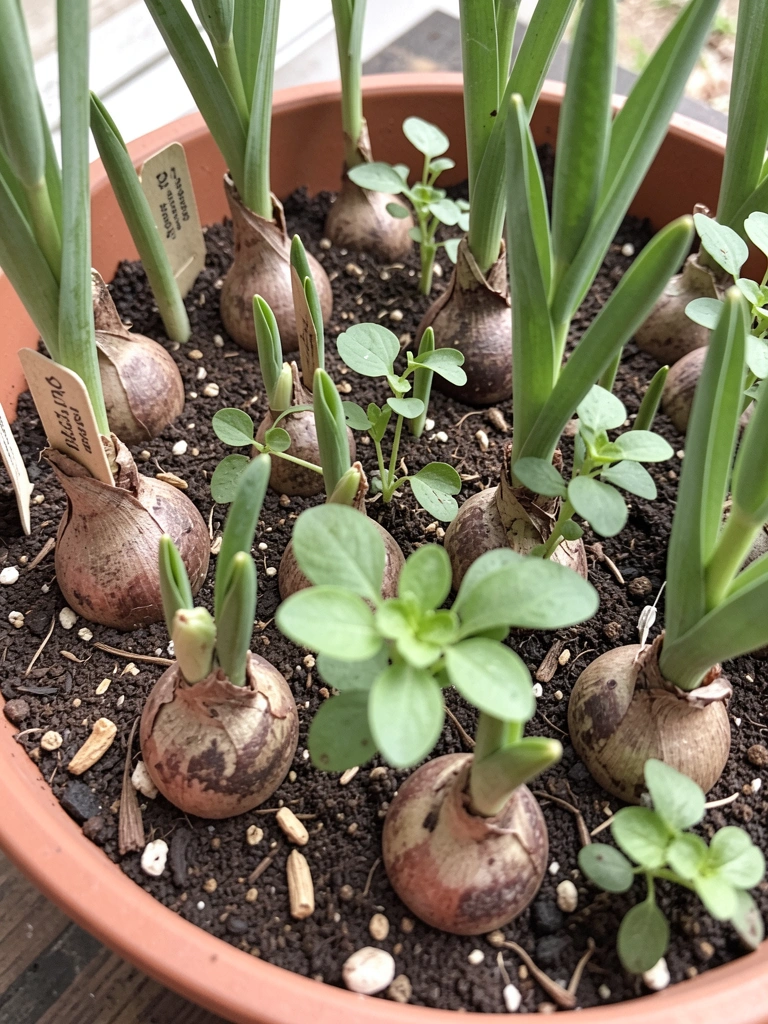
I plant tulips and daffodils in spring inside wide boxes, then tuck in summer annuals once foliage dies back. It gives a long season of interest from the same box.
I mis-timed once and planted heavy summer starts too early; the bulbs didn’t die back cleanly and the bed looked cluttered. Now I wait until foliage fades.
It’s a satisfying way to get both early drama and summer color in one container.
What You’ll Need for This Look
- Wide cedar planter (3–4 ft)
- Spring bulbs (tulips, daffodils), summer annuals (petunias)
- Bulb planter tool, bulb fertilizer
- Mulch for winter protection
11. Monochrome Pink Block in Matching Planters
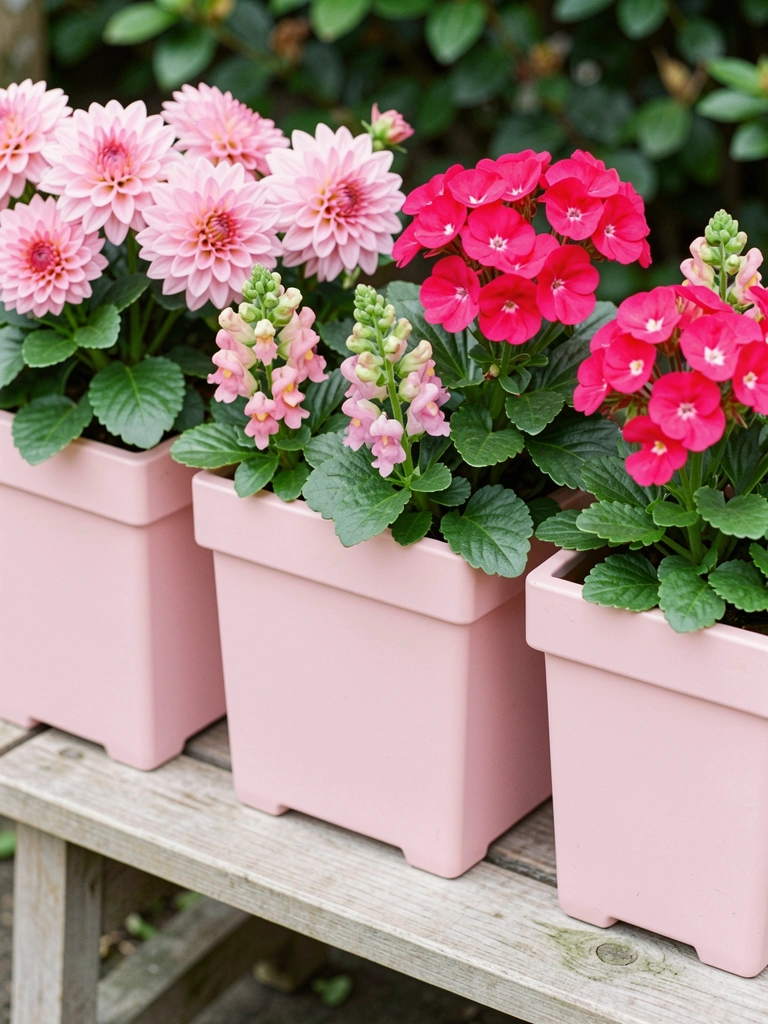
I grouped matching pastel planters and planted only pink blooms—dahlias, geraniums, snapdragons. The repetition makes a strong, calm statement without fuss.
I once added a red geranium and it threw off the whole rhythm. Removing it brought balance back immediately.
This works well by a front door or bench where you want a clear, comfortable color story.
What You’ll Need for This Look
- Matching planter box set (pastel pink, 12–18 inch)
- Pink dahlias, geraniums, snapdragons
- Matching saucers and plant stakes
- Balanced container compost
12. Mini Wildflower Meadow in Deep Planter Boxes
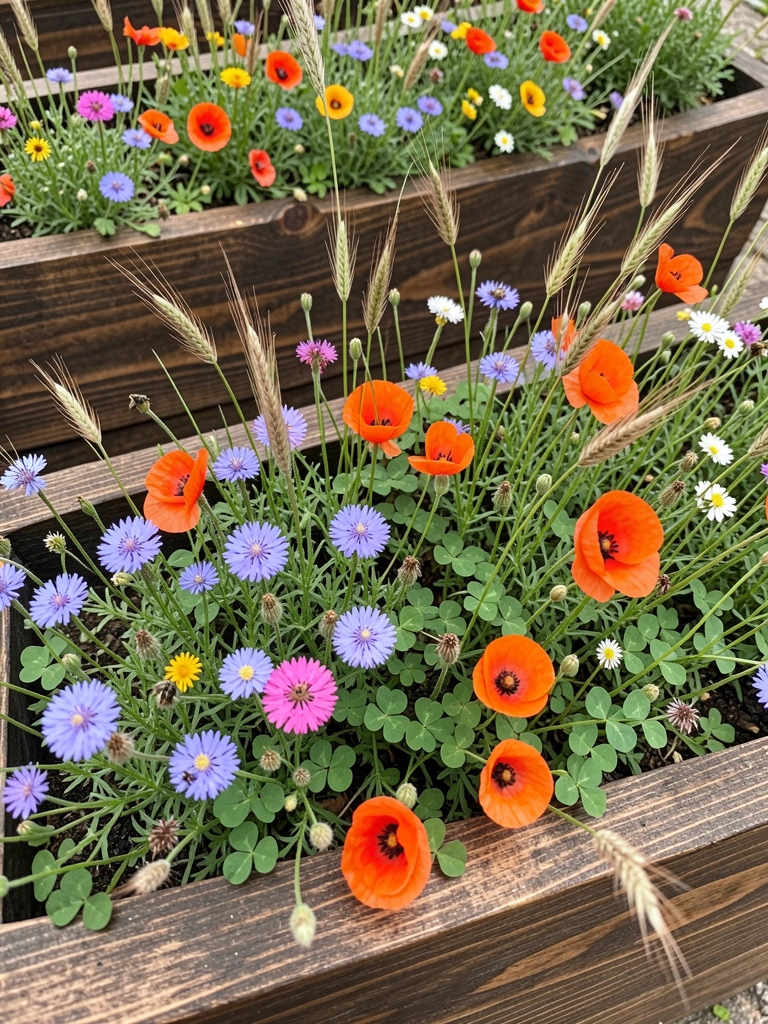
I sowed a wildflower mix into deep reclaimed boxes to mimic a small meadow. It’s a bit messy, but the bees and grasses make it feel alive in August.
I did add the mix directly to the box with poor soil once and got sparse results. Now I prep with deeper compost and it fills in much better.
This is low-intervention and generous—good for a back corner or a sunny edge.
What You’ll Need for This Look
- Deep reclaimed wood planter boxes (36–48 inch)
- Native wildflower seed mix (pollinator-friendly)
- Compost-rich topsoil, light rake
- Watering can for establishment
13. Raised Bed with Integrated Seating and Tool Storage
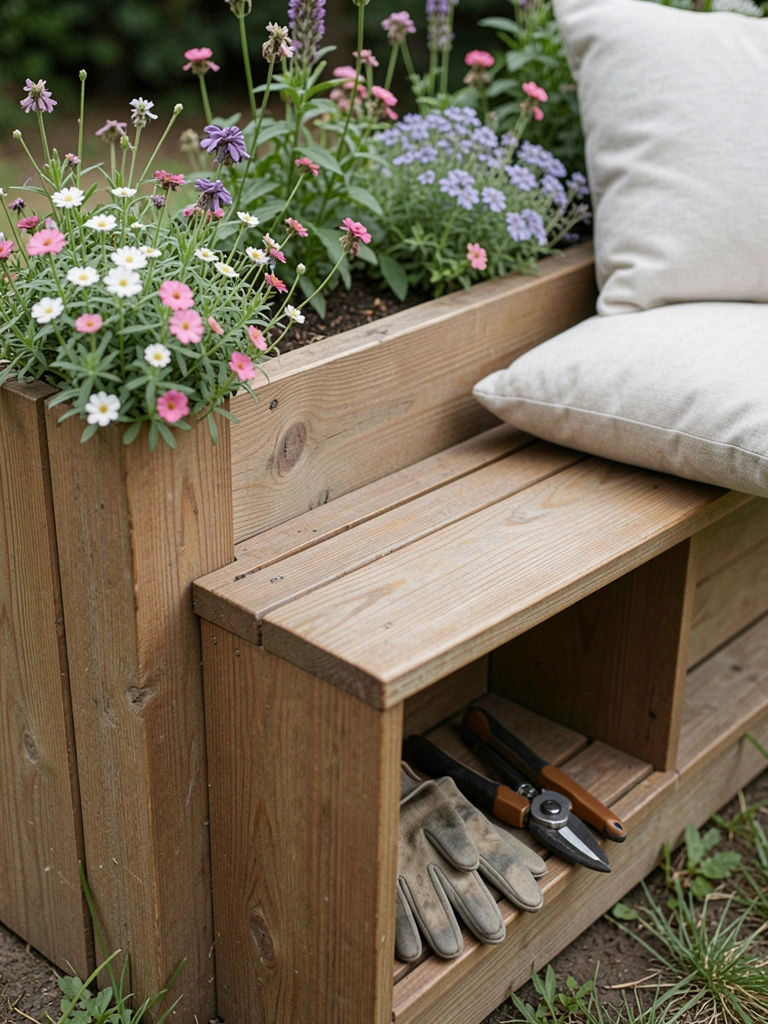
I built a long raised box with a built-in bench and a cubby for tools. It’s where I plant eye-catching annuals and sit to drink tea while weeding.
My first cubby leaked and wet my gloves. I added a simple hinged lid and a small plastic tray. Problem solved.
This doubles as a seating area and keeps frequently used tools handy—very practical for small yards.
What You’ll Need for This Look
- Raised planter box with bench (cedar or composite, 6 ft)
- Compact annuals or perennials for edging
- Small storage cubby with lid, bench cushion
- Hand fork, pruning shears
Final Thoughts
You don’t need every idea. Pick one or two that fit your light and time.
Small, honest choices make a garden you’ll use.
I’m still learning too—gardens change, and that’s part of the fun.