18 Easy Garden Bed Plant Ideas For Beginners To Try This Spring
I used to cram too many plants into beds and then watch them sulk.
I learned to pick a simple idea and repeat it.
These ideas are what worked in my messy yards. They’re easy to start this spring.
They’re honest, specific, and do-able.
18 Easy Garden Bed Plant Ideas For Beginners To Try This Spring
These 18 ideas are practical and tested in real, imperfect gardens.
I kept each idea simple so you can pick one and get started.
Expect clear plant combos, a few mistakes I made, and shopping notes.
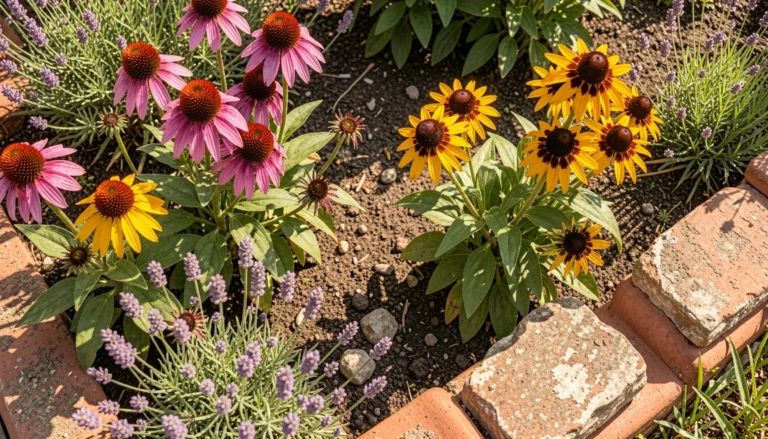
1. Pollinator-Friendly Front Bed with Salvia and Echinacea
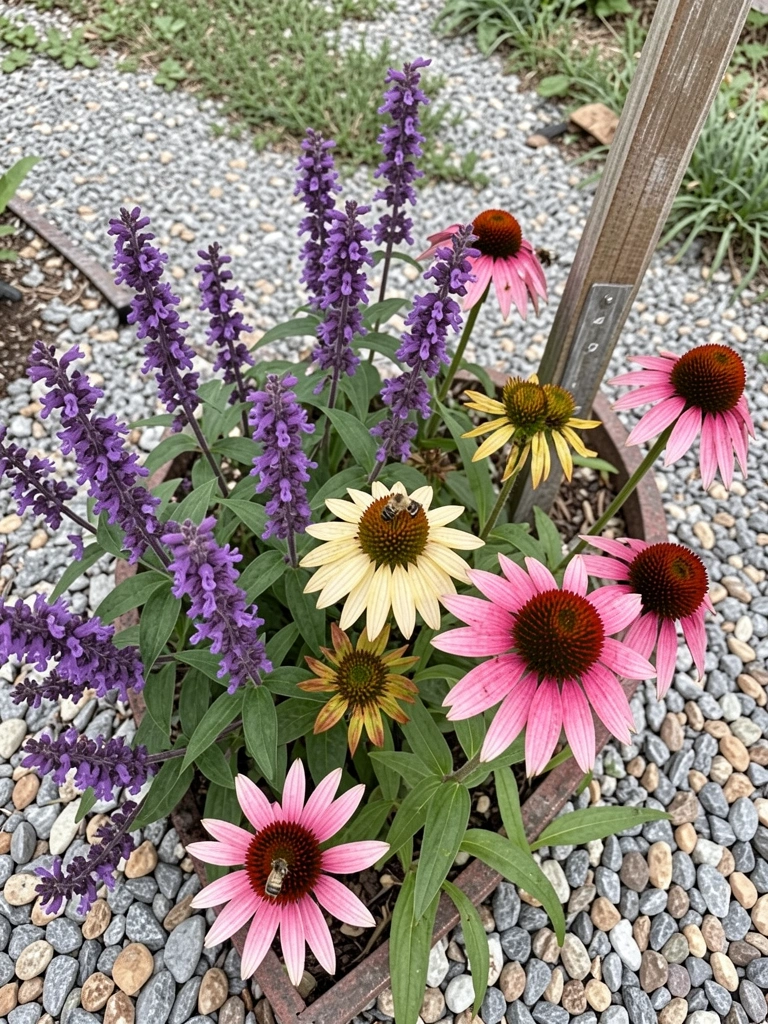
I planted a narrow strip with salvia and echinacea and finally had bees every afternoon.
It felt alive in a way my clipped beds never did.
I overplanted the first year and had to thin—lesson learned. Thin early so flowers don’t compete.
Add a couple of milkweed plugs and a small watering can spot for dry spells. Bees find it fast and the bed reads as simple but busy.
What You’ll Need for This Look
- Salvia (purple, 12–18 inch)
- Echinacea (pink or white, 18–24 inch)
- Milkweed plugs
- Organic mulch (1–2 inch)
2. Low-Maintenance Drought Bed with Lavender and Sedum
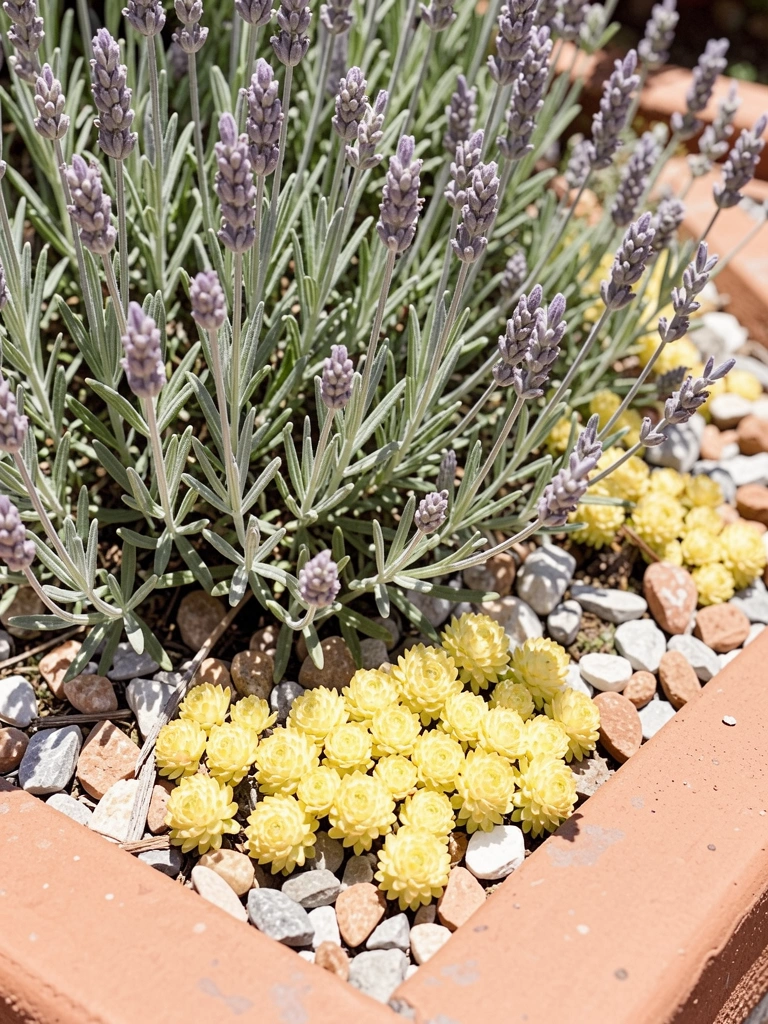
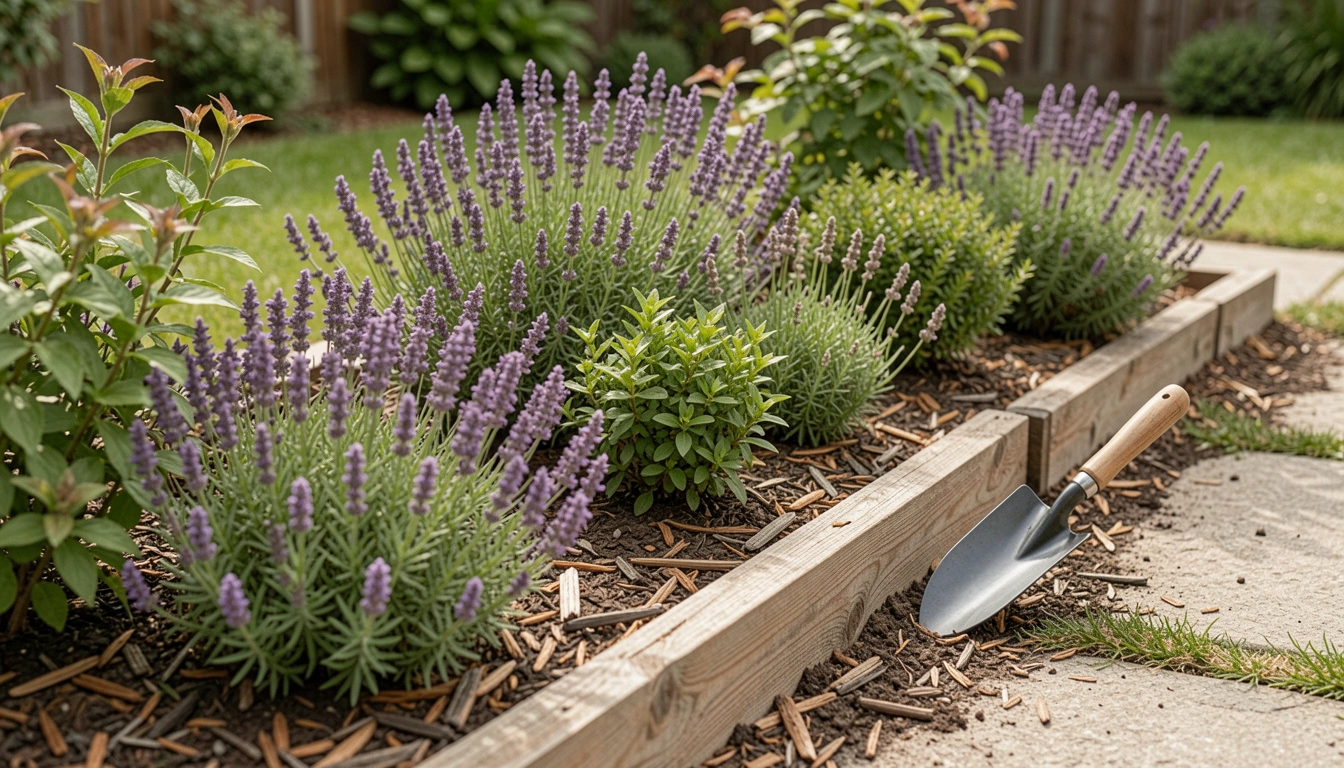
I put lavender and sedum in a patch that bakes all afternoon.
They survived heat that killed other plants. The scent is visible from the patio.
I did water too much the first season and watched lavender collapse. Less is better here. Water deeply only once established.
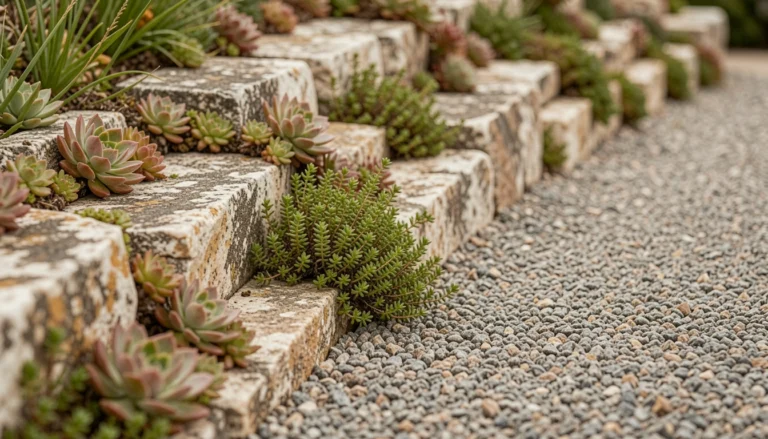
This bed looks tidy with gravel and a low stone edge. It’s the kind of planting you forget and still looks good.
What You’ll Need for This Look
- English lavender (6–12 inch)
- Sedum (groundcover or upright, yellow)
- Gravel or crushed stone mulch
- Low stone or metal edging
3. Simple Herb Bed Near the Kitchen Door
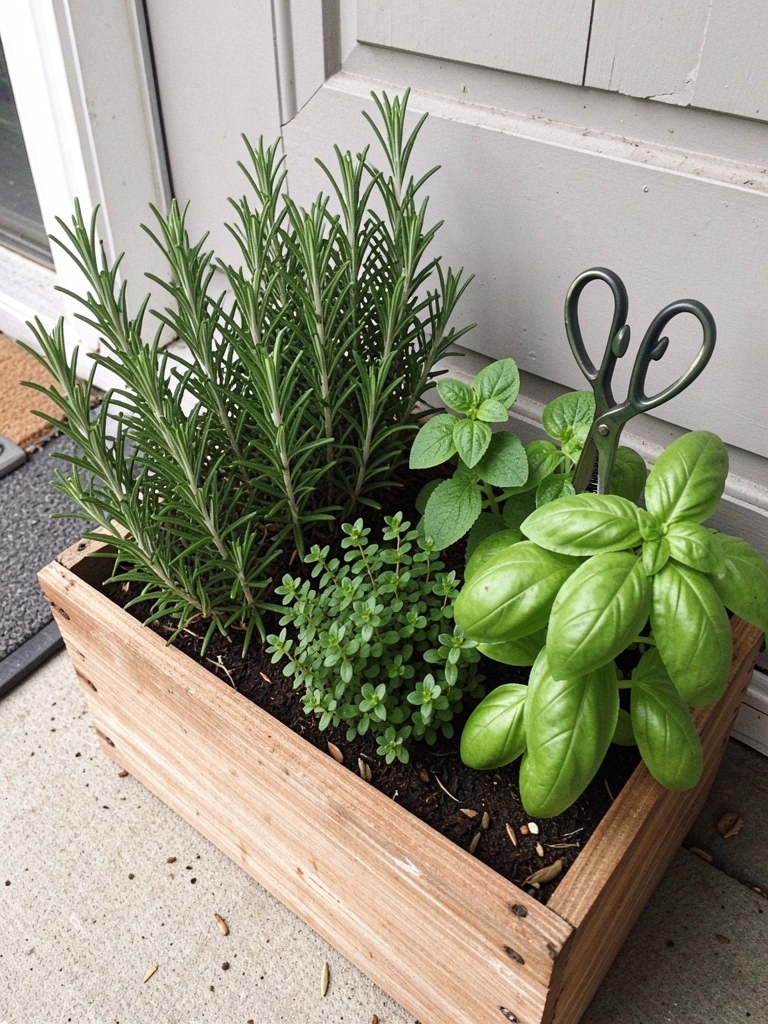
I planted herbs where I could reach from the kitchen. I picked rosemary, thyme, and basil.
I use them every day — it changed how I cook. The bed smells like dinner.
I once planted basil too close to rosemary and the basil shaded out. Give basil space. Think about harvest paths and keep thyme along the edge.
Label everything with simple markers and keep a small watering can nearby.
What You’ll Need for This Look
- Raised bed kit (4×2 foot, cedar)
- Rosemary (small shrub form)
- Thyme (trailing)
- Basil (bush varieties)
- Plant markers
4. Cottage-Style Mixed Perennial Bed for Continuous Color
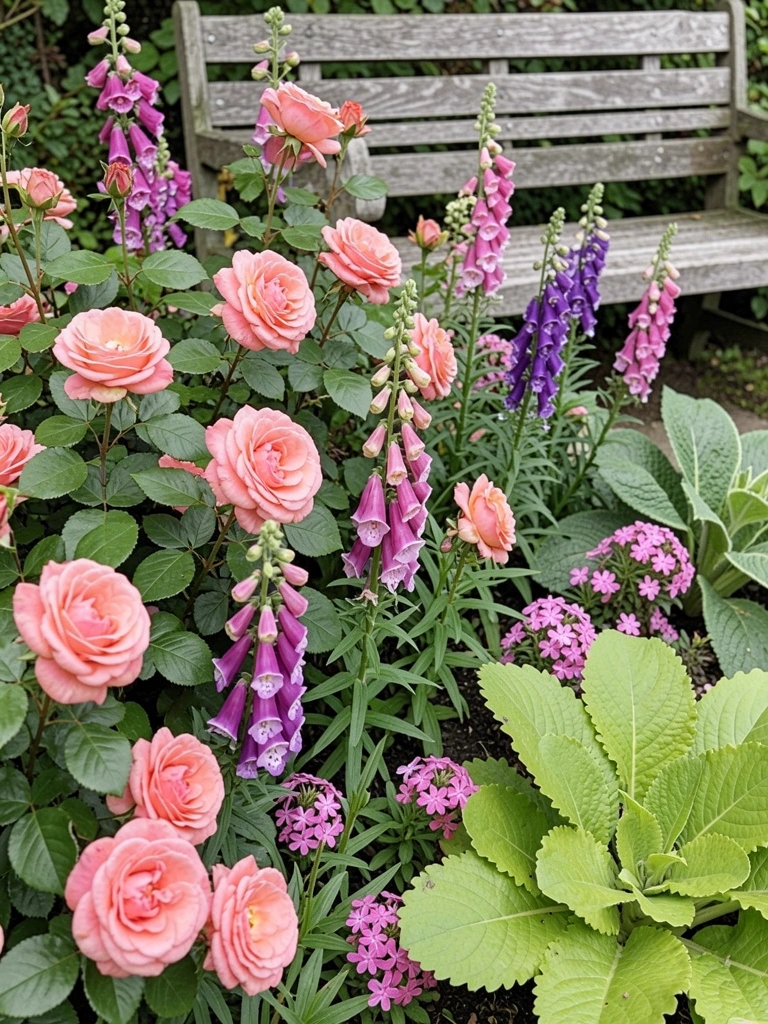
I wanted a cottage feel without chaos. I repeated three perennials: phlox, salvia, and lady’s mantle.
It filled in fast and looked layered, not wild. I regretted buying too many different cultivars at once. It took longer to blend.
Keep groups of the same plant in threes or fives. That repetition gives cohesion. Add a small rose or two for height.
It’s forgiving and great if you enjoy cutting flowers.
What You’ll Need for This Look
- Phlox (clumping, 12–18 inch)
- Salvia (upright, 18–24 inch)
- Lady’s mantle (soft foliage)
- One or two shrub roses (compact)
5. Shade-Tolerant Bed Under Trees with Hostas and Ferns
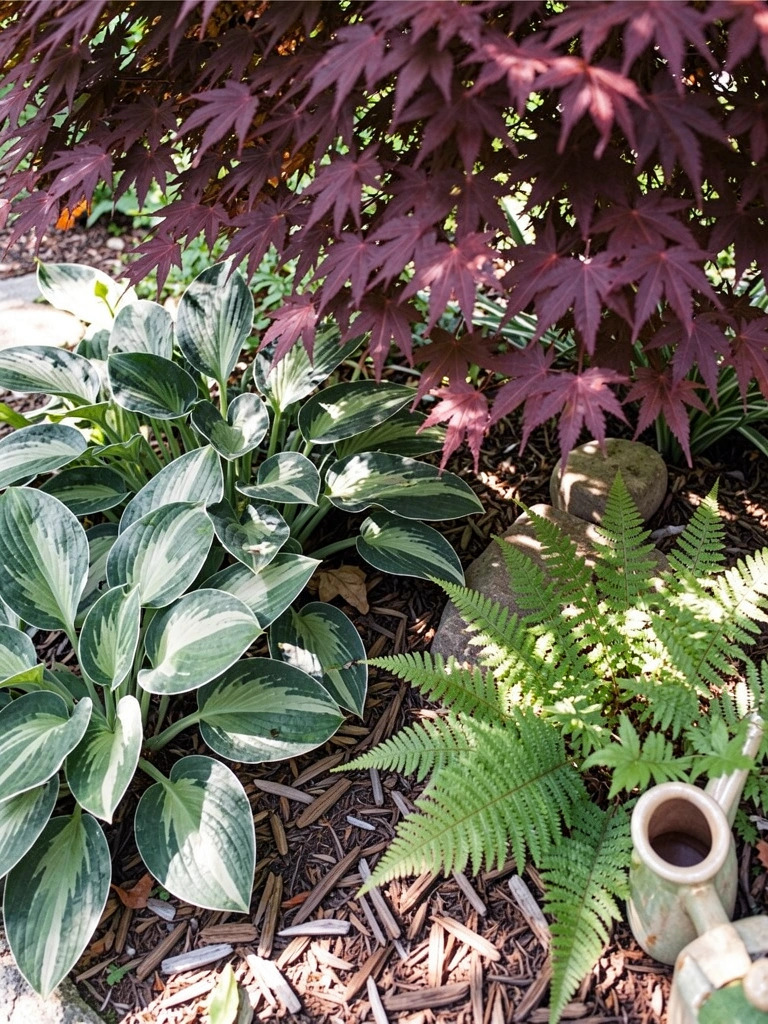
I placed hostas and ferns under tall maples. They quietly filled an awkward, shady strip.
The difference was instant: a cool, textured corner to sit beside. I planted a sun-loving sedum there by mistake and it looked sad all season.
Stick to true shade lovers and add leaf mulch. Watch for slugs on hostas—my slug trap helped a lot.
This bed works if you want texture more than bright color.
What You’ll Need for This Look
- Hostas (variegated and plain, assorted sizes)
- Japanese painted fern
- Shade-loving groundcover (e.g., pachysandra)
- Organic leaf mulch
6. Easy Raised Vegetable Bed for First-Time Growers
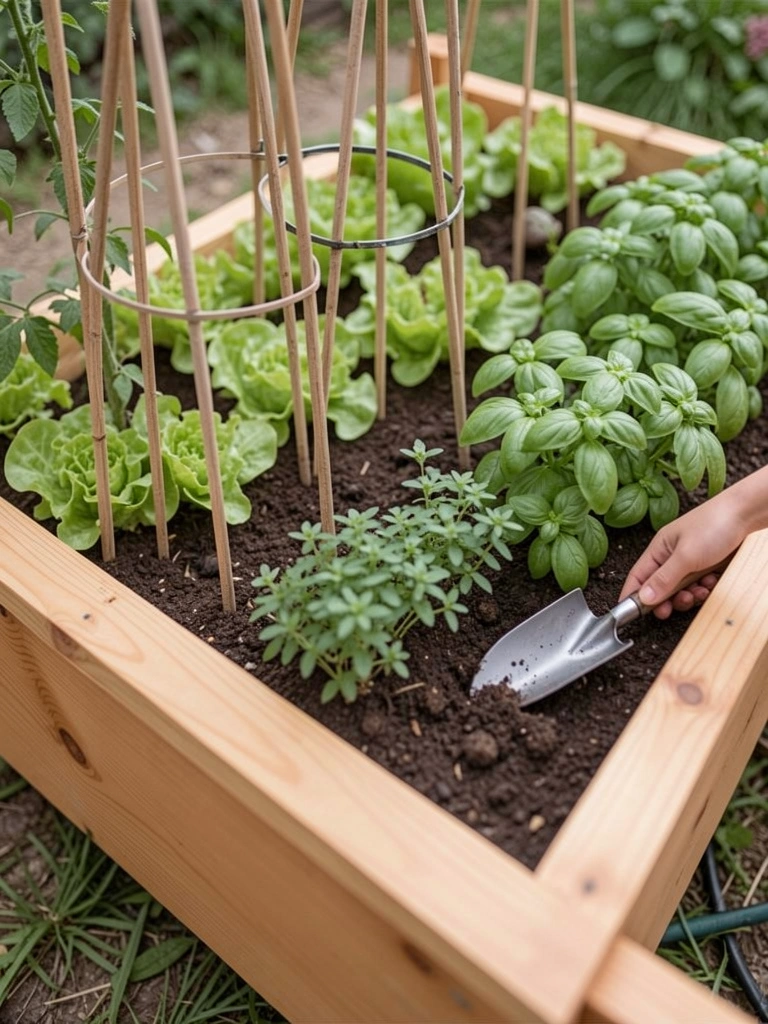
I built a simple cedar raised bed and planted tomatoes, lettuce, and basil.
I liked how tidy and reachable it was. Harvests felt immediate and rewarding. I planted tomatoes too early once and they sulked. Start after the last frost.
Keep rows narrow so you can reach all plants. Install a couple of tomato cages at planting time.
This is a great first edible bed—small steps make a big difference.
What You’ll Need for This Look
- Raised bed kit (4×4 foot, cedar)
- Tomato cages (metal, 4–5 foot)
- Seed-started lettuce sets
- Basil seedlings
- All-purpose vegetable compost
7. Bulb Drift Bed for Early Spring Color
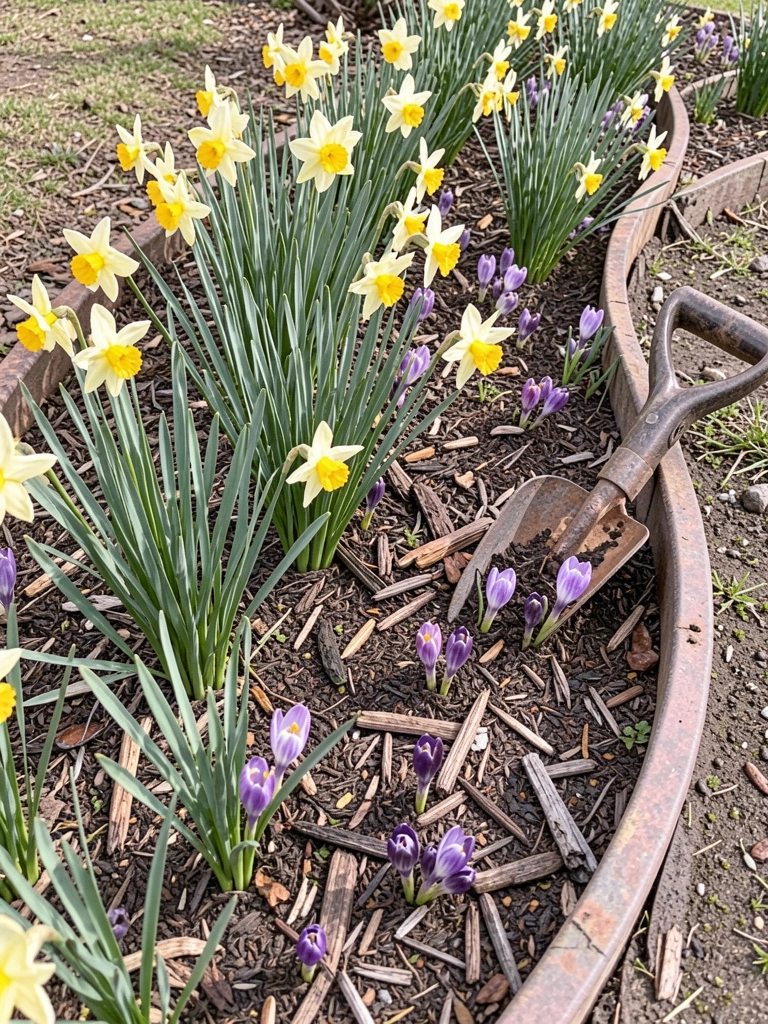
I planted bulbs in drifts instead of single spots. The result surprised me—bold waves of color early in spring.
They lift a tired bed and signal the season change. I spaced some bulbs too tight and had tiny, crowded blooms. Space them according to package directions.
Plant in groups, mark where they are, and add a light top-dressing of compost after they die back. The soil improves each year.
It’s an easy annual reward for a small effort.
What You’ll Need for This Look
- Daffodil bulbs (50–100, mixed sizes)
- Crocus bulbs (100)
- Bulb planter tool
- Compost (for top-dressing)
8. Mono-Color White Night Garden Near a Patio
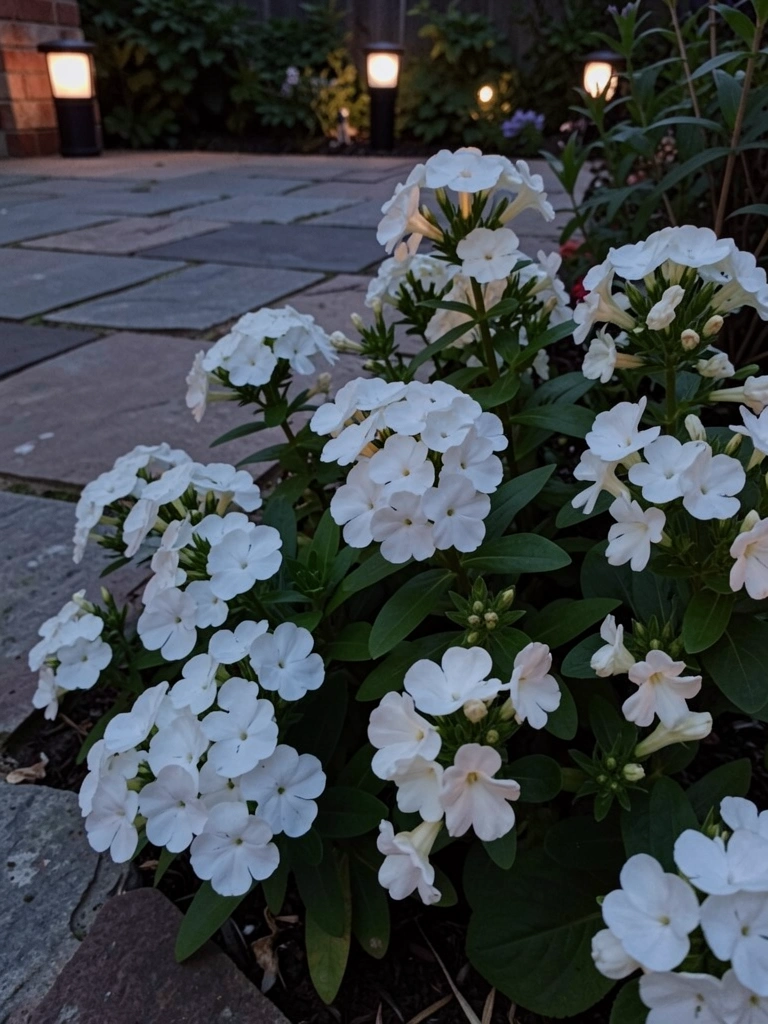
I planted white-only perennials and a few night-blooming nicotiana by the patio.
At dusk the bed reads bright and calm. It made my small patio feel larger. I did choose a white rose that needed more care than nearby perennials—oops. Keep roses separate or choose low-care shrubs.
Use low-watt solar path lights to lift the whites after dark. This is a simple, peaceful look that reads clean and intentional.
What You’ll Need for This Look
- White phlox (12–18 inch)
- White geraniums (perennial)
- Nicotiana (night-blooming)
- Warm-white solar pathway lights
9. Bold Foliage Bed with Heuchera and Ornamental Grasses
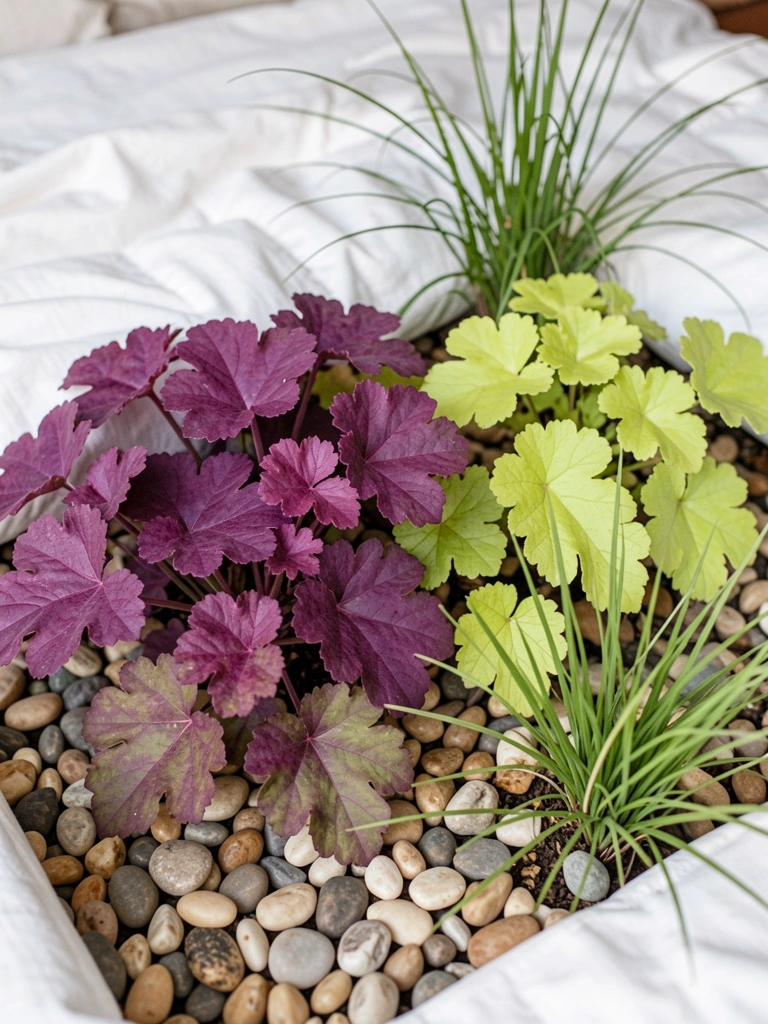
I planted heuchera for color that doesn’t rely on flowers. The leaves pop next to grasses.
It’s a low-fuss bed that reads modern and tidy. I bought too many varieties at once and mixed colors poorly. Choose two contrasting leaf colors for impact.
Repeat each plant in groups. Add a clump of fountain grass for movement. It’s about texture over blooms, and it looks good all season.
What You’ll Need for This Look
- Heuchera (purple and lime, 8–12 inch)
- Fountain grass (small clumps)
- Pebble mulch or fine gravel
- Small hand rake
10. Native Meadow Border with Little Bluestem and Asters
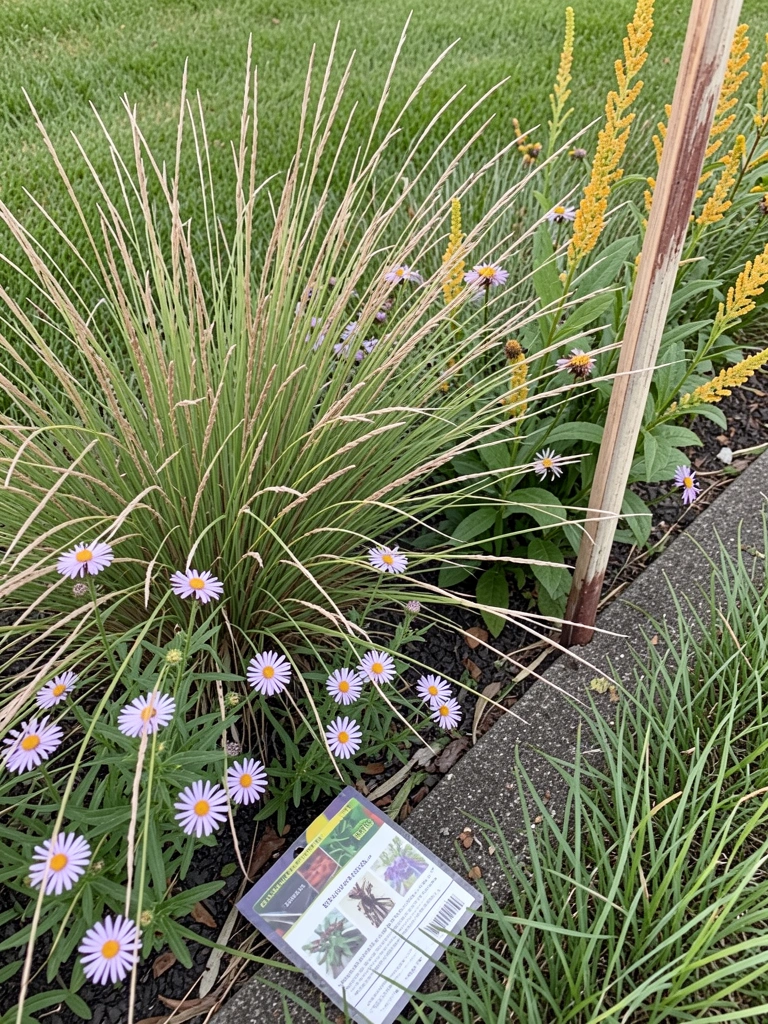
I let a narrow strip naturalize with little bluestem and asters. It drew birds and felt wild without being messy.
I remember pulling a few aggressive goldenrods the first year—some natives can run. Watch for spreaders and thin annually.
This border needs a lighter hand. Leave seedheads through winter for birds. It feels honest and seasonal.
What You’ll Need for This Look
- Little bluestem plugs
- Aster mixes
- Rustic stakes for grouping
- Hand shears for annual thinning
11. Fragrance Corner with Mock Orange and Lavender
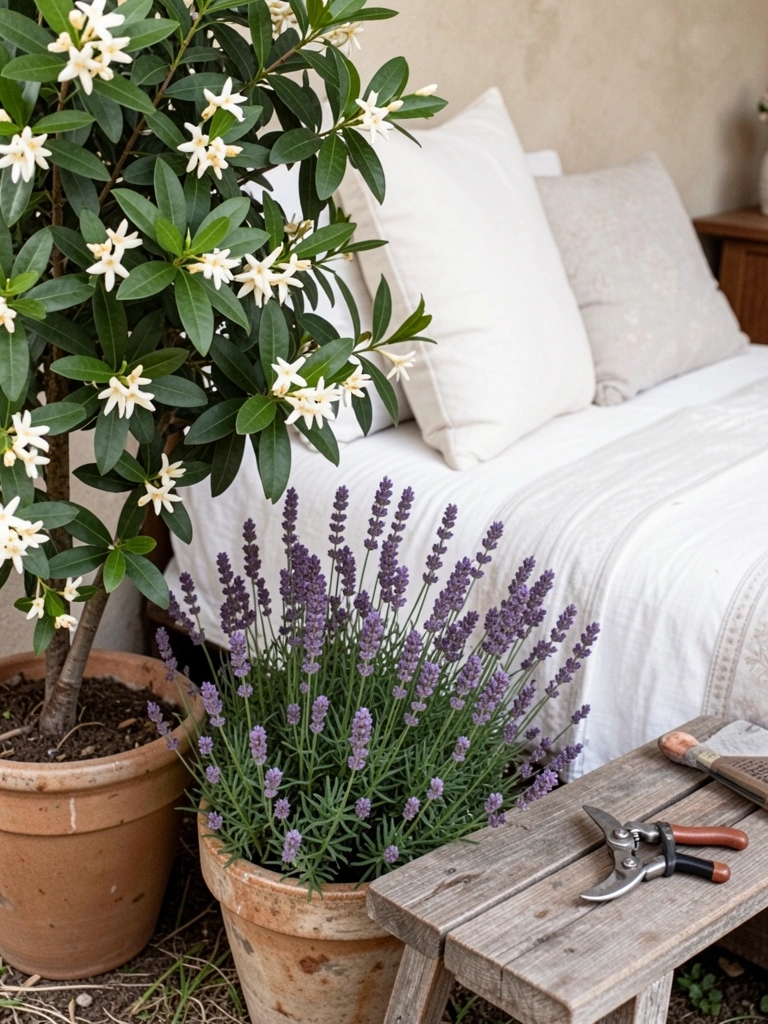
I created a scent-focused corner with mock orange at the back and lavender in front.
Sitting there in May felt like a small private moment. I planted mock orange too close to the path once; it flopped into the walk. Give shrubs room.
Prune lightly after flowering and deadhead lavender. A small bench invites lingering and makes you use the space.
What You’ll Need for This Look
- Mock orange (Philadelphus, 4–6 foot)
- Lavender (border variety)
- Small wooden bench
- Pruning shears
12. Compact Evergreen Structure Bed for Winter Interest
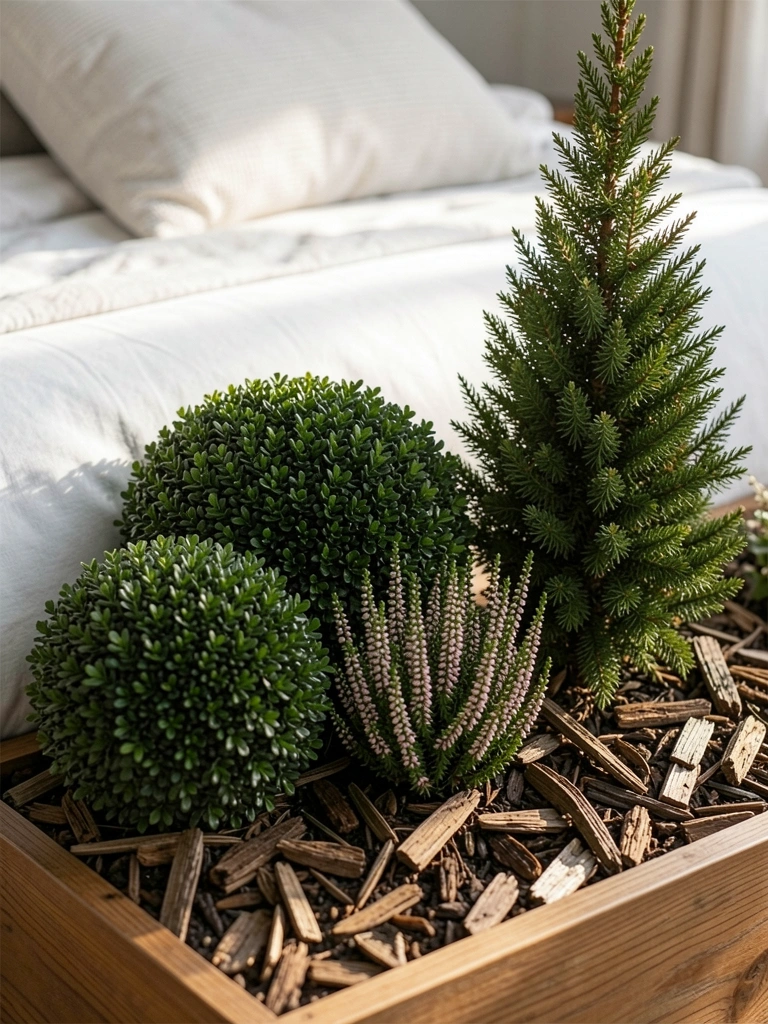
I added dwarf boxwood and evergreen heather to a tired bed for year-round shape.
Winter suddenly had structure and the garden felt intentional even when nothing was blooming. I trimmed the boxwood too aggressively once and regretted it. Trim gently in spring.
Evergreen structure makes seasonal plantings look purposeful. Use small evergreens for backbone and change color with annuals in front.
What You’ll Need for This Look
- Dwarf boxwood (small, 12–18 inch)
- Evergreen heather (low)
- Small ornamental conifer (dwarf)
- Winter mulch (bark)
13. Easy Cut-Flower Bed with Dahlias and Cosmos
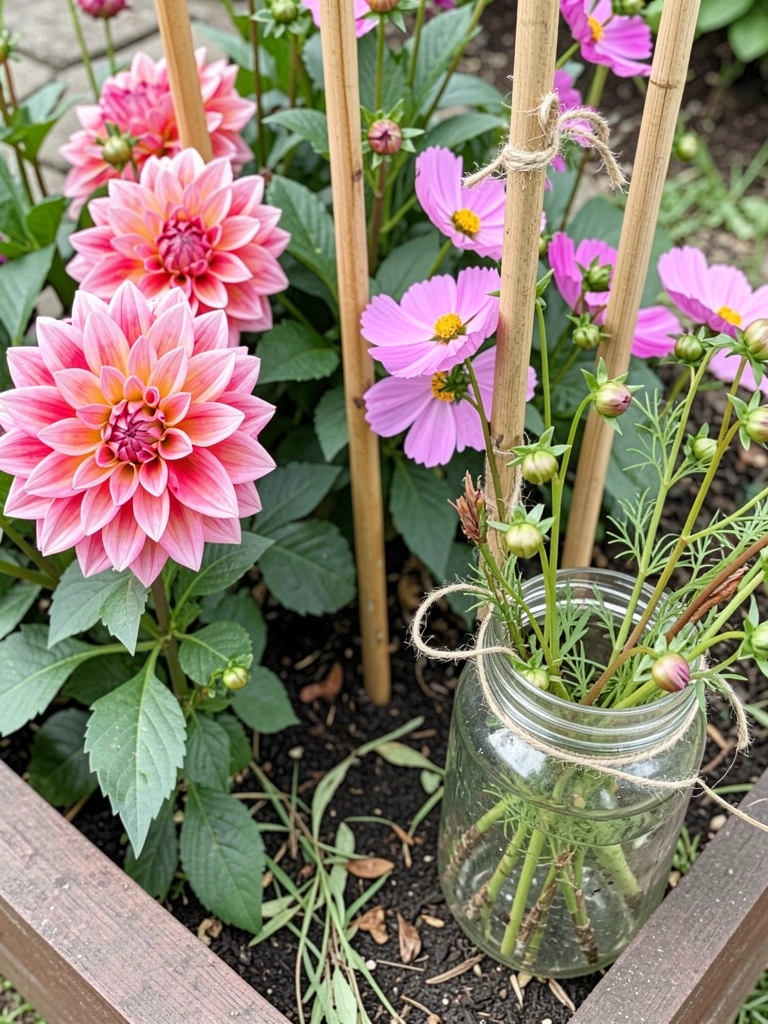
I dedicated a sunny strip to dahlias and cosmos for cutting. The jar of stems in the kitchen made me smile every week.
I once planted tall dahlias without stakes and lost blooms to wind. Stake early. Cosmos are forgiving and fill gaps.
Cut regularly to encourage blooms and keep a small vase ready inside. This bed rewards small daily attention.
What You’ll Need for This Look
- Dahlia tubers (mixed colors)
- Cosmos seeds or seedlings
- Bamboo stakes and garden twine
- Harvesting shears
14. Groundcover Slope with Creeping Thyme and Sedum
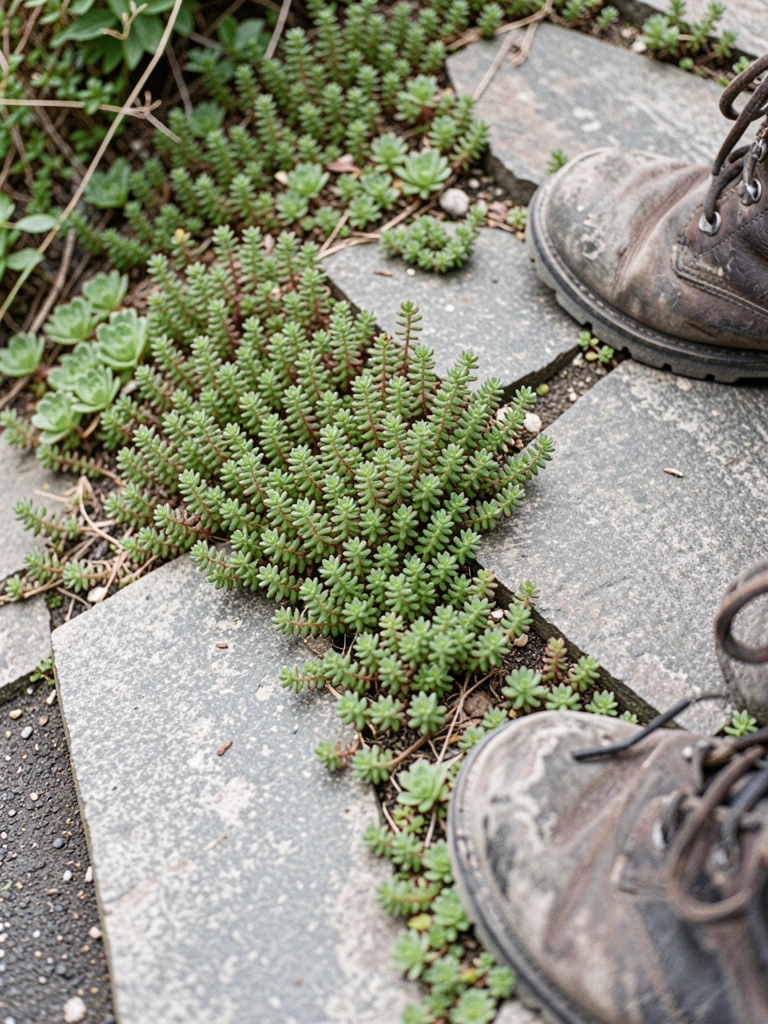
I planted creeping thyme on a shallow slope with sedum lower down. It stopped erosion and smelled nice when I walked over it.
I planted a more aggressive groundcover in one patch by mistake and had to pull it out. Match plant vigor to space.
This is low care once established. Use stepping stones and let thyme bloom for pollinators.
What You’ll Need for This Look
- Creeping thyme (mat-forming)
- Low sedum varieties
- Flagstone stepping stones
- Soil erosion fabric (optional)
15. Small Wildlife Pond Edge Planting with Rushes and Iris
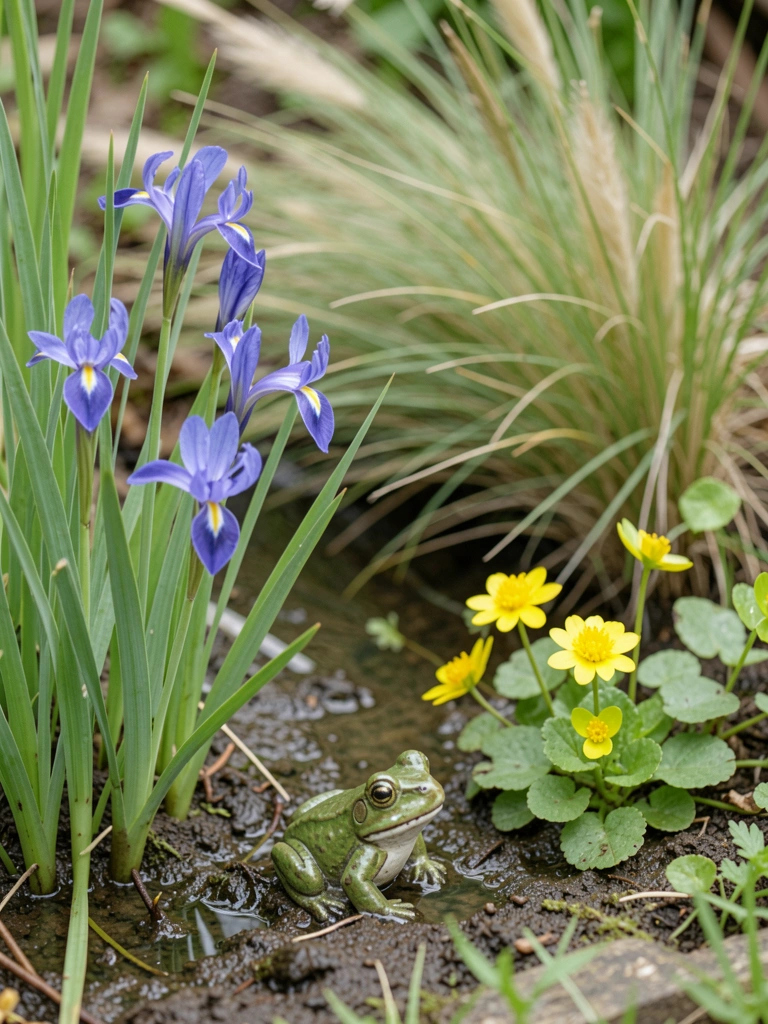
I edged a tiny pond with blue flag iris and rushes. Frogs appeared the next spring.
The wet-loving plants held the soil and made the water feature look natural. I accidentally planted a non-native near the edge and pulled it out later—stick to natives for ponds.
Keep a pocket of shallow water for wildlife and avoid chemical inputs. The bed becomes a quiet nature spot.
What You’ll Need for This Look
- Blue flag iris (water-tolerant)
- Soft rushes (Juncus)
- Marsh marigold
- Small pond liner kit (if building)
16. Butterfly Host-Plant Bed with Milkweed and Violets
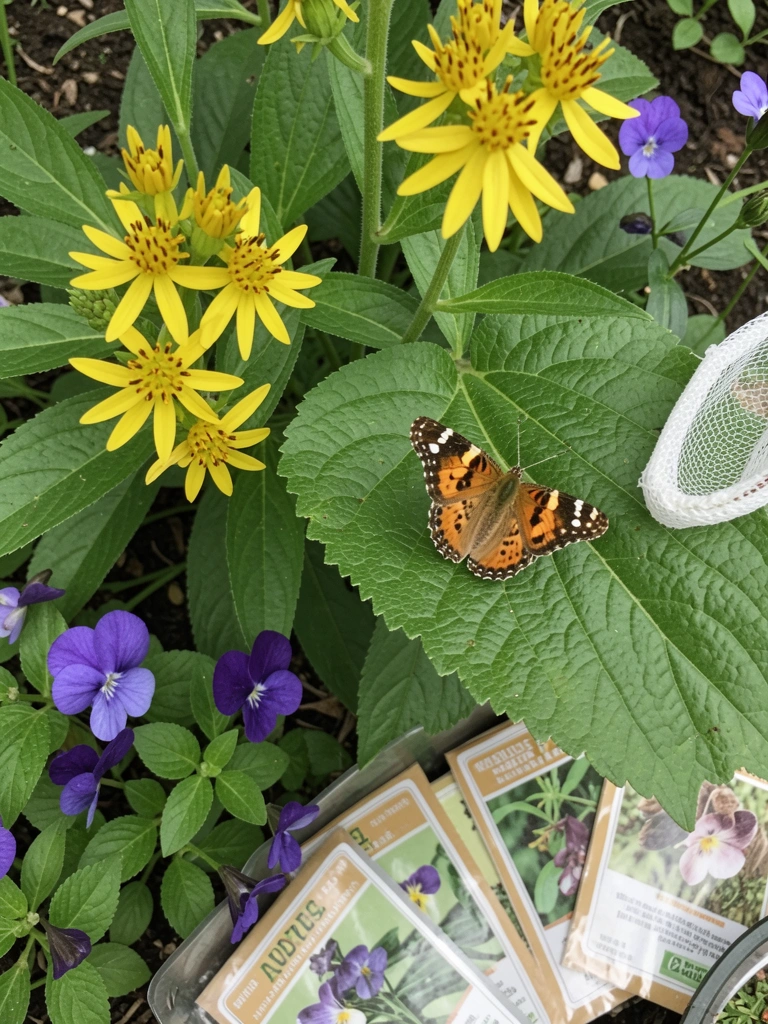
I set aside a sunny bed for butterfly hosts—milkweed and violets primarily. Monarch caterpillars showed up that year.
I was tempted to pull the chewed leaves but let nature run. You’ll see odd leaf damage. That’s okay. Don’t panic; it means the bed is working.
Add signposts so family knows why it looks different. The payoff is abundant butterflies and a livelier garden.
What You’ll Need for This Look
- Common milkweed plugs
- Native violets
- Butterfly identification sign
- Small net (for gentle transfers)
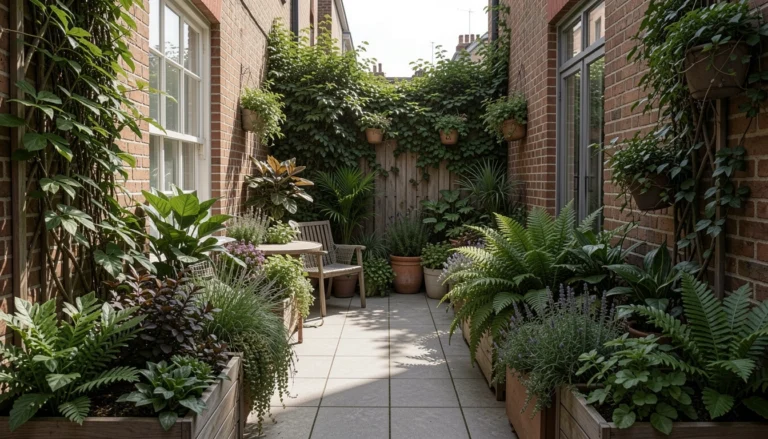
17. Container-Style Garden Bed Using Raised Boxes
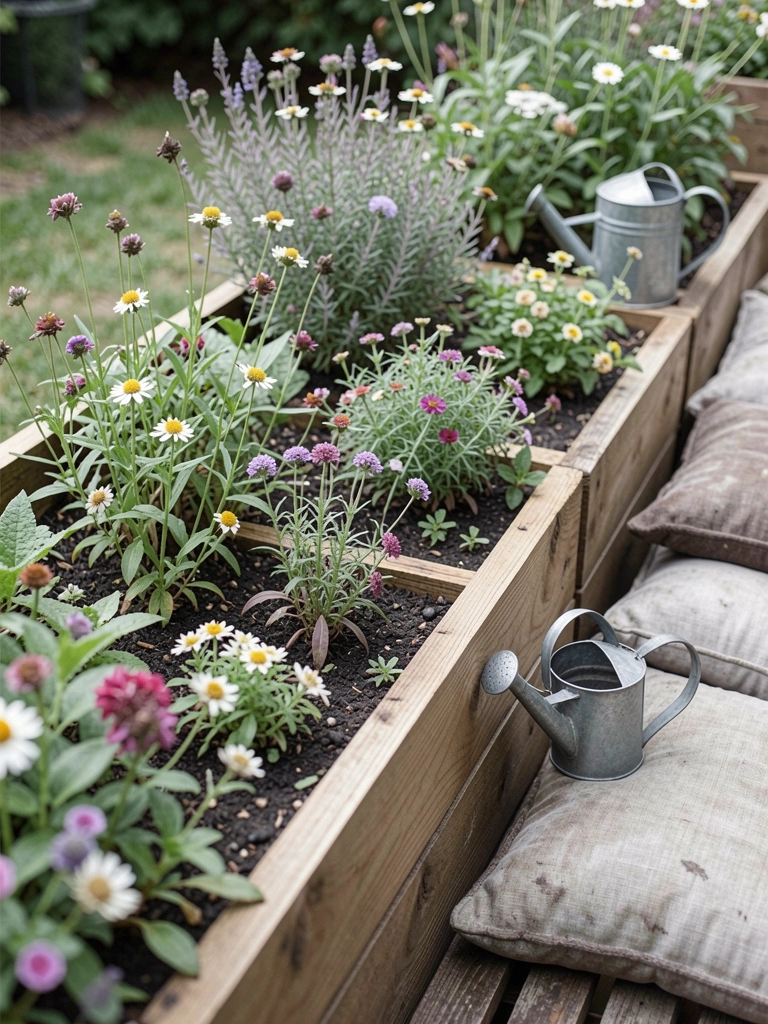
I used several raised timber boxes as a continuous bed along a fence. It’s tidy and flexible.
I swapped out annuals seasonally and moved containers in bad weather. One summer I used cheap soil and learned dense soil drains poorly—invest in good potting mix.
Containers simplify pest control and allow me to change color easily. They’re ideal if your soil is poor.
What You’ll Need for This Look
- Timber raised boxes (24×24 inch)
- All-purpose potting mix
- Seasonal annuals (e.g., geraniums, calibrachoa)
- Long-spout watering can
18. Easy Edible-Flower Border with Nasturtiums and Borage
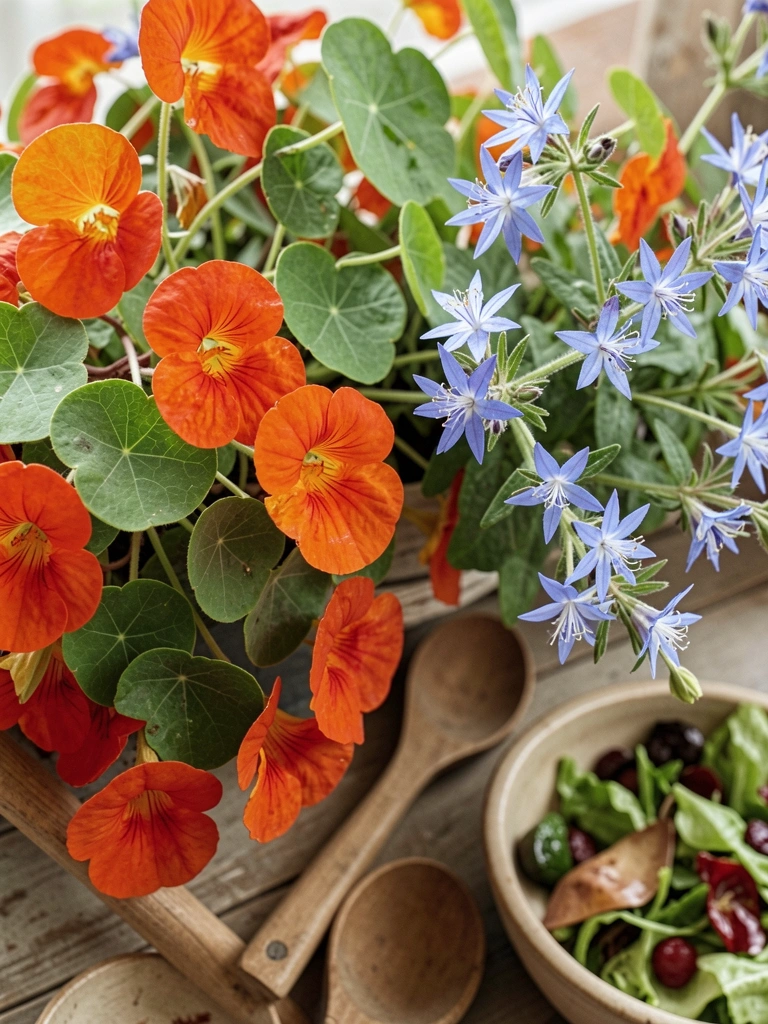
I planted nasturtiums and borage along a kitchen border so edible flowers were always at hand.
They make salads pop and attract pollinators. I once over-fertilized the area and got lots of leaves but fewer flowers. Less feed, more blooms.
Let them tumble over edges and harvest petals often. It’s playful and useful.
What You’ll Need for This Look
- Nasturtium seeds (trailing varieties)
- Borage seedlings or seeds
- Light, balanced organic fertilizer (use sparingly)
- Small harvest scissors
Final Thoughts
You don’t have to do all of these. Pick one look that fits your time and light.
Start small, repeat plants, and learn from a few predictable mistakes I made.
Gardens get better every season. Trust the process and enjoy the work.