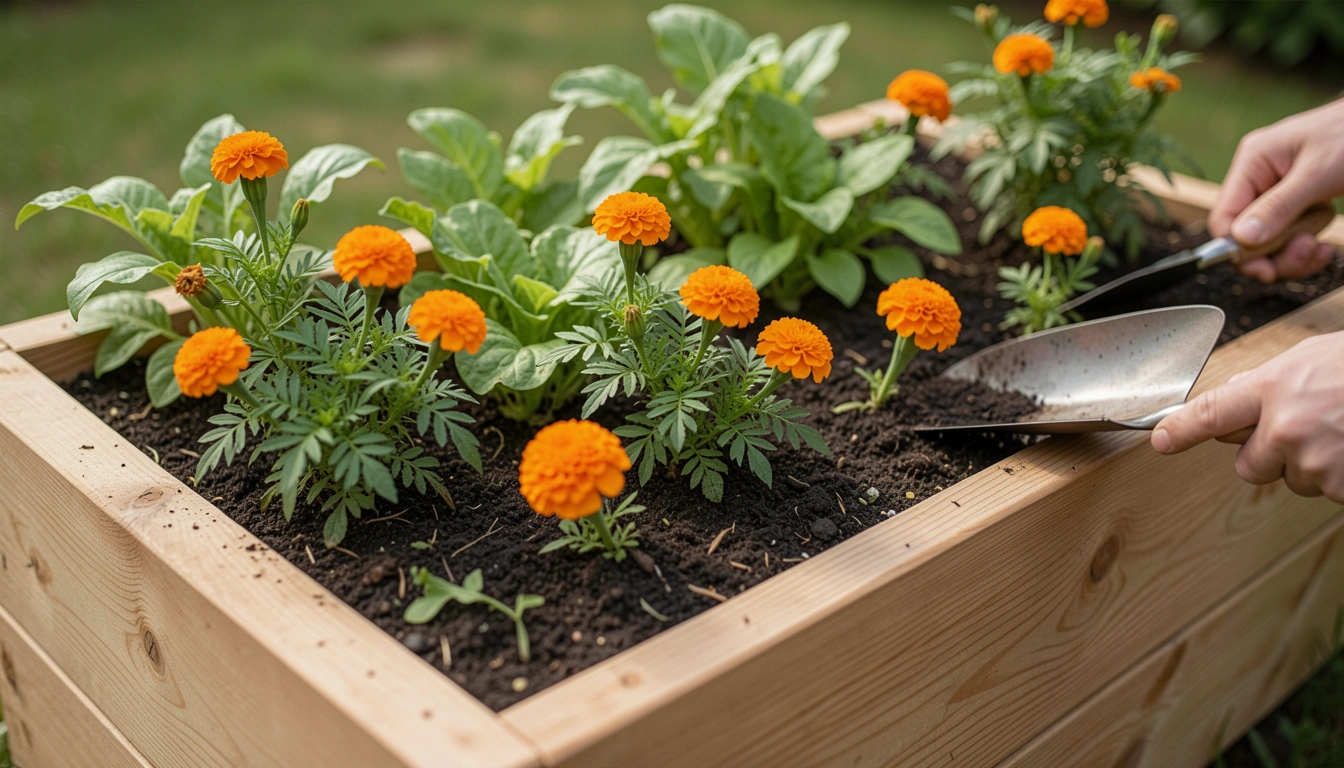
11 Smart Raised Bed Garden Ideas For A Thriving Backyard
I finally stopped treating raised beds like a showpiece.
I learned what grows, what sulks, and what makes me smile on slow afternoons.
These ideas come from scratched knees, wrong plant buys, and a few seasons of paying attention.
11 Smart Raised Bed Garden Ideas For A Thriving Backyard
These 11 raised bed garden ideas are practical, lived-in, and easy to copy.
I kept each one doable.
You’ll find layout, plants, and gear suggestions.
1. Cedar Square Bed with Staggered Veg Rows
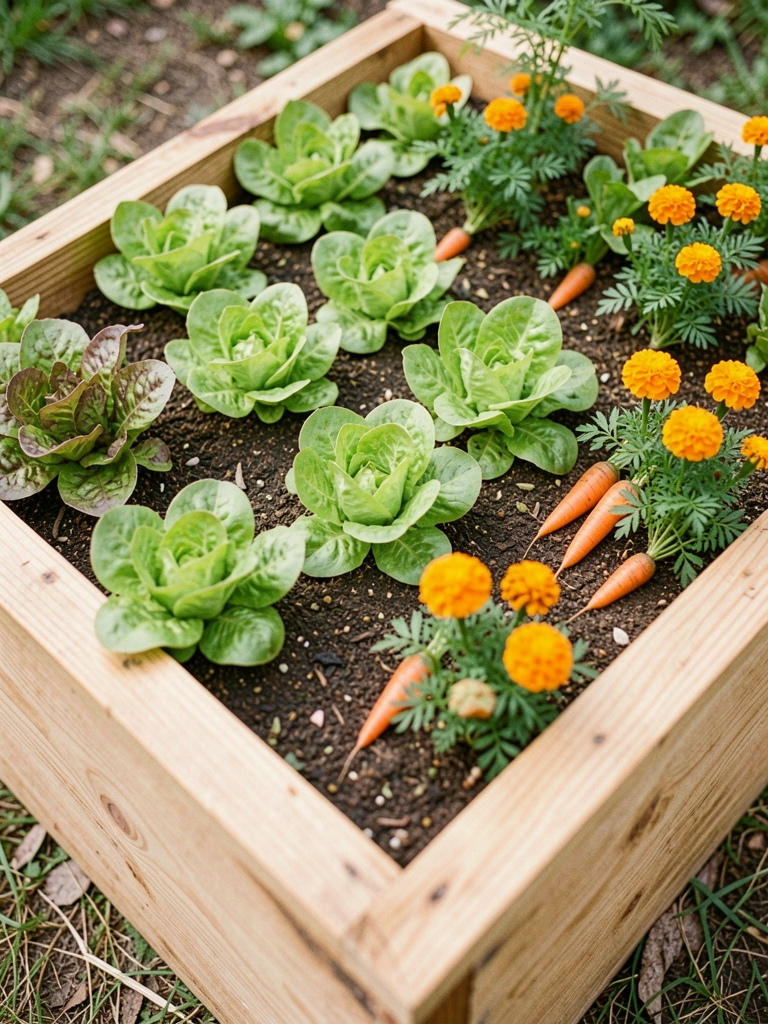
I built a 4×4 cedar box when my soil was muddy and disorganized.
Staggered rows let me squeeze lettuce between carrots and bush beans. They shade soil and reduce splash.
Visually, the bed reads tidy even when I’m lazy. It’s forgiving when seedlings falter.
Tip: plant quick greens in gaps. They fill space and slow weeds.
What You’ll Need for This Look
- Cedar raised bed kit (4×4)
- Organic vegetable seed mix (salad greens, carrots)
- Marigold seed packets
- Hand trowel, garden gloves
2. Vertical Trellis Combo for Vining Crops
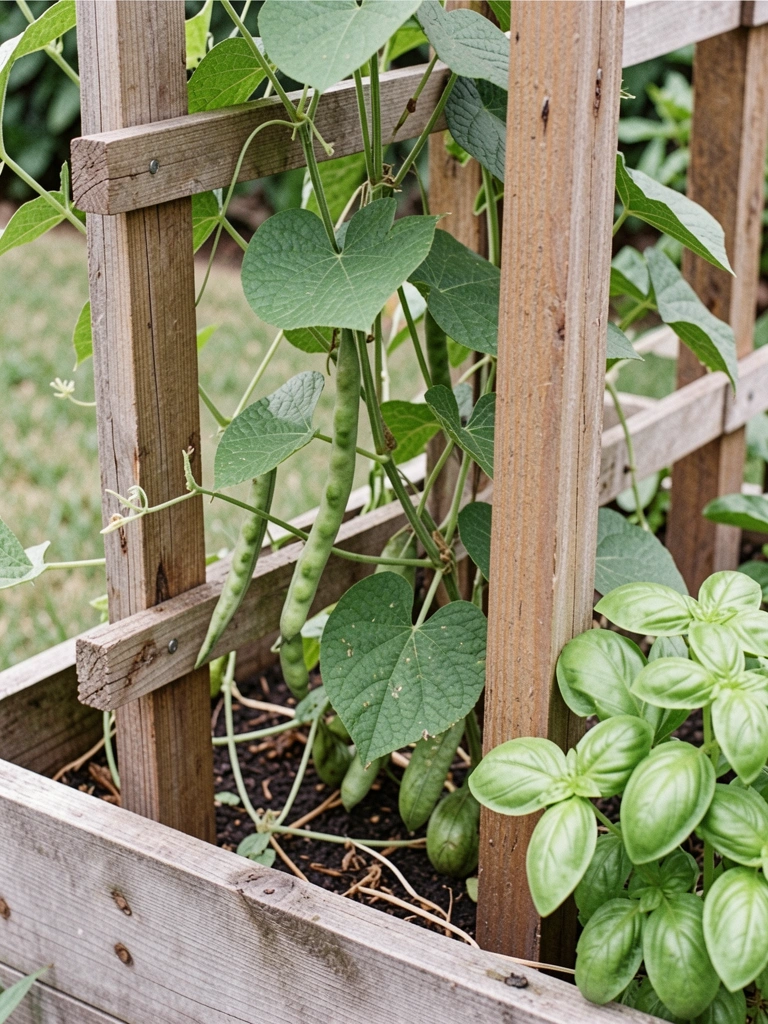
I once planted zucchini and lost sun to a sprawling cucumber. So I built an edge trellis.
Pole beans and cucumbers climbed up instead of across. That freed ground space for peppers.
I learned to secure the trellis early; late support crushed young stems. Plant peas first if you want early cover.
It looks tall and layered. I can harvest standing up.
What You’ll Need for This Look
- 6 ft wooden trellis panel
- Climbing bean seeds, cucumber seedlings
- Garden twine, plant clips
- Trellis anchors or rebar
3. Compact Herb Bed with Stepping Stones
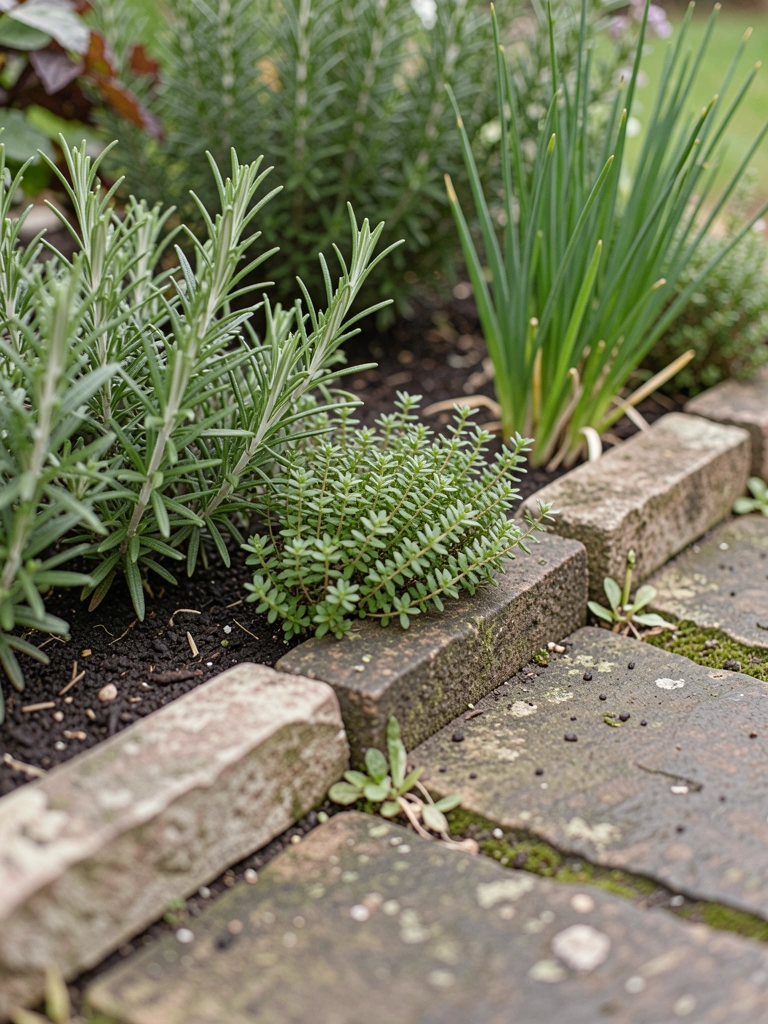
My herb bed became my kitchen go-to. I planted rosemary, thyme, and chives in tight groups.
Stepping stones let me reach the middle without trampling. The scent when I brush past is the real reward.
I once overplanted thyme and had to divide it in year two. Don’t crowd perennials too much.
Keep herbs clipped. They look neat and keep pests down.
What You’ll Need for This Look
- Small cedar raised bed (2×4)
- Rosemary, thyme, chive transplants
- Flat stepping stones
- Hand pruners, mulch
4. Pollinator Mix Edge to Boost Fruit Yields
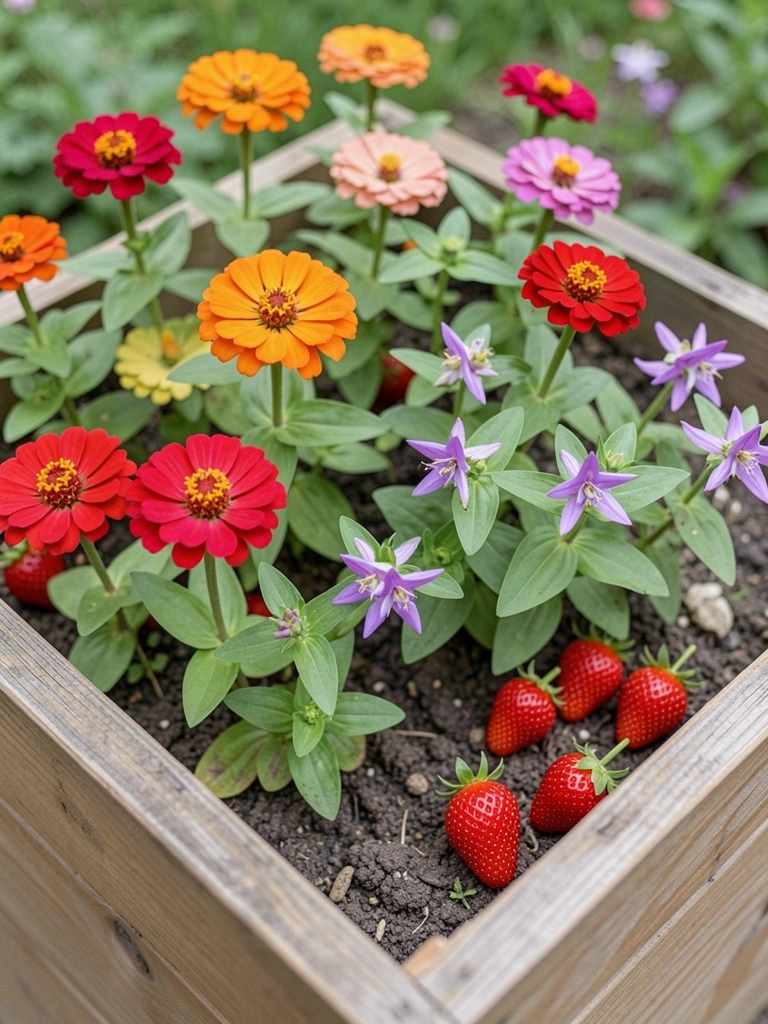
I stopped mowing the bed edge and seeded flowers instead. Bees showed up within weeks.
When pollinators visit, my tomatoes and beans set better. The bed looks alive, not just utilitarian.
I mixed annuals and perennials so something blooms most of the season. A few volunteers taught me which flowers survive my neglect.
Leave small patches of bare soil for ground-nesting bees.
What You’ll Need for This Look
- Wildflower seed mix (pollinator-friendly)
- Borage, zinnia, calendula seedlings
- Straw or bark mulch
- Small watering can
5. Cold-Frame Topped Raised Bed for Early Starts
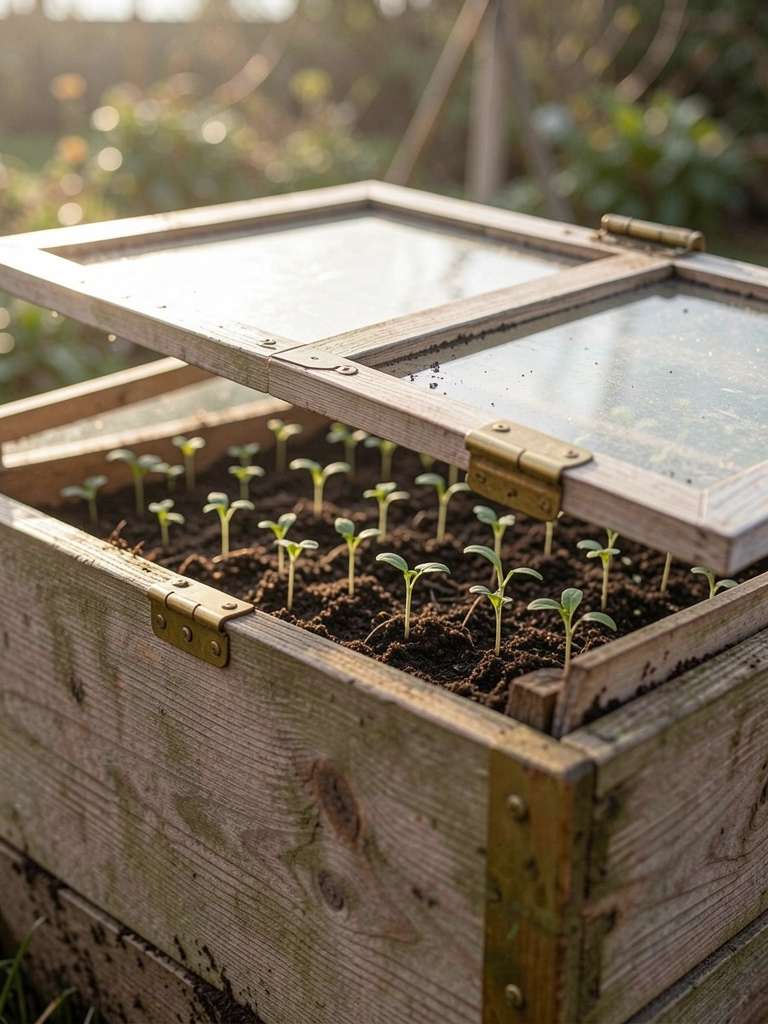
I added a cold frame to one bed after losing spring seedlings to a late frost.
It pushed my season forward by a month. I could plant tomatoes earlier and still get robust seedlings.
Mistake: I once used cheap hinges and the lid warped. Buy a solid lid with gas struts. Vent morning and afternoon.
Now I protect seedlings and harden them off right on the bed.
What You’ll Need for This Look
- Cold-frame lid with gas strut
- Raised bed (any size)
- Seed trays, fast-draining potting mix
- Thermometer, vent hinge
6. Mixed Edible-Perennial Bed with Berry Canes
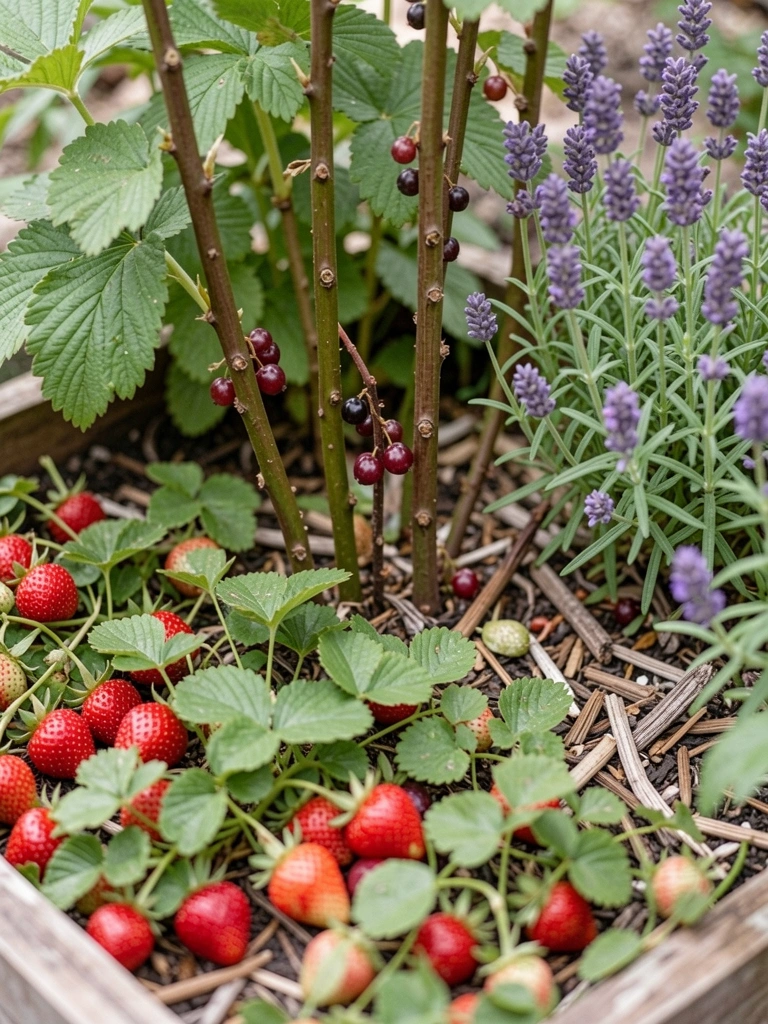
I planted raspberries at the back and strawberries up front. Perennials give structure.
Lavender between canes keeps things smelling good and drops bees in to work the berries.
It’s low-effort once established. Year three was the first heavy harvest and it felt earned.
Keep canes pruned and replace old crowns. Perennials reward patience.
What You’ll Need for This Look
- Raised bed (6×3 or larger)
- Raspberry or currant canes
- Strawberry plugs
- Lavender plants, garden pruners
7. Drip Irrigation and Heavy Mulch for Low Work
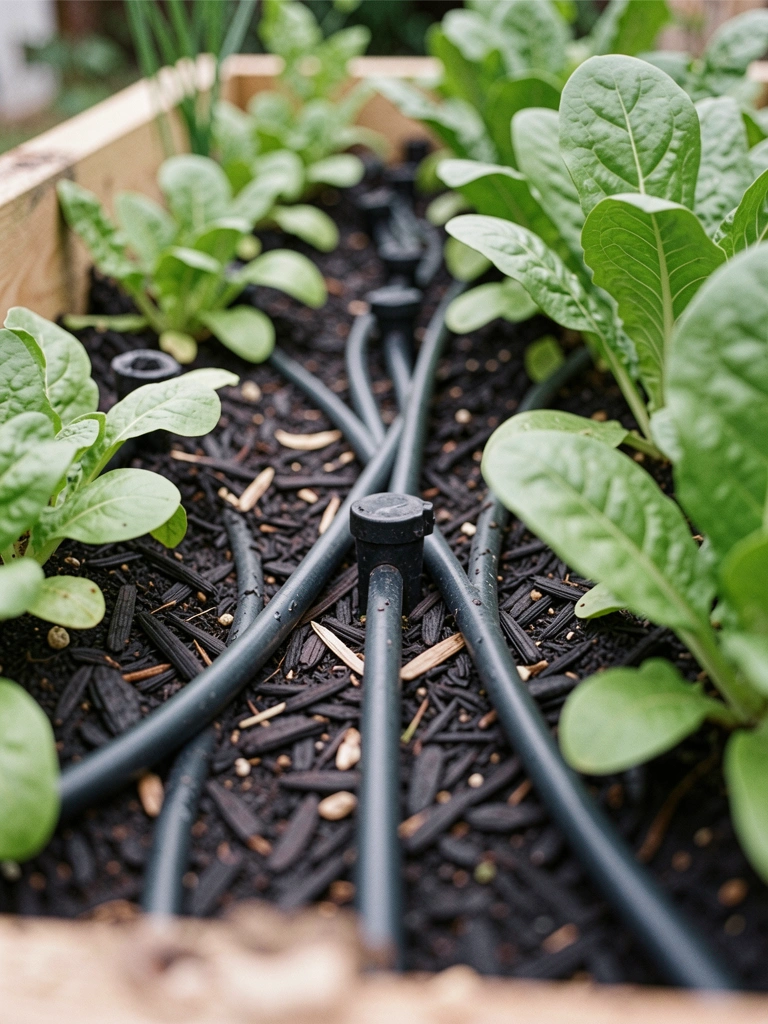
I installed drip lines after soggy summers and brown lettuce. It saved water and time.
I did overdo the flow at first and drowned seedlings. Smaller emitters and a timer fixed that.
Mulch on top cut weeds and kept the soil cool. I now water less and harvest more.
Line placement matters—run tubing near root zones, not just along the edge.
What You’ll Need for This Look
- 1/4" drip tubing and emitters
- Automatic watering timer
- Organic mulch (shredded bark)
- Pressure regulator and connectors
8. Drought-Tolerant Rock Raised Bed
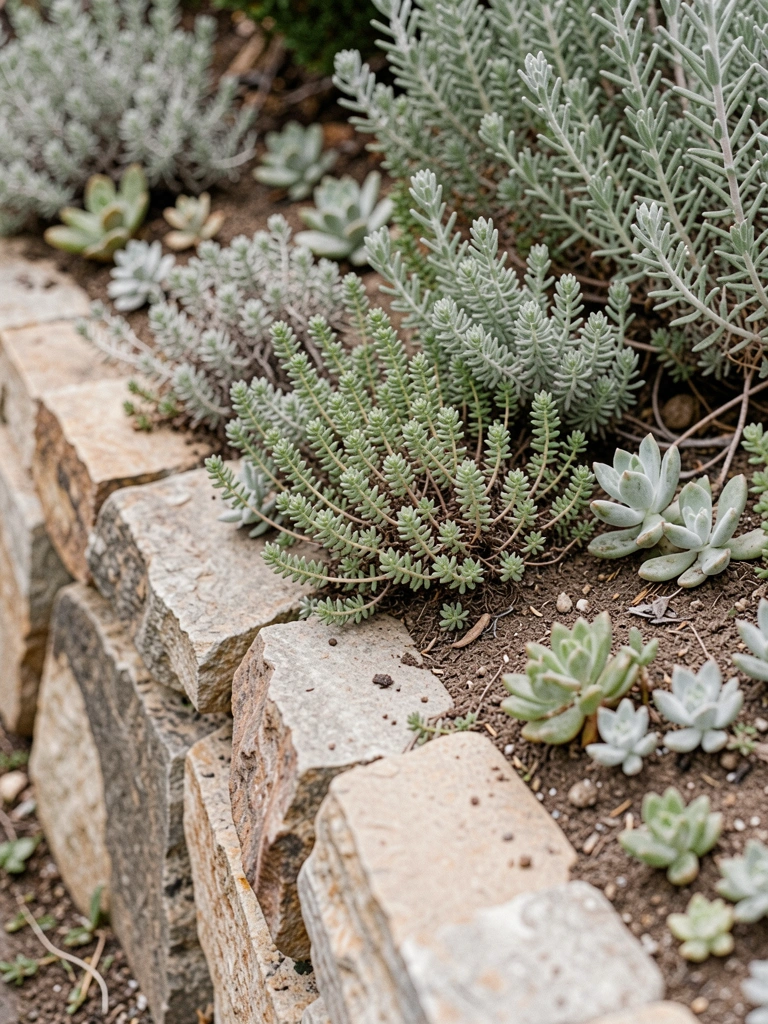
My backyard has a hot, dry corner. I built a shallow rock wall bed and filled it with succulents and drought-tolerant herbs.
It needs almost no water once settled. The stone stores heat and creates cozy microclimates for mediterranean plants.
I learned not to overpot succulents; crowded roots rot. Give them shallow soil and good drainage.
It’s calm, tidy, and forgiving when I travel.
What You’ll Need for This Look
- Low stone or rock raised bed materials
- Succulents, sedum, thyme
- Fast-draining soil mix
- Landscape fabric (optional)
9. Kid-Friendly Sensory Raised Bed
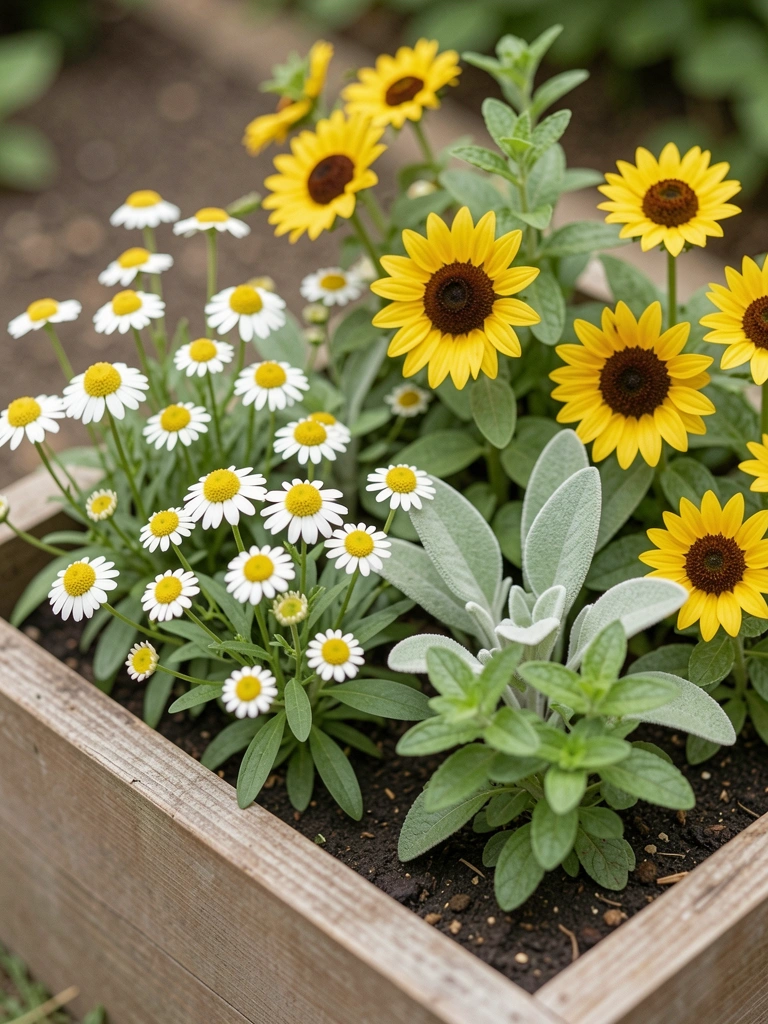
I made a bed for my niece and it changed how we garden together. I planted chamomile, lemon balm, lamb’s ear, and dwarf sunflowers.
She touches leaves, sniffs herbs, and practices gentle watering. I accidentally planted a thorny shrub once—learned to check labels.
Now I choose soft textures and edible flowers. It’s a quiet lesson and a play spot at once.
Keep paths wide and tools small.
What You’ll Need for This Look
- Small raised bed (2×4)
- Chamomile, lemon balm, lamb’s ear, dwarf sunflower seeds
- Child-sized watering can, soft hand rake
- Mulch or stepping pavers
10. Mobile Pallet-Style Raised Planters for Renters
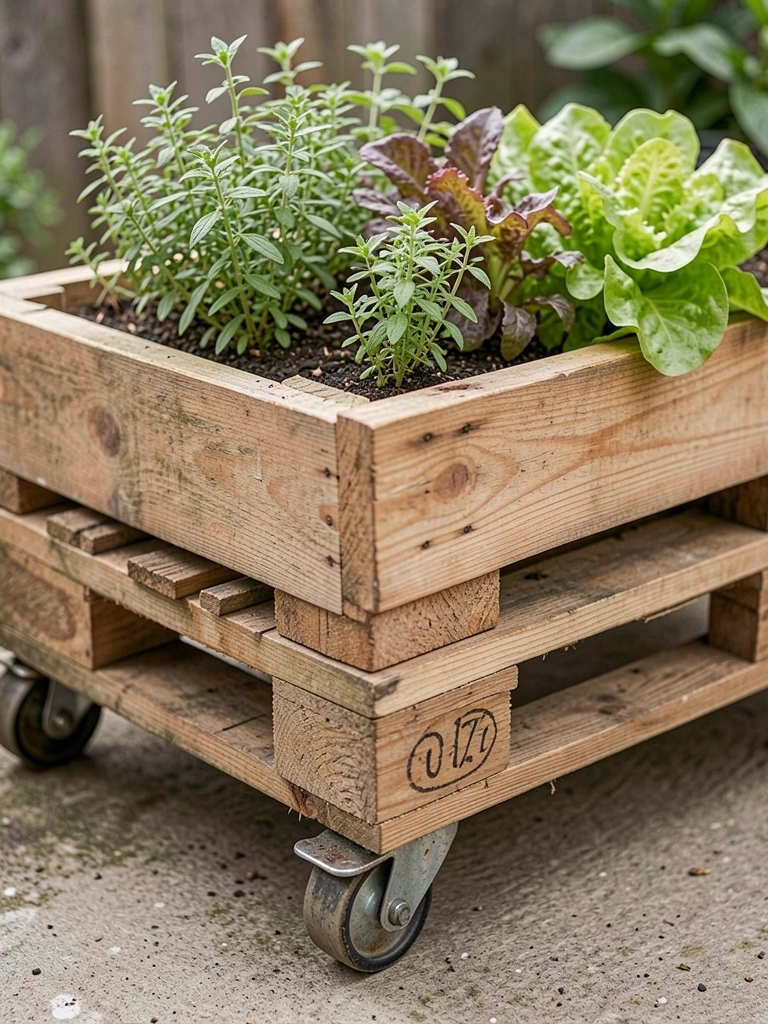
When I rented, I needed non-permanent beds. I made pallet planters on casters.
They roll to sun or shade as needed. I can winter them under cover. They’re deeply practical.
Mistake: one pallet leaned and soil spilled. Reinforce the frame and use liners.
This approach gives big-garden results for small, temporary spaces.
What You’ll Need for This Look
- Pallet planter on heavy-duty casters
- Landscape liner and potting mix
- Herb and lettuce transplants
- Corner brackets, screws
11. Raised Bed with Built-In Seating Edge
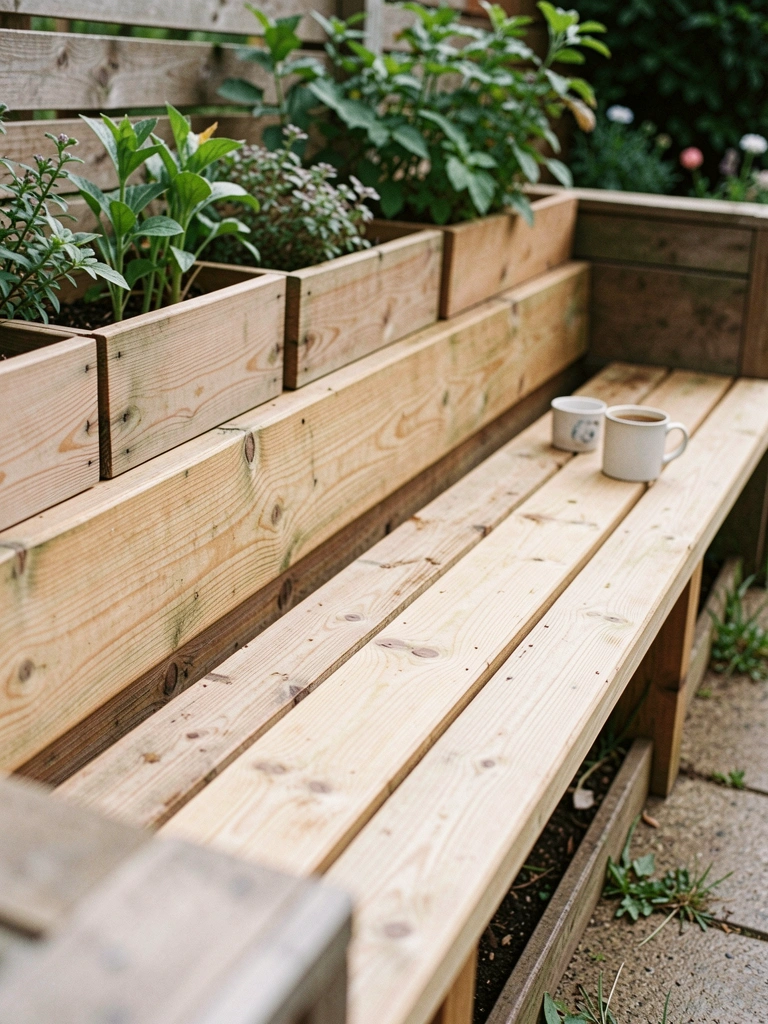
I added a bench along one side of a wide bed. It became my reading spot and harvest station.
Seating invites me to sit and notice pests, blooms, and plant habits. It also hides soil bags underneath.
I once made the bench too narrow and it flexed. Make it wide enough and use sturdy supports.
A bench turns the bed into a social corner, not just a toolbox.
What You’ll Need for This Look
- Raised bed (wider option)
- Cedar bench planks, sturdy brackets
- Outdoor screws, wood sealant
- Small side table or cup holder
Final Thoughts
You don’t need to try every idea.
Pick one that fits your space and habits.
Start small, expect mistakes, and keep a list of what worked. Confidence comes from hands in soil.