14 Beautiful Garden Bed Ideas To Transform Your Outdoor Space
I used to overplan beds and then watch them grow into something else.
One season I ripped out a border and learned which plants actually want to be friends.
This list is what stayed after trial and error. Simple, honest, and ready to copy.
14 Beautiful Garden Bed Ideas To Transform Your Outdoor Space
These 14 garden bed ideas come from real gardens, not showrooms. Each idea is practical, tested, and easy to adapt. You'll get clear options for different spaces and styles.
1. Layered Cottage Border Along a Path
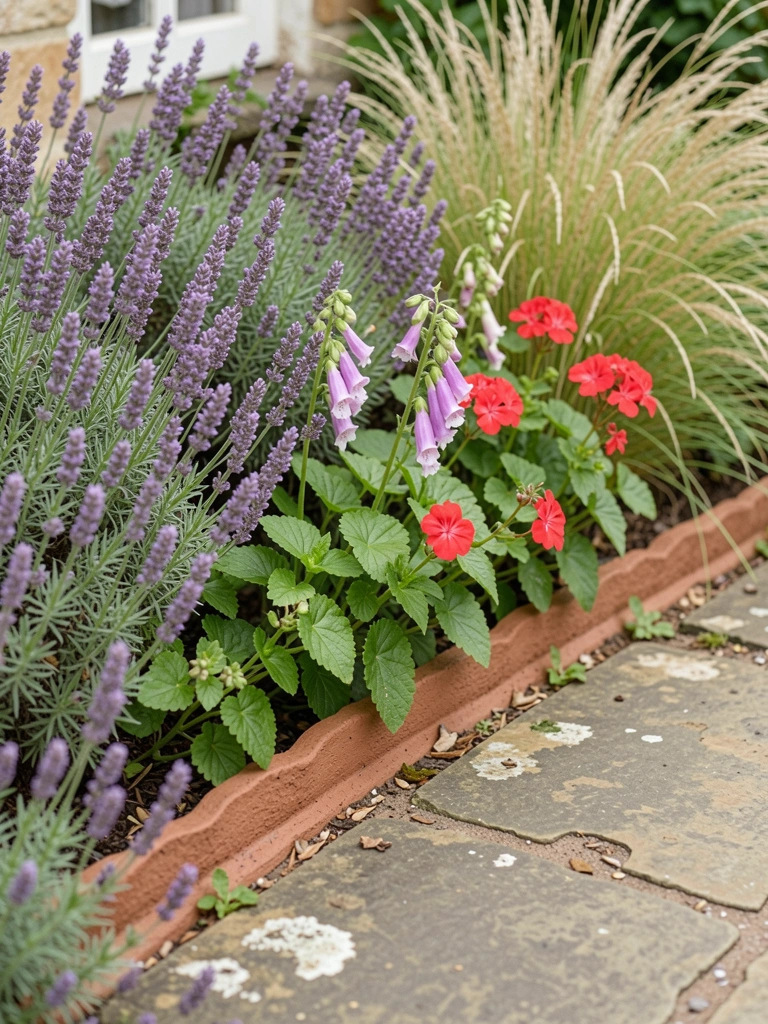
I planted a narrow strip along my walkway and learned layering the hard way. I started tall at the back and worked forward. It immediately made the path feel sheltered.
The mix of spiky salvias, mid-height geraniums, and low thyme softened edges. It smells good when you brush by.
Watch the taller spikes if you have wind. I lost a few stems the first year and tucked in stakes.
What You’ll Need for This Look
- Lavender (Munstead)
- Salvia (deep purple)
- Hardy geraniums (blue/pink)
- Creeping thyme (edging)
- Clay path edging, 4–6 inch
2. Cedar Raised Beds for Veg and Cut Flowers
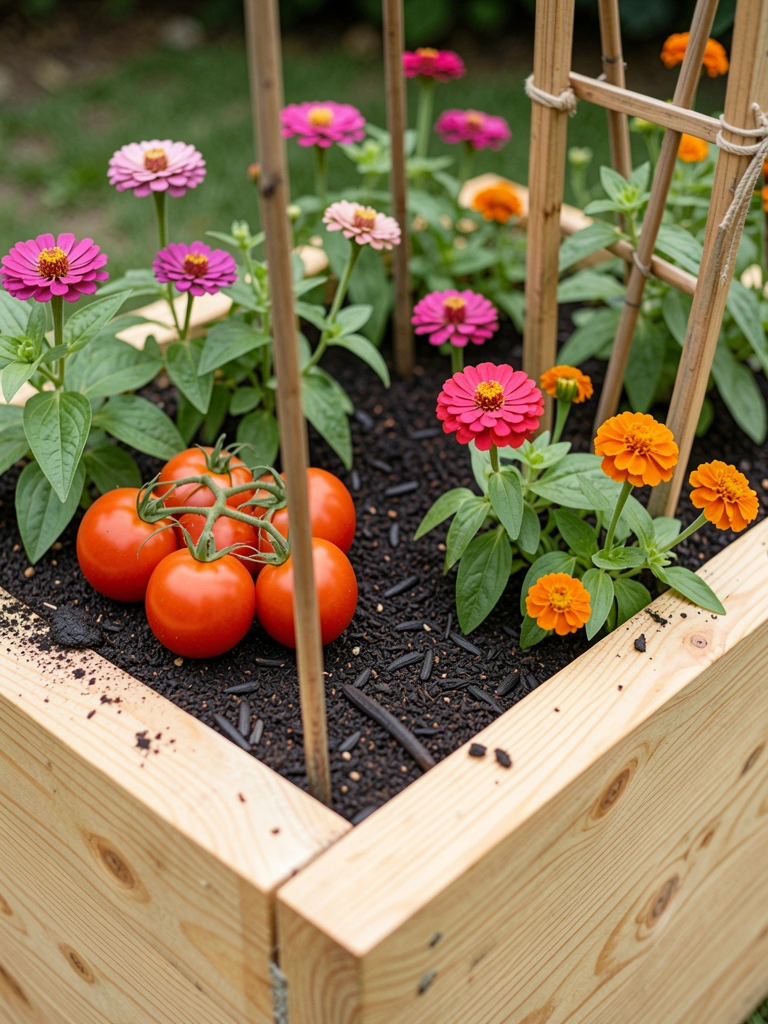
I built cedar boxes after my soil turned to rock. The first season I overfilled with soil and forgot drainage holes — rookie mistake. After fixing it, the beds warmed faster and produced earlier tomatoes.
I mix veg with zinnias for constant color and pest confusion. Standing at bench height makes watering and pruning less of a chore.
Keep beds 2–4 feet wide so you can reach the middle. I keep mine simple and repair the cedar yearly.
What You’ll Need for This Look
- Cedar raised bed kit (4×4 or 4×8)
- Vegetable starter plants (tomato, lettuce)
- Cut-flower seeds (zinnia, cosmos)
- Compost-rich topsoil, 50 lb bags
3. Low-Maintenance Native Plant Pollinator Strip
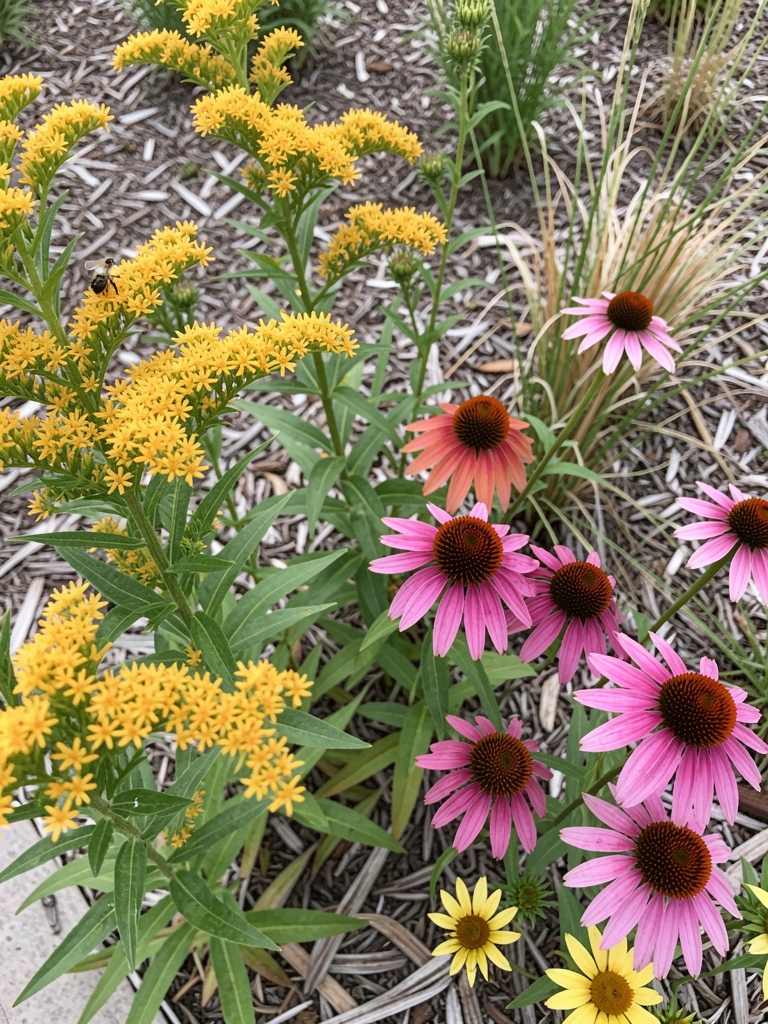
I replaced a fussy perennial bed with a native strip and spent less time weeding. The change surprised me: insects arrived first, then birds.
Echinacea, asters, and native grasses fill out without fuss. I let some stems stand through winter for seed and interest.
My tip: start with healthy plugs, not seed. Seeds took two seasons to look good where plugs went in and filled fast.
What You’ll Need for This Look
- Native plugs (echinacea, monarda, asters)
- Milkweed plugs
- Coarse mulch, natural color
- Hand trowel for planting
4. Deep Shade Bed with Hostas, Ferns, and Heuchera
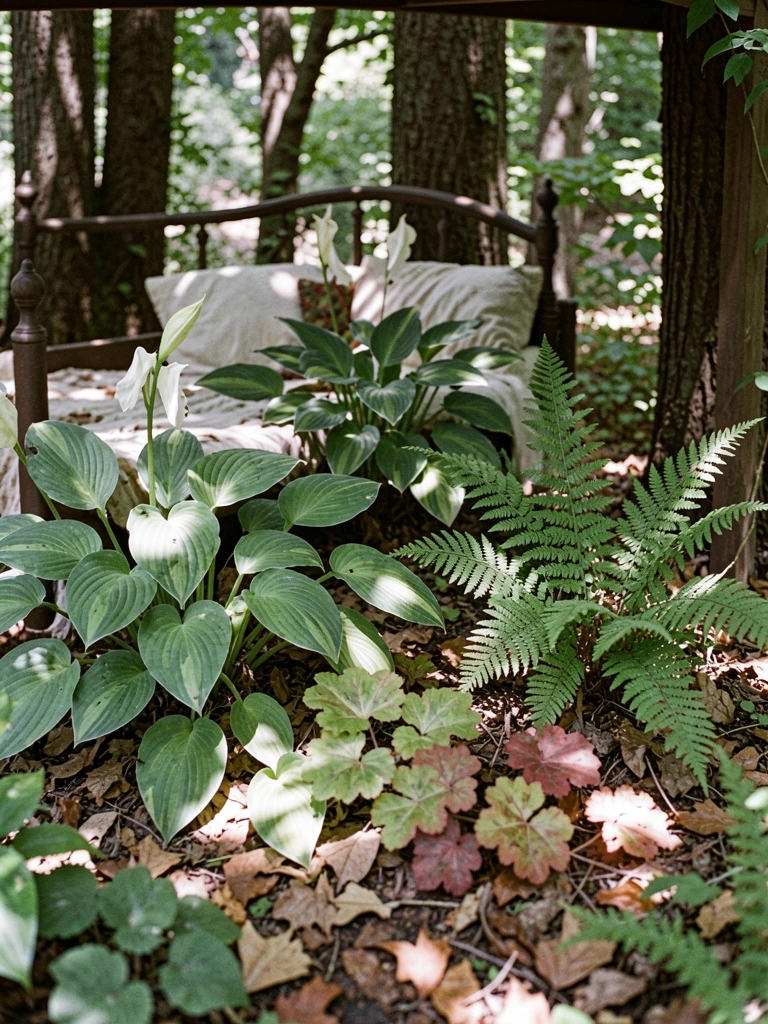
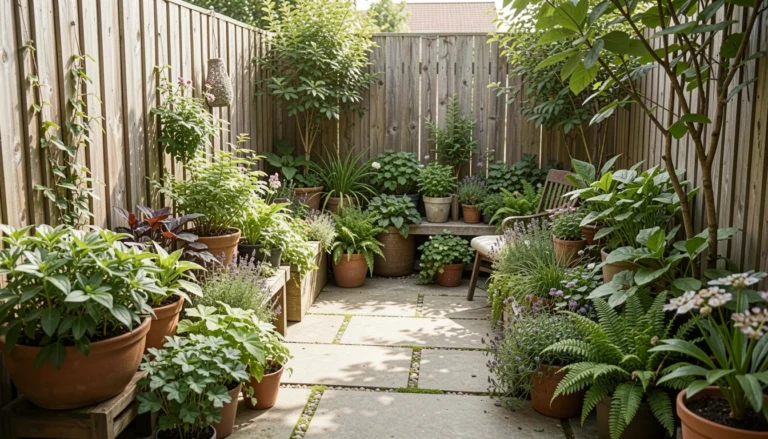
My back garden is a shady mess that I slowly turned into a green room. I relied on texture more than color. Big hosta leaves next to fine ferns read well at a glance.
Heuchera adds leaf color without demanding sun. I learned to lift crowns occasionally; crowded roots sulk.
Add a path of worn stepping stones and a bench. It becomes a quiet place. Shade beds reward patience more than fuss.
What You’ll Need for This Look
- Hostas (varied sizes)
- Japanese painted fern
- Heuchera (coral bells)
- Stepping stones, 12–16 inch
5. Scented Evening Bed Near Seating
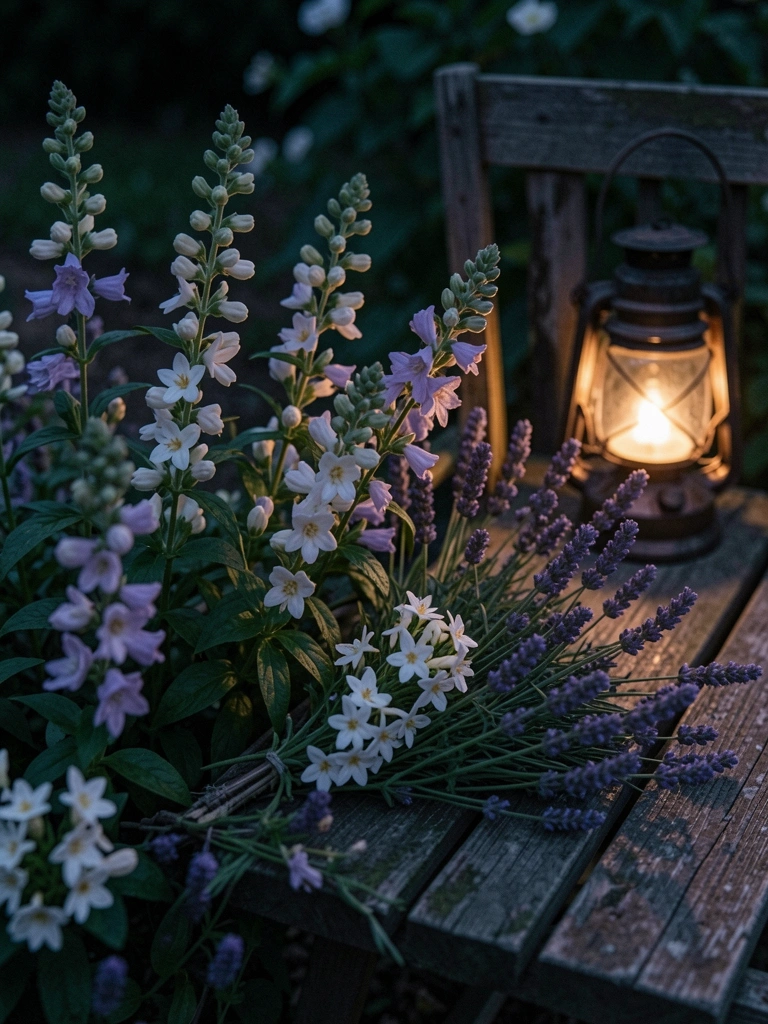
I planted an evening bed near my patio and it changed late-night sitting. I once planted jasmine too close to the bench and had to move it — it grew through the slats overnight.
Night-blooming stocks, sweet peas, and dwarf roses release scent when temperatures drop. Low solar lights help you find a seat without brightening the whole yard.
Plant where you sit. I learned that a few fragrant plants make the whole area feel lived-in.
What You’ll Need for This Look
- Night-blooming stock or nicotiana
- Star jasmine (trained on small trellis)
- Lavender (lavendula)
- Solar lanterns, warm white
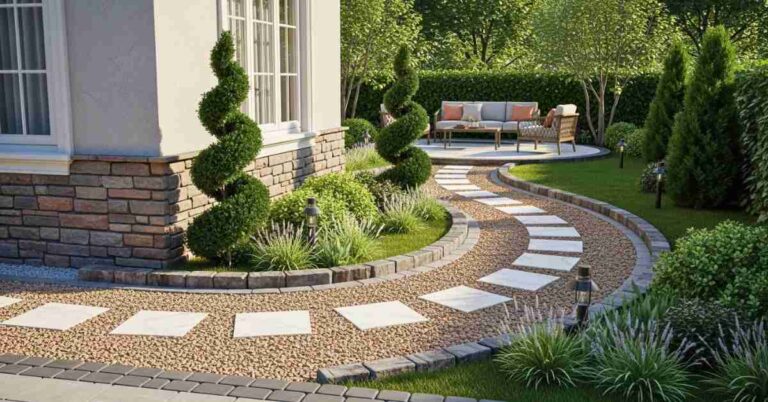
6. Mixed-Evergreen Structure Bed for Winter Interest
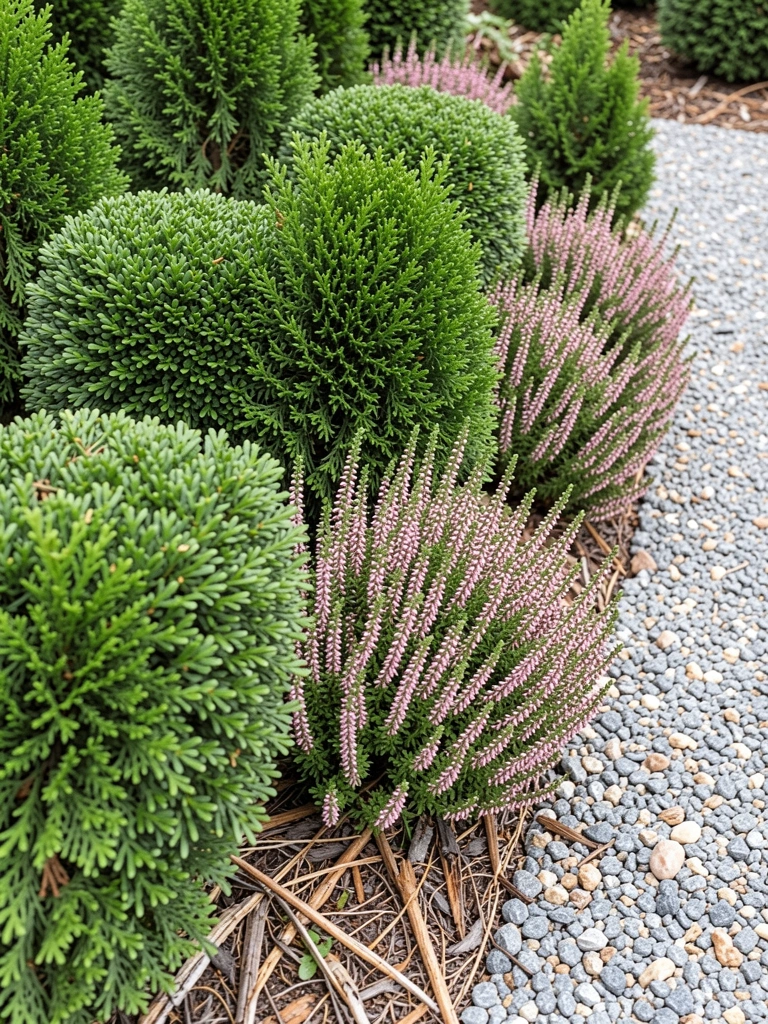
I hated the bare look of beds in February. So I planted small evergreens for bones. A mix of boxwood, dwarf conifers, and heather keeps form through snow and rain.
The evergreen shapes make the summer perennials read better. I did plant one evergreen too close to a walkway and had to trim it aggressively — lesson learned.
Use gravel or bark to tidy the base. You’ll notice the bed looks composed even in the off-season.
What You’ll Need for This Look
- Boxwood (small hedging)
- Dwarf conifers (various textures)
- Heather (Calluna)
- Gravel, 1/4 inch for base
7. Bulb Carpet for Spring Impact
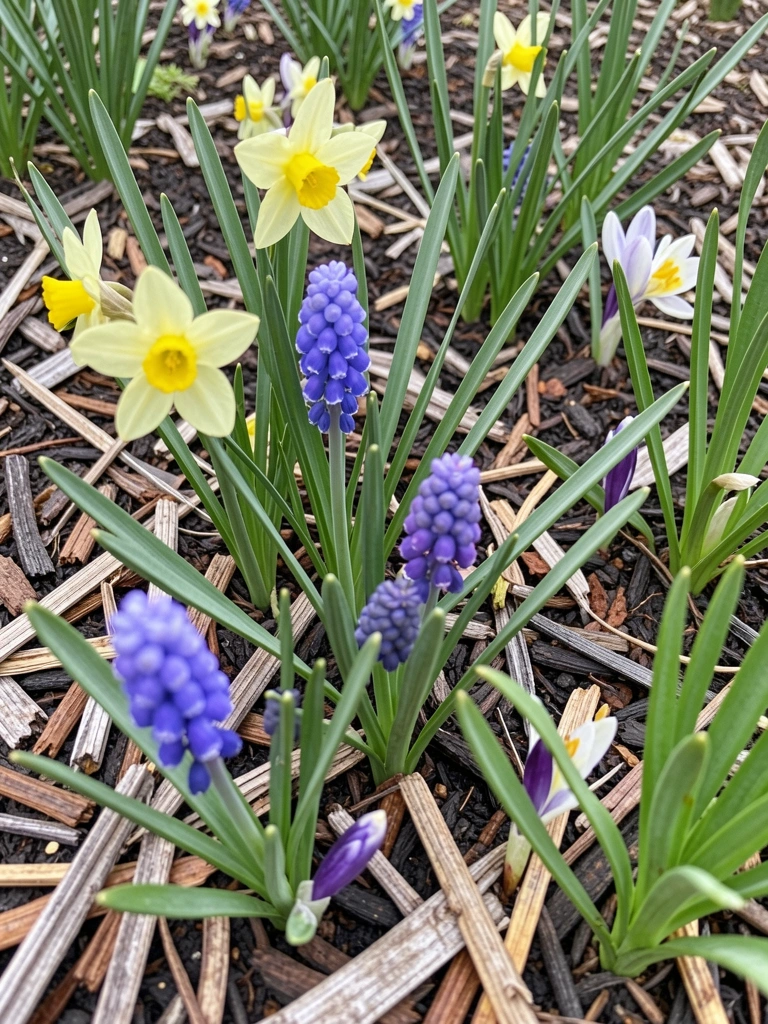
I plant bulbs in drifts, not lines. Tulips and daffodils mixed with grape hyacinth create a carpet effect that comes up while perennials sleep.
I learned spacing matters. Crowd bulbs for intensity. Don’t pull foliage too early; the leaves feed next year’s bloom.
Stagger bulbs in thirds of the bed so something emerges for weeks. Bulbs feel like a reward after winter patience.
What You’ll Need for This Look
- Daffodil bulbs (large)
- Tulip bulbs (mixed)
- Grape hyacinth bulbs
- Bulb planting trowel, 6–8 inch
8. Rock-and-Succulent Drainage Bed
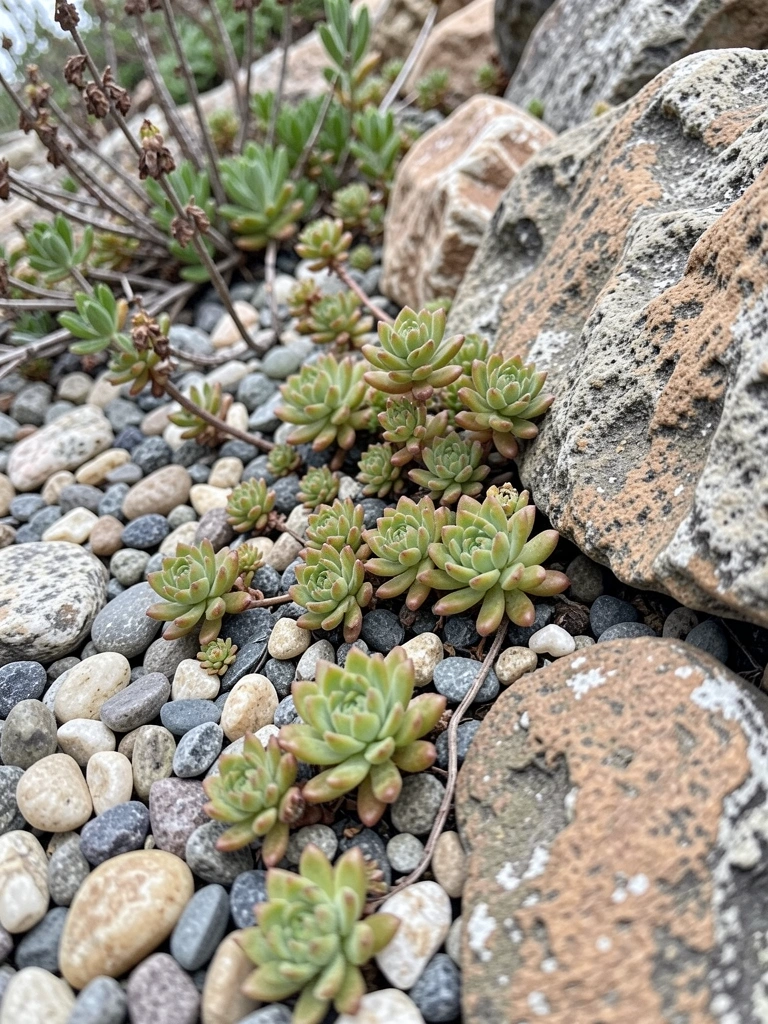
I made a drainage bed where water pooled. I piled rocks, amended with grit, and tucked in sedums. The first summer I overwatered because it looked sparse. Once I cut water, they thrived.
Sempervivums and sedum hate wet feet. The rocks hold heat and reveal plant shapes. It’s surprisingly low-maintenance once established.
This bed is perfect on a slope or at a downspout. Keep a handful of grit on hand for future refills.
What You’ll Need for This Look
- Sedum varieties (stonecrop)
- Sempervivum (hens and chicks)
- Coarse gravel, 3/8 inch
- Weathered rocks, mixed sizes
9. Mixed Edible-Ornamental Bed for Kitchen and Color
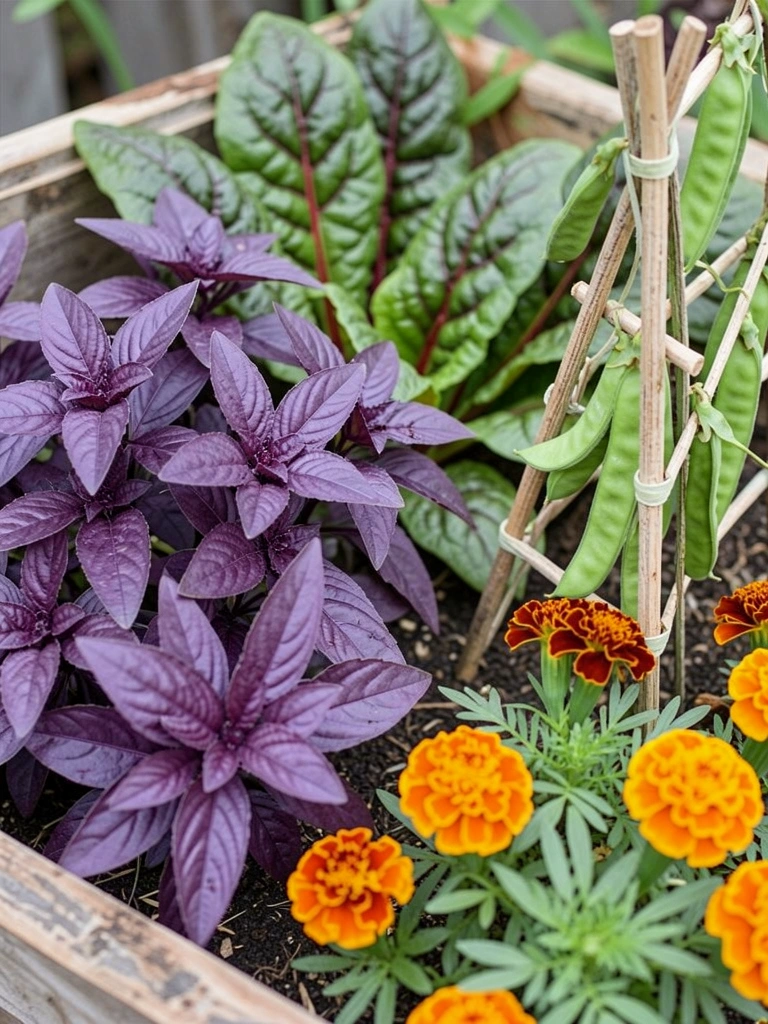
I stopped separating veggies and flowers. A bed with chard, basil, peas, and cosmos gives me dinner and color. I learned to place taller edibles at the back so flowers aren’t shaded.
Companion planting helped; marigolds kept some pests down. I once planted tomatoes too close to dahlias and they fought for light — spacing fixed that.
Harvesting becomes part of the daily rhythm. This bed is functional and pretty.
What You’ll Need for This Look
- Chard and basil seedlings
- Pea seeds and small trellis
- Marigolds (companion)
- Organic potting mix, 1 cubic foot bags
10. Formal Box-Edged Gravel Bed for a Modern Look
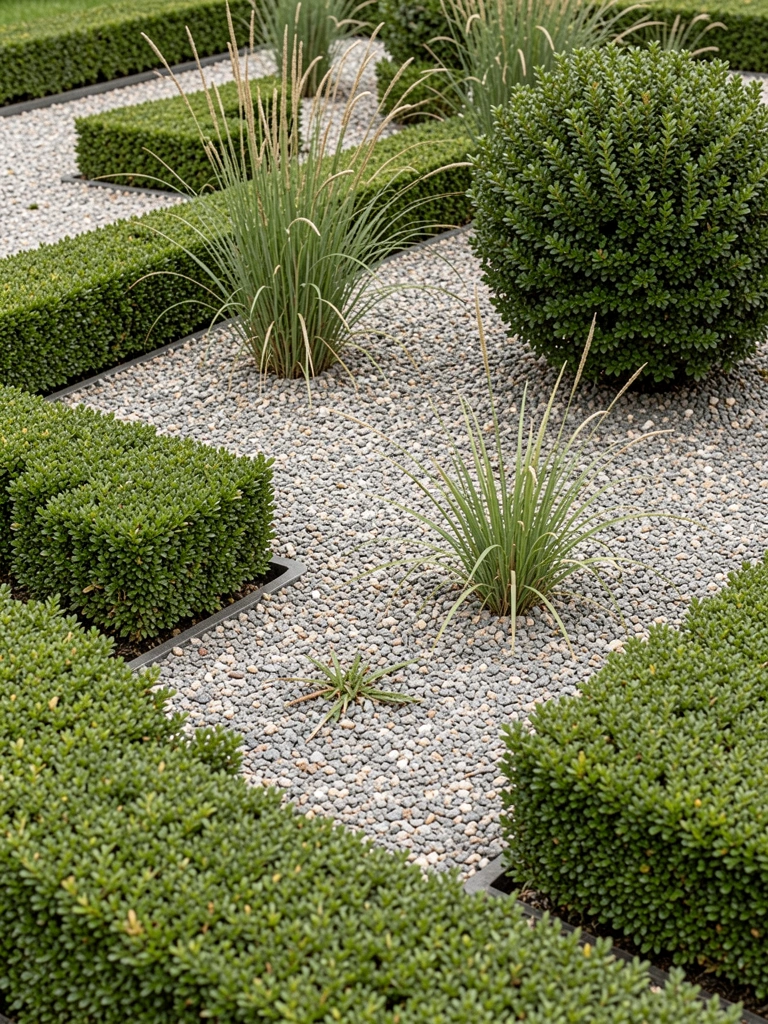
I created a clean bed near the front path with clipped boxwood edges and gravel. It reads as neat without much fuss. A single sculptural grass adds movement.
The trick is maintenance. I had weeds the first season until I added landscape fabric under the gravel. After that, it stayed tidy.
Use crisp edges and repeat one plant. The repetition gives a modern, calm feel.
What You’ll Need for This Look
- Boxwood (small, clipped)
- Sculptural ornamental grass (e.g., Miscanthus)
- Pea gravel, 1/4 inch
- Landscape fabric, heavy-duty
11. Layered Container Planting That Makes a Patio Feel Full
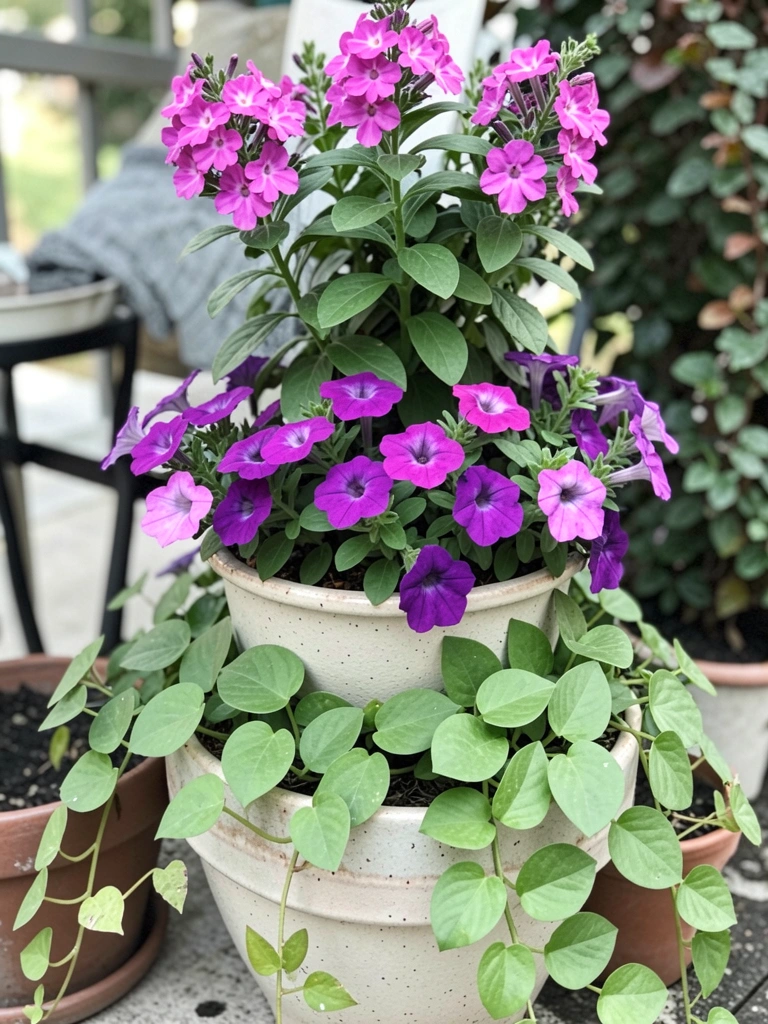
I rely on layered pots where I have no beds. I once bought too-small pots for big plants and repotted mid-season — avoid that. Start with a tall thriller, a filler, and a spiller, and you’ll get instant fullness.
Mix textures and pot heights for depth. Group containers in threes for scale. Watering is frequent, so I use a long-spout can.
Containers let you change the look every season with little risk.
What You’ll Need for This Look
- Large ceramic planter (16–20 inch)
- Tall thriller plant (angelonia or ornamental grass)
- Fillers (petunia, calibrachoa)
- Spillers (sweet potato vine)
- Potting mix for containers
12. Meadow-Style Wildflower Patch for Casual Color
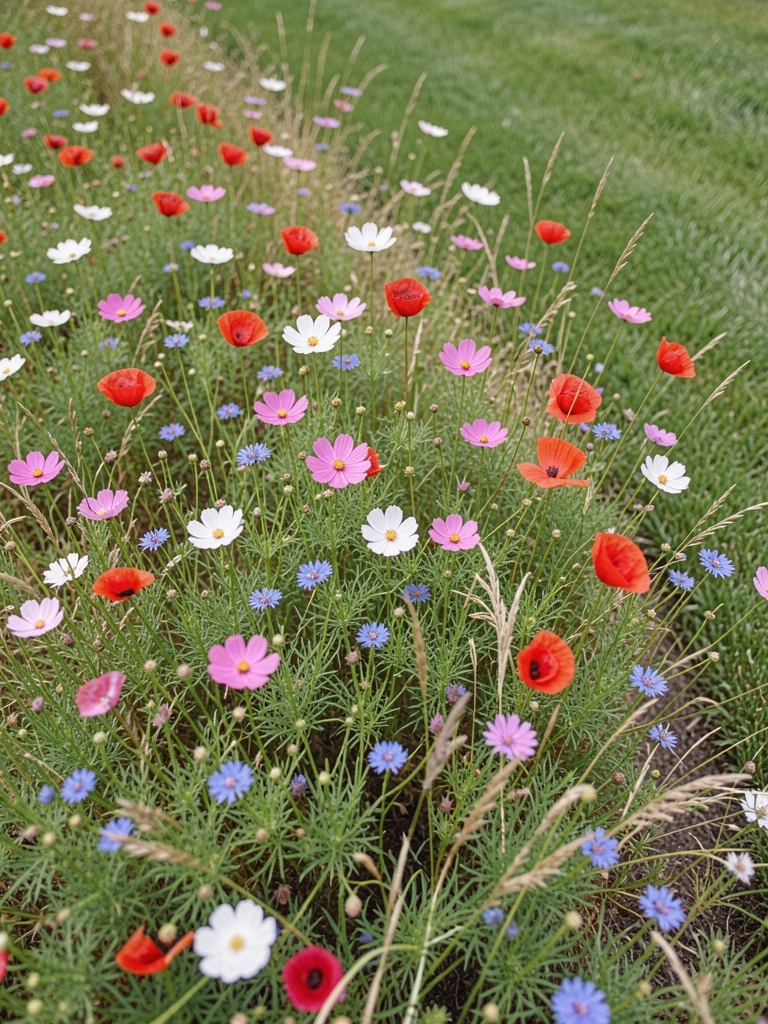
I turned a neglected corner into a wildflower patch and it took two seasons to settle. The first year was sparse. The second year it exploded. Patience matters.
I sowed a mix of annuals and perennials so something always shows. I let some stems flop for seed and thinned them in fall.
This style asks for less tidy upkeep. It’s forgiving and bright.
What You’ll Need for This Look
- Wildflower seed mix (local mix)
- Annuals (cosmos, poppy)
- Native grass plugs
- Broad rake for sowing
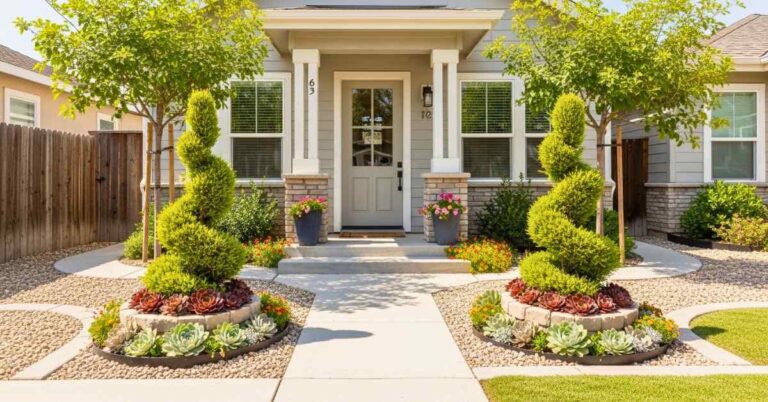
13. Narrow Front-Path Linear Beds With Repetition
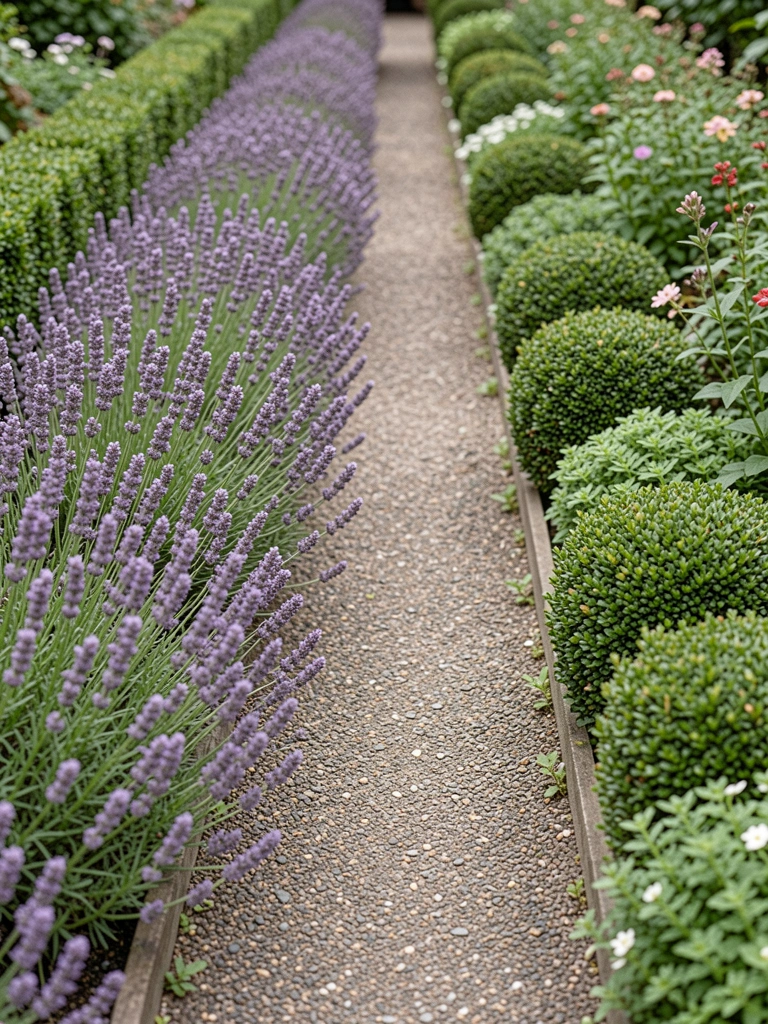
My narrow frontage needed a plan that didn’t fight the walkway. I planted the same small shrubs and perennials in repeat. It reads as intentional instead of cluttered.
I chose small-scale plants and trimmed lightly. Repetition keeps the eye calm and makes planting easier when you buy in multiples.
Measure your reach. If a bed is narrow, use neat, short plants that don’t spill into the path.
What You’ll Need for This Look
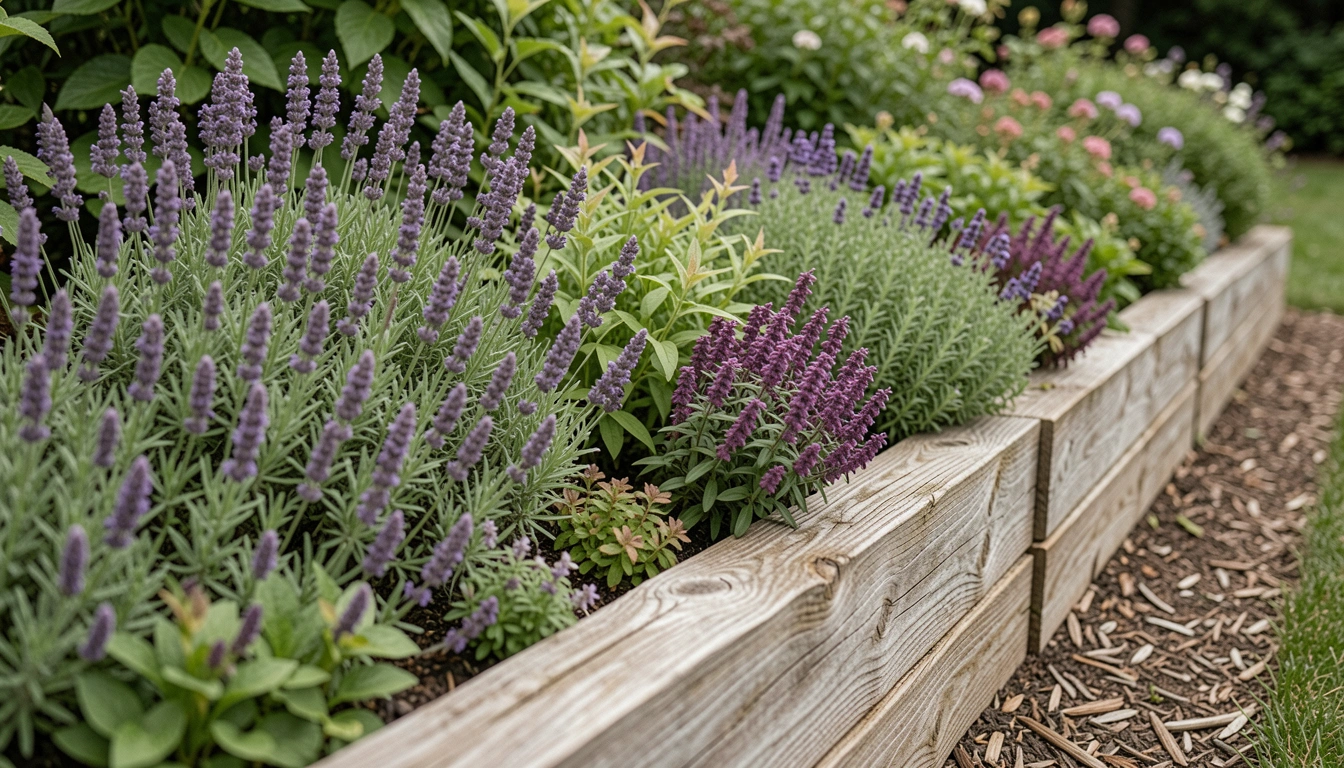
- Dwarf lavender (Hidcote)
- Low boxwood or dwarf holly
- Compact perennials (campanula)
- Measuring tape for repeat spacing
14. Vertical Herb Wall for Tiny Spaces
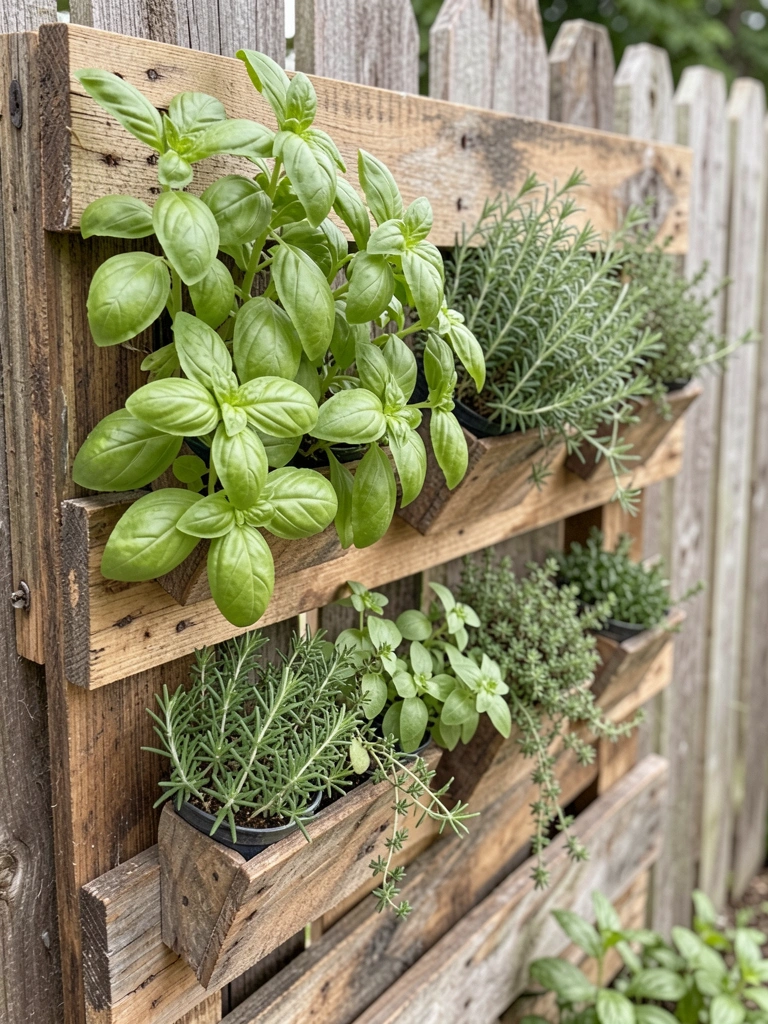
I made a herb wall from a pallet and was surprised how productive it is. The first version dried out too quickly. I added drip irrigation and it steadied.
Plant basil and parsley in larger pockets and thyme or oregano in small ones. The wall is right by the kitchen door, so I grab herbs on the way inside.
Vertical beds save space and keep herbs tidy. They feel kitchen-friendly and alive.
What You’ll Need for This Look
- Vertical planter or pallet frame
- Herb seedlings (basil, thyme, oregano, rosemary)
- Potting mix for containers
- Small drip irrigation line, low-flow
Final Thoughts
Gardens change. My beds did because I kept what worked and tossed what didn’t.
You don’t need every idea. Pick one that fits your time and space and try it for a season.
I promise the small wins add up and the garden will start feeling like yours.