How to Maintain a Garden Pathway
I hate stepping into a path that looks neglected. Mud in the joints. Overgrown edges. It makes the whole garden feel unfinished.
I’ve fixed narrow lanes, wide gravel drives, and awkward corners. Small decisions change how a path reads.
This guide shows how to make your pathway feel intentional and easy to live with.
How to Maintain a Garden Pathway
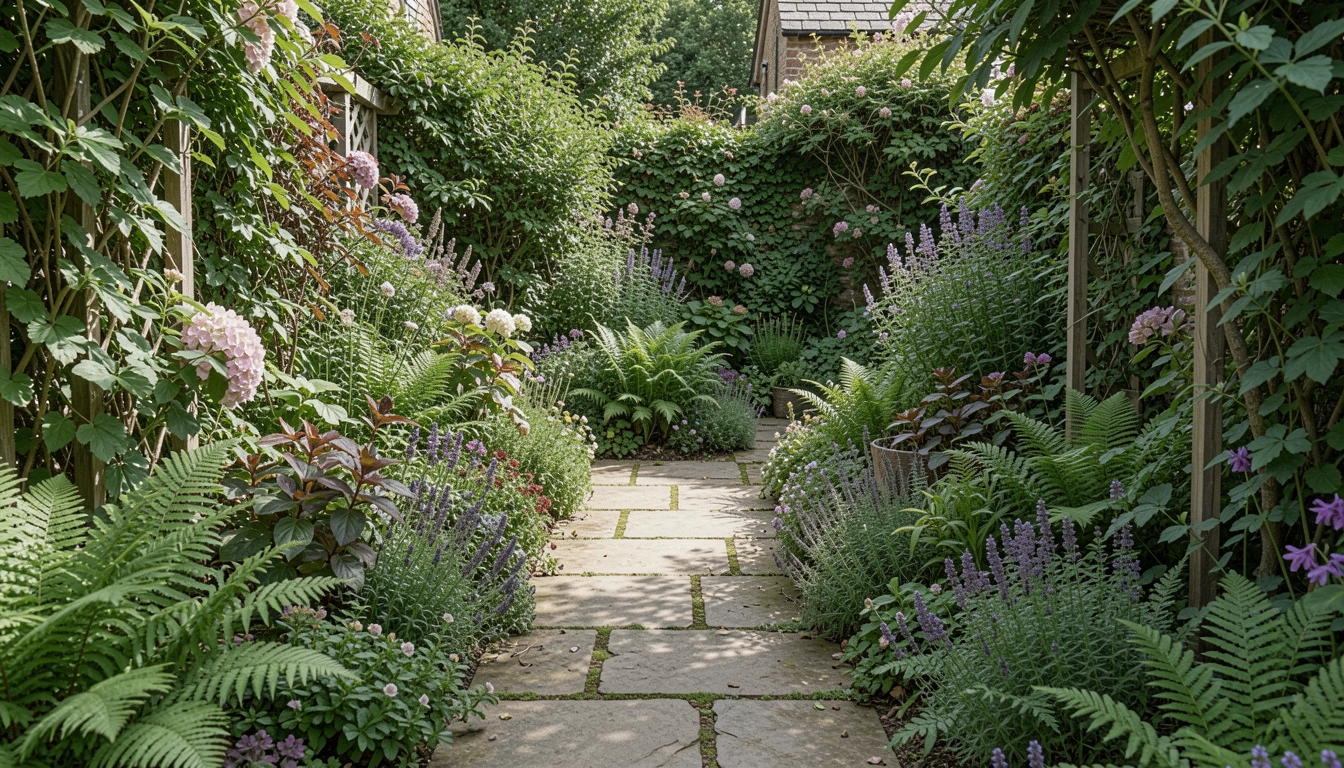
You’ll learn how to keep a path tidy, balanced, and comfortable to walk through. The result is a pathway that looks lived-in, steady, and welcoming.
What You’ll Need
- Creeping thyme (low, 1–2" mat, evergreen)
- Weathered bluestone edging, 18–24" lengths, gray
- Pea gravel (light gray, 3/8") for joints and fill
- Concrete stepping slabs (18"x12", buff)
- Dark bark mulch (3/4" shredded) for soft beds
- Lavender ‘Hidcote’ (compact, silvery foliage)
- Carex oshimensis (feathery grass, 12–18" height)
Step 1: Re‑read the Path to Restore Flow
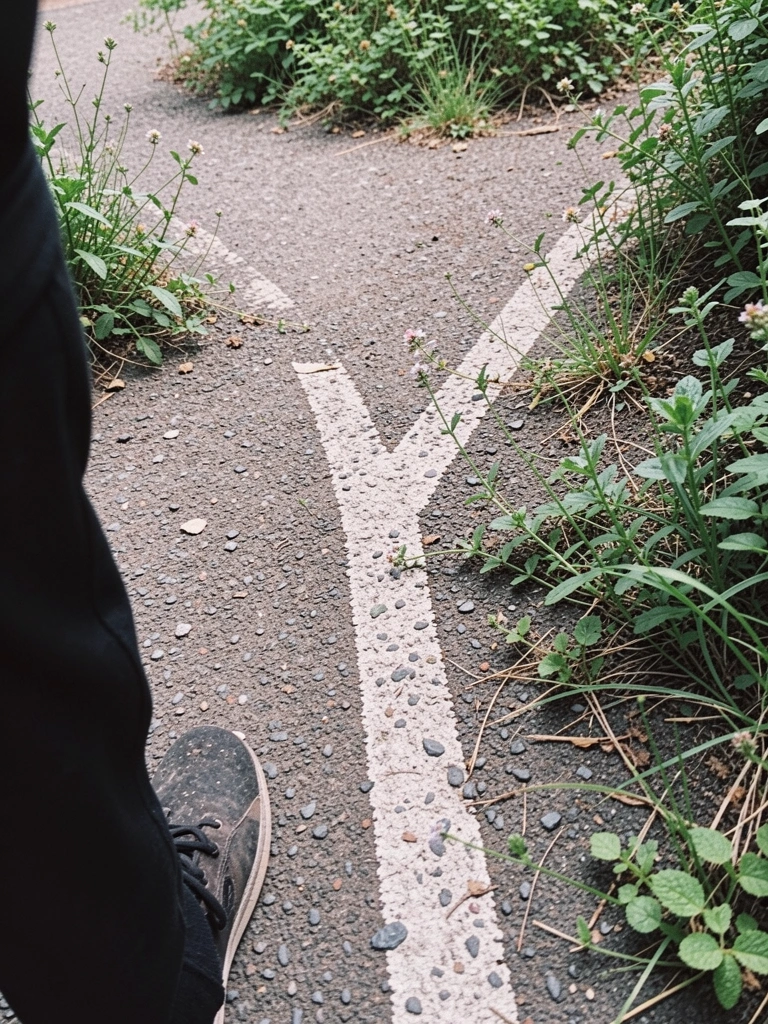
I walk the path slowly and watch how my eye moves. I shift a stepping slab or nudge a gravel edge until the route feels obvious and comfortable. Why? Because a clear line tells people where to go without shouting.
Visually the path becomes calmer. The awkward kink disappears. People often miss how a single misplaced stone throws the rhythm off.
Small mistake to avoid: don’t overcorrect and straighten every curve. Some gentle, human rhythm keeps a garden warm.
Step 2: Define and Soften the Edges
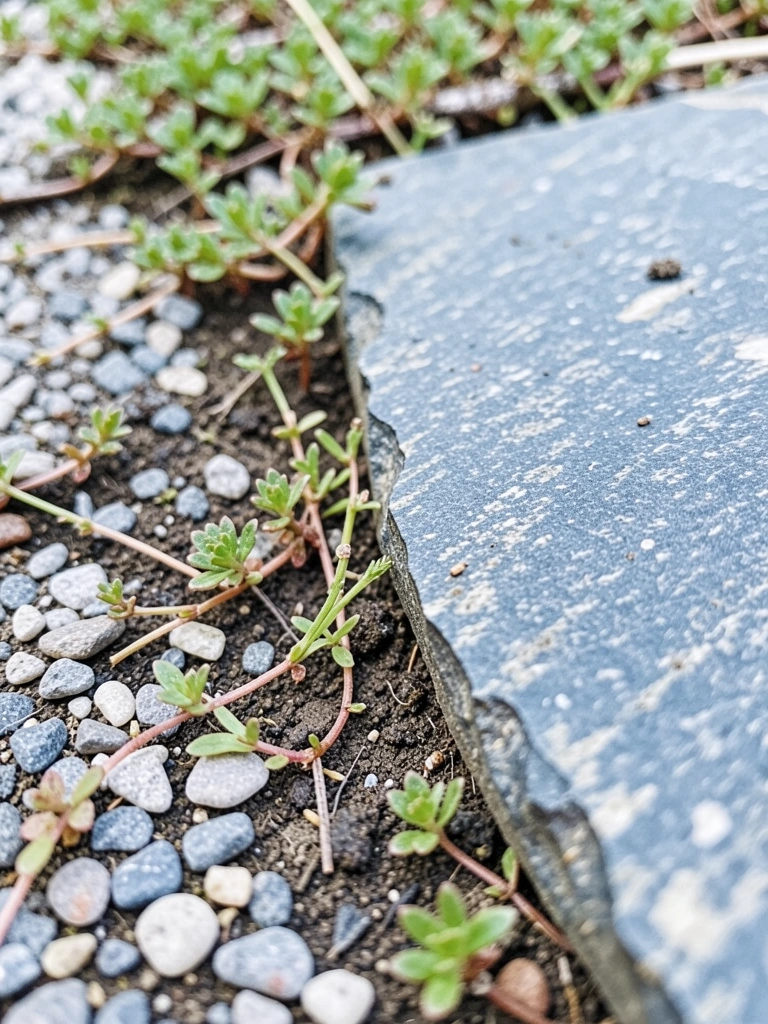
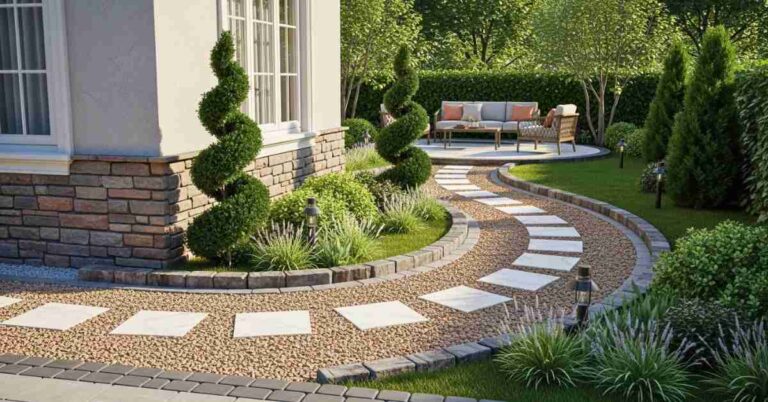
I reveal the edge and decide whether to hard-edge or soften it with plants. Where bluestone meets gravel I leave a narrow, clean line. Where space allows I let thyme spill slightly over the stones to blur the boundary.
The visual change is immediate. Edges read as intentional, not neglected. People often miss leaving a small breathing space for plants to spill.
Mistake to avoid: chopping back all spillover. A little softness makes the path feel joined to the garden, not carved out of it.
Step 3: Add Low Planting to Calm Surfaces
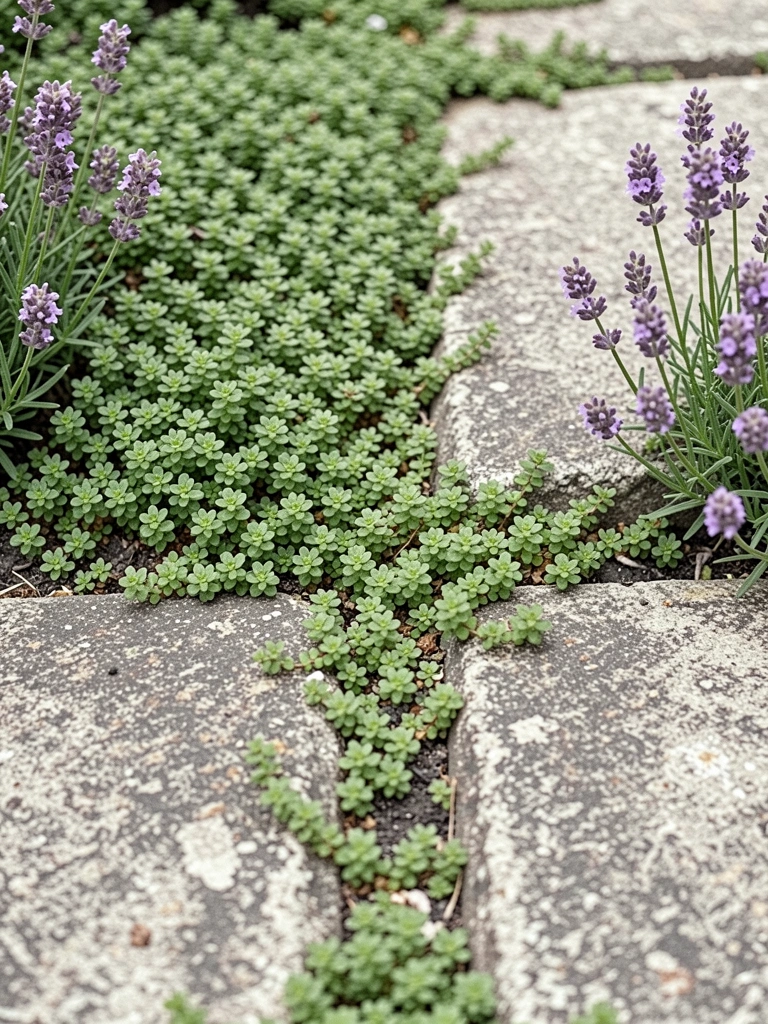
I tuck low plants into joints and beside slabs to soften hard surfaces. Creeping thyme and small lavender trim the edge, add scent, and hide chipped stone.
The path reads less harsh. It feels cozy and slower to walk. People miss that low planting also reduces mud and dust visually.
Mistake to avoid: placing tall, vigorous plants next to low edges. They’ll overrun the path and undo the calm balance you’re creating.
Step 4: Balance Textures and Heights Along the Route
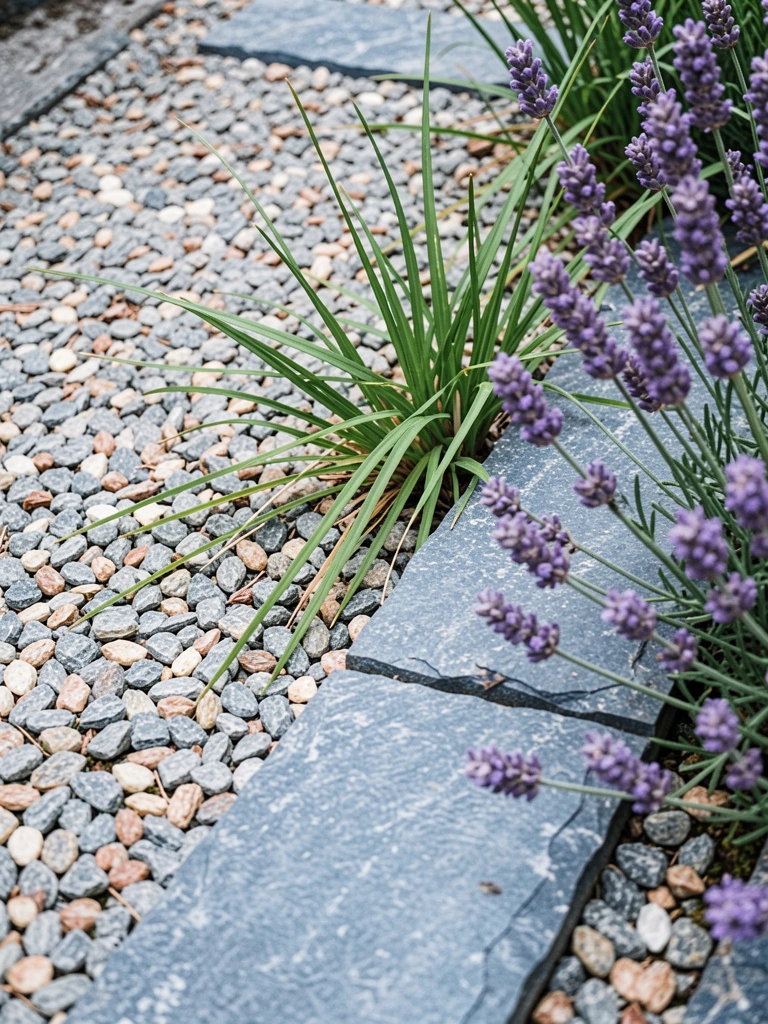
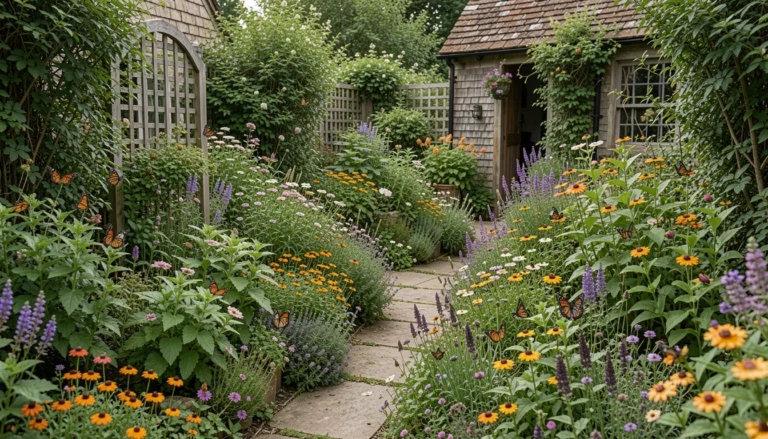
I check rhythm: a clump of grass, then a low herb, then a small shrub. I space tall textures away from the edge so my eye can move. This keeps the route legible and the planting readable.
Visually the path gains a steady cadence. The garden feels balanced. Many people pile similar textures together and create visual monotony.
Mistake to avoid: repeating the same plant every few feet without variation. A little change keeps the walk interesting and comfortable.
Step 5: Keep a Gentle Seasonal Routine
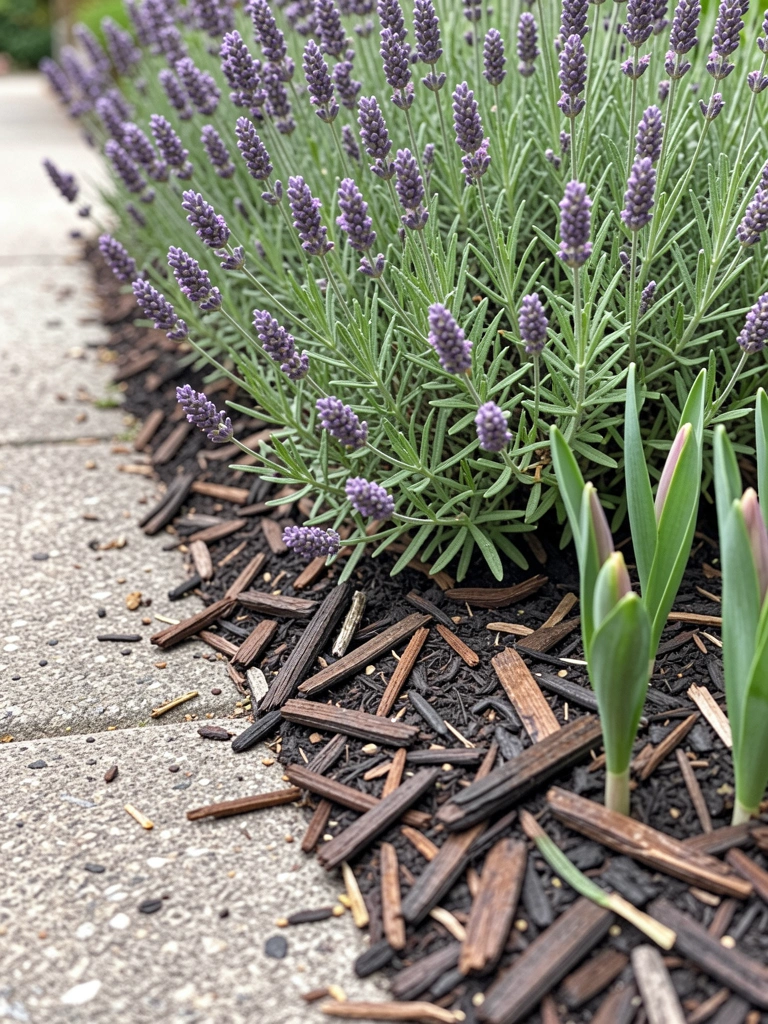
I spend short sessions each season: lift stray gravel, refresh bark, tidy spent flowers, and plant a few bulbs. These small actions keep the pathway feeling cared for without big overhauls.
Visually the path shifts with the seasons but never looks abandoned. People miss tiny seasonal cues like the smell of herbs or neat mulch lines.
Mistake to avoid: waiting until the path is a mess. Little, regular attention keeps the work pleasant and quick.
Seasonal Touches to Keep It Lively
I add bulbs (tulips, alliums) in gaps for spring punctuation. In summer I let lavender and thyme take the lead. In autumn I clear fallen leaves regularly so joints don’t compact.
Simple list:
- Spring: bulbs and edge tidy
- Summer: deadhead and gentle pruning
- Fall: clear leaves, mulch joints
These small moves keep the path inviting year-round.
Common Problems and Gentle Fixes
If gravel drifts, I redistribute it visually rather than scraping it clean. If a slab sinks, I lift the planting around it to disguise a slight level change. If a plant gets too bossy, I replace it with a smaller, slower grower.
Quick fixes:
- Refill joints with a light hand
- Replace one aggressive plant at a time
- Use mulch to unify tired borders
They’re small edits that restore balance without drama.
Small Habits That Keep It Good
I walk my path weekly with a small bag and a calm eye. I move one stone, nip one stem, smooth one edge. These tiny habits prevent the long, ugly job later.
A few minutes now saves hours later. It keeps the path feeling lived-in and comfortable.
Final Thoughts
Start with one short section you use most. Focus on how it feels underfoot and in the eye. Small choices make a path read as intentional.
You don’t need big projects. Regular, gentle attention keeps it steady and welcoming.
Begin with a five-minute walk tomorrow and change one thing you notice.