How to Care for a Butterfly Garden
I planted a few bright flowers and waited. The yard felt empty. Butterflies came — briefly — then vanished.
I kept asking what was missing. Shade? Water? Host plants? The moment I thought of it, the bed started to make sense.
This guide skips jargon. It shows how to make a garden butterflies actually use.
How to Care for a Butterfly Garden
You’ll learn how to place nectar and host plants, add water and shelter, and plan for blooms so butterflies stick around. The result is a balanced, lived-in patch that feels intentional.
What You’ll Need
- Tall native nectar perennials (purple coneflower, bee balm)
- Low nectar perennials (lavender, aster)
- Host plants (milkweed, fennel, parsley)
- Shallow water dish or saucer with stones
- Flat, sun-warmed stones for basking
- Small sheltering shrubs or clumps of native grasses
- Sparse, low mulch (leaf litter preferred)
- Late-season bloomers (goldenrod, late asters)
Step 1: Layer nectar plants so there’s always something in bloom
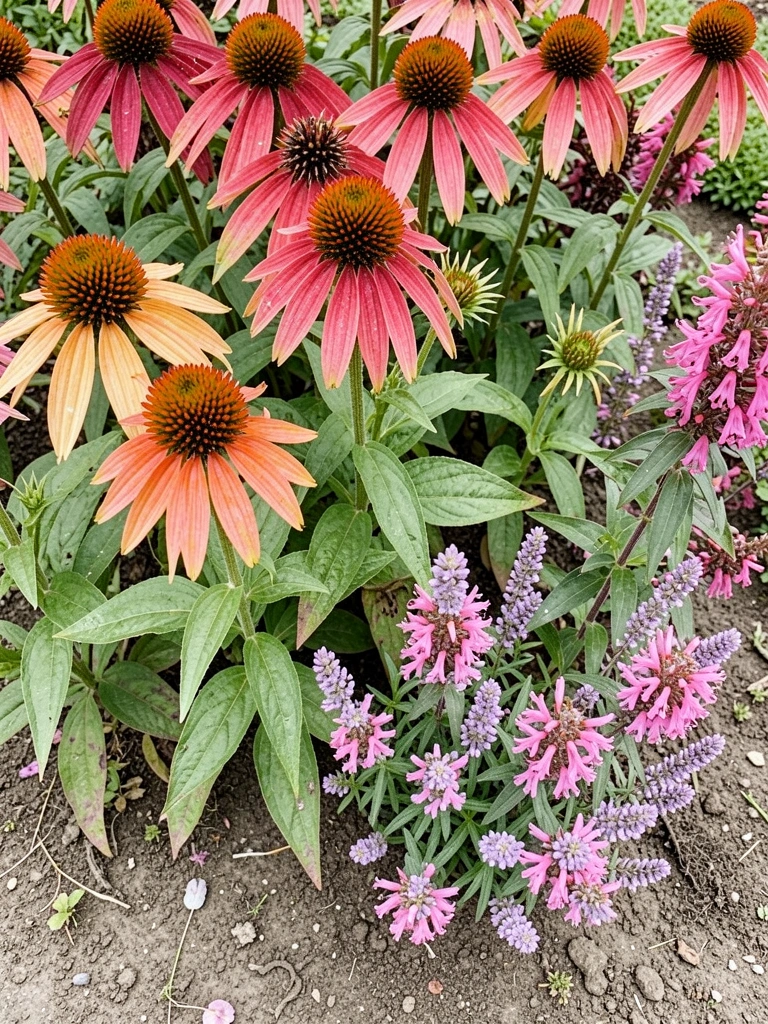
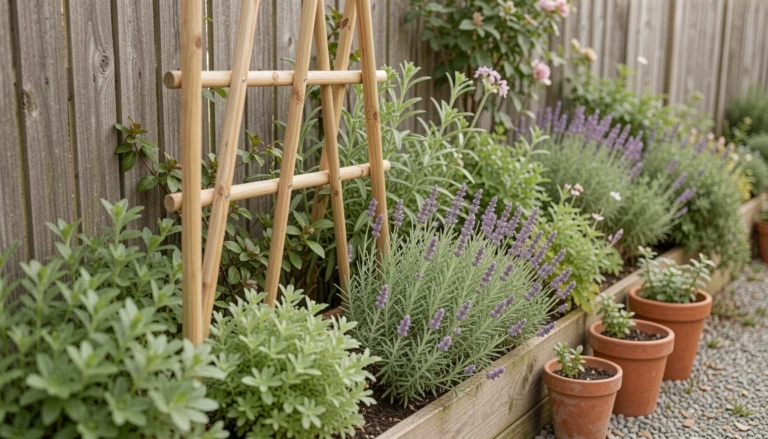
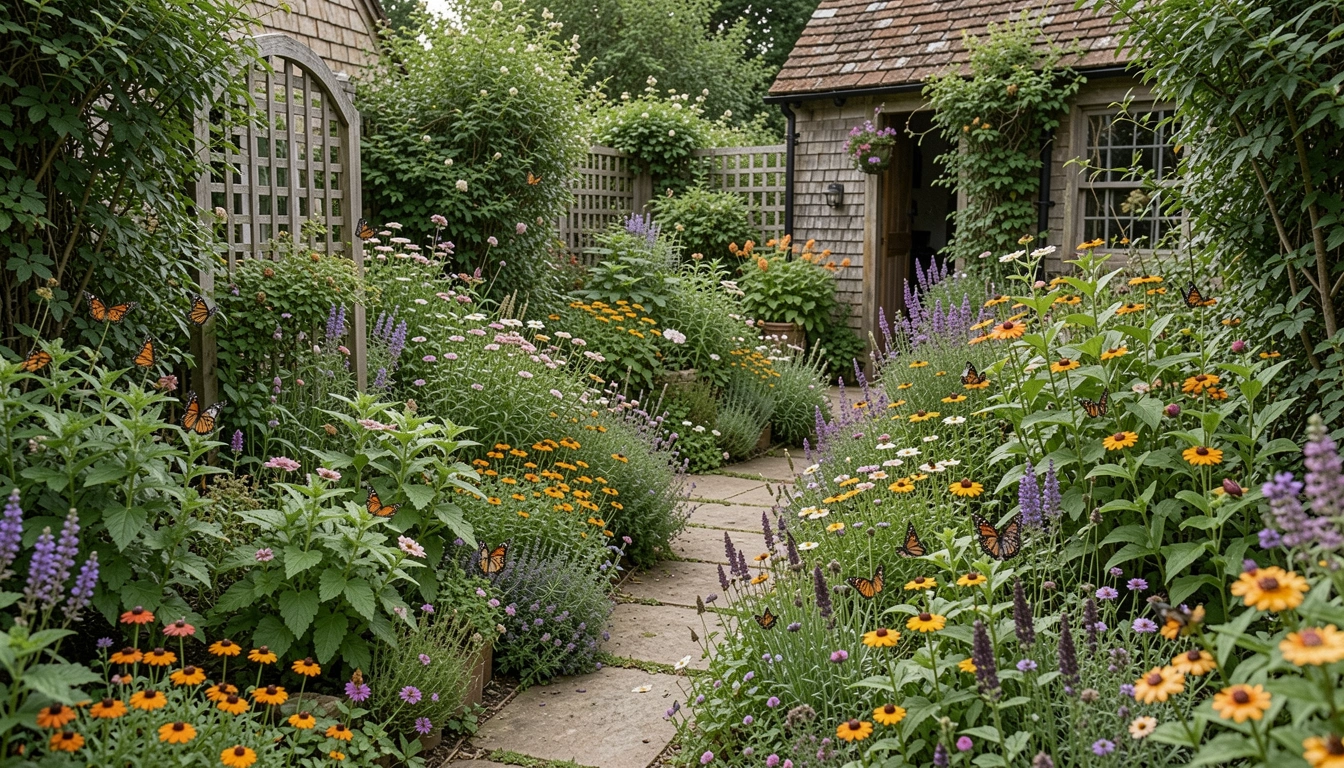
I start by thinking in layers. I plant tall nectar perennials at the back, midsize blooms in the middle, and low flowers at the front. That creates a gentle slope of color. Butterflies see the whole bed as a buffet rather than a single dish.
The visual change is immediate. The bed reads deeper. There’s movement when a breeze hits. People often miss planting for vertical interest, not just color. A common mistake is crowding everything at one height. That flattens the bed and gives butterflies fewer comfortable landing spots.
Step 2: Add simple water and basking spots
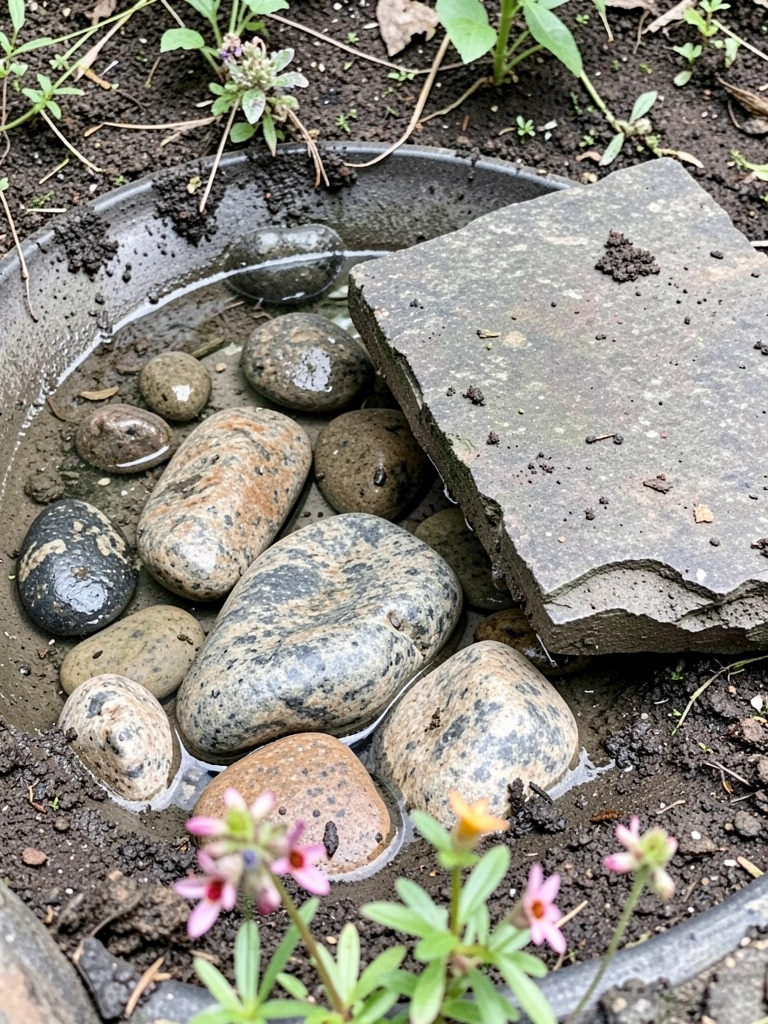
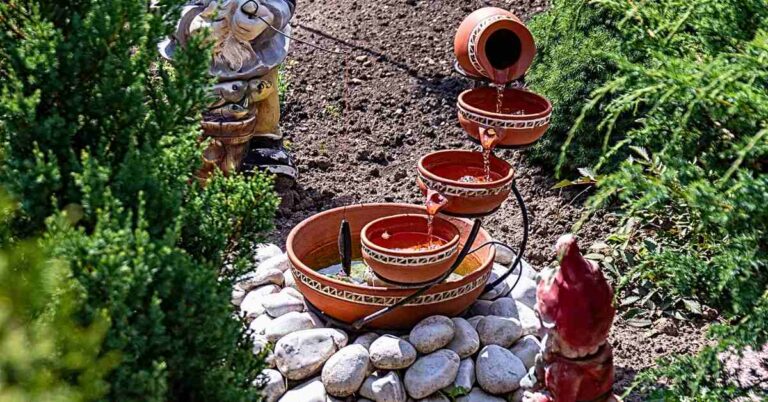
I place a shallow saucer with a few stones where butterflies can sip. Nearby, I set a flat, sun-warmed stone for basking. Butterflies need these small features more than we think. Water without perches is useless to them.
Visually, the area becomes a focal pause. The stone and dish break up plant masses and invite observation. Many gardeners miss how close water should be to nectar plants. Don’t hide your water in dense foliage. If it’s too shaded or far away, butterflies won’t use it.
Step 3: Create shelter and resting places
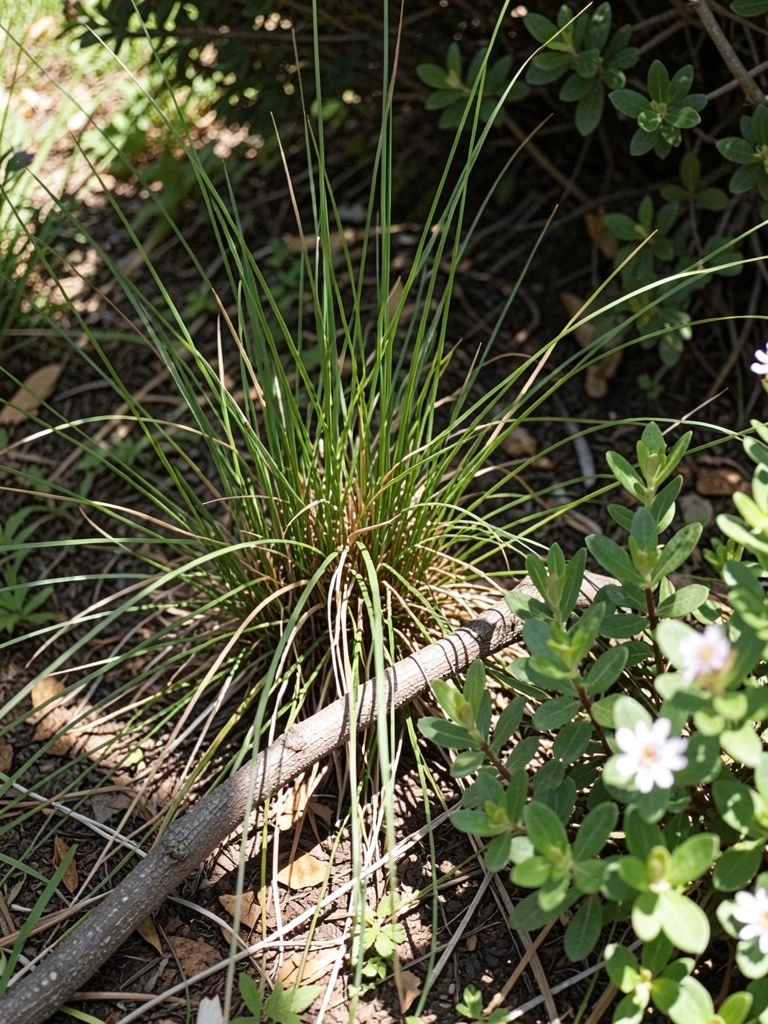
I tuck a small shrub and clumps of native grasses at one edge. They offer shelter from wind and spots for roosting. Butterflies need calm pockets to rest and escape sudden weather. The bed feels more layered and cozy when I add them.
You’ll notice the space becomes more three-dimensional. Butterflies will cluster there in early morning and late afternoon. People often plant only showy blooms and forget shelter. Don’t strip all the leaf litter away. That little mess provides micro-habitats and keeps the garden hospitable.
Step 4: Stagger blooms so there’s food through the season
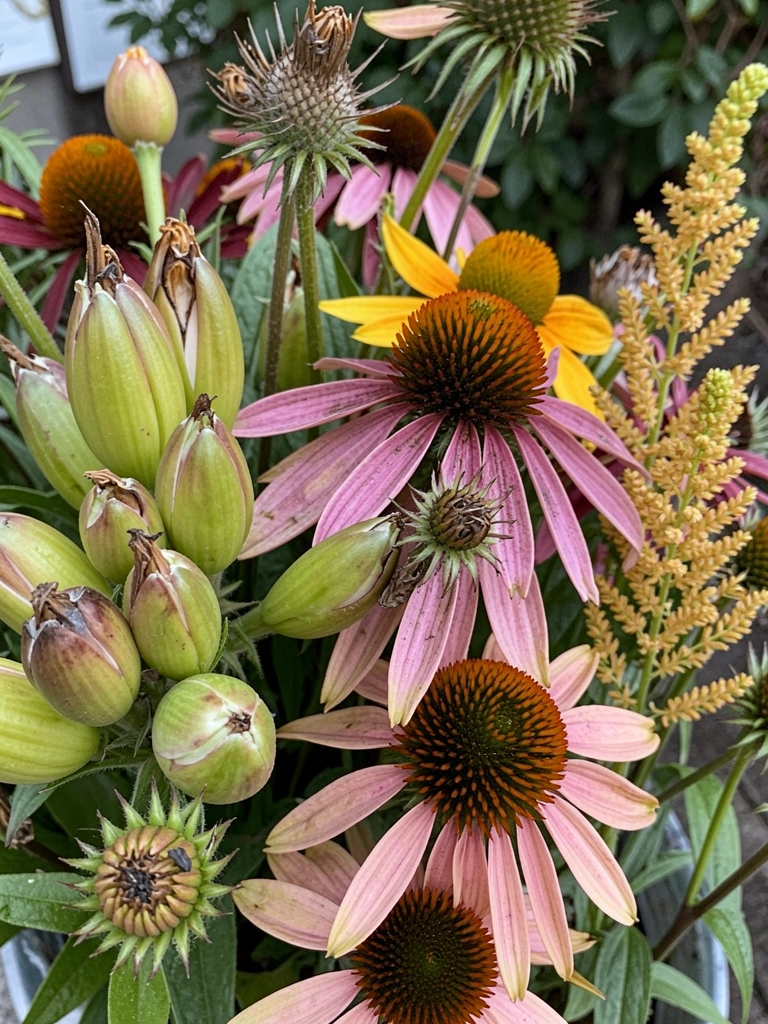
I plan for plants that bloom at different times. Early bulbs feed spring migrants. Summer perennials feed the bulk of visitors. Late-season goldenrods and asters keep things humming into fall. Staggered blooms mean I don’t have a big barren gap.
The bed looks active for months instead of a few weeks. One insight is to include plants with long bloom spans rather than many short-lived ones. A common mistake is overplanting single-season cultivars. That creates feast-or-famine moments for pollinators and for me.
Step 5: Let some imperfection stay and adapt over time
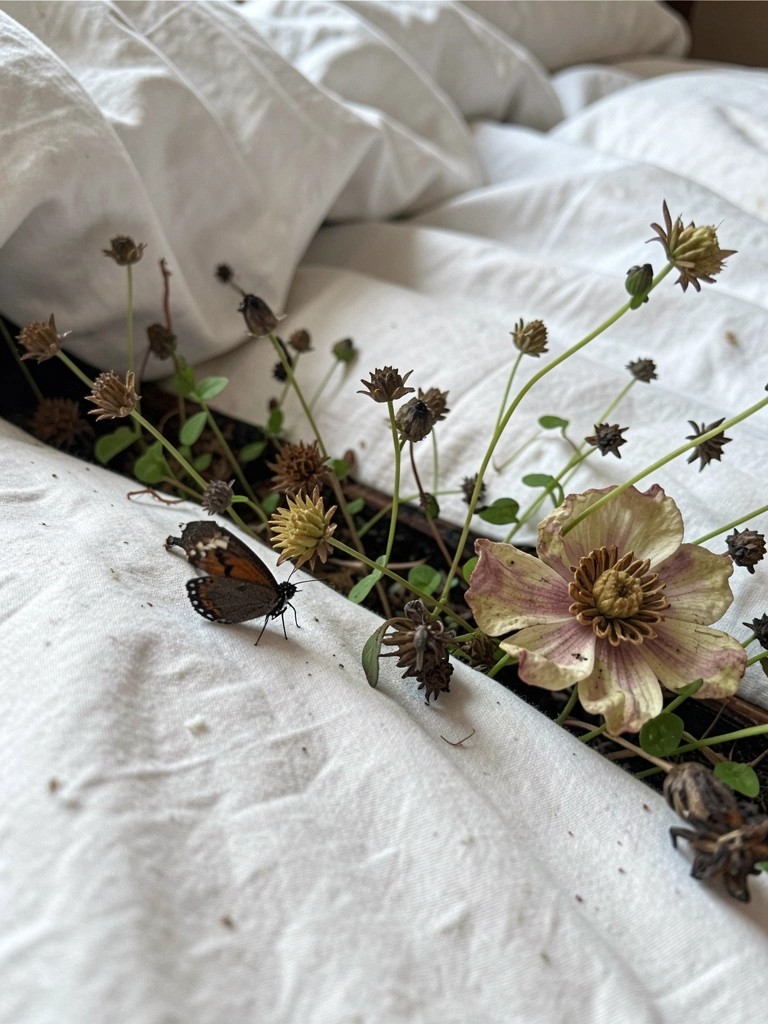
I accept volunteer seedlings, old seedheads, and uneven edges. These small imperfections are habitat. I leave seedheads through winter for shelter and cut back only in spring. The garden feels lived-in and comfortable this way.
Visually, the bed gains texture and seasonal interest. People often aim for tidy every week. That drives away the very life I want. A mistake I avoid is over-pruning. Too much tidiness removes nectar and resting spots. Give the garden moments to do its work.
Attracting versus keeping butterflies
Attracting butterflies is mostly about visibility. Bright, grouped flowers draw them in. I plant in clumps so a butterfly sees a color patch from a distance.
Keeping them is about comfort. Water, shelter, and host plants give butterflies reasons to stay. A bed that looks good to me should also feel safe and predictable to a butterfly.
- Group nectar plants in threes or fives.
- Keep open sun patches for basking.
- Provide nearby host plants for egg-laying.
Seasonal care and maintenance
I check the garden each season, but I don’t overwork it. In spring I clean the worst debris and open paths. In summer I deadhead sparingly to encourage more nectar. In fall I leave seedheads and some leaf litter.
Minimal maintenance means more habitat. It also keeps the garden visually relaxed. A light hand wins over constant fussing.
Design tips for small spaces
Small patios or planters can host butterfly-friendly pockets. Use three or four nectar plants and one host plant in a sunny corner. Add a shallow saucer and a sun-warmed tile.
Keep heights varied even in a pot. A tall stalk, a mid bloom, and a low filler give the same layered cue. Scale down, not down in complexity.
Final Thoughts
Start with a single patch you can see from a window. Make it layered and friendly. Add water and a sheltered corner.
Keep some mess. Watch and learn. Small choices make the garden feel used by butterflies, not just visited.