16 Stunning Outdoor Garden Privacy Ideas
I used to think privacy meant tall fences and a lot of money.
Then I started layering plants, screens, and old finds from the yard sale. Things shifted slowly — a missing shrub, an unexpected runner, a clearer path.
I write from plots where stuff actually lived and surprised me. You can make small changes that feel deliberate, not staged.
16 Stunning Outdoor Garden Privacy Ideas
These 16 ideas are practical and low-fuss.
I include things I’ve tried, flopped at, then fixed.
You’ll get clear options and what to buy.
These 16 ideas cover small patios to bigger yards.
1. Mixed Evergreen Hedge with Seasonal Fillers
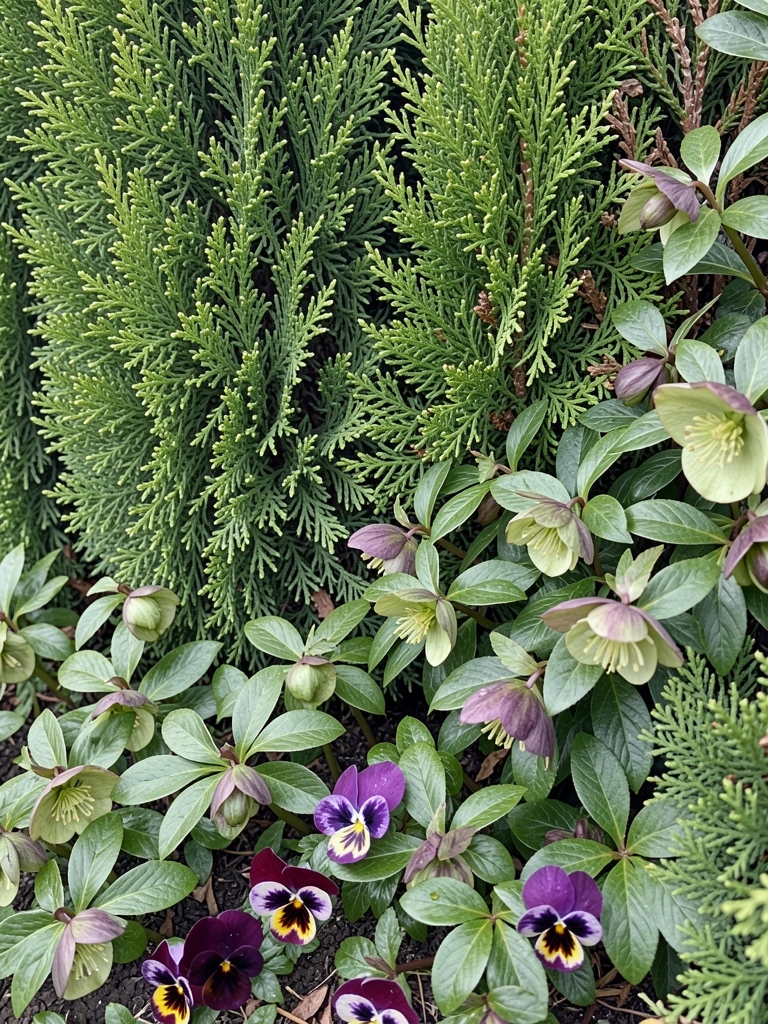
I planted a mixed evergreen hedge after my fence felt cold. I chose yew, boxwood and a few holly stems for berries. It softened noise and made the garden feel deeper.
In spring I tuck seasonal bulbs and hellebores in front for color. I learned that planting too close choked the boxwood — I had to move one plant a year later.
This feels solid year-round. It takes time, but it settles into the space and keeps nosy neighbors at bay.
What You’ll Need for This Look
- Boxwood shrubs (18–24 inch)
- Yew plants (3–4 feet)
- Hellebores and spring bulbs
- Spade and mulch (2–3 inch)
2. Wooden Trellis with Climbing Clematis and Roses
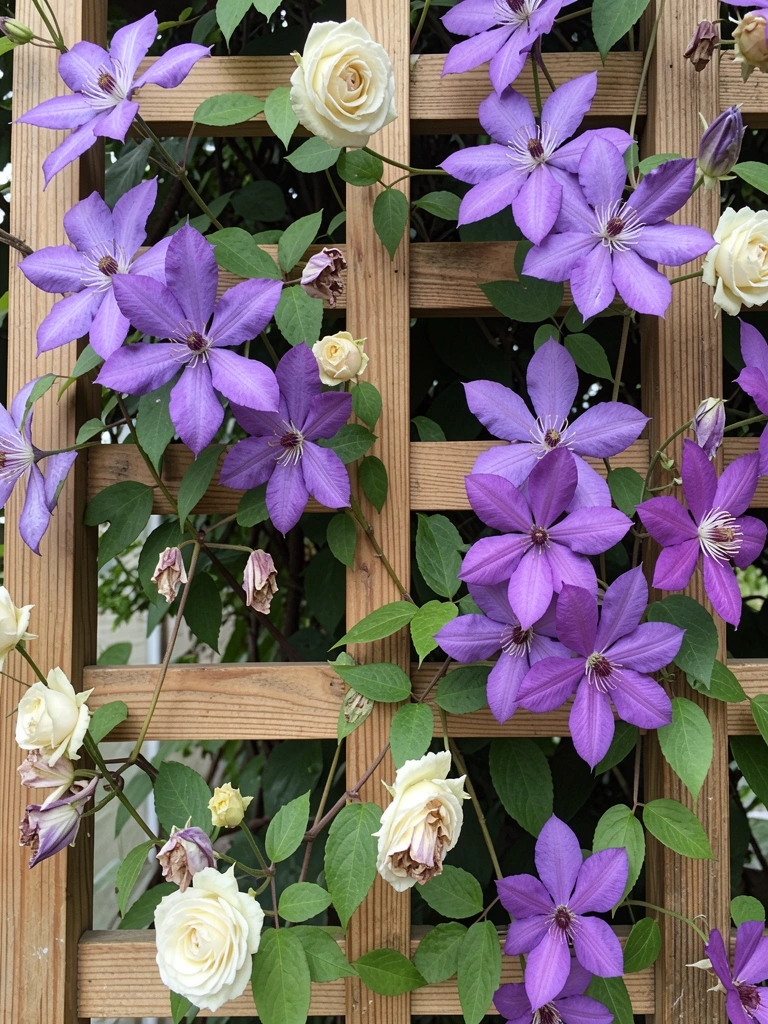
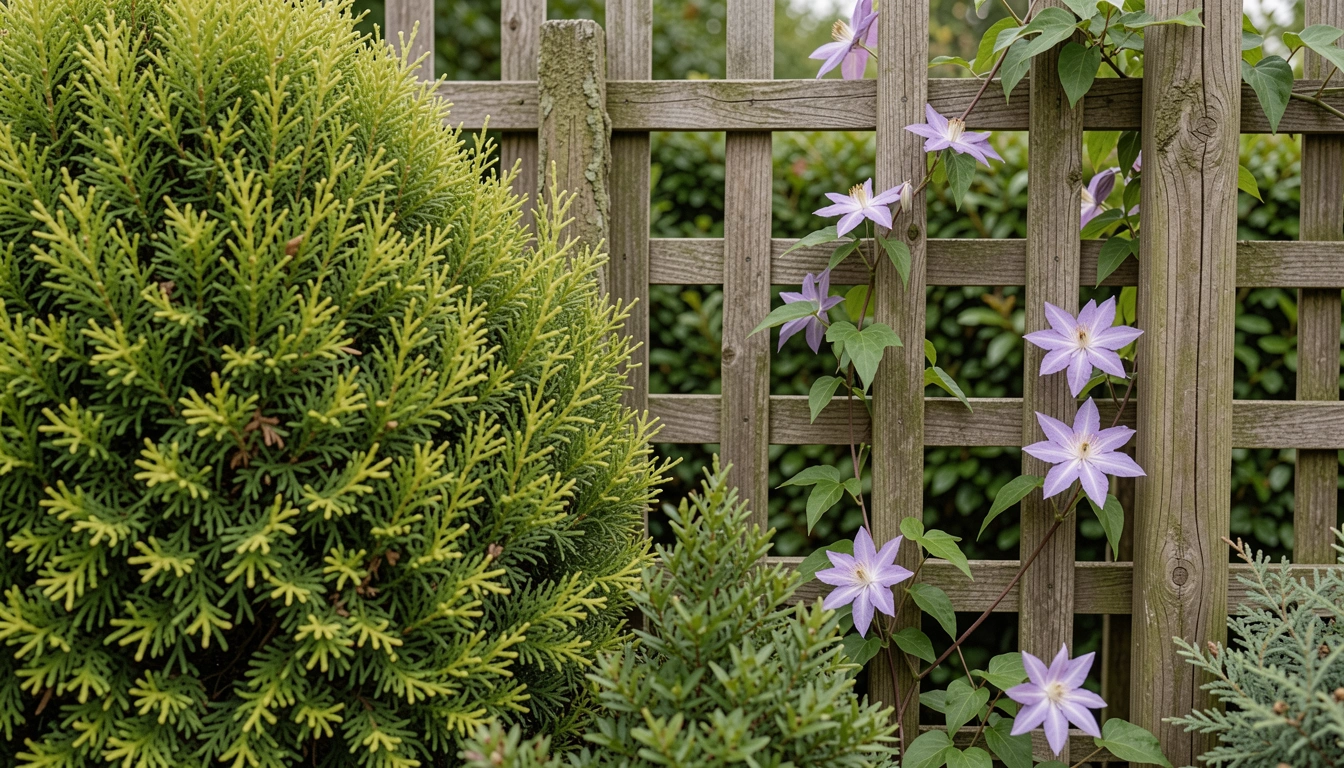
I built a cedar trellis against a side path and planted clematis and climbing roses. The trellis needed bracing; I didn’t anchor it well at first and it leaned in a storm. Lesson learned — proper posts matter.
By year two the vines wove a private wall of blooms. When I walk by, the scent and dappled shade make the space feel like a secret room.
Trim lightly after flowering and tie new shoots gently so they climb, not tangle.
What You’ll Need for This Look
- Cedar trellis panels (6 ft)
- Climbing clematis (mixed varieties)
- Climbing roses (3–4 ft canes)
- Soft garden ties, post anchors
3. Tall Ornamental Grasses as a Soft Screen
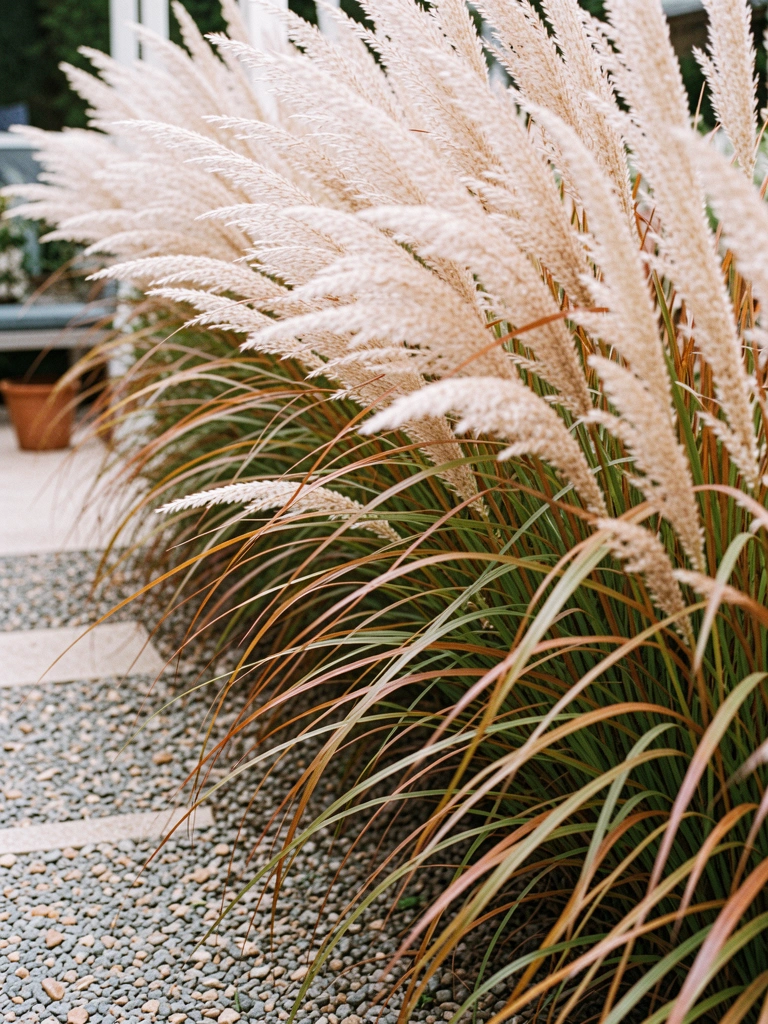
I planted Miscanthus and Pennisetum along a sunny border. They moved with the wind and muffled traffic noise more than I expected. In late fall the plumes catch the light and look cozy, even when the rest of the yard is tired.
They do flop if planted in wet spots. I corrected mine by improving drainage and giving a spring trim. Grasses give a light, private veil without a heavy wall.
Plant in groups for impact and allow room for winter stems.
What You’ll Need for This Look
- Miscanthus sinensis (3–5 plants)
- Pennisetum alopecuroides (2–4 plants)
- Garden fork and compost, gravel for drainage
4. Modular Vertical Planter Wall for Small Patios
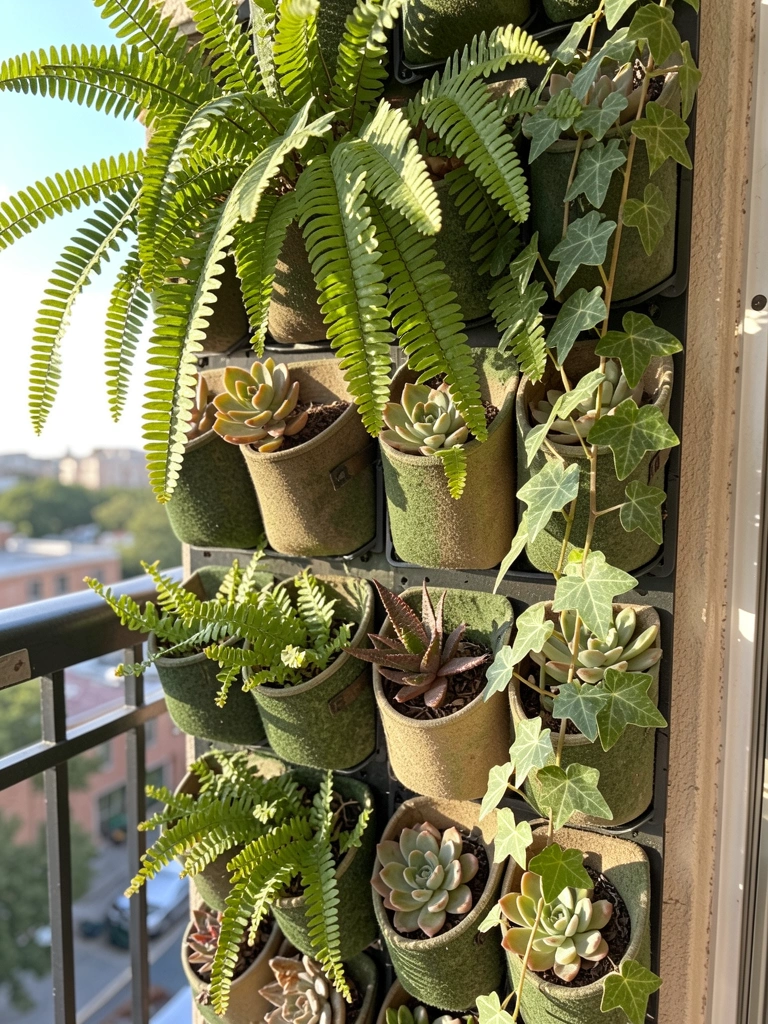
On a tiny patio I hung modular planters vertically. It instantly blocked sightlines and gave me herbs and trailing ivy within arm’s reach. The wall feels lush but doesn’t take floor space.
Watering was the fiddliest part at first — pockets dry unevenly. I added a drip line and the problem eased. Vertical planting also lets me switch things seasonally without redoing the whole wall.
It’s a great option when you need privacy and plants without a full landscape.
What You’ll Need for This Look
- Modular wall planters (pocket system)
- Potting mix for pockets (lightweight)
- Drip irrigation tubing, assorted herbs and trailing plants
5. Bamboo Screening for Instant Height
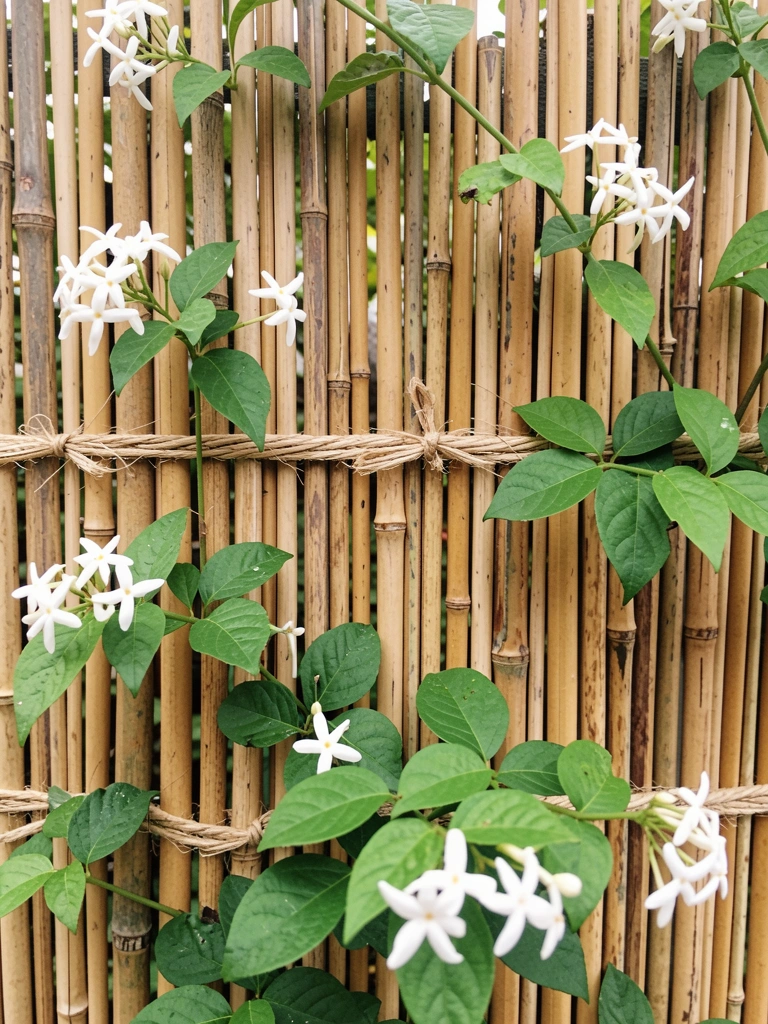
I used bamboo screening for quick height along a worn fence. It created almost instant privacy and a warmer backdrop than raw wood. I underestimated its wind movement; thin bamboo thumped my fence in a storm until I added reinforcing battens.
Bamboo is affordable and looks natural. Pair it with a front layer of jasmine or vines to soften the joins and add scent.
If you want a temporary or rental-friendly screen, bamboo is a practical pick.
What You’ll Need for This Look
- Bamboo roll screening (6–8 ft height)
- Galvanized saddle clips or twine
- Climbing jasmine or evergreen vine
- Wood battens for reinforcement
6. Cedar Slat Fence with Gaps for Light and Privacy
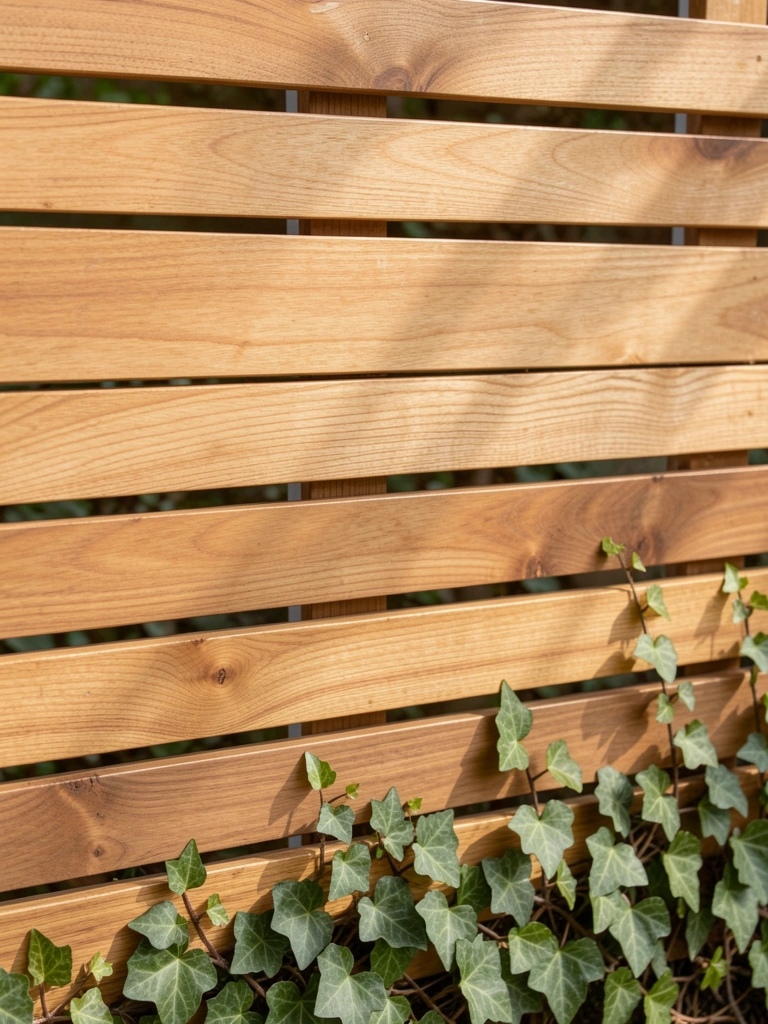
I swapped an old privacy fence for horizontal cedar slats spaced slightly apart. It kept sightlines low but allowed light and breeze through. The fence reads modern but still feels warm because cedar tones age nicely.
I learned to measure gaps against sightlines — too wide and it felt exposed, too tight and the wood warped. I settled on about a one-inch gap.
This style gives privacy without feeling like a closed box.
What You’ll Need for This Look
- Cedar slats (1×4 or 1×6, pre-stained or raw)
- Fence posts (treated wood, 4×4)
- Stainless screws, post concrete
7. Espaliered Fruit Trees as a Living Wall
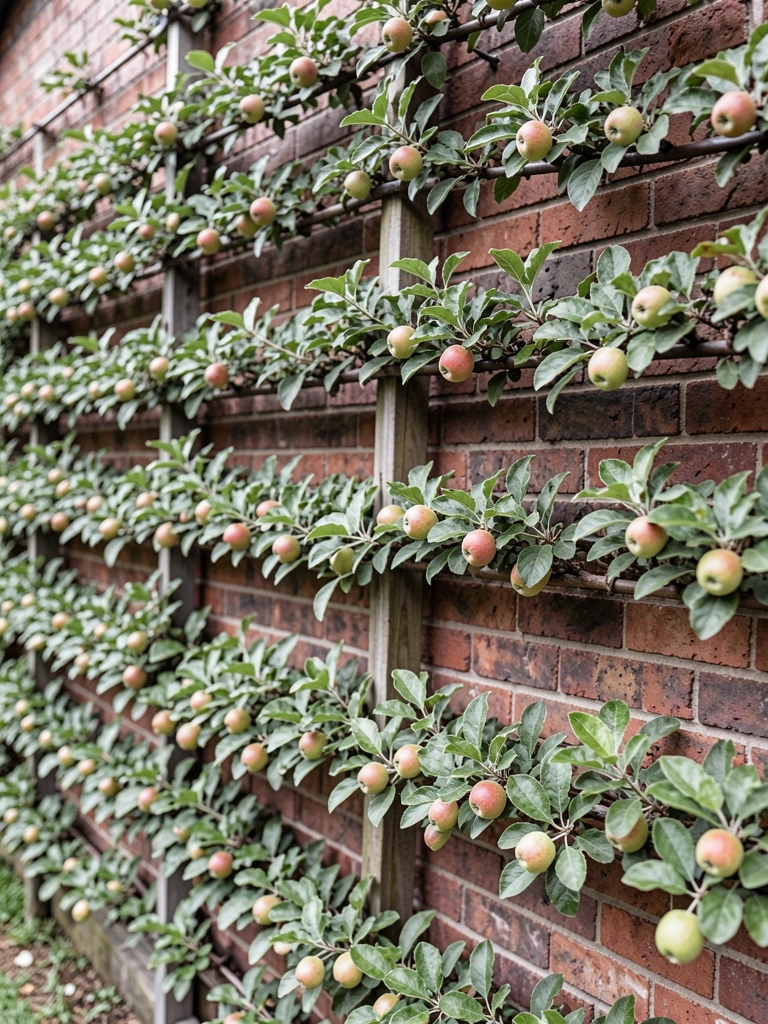
I trained apple and pear trees against a sunny wall in a tight space. Espalier creates a flat, private screen and gives fruit without taking much room. The first year I pruned too hard and slowed growth — less is often better with espalier.
Over time the tiers became a tidy green barrier and offered seasonal interest: blossoms, foliage, and fruit. It feels intentional and useful.
Espalier requires patience but rewards you with form, privacy, and harvests.
What You’ll Need for This Look
- Espalier fruit trees (dwarf apples/pears)
- Wall ties or arbor wire system
- Sharp pruning shears, grafting tape
8. Pergola with Outdoor Curtains for a Cozy Nook
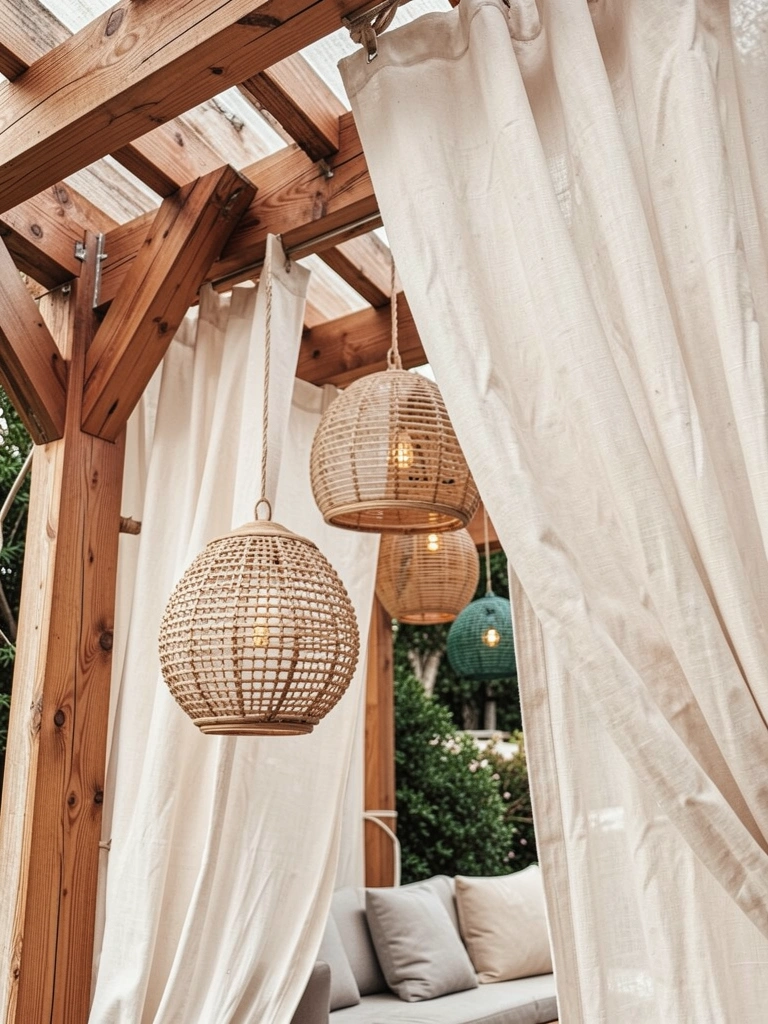
I built a small pergola over a seating corner and hung outdoor curtains. It went from exposed to private almost overnight. I chose weatherproof canvas and quick-release hooks after my first set mildewed.
The curtains make the spot feel like a room and block evening glare from neighbors’ windows. I hang string lights and a lantern for mood.
This is great for patios where you want sun control and a softer edge without permanent walls.
What You’ll Need for This Look
- Cedar pergola kit (8×8 ft)
- Outdoor curtains (UV-resistant, neutral)
- Curtain hooks, stainless hardware, string lights
9. Gabion Wall with Planter Top for Structure and Softness
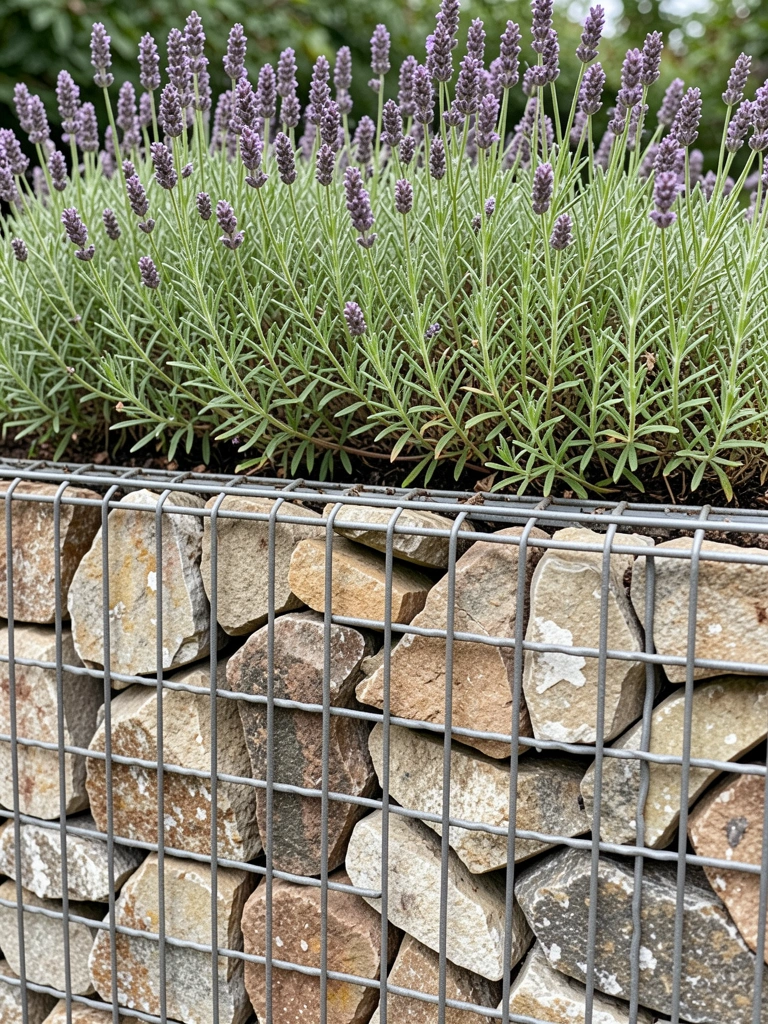
I tried a low gabion wall to define a seating terrace. The stone cages gave weight and blocked sightlines when seated. I added a shallow planter on top and filled it with lavender — the contrast softened the heavy stone.
I underestimated the effort to level the base; one corner settled more than the rest and needed reworking. Still, the gabion is durable and looks honest in a real garden.
It’s a good choice when you want permanence and texture.
What You’ll Need for This Look
- Gabion baskets (galvanized, custom length)
- Local fieldstone or recycled brick
- Narrow planter trays, lavender and thyme
10. Reed or Willow Rolls with a Living Front Layer
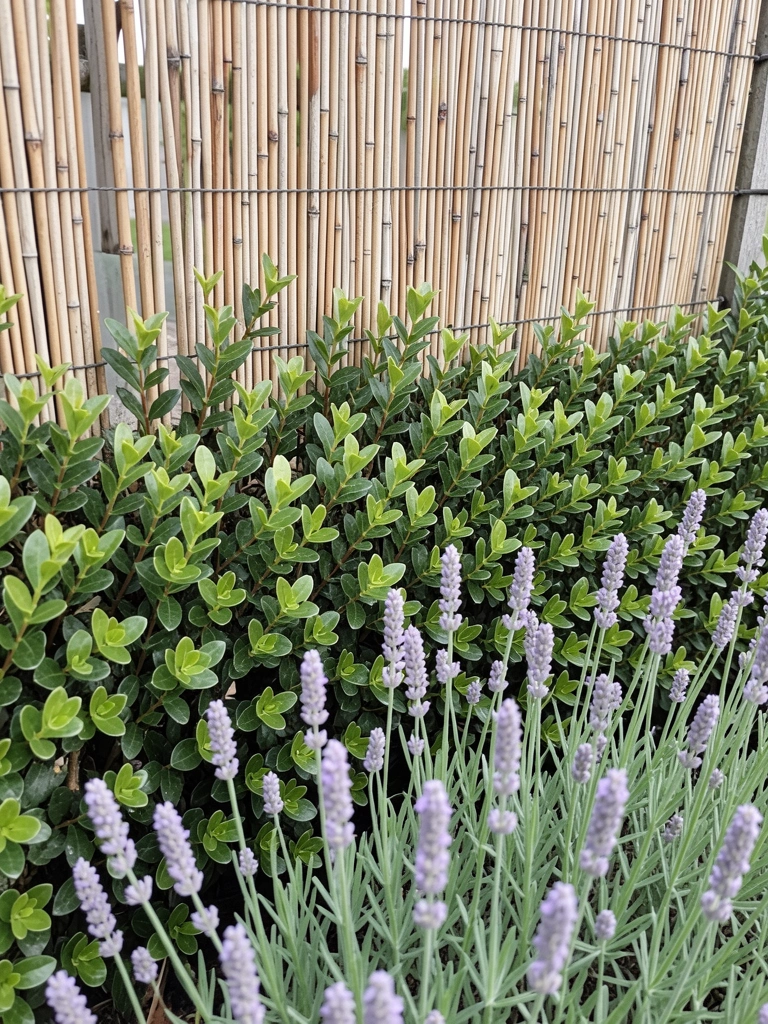
I fastened reed rolls to a tired chain-link fence and then planted a front row of boxwood and lavender. The reeds hid the metal and the plants gave a softer, lived-in edge. The reeds weathered quickly; I replaced sections every few years.
Attaching reeds securely and planting a living layer in front hides wear and makes the whole thing feel intentional rather than thrown together.
This combo is budget-friendly and works fast.
What You’ll Need for This Look
- Reed screening rolls (6–8 ft)
- Heavy-duty cable ties or stainless wire
- Boxwood shrubs (12–18 inch), lavender plants
11. Tall Potted Trees for Rental or Terrace Privacy
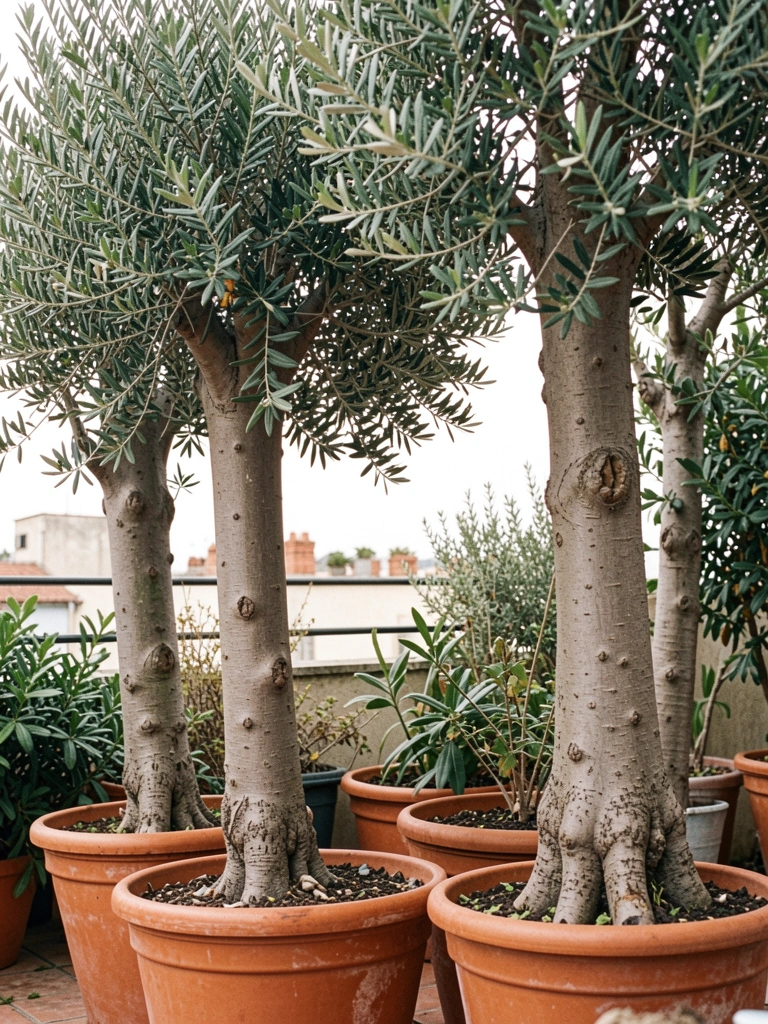
Before committing to the soil, I used tall pots with olives and bay trees on my terrace. They gave immediate height, shade, and privacy. I learned to use larger pots than I thought — small pots stressed the trees and required constant watering.
Potted trees are flexible. If a spot doesn’t work, you can move or replace them seasonally. They make patios feel more private and mature quickly.
Choose frost-hardy types or be ready to overwinter containers.
What You’ll Need for This Look
- Large terracotta pots (20–24 inch)
- Olive tree or bay laurel (5–7 ft)
- Potting compost, slow-release fertilizer
12. Layered Shrub Border with Low Evergreen Backing
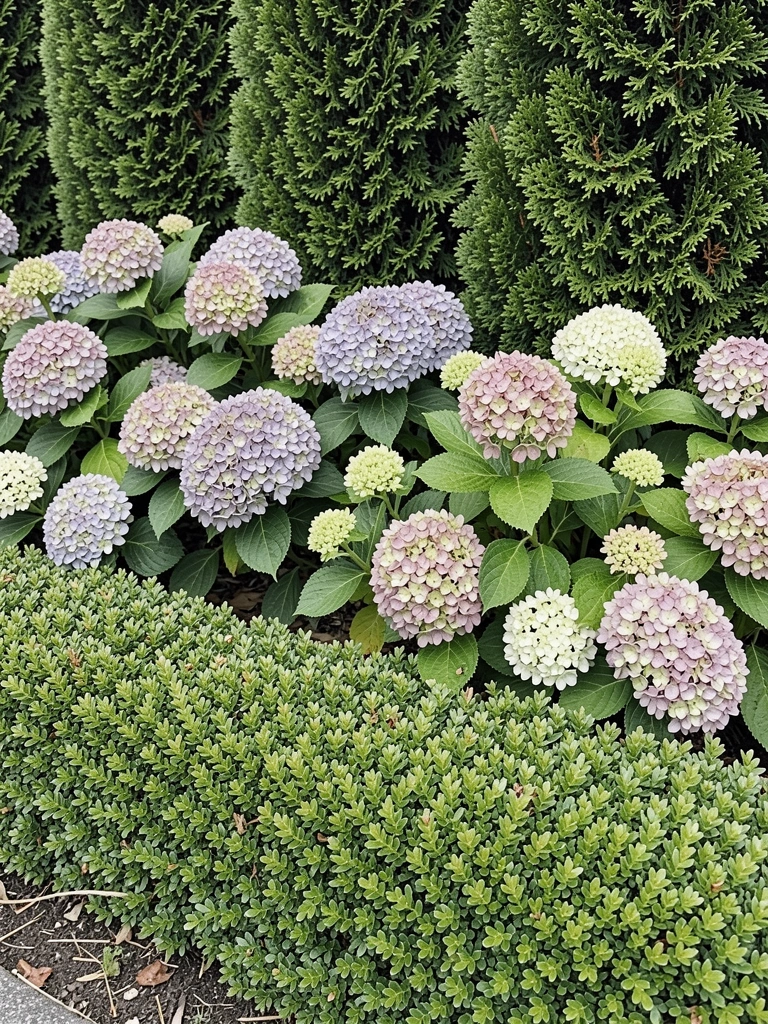
I created a three-layer shrub border: low boxwood, hydrangeas mid-row, and yew as a backdrop. It reads like a solid wall but feels planted and lived-in. The hydrangeas needed more water than I expected; I added mulch to keep soil even.
Visually, the layers make the space feel lush and private without a single high block. It also lets the garden change through the seasons.
Plant in drifts and allow each layer room to grow.
What You’ll Need for This Look
- Boxwood (small hedging)
- Hydrangea shrubs (mophead or paniculata)
- Yew (tall evergreen), mulch
13. Lattice Panels with Scented Climbers
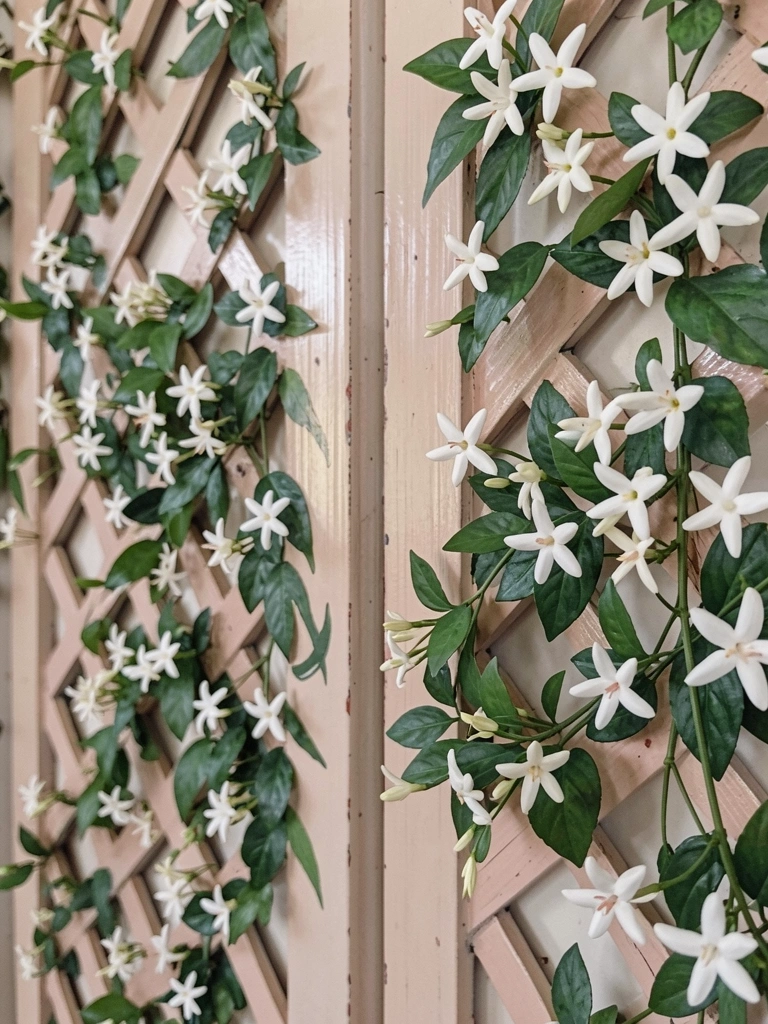
I added painted lattice panels between posts and trained star jasmine and honeysuckle on them. The scent in summer makes the patio feel private and like a small retreat. I did over-plant one side and had to thin vines the next season — it bloomed better after that.
The paint helps the lattice read as a design feature rather than a fix. Panels are easy to install and change if you move.
It’s a fragrant, soft way to close gaps without heavy construction.
What You’ll Need for This Look
- Lattice panels (wood or vinyl, 4×6 ft)
- Star jasmine and honeysuckle vines
- Galvanized screws, exterior paint
14. Raised Beds as a Green Barrier
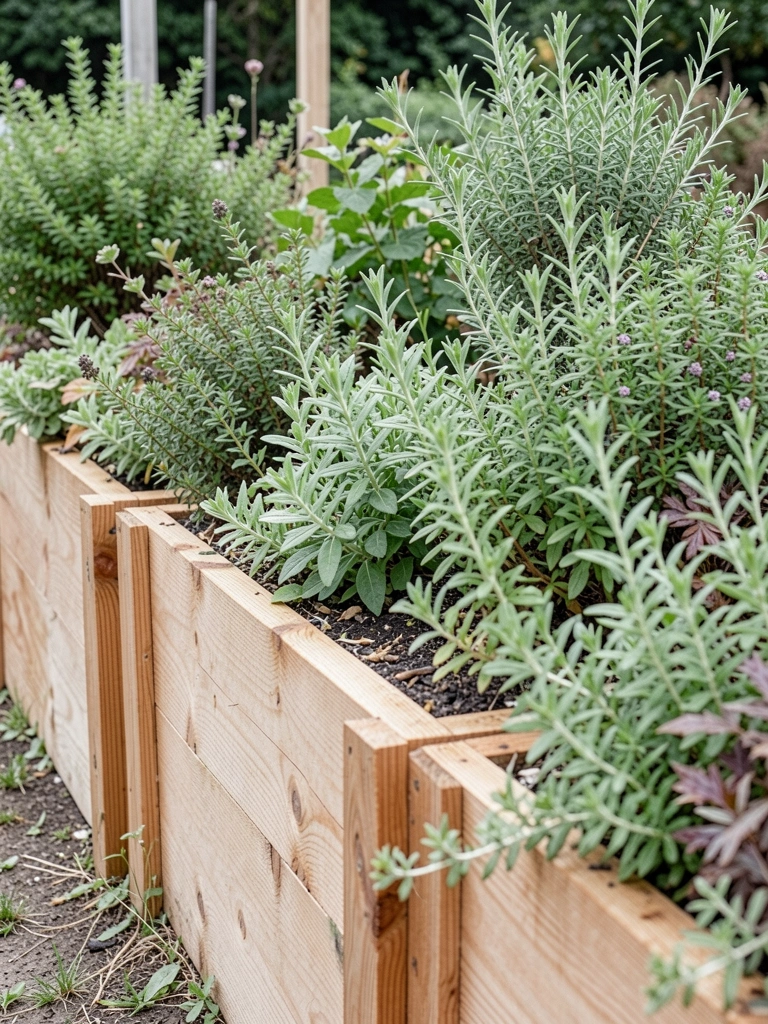
I aligned raised cedar beds to form a living barrier along a property line. They add height and planting depth while hiding lower fences. They’re practical — I can change soil, mix in edibles, and avoid planting directly in tough clay.
Raised beds gave me control, but they also dry faster. I switched to a drip line and deeper soil mix to help. This approach feels structured and useful in one move.
Use repeated beds for rhythm and privacy.
What You’ll Need for This Look
- Cedar raised bed kits (24–36 inch height)
- Topsoil and compost blend
- Drip irrigation tubing, shrubs and herbs
15. Mixed Native Shrub Hedge for Wildlife and Privacy
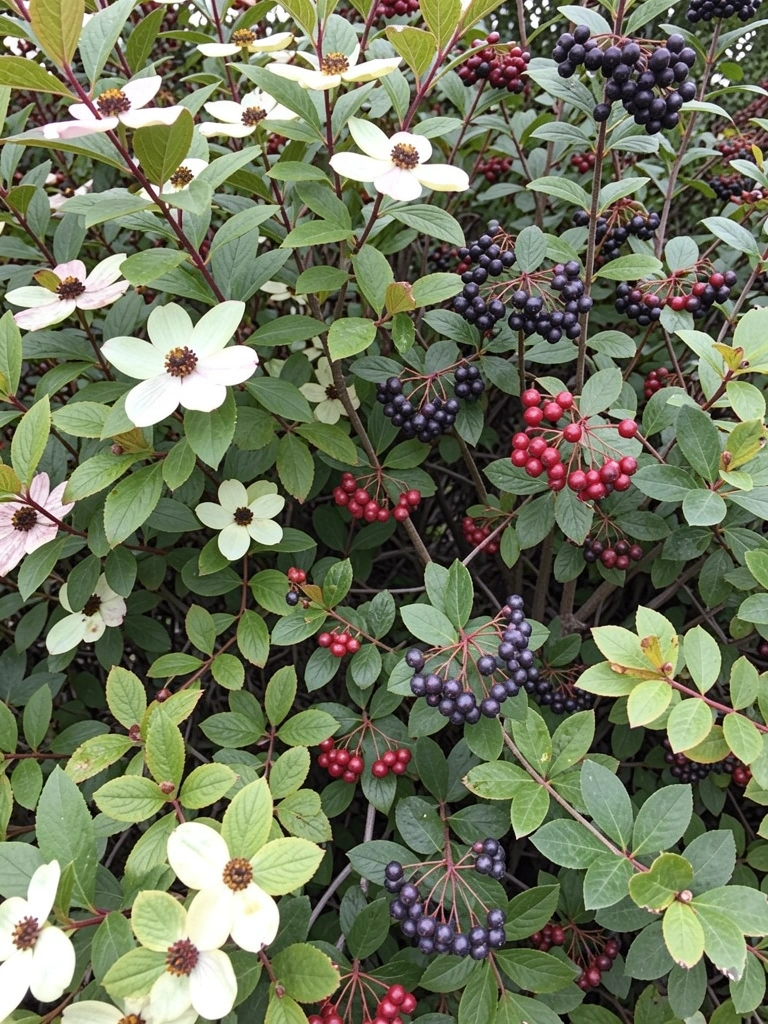
I planted a mixed native hedge with dogwood, viburnum and cotoneaster. It’s thick, wildlife-friendly, and private without feeling ornamental. The birds moved in fast and started using it as a corridor. I planted one too close to a path and had to prune for clearance — bigger spacing mattered.
Native mixes often require less fuss once established. They look natural and create a lively, private edge.
This is a good choice if you want privacy and habitat at once.
What You’ll Need for This Look
- Dogwood, viburnum, cotoneaster (1–3 gal)
- Mulch, native wildflower plugs for understory
- Hand pruners, water-retaining soil amendment
16. Metal Screen Panels with Planting Beds Ahead
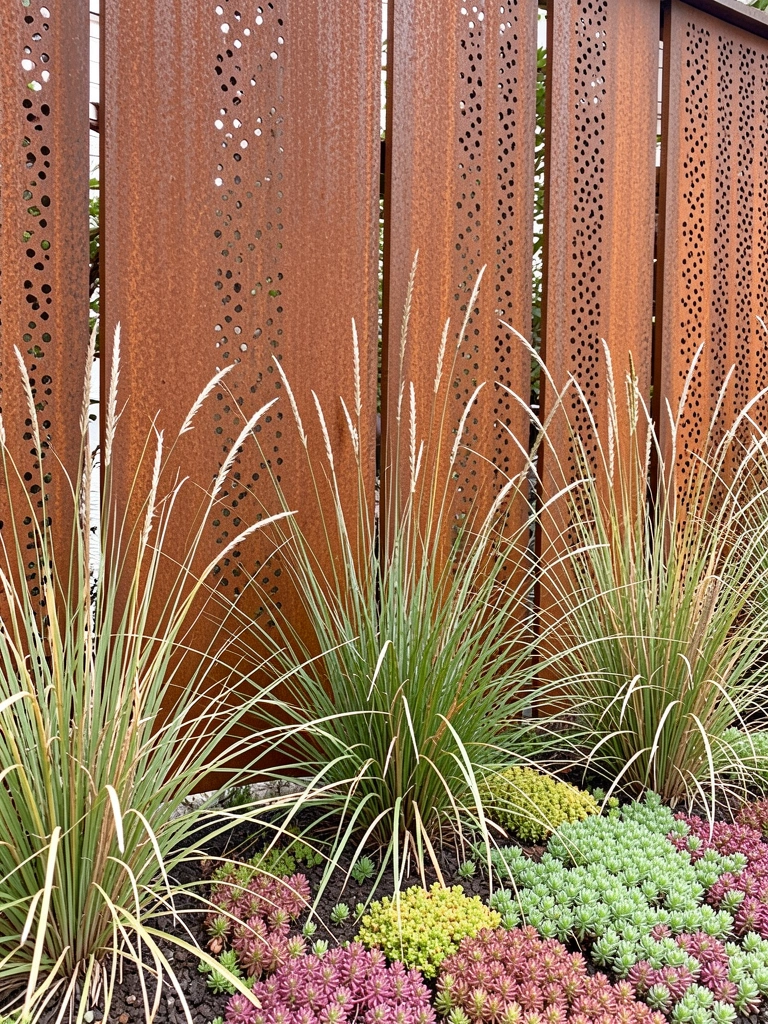
I installed corten steel screens with cut-out patterns between seating areas. They provide privacy and an artistic backdrop. At first I worried about the industrial look; planting grasses and sedums softened it and made it feel part of the garden.
Corten develops a nice patina over time, which I now like. The panels are durable and low maintenance. Together with a planting strip in front, they create a strong, modern boundary that still feels planted.
What You’ll Need for This Look
- Corten steel screen panels (4–6 ft height)
- Ornamental grasses, sedums, soil mix
- Anchor bolts, gravel base
Final Thoughts
You don’t need to use every idea.
Pick one or two that fit your space, budget, and patience.
I’ve built, fixed, and lived with these solutions. Start small, enjoy the changes, and tweak as you learn.