10 Creative Narrow Garden Bed Ideas That Maximize Every Inch
I planted my first narrow bed and thought I couldn’t do much with it.
Turns out small spaces teach you more than big ones. I learned to stack height, use scent, and accept trial-and-error.
These ideas are things I actually tried. They’re messy, practical, and they work.
10 Creative Narrow Garden Bed Ideas That Maximize Every Inch
These 10 ideas are hands-on, simple, and realistic.
I’ll show what I did, what went wrong, and what saved the look.
Use any of them as-is or mix and match—ten practical ways to get more from a skinny strip.
1. Vertical Trellis Alley for Vines and Edibles
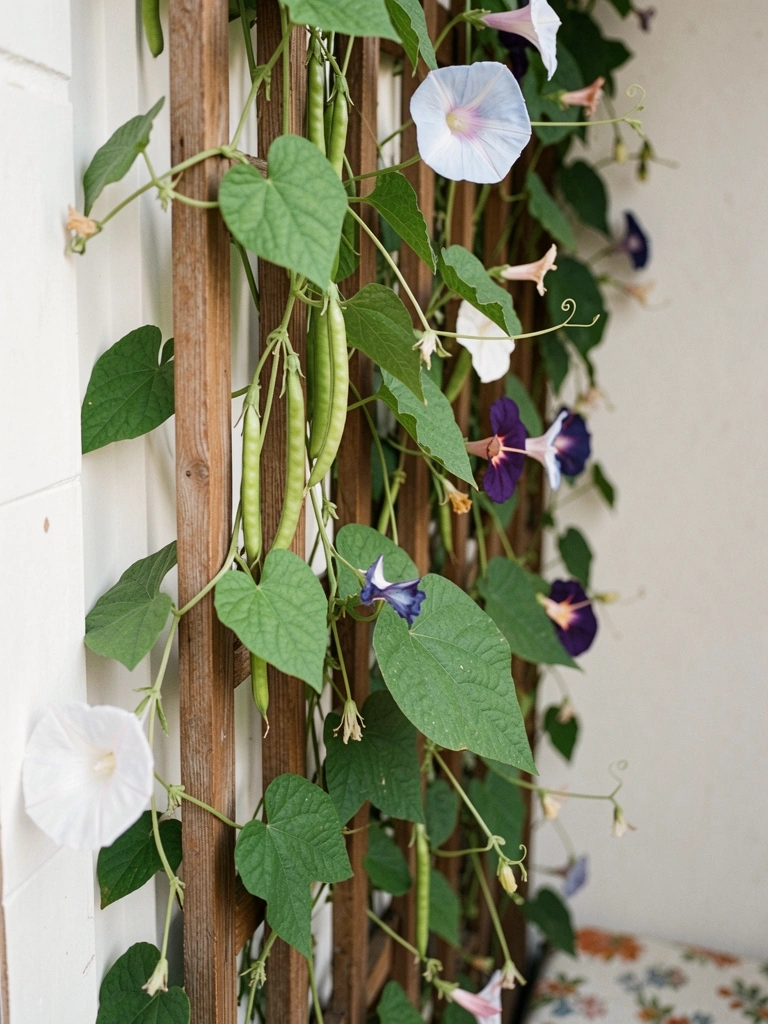
I put a simple cedar trellis against the fence and trained beans and sweet peas up it. The vertical line added height without stealing floor space. At first I overplanted the base and everything got shaded—lesson learned. Now I stagger seedlings and tuck a low thyme edge beneath.
It feels fuller, smells better, and I get a few winter-saver crops. The trellis also hides a ragged fence.
What You’ll Need for This Look
- Cedar trellis panel (6 ft)
- Climbing bean seeds or sweet pea seedlings
- Low thyme groundcover (6-inch plugs)
- Garden twine and small plant clips
2. Layered Container Planting That Makes a Patio Feel Full
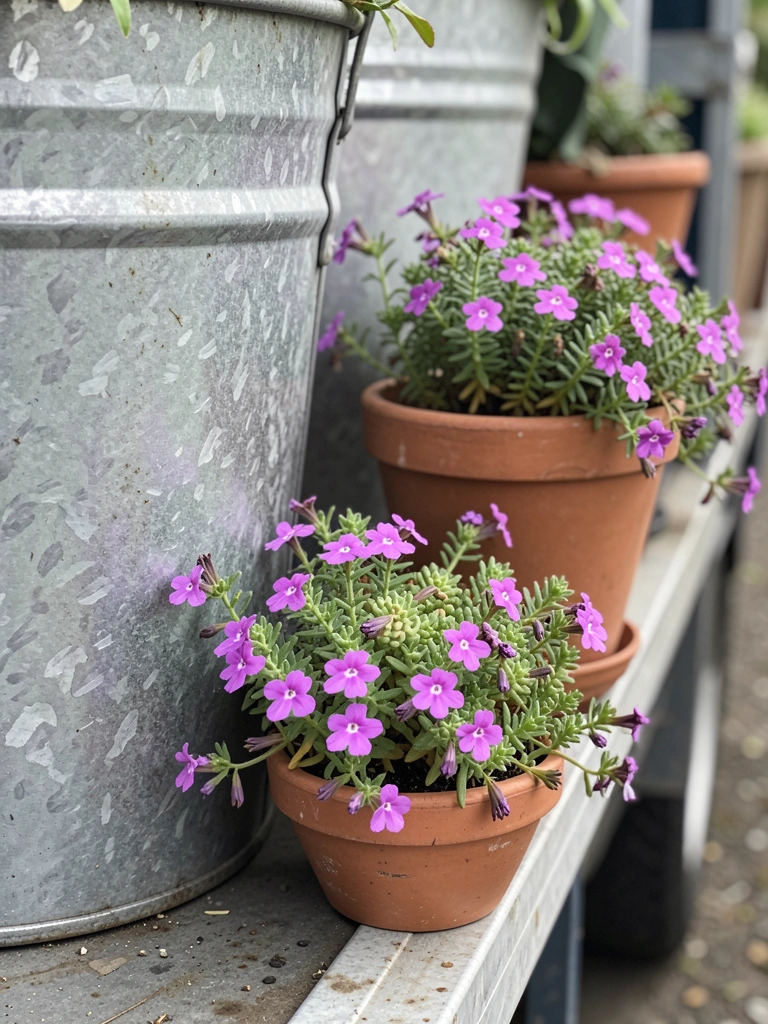
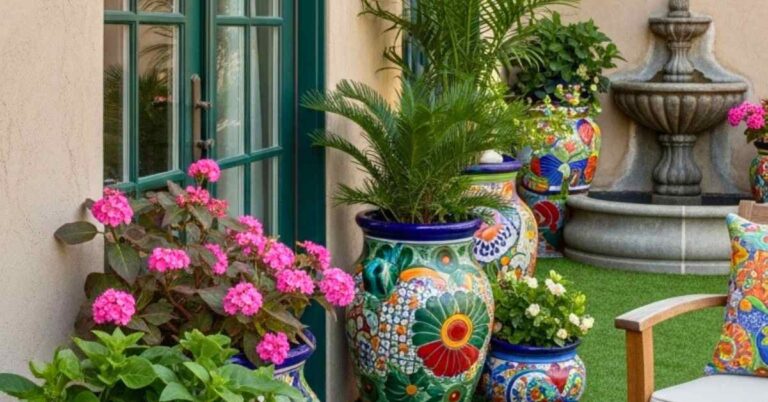
I started stacking containers against the wall to fake depth. Tall pots at the back, medium in the middle, saucers up front. I once used matching pots only to discover variety sells the eye—mix materials for warmth. I tuck trailing plants in the front pots so the edge feels soft.
This approach allowed me to move plants seasonally and avoid digging in compacted soil. It also became my go-to when the soil failed me one year.
What You’ll Need for This Look
- Tall galvanized planter (18–24 inch)
- Terracotta medium pots (10–12 inch)
- Small saucer pots (6–8 inch)
- Potting mix for containers, saucers of trailing plants
3. Narrow Raised Bed With Deep Soil for Real Roots
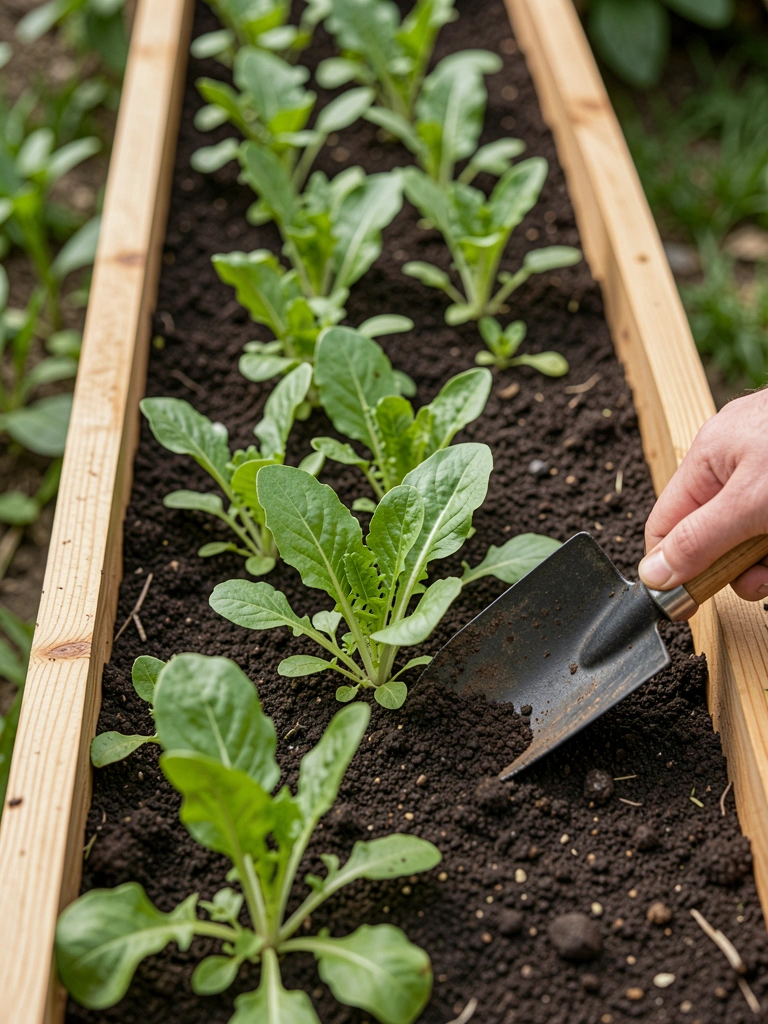
I built a 10-inch-wide raised bed with extra depth and suddenly root crops stopped sulking. Carrots and garlic performed like they were in a proper garden. I made the mistake of using old soil the first year—roots stalled. Once I replaced it with fresh mix, everything perked up.
A deep narrow bed also gives neat edges and makes watering more efficient.
What You’ll Need for This Look
- Narrow cedar raised bed kit (6–8 inch wide, 18–24 inch deep)
- Loose vegetable garden soil mix
- Long-handled trowel
- Seed packets: carrots, garlic, salad greens
4. Succulent Ribbon: Low-Maintenance Strip That Looks Intentional
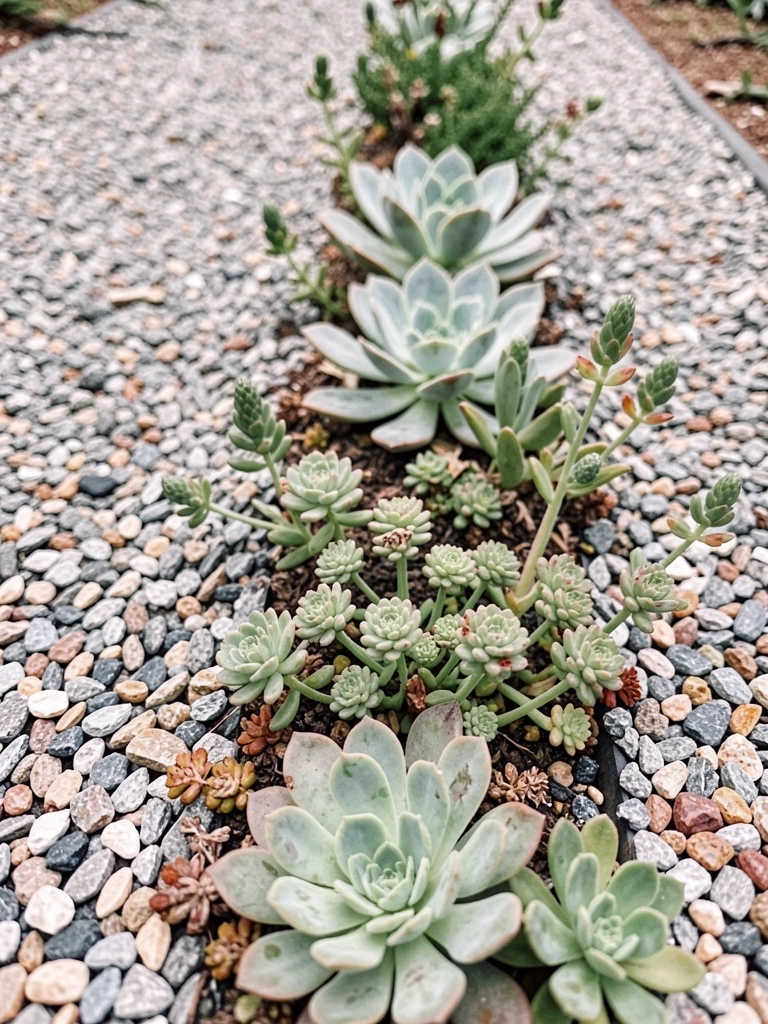
I used succulents along a hot, narrow border and it changed my upkeep. These plants survive on neglect and still read as planned. I did overwater the first winter and lost a few—don’t make that mistake. Gravel mulch keeps things dry and tidy.
The ribbon of low, sculptural plants gives a clean, modern look and survives summer heat. I use it where I want minimal fuss.
What You’ll Need for This Look
- Mixed succulents (echeveria, sedum)
- Gravel mulch (pea gravel)
- Shallow drainage planters or in-ground gritty mix
- Small watering can for spot watering
5. Pocket Planters on the Fence for Herbs and Flowers
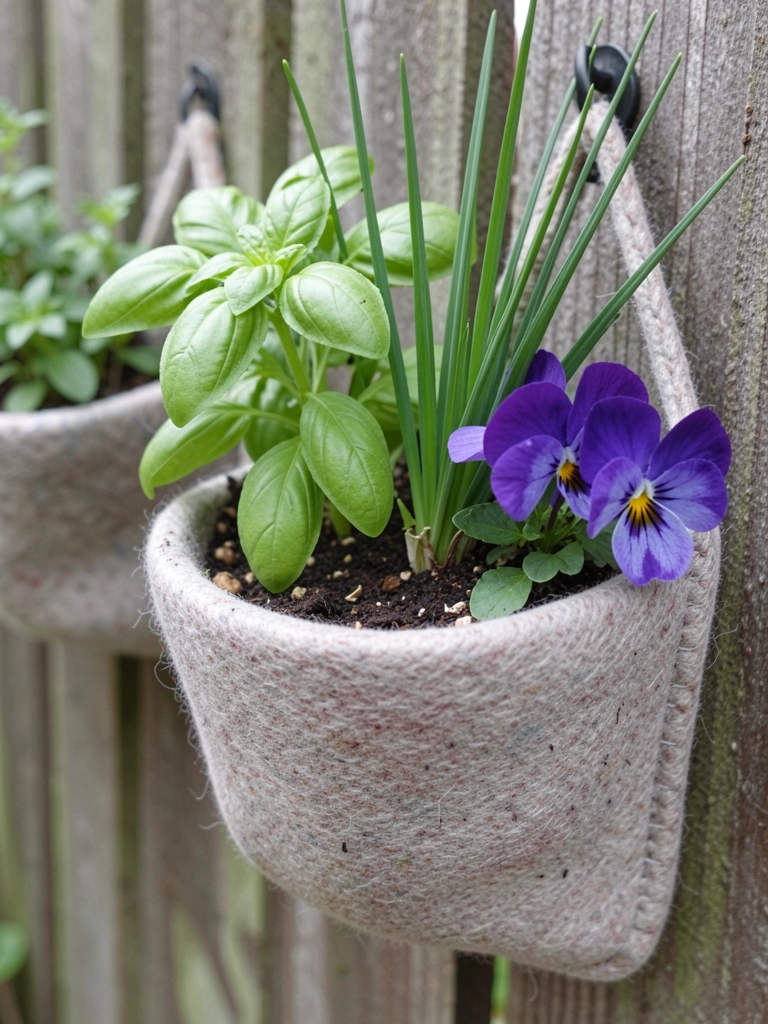
I hung fabric pocket planters on a skinny fence and finally had herbs at arm’s reach. It’s perfect for mint, basil, and small annuals. I did initially use cheap pockets that sagged—swap to reinforced pockets for the weight. Water runs through fast, so I water more often but it’s easy to rotate pots.
The vertical pockets freed ground space and kept slugs away.
What You’ll Need for This Look
- Reinforced felt pocket planters (6–8 pockets)
- Herb seedlings: basil, chives, parsley
- Potting mix for pockets
- Wall hooks or screws for mounting
6. Mini Meadow Strip for Movement and Pollinators
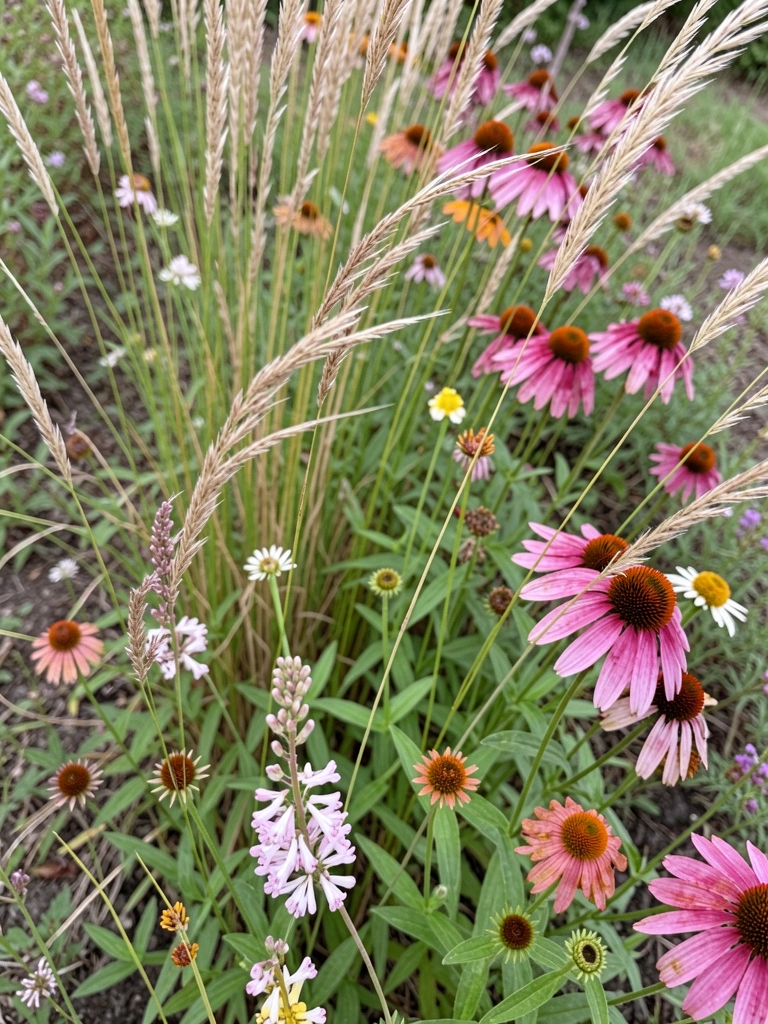
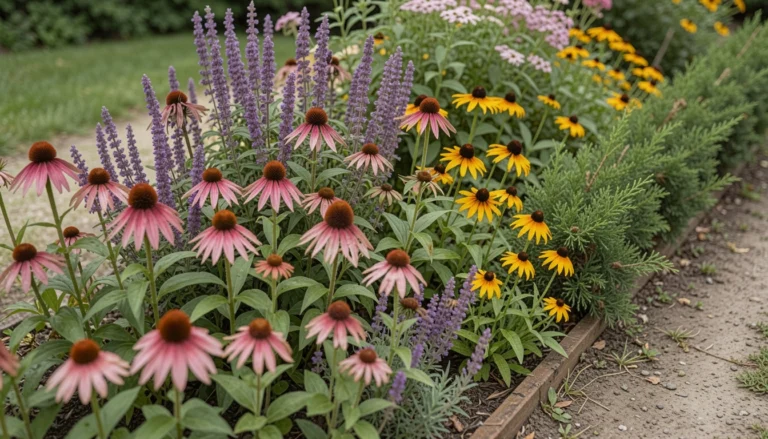
I planted a narrow meadow strip with grasses and native wildflowers to get movement in a tiny space. It feels alive even when other beds nap. I once planted aggressive daisies that took over—swap those for clump-forming natives instead. The grasses sway and the bees come.
This look hides imperfections and gives a natural edge without much pruning.
What You’ll Need for This Look
- Clump-forming ornamental grasses (1–2 ft)
- Native wildflower plugs (coneflower, gaura)
- Wildflower seed mix for gaps
- Thin layer of mulch
7. Espaliered Fruit Trees Along a Skinny Border
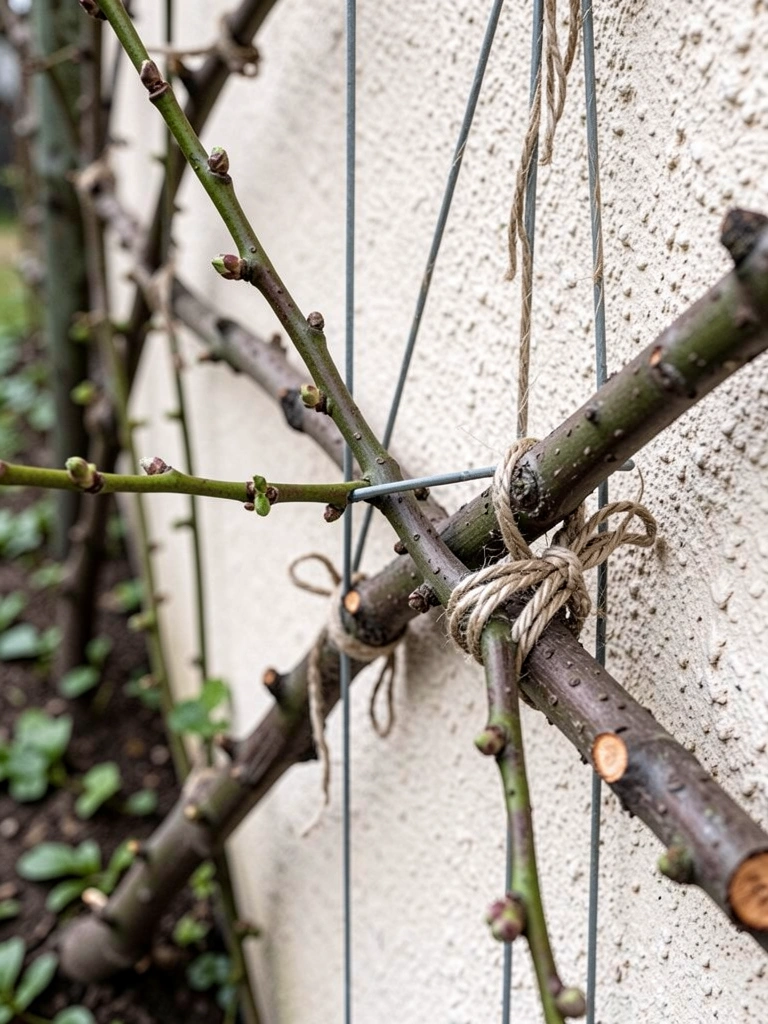
I trained an espalier apple against a narrow wall and it saved space while giving fruit. The first season I pruned too hard out of fear and slowed growth—gentler shaping is better. Once the branches set on the wires, the wall felt planted, not cluttered.
Espaliers are surprisingly forgiving and they create a living screen that’s useful and pretty.
What You’ll Need for This Look
- Espalier-friendly dwarf fruit tree (apple or pear)
- Horizontal support wires and tree ties
- Pruners and training plan
- Slow-release fruit tree fertilizer
8. Mini Stepping-Stone Path with Groundcover Between
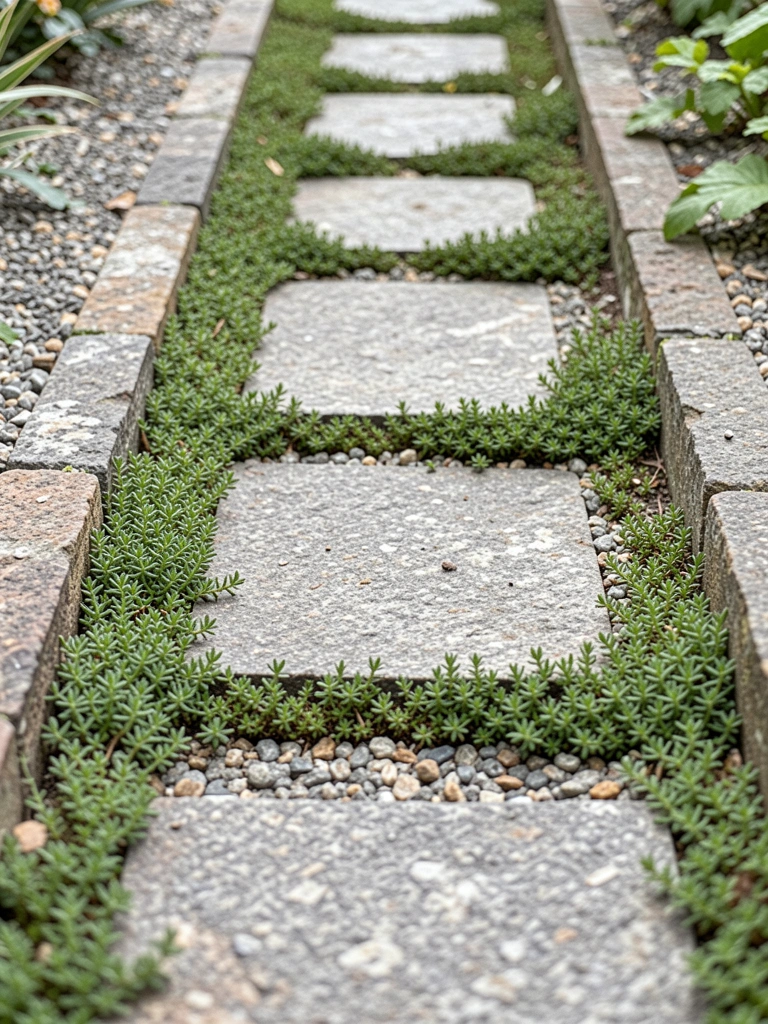
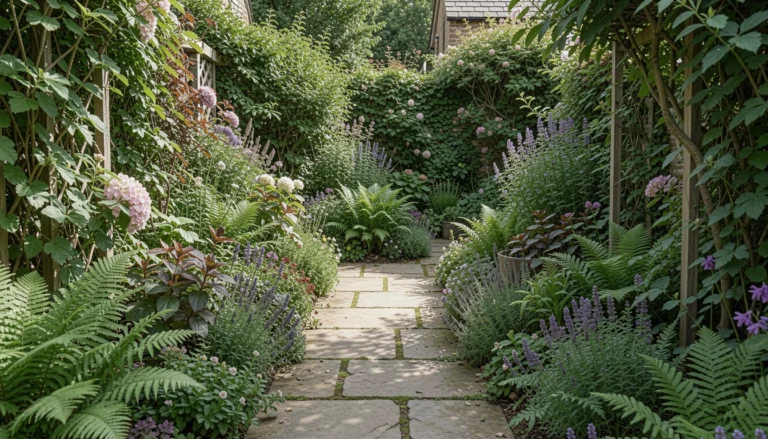
I laid small stepping stones down a narrow strip and planted thyme between them. It made a usable path and added scent when I walked through. I misaligned a few stones at first and had to re-level—take time to set them right. The low groundcover softens the hardscape and keeps weeds down.
It’s one of my favorite practical looks for a narrow corridor.
What You’ll Need for This Look
- Small stepping stones (12–16 inch)
- Low thyme groundcover plugs
- Gravel base and edging material
- A rubber mallet and level
9. Bulb-Forward Strip for Splashy Spring Then Seasonal Bedding
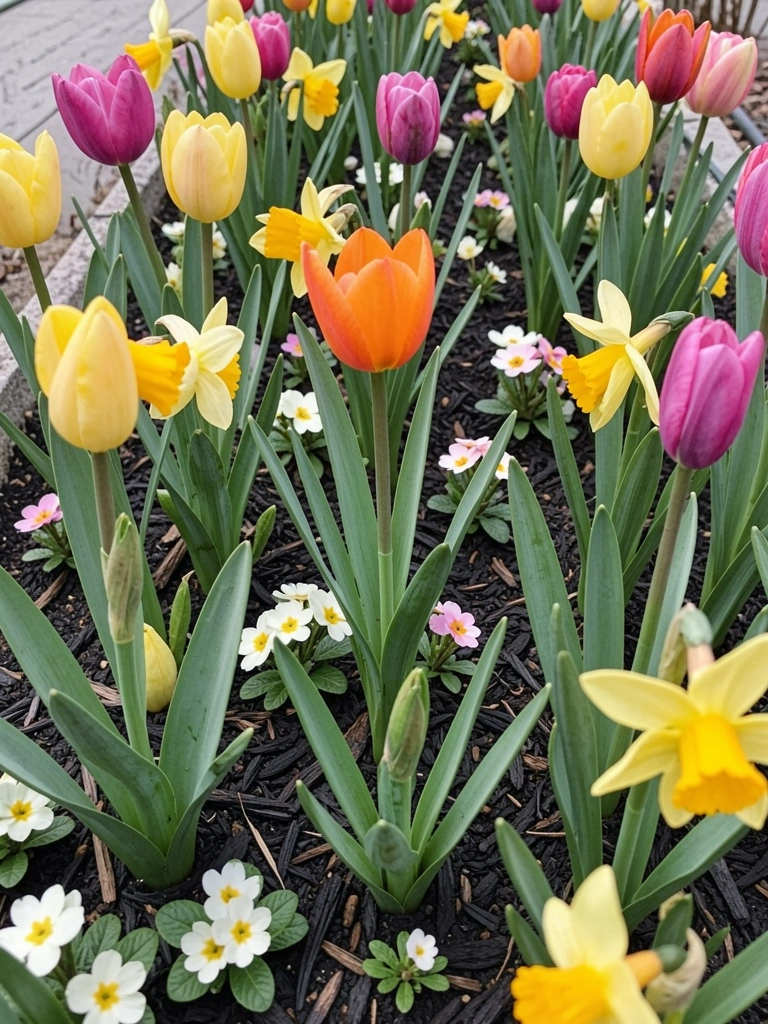
I plant bulbs densely in my narrow beds to get a bold spring show. Tulips and daffodils fill the strip before summer plants take over. I made the error of planting too shallow once—bulbs need depth to avoid frost heave. After correcting depth, the display returns every year.
After bulbs fade, I drop in annuals or small perennials for the rest of the season.
What You’ll Need for This Look
- Spring bulbs (tulips, daffodils)
- Early primroses or pansies for between bulbs
- Bulb planting tool or trowel
- Mulch for winter protection
10. Integrated Bench-Planter: Seat Plus Planting in One
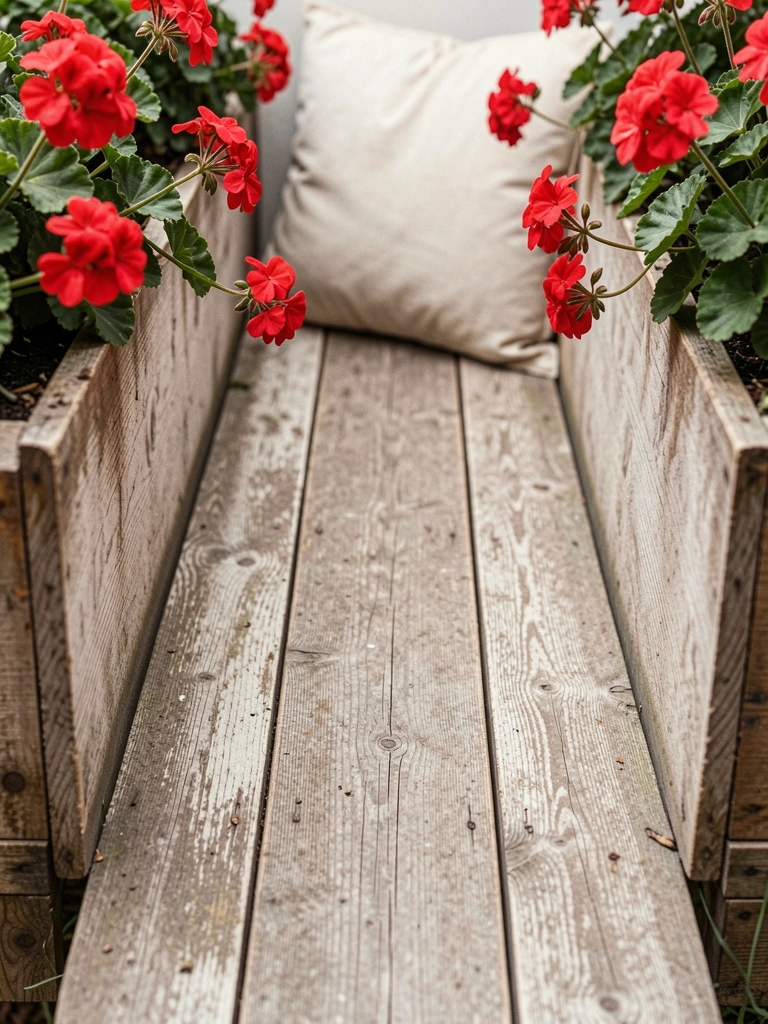
I built a simple bench with planter boxes on either side and it turned a narrow bed into a spot to sit. I first underestimated drainage and ended up re-drilling holes—don’t skip drainage. The planters let me add seasonal color and hide the bench base.
Now I sit, prune, and watch the tiny space feel like a room rather than a strip.
What You’ll Need for This Look
- Narrow wooden bench with integrated planters (20–36 inch)
- Hardy annuals (geraniums, petunias) or small shrubs
- Cushion for seating, planter liner with drainage
- Drill and exterior screws
Final Thoughts
I don’t do perfect gardens. I do honest ones that work for real life.
Pick one idea, try it in a skinny space, and give it a season. Small beds repay attention quickly.
You don’t need to do everything—do what feels doable and keep planting.