7 Classic English Garden Privacy Ideas
I used to think privacy meant walls. It doesn’t.
A well-placed planting or structure can feel softer and more private. I learned that the slow options last longest.
These are ideas I’ve tried, failed at, and fixed. Practical and doable in real yards.
7 Classic English Garden Privacy Ideas
Here are 7 practical english garden privacy ideas I use in real gardens — plant-based, structural, and small-space solutions you can copy today. Each idea gives clear, hands-on choices.
1. Clipped Yew or Boxwood Hedge for Year-Round Screening
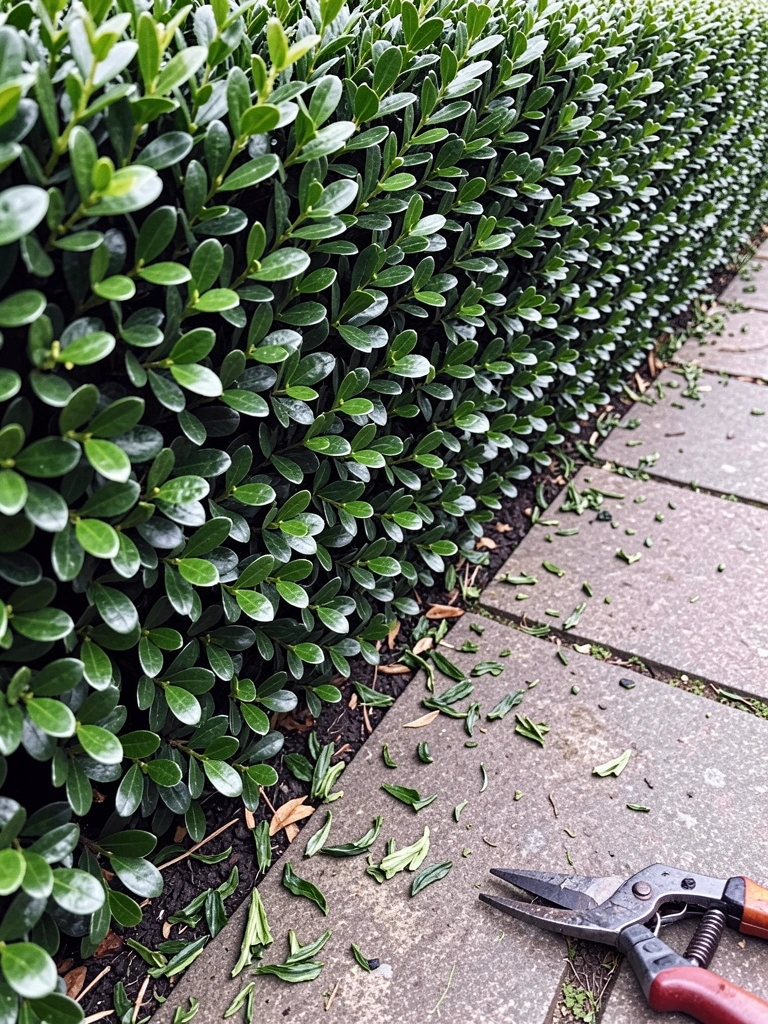
I planted yew along a back boundary and learned patience the hard way. It’s slow, but once it fills in, it’s a green wall that absorbs sound and sight.
Early on I pruned too hard and left bare patches. Now I trim lightly each year and let the base thicken first.
It feels formal but comfortable in a messy garden. Keep a pruning schedule and swap in faster pleachers if you need speed.
What You’ll Need for This Look
- Yew or boxwood saplings (3–5 ft)
- Hand shears, hedge trimmer
- Root barrier (if near paving)
- Mulch, slow-release fertilizer
2. Mixed Evergreen and Perennial Border for Soft Screening
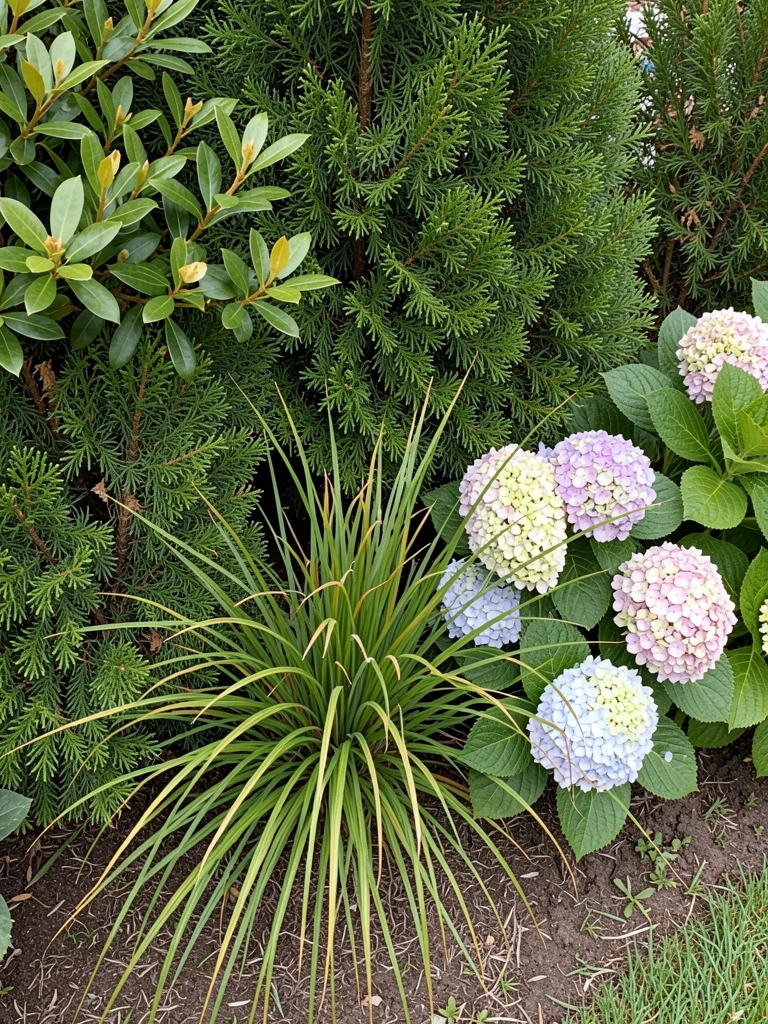
I built a mixed border to hide a neighbor’s fence. The first winter looked bare — I’d planted too many perennials that dropped leaves at once.
After adding evergreen anchors (pieris and holly), the screen felt full year-round. The seasonal flowers give depth up close.
It’s forgiving; you can stagger heights and textures. I tuck shorter evergreens in front to avoid winter gaps.
What You’ll Need for This Look
- Pieris japonica, holly, euonymus (3–5 ft)
- Hydrangea macrophylla, tall ornamental grasses
- Compost-rich planting mix
- Low-maintenance mulch (bark chips)
3. Trellis with Climbing Roses and Clematis for a Classic Wall
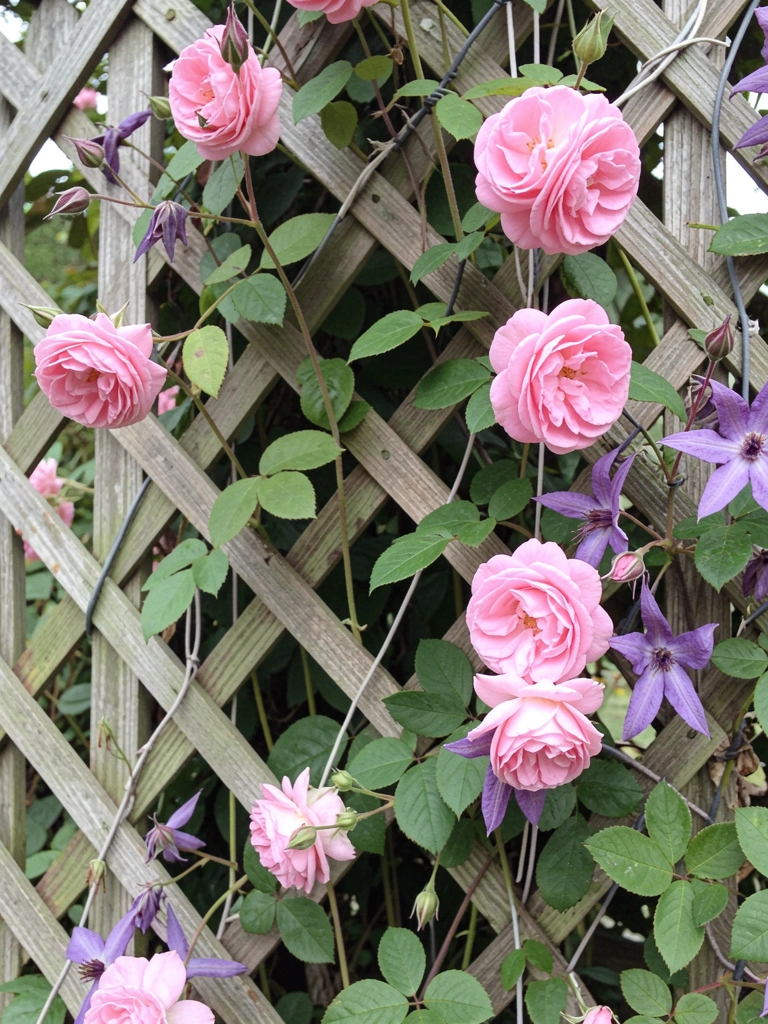
I tried a trellis with roses and clematis and learned compatibility matters. I once jammed a vigorous rose with a delicate clematis and one got shaded out.
Now I match growth habits — a balanced rose with a mid-season clematis keeps blooms for months. The trellis hides ugly fences but still feels airy.
It’s flexible for small yards and you get scent and flowers, not just a wall.
What You’ll Need for This Look
- Cedar trellis panels (6 ft x 3 ft)
- Climbing rose (modern or rambler), clematis (group suited)
- Soft garden twine, training ties
- Rose fertilizer, mulch
4. Pleached Trees Along a Walkway for Linear Privacy
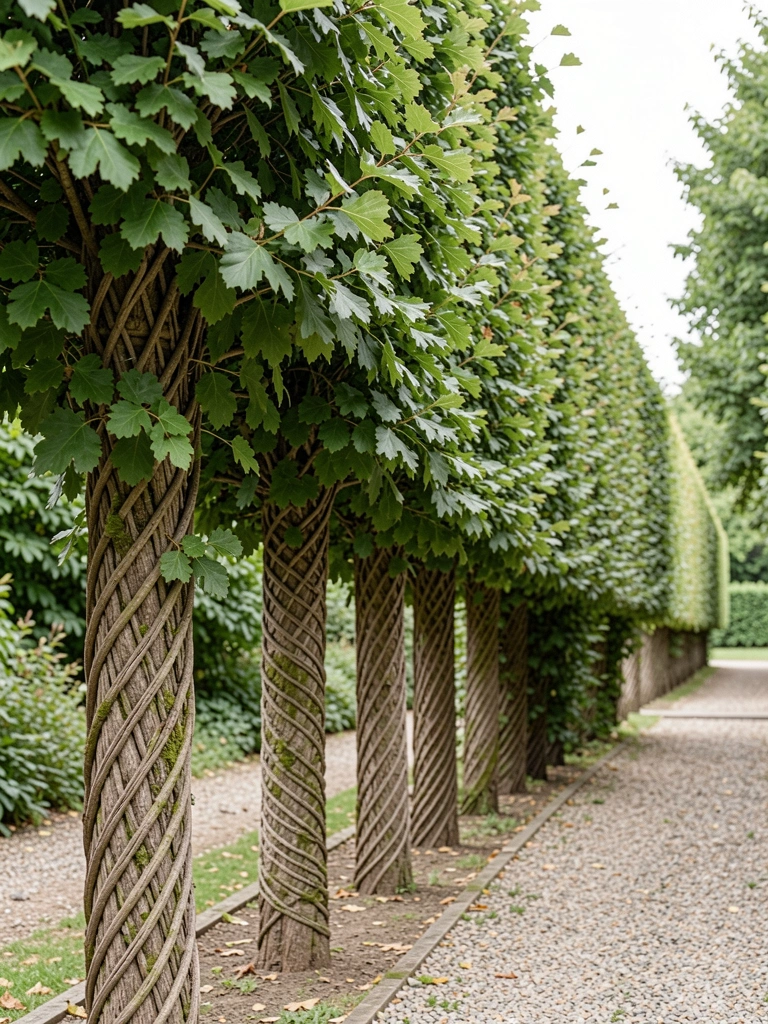
I pleached hornbeam along a narrow walk and it made a sheltered corridor. The trunks give a clean line; the canopy shields views without feeling boxed.
The first year I spaced them wrong and they battled for light. I re-spaced and now they form a continuous screen by year three.
It needs regular clipping but the look is calm and architectural. Good where you want height without a solid wall.
What You’ll Need for This Look
- Pleached hornbeam or lime (trained whips)
- String line and stakes for initial training
- Long-handled shears, ladder
- Gravel or paved walkway edging
5. Espaliered Fruit Trees Against a Garden Wall
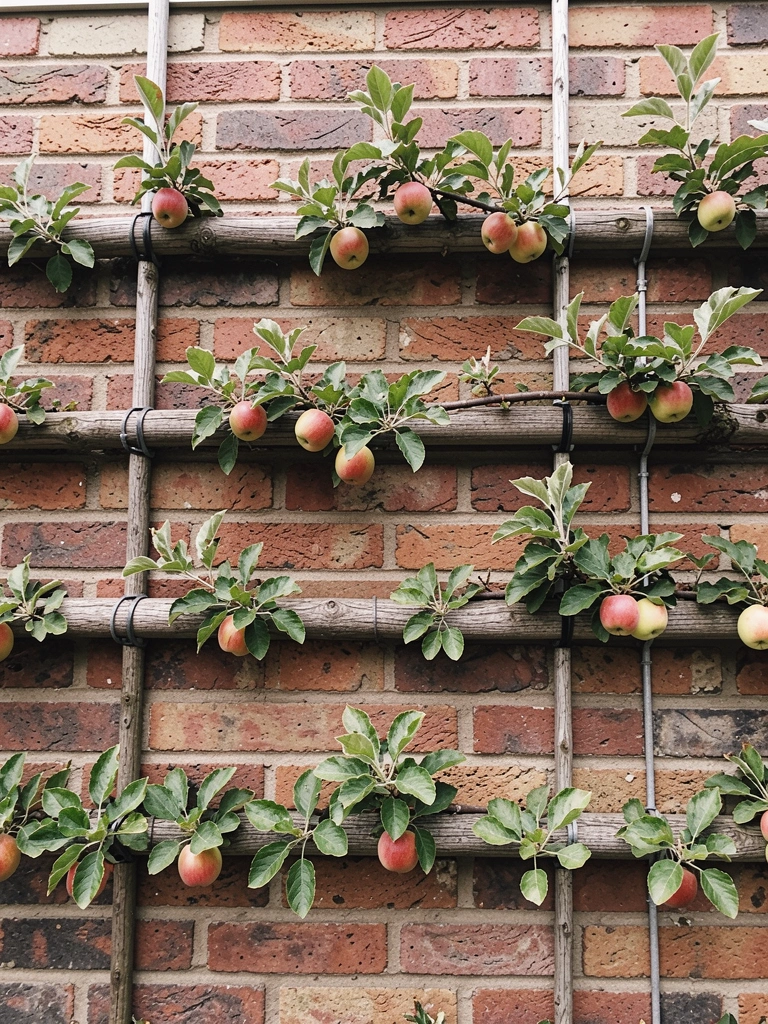
I espaliered apples against a sunny wall to double as a screen and a small windbreak. They pull heat from the wall and give a tidy, planted barrier.
I made a pruning mistake the first season and had to retrain branches. Once trained, though, they give leaf cover and fruit without bulk.
This is great for narrow plots where a full tree would be too much. Expect yearly pruning but small yields reward the effort.
What You’ll Need for This Look
- Espalier fruit tree (apple/pear, trained whip)
- Wall ties and horizontal wires
- Secateurs, pruning saw
- Fruit tree feed and slow-release fertilizer
6. Timber Pergola with Heavy Climbers for Overhead and Side Screening
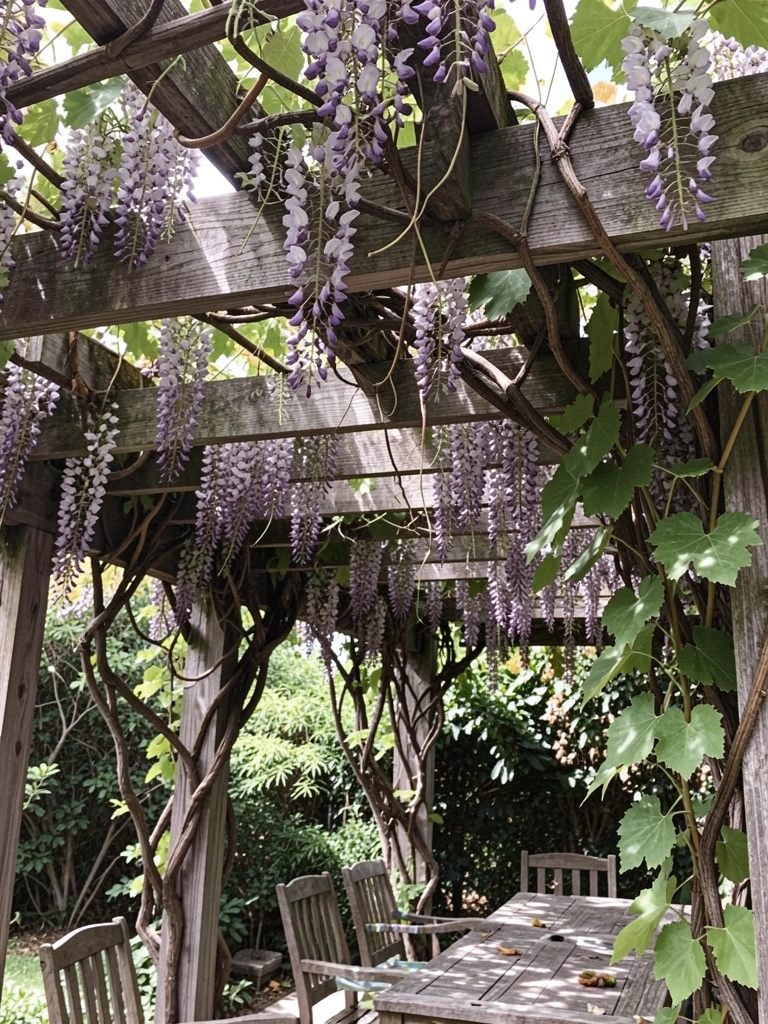
I built a small pergola to screen a patio and overloaded it with wisteria. Big mistake — the first winter the weight sagged the beams.
I rebuilt with sturdier timber and proper supports. Now it shades, screens, and creates a private room without closing the space.
This works when you want overhead cover plus side privacy. Use strong fixings and choose vines that won’t become too heavy.
What You’ll Need for This Look
- Heavy-duty timber pergola kit (8×8 or custom)
- Wisteria, grape vine, or robust climbers
- Galvanized fixings, metal support posts
- Outdoor hanging seat or bench
7. Container Screens and Obelisks for Quick, Moveable Privacy
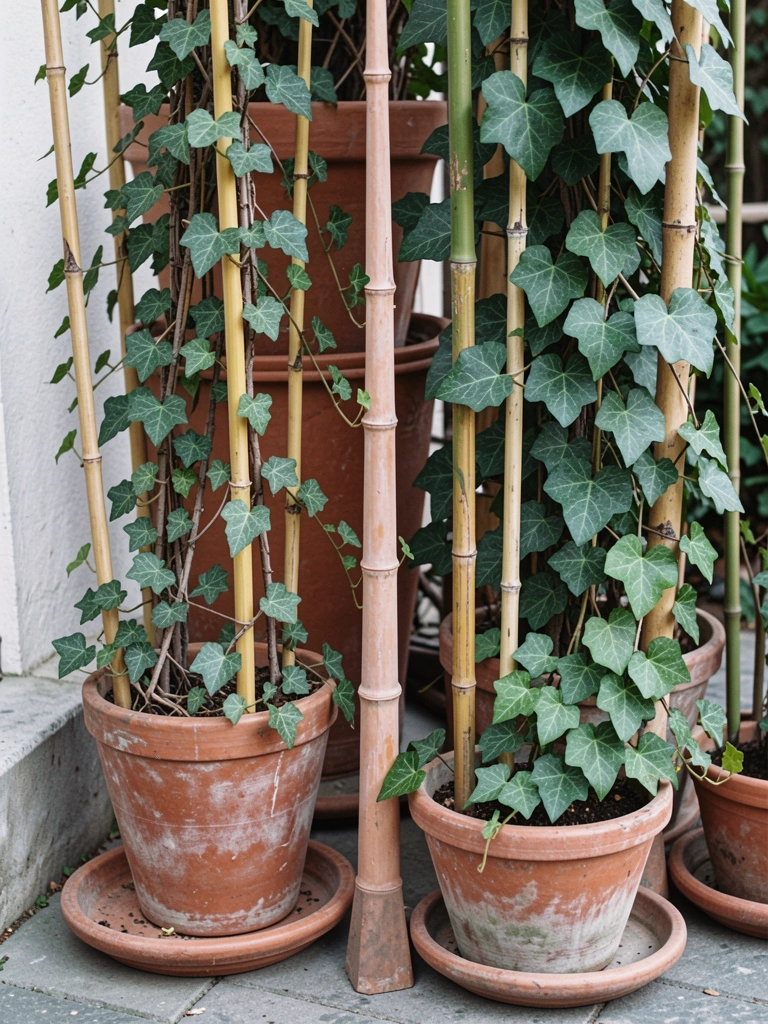
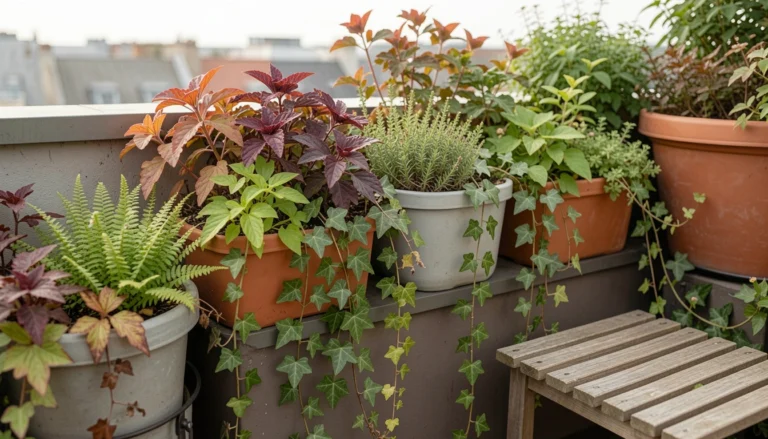
When I needed quick privacy for a rental patio, containers saved the day. I used tall pots with clipped bamboo and trained ivy on obelisks.
I learned to anchor pots; wind tipped a lightweight urn and flattened my screen. Heavy stone or cast-iron pots avoid that.
Containers let you experiment and move screens seasonally. They’re not as permanent, but they’re fast and forgiving.
What You’ll Need for This Look
- Tall terracotta or stone planters (18–24 inch)
- Bamboo canes, obelisk supports, training ties
- Potting compost, slow-release feed
- Heavy saucers and plant anchors
Final Thoughts
You don’t need every idea here. Pick one or two that fit your space and soil.
I’ve rebuilt the same garden three times. The small, steady choices lasted longest.
Start simple, watch what fills gaps, and tweak from there. You’ll get privacy that feels like your garden.