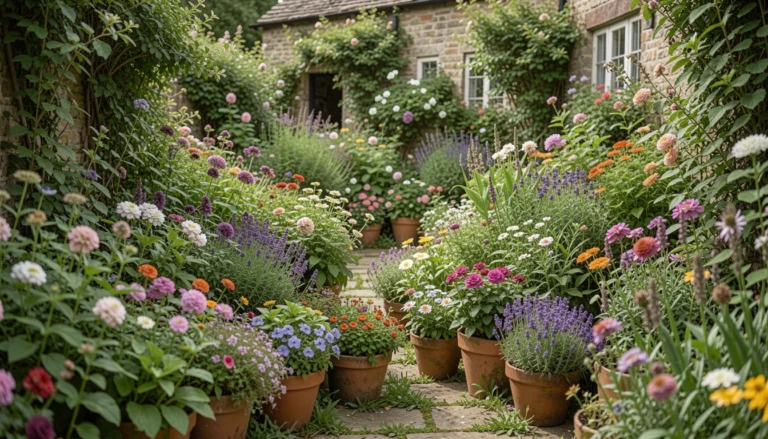
13 Elegant Vertical Garden Privacy Ideas For Decks
I used to feel exposed on my deck. Tall fences helped, but felt boxy.
Then I built up, not out. Vertical planting changed the light, sound, and privacy.
These ideas are hands-on. Each one I’ve tried or repaired. You’ll get practical options you can actually do.
13 Elegant Vertical Garden Privacy Ideas For Decks
These 13 ideas are simple, budget-aware, and real.
I’m walking you through setups I’ve used, fixed, or rebuilt.
Expect clear choices for size, style, and maintenance.
1. Modular Trellis Planters Along the Railing
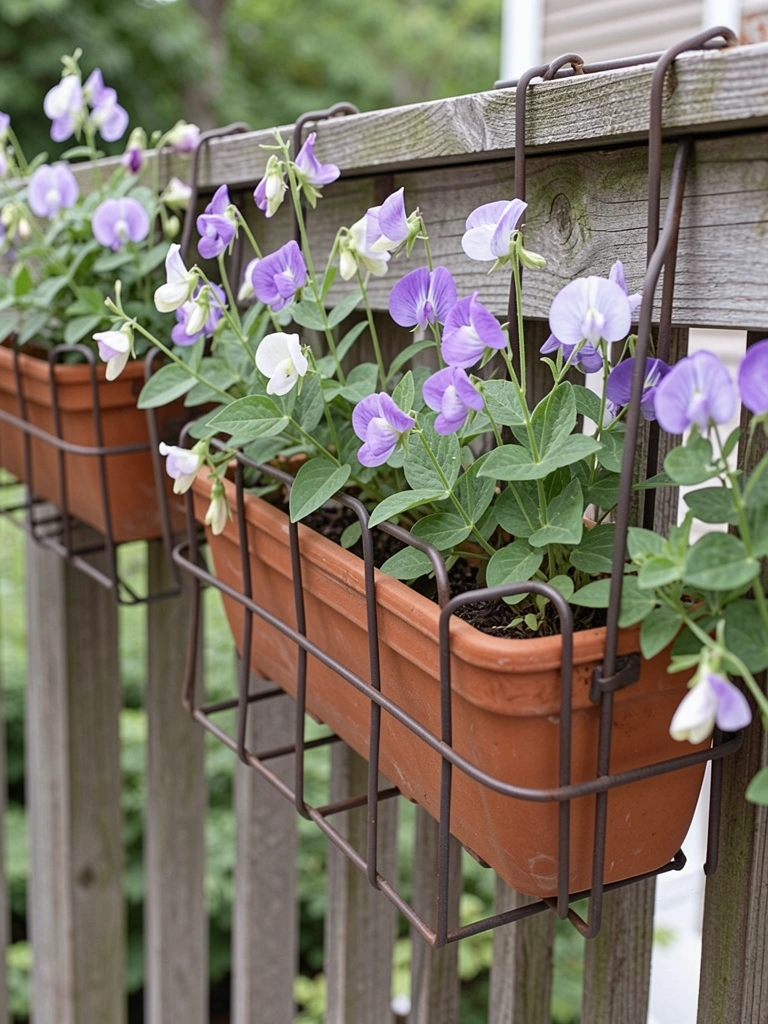
I clipped modular trellis planters to my rail and suddenly the deck felt private. I planted honeysuckle and morning glories. They climbed fast and softened the view.
At first I chose flimsy clips and lost a planter in wind. I fixed it with heavy-duty railing brackets.
This setup grows up, not out. It’s great where space is narrow. Water from the top drips down, so use saucers.
What You’ll Need for This Look
- Metal or cedar trellis planter set (rail-mounted)
- Heavy-duty railing brackets
- Climbing vines (honeysuckle, morning glory)
- Drip tray or saucers
2. Lattice Screening with Climbing Roses
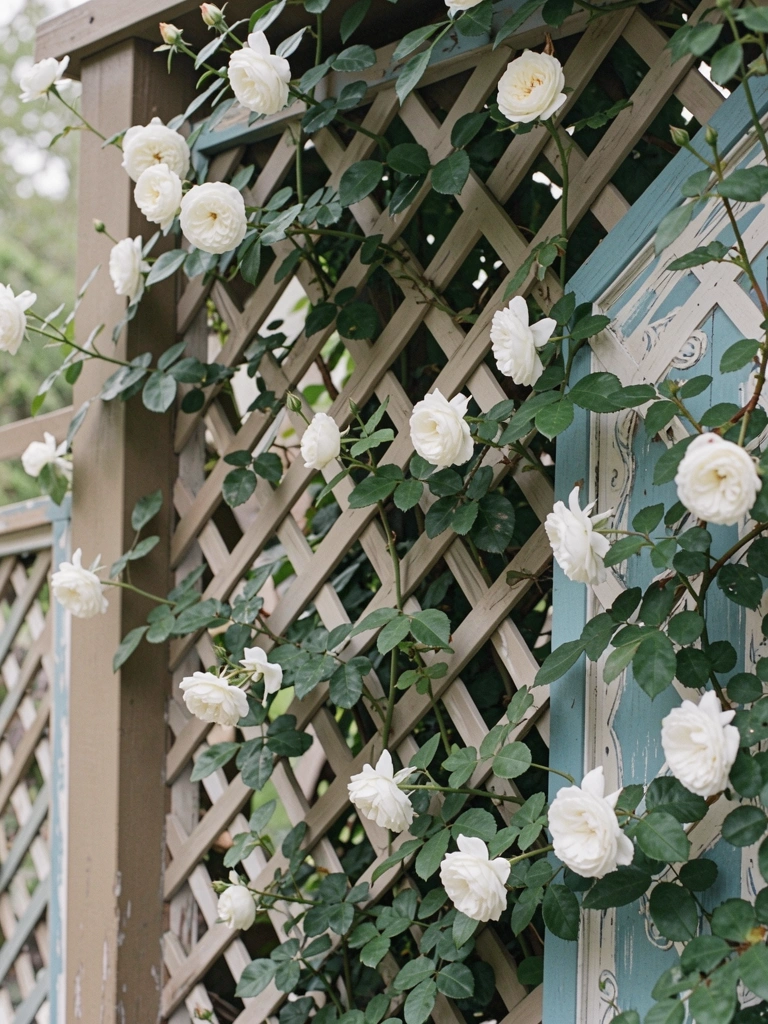
I built a lattice panel and trained climbing roses up it. The scent and the soft blossoms made the deck feel private and comfortable.
I learned the hard way that roses need pruning and support. I let shoots get messy one season and it shaded too little. Prune in late winter.
The lattice gives structure and a cottage edge. It’s heavier visually than a trellis but offers thicker coverage in summer.
What You’ll Need for This Look
- 4×6 lattice panel (painted or stained)
- Climbing roses (choose disease-resistant)
- Garden ties and soft twine
- Pruning shears
3. Potted Bamboo Run for a Quick Screen
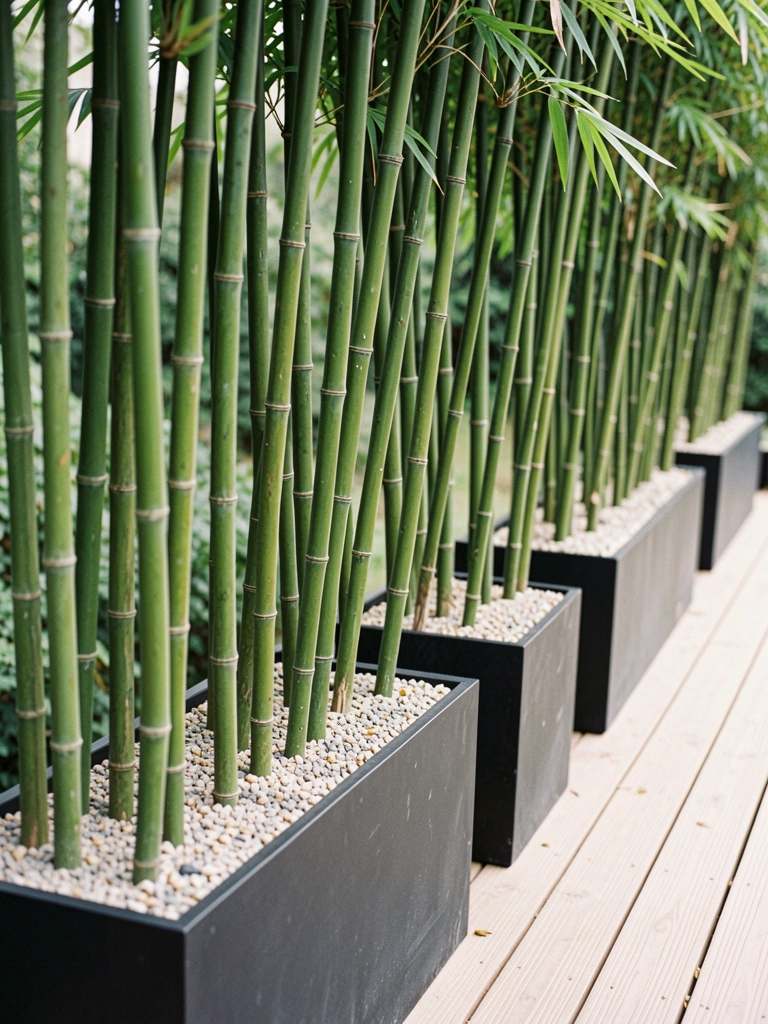
I lined large pots with running bamboo to block a neighbor’s view. Within a season it felt like a green wall. The moving leaves add sound, which I like.
I underestimated root containment. The runners wanted to escape. I switched to clumping bamboo and used root barriers in the pots.
This is fast-growing and dense. Water regularly in summer and feed monthly in pots.
What You’ll Need for This Look
- Large rectangular planters (at least 18–24 inch)
- Clumping bamboo varieties
- Root barrier fabric or liners
- Coarse potting mix and gravel top layer
4. Herb Tower for Scent and Screen
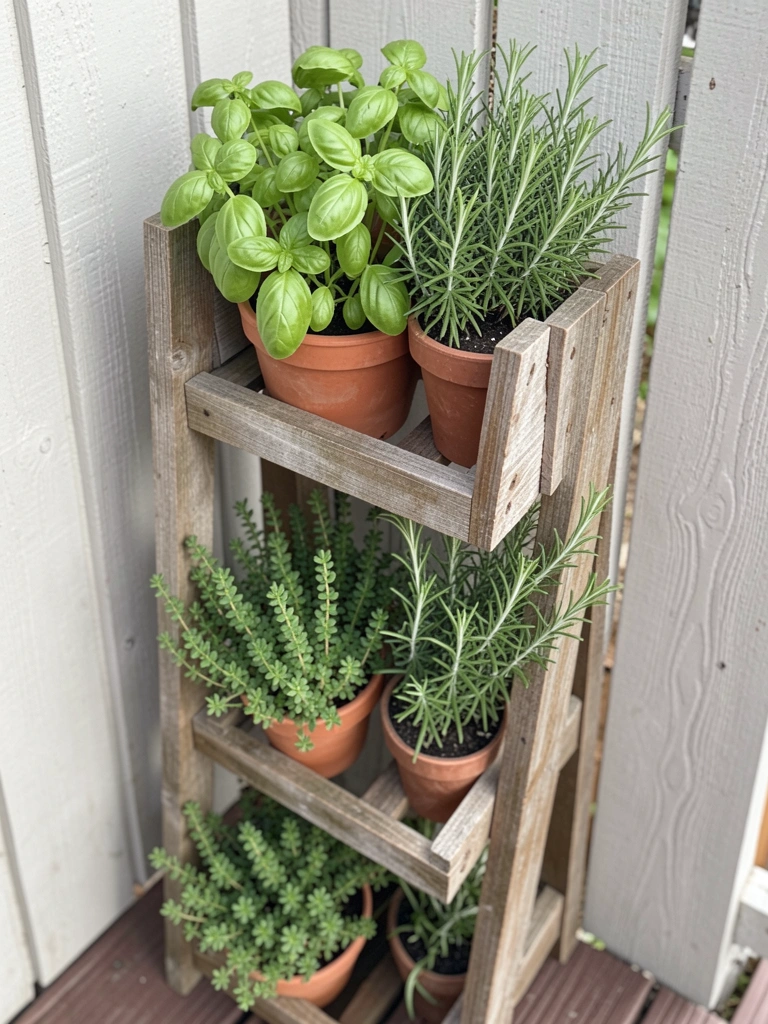
I built a small tiered herb tower against a low deck wall. It gave me privacy and fresh herbs for dinner. The scent when you brush it is worth it.
It’s lower than a full screen, but layered heights create coverage. I kept small pots of basil at face level to screen sightlines.
You’ll be bending less than with ground beds. Check drainage—my first pots stayed too wet.
What You’ll Need for This Look
- Tiered planter or vertical herb tower
- Small terracotta pots (4–6 inch)
- Herbs (basil, rosemary, thyme)
- Well-draining potting mix
5. Mixed Evergreens and Ornamental Grasses Wall
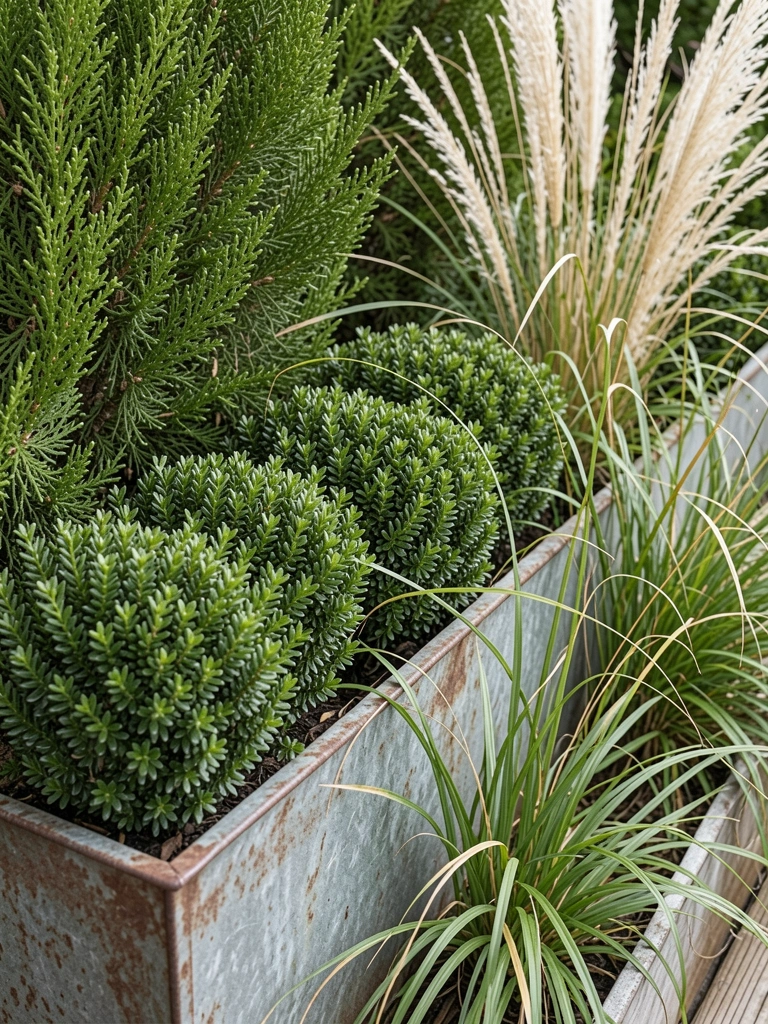
I mixed small evergreens with ornamental grasses in a raised trough. The structure stayed green in winter and the grasses softened the edges in summer.
I once planted too many fast-growing evergreens and the trough crowded out. I had to remove two and replant with lower-growing varieties.
This combo gives year-round privacy and movement. Trim sparingly and divide the grasses every few years.
What You’ll Need for This Look
- Long metal or cedar troughs (24–36 inch)
- Dwarf evergreen shrubs (boxwood, dwarf yew)
- Ornamental grasses (carex, festuca)
- Good garden soil and slow-release fertilizer
6. Reclaimed Wood Slat Screen with Hanging Pots
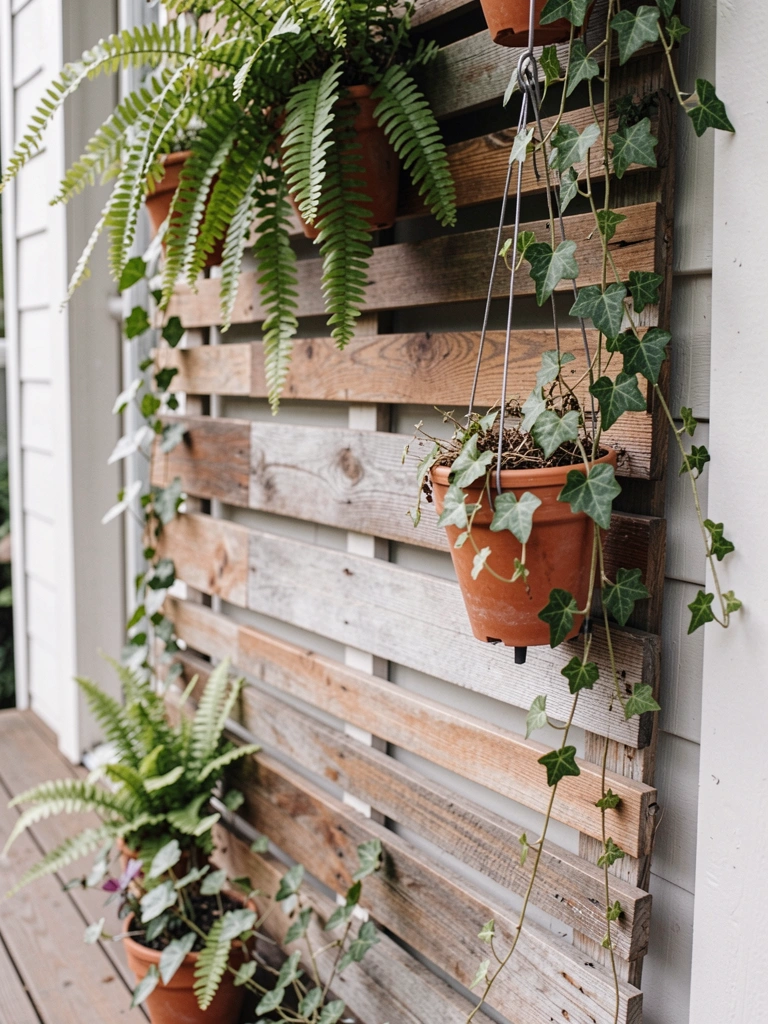
I lashed reclaimed wood into a slatted screen and hung pots from it. The wood warms the space and the pots add depth and color.
I misjudged spacing once; plants overlapped and looked cluttered. I re-hung pots with varied gaps and it felt balanced.
This method is flexible—you can add hooks or shelves. It’s a simple, low-cost way to layer plants vertically.
What You’ll Need for This Look
- Reclaimed wood slats or pallet sections
- Hanging pot hooks and S-hooks
- Terracotta or resin hanging pots
- Ferns and trailing plants (ivy, dichondra)
7. Vertical Succulent Frame for a Low-Maintenance Screen
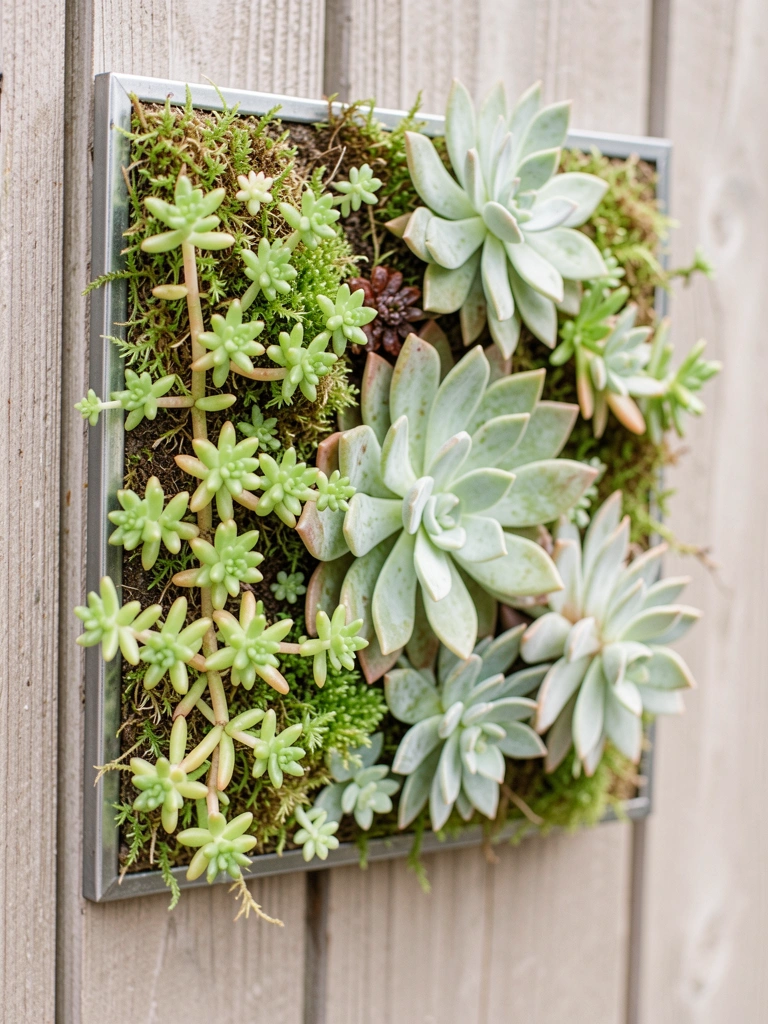
I made a living succulent frame on a shady part of my deck. It’s low water and adds a sculptural wall of texture.
Succulents are forgiving, but I once used a heavy frame and the bracket sagged. I switched to a lighter aluminum frame.
This is tidy and low-maintenance. Rotate the frame seasonally and top up soil. It won’t block as much as shrubs, but it’s elegant and very easy.
What You’ll Need for This Look
- Vertical succulent frame or shallow planter box
- Mixed succulents (sedum, echeveria)
- Well-draining succulent soil
- Lightweight mounting hardware
8. Living Fence with Espaliered Fruit Trees
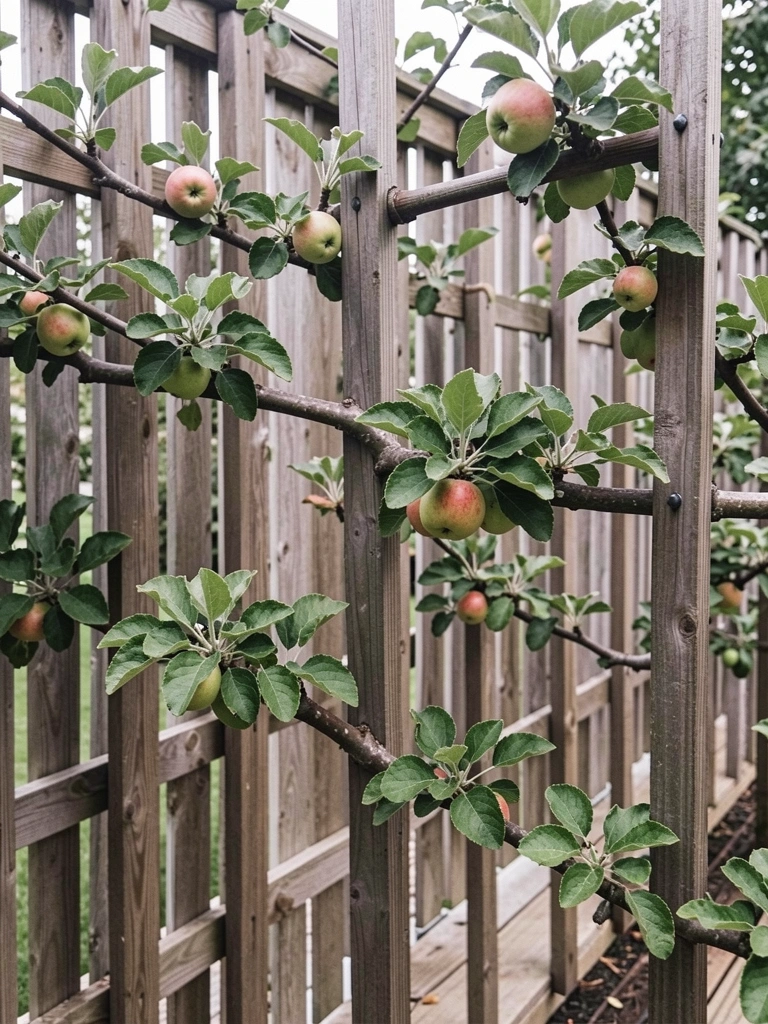
I trained apple and pear trees flat against a fence to create a living wall. It gives real shade and a surprising amount of privacy.
My first attempt used vigorous rootstock and the trees grew wild. I had to replant with dwarf varieties for the deck setting.
Espaliers take time, but they bring flowers and fruit. They make a tidy, formal screen once established. Tie carefully and prune annually.
What You’ll Need for This Look
- Dwarf espalier fruit trees (apple, pear)
- Strong fence or support wires
- Soft plant ties and pruning tools
- Mulch and fruit fertilizer
9. Shade Cloth with Hanging Planters for Quick Privacy
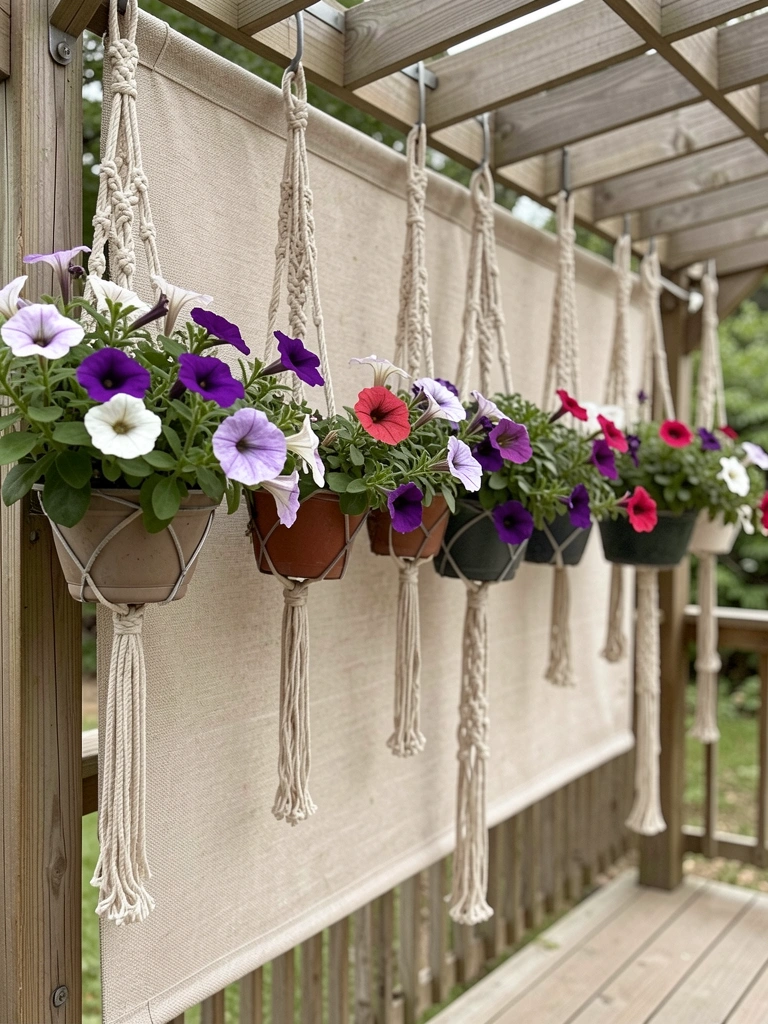
When I needed privacy fast, I hung shade cloth and clipped hanging planters to it. It blocked sightlines and softened afternoon sun.
It looked a little rough at first. I trimmed the edges and added a row of trailing petunias to hide the clips.
This is temporary but effective. You can layer a row of plants in front for permanence later.
What You’ll Need for This Look
- UV-stable shade cloth panel
- S-hooks and strong clips
- Hanging planters or macramé hangers
- Trailing annuals (petunia, lobelia)
10. Rail-Mounted Window Boxes Layered at Different Heights
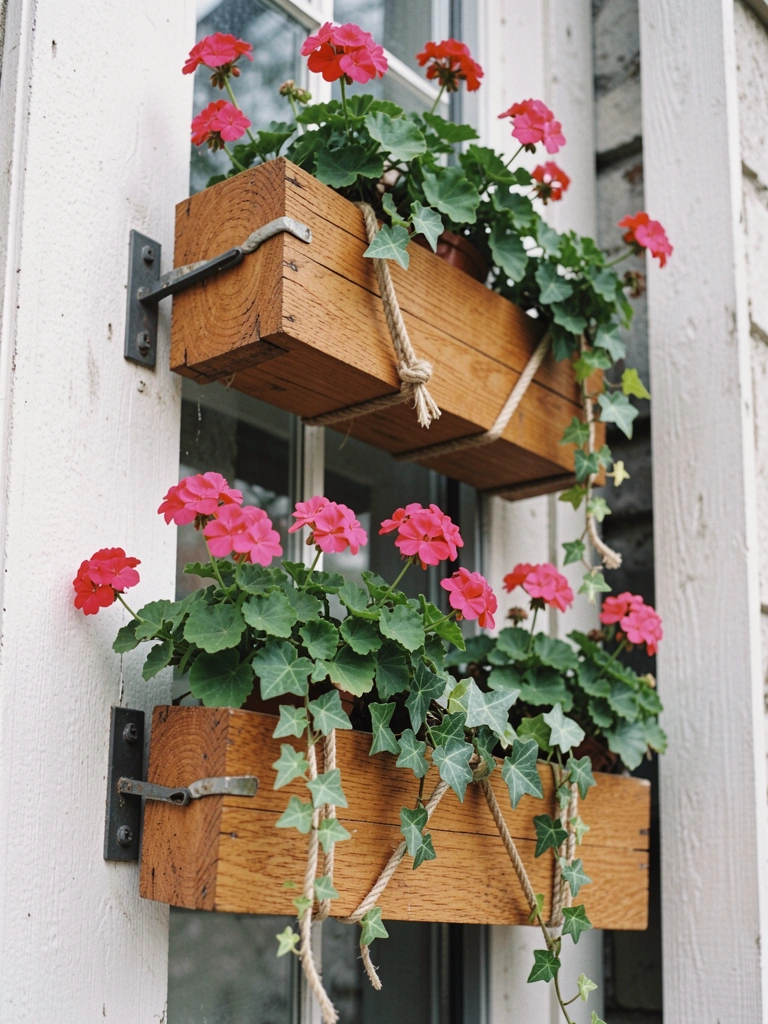
I mounted window boxes at three different heights along my rail. The staggered plants create depth and screen views at seated and standing levels.
I made the mistake of putting only tall plants in each box. It looked flat. I mixed heights—spill, thriller, filler—and it filled the gaps.
This approach is great for small decks. You can change plants seasonally for different coverage and color.
What You’ll Need for This Look
- Rail-mounted window boxes (varied sizes)
- Mixed plants (spill, thriller, filler)
- Mounting brackets and rope ties
- Multipurpose potting mix
11. Outdoor Shelves with Tall Foliage and Lanterns
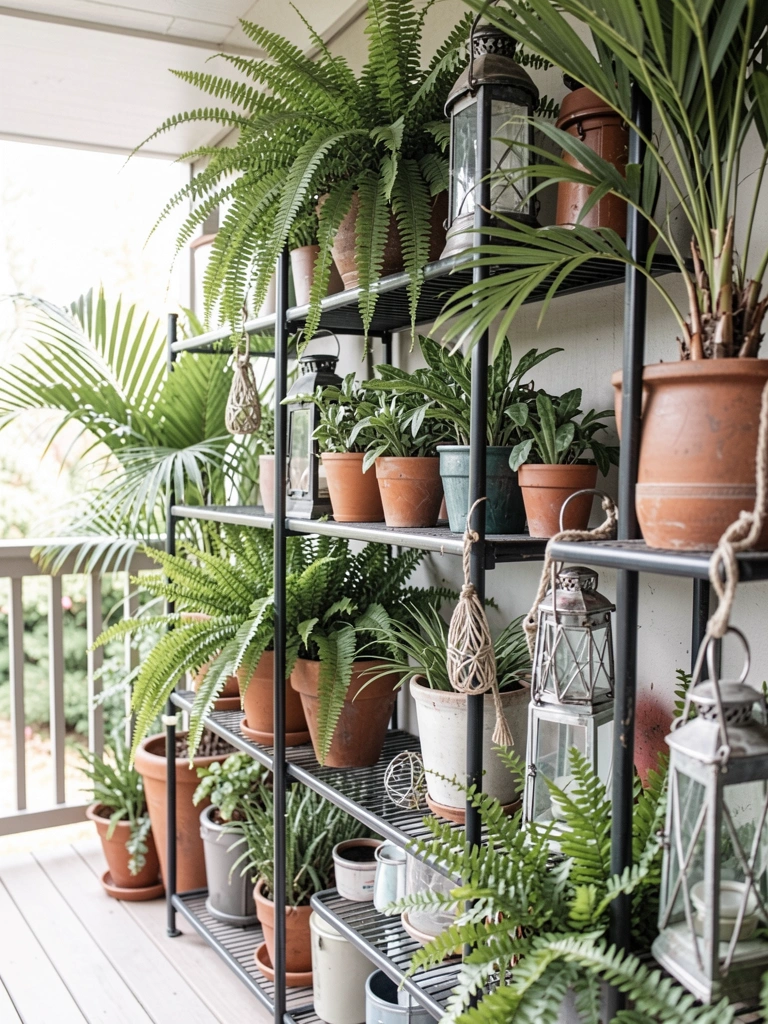
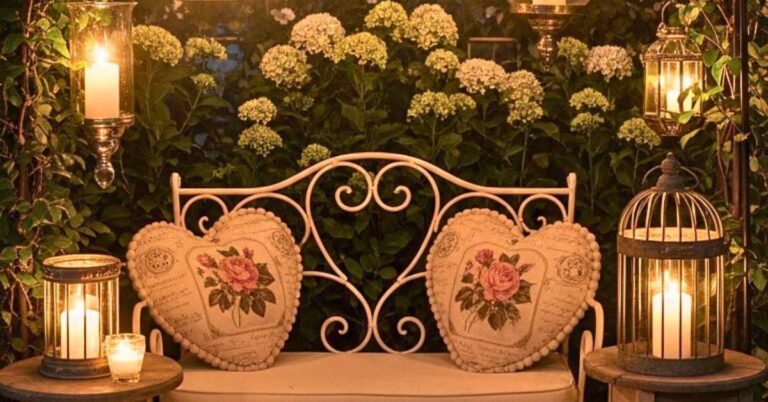
I built sturdy shelves and filled them with tall potted foliage and a few lanterns. The shelves added vertical mass and pockets of light in evening.
I overloaded one shelf with heavy pots and had to rebuild with stronger brackets. Now I balance heavy bases on lower shelves.
This is flexible—you can move plants or swap lighting. It reads like a living bookcase and gives private nooks.
What You’ll Need for This Look
- Outdoor metal or cedar shelving unit
- Tall potted foliage (ferns, small palms)
- Ceramic or resin pots
- Outdoor lanterns or string lights
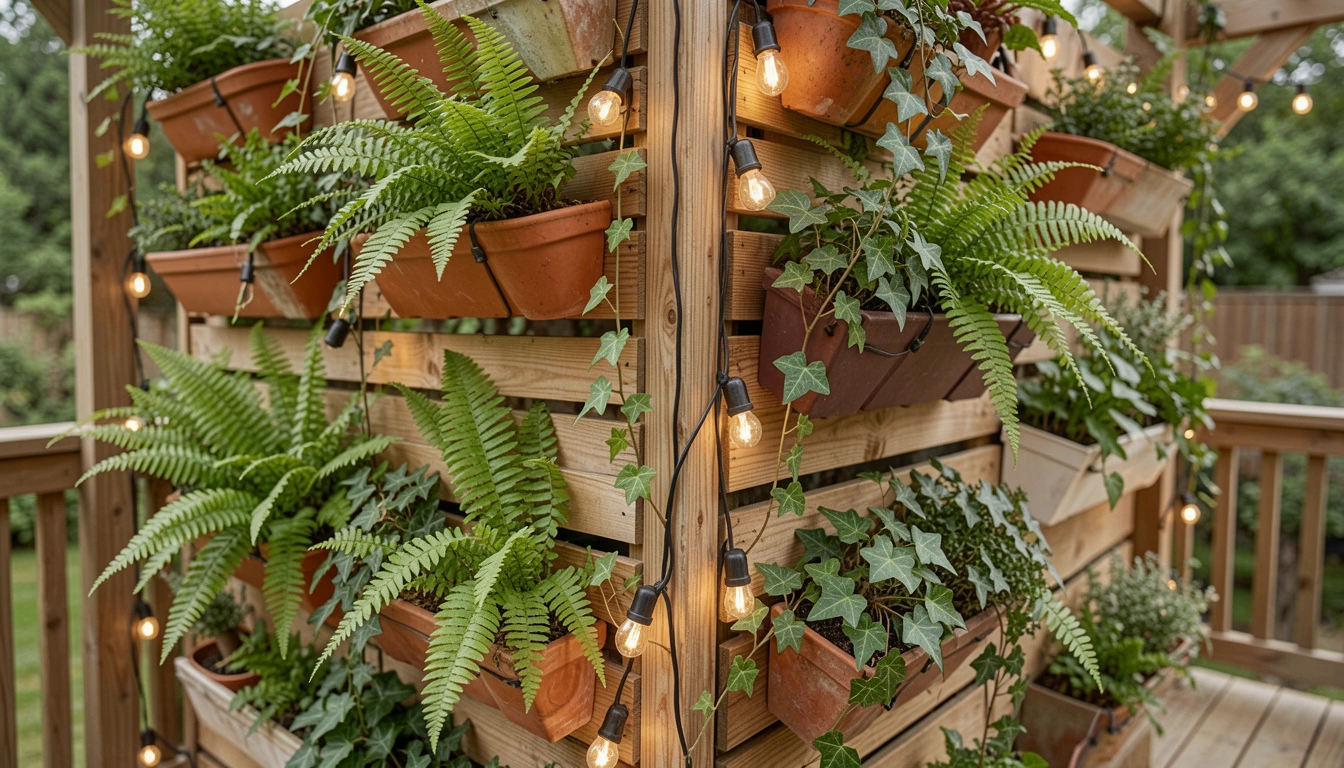
12. String-Light Privacy Screen with Ivy
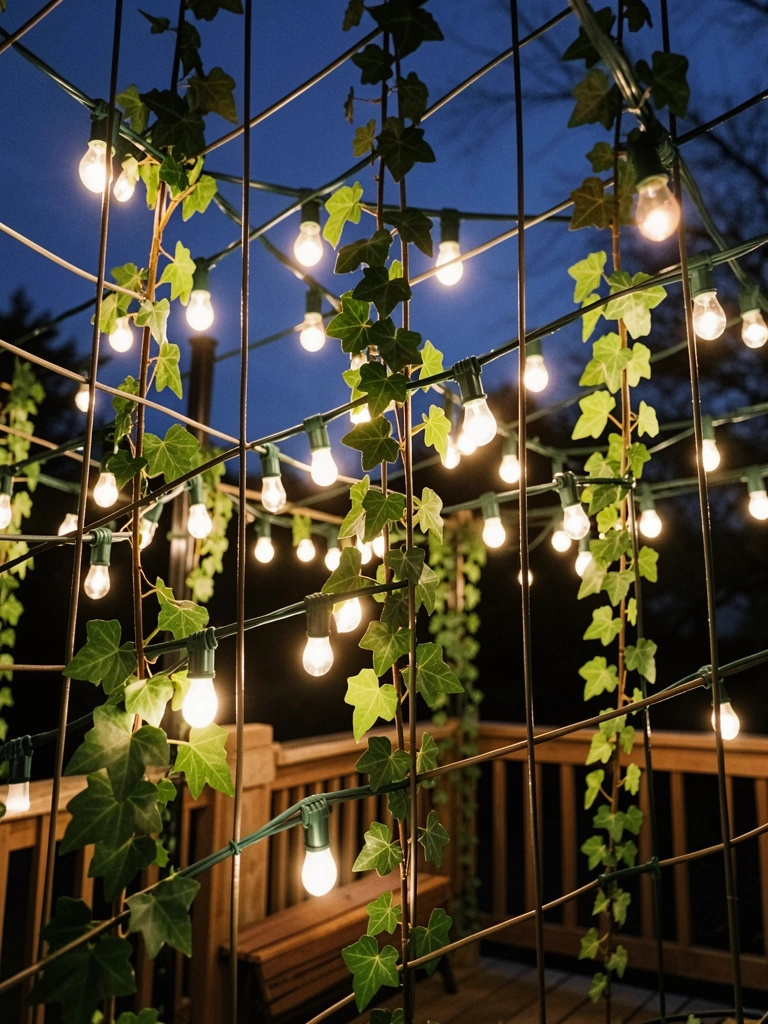
I strung a grid of lights and trained ivy up the cords. By evening the plants and light blend into a cozy, private curtain.
I once used lights that got too hot and worried about the vines. I swapped to LED bulbs and slim cords.
This doubles as ambiance and privacy. It’s lower maintenance once the ivy catches. Water at the base and gently guide the shoots.
What You’ll Need for This Look
- LED string lights (outdoor-rated)
- Garden twine or plant clips
- Hardy ivy or climbing philodendron
- Hooks or eye bolts for mounting
13. Portable Planter Panels on Casters for Flexibility
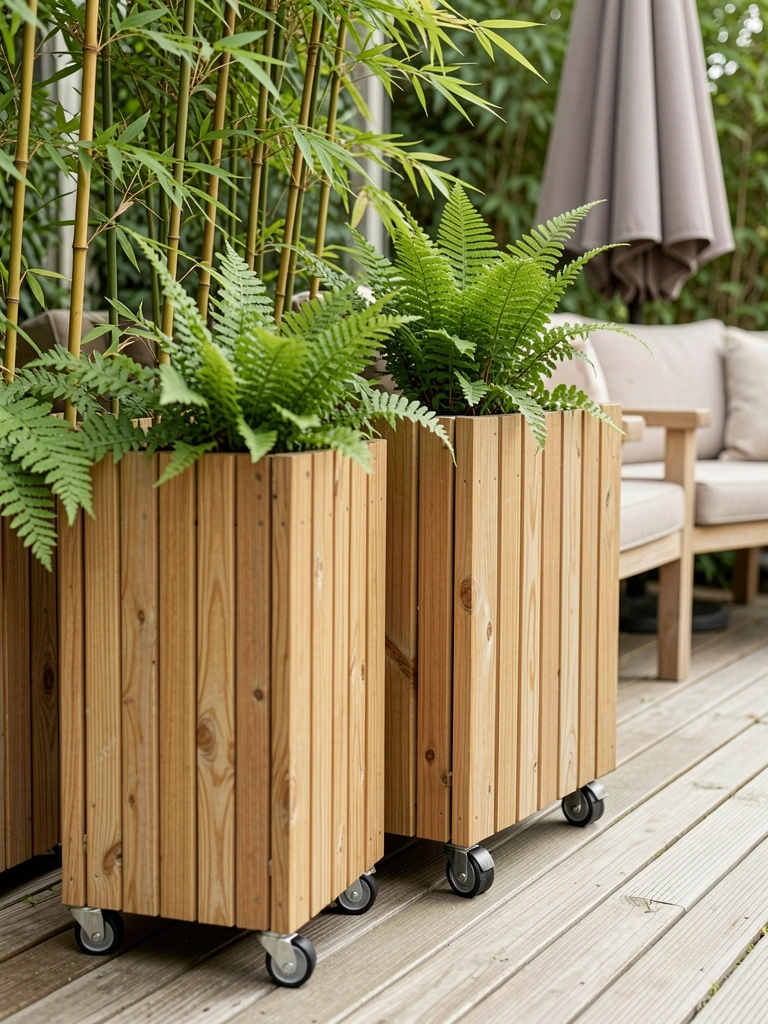
I built planter panels on casters so I could move privacy where I needed it. They block wind and neighbors and roll away when I want open sky.
I once made casters too small for the weight. I replaced them with heavy-duty wheel sets. Now they glide easily over decking.
These are great if you rearrange seating or need seasonal sun. Anchor them when parked.
What You’ll Need for This Look
- Planter panels (wood or metal) with integrated boxes
- Heavy-duty casters (lockable)
- Bamboo or mixed potted plants
- Outdoor sealant for wood
Final Thoughts
You don’t need to try every idea. Pick one or two that match your deck size and routine.
Start small. I often change things after a season of living with them. That’s how gardens grow into places you actually use.
Trust what feels comfortable, not what looks finished.