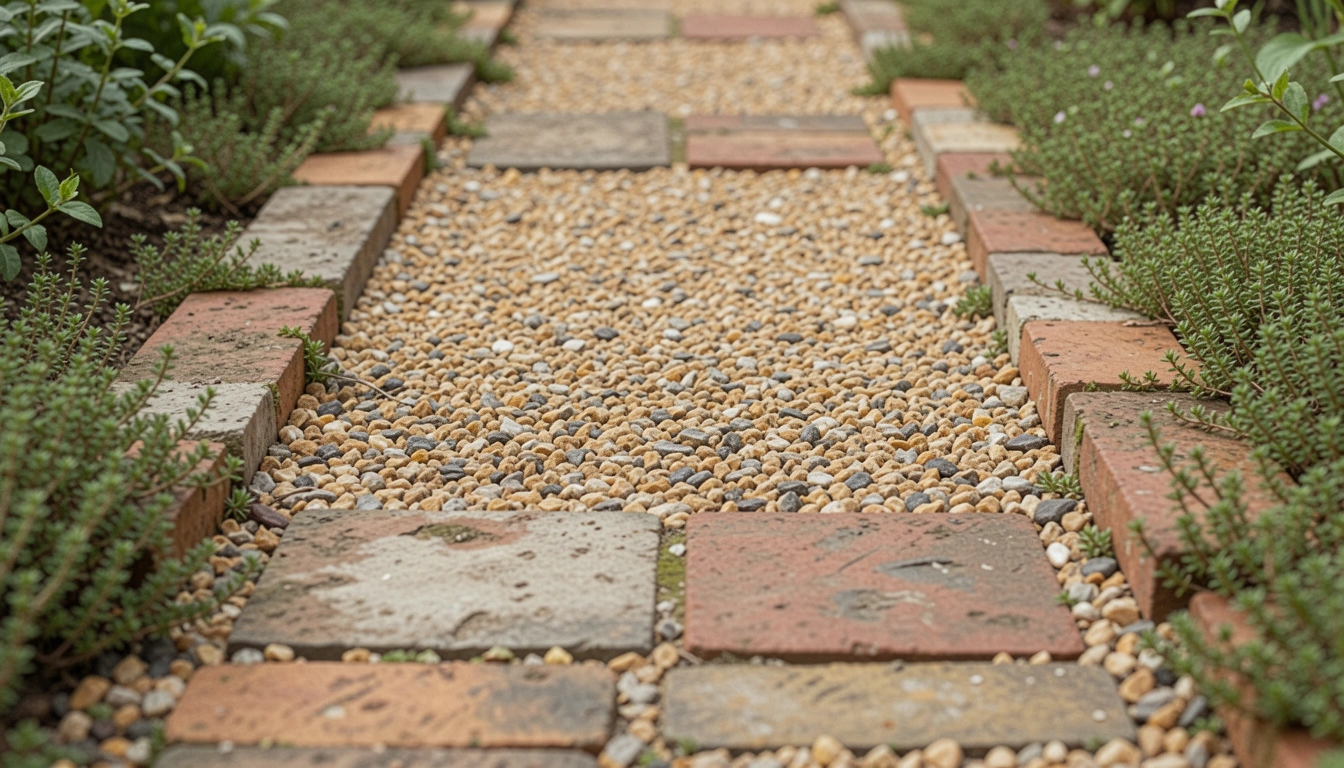
7 Easy DIY Garden Walkways
I used to avoid paths because they felt like a project forever waiting on my to-do list.
Then I built one with tools I already owned.
A good walkway fixes mud, guides feet, and makes the garden feel used.
Here are seven easy ideas I actually built and still walk on.
7 Easy DIY Garden Walkways
These 7 ideas are ones I’ve made, messed up, and kept.
They’re simple, low-fuss, and realistic for a small budget.
Each idea includes honest notes and exactly what you’ll need.
1. Ragged Slate Stepping Stones with Moss Joints
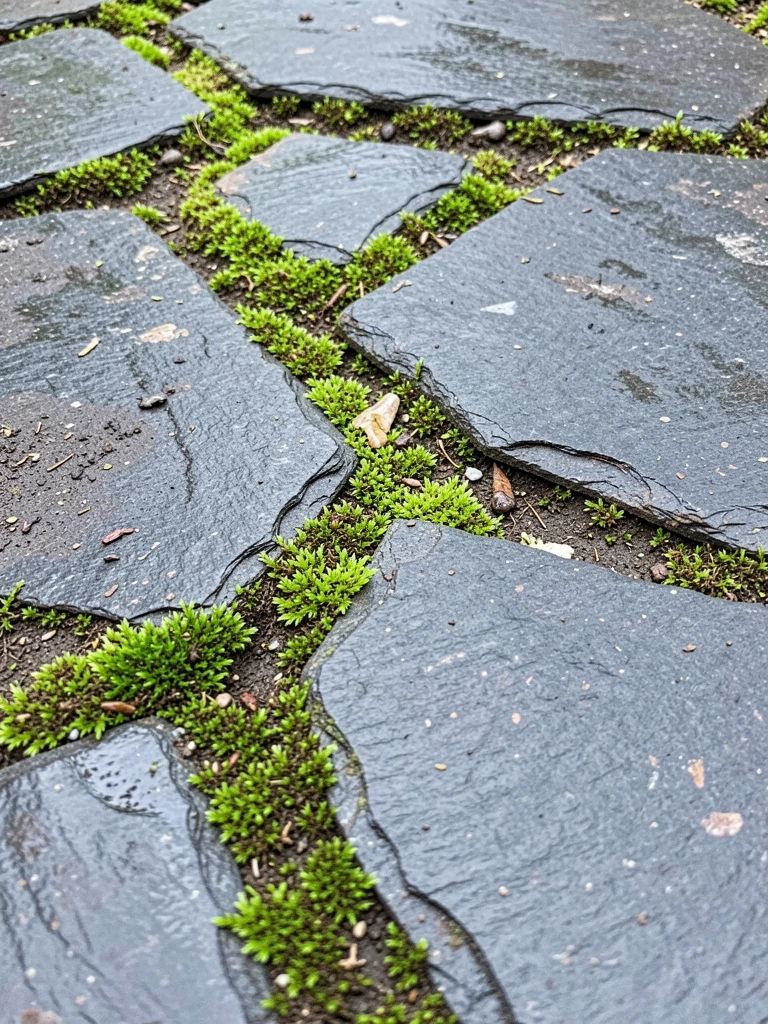
I laid irregular slate pieces and let moss fill the gaps. It softened the hard edges and felt like the path belonged.
My first try had stones too far apart—my dog tripped. I tightened spacing next time.
Visually it reads natural and calm. On dry days the slate warms up and feels good underfoot.
Tip: press each stone so the top is slightly proud of the moss to avoid pooling.
What You’ll Need for This Look
- Irregular slate pavers (12–18 inch)
- Sphagnum or sheet moss plugs
- Garden soil or sand for bedding
- Small rubber mallet
2. Narrow Gravel Path with Cedar Edging
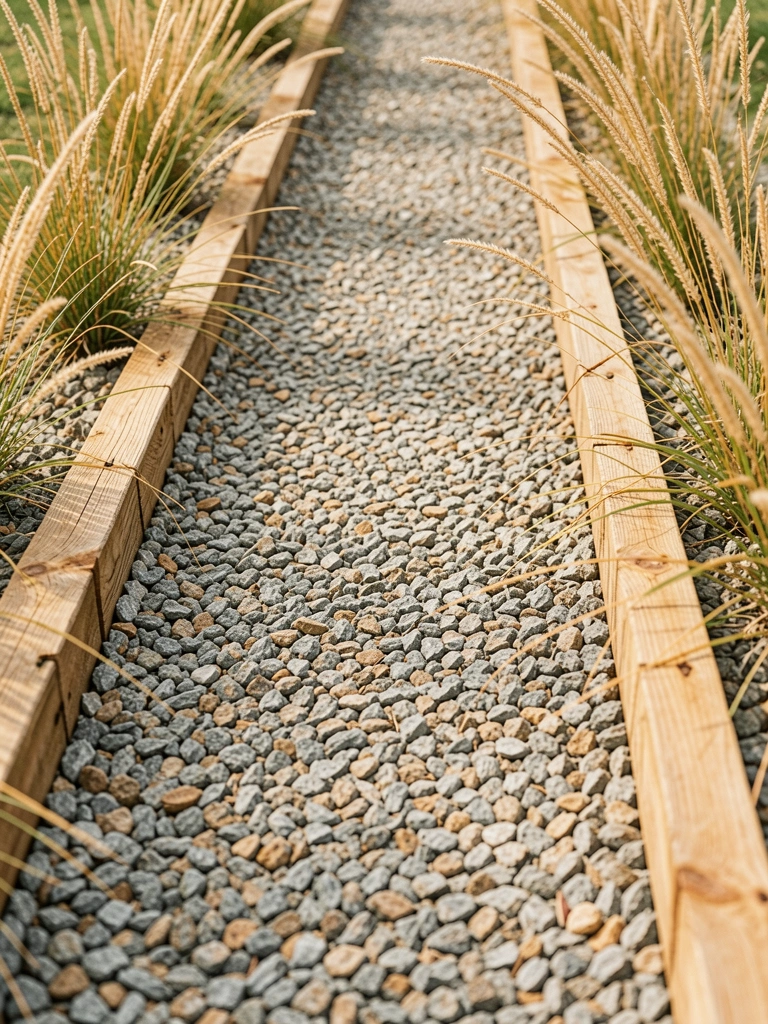
I built a narrow gravel path to connect my backdoor to the compost. Cedar boards kept the gravel tidy and looked warm against beds.
At first I skipped landscape fabric and got weeds. Laying fabric saved hours later.
Gravel crunches underfoot and stays forgiving if I drop a pot. It’s cheap to top up.
Keep the edges tight; cedar will weather to a soft grey in a year.
What You’ll Need for This Look
- 3/8-inch pea gravel (warm grey)
- Cedar edging boards (2×6, cut to length)
- Landscape fabric
- Galvanized stakes
3. Recycled Brick Stepping Ribbon
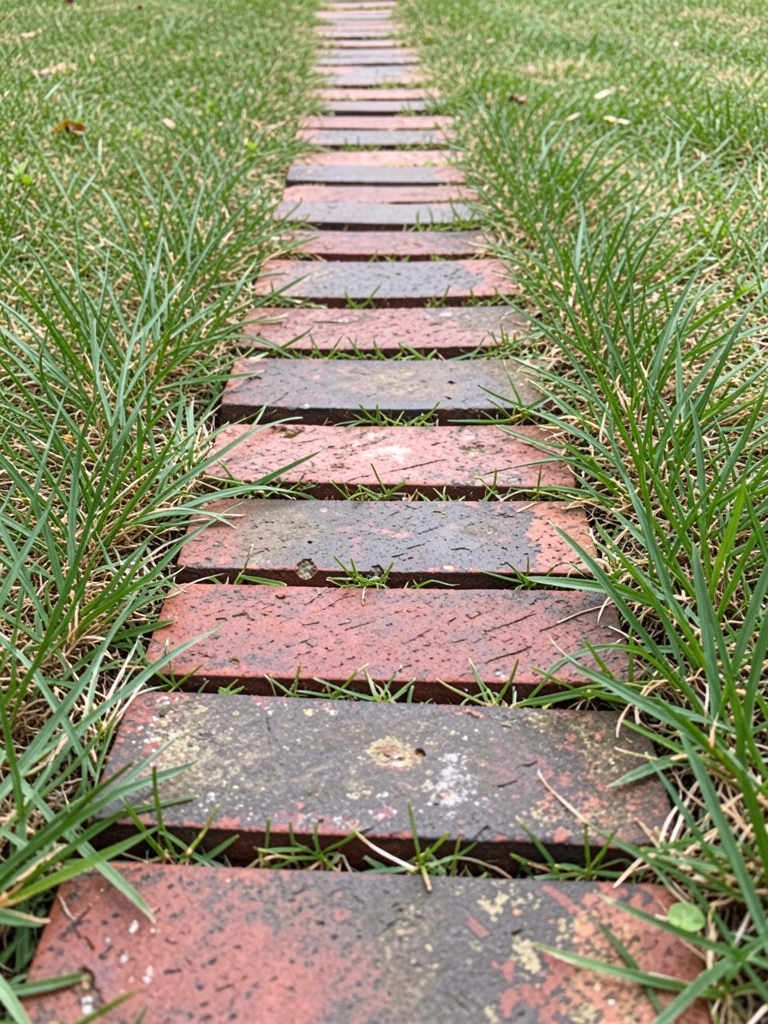
I stitched old bricks into a slim ribbon across the lawn. It made a path without stealing garden space.
My mistake was not leveling enough—some bricks rocked. I corrected them with sand and a tamper.
The worn brick brings color and memory. It’s informal but clear to follow.
It’s great where you want a quick route and a vintage look.
What You’ll Need for This Look
- Reclaimed full-size bricks (cleaned)
- Play sand for bedding
- Hand tamper
- Lawn edger (optional)
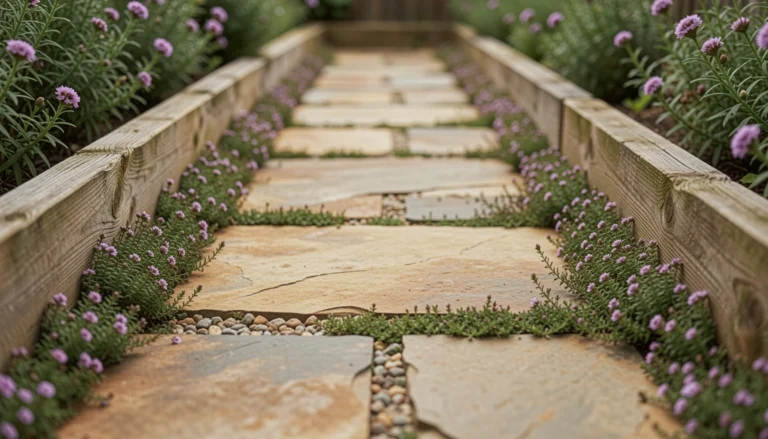
4. Flagstone Stepping Pads Set in Sand
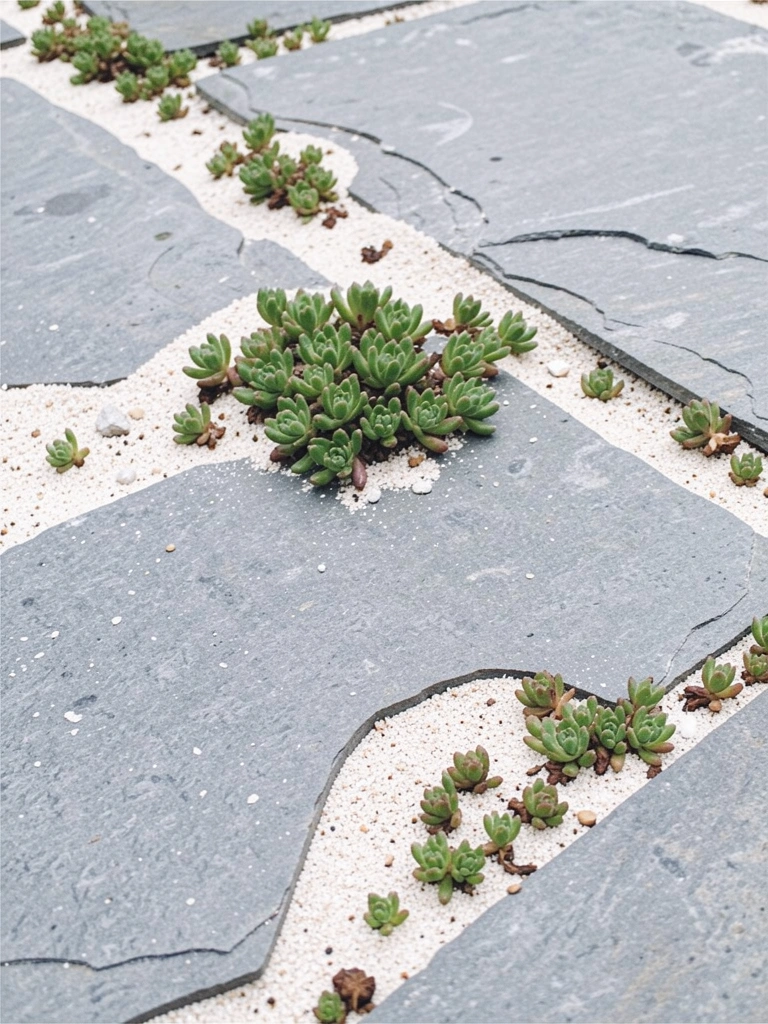
Flagstones made my wide front bed feel accessible. I set them on compacted sand so they sit stable but still drain.
Early on I used heavy mortar and regretted the permanence. Sand allows slight movement and easier repairs.
The stones create pause points—I often stop and pull a weed there now. They feel deliberate without fuss.
Choose flatter stones for walking; a wobble gets old fast.
What You’ll Need for This Look
- Flat flagstones (16–24 inch)
- Washed sand for bedding
- Plate compactor or hand tamper
- Low sedum or thyme for joints
5. Mulch Lane with Native Grass Borders
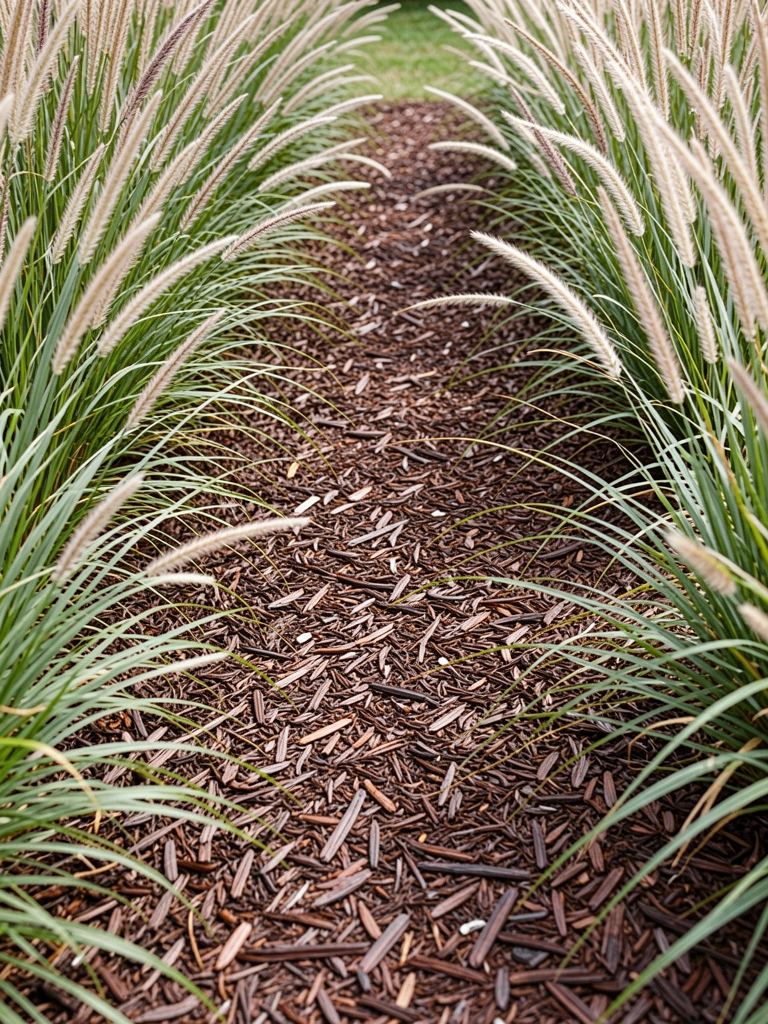
I used shredded bark mulch for a soft, inexpensive walkway through the back border. Native grasses on the edges hide the line and sway in wind.
I learned to refresh the mulch yearly; otherwise it looks thin and sloppy. That was my oversight the first season.
It’s cozy and quiet underfoot. Good where you want a natural, low-impact route without paving.
Keep the mulch depth even to avoid dips.
What You’ll Need for This Look
- Shredded bark mulch (3–4 inch depth)
- Native ornamental grasses (clumping types)
- Garden rake
- Wheelbarrow
6. Simple Concrete Pavers with Warm LED Lights
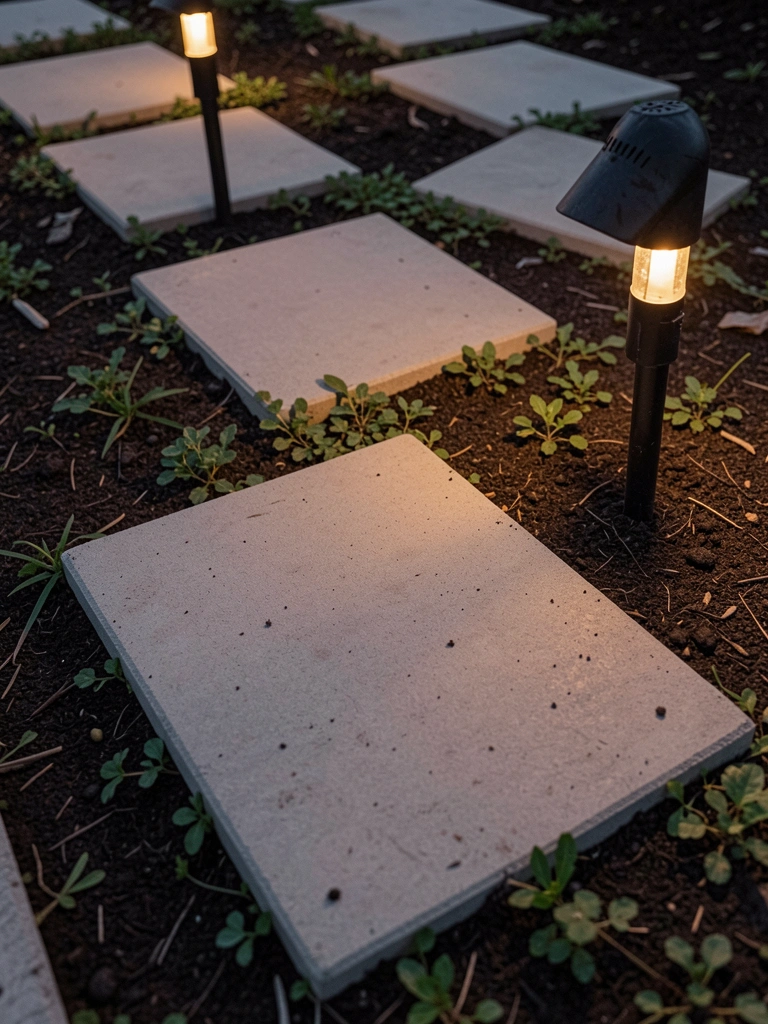
I laid square concrete pavers in a straight run and added low warm-LED stakes. Night walks felt safer and somehow more intentional.
My first pavers sat unevenly; I took time to level each one and that made all the difference.
The lights are low voltage and I tuck the wiring under soil—no tripping hazards now.
This look feels modern but calm, and it’s surprisingly quick to install.
What You’ll Need for This Look
- Concrete pavers (18×18 inch)
- Warm white LED stake lights (low voltage)
- Plate compactor or sand base
- Low creeping groundcover
7. Reclaimed Boardwalk Planks Over Gravel
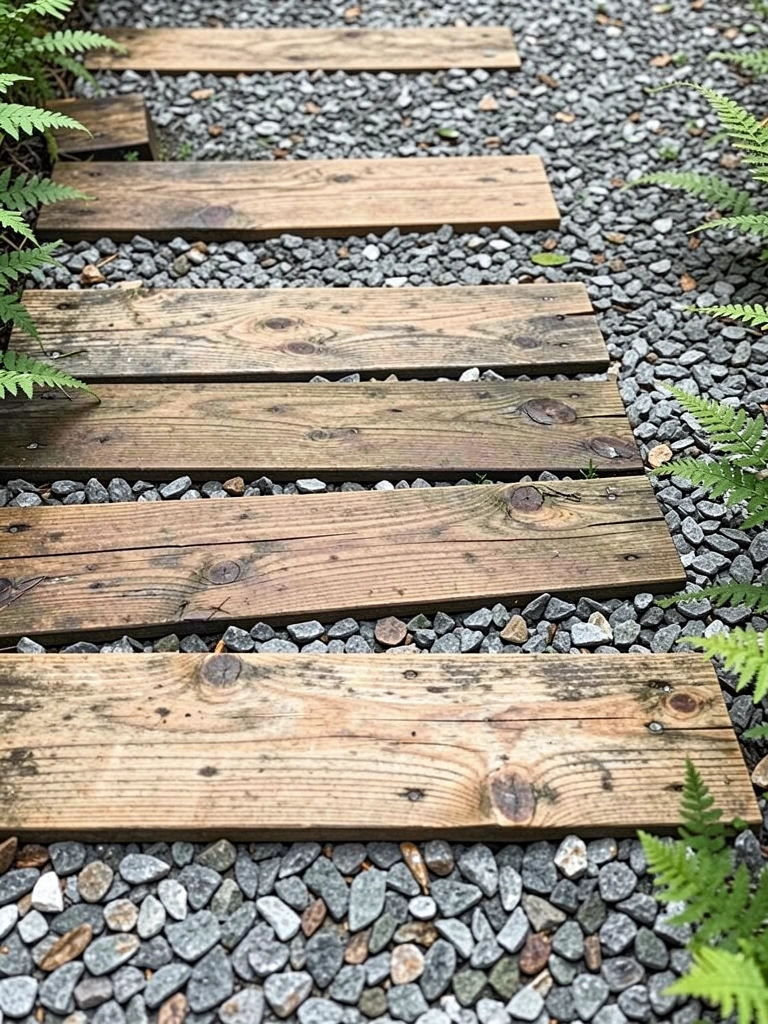
I made a short boardwalk from reclaimed planks over gravel in a damp corner. It keeps shoes clean and looks lived-in.
I made the mistake of using untreated wood and had to replace a couple planks. Now I oil them annually.
The walk is tactile and invites you to slow down. It’s not formal but it reads intentional and comfortable.
Spacing is key—leave small gaps for drainage.
What You’ll Need for This Look
- Reclaimed wood planks (3–6 inch widths)
- Crushed gravel base (3/8–1/2 inch)
- Deck screws and drill
- Exterior wood oil
Final Thoughts
You don’t need to do every path at once.
Pick one idea that fits your garden and budget.
Paths age with use—choose materials you don’t mind living with.