14 Aesthetic Backyard Walkways
I used to avoid walkways. My yard felt too small for them. Then I started building simple paths that actually worked with messy beds and tired grass.
I learned what materials survive kids, dogs, and late-season mud. These are routes I’ve walked every day.
14 Aesthetic Backyard Walkways
These 14 ideas are realistic, budget-aware ways I actually built paths in lived-in yards. Clear options you can copy. Each one shows what I learned and what tools or plants I used.
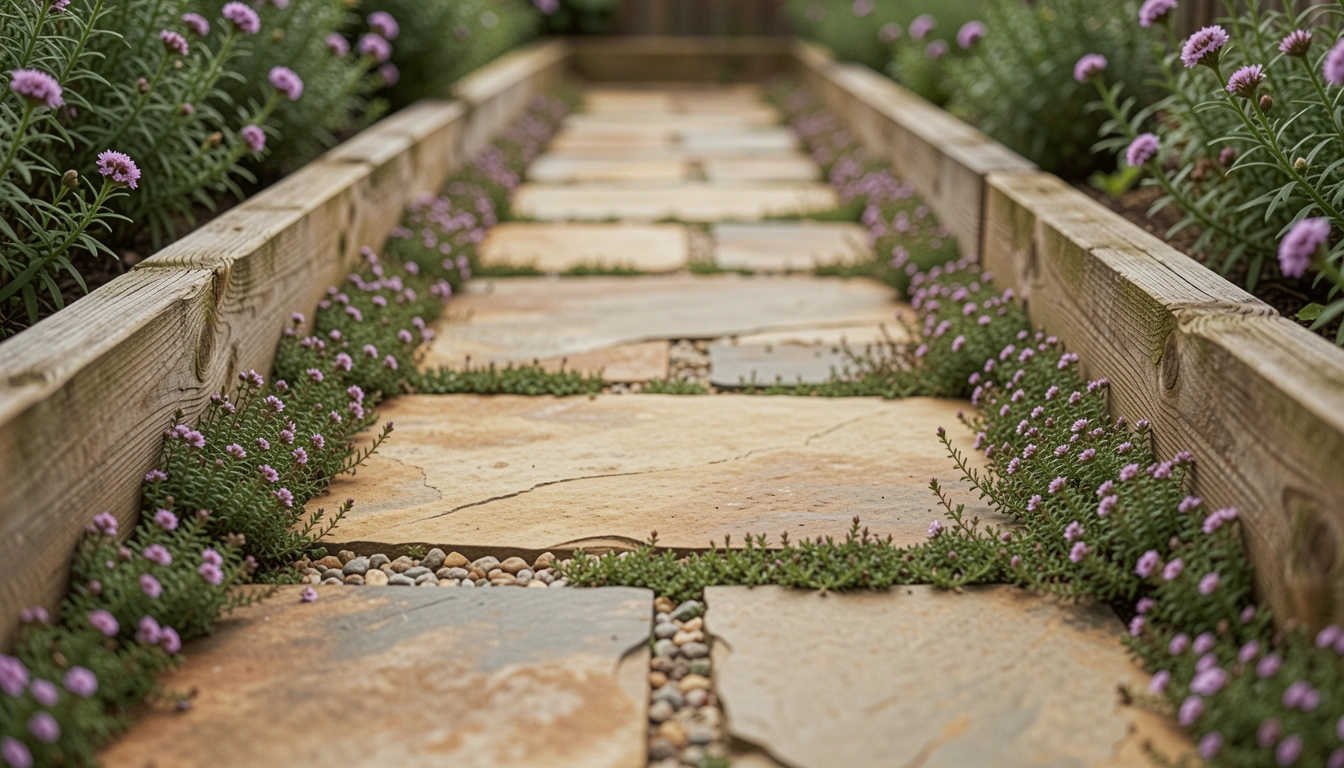
1. Flagstone Stepping Path with Low Thyme
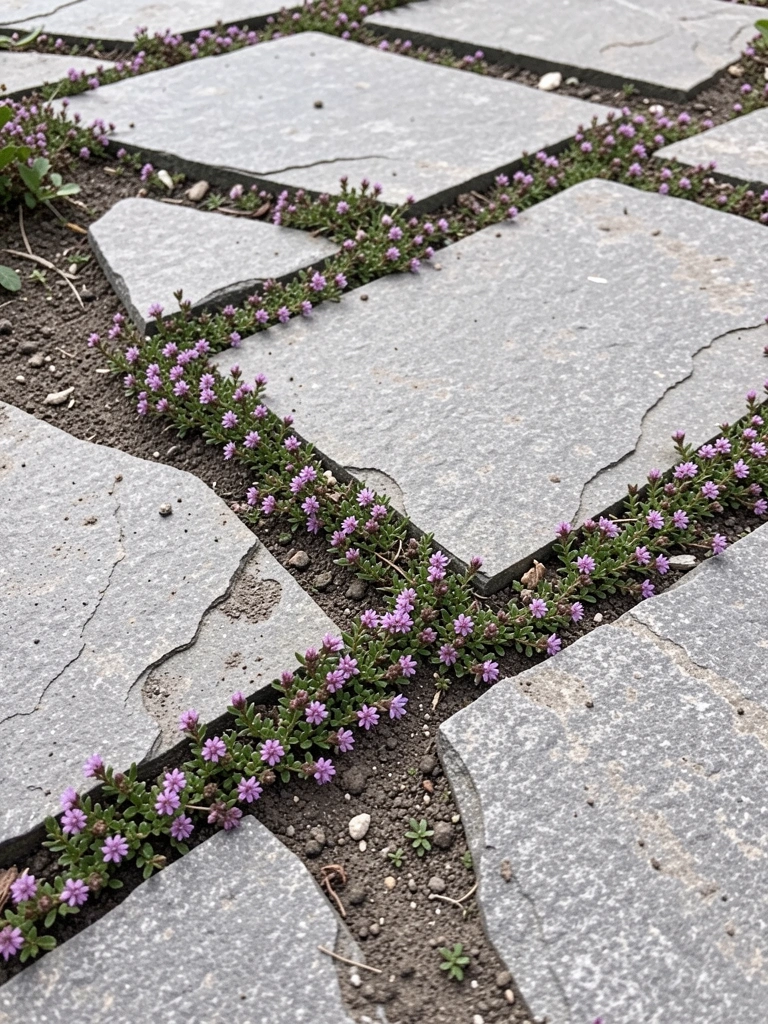
I laid flagstones across an uneven lawn to stop the mud trail by the back door. I liked how each stone sits differently. The thyme between stones hid gaps and smells nice when stepped on.
At first I set stones too close and they looked forced. I pulled a few and spaced them to feel natural. Now the path invites slow steps.
Keep stones level. Add sand under the biggest pieces. Thyme needs sun and a little drought.
What You’ll Need for This Look
- Irregular flagstone pieces (12–18 inch)
- Quick-setting sand (coarse)
- Creeping thyme plugs (sun variety)
- Rubber mallet and hand tamper
2. Crushed Gravel with Steel Edging and Wildflower Sprigs
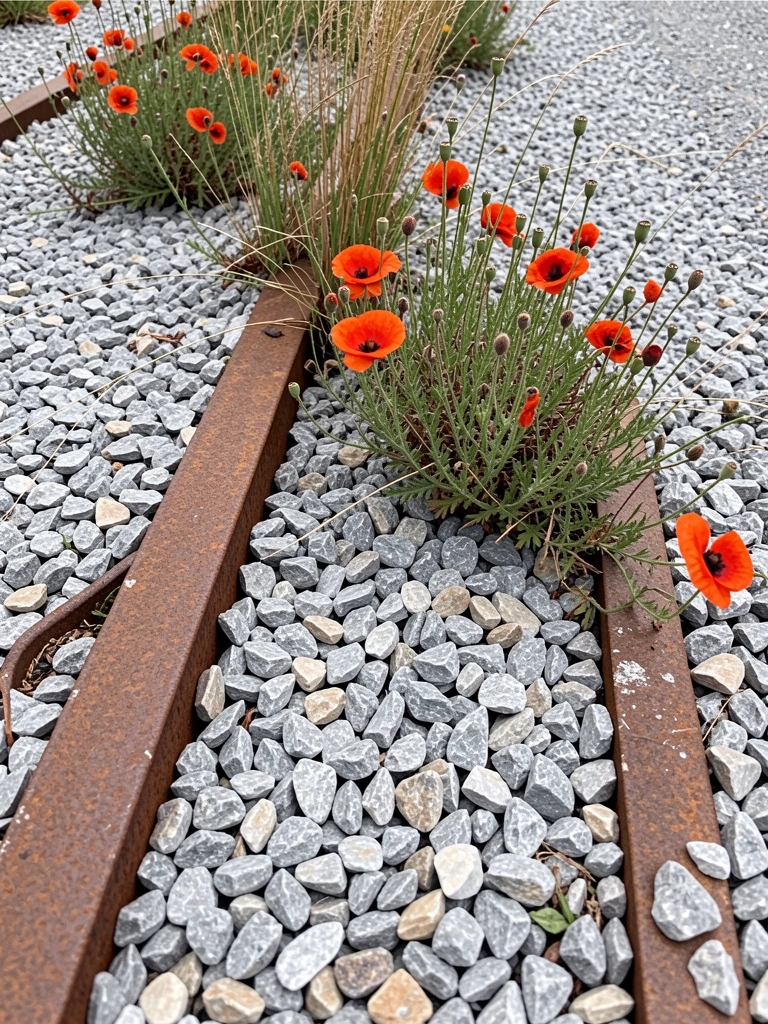
I used crushed gravel on a run of soil that always puddled. Steel edging kept gravel off the lawn. I planted wildflower spiky clumps along one side to soften the edge.
I made a mistake at first by using too fine a gravel; it packed into a hard crust. I regraded and used a washed 3/8-inch mix. It drains better and feels springy underfoot.
Rake yearly and top up. The steel will rust a bit and that looks intentional here.
What You’ll Need for This Look
- Washed crushed gravel (3/8 inch)
- Corten steel edging (4–6 inch)
- Wildflower plugs (poppy, yarrow)
- Landscape fabric (breathable)
3. Reclaimed Brick Herringbone with Moss Runners
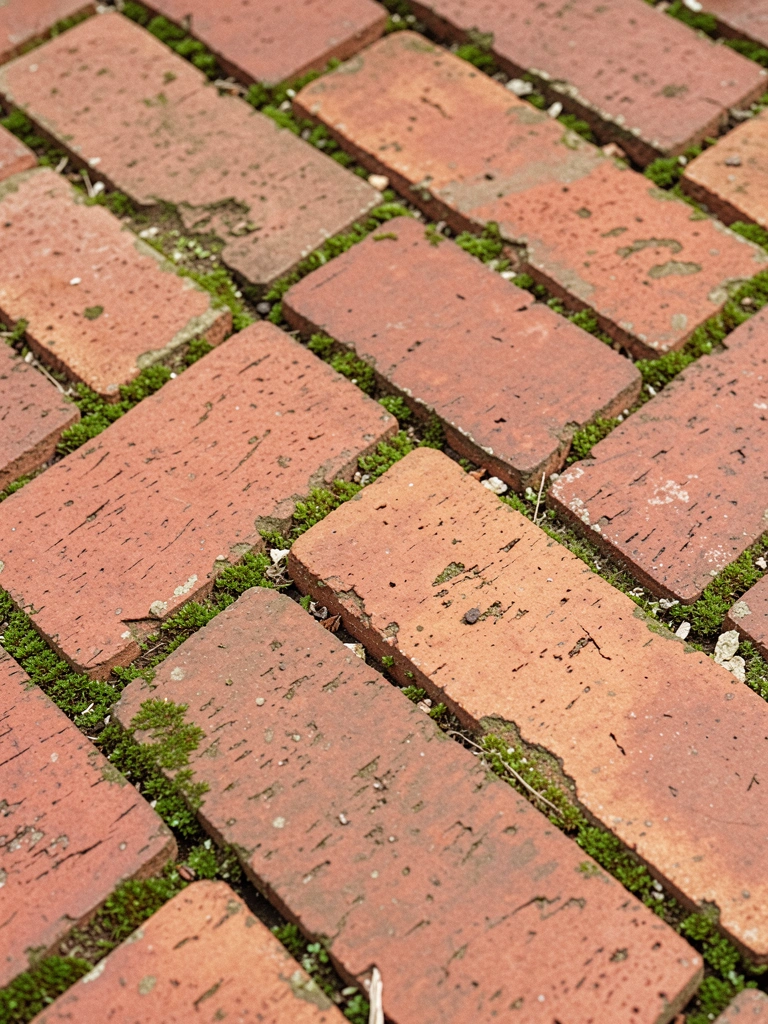
I scavenged old bricks for a tight courtyard lane. Herringbone hides uneven edges and keeps bricks locked together. Over time moss filled joints and softened the hard lines.
At first I sanded everything clean and lost character. Let a little grit and moss return. It reads older and more comfortable now.
Sweep moss lightly; don’t power-wash. Bricks love being uneven a bit.
What You’ll Need for This Look
- Reclaimed red bricks (standard)
- Mason sand for joints
- Moss starter or local moss pieces
- Rubber broom
4. Stepping Planks Through a Wildflower Patch
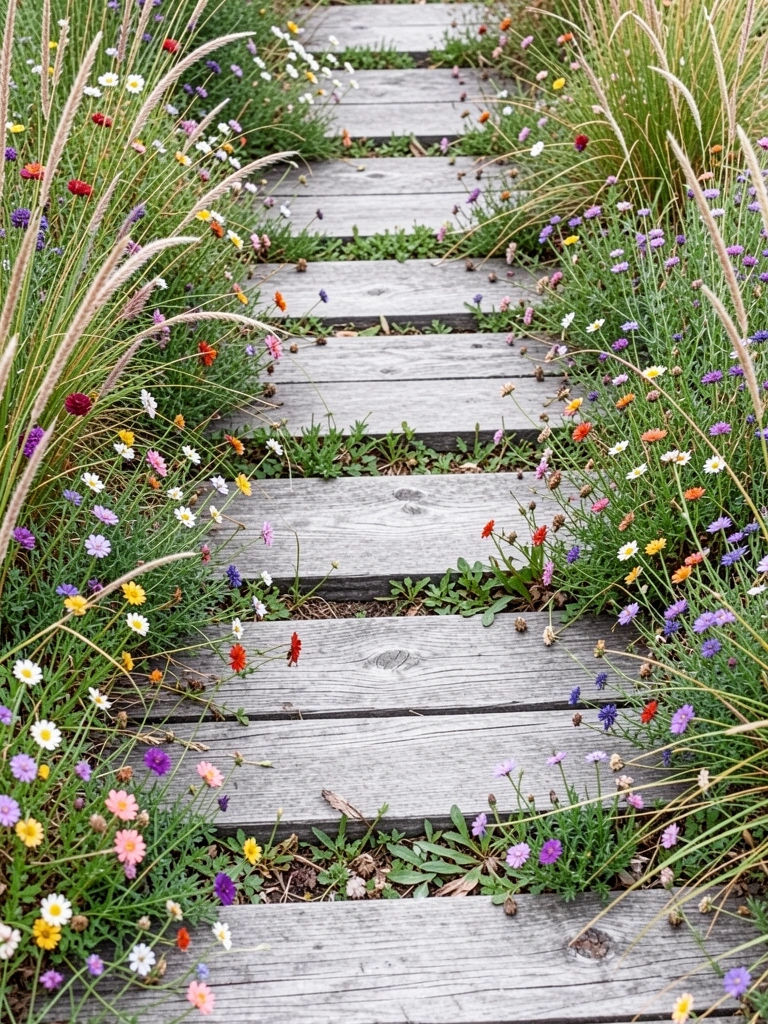
I cut cedar planks for a narrow crossing through a wild patch. The planks read like a boardwalk and protect plants from trampling. Kids like hopping from plank to plank.
I learned cedar lasts longer if it’s slightly raised from the soil. I used small gravel beds under each plank to stop rot. The flowers around the planks hide the supports.
Replace a plank when needed. Choose rot-resistant wood.
What You’ll Need for This Look
- Cedar planks (2×8, cut to length)
- Gravel base (pea gravel)
- Ornamental wildflower plugs
- Deck screws, stainless steel
5. Gravel Stepping Pads with Groundcover Mistake Turned Good
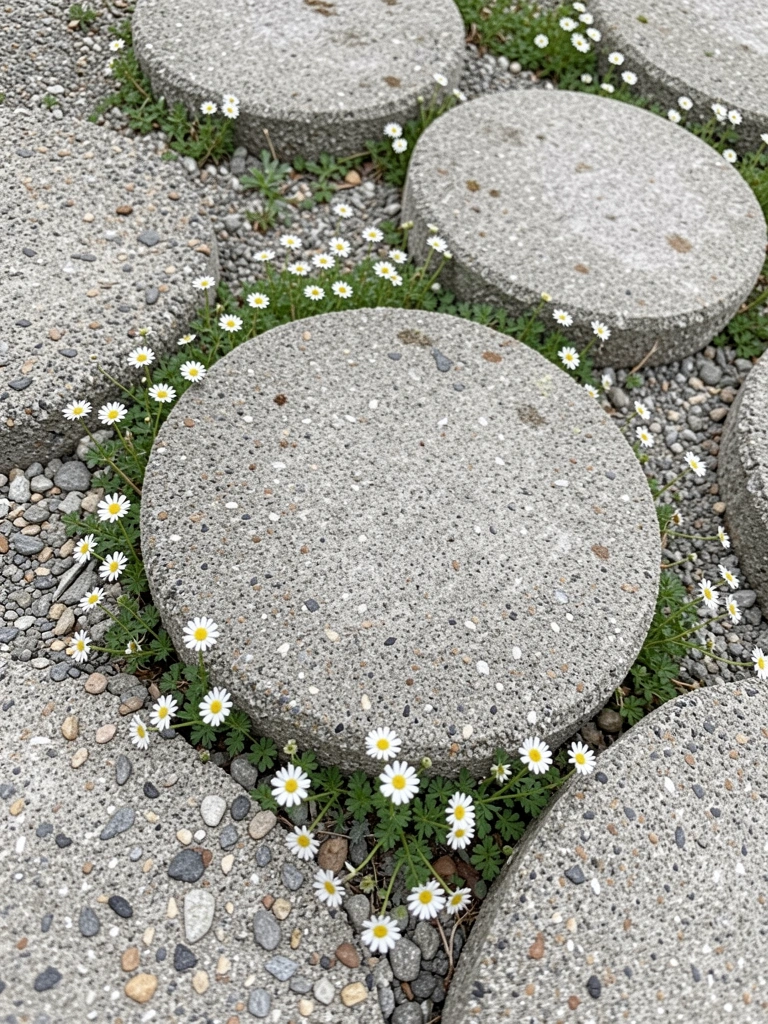
I set concrete pads in gravel to shorten a long yard. I tried a new groundcover that spread too fast and almost swallowed the pads. I pulled most of it back and kept low chamomile instead.
Now the pads pop visually and the chamomile smells sweet when mowed over. The mistake taught me to pick restrained groundcovers.
Keep a 2-inch gap between pad and plants so you can edge and fluff the gravel.
What You’ll Need for This Look
- Concrete stepping pads (12–18 inch)
- Pea gravel (1/4 inch)
- Chamomile groundcover (Roman)
- Hand rake and edging tool
6. Flagstone with Gravel Infill for a Natural Edge
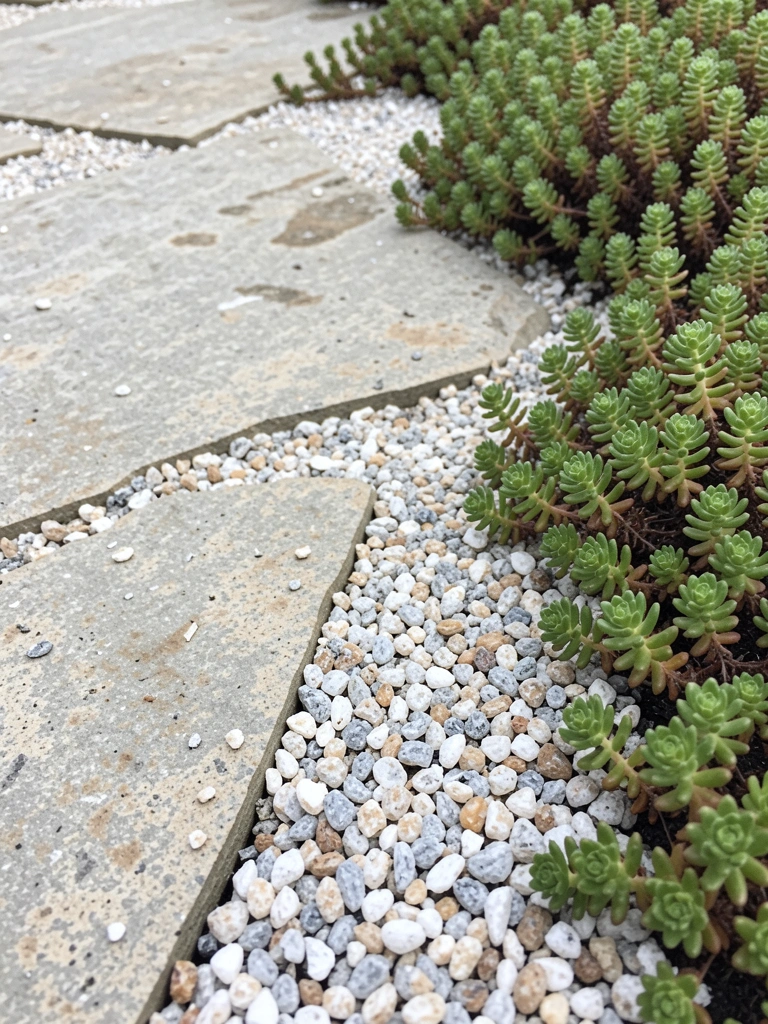
I switched to flagstones set in gravel when I wanted a less formal look. The gravel settles around each stone and lets water pass through easily. Sedums at the edges hide the joins.
This combo is forgiving on uneven ground. I like how the stones float in the gravel. It also takes less effort to position stones.
Top up gravel every couple of years. Pick sedums that tolerate foot traffic.
What You’ll Need for This Look
- Flat flagstones (10–16 inch)
- Washed gravel infill (3/8 inch)
- Low-growing sedum plugs
- Landscape fabric (optional)
7. Lawn-Edge Brick Border with Soft Bark Mulch
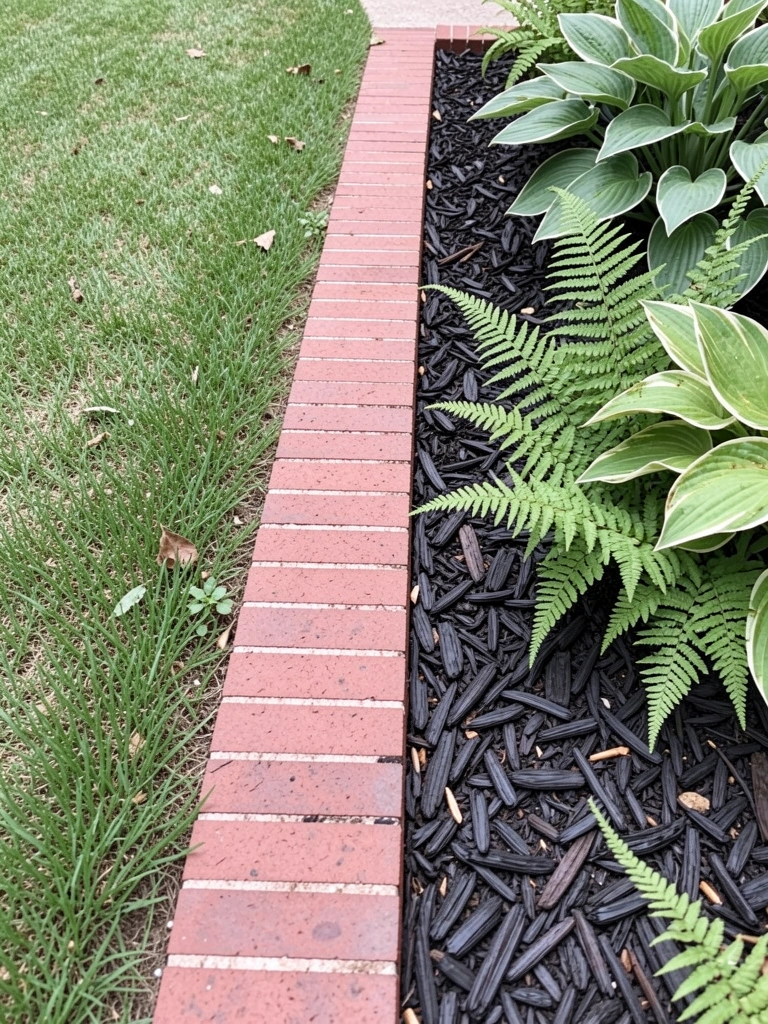
I edged a grass route with bricks to stop the mower from tearing up beds. The brick border frames a bark-mulch path that walks quietly and stays cool in summer.
I once buried bricks too deep and made a trip hazard. I reset them flush and now the edge reads intentional. Mulch needs topping more often than hard materials, but it’s easy to refresh.
Choose hardwood mulch for color and a solid brick profile.
What You’ll Need for This Look
- Clay bricks (standard paver)
- Hardwood bark mulch (3/4 inch)
- Hostas or ferns for edge planting
- Hand tamper and edging shovel
8. Narrow Boardwalk with Recycled Pallet Slats
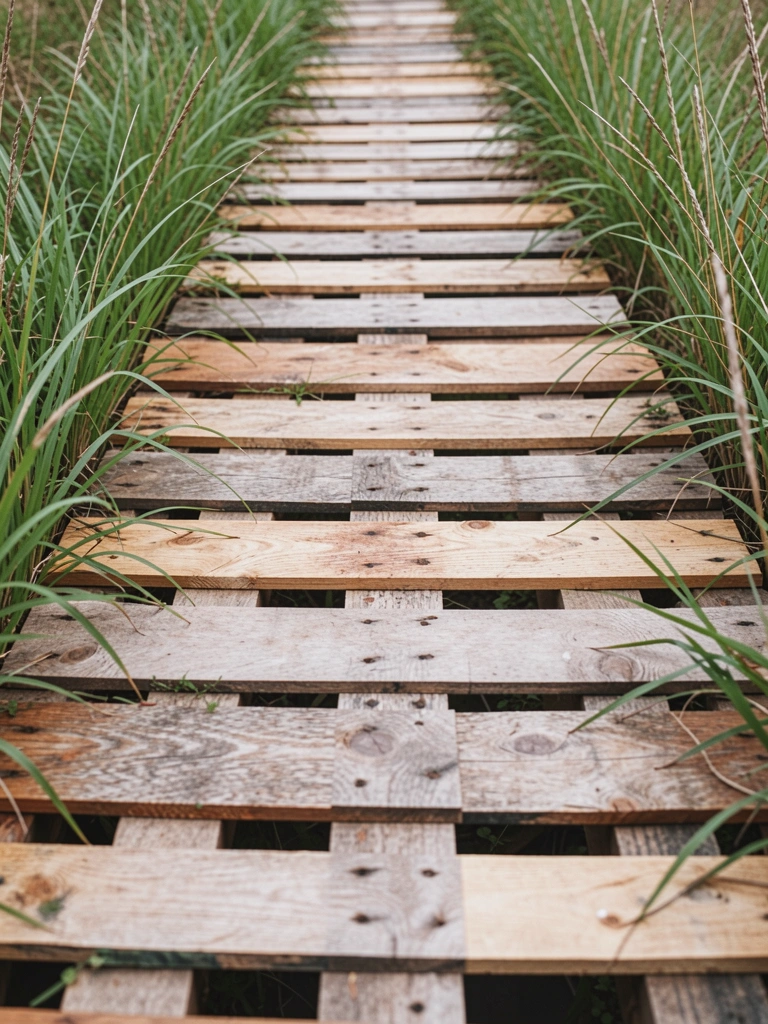
I made a narrow boardwalk from pallet slats to cross a boggy corner. It was cheap and quick. The slats breathe and dry fast, so mud didn’t cling to shoes.
I learned to seal the ends of the boards to slow splitting. It’s a temporary fix in heavy use areas, but it lasted years in my low-traffic zone.
Spacing matters. Leave a gap for drainage and to avoid swelling in wet months.
What You’ll Need for This Look
- Recycled pallet slats (sanded)
- Exterior wood sealer
- Galvanized screws
- Gravel base for drainage
9. Patterned Tile Path with Narrow Grass Strips (Lesson Learned)
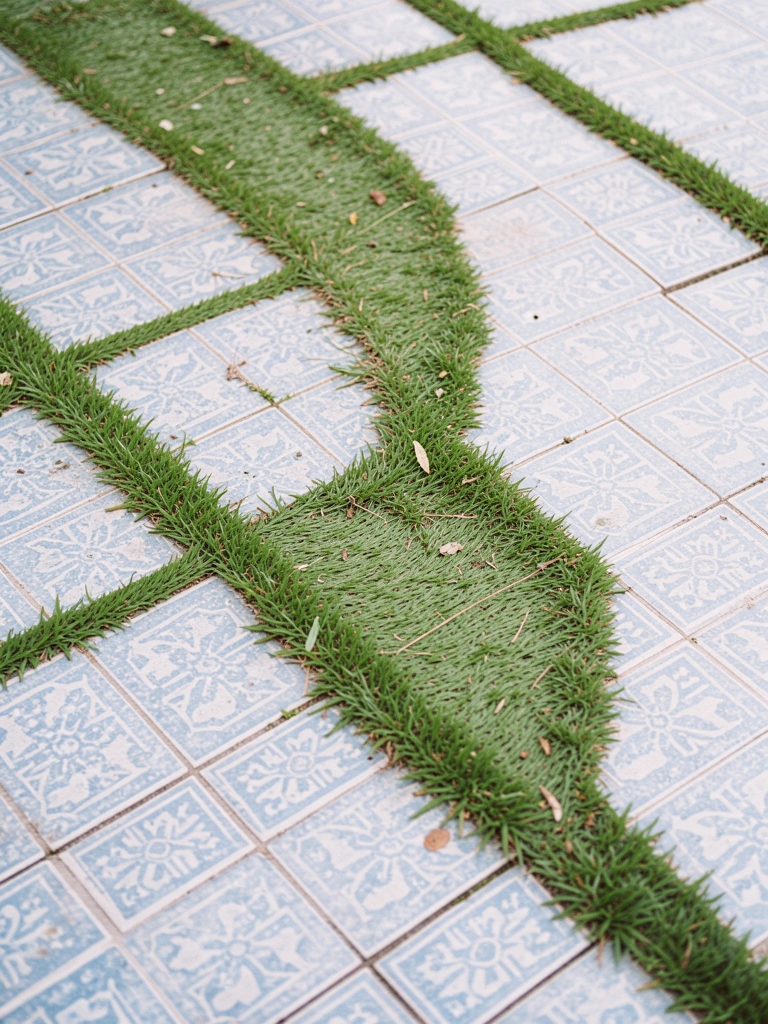
I tiled a short run with patterned outdoor tiles to echo a small patio. I left grass strips between tiles for softness. At first I planted a thin fescue and it browned in heat. I replaced it with a drought-tolerant micro-turf that holds up.
The tiles read modern and the grass breaks the grid. Watch irrigation. Tiles can heat up in summer, so shade matters.
Use outdoor-rated tiles and compact the base well.
What You’ll Need for This Look
- Outdoor patterned tiles (12–16 inch)
- Thin turf strips (drought-tolerant)
- Quick-set mortar and sand
- Rubber mallet and level
10. Stepping Stones through a Herb Kitchen Garden
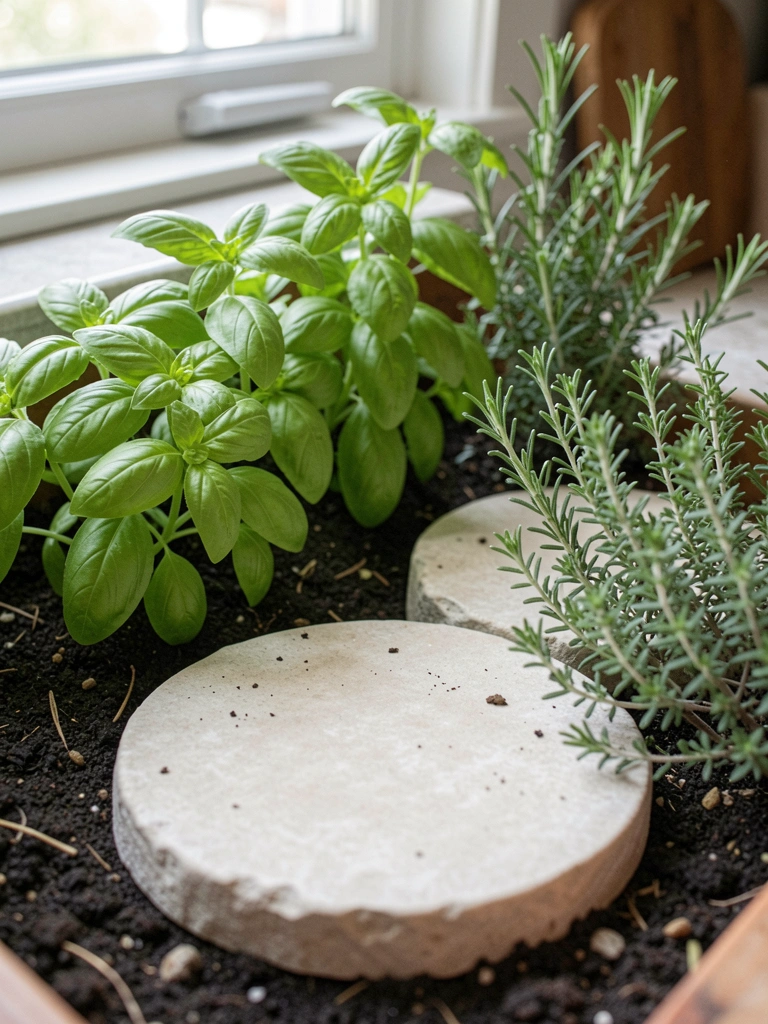
I carved a path through my herb bed so I could snip mid-recipe. Round stones make casual stepping spots without taking too much planting space. I like harvesting as I walk.
I initially chose big slabs and lost planting area. Downsizing the stones gave the herbs room to spread. Paths made the bed usable and productive.
Keep stones low so tools don’t catch. Plant taller herbs away from the route.
What You’ll Need for This Look
- Round stepping stones (10–14 inch)
- Basil, rosemary, thyme seedlings
- Compost-rich soil for beds
- Hand pruners
11. River Rock Border with Low Light Liriope
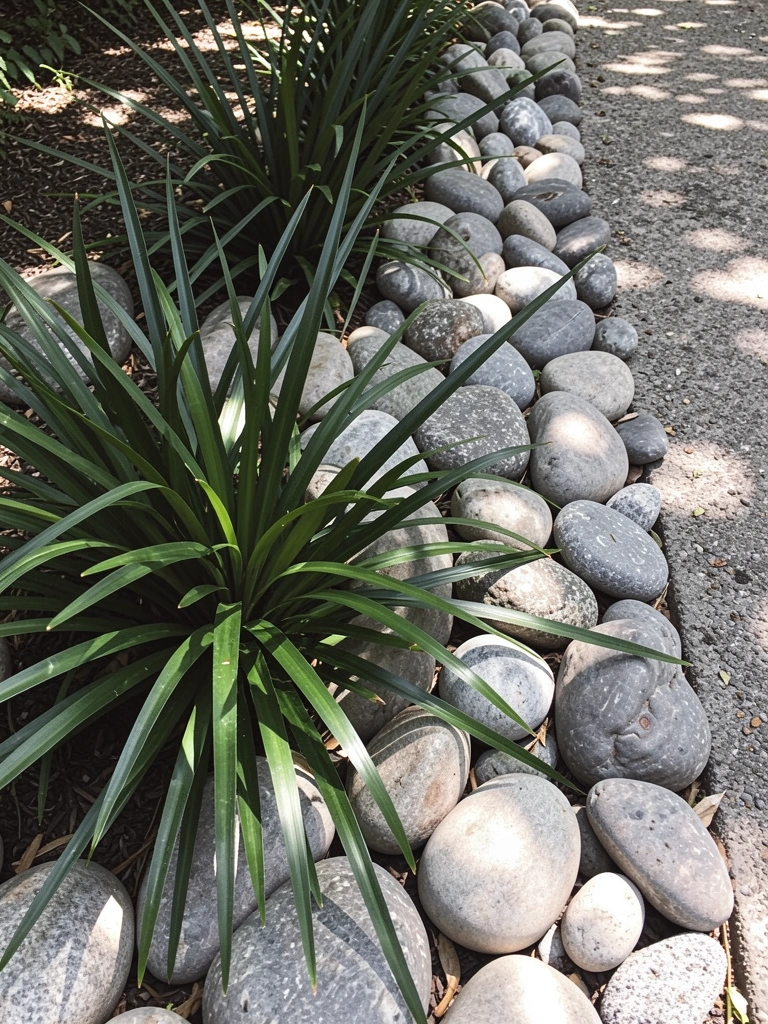
I used river rock to edge a shaded path under a maple. The rocks keep mulch in place and the liriope hides the rock edge. It’s low fuss and looks tidy in shade.
I once tried larger boulders and it felt heavy and formal. The smaller river rock reads casual and fits the rest of my yard.
Rake leaves off to keep the rocks visible. Liriope spreads slowly and fills gaps.
What You’ll Need for This Look
- Smooth river rock (1–2 inch)
- Liriope plugs (shade variety)
- Weed barrier (optional)
- Leaf rake
12. Mixed Paver Mosaic with Salvaged Tiles (My Trial and Fix)
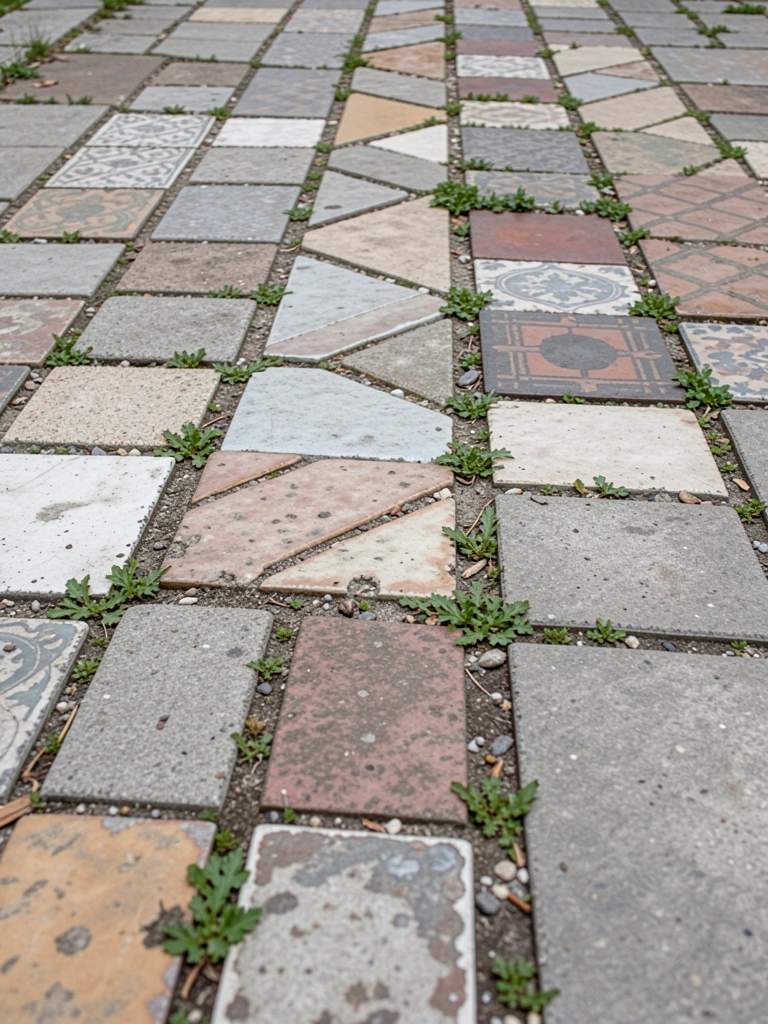
I pieced together leftover tiles and pavers to make a small mosaic path by the shed. It began charming and then shifted as settling opened gaps. I regrouted with flexible grout and added more compacted base.
My mistake was skipping proper base prep. After fixing that, the mosaic stayed put and felt joyful instead of precarious.
Match grout color to tiles and expect a little maintenance.
What You’ll Need for This Look
- Salvaged tiles and concrete pavers (mixed)
- Flexible grout and sand
- Compacted gravel base
- Rubber grout float
13. Brick Circles Set in Lawn for Casual Shortcuts
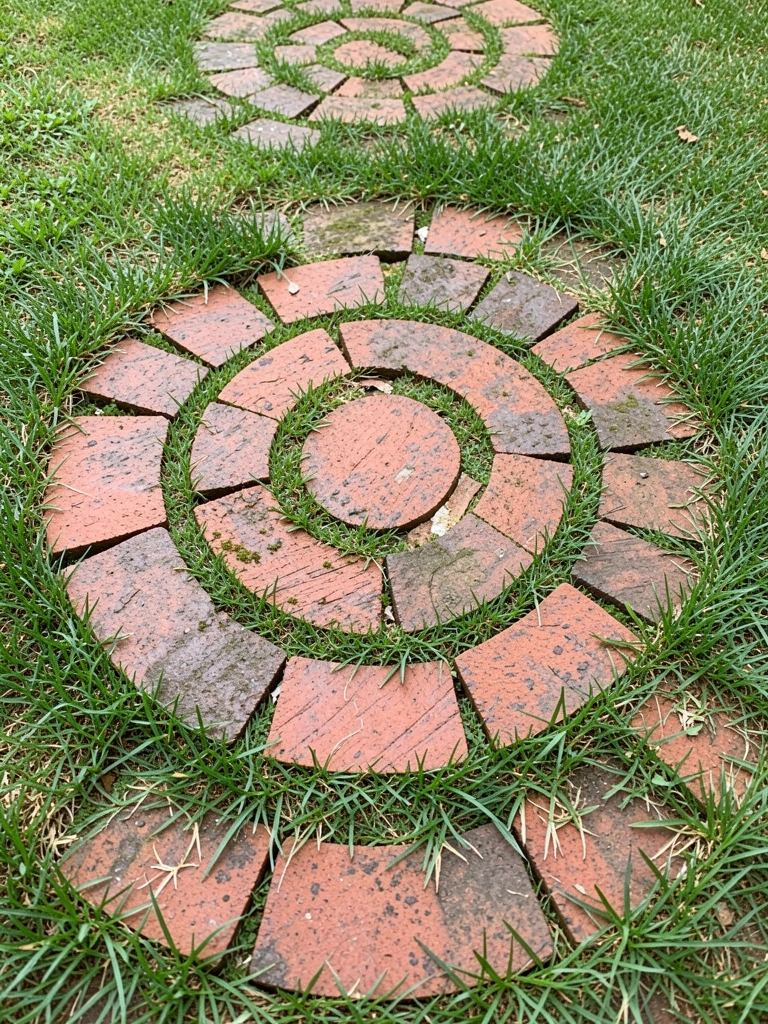
I built circular brick pads as shortcuts from the patio to the play area. They interrupt the lawn without chopping it into ribbons. Kids circle them like tiny plazas.
I cut a few bricks wrong at first and learned to measure on-site. Once set, the circles look informal and hold up to wear. Mow carefully around edges.
Use sand to bed them and tamp well.
What You’ll Need for This Look
- Clay bricks (cut as needed)
- Mason sand
- Brick saw or splitter
- Hand tamper
14. Simple Mulch Track with Solar Bollard Lights
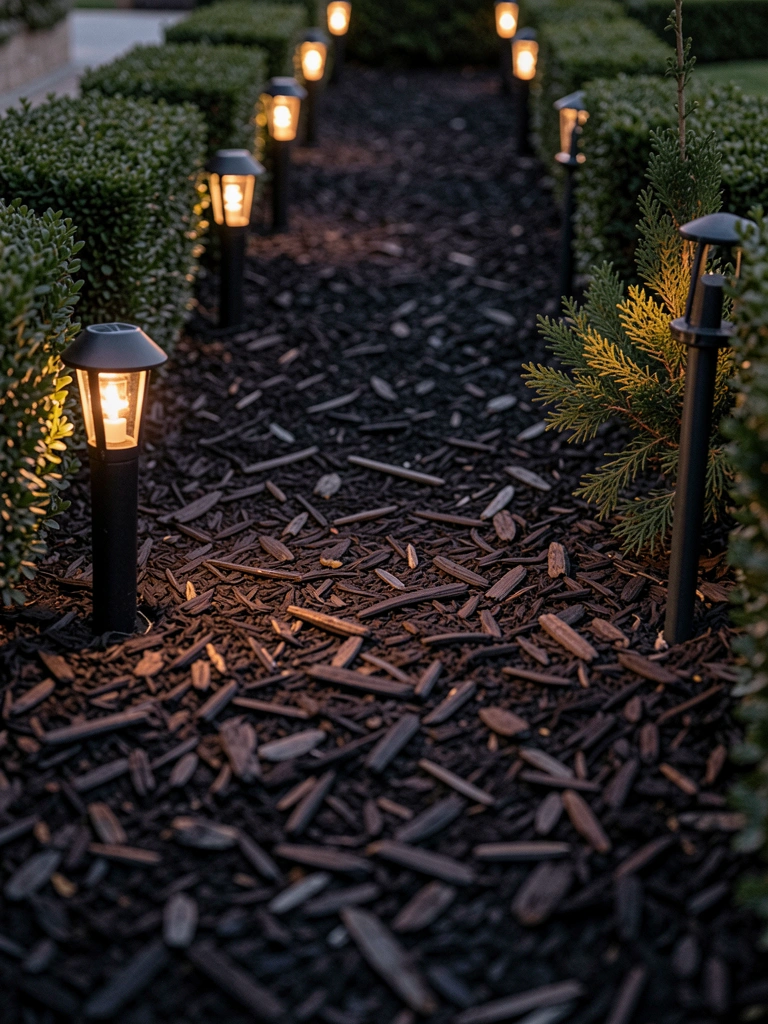
I made a soft mulch track to lead to the back gate. Adding small solar bollards helped at dusk and made the route feel intentional. The lights are low-maintenance and flick on without wiring.
At first I placed lights too close to taller shrubs and they went dark. I moved them to open spots and they work every evening. Mulch needs topping but it’s cheap and easy.
Choose warm-white solar fixtures for comfortable evening light.
What You’ll Need for This Look
- Hardwood mulch (3–4 inch)
- Solar bollard lights, warm white
- Small boxwood or evergreen accents
- Hand trowel
Final Thoughts
You don’t need to try all of these. Pick one that fits your yard’s daily traffic and soil.
Start small. I still rework paths seasons later. A good walkway is about comfort and use, not perfection.
You can do this one step at a time.