15 Creative Backyard Garden Privacy Ideas
I used to feel exposed in my backyard. Neighbors, street noise, and passing dogs felt too close.
Over years I tried fences, hedges, and fabric screens. Some worked. Some failed badly.
I finally found approachable fixes that fit small budgets and real, messy gardens.
15 Creative Backyard Garden Privacy Ideas
These 15 ideas are practical and plant-forward.
They come from my real, imperfect trials.
You’ll get quick wins and long-game options.
All 15 ideas are here.
1. Tall Bamboo in Large Planters for a Fast Screen
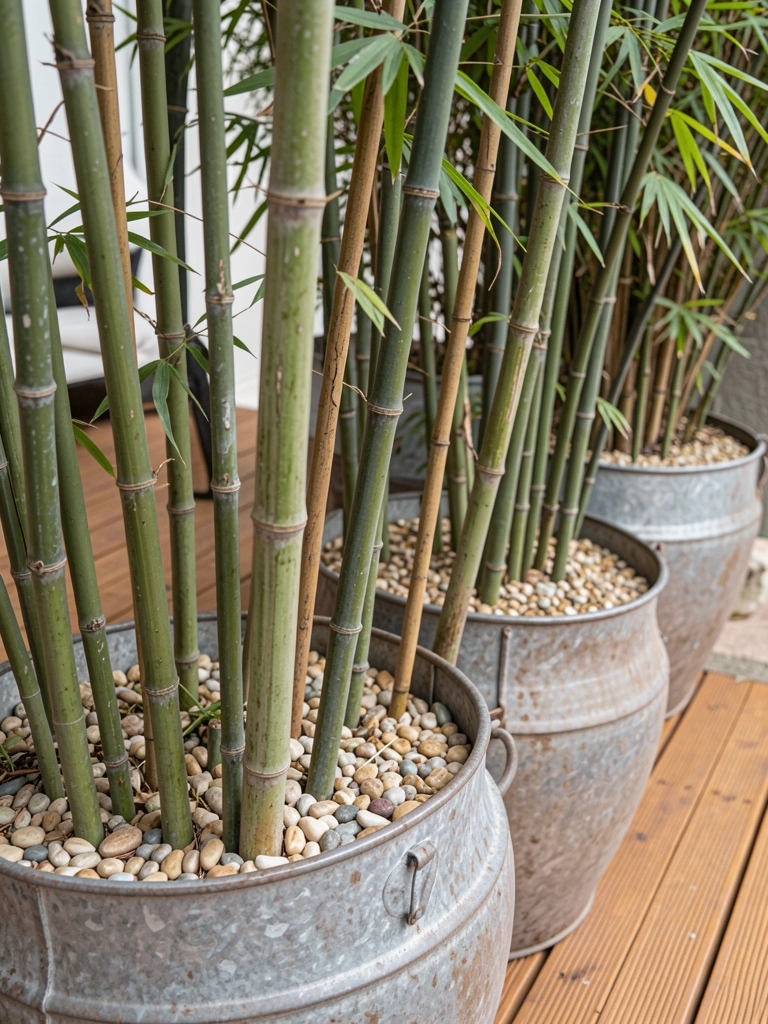
I planted bamboo in heavy planters when I needed privacy fast. It gave height within a season and a soft sound in wind. I admit I first bought running bamboo and had to dig it out—big mistake.
The clumping varieties worked and fit planters. The foliage blocks sightlines but keeps the space feeling airy.
Watch drainage and root space. I moved a few pots in winter to protect roots. Tip: don’t buy runners unless you want a long project.
What You’ll Need for This Look
- Clumping bamboo (5–7 ft)
- 24–30 inch metal or terracotta planters
- Coarse potting mix with grit
- Landscape fabric liner
2. Mixed Evergreen and Flowering Hedge for Year-Round Cover
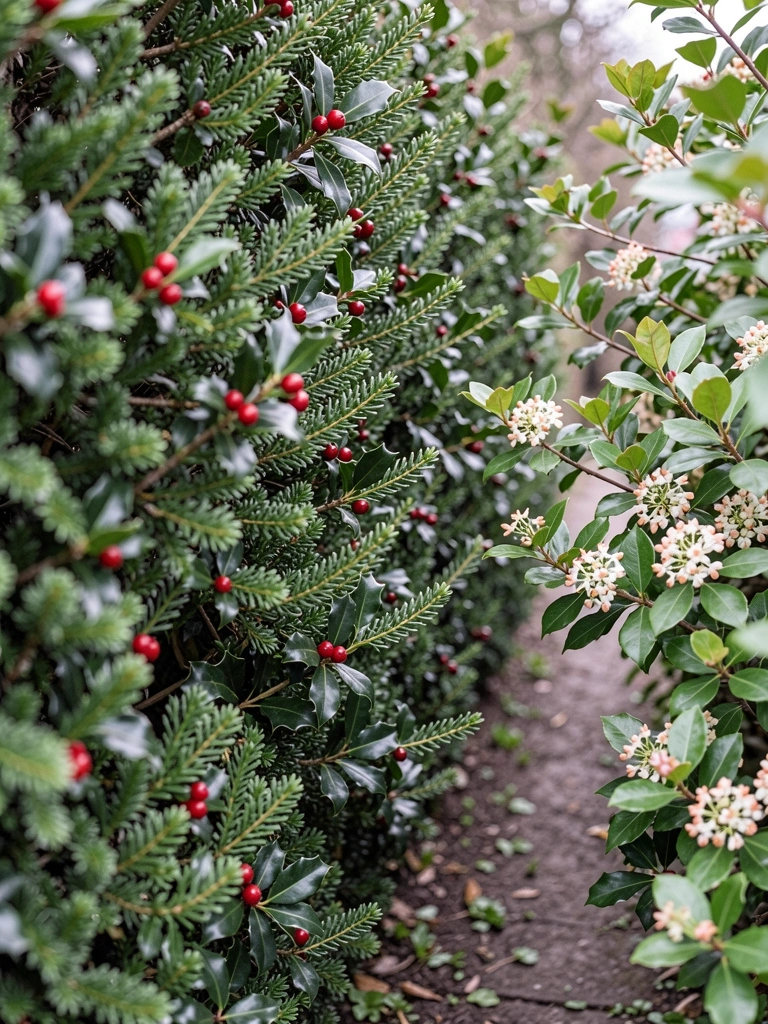
I planted a mix of boxwood, holly, and viburnum to avoid the “wall” look. Evergreens give winter cover; viburnum gives scent and spring flowers. It feels private but layered, not rigid.
At first the spacing looked sparse. After a couple of seasons it filled in nicely. Patience matters.
Prune lightly to keep gaps closed. I staggered heights for depth. It’s low fuss and gives a lived-in, cottage edge.
What You’ll Need for This Look
- Boxwood (dwarf)
- Holly (small ornamental)
- Viburnum or similar flowering shrub
- Slow-release shrub fertilizer
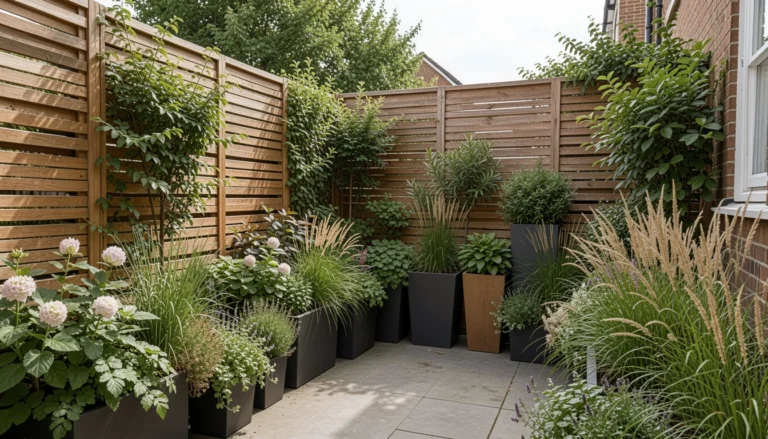
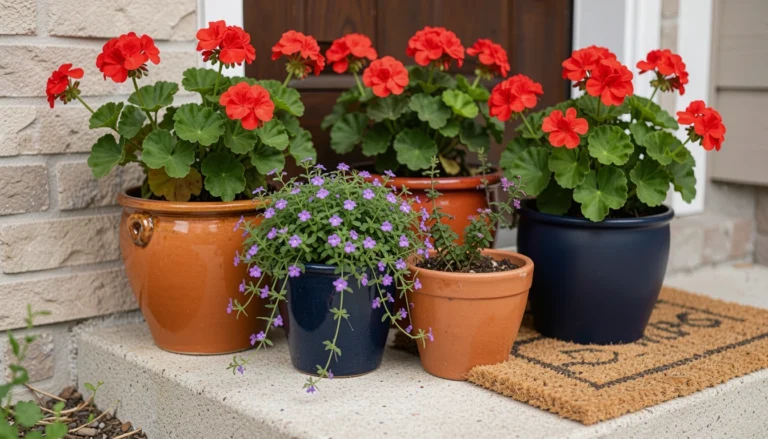
3. Layered Container Planting That Makes a Patio Feel Full
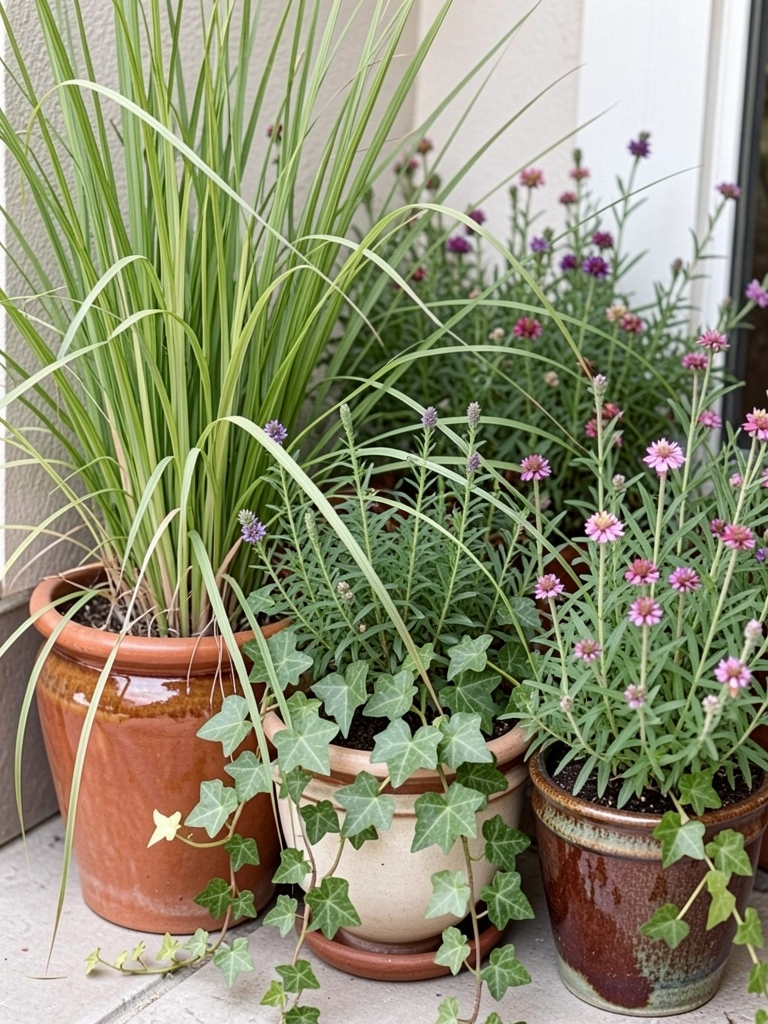
I cluster pots of different heights next to my seating area. Tall pots give a vertical screen. Medium pots add color. Trailing plants soften edges.
It’s the easiest move when you rent or need flexibility. I once placed everything too close and it looked crowded. Spacing fixed that.
Rotate pots seasonally and tuck a lantern or small trellis behind taller pots for extra cover. It makes a tiny patio feel private and lush.
What You’ll Need for This Look
- Tall 18–24 inch planters
- Medium 12–16 inch pots
- Ornamental grasses, trailing ivy, a few perennials
- Potting soil and slow-release fertilizer
4. Sturdy Trellis with Climbing Roses and Clematis
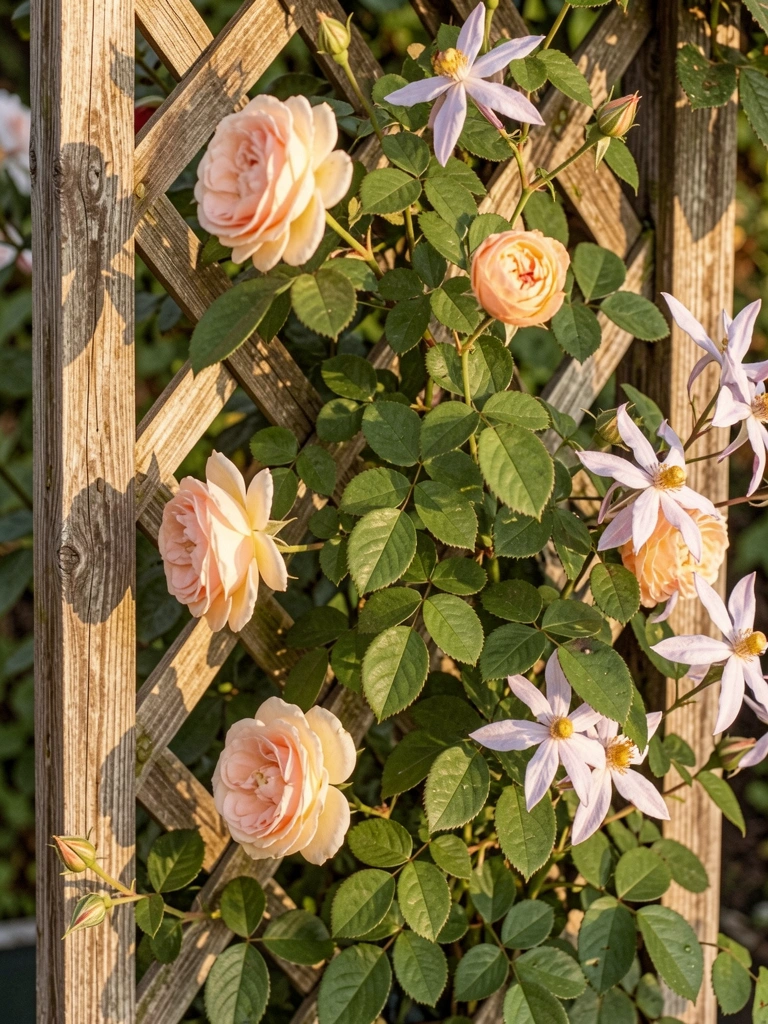
I trained roses and clematis up a heavy trellis by my fence. It created a vertical, scented screen. I learned the hard way: a flimsy trellis bowed under winter weight—so I rebuilt it.
Once solid, the plants clung and filled gaps quickly. The scent and color make the fence feel like a living wall.
Use robust supports and tie plants gently. Prune for air flow. This combo gives privacy and a cozy, old-garden feel.
What You’ll Need for This Look
- Heavy-duty wooden or metal trellis
- Climbing rose and clematis plants
- Soft garden ties
- Weather-resistant screws and posts
5. Espaliered Fruit Trees Along a Narrow Boundary
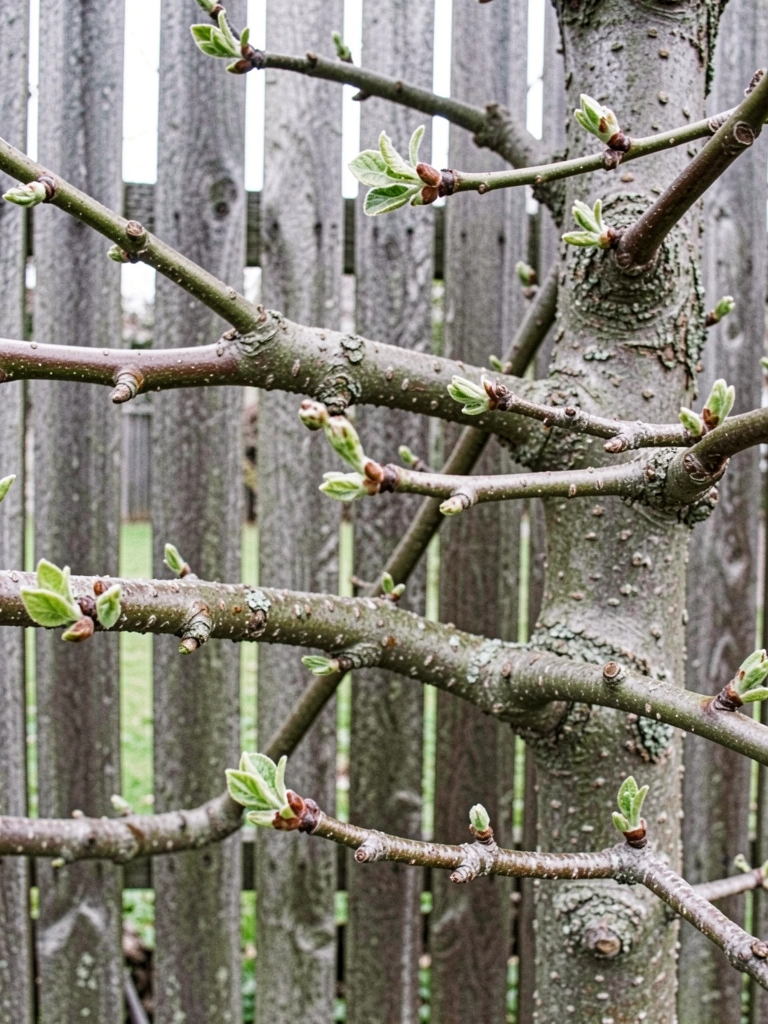
I trained apple and pear trees flat against a fence. They give a neat green screen without taking much width. In spring the blossoms are a welcome curtain.
It’s slower than shrubs but elegant and productive. I messed up spacing once and had to re-train a limb. Learning to train early saved trouble.
Espaliers reduce wind and let light reach the yard. They feel intentional and tidy in a small space.
What You’ll Need for This Look
- Espalier fruit trees (apple/pear, 2–3 ft grafts)
- Horizontal support wires
- Pruning shears and training ties
- Mulch for root zone
6. Reed or Bamboo Screen Panels for a Rustic Divider
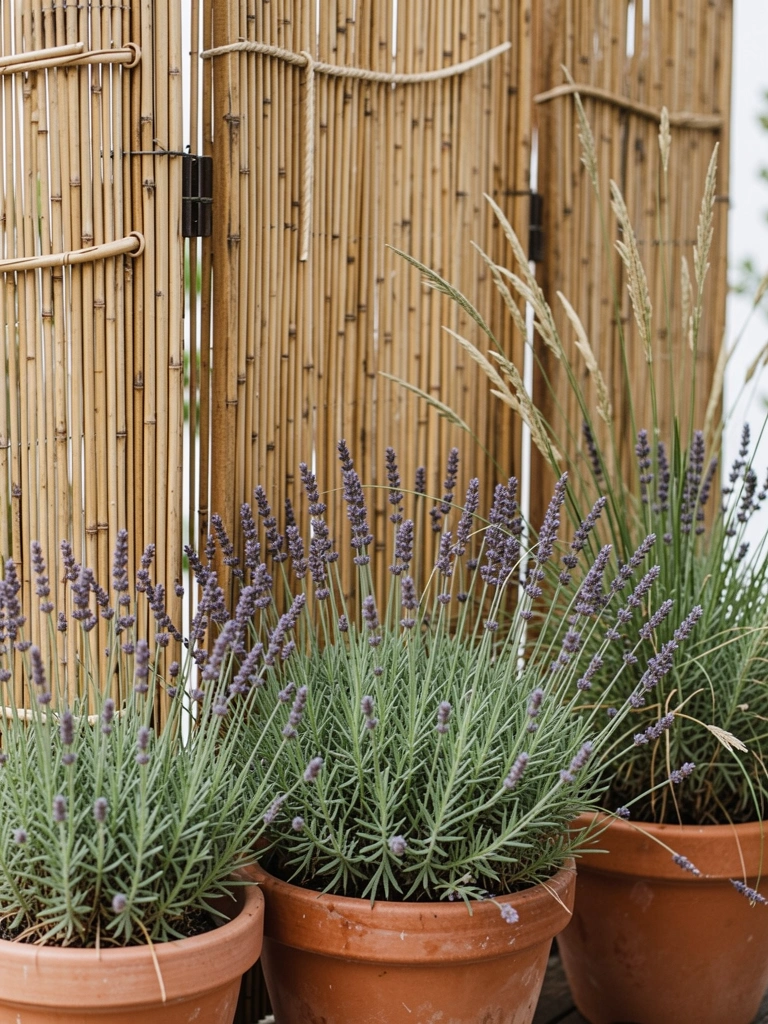
I used reed panels to hide an ugly fence and create a cozy corner. They’re cheap and quick to install. The look softens hard lines and adds texture.
They weather over time and that’s fine; I like the aged feel. Expect to replace panels every few years in wet climates.
Anchor them well and add a line of pots in front to disguise bottom gaps. It’s a simple move that reads natural and warm.
What You’ll Need for This Look
- Reed or bamboo screen panels (4–6 ft)
- Metal stakes or brackets
- Several medium pots with low shrubs
- UV-resistant ties
7. Wall-Mounted Vertical Planters for Small Yards
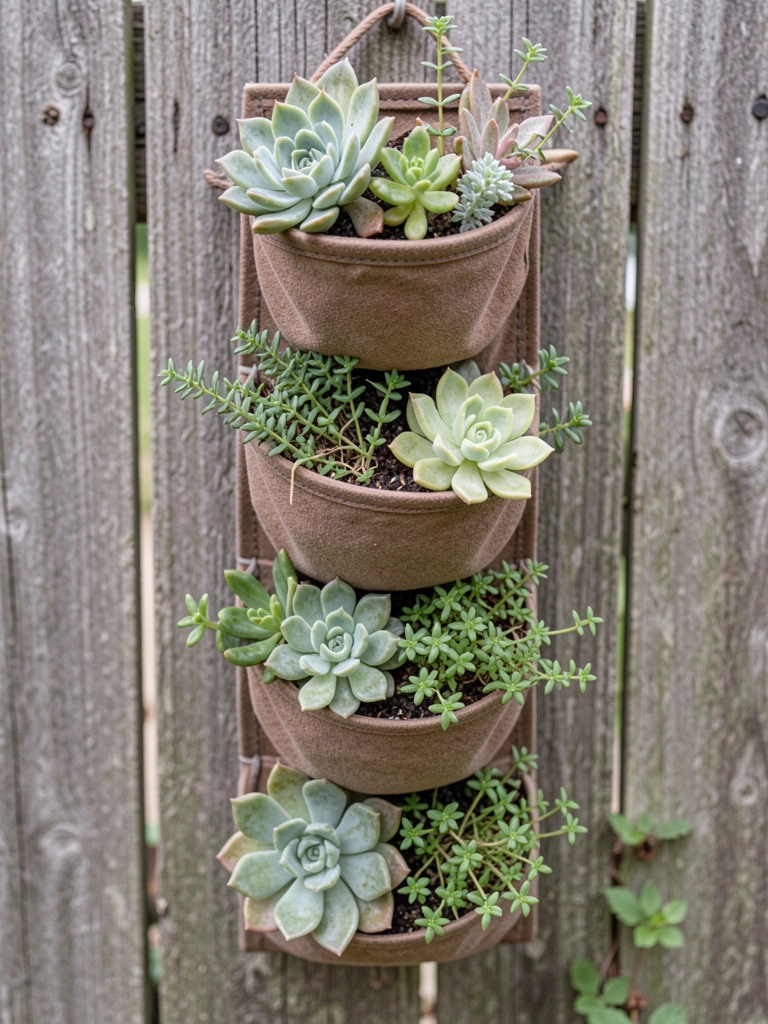
I installed pocket planters on a fence to gain green without losing space. Herbs and succulents worked best. I once underestimated irrigation and lost a batch to dry pockets—lesson learned.
Now I put drip lines and rotate plants. The vertical green softens the fence and brings fragrance at eye level.
This feels intimate and handy for cooking. It’s low footprint and high reward when set up right.
What You’ll Need for This Look
- Wall-mounted pocket planters or modular panels
- Small succulents, herbs, or trailing annuals
- Drip irrigation or watering wand
- Screws and wall anchors
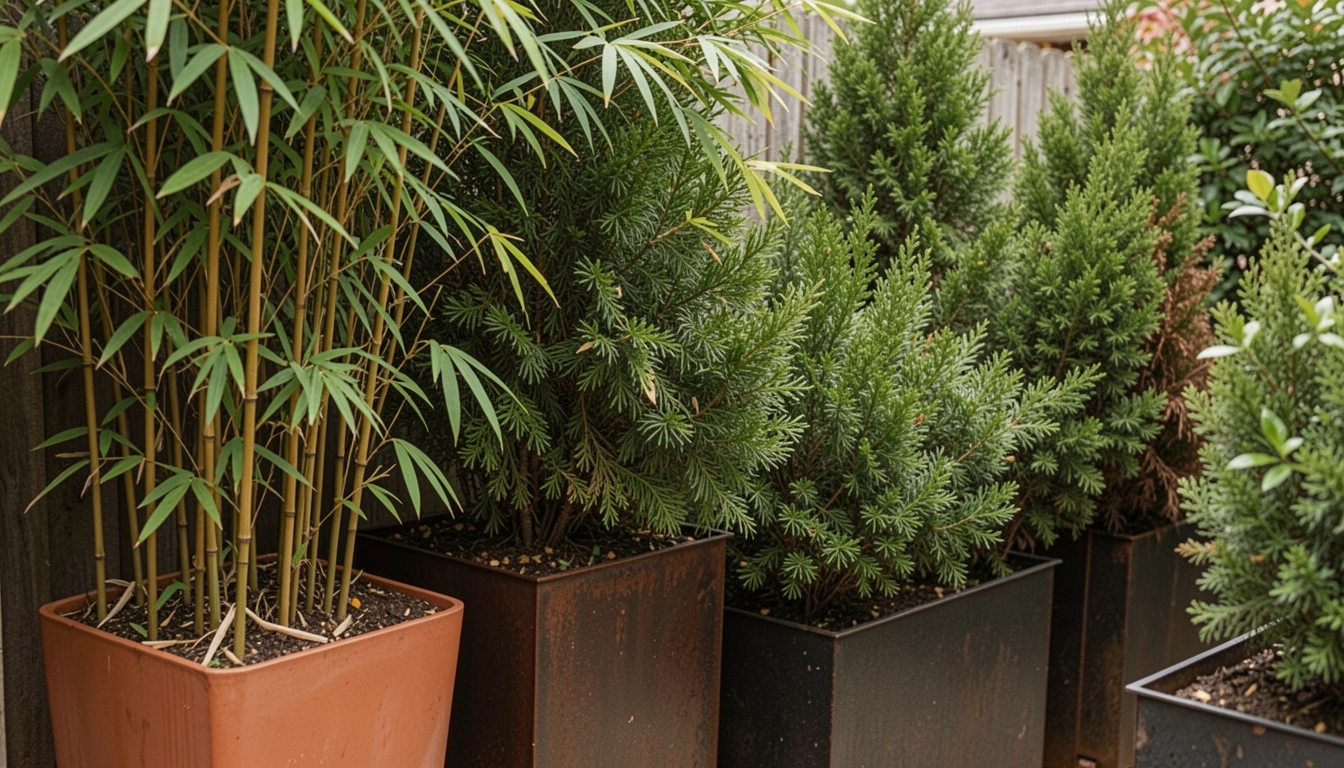
8. Staggered Dwarf Conifers for a Quiet, Evergreen Screen
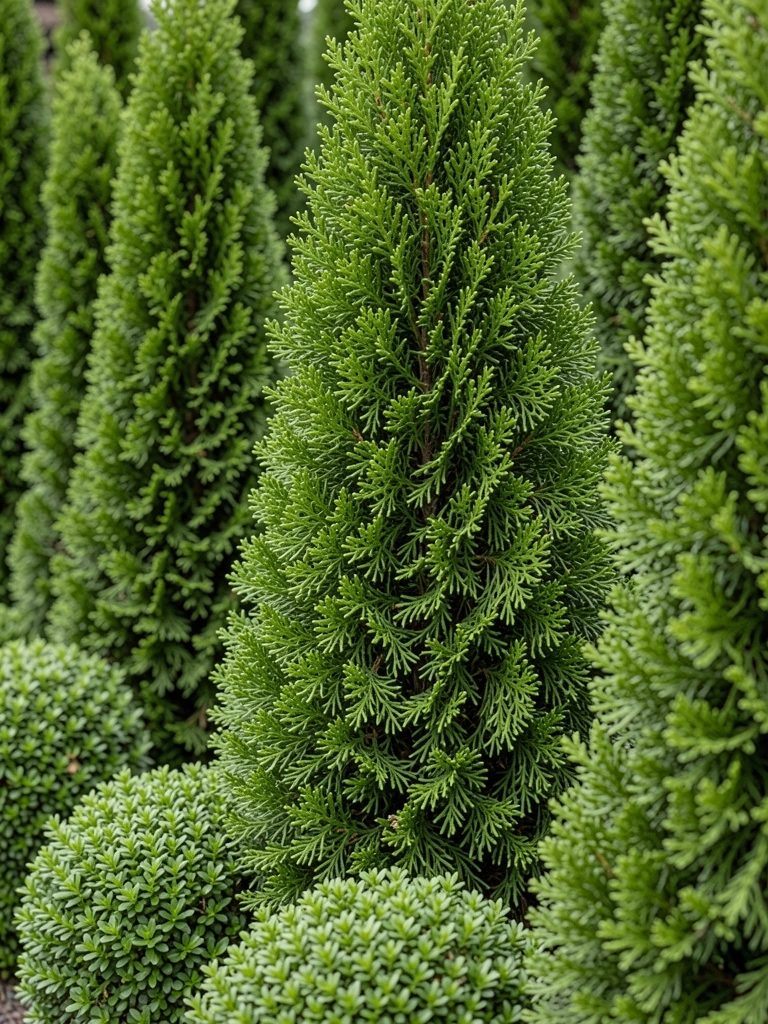
I planted dwarf arborvitae and yews in a staggered row to block sightlines and soften winter. They keep shape with minimal pruning and feel solid.
The staggered layout avoids a flat wall and gives depth. I spaced them too close once and had to thin—don’t crowd.
This is low-maintenance privacy that reads tidy and modern. It’s reliable when you want evergreen coverage without fuss.
What You’ll Need for This Look
- Dwarf arborvitae or compact yew (4–6 ft)
- Garden spade and soil amendment
- Mulch and slow-release evergreen fertilizer
- Stakes for young trees
9. Pergola Draped with Vines and Soft Lighting
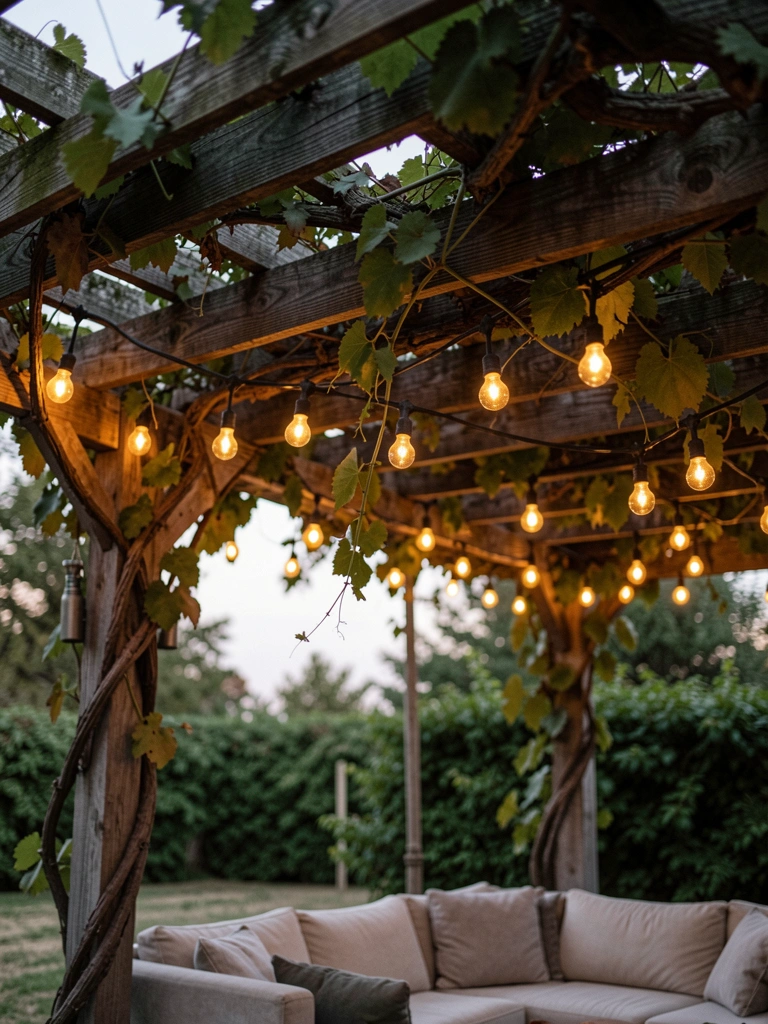
I built a simple pergola over the outdoor table and trained vines up the posts. It gives a private roofline and overhead screening. In evenings I add soft string lights for a gentle glow.
The vines cut glare and create a room-like feeling without closing the space. I trimmed too late once and had summer shade thinning—prune on schedule.
This approach makes a seating zone feel separate and sheltered, like a little outdoor room.
What You’ll Need for This Look
- Wooden pergola kit or timber posts
- Fast-climbing vine (grape, wisteria)
- Outdoor string lights, warm white
- Ties and pruning shears
10. Fast Annual Climbers on Temporary Trellis for Summer Shade
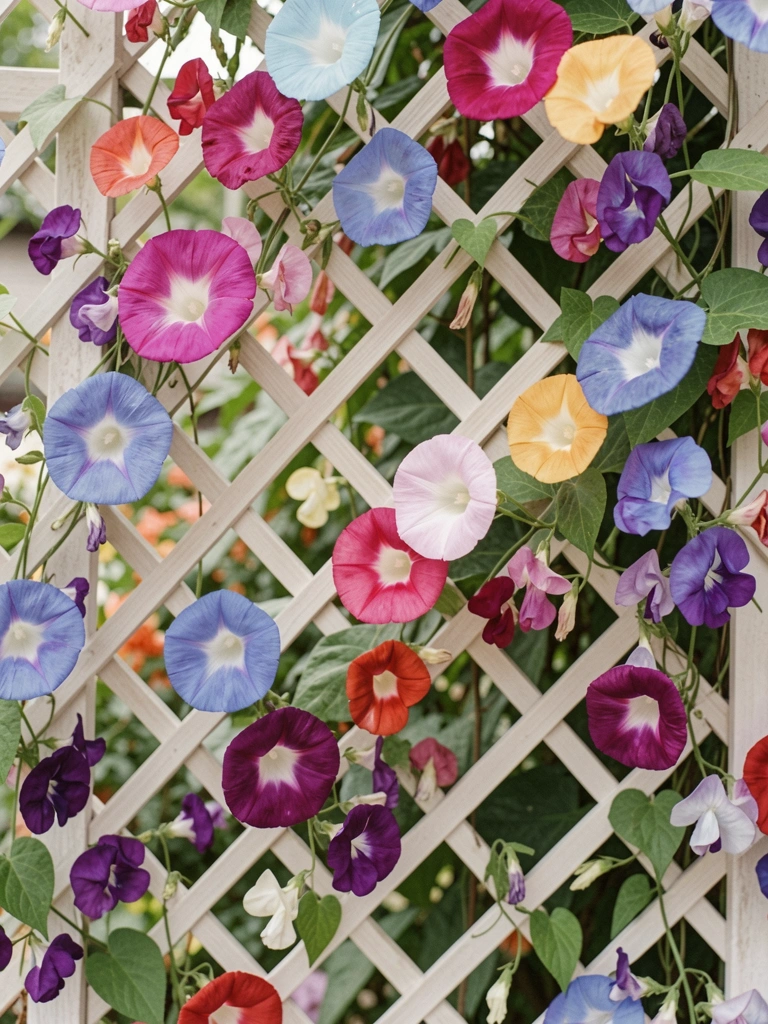
When I wanted instant summer privacy, I used annual climbers on removable trellises. Morning glory and sweet peas filled space quickly and added color.
They don’t last, but they’re cheap and flexible. I learned to plant a few evergreens behind them to avoid winter gaps.
This is one of my favorite stop-gap solutions—useful for parties or testing sightline ideas before committing.
What You’ll Need for This Look
- Lightweight wooden or metal trellis panels
- Morning glory, sweet peas, or other annual climbers
- Fast-draining potting mix or garden soil
- Garden twine and seed starter
11. Mixed Shrub Border with Ornamental Grasses for Movement
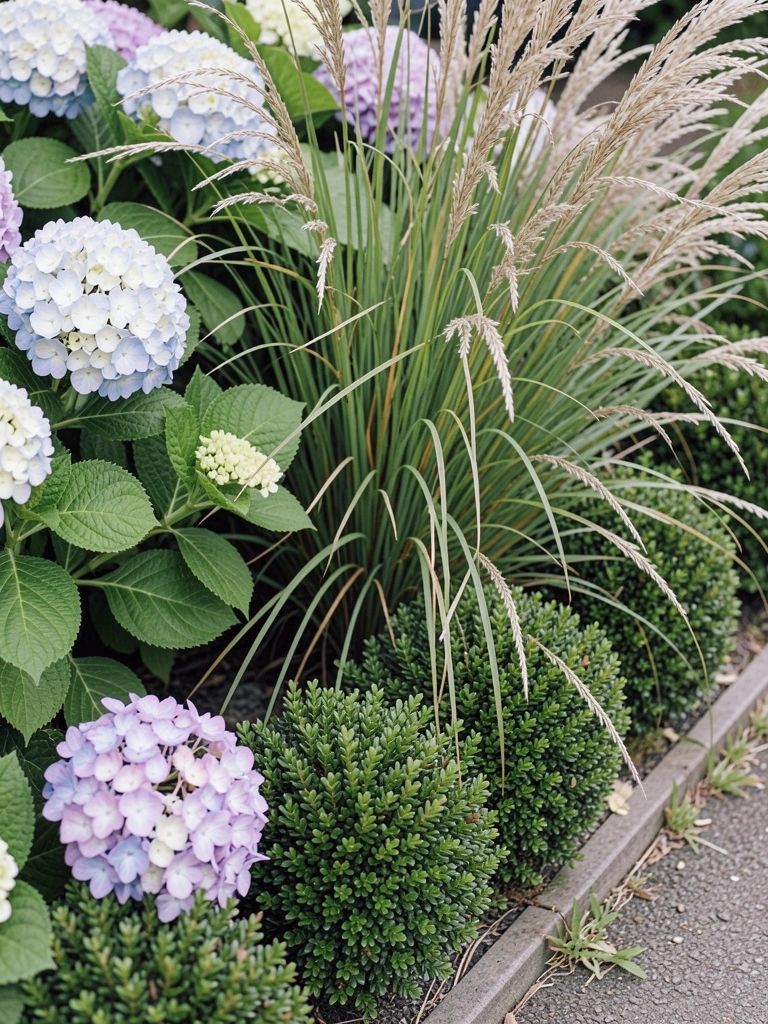
I layered shrubs with ornamental grasses along a boundary. The shrubs give bulk; the grasses add movement and privacy without heaviness.
In winter the grasses keep form and interest. I forgot to stagger bloom times once and had a quiet mid-season—now I choose overlapping bloom periods.
This border reads soft and natural. It muffles sound and looks deliberate without needing constant grooming.
What You’ll Need for This Look
- Hydrangea or similar flowering shrub
- Miscanthus or maiden grass (clumping)
- Low evergreen groundcover (boxwood)
- Organic mulch
12. Modular Metal Panels with Climbing Plants for a Modern Look
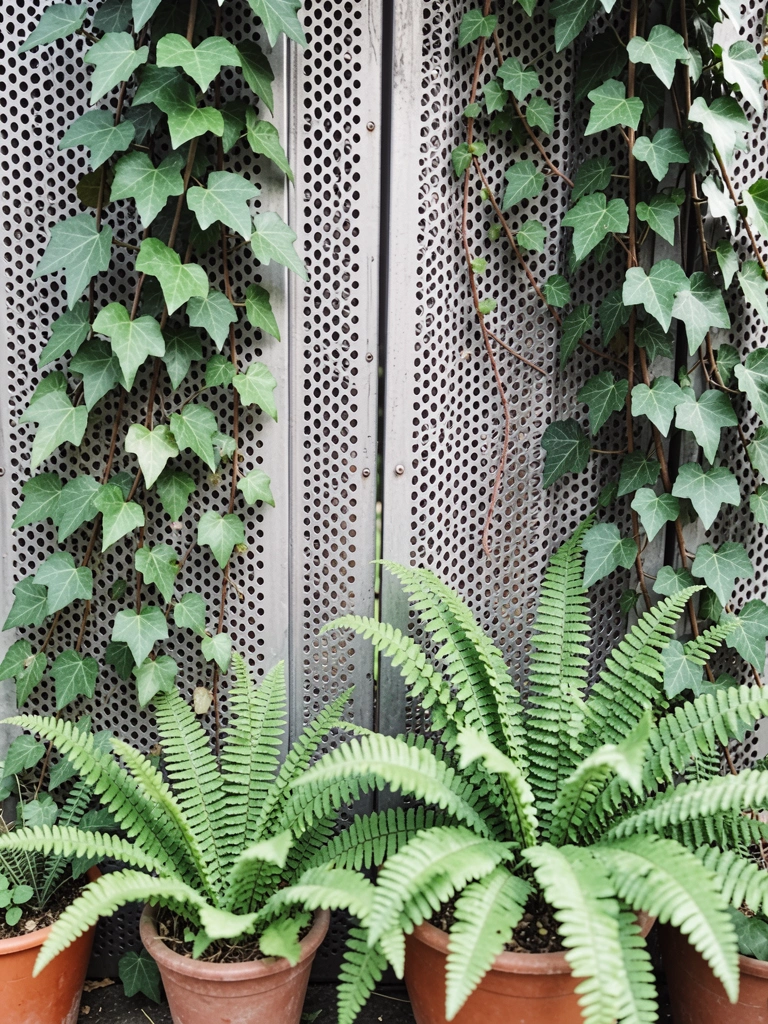
I added decorative metal panels to a fence and trained ivy to climb them. The contrast of clean metal and soft foliage looks modern and grounded.
Panels are sturdy and simple to install. I had one with too-large holes and seedlings fell through—choose sizes wisely.
They create visual interest and privacy without needing tall plants. Add a few pots at the base and it reads complete and intentional.
What You’ll Need for This Look
- Decorative metal privacy panels
- Climbing ivy or trumpet vine
- Heavy-duty brackets and screws
- Large pots for base plantings
13. Dense, Multi-Layered Planting to Reduce Street Noise
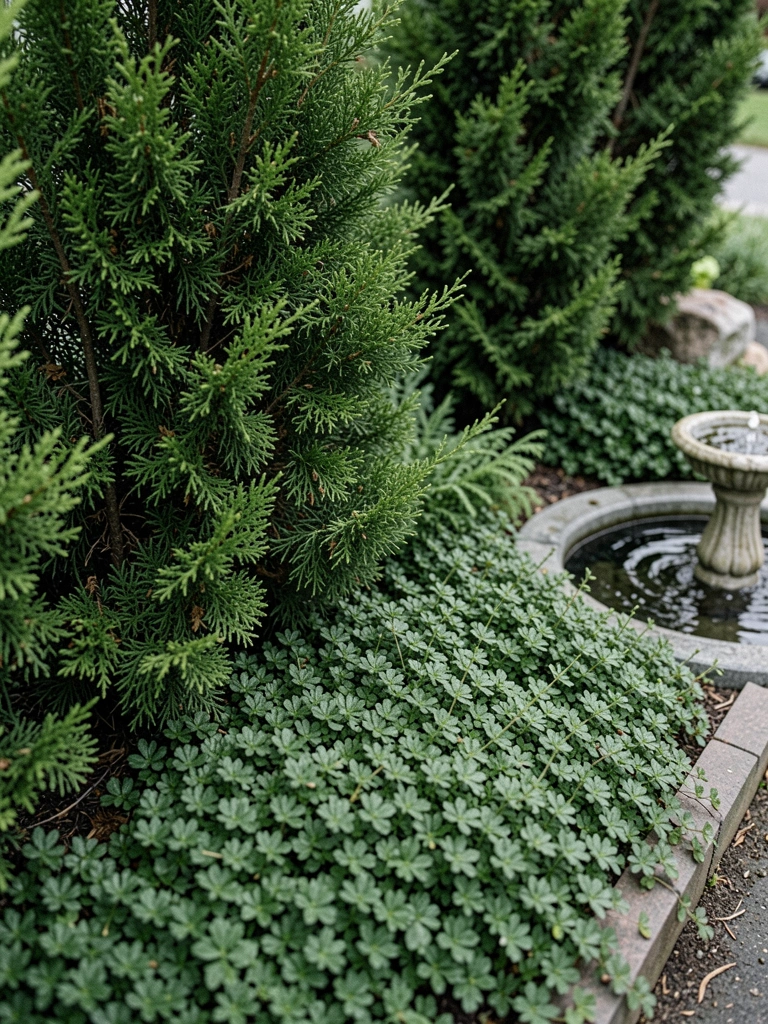
I planted a dense mix—evergreen shrubs, deciduous understory, and groundcover—to soften street noise. The layered stems and leaves actually absorb and scatter sound.
It took a season to thicken. I once left a bare strip at the base and the noise slipped through—always cover the lower layer.
Adding a small fountain helped too. The planting feels private and calm, not formal.
What You’ll Need for This Look
- Dense evergreen shrubs (yew, holly)
- Lower understory shrubs and groundcover
- Small outdoor fountain or water bowl
- Sound-dampening mulch
14. Grouped Potted Trees for a Deck That Feels Enclosed
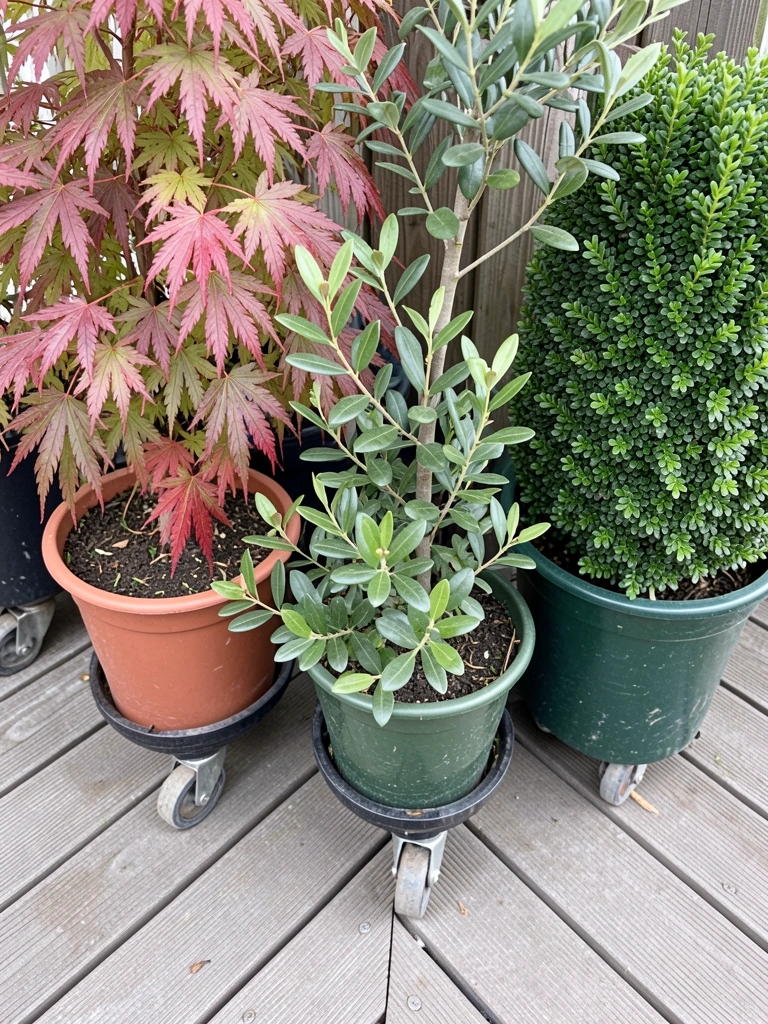
I cluster potted trees on my deck to create height and shade. Japanese maple and dwarf olives give privacy and color. I once used heavy pots without castors and regretted moving them—so I swapped to lighter containers.
Pots let me rearrange and take plants inside in cold snaps. Grouping three to five pots makes a compact grove that reads like a small yard.
Watch weight limits and pick proper containers. It’s instant enclosure with flexibility.
What You’ll Need for This Look
- Potted Japanese maple or dwarf tree
- Medium to large lightweight planters (with relief holes)
- Plant castors or trays
- Premium potting mix
15. Water Feature Backed by Planting for Acoustic and Visual Privacy
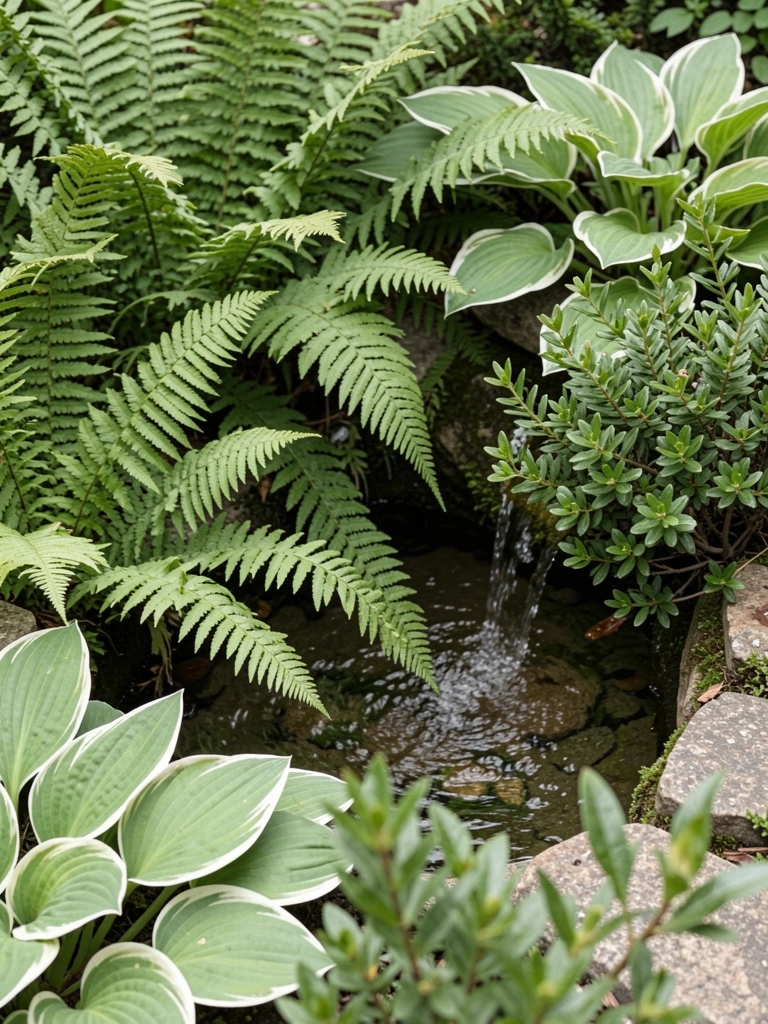
I installed a small bubbling fountain tucked behind shrubs to mask road noise and create a private nook. The water sound blends with leaves and makes the space feel enclosed.
At first my pump was too loud; I swapped to a quieter model. That adjustment made all the difference.
Surround the feature with dense planting for secrecy. It’s cozy and practical when you want sound and sight privacy together.
What You’ll Need for This Look
- Pondless fountain kit or small pump
- Quiet submersible pump (low-decibel)
- Ferns, hostas, and low shrubs
- River stones and liner
Final Thoughts
You don’t need to try all of these. Pick one or two that fit your yard and mood.
Start small. Learn as you go. Gardens change—so will your privacy.
Done right, a private backyard feels like a room you can breathe in.