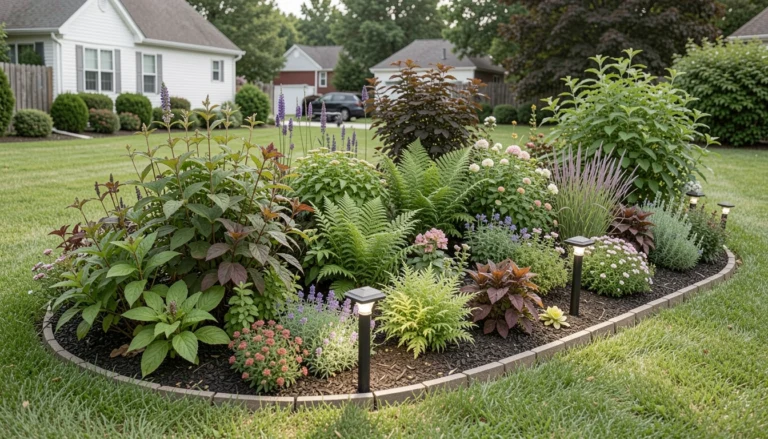
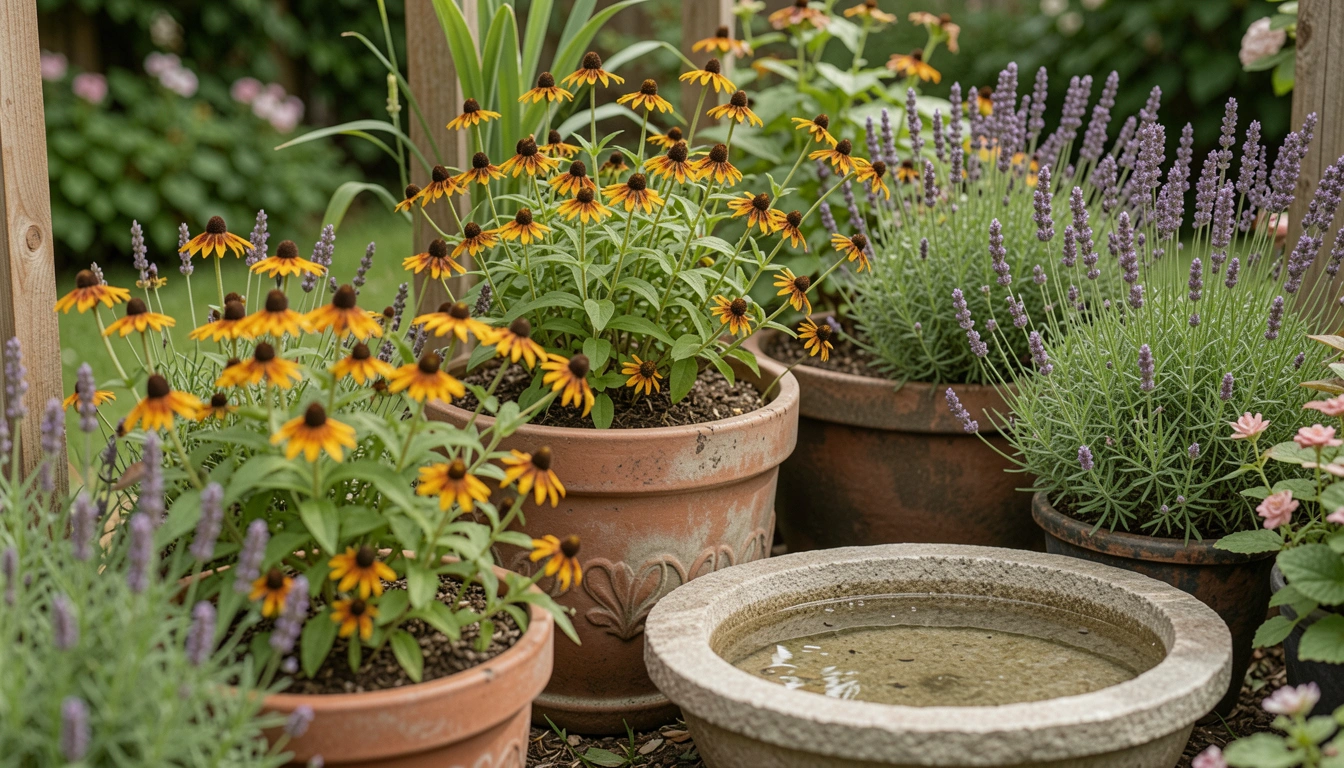
14 Luxury Butterfly Garden Design
I finally stopped trying to make my butterfly patch look like a showroom.
I kept the messy bits and focused on what butterflies actually use.
What I learned was more about plant choice and placement than fancy decor.
These ideas are things I’ve planted, ruined, and planted again. They’re simple to copy and feel intentional.
14 Luxury Butterfly Garden Design
These 14 ideas are practical, garden-tested ways to give your space a luxe, butterfly-friendly feel.
I include planting notes, the mistakes I made, and exactly what to buy.
You’ll get 14 clear, real ideas to try in your garden.
1. Layered Container Planting That Makes a Patio Feel Full
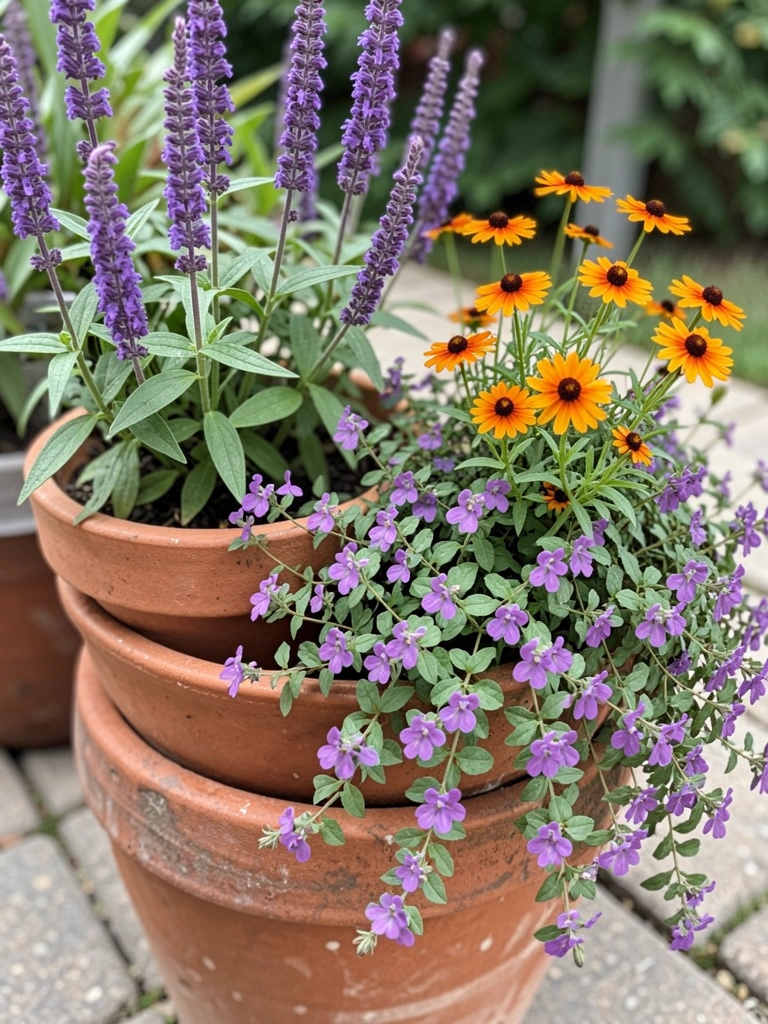
I filled mismatched pots to create a compact butterfly oasis.
Tall stems at the back, mid-height nectar plants, and trailing flowers at the edge pulled it together.
At first I planted everything the same size. It looked flat. Layering fixed that instantly and drew more butterflies to the railing.
Pay attention to drainage and pot size. Bigger pots mean longer bloom cycles and less watering.
What You’ll Need for This Look
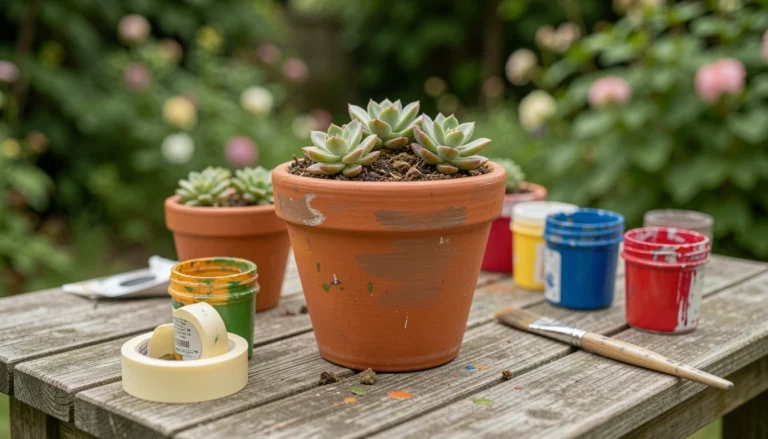
- Terracotta planter set (12–18 inch)
- Tall stakes for support
- Potting mix, well-draining
- Lavender, salvia, lobelia
2. Scented Night-Blooming Border for Evening Butterflies
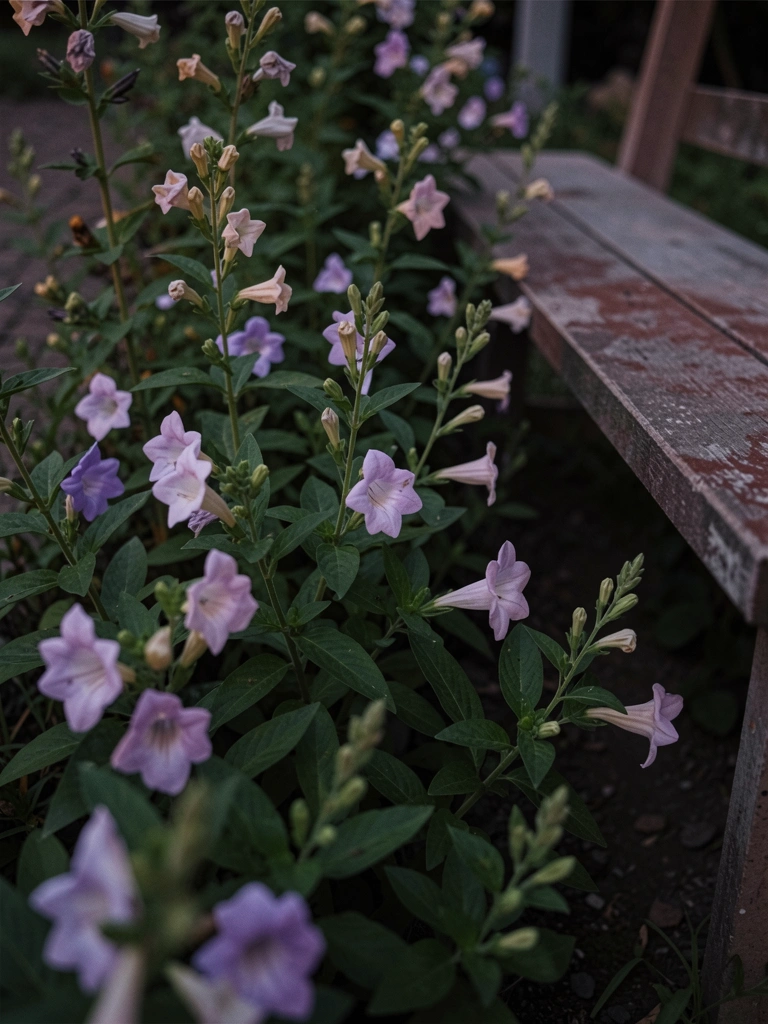
I created a narrow border along a path with night-scented flowers.
Moths and evening-flying butterflies arrived within weeks. The scent pulls them in after dusk. I forgot to add low contrast lighting at first, so the corner felt unused. Once I added warm solar uplights, the space invited me too.
This is about scent and subtle light. Keep plants close to the edge so insects can find them easily.
What You’ll Need for This Look
- Nicotiana, night-scented stock
- Warm white solar uplights
- Narrow bed edging (natural stone)
- Organic mulch
3. Ornate Nectar Stations with Sculptural Bowls
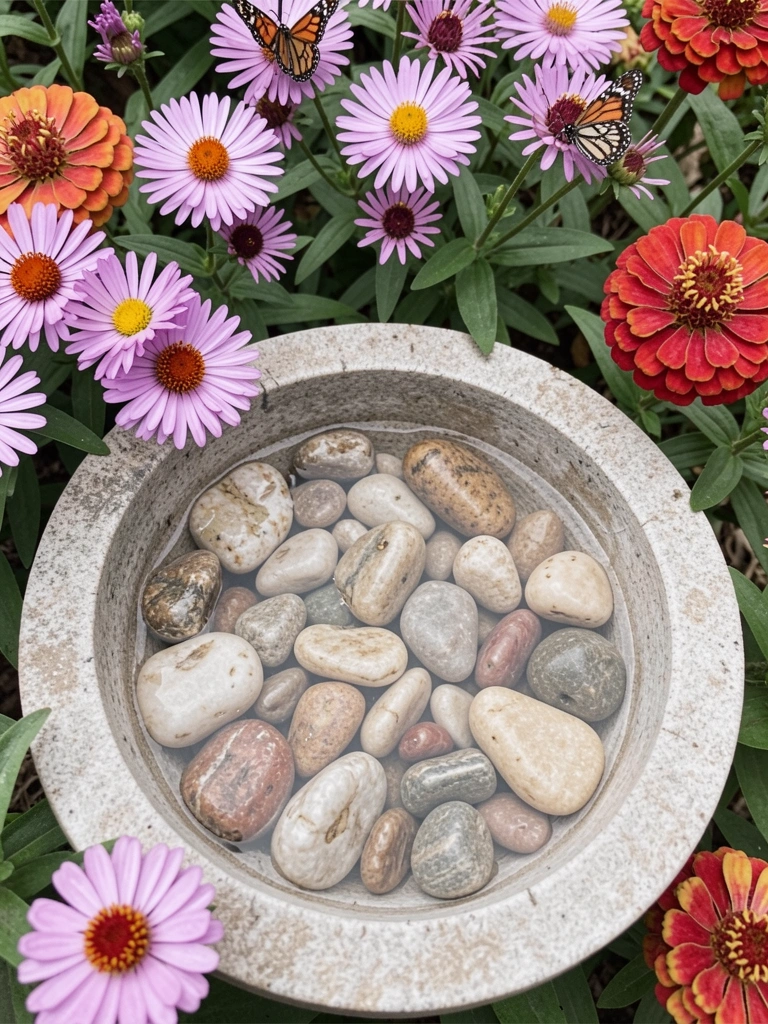
I set out low stone bowls for butterflies to sip from damp sand and water.
They prefer shallow basins they can perch on. I once used deep planters and watched butterflies avoid them. The shallow bowls became focal points and the butterflies landed on the rim like tiny sculptures.
Group bowls with a mix of nectar plants nearby so they don’t fly far between food and water.
What You’ll Need for This Look
- Shallow stone or concrete bowl (10–16 inch)
- Smooth pebbles, damp sand
- Asters, zinnias, cone flowers
4. Luxe Meadow Patch with Native Grasses
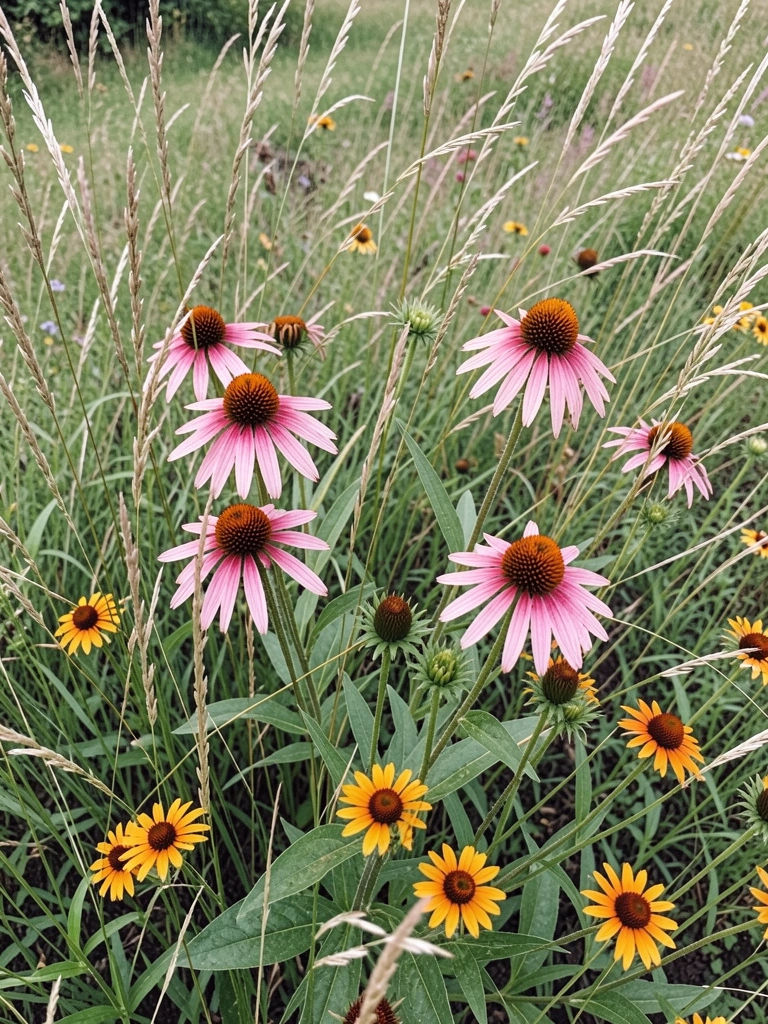
I let a section of lawn go wild and planted a few natives.
Within a season it looked intentionally relaxed. Butterflies used the grassy stems for shelter and the perennials for nectar. My mistake was over-planting too close; seedlings crowded each other. Thinning gave each plant room to flower.
This is low-maintenance if you pick true natives and tolerate a bit of rumple.
What You’ll Need for This Look
- Native grass plugs (switchgrass, little bluestem)
- Echinacea, Monarda (wild bergamot)
- Meadow seed mix for butterflies
5. Mediterranean Terrace with Potted Lavender Drifts
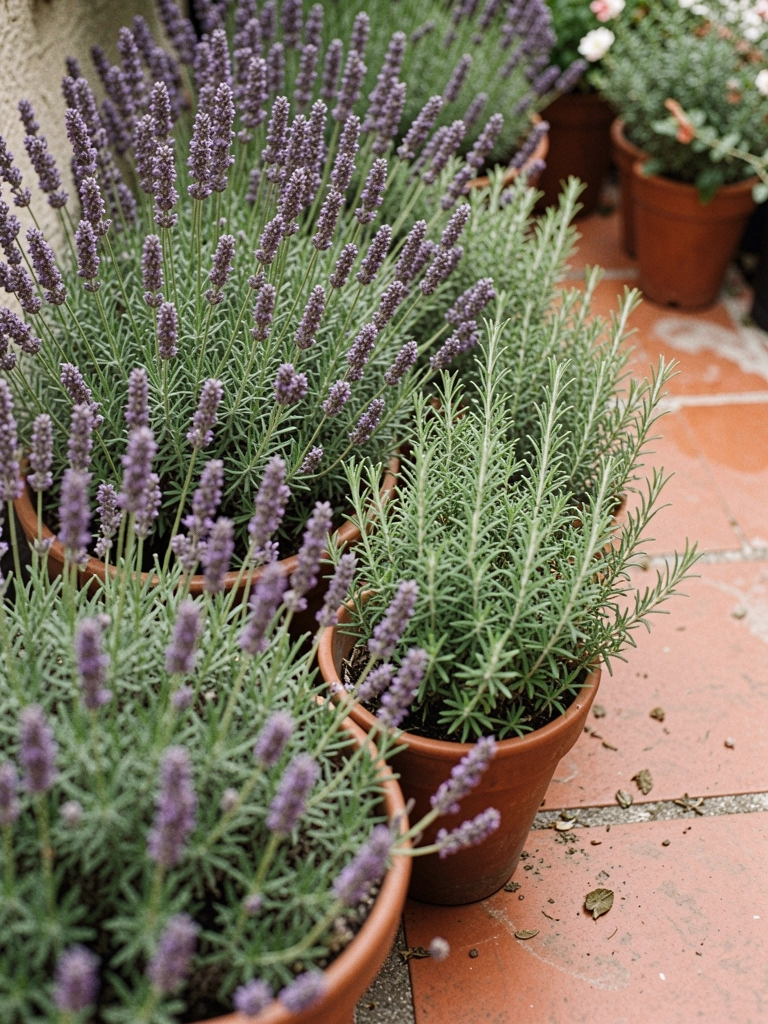
I lined my terrace in terracotta pots and filled them with lavender and rosemary.
The constant blooms attract plenty of butterflies. I misjudged sun exposure once and had leggy plants. Moving pots a few feet solved that. The scent and the neat rows give a restrained, luxurious feel without fuss.
Pots heat up in sun, so choose drought-tolerant Mediterranean plants and larger containers for stability.
What You’ll Need for This Look
- Terracotta pots (14–20 inch)
- English lavender, rosemary, thyme
- Drip irrigation tubing (1/4 inch)
6. Pollinator-Friendly Water Feature with Shallow Basins
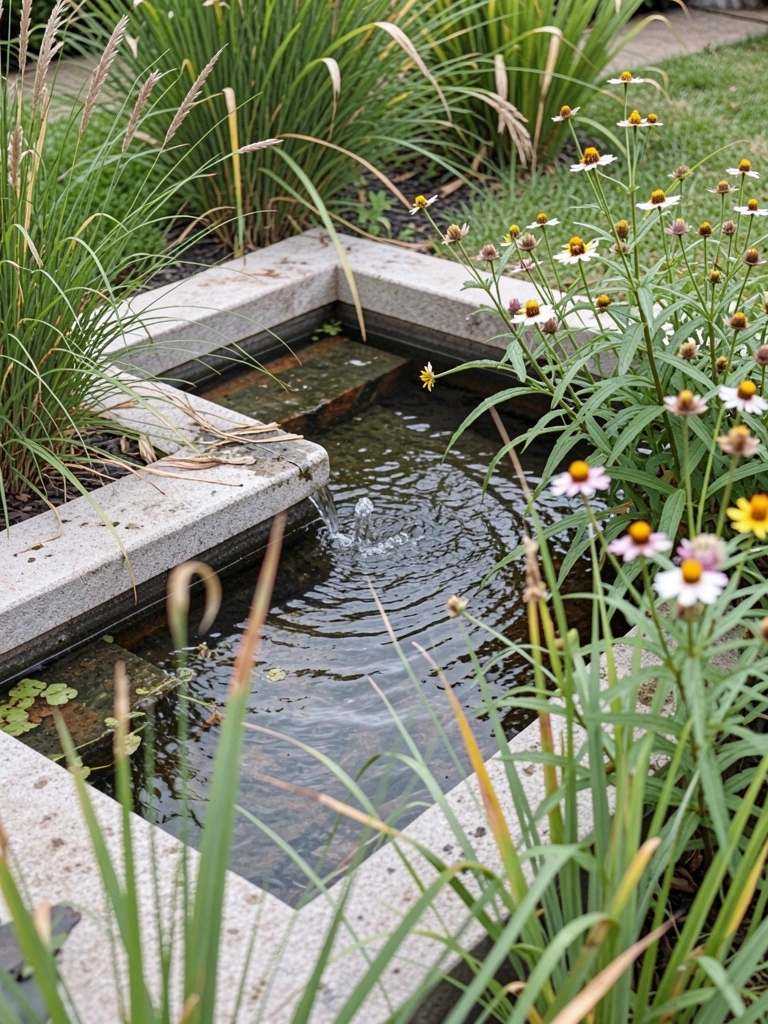
I installed a small recirculating feature with shallow steps.
Butterflies used the edges to puddle while dragonflies used the deeper center. My first version was too deep and needed constant cleaning. The stepped shallow design keeps water fresh and gives more landing spots.
Position it in sun where the water warms slightly. Add native plants close by for cover.
What You’ll Need for This Look
- Small recirculating fountain kit
- Shallow stone basins
- Sedges, milkweed, blue mist flower
7. Secret Seating Nook Surrounded by Milkweed
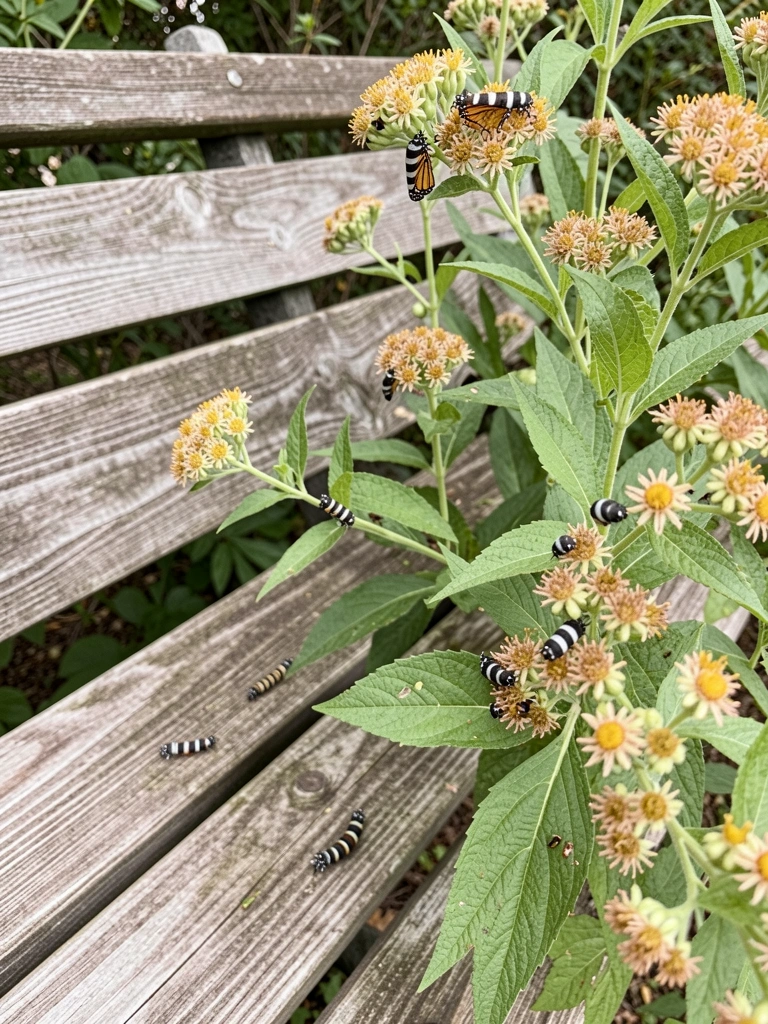
I carved a bench nook into a dense planting of milkweed and butterfly bush.
It became my favorite place to watch caterpillars grow. I once pruned the milkweed too early and lost a clutch of caterpillars. Now I prune late and leave stems for overwintering.
The seat feels private and full of life. Expect a bit of mess from leaves and chrysalis cases.
What You’ll Need for This Look
- Bench (treated hardwood)
- Common milkweed plugs
- Butterfly bush (compact variety)
- Small hand pruners
8. High-Contrast Planting for Visual Drama
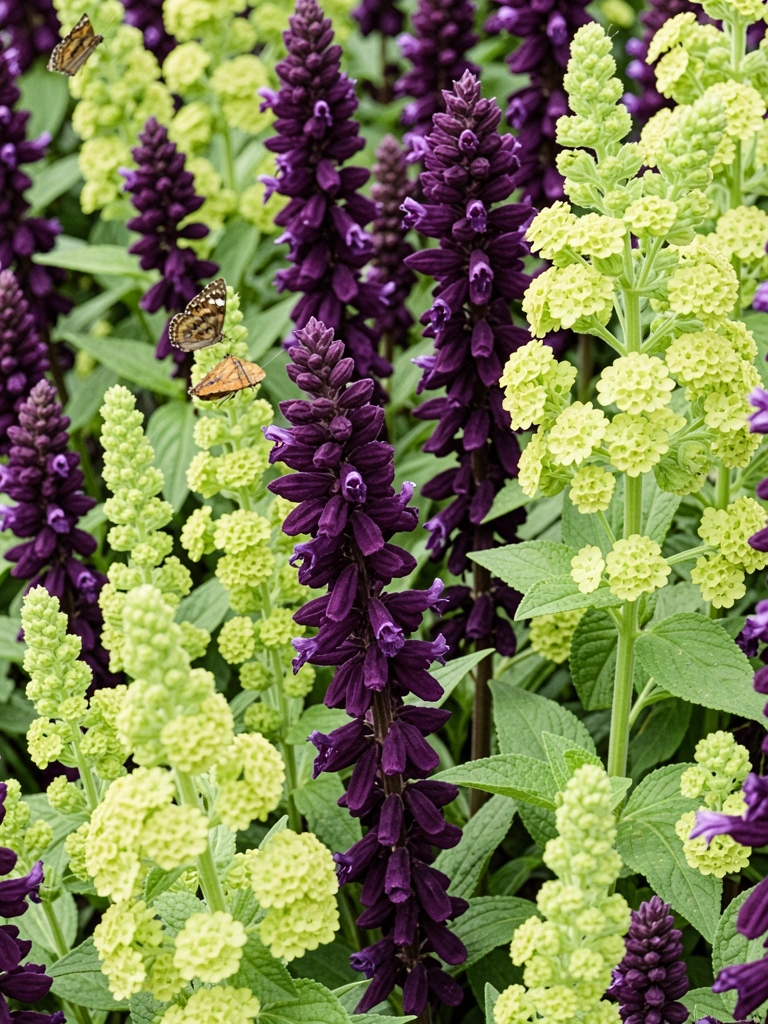
I planted dark purple and bright yellow-green plants together to create a rich backdrop.
Butterflies seem to find the contrast quickly. Early on I chose colors that clashed with the house. Adjusting tones to match hardscape made the beds read as intentional and luxe.
Contrast doesn’t mean many species; pick two or three repeating colors and stick with them.
What You’ll Need for This Look
- Deep purple salvia
- Chartreuse euphorbia or santolina
- Mulch in dark color (brown or black)
9. All-Season Bloom Sequence Plan
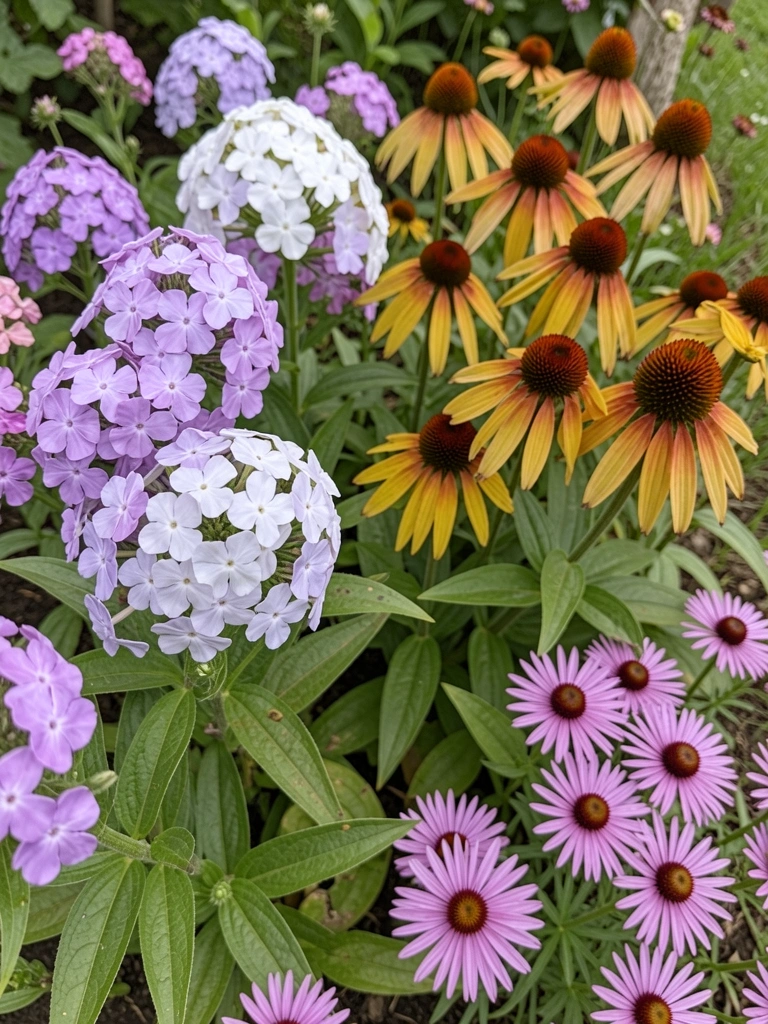
I sketched a timeline and planted for continuous nectar from spring to fall.
Seeing butterflies in every season felt like a small success. I initially forgot to include late asters and missed October visits. Adding a few late bloomers fixed the gap and doubled the butterfly traffic late in the year.
Think in blocks: early, mid, late season. Repeat key plants for concentrated feeding.
What You’ll Need for This Look
- Early bulbs (allium, crocus)
- Summer coneflower, bee balm
- Late asters, sedum
10. Raised Mineral Beds with Rocky Soil
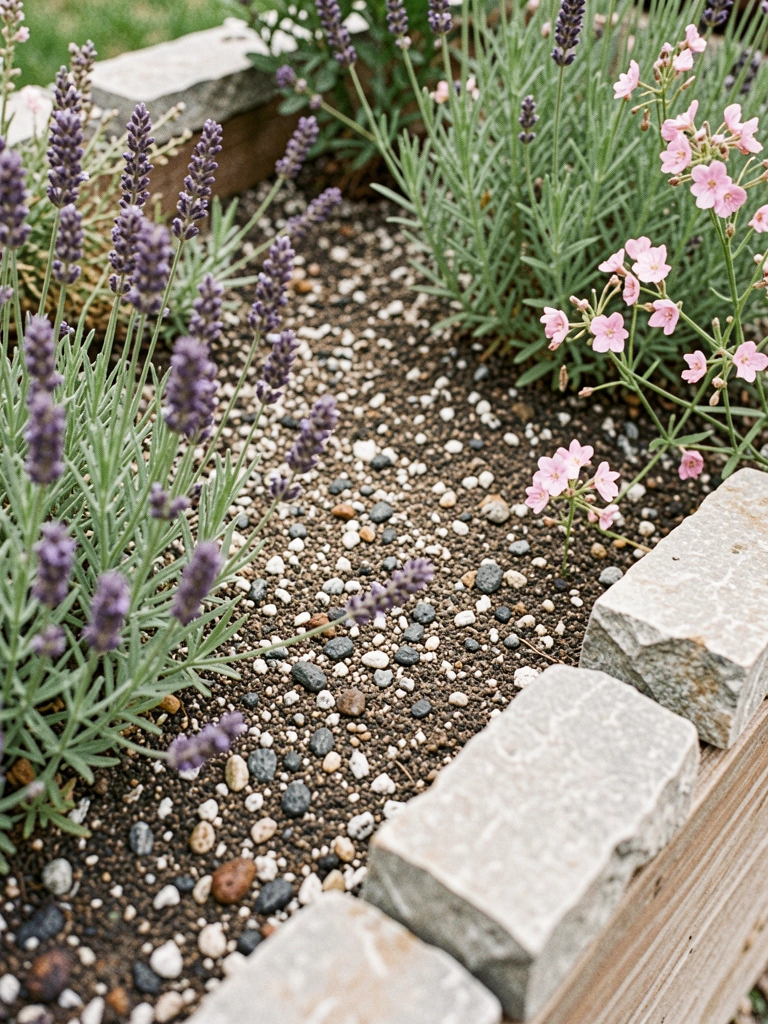
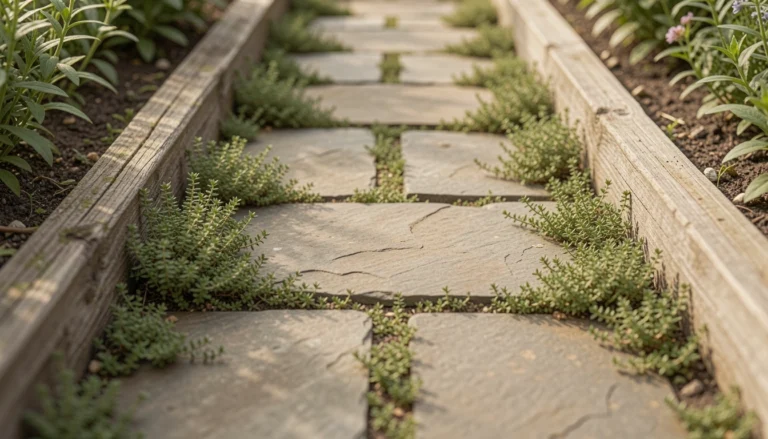
I built shallow raised beds and mixed in gritty mineral soil.
Mediterranean and prairie plants liked it and rewarded me with longer bloom. My first beds held too much organic matter and stayed wet. Switching to a mineral mix solved root rot and made planting easier.
These beds feel deliberate and suit a minimal, high-end palette.
What You’ll Need for This Look
- Raised bed kit (cedar)
- Mineral-based planting mix (grit added)
- Gaura, lavender, prairie verbena
11. Color-Blocked Beds to Attract Specific Species
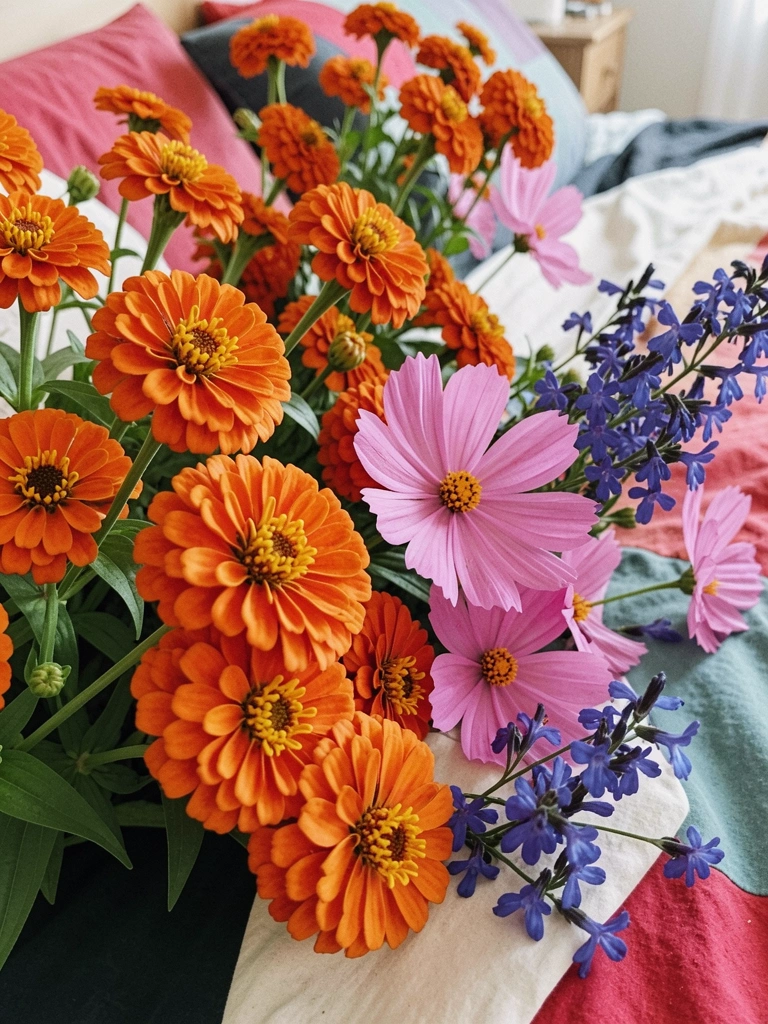
I planted swathes of single colors to test which attracted which butterflies.
Orange zinnias pulled in swallowtails. Pink cosmos brought in small fritillaries. I once mixed too many colors and couldn’t tell what worked. Color-blocking showed clear results and made the beds look organized and lux.
Use repetition and massing. It reads intentional and brings focused feeding areas.
What You’ll Need for This Look
- Zinnia seeds (dwarf or tall depending)
- Cosmos seed packets
- Bulk soil and row markers
12. Curved Path with Low Stone Edges
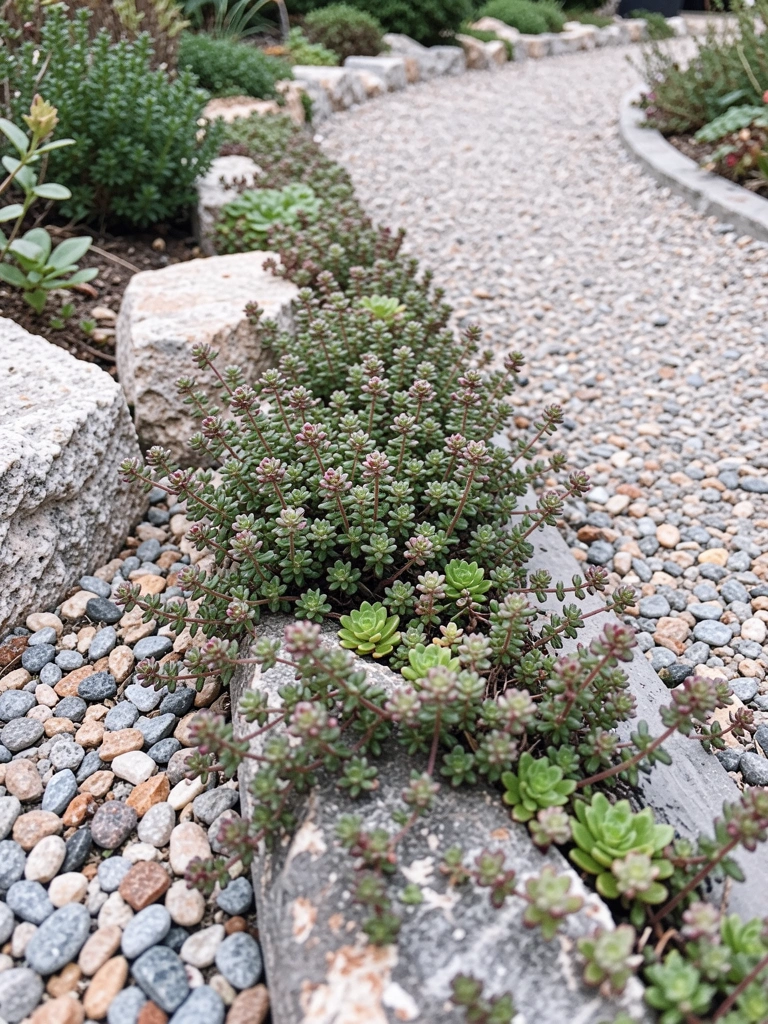
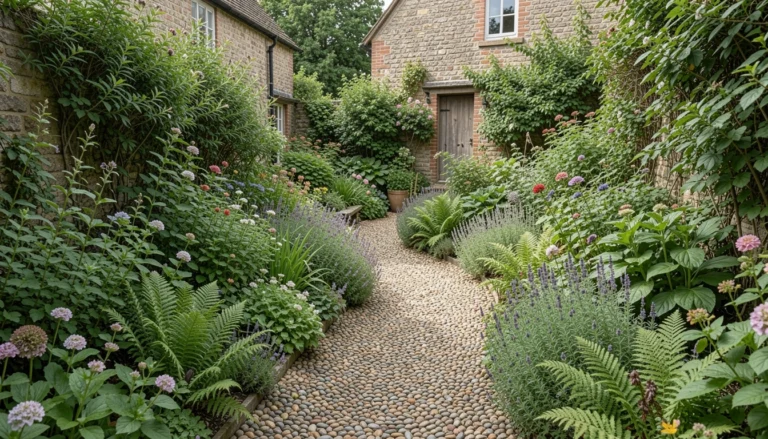
I routed a curved gravel path through my butterfly beds and edged it with stone.
The curves slow you down and create pockets for different plantings. Early on I used straight lines and missed cozy views. The new path frames vignettes and gives butterflies many landing sites near the edge.
Choose a gravel that matches your home and low edges that double as seats.
What You’ll Need for This Look
- Gravel path material (pea gravel or decomposed granite)
- Low limestone edging
- Creeping thyme, sedum
13. Vertical Butterfly Wall with Planters
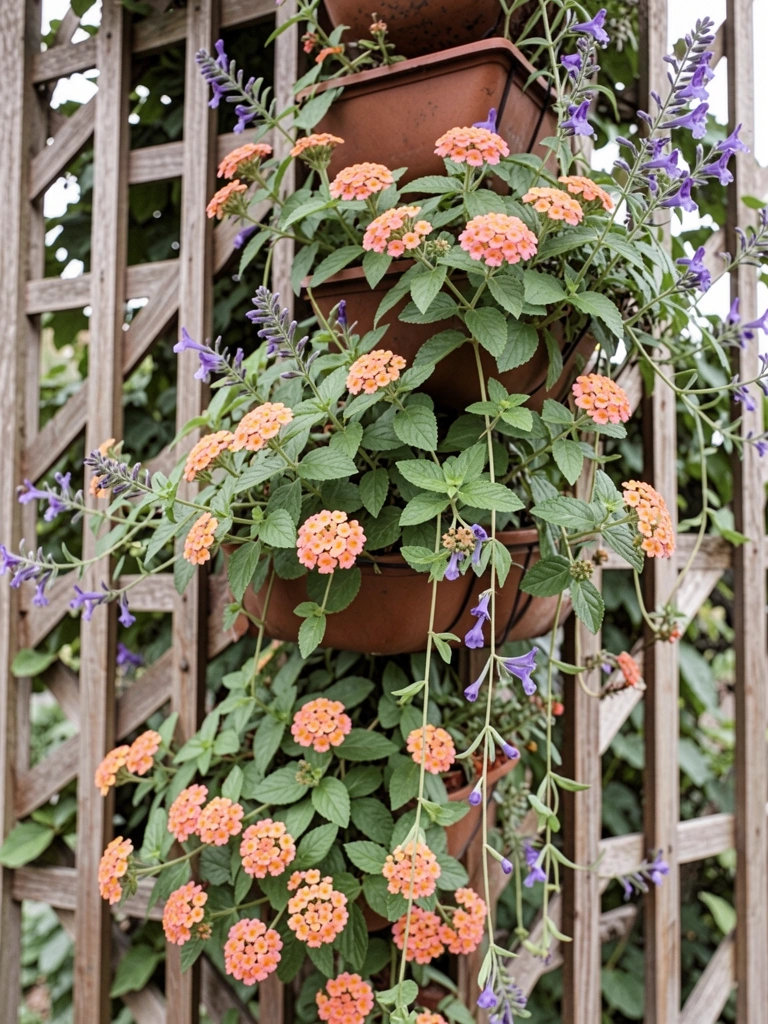
I mounted staggered planters on a sunny wall to add height.
It turned a blank fence into a nectar machine. I made the mistake of crowding pots and had root-bound plants. Now I use deeper pockets and rotate them yearly. The vertical wall is a small-space luxury that still feels relaxed.
Secure mounting and a watering plan are key.
What You’ll Need for This Look
- Wall planter pockets or staggered pots
- Lantana, penstemon, trailing phlox
- Heavy-duty wall anchors
14. Night-Illuminated Garden with Warm Solar Lights
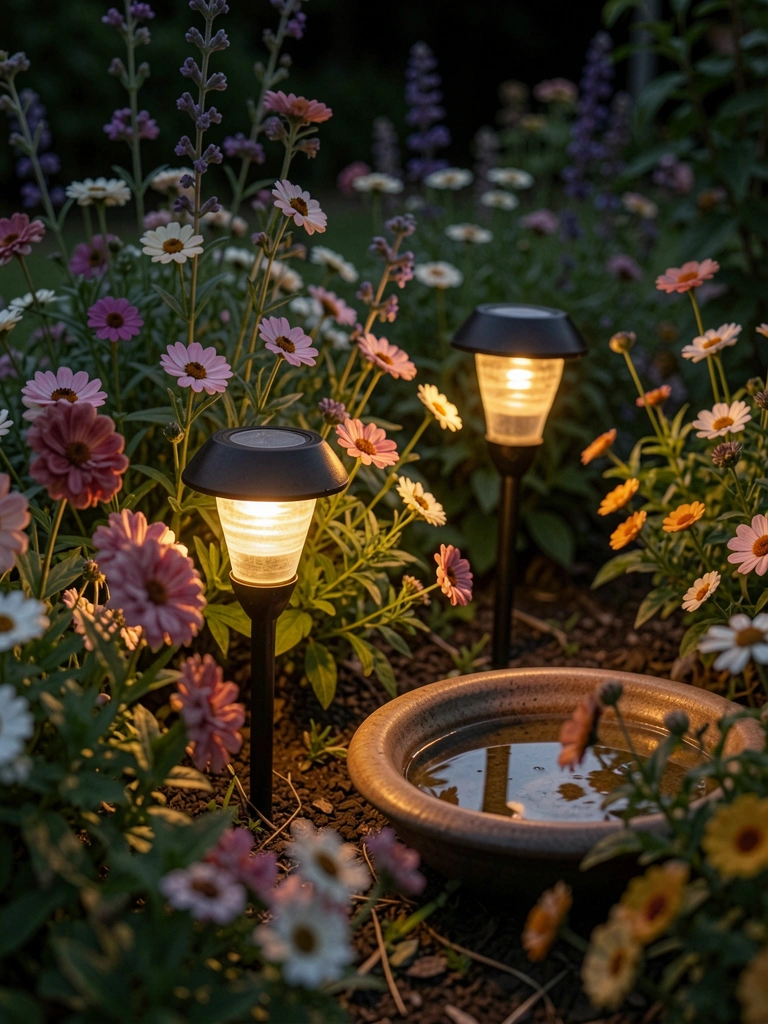
I added low warm solar lights along paths and near water.
The lights let me enjoy moths and late butterflies without bright disturbance. I tried cool white lights once and noticed fewer arrivals. Warm tones seem less intrusive and keep the mood comfortable. The lights also highlight textures after dark and extend garden hours.
Keep lights low and indirect to avoid disturbing insects.
What You’ll Need for This Look
- Warm white solar stake lights
- Dusk-to-dawn motion sensor (optional)
- Late blooming perennials (asters, sedum)
Final Thoughts
You don’t need to do every idea.
Pick one or two and plant them well.
Gardening is slow and forgiving. Start small, learn, and enjoy the butterflies.