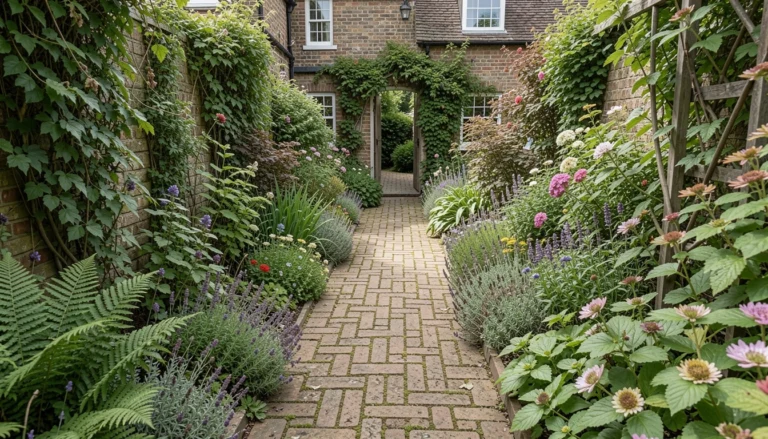
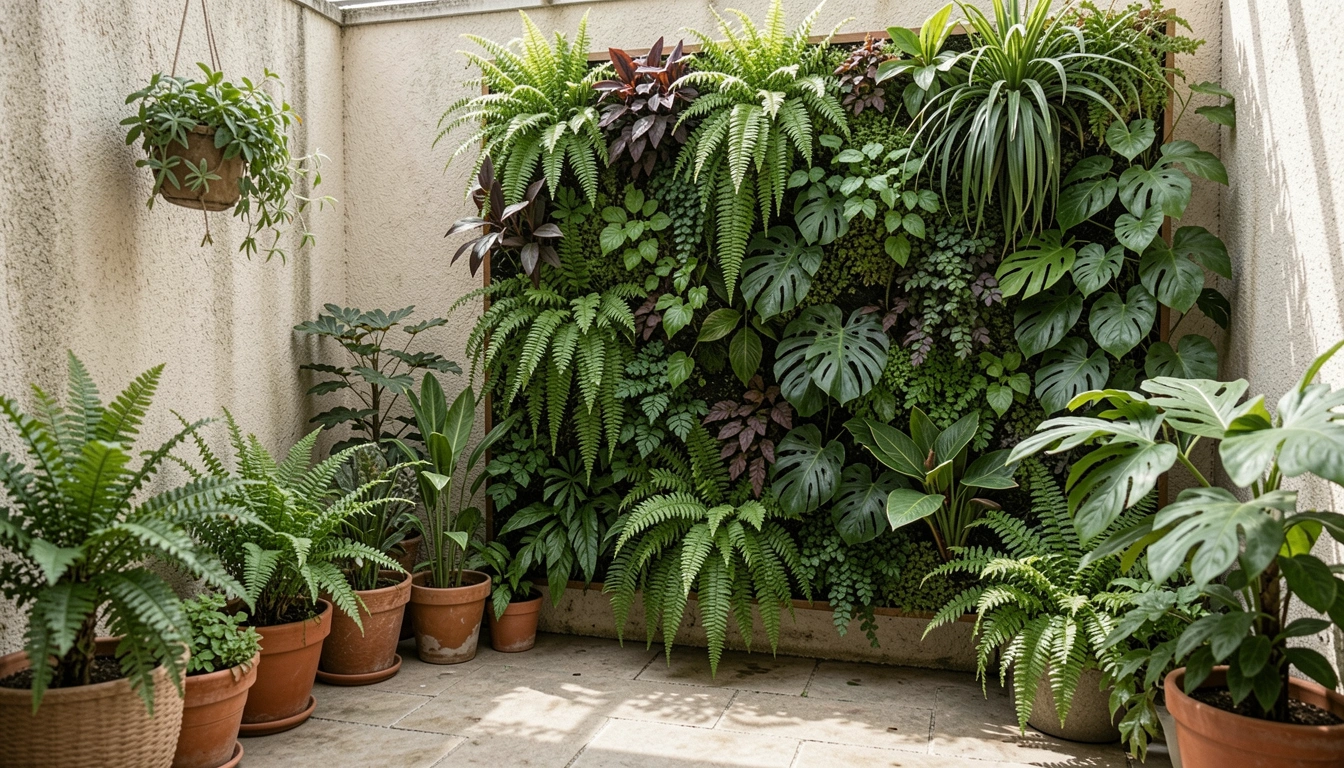
How to Create Vertical Garden on Patio
I stood on my patio one spring and felt the wall was empty. It made the whole space feel unfinished. I wanted height and softness without clutter.
I kept moving pots around until a pattern felt right. That’s the starting point I’ll show you—how to make the wall read like the rest of the garden.
How to Create Vertical Garden on Patio
This shows the simple approach I use when a blank wall needs life. You’ll learn how to make vertical planting feel balanced, layered, and comfortable — not crowded or fussy.
What You’ll Need
- Cedar vertical pocket planter (medium)
- 12-inch matte black hanging pots (set of 3)
- 24-inch galvanized trough planter (shallow)
- Assorted trailing plants (golden pothos, bacopa)
- Compact foliage plants (maidenhair fern, hosta 'Roma')
- Small succulent mix (sedum varieties)
- Aromatic herb pots (thyme, rosemary)
- Low-growing groundcover (dichondra or similar)
Step 1: Read the wall and the view
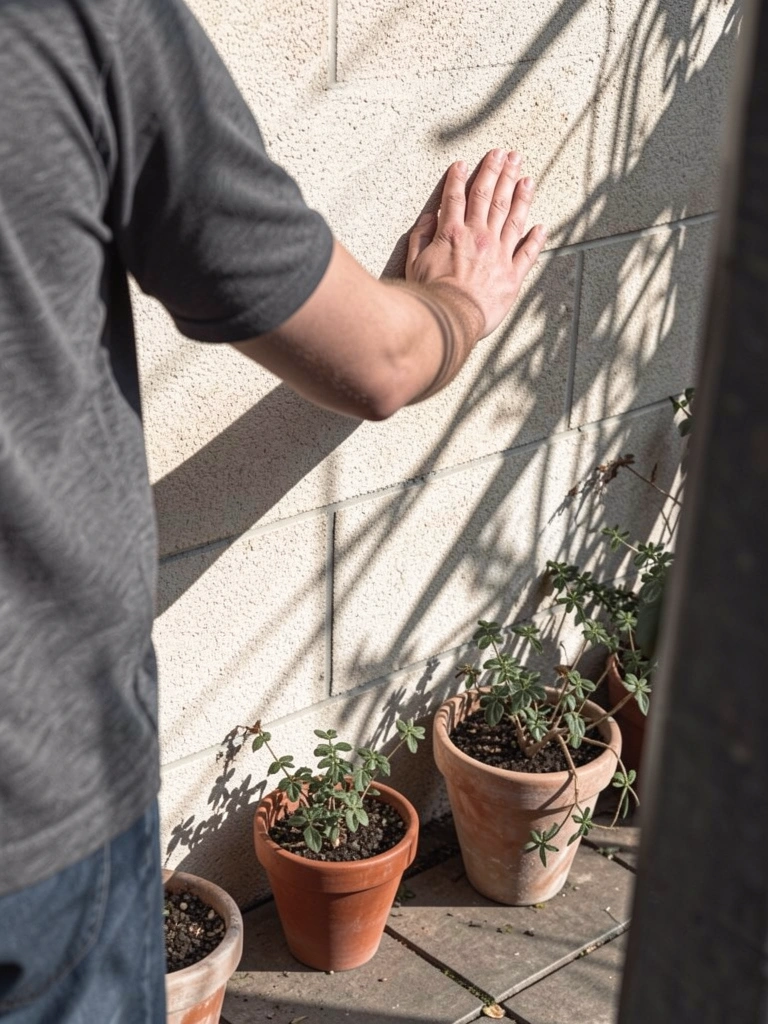
I start by standing where I sit most. I notice where my eye naturally rests, where shadows fall, and which heights are visible from the chair. That tells me where the vertical rhythm should sit.
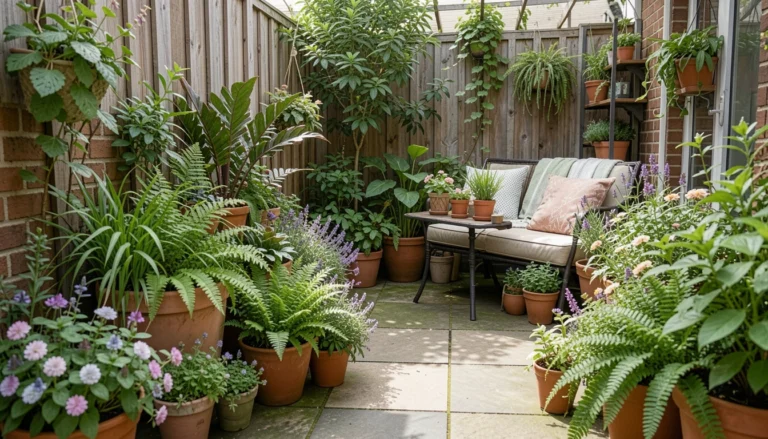
Visually, the wall stops being one flat plane. It becomes zones: eye level, upper anchor, and low filler. I then plan plant groupings to suit those zones.
People often miss the seated sightline. A common mistake is packing the top while ignoring the middle where you actually look.
Step 2: Pick one strong anchor and repeat it
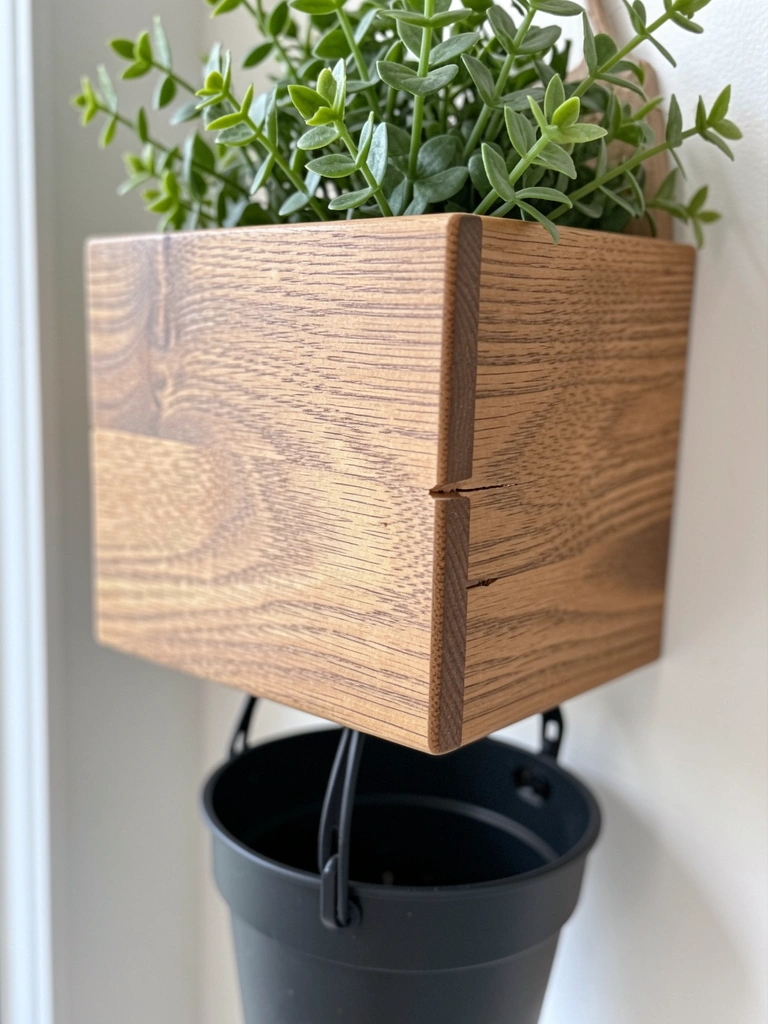
I choose a single anchor—a cedar pocket or a wide trough—and place it where the wall needs weight. I then repeat a smaller element, like the matte black pots, to create rhythm.
That single anchor gives the whole composition a home. Repeating shapes or colors ties things together so the wall reads as one piece.
People underestimate the power of repetition. The mistake I made early on was using too many different containers; it felt chaotic.
Step 3: Layer with depth, not just height
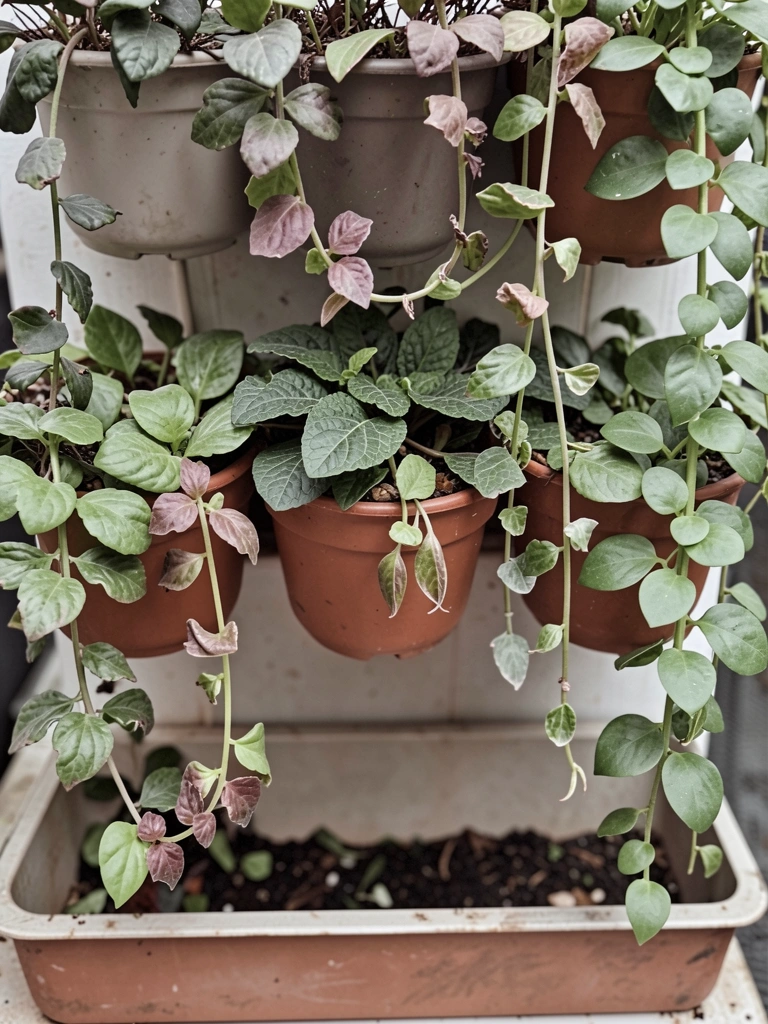
I stagger planters so some sit close to the wall and others nudge forward. The depth catches light and shadow and makes the garden feel like a living tapestry.
You’ll see immediate visual change: the wall gains texture and pockets of green that draw the eye up and down. It’s more interesting than a flat row.
Many gardeners crowd every inch. A quick misstep is filling every pocket; leaving small gaps gives each plant space to show its shape.
Step 4: Place plants for movement and balance
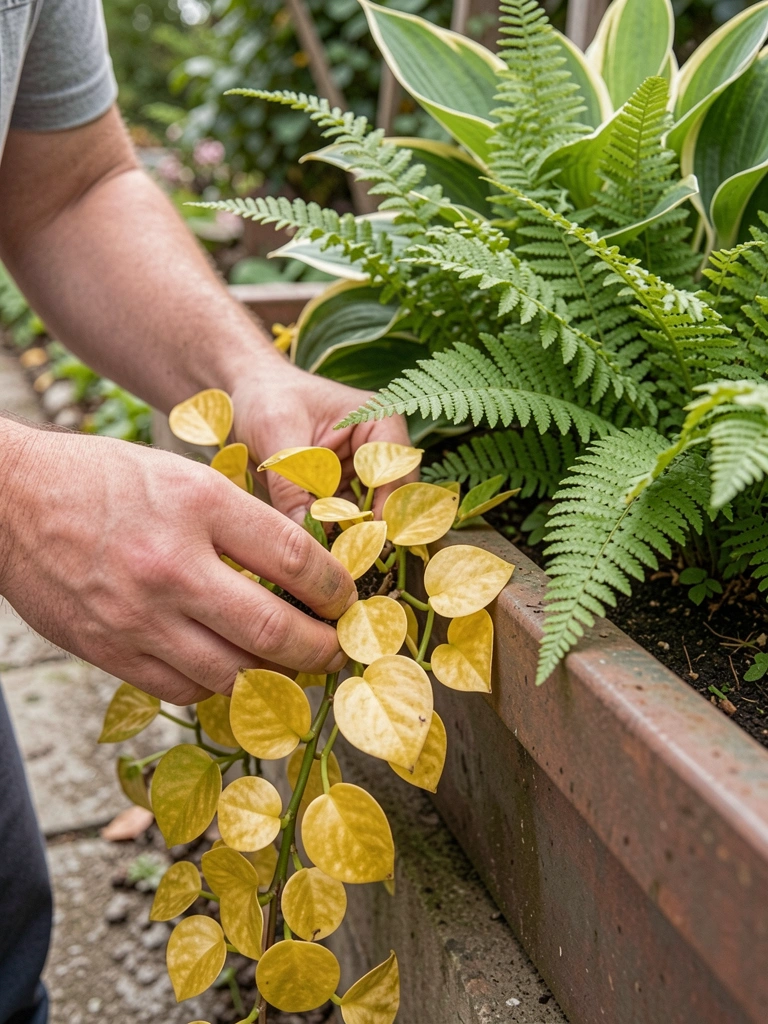
I put trailing plants on edges, upright forms in the middle, and small rosettes or succulents in tight pockets. That creates movement: drapes, spikes, and points.
Visually, this gives a clear foreground and background. Colors and textures repeat in small clusters so the eye travels comfortably across the wall.
A useful insight: repeat at least one plant three times to unify the composition. Avoid planting all tiny plants together—they get lost and look thin fast.
Step 5: Live with it and nudge gently
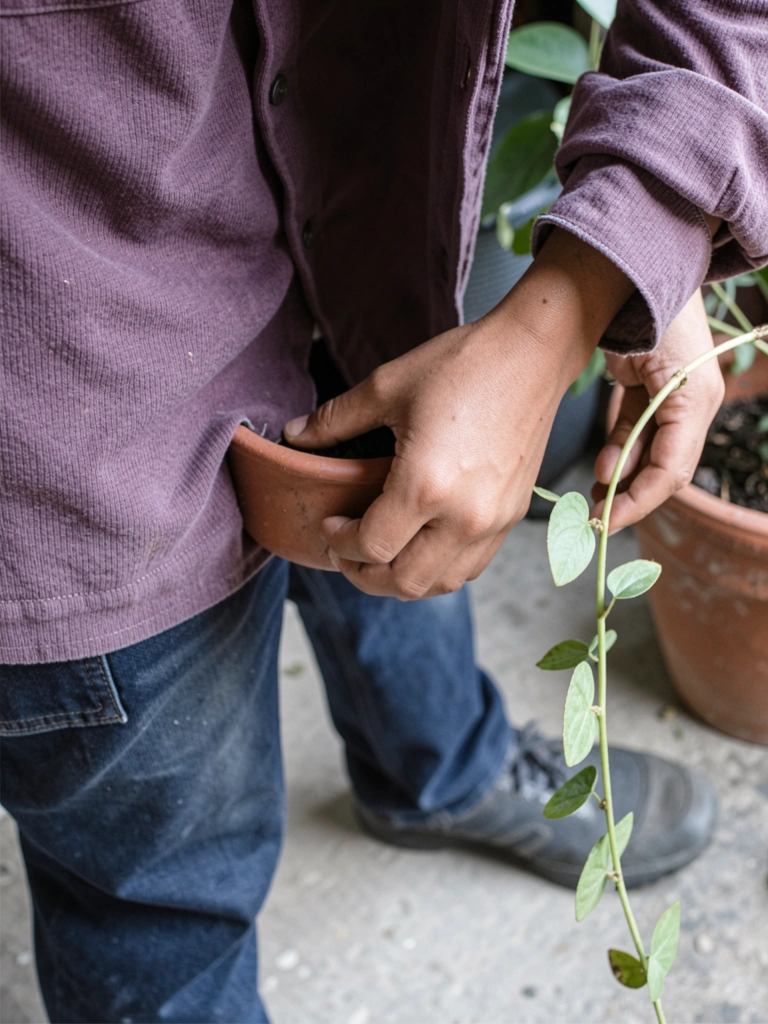
After the first week, I walk by and move things. A pot shifts. A trailing vine needs clipping for balance. These small nudges make the arrangement feel settled, not fixed.
What changes visually is subtle: a fuller pocket here, a cleaner line there. The garden learns about the place as much as I do.
The insight is patience. Plants will settle and rearrange their own rhythm. The mistake is expecting a finished look on day one.
Plant Pairings That Read Well
I aim for three reads: trailing, textured foliage, and a small structural accent. That could be pothos, maidenhair fern, and a rosemary pot. Repeat one element to tie things together.
Simple combos I use:
- Trailing + bright annuals for contrast
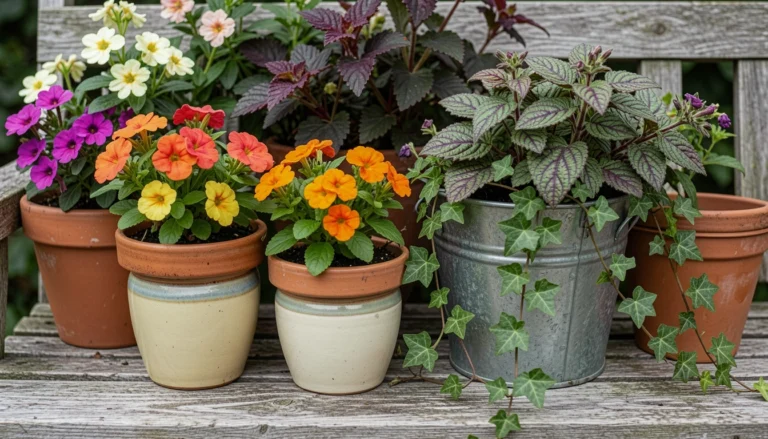
- Soft fern foliage + glossy pothos for texture
- Succulents tucked in pockets as punctuation
Mixing sizes and forms keeps things comfortable and lived-in.
Keeping It Lush Without Overdoing It
Less is often more on a vertical plane. Give each pocket room to show shape. Prune back to keep lines clear and to let key plants be seen.
I watch for crowding and remove lovesome plants when they overwhelm. A tidy, airy wall reads as intentional, not stuffed.
- Leave breathing space between groups
- Repeat colors and leaf shapes for cohesion
Seasonal Tweaks and Small Refreshes
I treat the vertical garden like a wardrobe—small swaps, not a complete overhaul. Add a few annuals for summer color. Replace tired plants in autumn with hardier foliage.
A little pruning and a couple of new accents keep the display feeling fresh. I don’t redo the whole wall; I adjust it.
Document what works from season to season. That saves time and keeps the wall feeling like yours.
Final Thoughts
Start with one anchor and one repeated element. It makes choices easier and the wall calm. Move things around until the composition reads right from where you sit.
Vertical gardens settle into a place over weeks. Little adjustments beat big overhauls. Start small, be patient, and enjoy how the wall softens the patio.