14 Mailbox Flower Bed Ideas To Boost Curb Appeal
I used to ignore the strip by the mailbox. Then I shoved in a few plants and watched it become the first hello my house gives.
Small changes made a big difference. Messy, real, and fixable.
These ideas are gutters-and-gloves simple. You can pick one and do it this weekend.
14 Mailbox Flower Bed Ideas To Boost Curb Appeal
These 14 ideas are practical and tested in real, messy gardens.
Each idea is something I’ve actually planted and lived with.
Pick one, adapt it, and you’ll see your curb feel friendlier.
1. Classic Cottage Border with Lavender and Daylilies

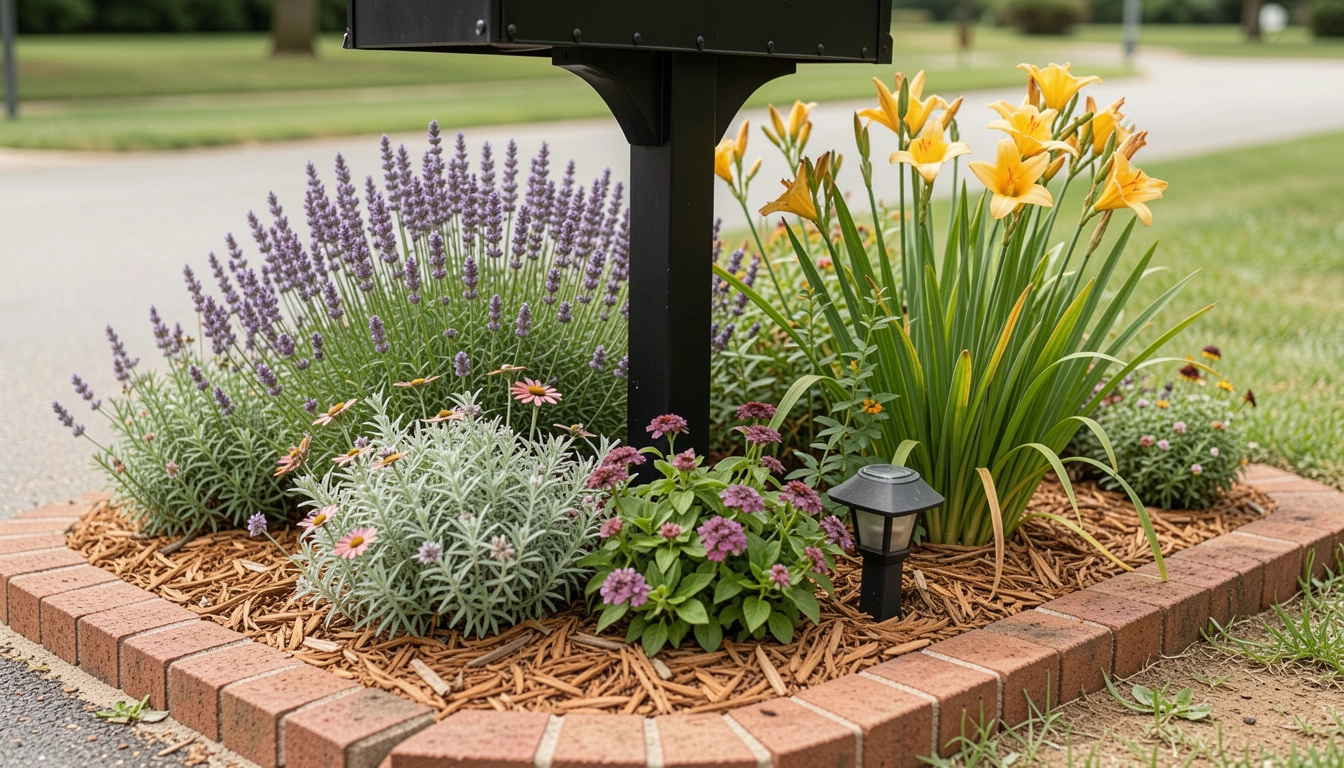
I planted lavender in front because it smells like summer and hides weeds. Daylilies give height and return even when I forget to deadhead. The mix looks like an old garden, not a staged one. I once crowded the lavender and lost a clump—spacing matters.
What changed was the steady scent and bees. I now prune lavender like clockwork and add compost each spring. It reads like a small, lived-in plot from the road.
What You’ll Need for This Look
- English lavender plants (6–8 inch)
- Daylily clumps (1–2 gallon)
- Brick edging, reclaimed
- Mulch, natural bark
2. Low Boxwood Hedge with Seasonal Annuals
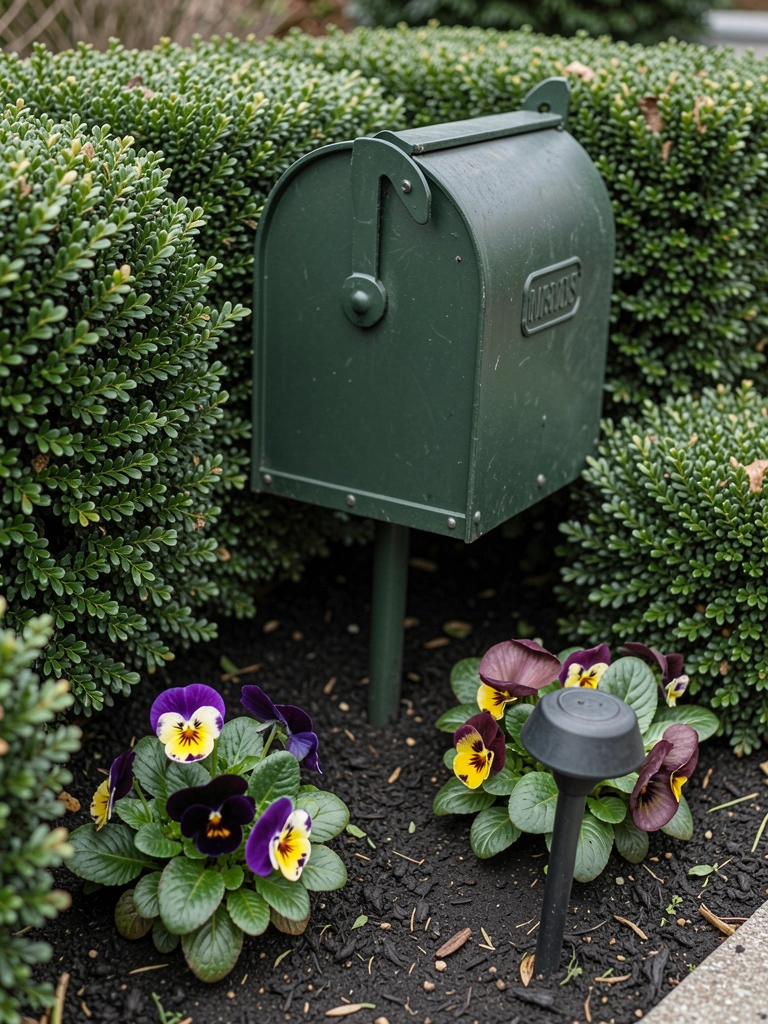
I planted dwarf boxwood to define the bed. It frames the mailbox and keeps things tidy. Each season I tuck in a handful of annuals—pansies in spring, begonias in summer. The hedge saved me when a neighbor's dog trotted through and flattened my originals.
It looks intentional without fuss. The boxwood takes clipping a couple times a year and hides tired lower growth. I plant the annuals in small groups so they don’t fight the shrubs.
What You’ll Need for This Look
- Dwarf boxwood (18–24 inch)
- Seasonal annual packs (pansies, begonias)
- Hand pruners
- Garden soil amendment (peat-free)
3. Reclaimed Wheelbarrow Planter Filled with Trailing Petunias
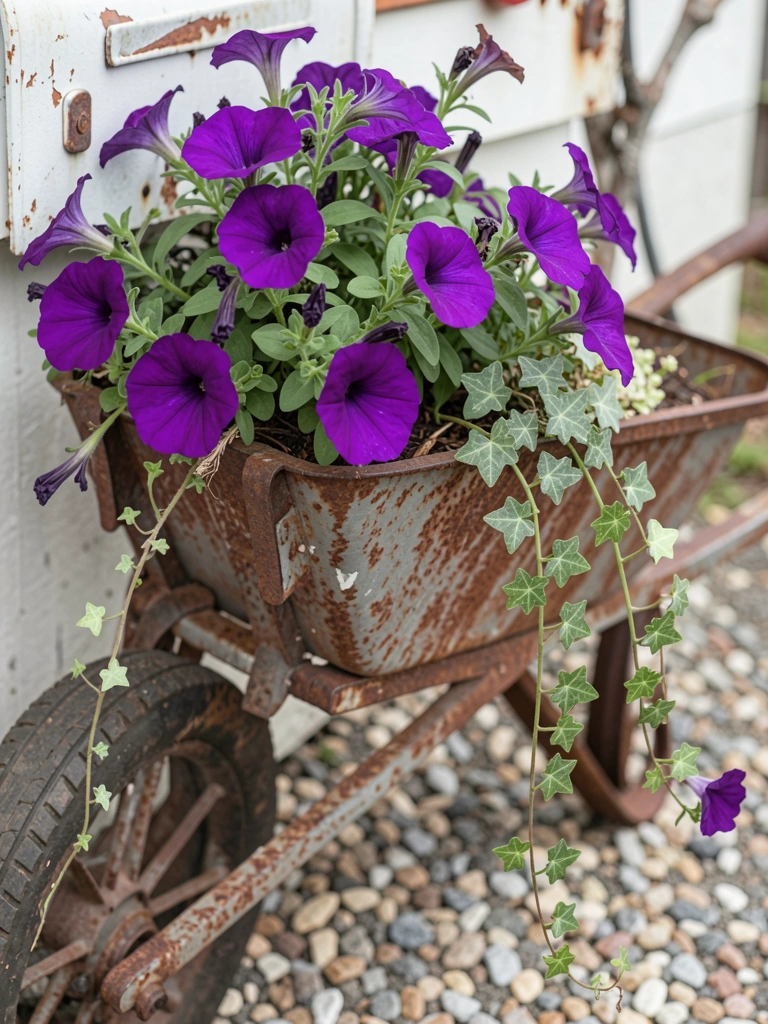
I dug out an old wheelbarrow and sealed the inside. Petunias tumble over the rim and draw the eye to the mailbox. It was a mistake to start with cheap soil—I overwatered and they sulked. Once I switched to a light potting mix, they thrived.
The wheelbarrow adds height and character. It’s easy to change seasonally. I water at the wheel’s base to avoid runoff and deadhead weekly.
What You’ll Need for This Look
- Old wheelbarrow (reclaimed)
- Trailing petunias (wave series)
- Lightweight potting mix
- Gravel for drainage
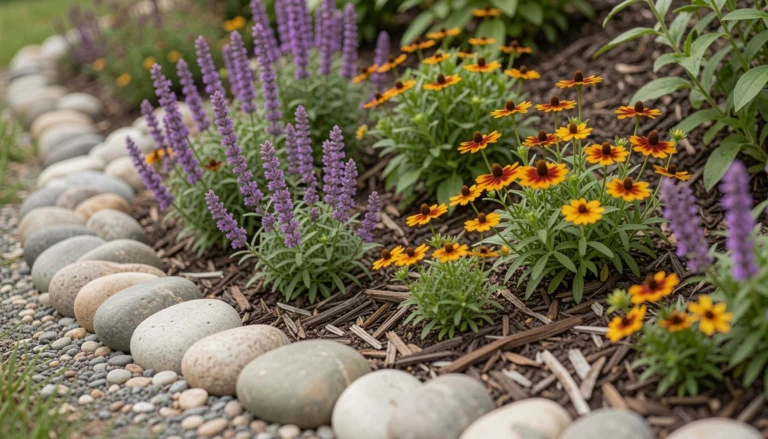
4. Native Pollinator Mix with Coneflowers and Salvia

I stopped fussing and planted natives. Coneflowers and salvia started coming back every year and attracted more bees and butterflies than I expected. The palette is relaxed and durable. I did under-plant too densely once and had slug problems; spacing fixed that.
The bed looks messy in the best way—lots of movement and seedheads for winter interest. I let some stems stand for birds in winter and deadhead selectively.
What You’ll Need for This Look
- Purple coneflower plugs
- Salvia nemorosa (1 gallon)
- Coreopsis or Rudbeckia
- Native wildflower seed packet
5. Layered Rock Garden Around Mailbox Post

I built a low rock mound and tucked succulents and sedums around the post. The stones hold heat and the succulents are forgiving if I forget them. I misjudged scale at first and planted a tall grass too close—it overwhelmed the mailbox. I moved it and the composition settled.
Visually it reads as textured and spare. It needs little water and looks neat in winter. I sweep leaves out of the crevices once a season.
What You’ll Need for This Look
- Assorted flat stones
- Sedum varieties (groundcover)
- Creeping thyme plugs
- Small ornamental grass (clumping type)
6. Symmetrical Planter Pairing on Either Side
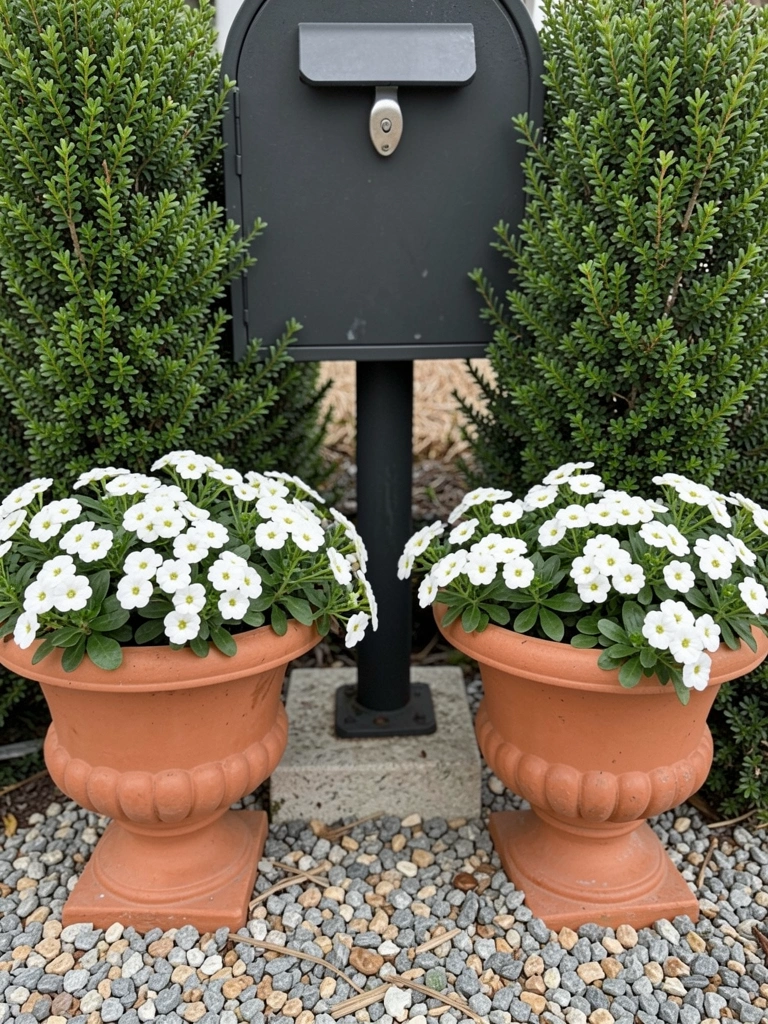
I placed two identical planters on either side of a wide mailbox post. The symmetry makes the front yard feel intentional. One season I mismatched planters and it looked lopsided—matching matters more than you think.
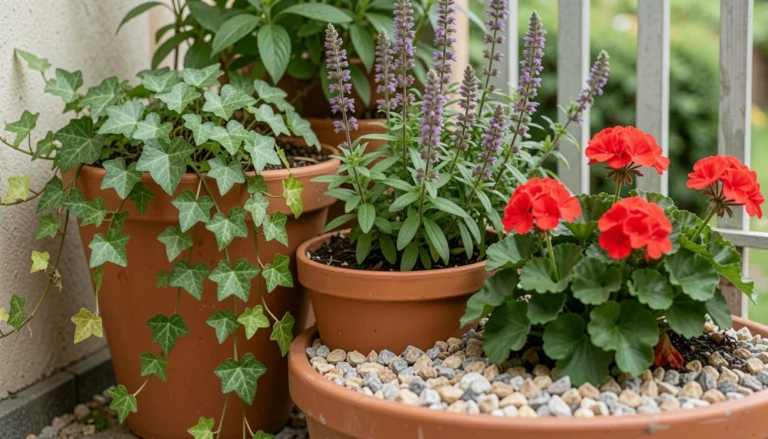
I use smaller shrubs in the center and trailing plants at the edges. It’s easy to swap annuals in summer and winterize with evergreen clippings in colder months.
What You’ll Need for This Look
- Pair of matching planters (16–18 inch)
- Small evergreen shrub (boxwood or dwarf holly)
- Trailing annuals (calibrachoa, ivy)
- Potting mix and slow-release fertilizer
7. Bulb and Annual Combo for Year-Round Color

I planted bulbs in fall and layered annuals around them come summer. Tulips and daffodils give a strong spring show, then zinnias take over. I once planted bulbs a touch too shallow and some rotted—dig deep and add grit.
Staggering bulbs and annuals means color returns without replanting everything. I mark where bulbs are with stakes so I don’t disturb them when adding annuals.
What You’ll Need for This Look
- Tulip and daffodil bulbs
- Summer annual seeds or plants (zinnias)
- Bulb planting trowel
- Gritty soil mix for drainage
8. Ornamental Grass Backdrop with Short Perennials

I planted a line of ornamental grasses behind lower perennials. The grasses add movement and a vertical line near the mailbox. At first I chose a grass that spread too fast—bad idea. I replaced it with a clumping variety and the bed stopped taking over.
The contrast between the soft grasses and bold perennials feels balanced. I trim the grasses in late winter and they come back tidy.
What You’ll Need for This Look
- Clumping ornamental grass (feather reed)
- Short perennials (salvia, coreopsis)
- Mulch and hand rake
- Sharp shears for winter cutting
9. Raised Cedar Bed for Easy Maintenance

I built a low cedar box to lift the bed off the lawn. It keeps soil in, reduces weeds, and makes kneeling less brutal. I trimmed the boards once and learned to anchor it—wind can nudge unanchored boxes.
It feels much cleaner and I can add a drip line easily. The cedar ages nicely and I plant densely to avoid bare patches.
What You’ll Need for This Look
- Cedar raised bed kit (24–36 inch)
- Quality topsoil
- Mixed perennial plugs
- Soaker hose kit
10. Bed of Creeping Thyme and Groundcover for a Low Path
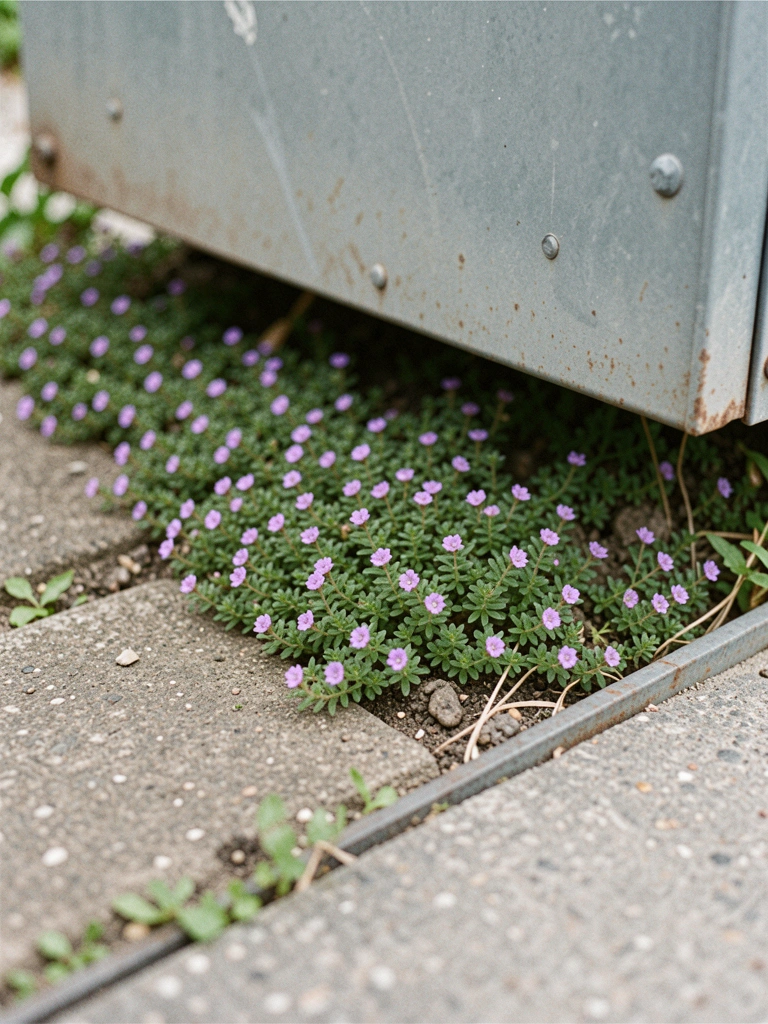
I turned the base into a low, fragrant carpet by planting creeping thyme. It softens the look and smells nice when I step on it. I tried chamomile once and it flopped; thyme is tougher.
It’s almost maintenance-free and tolerates light foot traffic. I tuck in a few flat stones to create a little path for package runs.
What You’ll Need for This Look
- Creeping thyme plugs
- Flat stepping stones
- Low metal edging
- Well-draining soil amendment
11. Bright Annual Ring for Pop of Color

I planted a tight ring of bright annuals to make the mailbox pop. Marigolds and salvia offer instant cheer. I made the mistake of choosing a floppy petunia variety once—it looked tired by July. Now I pick compact cultivars.
This is the quickest lift I do. It’s seasonal, inexpensive, and replaces easily. I water carefully so the ring doesn’t drift and use a quick fertilizer every few weeks.
What You’ll Need for This Look
- Compact annual packs (marigold, salvia)
- Small hand trowel
- Watering wand
- Slow-release granular fertilizer
12. Mini Herb Garden by the Mailbox
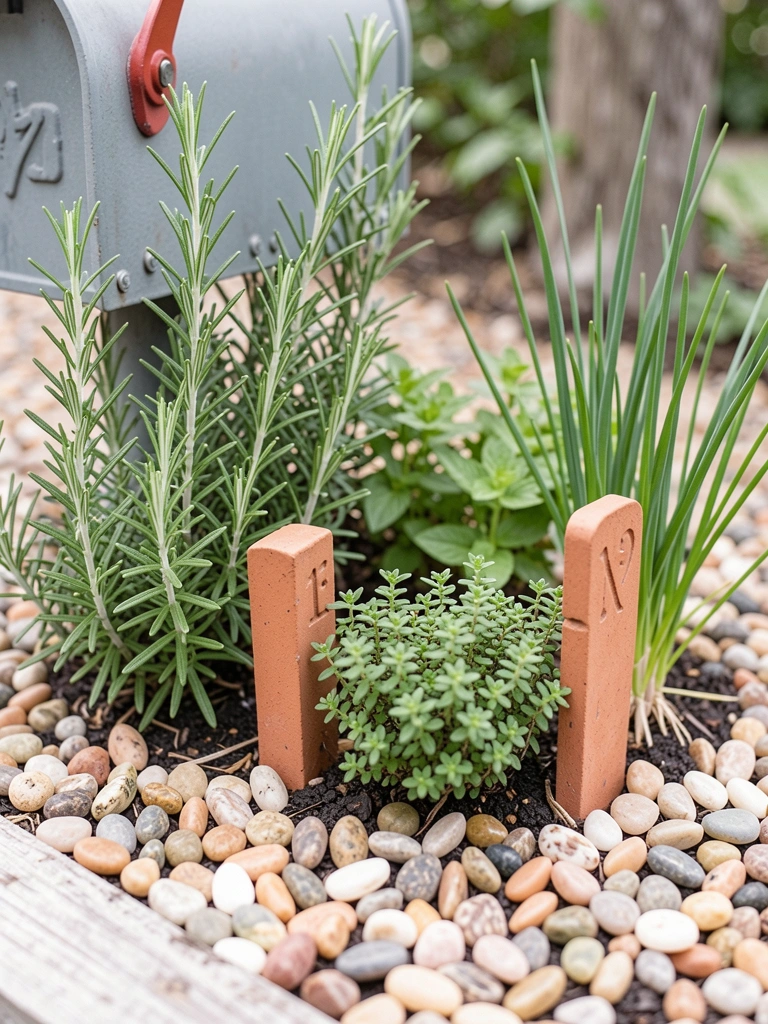
I planted a few herbs because they smell good and I use them. Rosemary and chives are tough and greet me at the curb. I once planted basil in a dry spot and it sulked—match the plant to the spot.
It’s handy for snacks while mowing and looks purposeful. I clip sprigs for cooking and for shaping the bed. Herbs tolerate light drought and reward regular harvest.
What You’ll Need for This Look
- Rosemary and chive plants (1 gallon)
- Terracotta markers
- Pebble mulch
- Small garden scissors
13. Vintage Metal Urn Statement with Tall Foliage
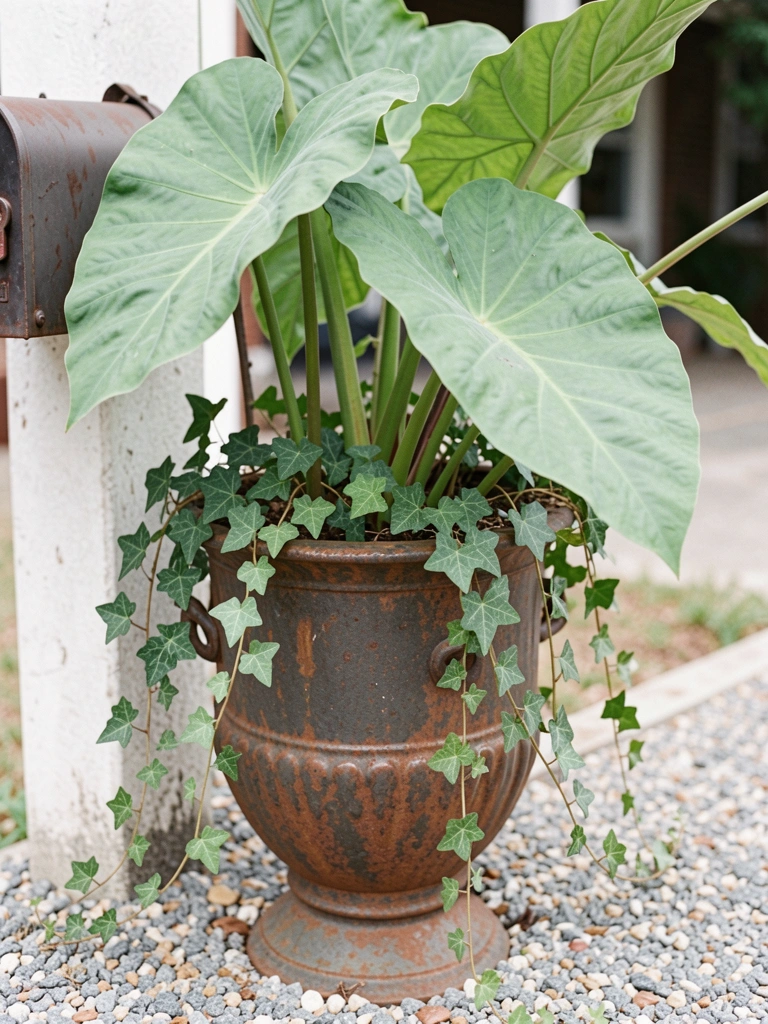
I scored an old metal urn and planted bold foliage in it. The height draws the eye and makes the mailbox feel framed. It rusted a bit more than I expected, but the patina suits the yard.
I balance the tall center with trailing plants at the edges. In hot summers I shade the urn during peak sun and water more often. It reads like a small sculptural element.
What You’ll Need for This Look
- Metal urn planter (18–24 inch)
- Tall foliage plant (elephant ear or canna)
- Trailing ivy or dichondra
- Potting soil and water-retaining granules
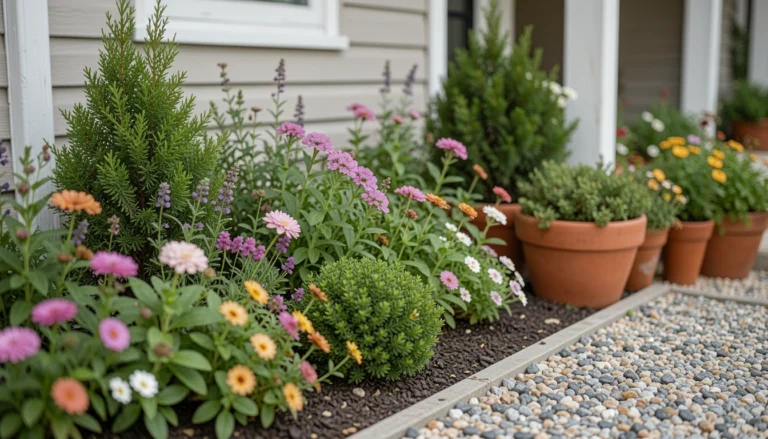
14. Solar-Lit Mixed Containers for Evening Appeal

I added small solar lights among mixed containers for evening curb appeal. The warm glow makes the mailbox visible and cozy after dark. I learned the hard way that cheap solar stakes die fast—invest in a decent bulb.
Containers with tall and trailing plants look great at night. I place lights to avoid glare into windows and swap batteries each season.
What You’ll Need for This Look
- Assorted containers (terracotta, resin)
- Mixed annuals and foliage
- Quality solar pathway lights (warm white)
- Rechargeable batteries (if applicable)
Final Thoughts
You don’t need to do all of these. Pick one idea that fits your time and style.
Start small, learn from what fails, and change one plant at a time.
A real, lived-in mailbox bed says welcome. You can make yours.