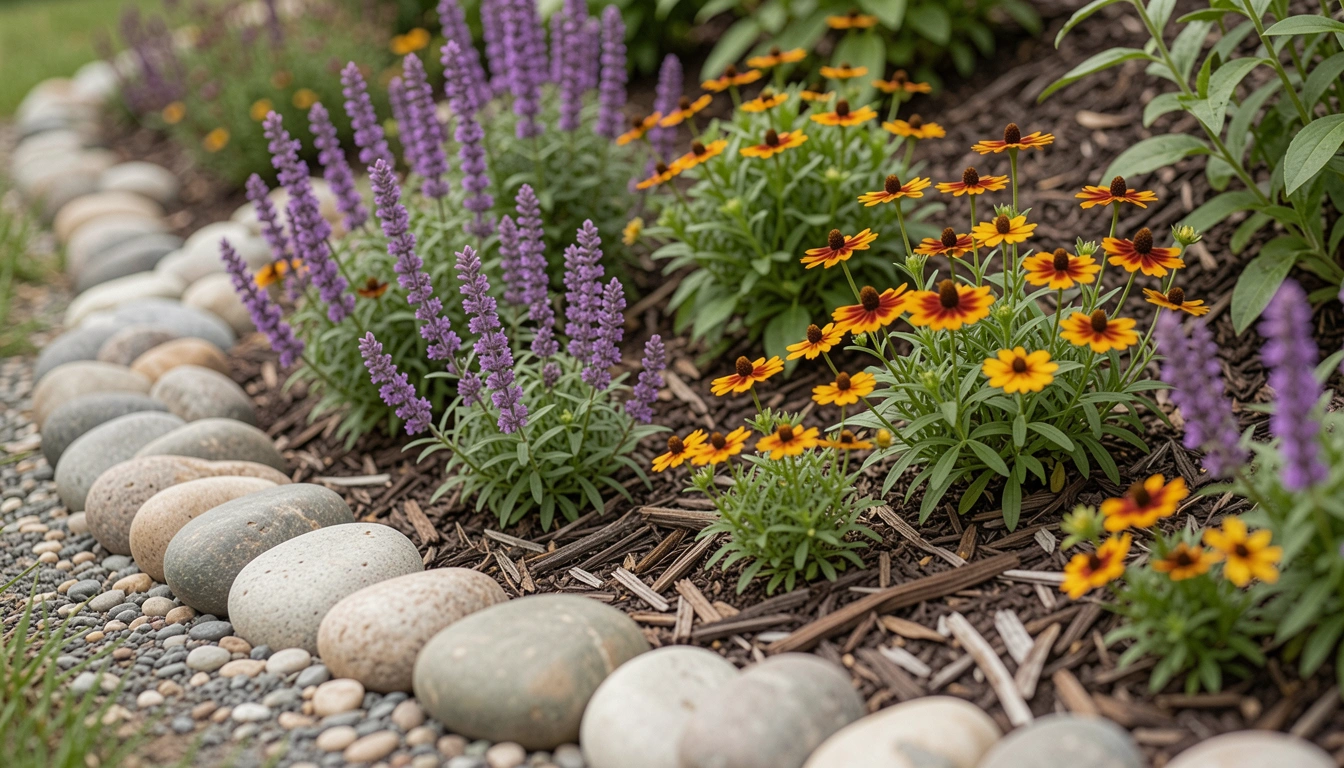
9 Flower Bed Ideas With Rocks For A Natural Look
I finally stopped fighting my backyard’s rough edges and worked with what was already there.
Once I used rocks, things felt anchored. Plants read better. Paths made sense.
These ideas are honest and simple. Try one that fits your ground and patience.
9 Flower Bed Ideas With Rocks For A Natural Look
These 9 flower bed ideas with rocks show real, usable ways to make beds feel natural and lived-in.
I include practical notes from my own mistakes.
Pick one or mix a few — you’ll get clear starts for each look.
1. River-rock border that softens a slope
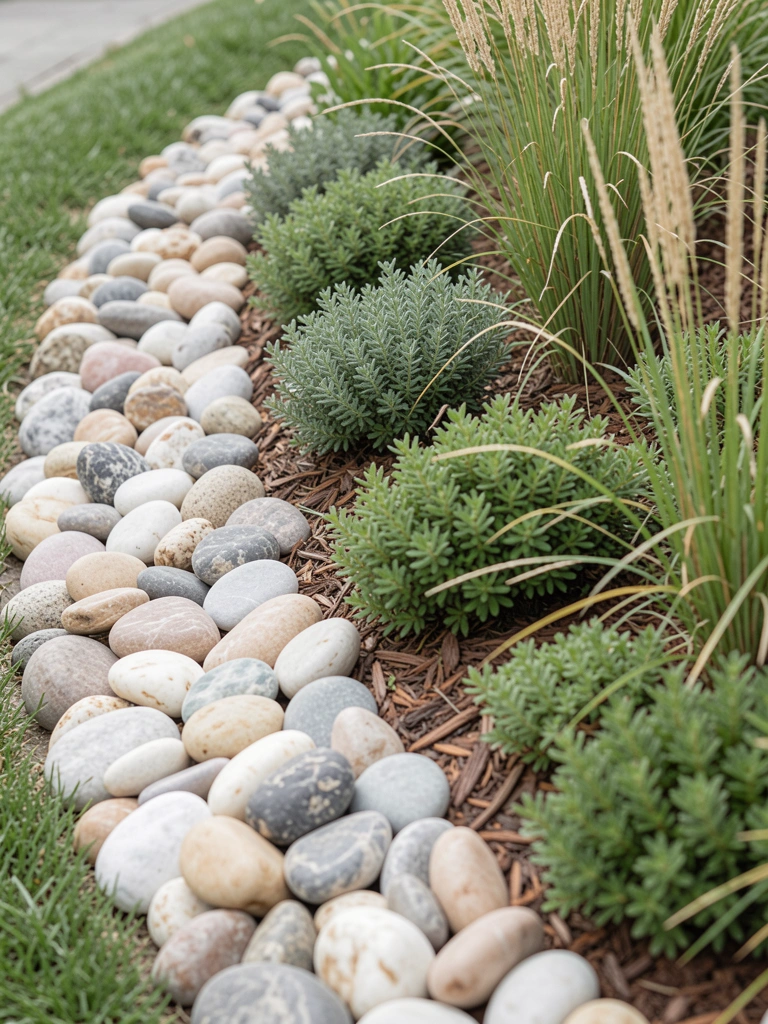
I used round river rock to hold soil on a steep patch. It made the bed look like it belonged there. The rocks create small pockets where seedling perennials hide and root. I noticed the slope stopped washing away after the first heavy rain. Don’t pack the stones too tight — small gaps give life to thyme or sedum. I also learned to mix rock sizes; uniform stones looked staged. Simple plantings behind the border keep the eye moving and make maintenance less fussy.
What You’ll Need for This Look
- River rock (2–4 inch)
- Coarse landscape fabric (optional)
- Low native grass plugs
- Drought-tolerant perennials (salvia, coreopsis)
2. Pebble mulch around compact perennials
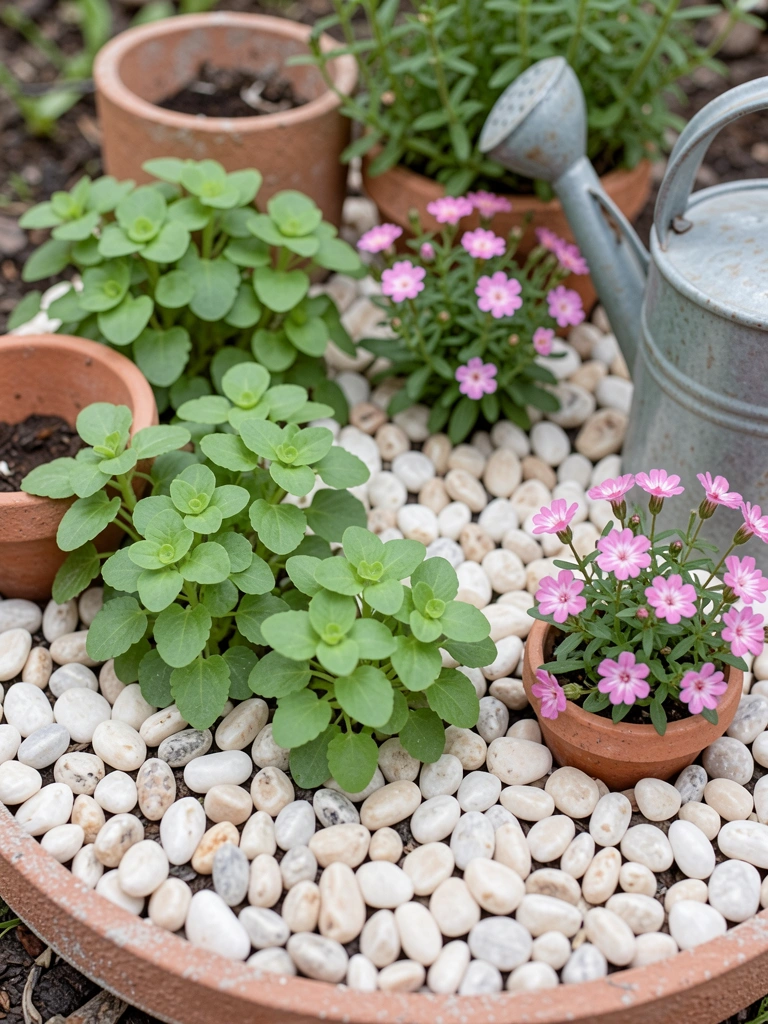
I swapped shredded bark for pale pebbles in a tight bed by the path. The plants felt cleaner and the soil stayed cooler. At first I overdid the pebbles and the bed looked gravelly. I had to pull some back and plant denser groundcovers. Now I keep pebbles to a 1–2 inch layer and tuck short perennials right into the stones. The pebbles reflect light and make evening seating feel brighter. It’s low-maintenance if you accept that some plants like thyme will sneak between stones.
What You’ll Need for This Look
- White pebble mulch (1–2 inch)
- Compact perennials (ajuga, dianthus)
- Small hand trowel
- Garden broom for cleanup
3. Mixed boulder anchors with wildflower drifts
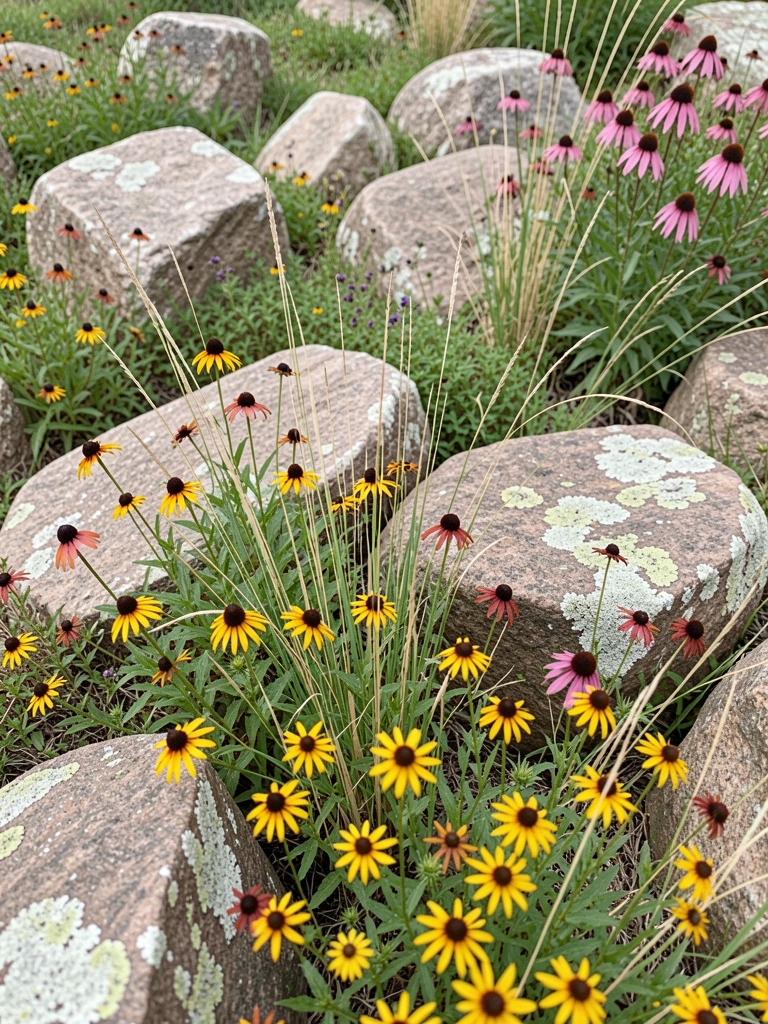
I placed a few mid-size boulders where the bed felt thin. The boulders became focal points and I planted wildflowers around them. The bed reads like a small meadow now. Standing stones break up long lines and give the eye places to rest. I learned to pick boulders with flat faces — they look natural and don’t roll. Keep planting loose, seasonal drifts; the flowers hide gaps between the rocks. This style tolerates imperfect soil and is forgiving if a plant fails.
What You’ll Need for This Look
- Medium boulders (20–40 lbs)
- Wildflower seed mix (native species)
- Native ornamental grasses
- Hand rake for seedbed prep
4. Dry creek bed to fix a drainage mess
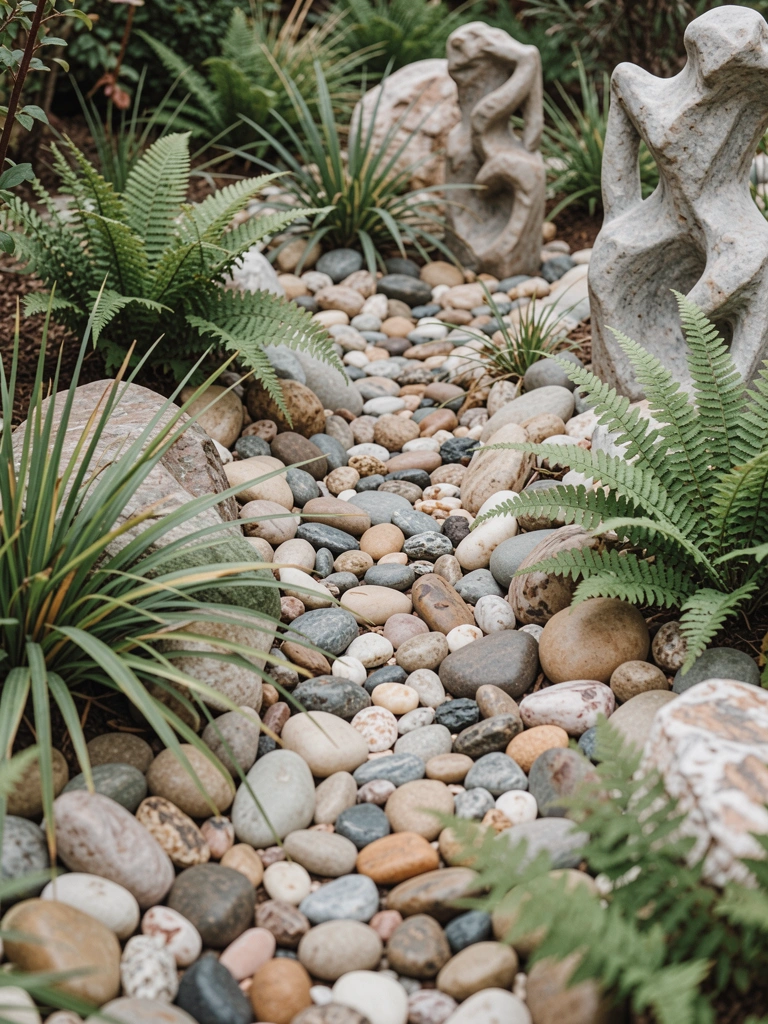
I installed a dry creek after one too many soggy corners. It moved water without looking engineered. I made the mistake of making it too narrow at first — water pooled. Widening the bed and using flatter stones solved that. Planting moisture-loving ferns and hostas at the edges made the creek feel natural. A dry creek doubles as a path and a design line. It’s honest work: lay stones to mimic flow, test during rain, then tweak. It calmed flooding and gave a rhythm to the bed.
What You’ll Need for This Look
- Mixed river stones (1–6 inch)
- Flat stepping stones
- Moisture-loving plants (ferns, hosta)
- Shovel for channel shaping
5. Rock-and-shrub cottage cluster

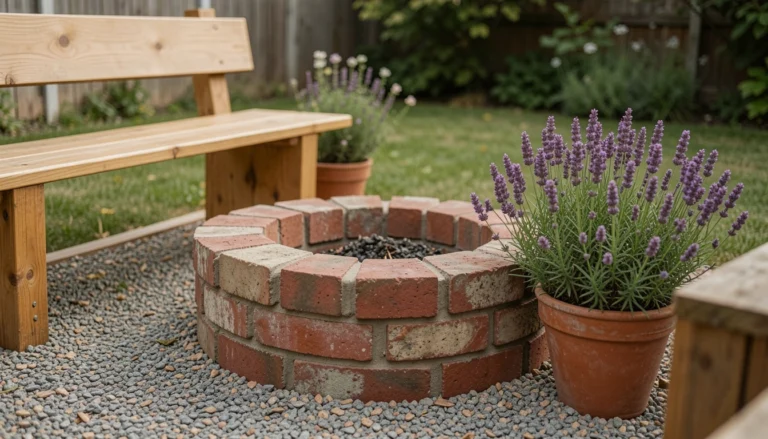
I grouped rocks with rounded shapes near a bench and planted lavender, small roses, and thyme. The planting felt cozy, like the garden had been there longer than it has. Rocks keep mulch in place and give roses a clean zone to avoid wet crowns. I found spacing matters — crowded roses invited mildew. Now I leave breathing room and use thyme as a living filler. The combination smells nice when warm. It’s a friendly look that reads neat without fussing every week.
What You’ll Need for This Look
- Mid-size rounded rocks
- Lavender plants (English)
- Compact shrub roses
- Creeping thyme plugs
6. Stepping-stone path with tucked bloom pockets
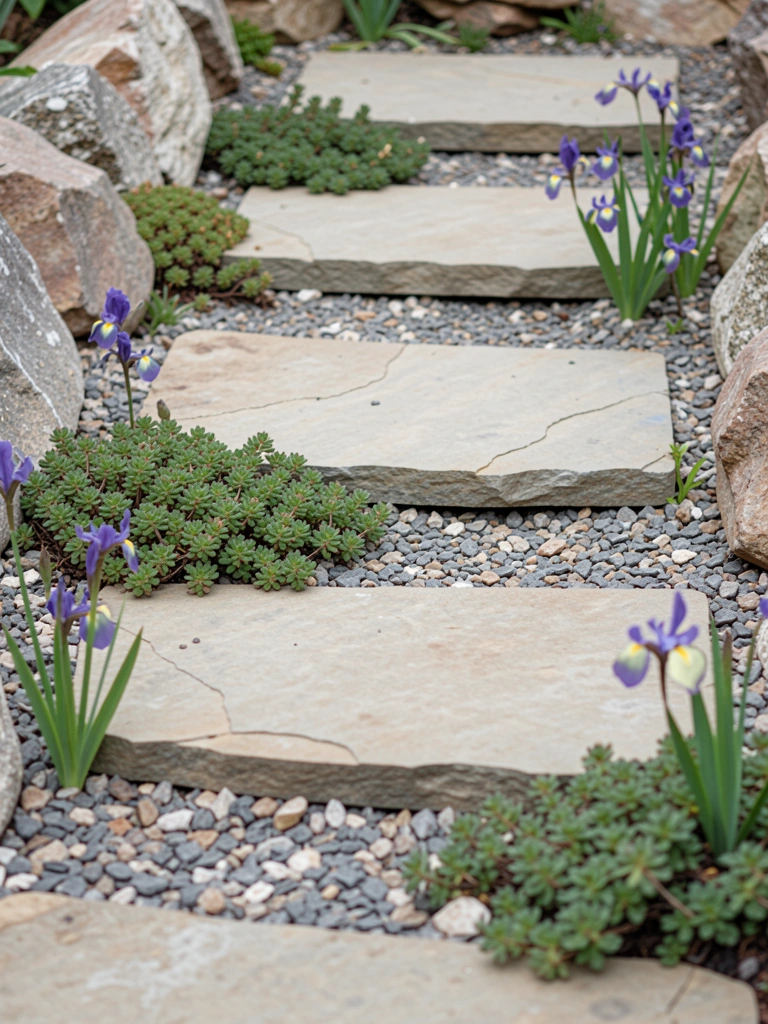
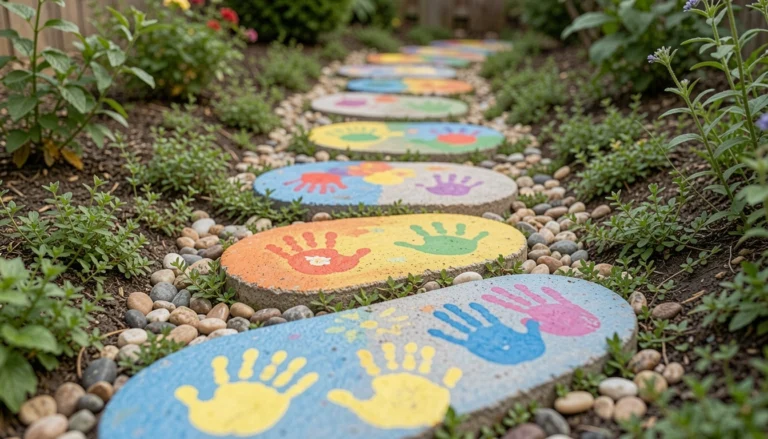
I cut a straight footpath through an overgrown bed and used stepping stones set into crushed rock. I thought I could skip edging. Big mistake — gravel migrated into lawn. Adding simple steel edging fixed it. I tuck small bulbs and low perennials between stones now. The pockets keep things intimate and make walking through the bed feel private. Lighting along the route makes evenings usable. This layout suits small yards and gives me a tidy line to prune around.
What You’ll Need for This Look
- Flagstone stepping stones
- Crushed gravel (1/4 inch)
- Dwarf bulbs and sedum
- Low-voltage path lights
7. Layered rock terraces for a raised look
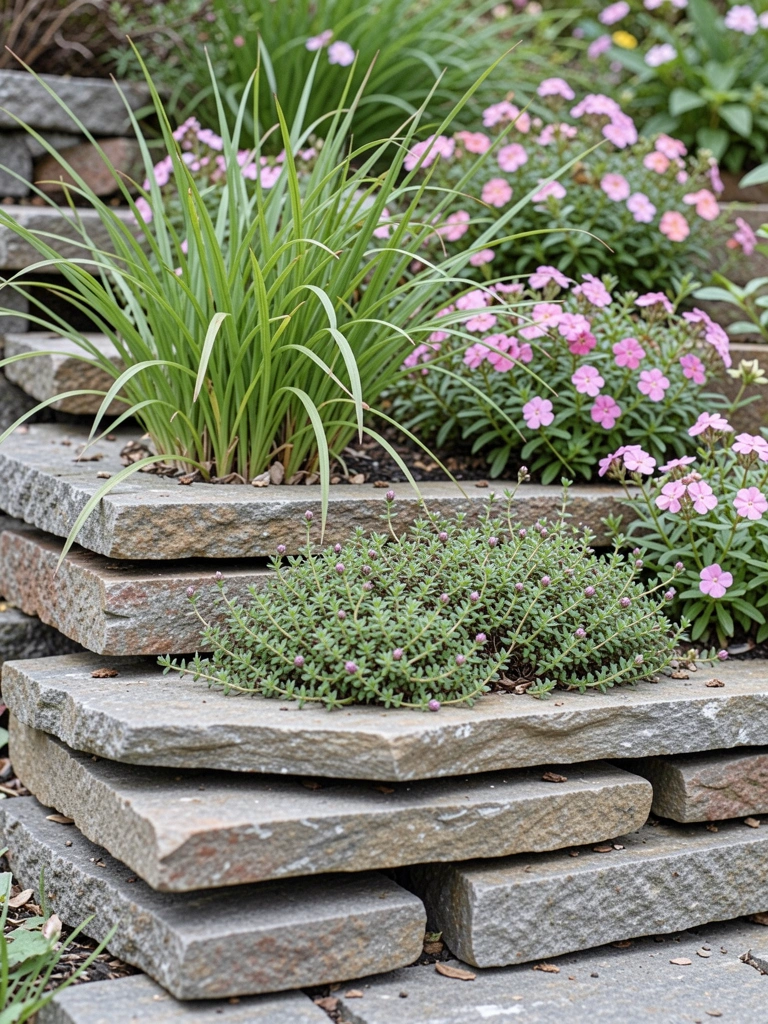
I built shallow terraces with flat stones to make a tired slope useable. Each ledge became its own micro-bed. The arrangement added depth and made watering simpler. My first attempt used tall stones and looked blocky. Switching to flat, stacked stones created softer lines. I plant lower things on the front terraces and taller perennials at the back. Terracing also reduces soil erosion and gives a small garden the feeling of being larger without extra work.
What You’ll Need for This Look
- Flat stacking stones (4–8 inch)
- Raised soil mix
- Layered perennials (phlox, sedges, thyme)
- Rubber mallet for setting stones
8. Rustic rockery with alpine pockets
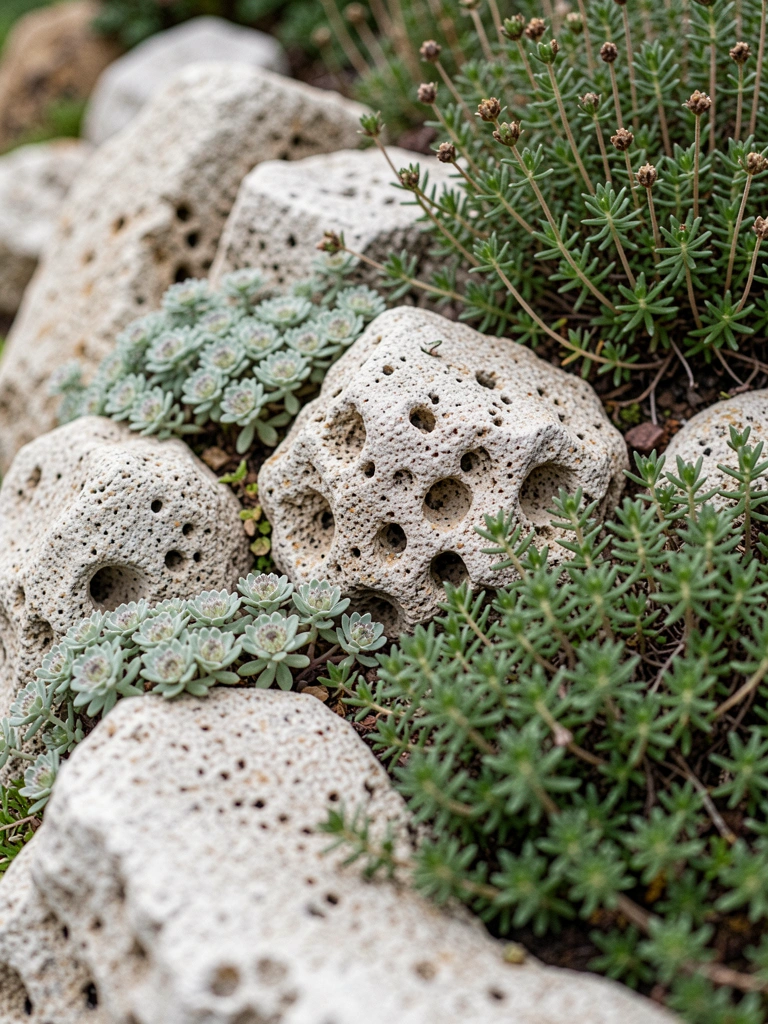
I tried an alpine rockery in a sunny, dry corner that resisted regular plants. I dug pockets into the rock pile and planted saxifrage and tiny sedums. At first I used regular soil and the alpines rotted. Lesson learned: use gritty, fast-draining mix. The rockery now thrives and the tiny flowers surprise me every spring. It’s a busy, sculptural corner that doesn’t ask for much water. If you like detail, this is rewarding work — you get lots of small textures in a compact space.
What You’ll Need for This Look
- Tufa or porous rocks
- Gritty alpine soil mix
- Alpine plants (saxifrage, sedum)
- Small hand trowel
9. Contrast banding: dark mulch and pale stones
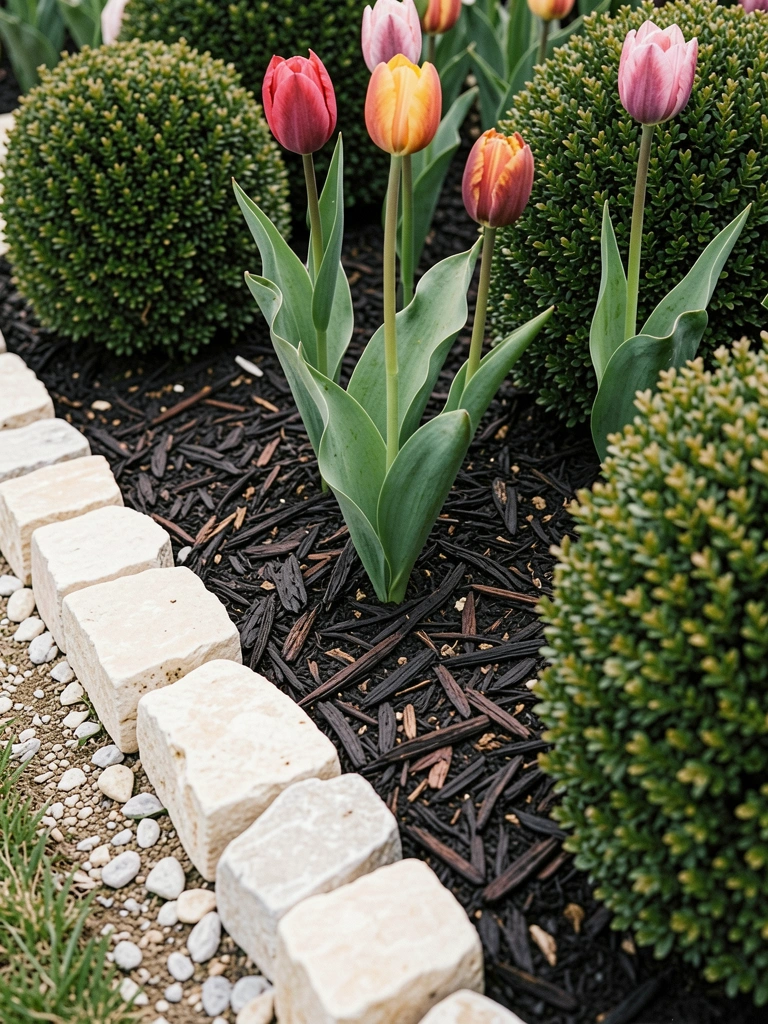
I used pale limestone to frame beds edged with dark mulch. The contrast makes colors pop and keeps edges obvious. At first I used very small stones and they hid in the mulch. Bigger stones read better. The banding gives a clean, intentional look while staying natural. I plant neat anchors like boxwood or dwarf conifers for year-round form. It’s a simple trick that makes mixed beds look organized without fussing every week.
What You’ll Need for This Look
- Pale limestone edging (3–6 inch)
- Dark organic mulch
- Evergreen anchors (boxwood, dwarf conifer)
- Hand pruners
Final Thoughts
Rocks let a bed feel like it’s always belonged in the yard.
They hide mistakes and reduce weekly fuss.
You don’t need every idea. Start small. Try one look, learn, then expand.
Gardening is about small wins. Rocks help tell the story.