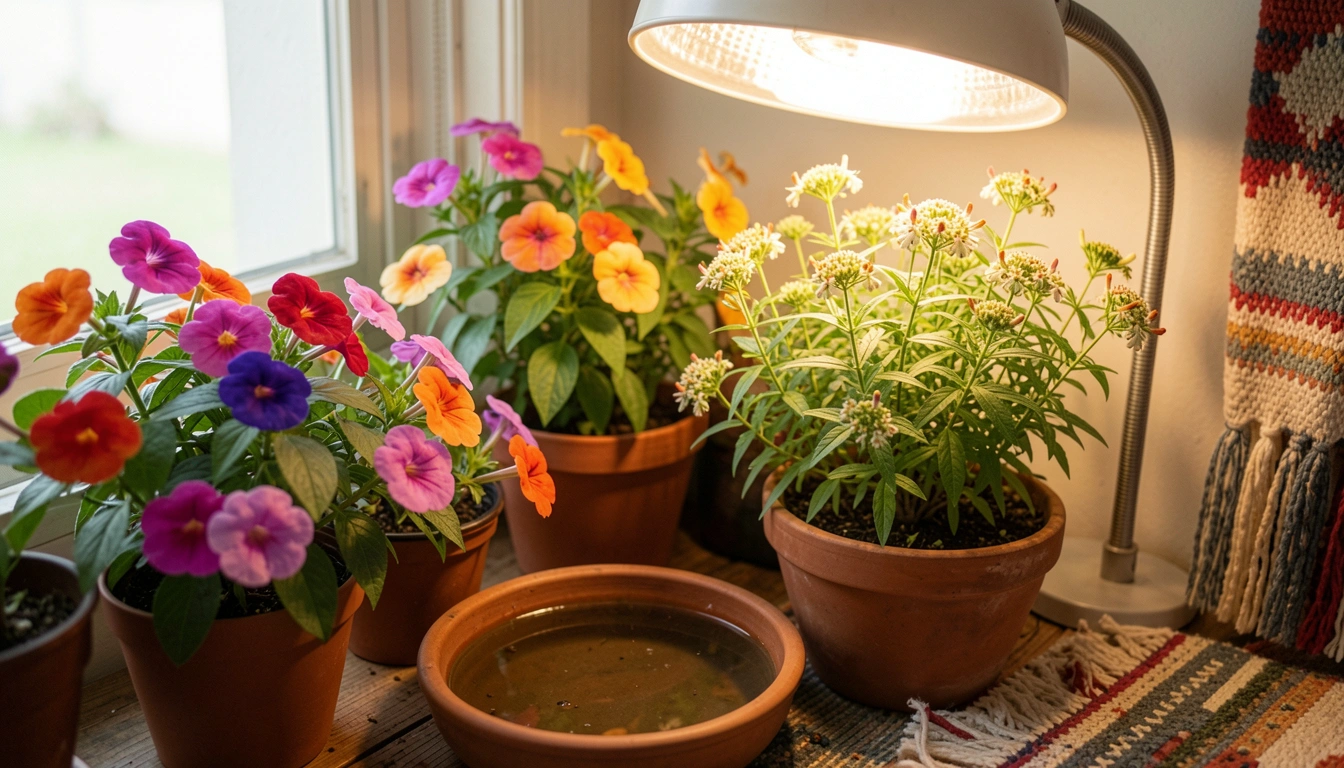
12 Magical Indoor Butterfly Garden Ideas
I used to think butterflies only lived outside. Then I coaxed a few into the living room and learned what they actually need: sun, nectar, and a place to land.
I made plenty of mistakes. Too much water, too-stiff soil, a bush that outgrew its pot. I kept what worked.
These ideas are simple. They come from pots, mistakes, and mornings with butterflies on my windowsill.
12 Magical Indoor Butterfly Garden Ideas
These 12 ideas are practical and doable.
Each one is something I’ve tried in a real home garden.
You’ll find a mix of pots, shelves, light setups, and a few ways to rear caterpillars.
1. Sunny Window Sill Nectar Row
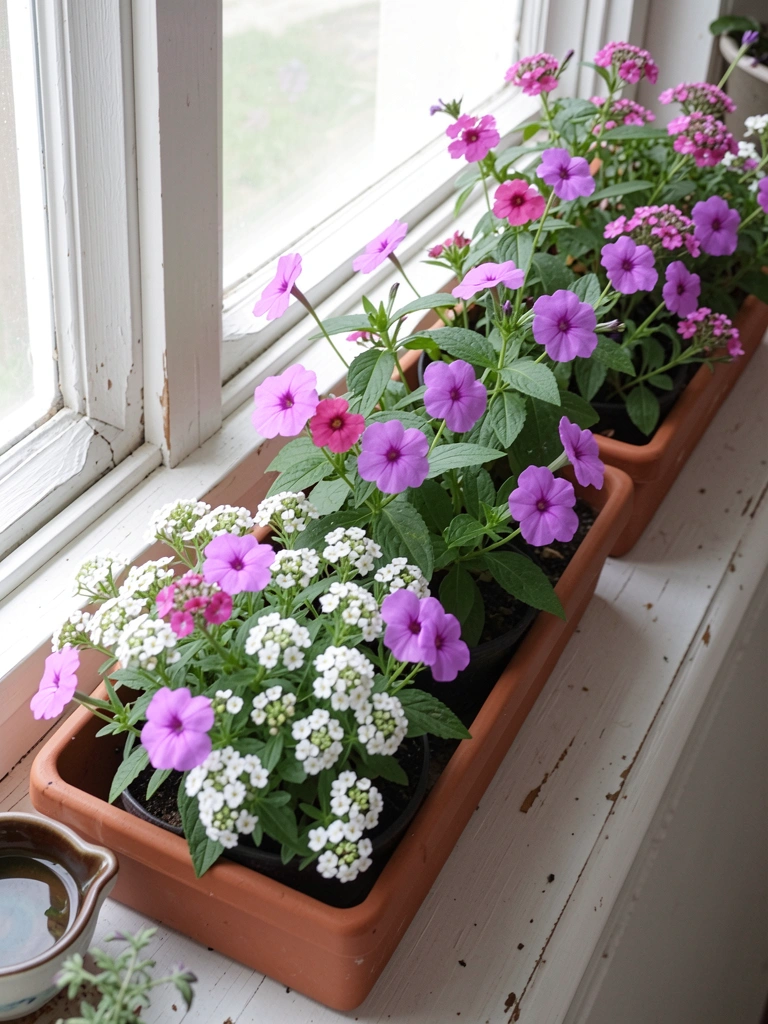
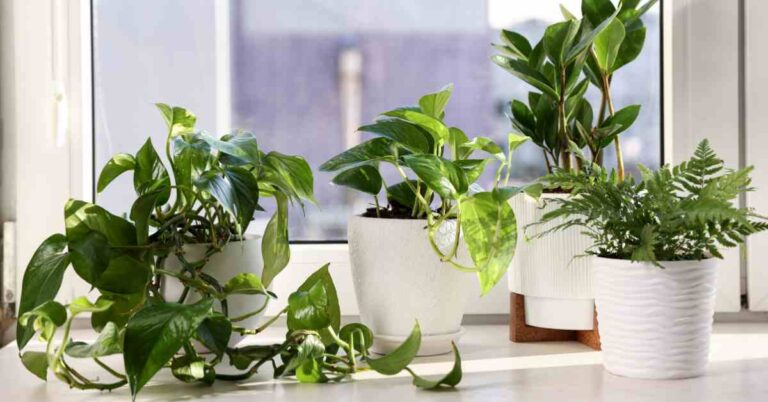
I lined a south-facing sill with low planters and suddenly had daily visits. The pentas and verbena flop toward the light and draw the most attention.
It feels alive when butterflies pause between blooms. I learned not to crowd the root space—too many seedlings choked each other last season.
Keep the soil airy and rotate the pots every few weeks so every plant gets sun. A shallow dish with pebbles keeps them drinking.
What You’ll Need for This Look
- Long windowsill planter (24–36 inch)
- Pentas, verbena, alyssum (compact varieties)
- Lightweight potting mix, perlite
- Shallow water dish with pebbles
2. Dwarf Buddleia in a Statement Pot
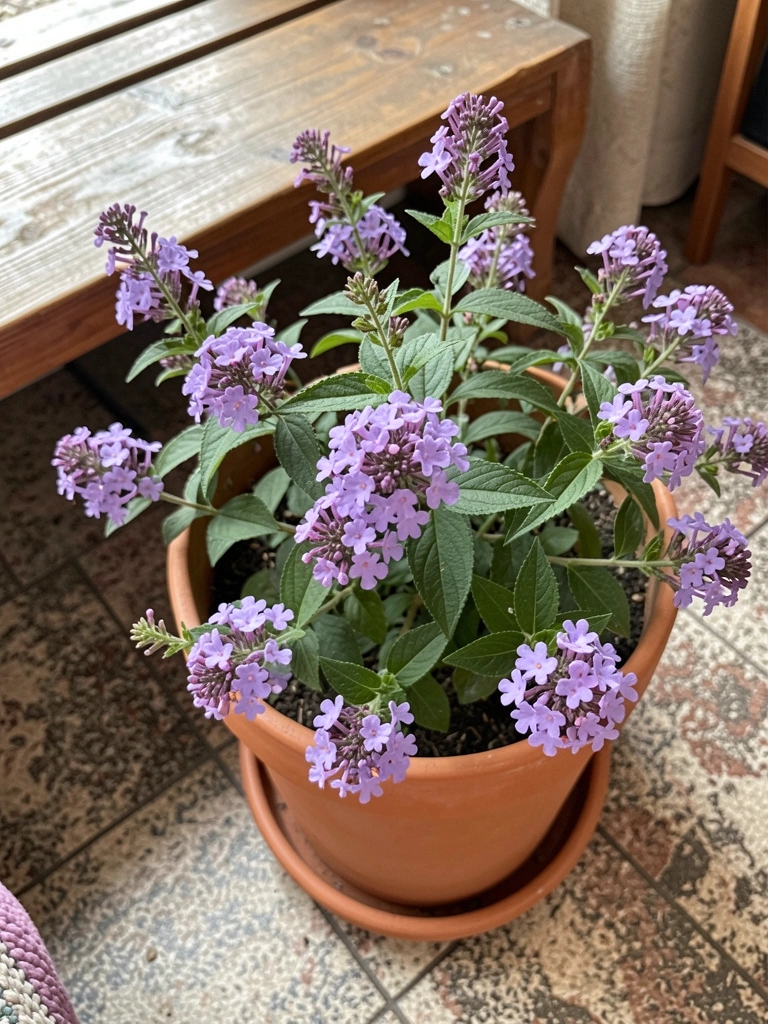
I bought a dwarf buddleia and stuck it in a deep pot. It became the butterfly magnet I’d hoped for. The upright blooms make the room sing.
My mistake was picking a too-small pot at first—roots got tight and flowering dropped. A quick repot fixed it, and blooms came back heavy.
It needs full sun and fast-draining soil. Prune lightly in spring to keep it compact. I tuck a small tray of nectar plants at its feet for layered color.
What You’ll Need for This Look
- Dwarf buddleia (container variety)
- 14–18 inch terracotta or resin pot
- Fast-draining potting mix
- Small trough planter for companion nectar plants
3. Mesh Rearing Tent for Caterpillars
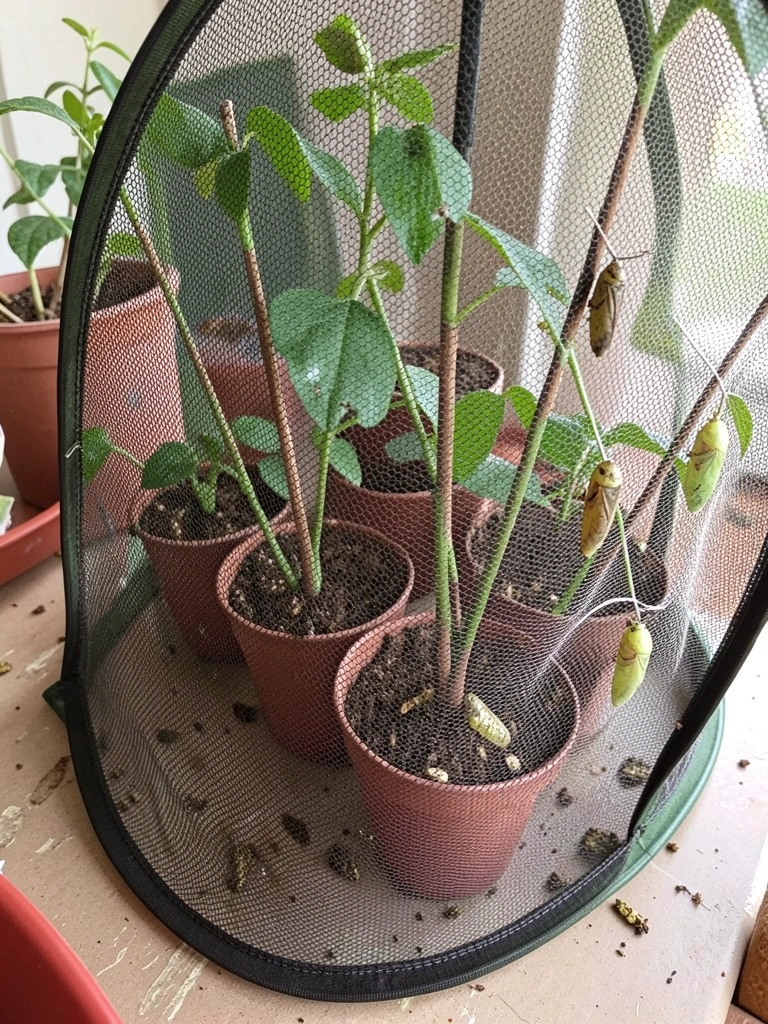
I set up a mesh tent to raise monarch caterpillars indoors. It taught me patience and gave me a view of metamorphosis without chaos.
I learned the hard way to clean daily. I once let frass build up and a few caterpillars got sick. Now I change the leaves and trays every day.
Use a dedicated tent, fresh host plants, and a shallow dish for humidity. Release adults on sunny days. It’s messy in a good way.
What You’ll Need for This Look
- Small mesh rearing tent (tabletop size)
- Potted milkweed or host plants (Asclepias)
- Small clips, plant stakes, shallow humidity dish
- Disposable gloves and soft brush
4. Hanging Basket Cascade of Lantana and Alyssum
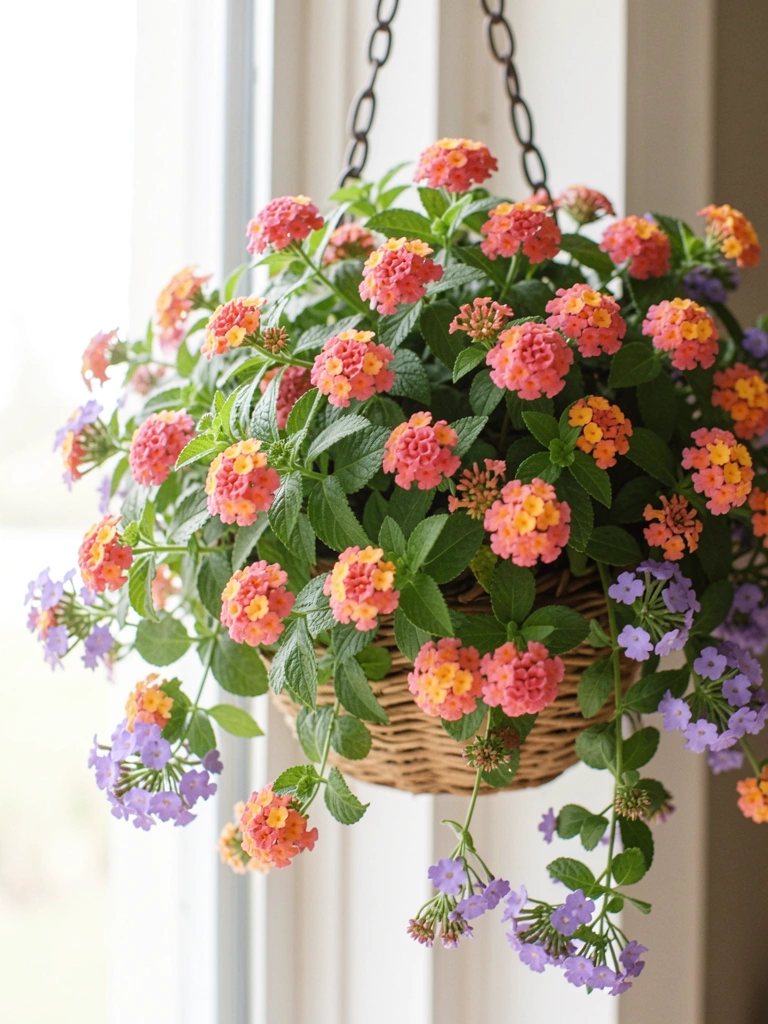
I hung baskets from my porch ceiling and moved one indoors for winter. The cascading lantana and alyssum create vertical nectar layers and butterflies love the drop-down landing spots.
At first I watered too heavily and the baskets felt soggy. Swapping to a coir liner and looser mix fixed drainage and revived blooms.
Hang them where they catch morning sun. Rotate baskets so each gets equal light. They add color without taking floor space.
What You’ll Need for This Look
- Hanging basket with coir liner (12–14 inch)
- Lantana (compact), trailing alyssum
- Hanging chain and hook, well-draining potting mix
- Watering spikes or slow-release fertilizer
5. Vertical Pocket Pollinator Wall
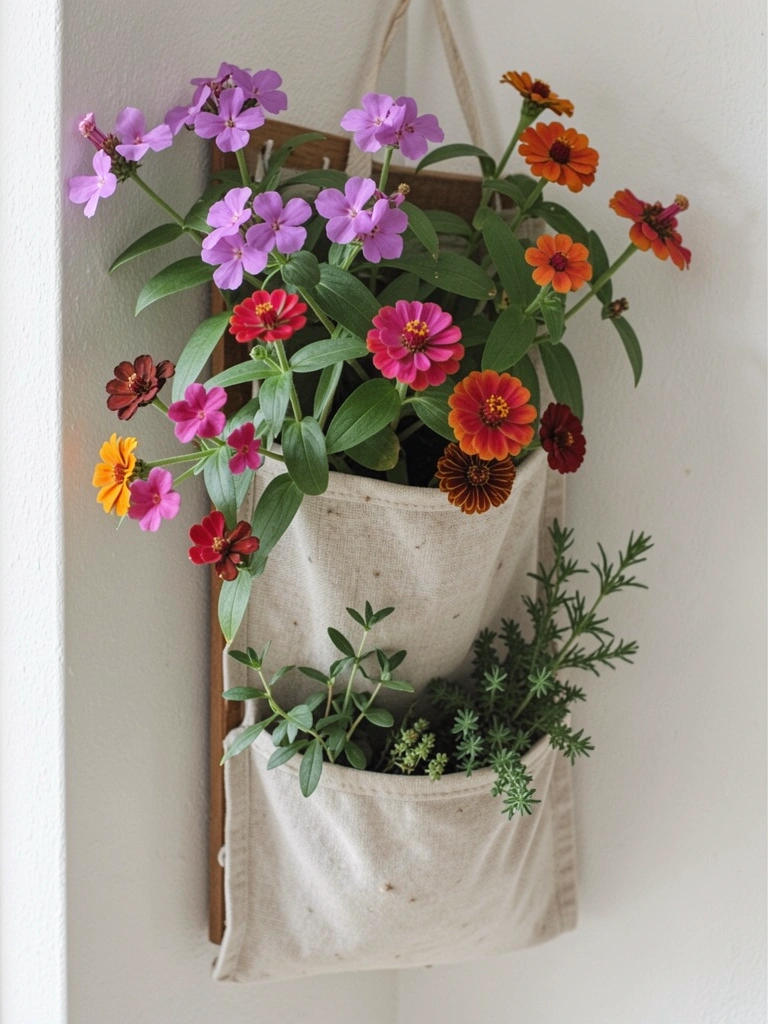
I mounted a pocket planter on a sunny hallway wall and filled it with small nectar plants. It became my living artwork and a regular butterfly perch.
The trick was choosing shallow-rooting flowers. I once planted a taller salvia that shaded everything below. Pulling it out opened the wall back up.
Keep pockets moist but not wet. Use staggered bloom times so something is always in flower. It’s great when space is tight.
What You’ll Need for This Look
- Vertical pocket planter (12–16 pocket fabric)
- Pentas, dwarf zinnias, small verbena
- Lightweight potting mix, wall anchors
- Small drip irrigation or watering syringe
6. Grow-Light Conservatory Shelf
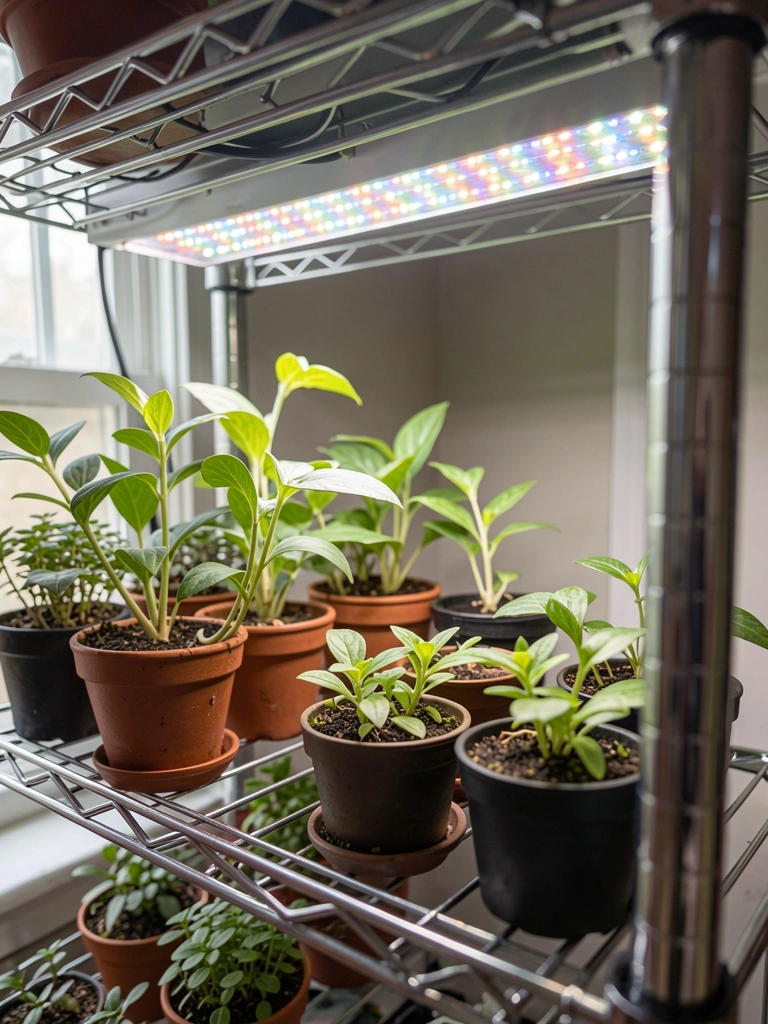
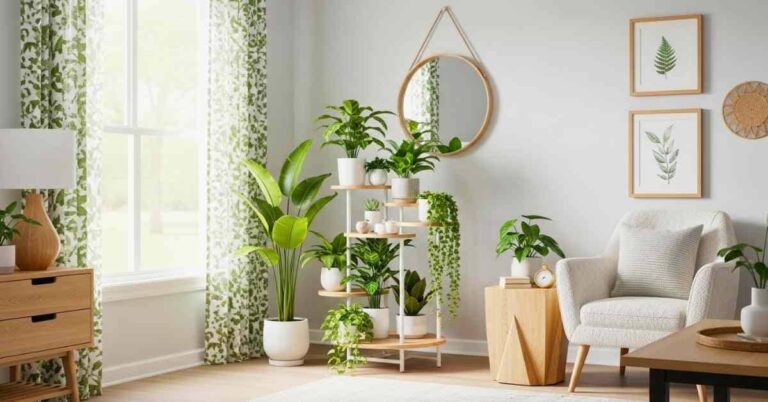
My winter habit was a shelf under LED lights. It keeps blooms going when the sun is weak and gives butterflies a warm spot to feed.
I learned that cheaper bulbs gave odd colors; investing in full-spectrum LEDs made blooms open normally. Plants looked healthier and butterflies were more active.
Place pots at different heights for variety. Use a timer for consistent light, and check leaf color for proper intensity.
What You’ll Need for This Look
- Tiered metal or wooden shelf (3–4 tiers)
- Full-spectrum LED grow light (adjustable)
- Pots with pentas, marigold, zinnia, small host plants
- Timer, lightweight potting mix, small fans for airflow
7. Butterfly-Friendly Coffee Table Planter
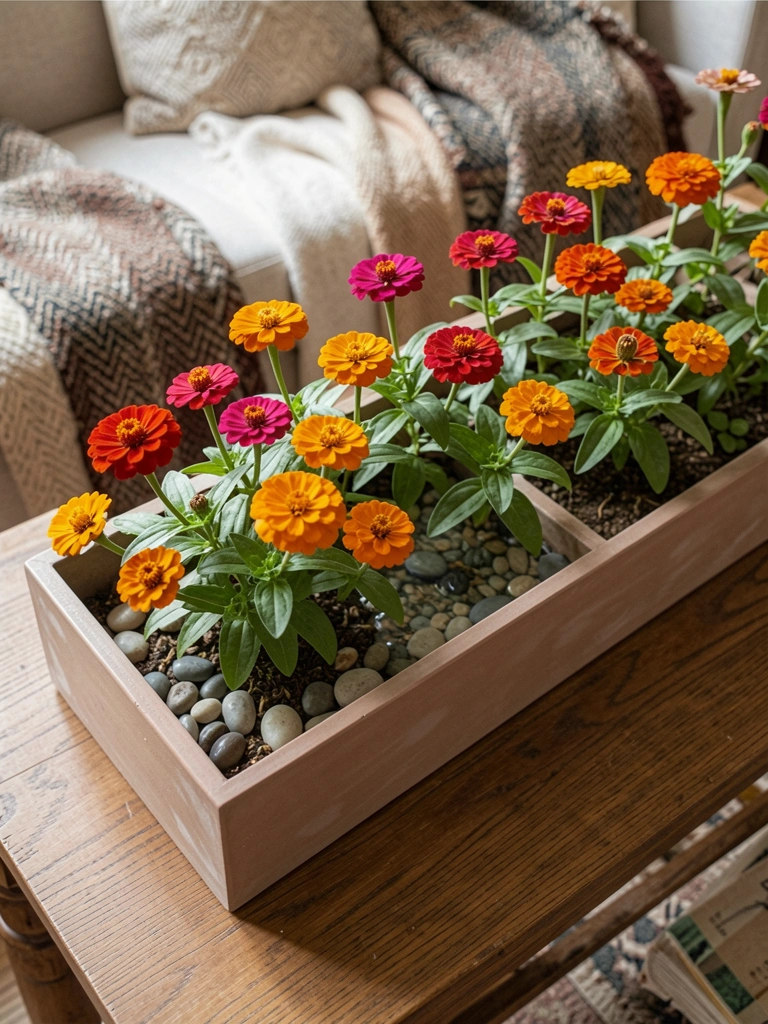
I made a shallow planter for my coffee table wired with pebbles and a tiny water spot. Butterflies landed while I sat nearby. It felt like company.
I messed up by using deep soil at first—the roots held too much water and some plants rotted. After switching to a shallow tray and fast mix, it improved.
Keep it low and open so butterflies can land. Refresh flowers from the garden to keep blooms abundant.
What You’ll Need for This Look
- Shallow tabletop planter (12–18 inch)
- Zinnias, marigolds, small alyssum, pebbles for water
- Fast-draining potting mix, saucer or tray
- Small pruning shears
8. Mini Greenhouse Cabinet on a Balcony
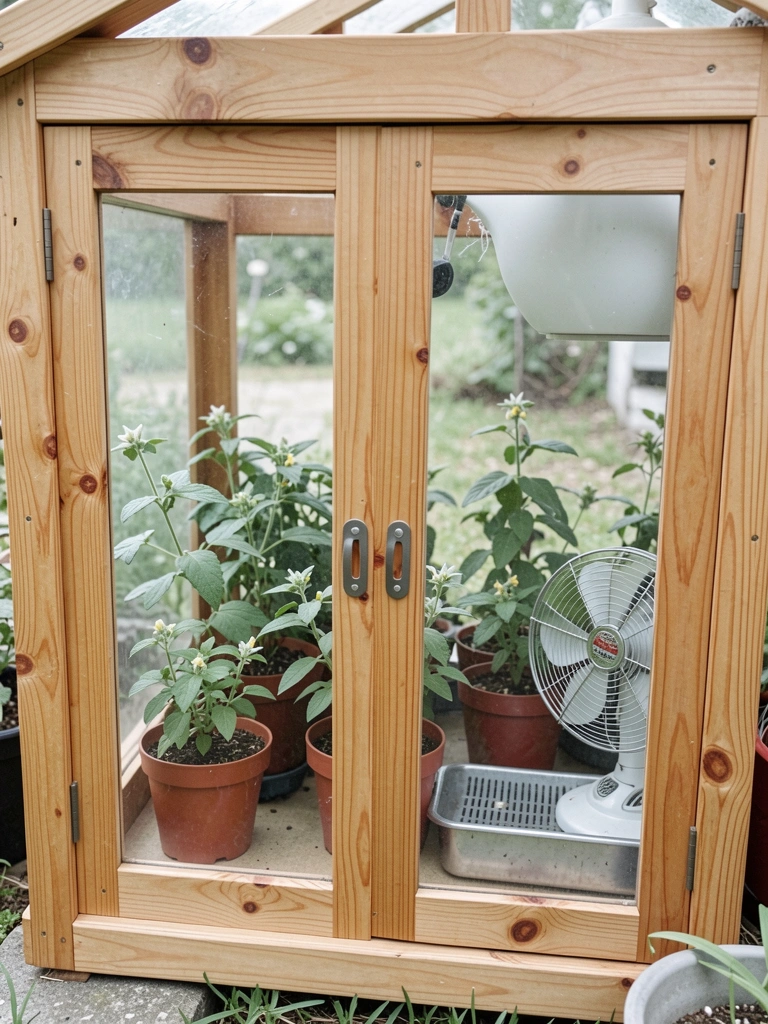
I installed a mini cedar greenhouse on my balcony. It’s a protected space for nectar plants and a warm staging area for released butterflies.
I underestimated ventilation at first. A stagnant cabinet invited mildew. Adding a small fan and open vents changed everything.
Use it to overwinter plants and start new seedlings. It’s tidy and keeps everything within reach.
What You’ll Need for This Look
- Mini greenhouse cabinet (cedar or metal, 2–4 shelves)
- Small pots of nectar plants, humidity tray
- Small clip fan, thermostat or thermometer
- Potting mix, seed starting trays
9. Aromatic Herb Ribbon for Subtle Nectar
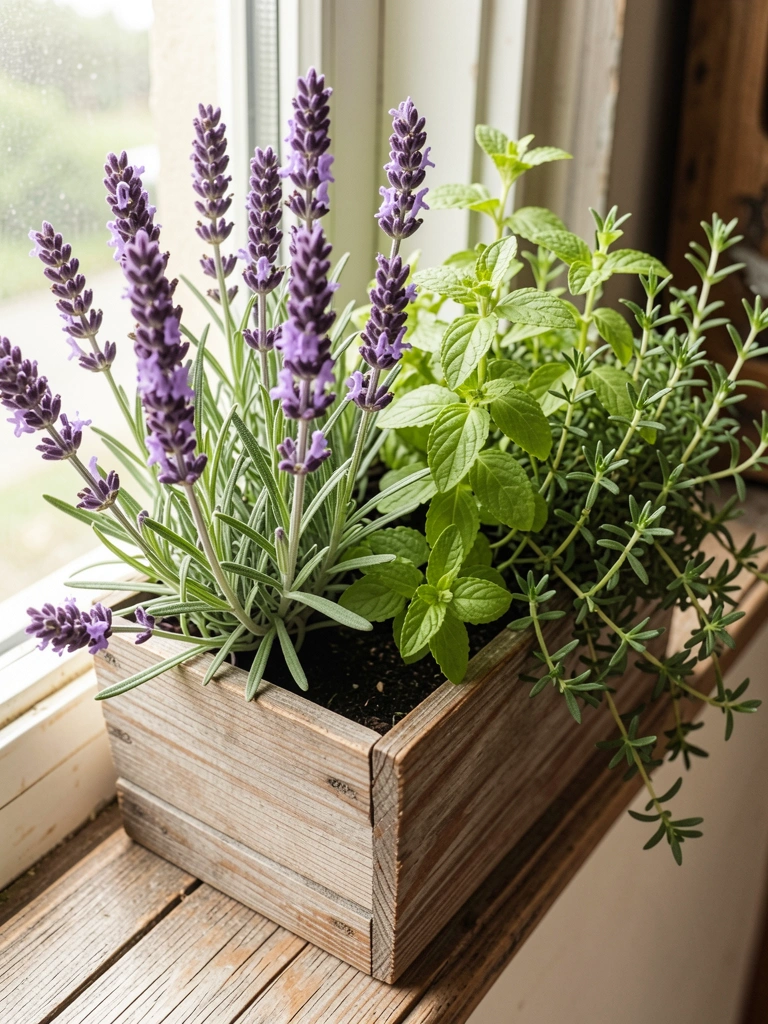
I planted lavender, lemon balm, and thyme in a long planter as a subtle nectar ribbon. Butterflies stop by for a quick sip and the scent is lovely.
My note: lemon balm can spread fast. I learned to clip it regularly or it invades neighboring pots. The lavender prefers drier soil.
Mix herbs with small flowering annuals for continuous appeal. It’s low fuss and smells like summer.
What You’ll Need for This Look
- Long narrow planter (18–24 inch)
- Lavender (compact), lemon balm, thyme, or rosemary
- Well-draining potting mix, pruning shears
- Small labels, regular clipping schedule
10. Mixed Annual Window Box with Continuous Bloom
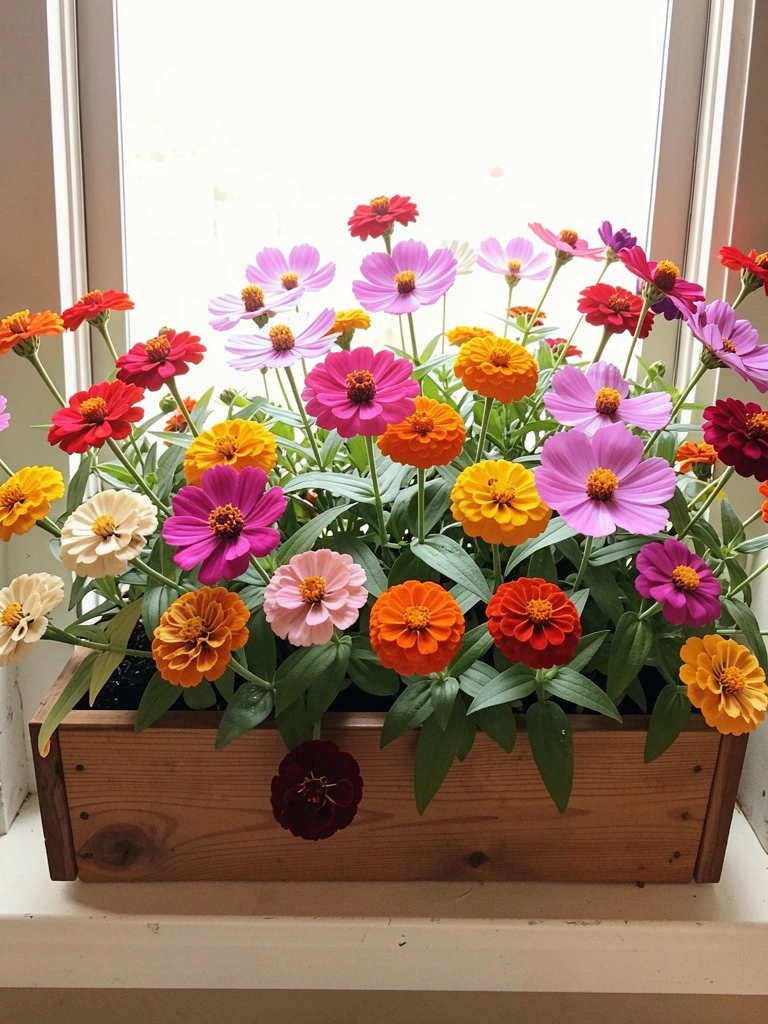
I swapped my plain window box for a mix of annuals and tracked blooms through the season. Zinnias and marigolds gave bold color and steady nectar.
I once planted only one species and the display faded fast when it stopped blooming. Mixing plants staggered the show so something was always open.
Deadhead spent flowers weekly to keep blooms coming. It’s a small change that keeps butterflies coming back.
What You’ll Need for This Look
- Window box (24–36 inch) with liner
- Zinnias, marigolds, cosmos, petunias for filler
- Fast-draining potting mix, hand trowel
- Pruners, twist ties for taller stems
11. Potted Tree Perch with Nectar Underplantings
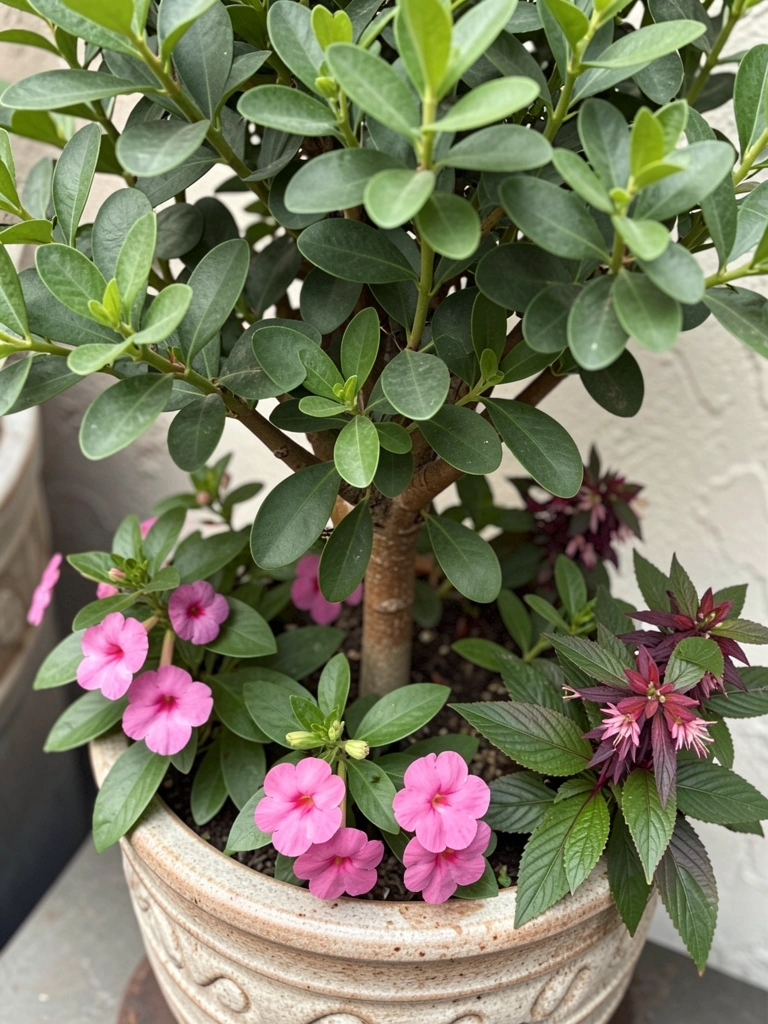
I gave a dwarf citrus tree a big pot and planted pentas and bee balm beneath. The tree becomes a perch and the underplantings supply nectar.
My mistake: I placed a larger patio tree in a too-small container and watched it struggle. The right container and regular feeding solved that.
Pick a tree with open branching so butterflies can land and leave. It makes a small indoor garden feel layered and mature.
What You’ll Need for This Look
- Dwarf citrus or fig (container variety)
- 20–24 inch ceramic or resin pot
- Pentas, bee balm, bee-friendly underplantings
- Slow-release fertilizer, large saucer
12. Portable Butterfly Tray on Casters
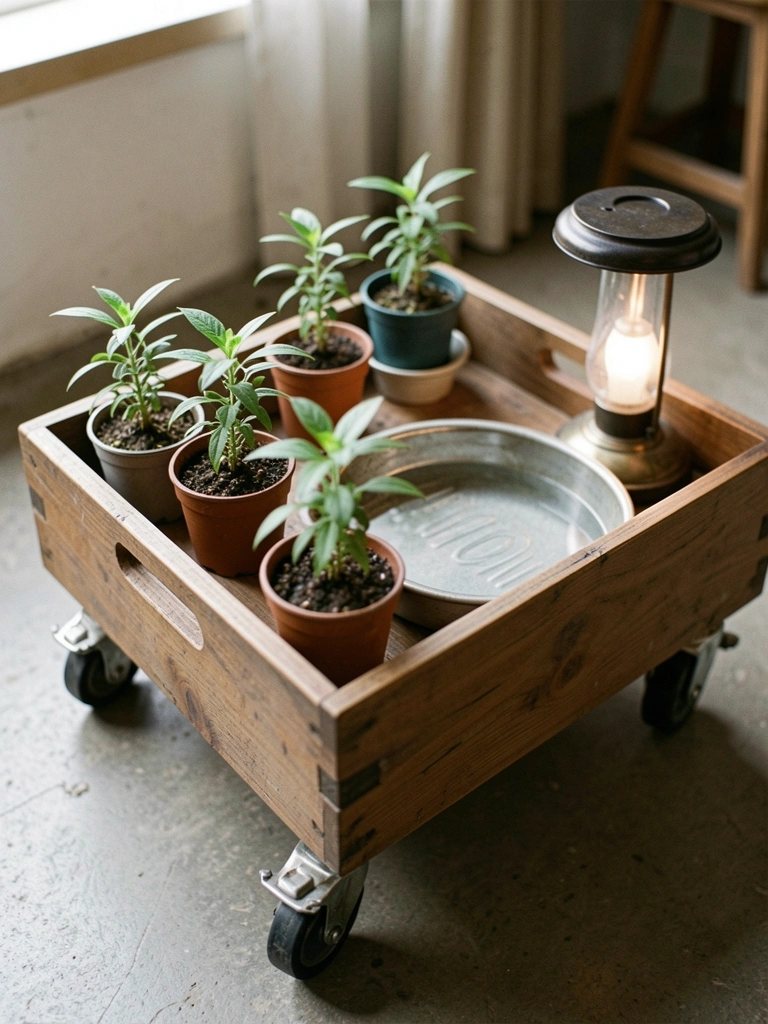
I built a tray on casters so I could move flowers to the sunniest spot each day. It’s my rotating garden and it keeps blooms fresh.
I used to leave plants in one spot and they’d lean or lose bloom. Rolling them into morning sun made a big difference.
Use it to chase light or to move plants when you need space. It’s perfect for renters or small rooms.
What You’ll Need for This Look
- Wooden tray with casters (18–24 inch)
- Mixed small pots (pentas, zinnia, lantana)
- Shallow water dish, small grow lamp (optional)
- Lightweight potting mix, plant labels
Final Thoughts
You don’t need a greenhouse to share your home with butterflies.
Start small, learn from the mistakes I made, and expand as you see what works.
Pick one idea, keep it simple, and enjoy the slow reward of visits and color.