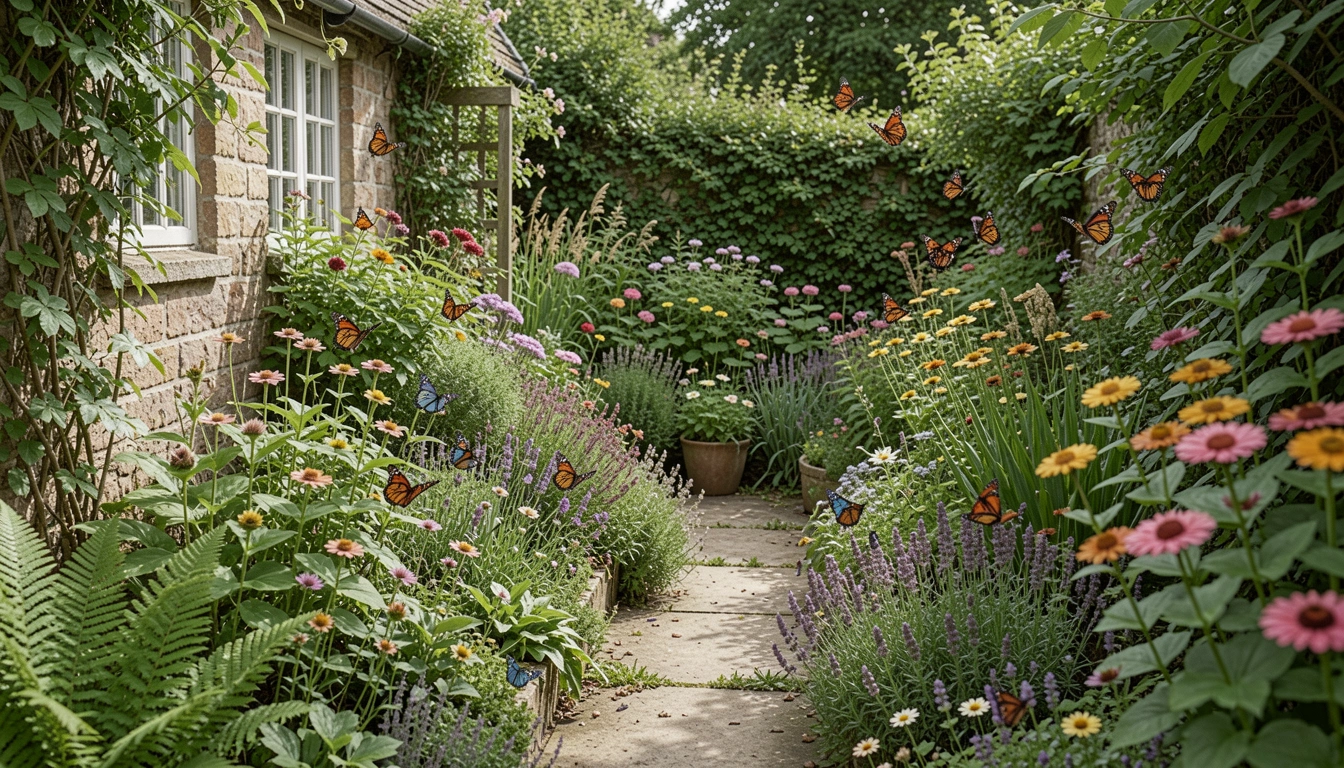
How to Attract Butterflies to Your Garden
I planted a neat border and waited for butterflies. The bed looked right, but nothing landed.
I would stand there on warm afternoons and feel the space was missing something. That quiet is familiar.
I learned to think in drifts, sun patches, and tiny shelters. That made the garden feel settled and busy.
How to Attract Butterflies to Your Garden
This is the method I use every time a garden feels unfinished. You’ll learn how to create places butterflies recognize and return to. The result is a garden that feels lively, layered, and comfortable.
What You’ll Need
- Sunny planting strip (4–6 ft) with full sun exposure
- Buddleja 'Blue Heaven' butterfly bush (3–4 ft)
- Native coneflowers and asters (mixed perennials, assorted colors)
- Milkweed (Asclepias tuberosa) patch — host plant (1–2 sq ft)
- Flat sun-warmed stones or pavers (3–6 pieces, mixed sizes)
- Shallow terracotta saucer (6–8 in) for water and mud-puddling
- Small deciduous shrub (3 ft) for shelter and perching
- Fennel and parsley plants (2–3) for caterpillar food
Step 1: Plant a sunny nectar band that reads from a distance
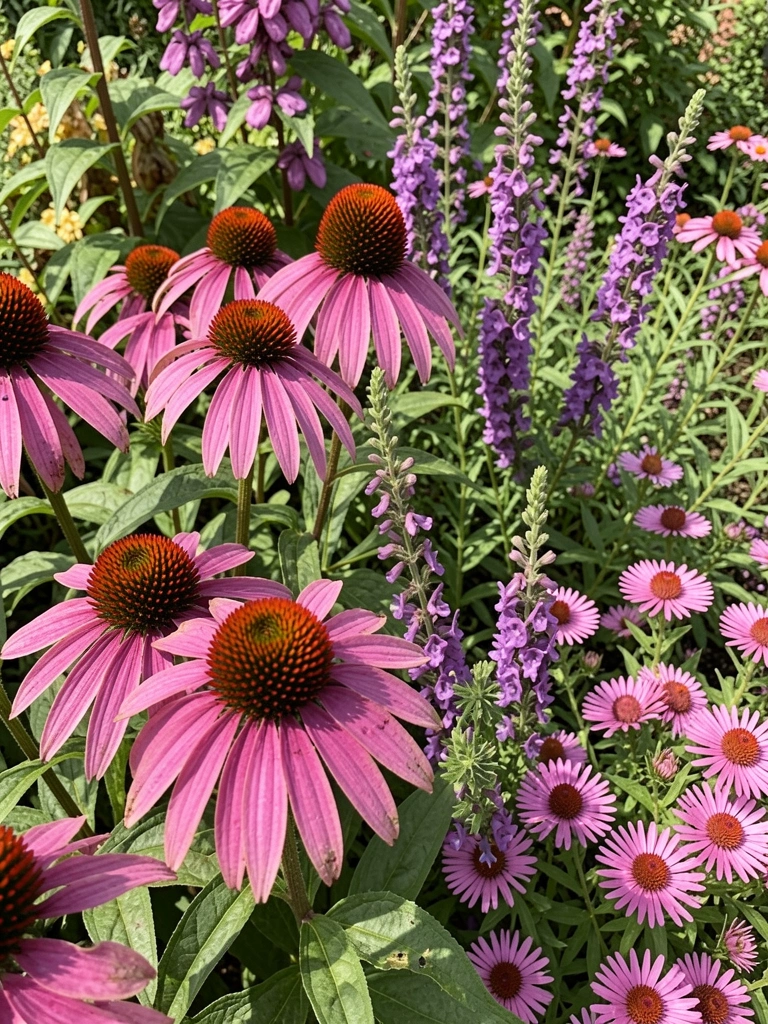
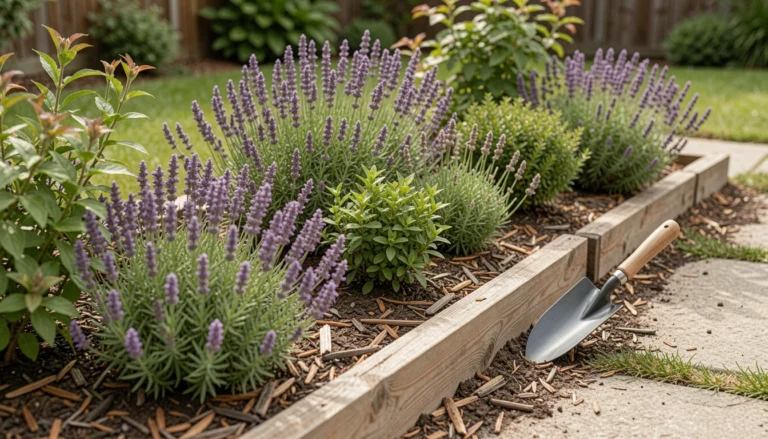
I start by choosing a sunny strip and planting nectar-rich perennials in drifts. I place taller Buddleja at the back, mid-height coneflowers in the middle, and low asters near the front. This creates a clear, welcoming ribbon of color that butterflies spot from a distance.
Visually the bed goes from “pretty” to a definite destination. The blocks of color and height guide flight paths and landing spots. A common miss is treating nectar plants like lone specimens; butterflies prefer visible groups. Avoid scattering single pots around the yard — it dilutes the visual signal they use.
Step 2: Add visible host plants close to nectar sources
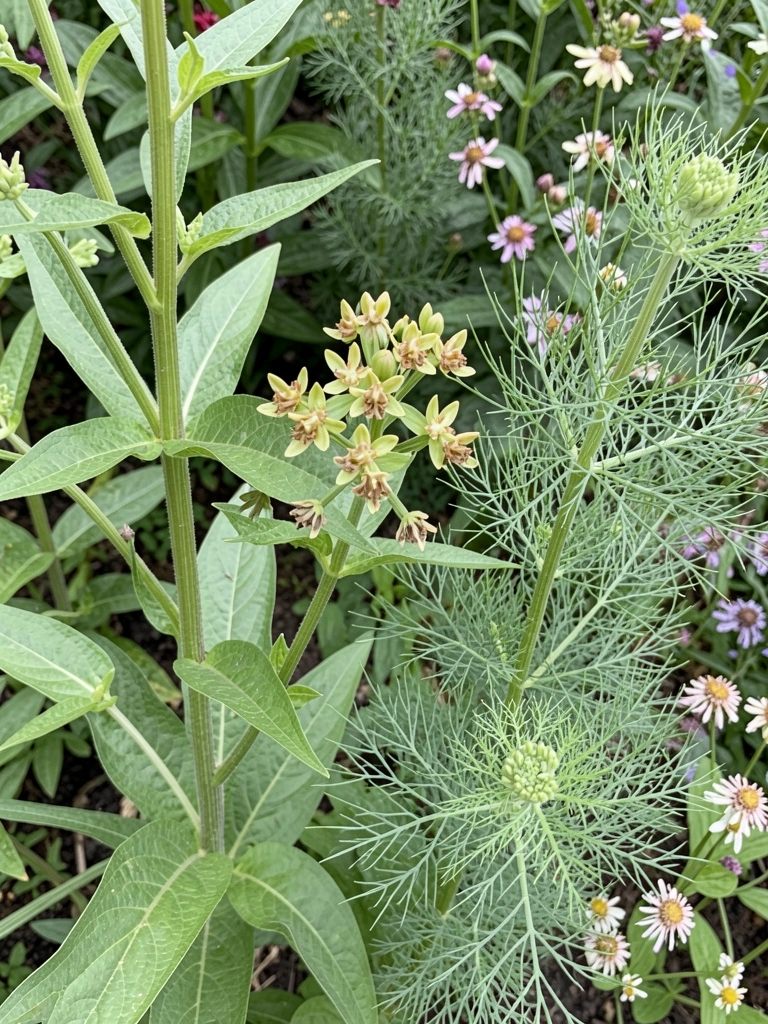
I plant milkweed and parsley where I can see them from the nectar band. Host plants don’t need to dominate, but they should be obvious and easy for caterpillars to reach. I tuck them at the edge of the nectar patch so adults can lay eggs without flying far.
The scene gains a layered, purposeful look — not chaotic. People often hide host plants out of tidiness or fear of “mess.” One mistake is mowing or removing these plants too quickly; feeding caterpillars need leaves and a bit of disorder. Let a few stems be a little scruffy.
Step 3: Create landing and basking areas near flowers
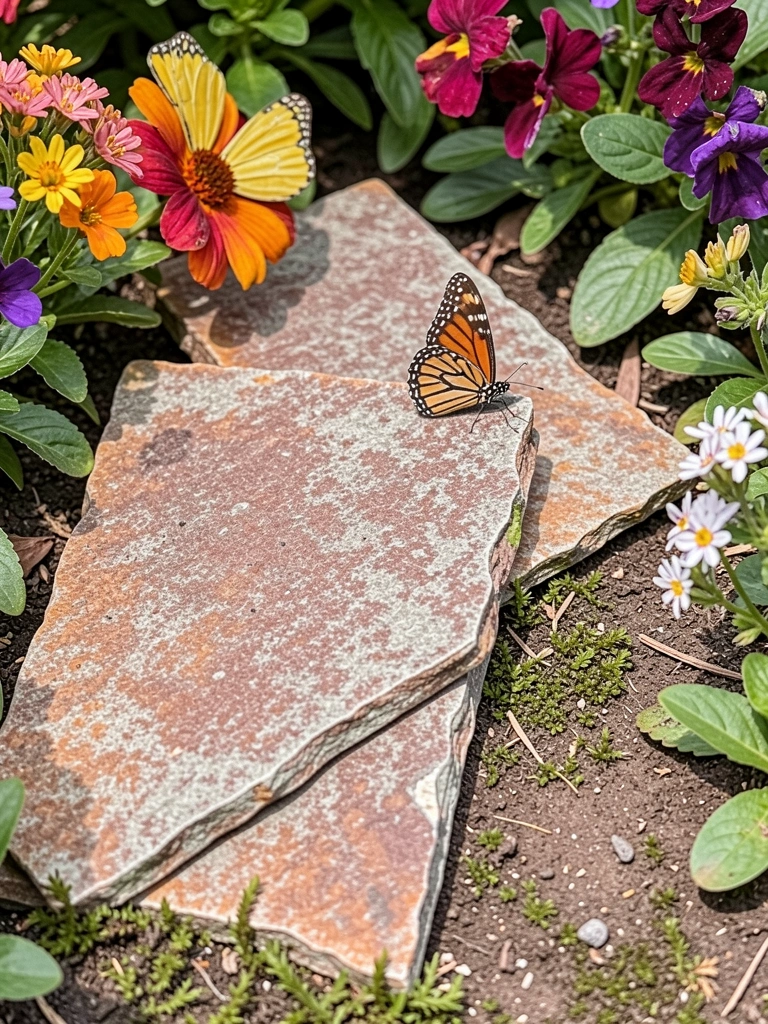
I add flat stones and a small patch of open soil near the nectar plants. Butterflies need warm surfaces to bask on and loose soil to sip minerals. I position stones where afternoon sun hits and near clusters of blooms so they can hop from flower to perch.
This change makes the garden feel more functional and lived-in. A simple, sun-kissed landing area draws activity. A mistake I see is placing stones in deep shade or using slick tiles; they stay cool and unattractive. Keep materials natural and warmed by sun.
Step 4: Offer shelter and varied heights for perching
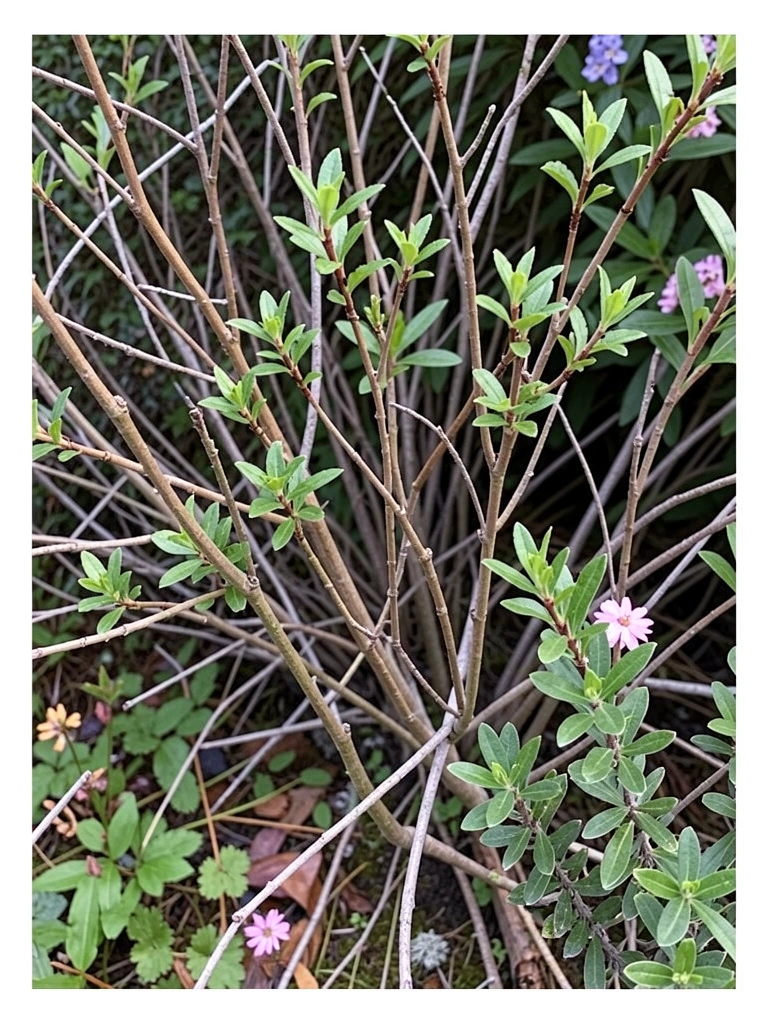
I place a small shrub or dense perennial near the nectar band to break wind and give perches. Butterflies use twigs and stems to rest, hide, and warm up between visits. I keep the shrub low and airy so it frames the flowers without blocking them.
The space feels balanced when there’s a mix of open and sheltered spots. People miss that butterflies avoid exposed, windy patches even if flowers are present. One small mistake is planting a dense hedge that shades out the flowers. Keep shelter open and porous.
Step 5: Stagger blooms and avoid pesticides for steady visits
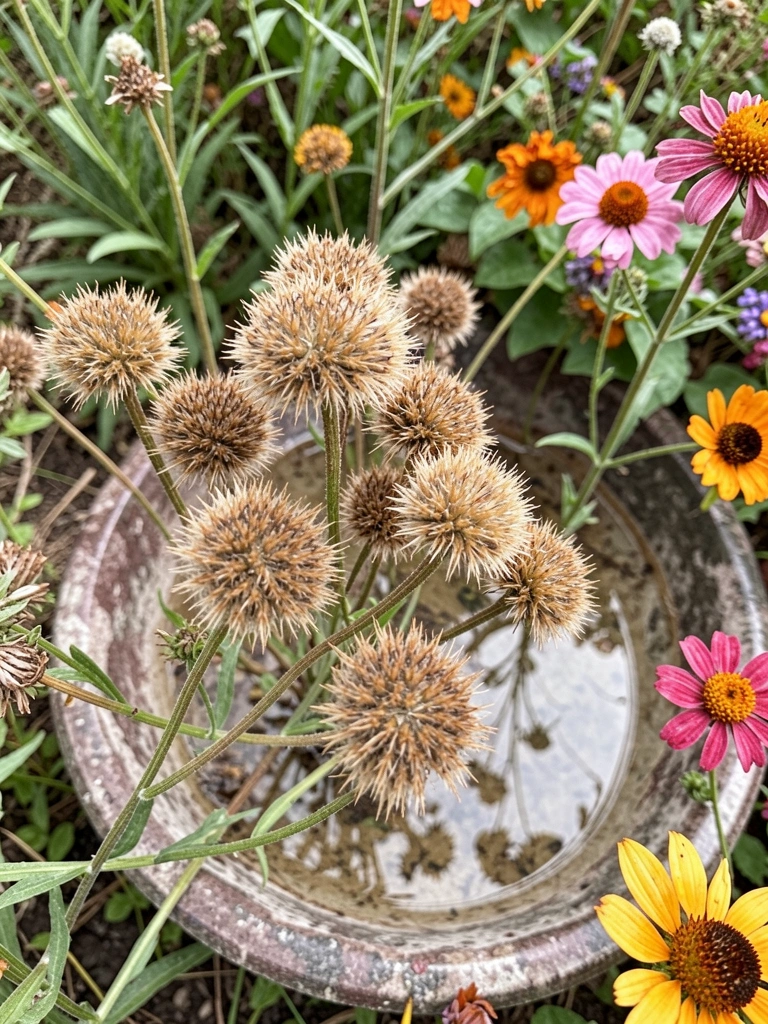
I plan for continuous bloom from spring to fall by mixing early, mid, and late bloomers. I leave some seedheads and spent flowers for autumn nectar and shelter. I always skip pesticides and choose gentle management so caterpillars and adults are safe.
Visually the border carries interest across seasons instead of falling flat. Many gardeners deadhead too aggressively and remove late-season resources. A small mistake is using broad-spectrum sprays; they remove insects and the very reasons butterflies come. Patience and restraint keep visits steady.
Plant Choices That Work
I lean on natives and plants that are known to feed local species. Buddleja for summer nectar, coneflowers for mid-season, asters for fall, and milkweed for caterpillars. The palette doesn’t need to be loud. Balanced color blocks read better than many tiny spots.
Include a few herbs like fennel and parsley for additional caterpillar hosts. They’re useful and tidy if placed at the edge of beds. Native selections help local butterflies feel at home and make the garden look coherent.
Garden Layout and Flow
Think in bands and nodes rather than random dots. A sunny band, a sheltered nook, and a water/landing node create movement. That flow guides butterflies and makes the garden feel intentional.
Use repetition to pull the eye. Repeat a color or plant every few meters so the space reads as a whole. Small clusters feel natural and calm — not forced.
Seasonal Care and Patience
Give plants time to establish and stagger planting so something is always blooming. I let a few volunteer seedlings stay; they often become valuable late-season food. Change is slow with pollinators, but steady.
Watch and tweak placement over months. Move a stone, adjust a shrub, or nudge a pot. These small acts settle the garden into a rhythm butterflies recognize.
Final Thoughts
Start with a single sunny band and one host plant. It’s enough to change how the space feels. I’d rather one confident ribbon of flowers than ten scattered pots.
Work in small steps and watch for patterns. Adjust where they land and rest. The payoff is gradual and quietly satisfying.