12 Brick Garden Bed Ideas for Cute Look
I used to think bricks were just practical. Then I built a few beds and watched a tired corner become a place I wanted to sit in.
I’ve burned a few mistakes into muscle memory — bricks sunken, soil too shallow, herbs planted too close.
These ideas are what I still reach for. Simple, fixable, and actually pretty.
12 Brick Garden Bed Ideas for Cute Look
These 12 ideas are hands-on and realistic.
I tested them in real yards, not show gardens.
You’ll get practical notes and what to buy.
Expect 12 down-to-earth looks you can copy.
1. Low Brick Raised Bed with Lavender and Thyme
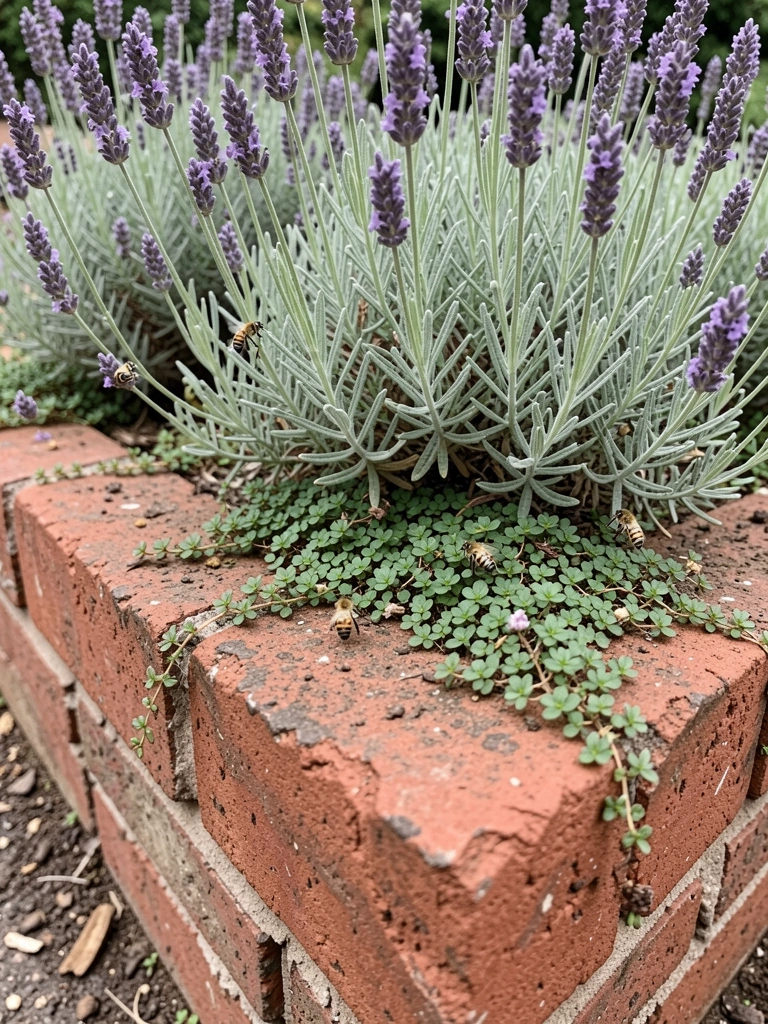
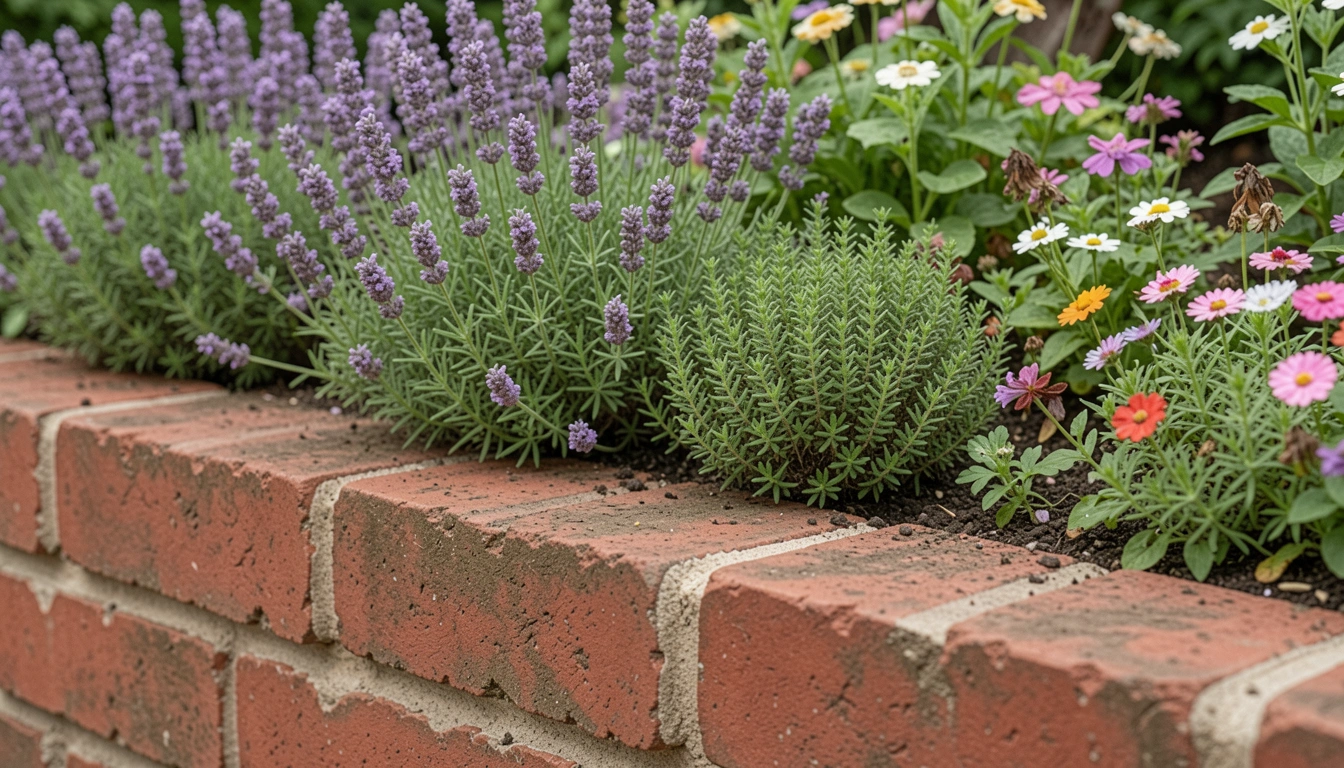
I made these low beds on a sunny strip and the smell changed how I gardened there. Lavender gives structure; thyme spills over the bricks and softens edges.
It looks neat without being stiff. The brick height keeps soil in but doesn’t block the view.
Watch drainage — I once left soil shallow and the lavenders sulked the first year.
What You’ll Need for This Look
- Reclaimed red bricks (standard 8x4x2.5 in)
- Lavender varieties (Munstead or Hidcote)
- Creeping thyme (silver or green)
- Well-draining soil mix, coarse sand
2. Curved Cottage-Style Brick Border
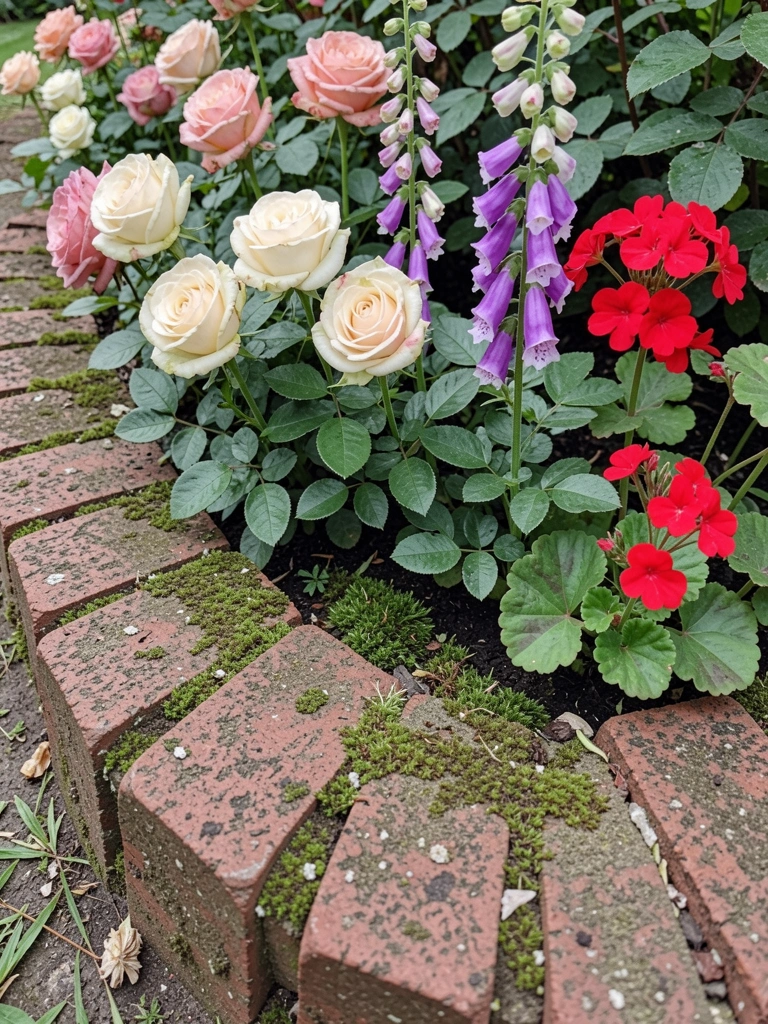
I curved bricks around a perennial patch to soften a narrow path. The curve invites you in and the bricks age into the planting.
I once planted hydrangeas too close to the edge and they shaded smaller perennials. I moved them later and the bed breathed again.
Curves make small gardens feel larger. Keep the inner soil level slightly higher than the path for better sightlines.
What You’ll Need for This Look
- Half-bricks for curve shaping
- English roses or cottage perennials
- Soil conditioner and compost
- Flat edging tool or mallet
3. Split-Level Brick Bed for Small Slopes
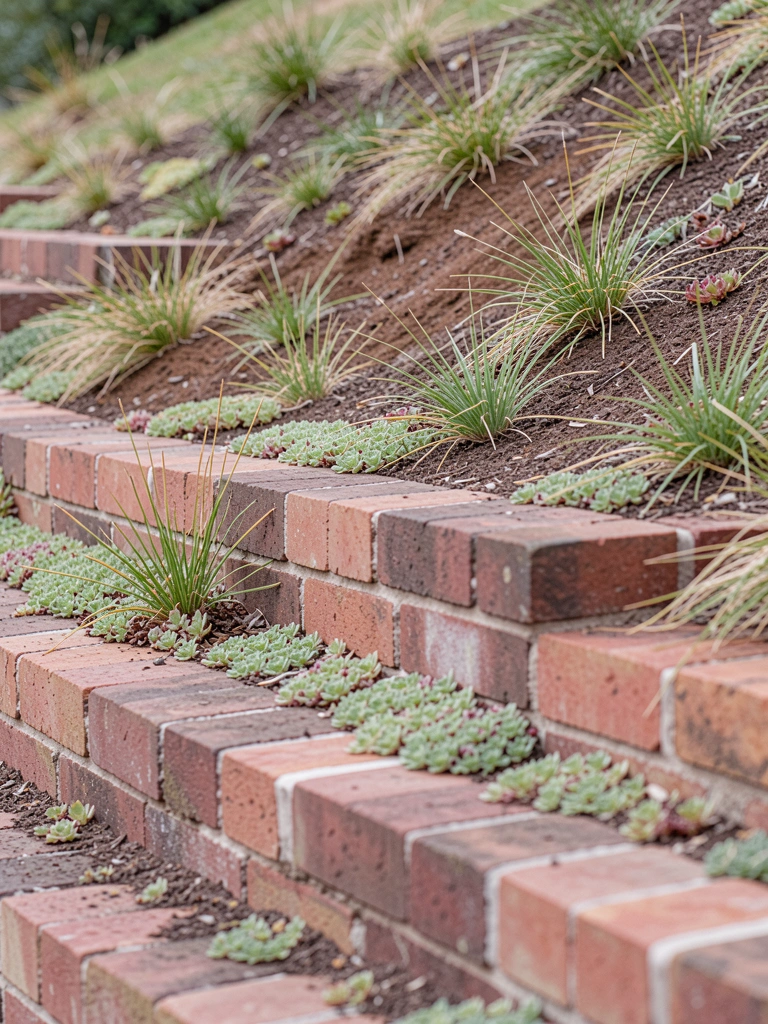
On a slope I terraced with two low brick walls. It stopped soil washing and created two distinct planting pockets.
I planted grasses above and lower herbs below. The different heights give rhythm without needing tall plants.
I learned to step back and check sightlines from the house—some angles looked crowded until I lowered the upper layer.
What You’ll Need for This Look
- Standard bricks for low retaining walls
- Ornamental grasses (choosing clumping types)
- Sedum varieties for lower tier
- Landscape fabric and backfill gravel
4. Brick and Timber Hybrid Bed
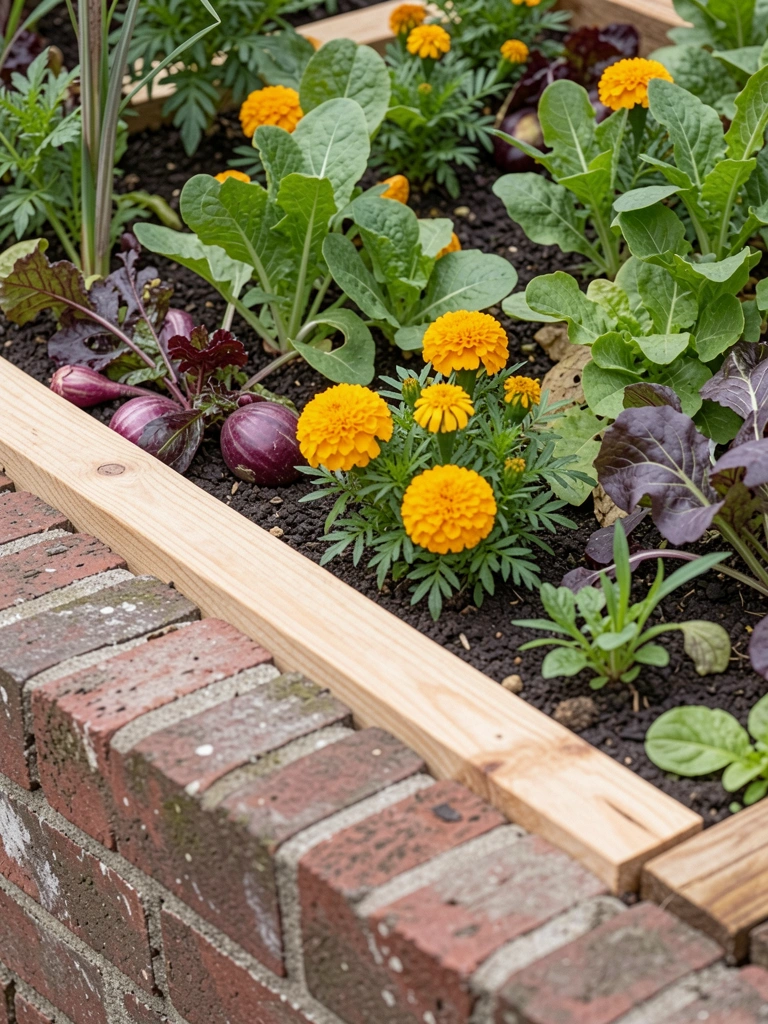
I combined bricks facing out with a cedar internal frame where soil depth mattered. The look is warm and intentional.
The brick gives a permanent edge and the timber keeps soil higher for veggies. It’s practical and honest-looking.
My mistake once was using untreated timber that pushed against damp bricks; choose rot-resistant wood or a small gap.
What You’ll Need for This Look
- Reclaimed bricks for outer face
- Cedar sleeper (4×6 or similar)
- Vegetable soil mix
- Galvanized screws and exterior adhesive
5. Mini Brick Herb Spiral
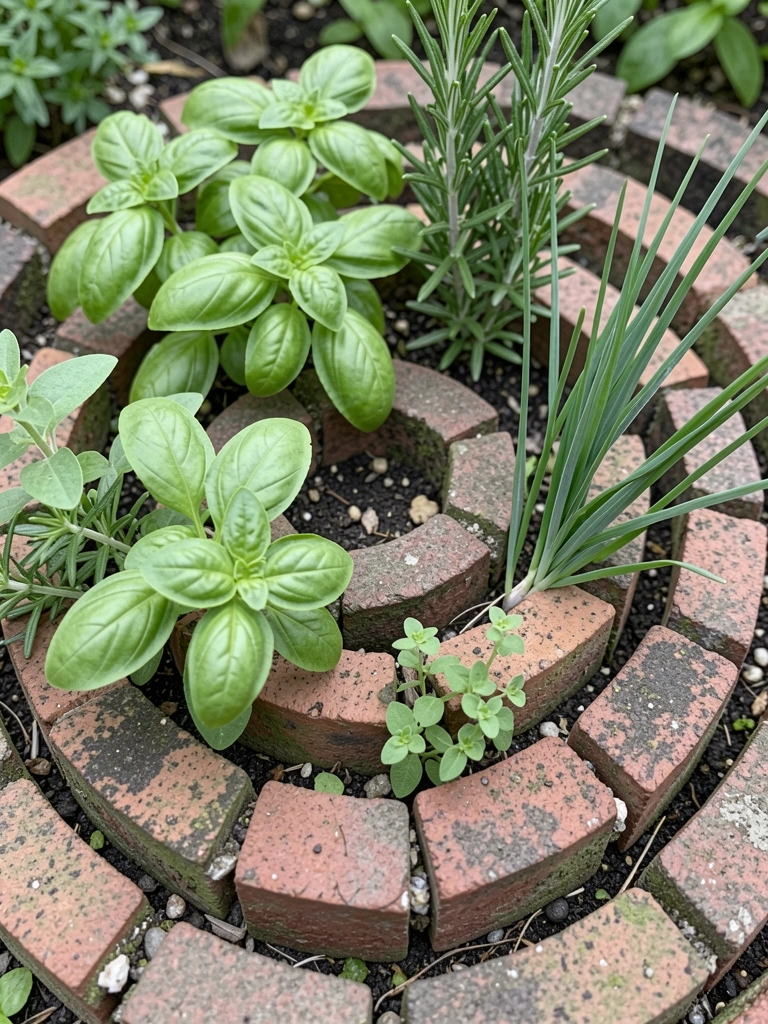
I built a tiny spiral of bricks near the kitchen door. It’s compact, aromatic, and every herb gets the microclimate it needs.
I once mortared it too tight and the spiral looked stiff. Leaving small gaps for drainage made it look better and grow better.
It’s ideal where space is tight. Plant higher, sunnier herbs at the top and moisture-lovers near the base.
What You’ll Need for This Look
- Short reclaimed bricks (for spiral)
- Basil, rosemary, chives, oregano
- Potting soil with compost
- Hand trowel and gloves
6. Brick Planter Bench Combo
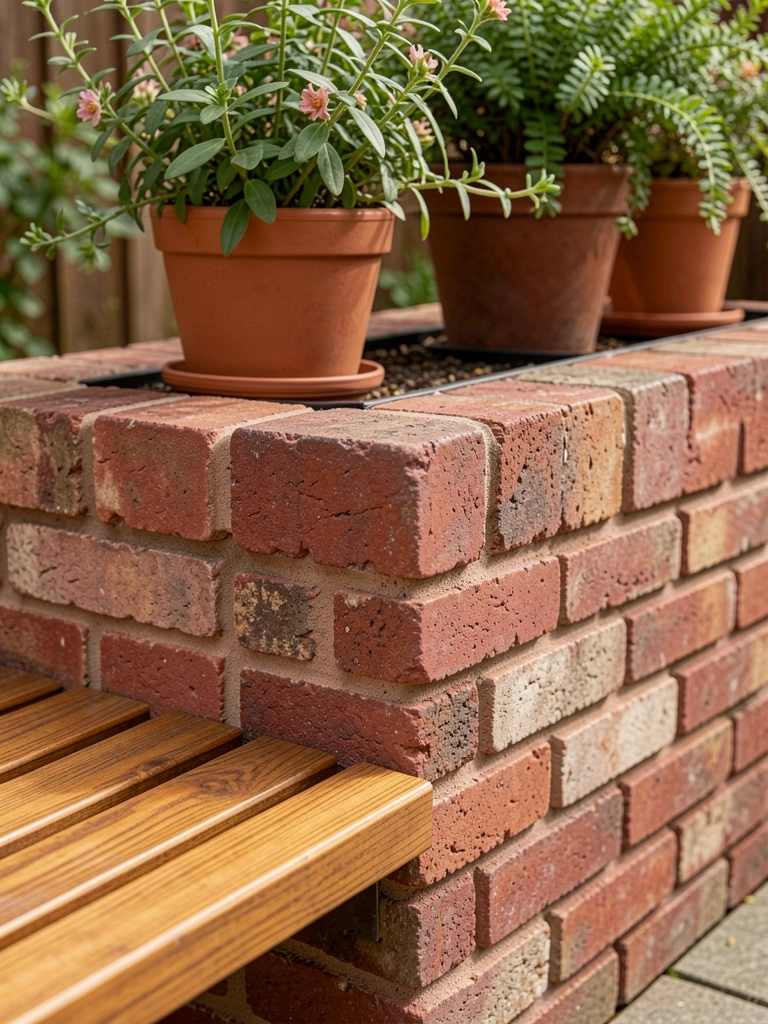
I built a bench that follows a brick planter. Now I sit among my plants. The seat hides a narrow bed and the bricks ground the bench visually.
It makes a small patio usable. Flowers spill over and the bench becomes part of the garden, not an ornament.
Make sure the bench base isn’t trapping moisture against timber; I added stones beneath to avoid rot after learning the hard way.
What You’ll Need for This Look
- Bricks for planter base
- Outdoor bench slat (acacia or teak)
- Container soil and bedding plants
- Drainage gravel
7. Succulent Brick Rock Garden
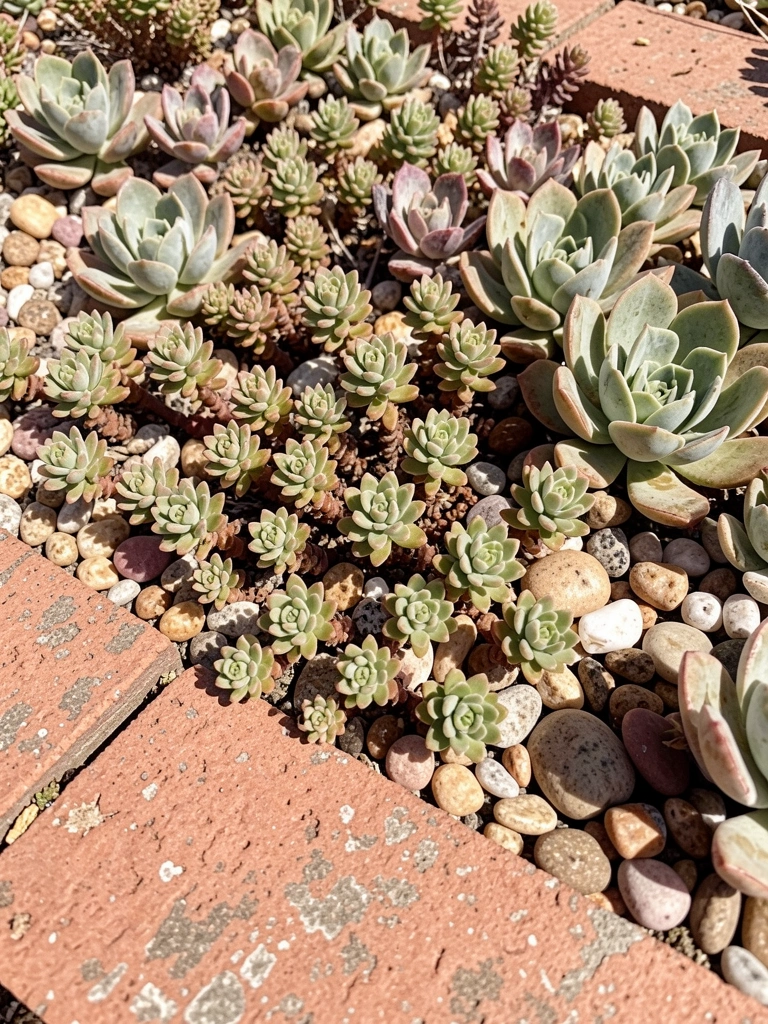
I swapped a high-maintenance bed for a shallow brick trough of succulents. It’s forgiving and looks tidy in summer.
I used angular bricks to echo the succulents’ shapes. The low profile keeps the garden readable from the path.
I once planted succulents in heavy garden soil and they rotted. Learn from me: build in grit and good drainage.
What You’ll Need for This Look
- Shallow reclaimed bricks for edge
- Succulent mix (sedum, sempervivum)
- Gritty cactus soil and pea gravel
- Small hand rake
8. Sunken Brick Pond-Edge Bed
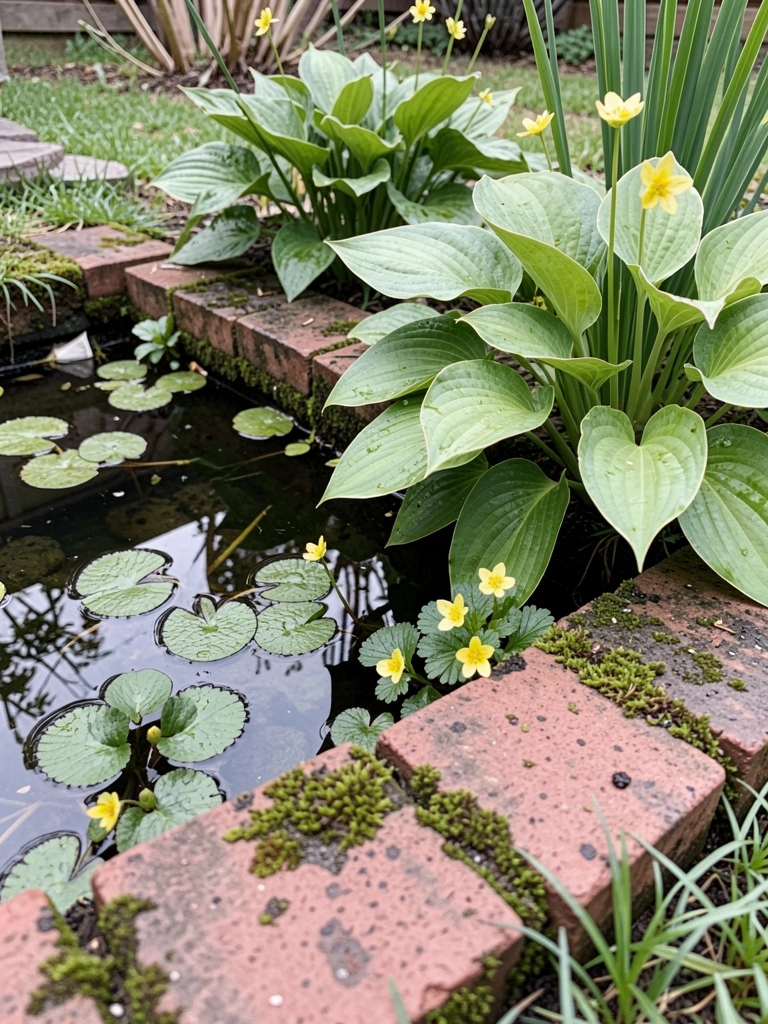
I edged my little pond with bricks and planted moisture-loving species right at the waterline. The bricks define the edge naturally.
At first I underestimated seepage and had soggy soil beyond the bed. I added a layer of gravel and adjusted planting depth to fix it.
This look feels lush and calm. Pick plants that tolerate periodic wet feet and tuck in some stone for interest.
What You’ll Need for This Look
- Weathered bricks for edge
- Hosta, marsh marigold, or iris
- Pond-safe soil and gravel
- Waterproof liner (if building new)
9. Modern Stacked Brick Cube Beds
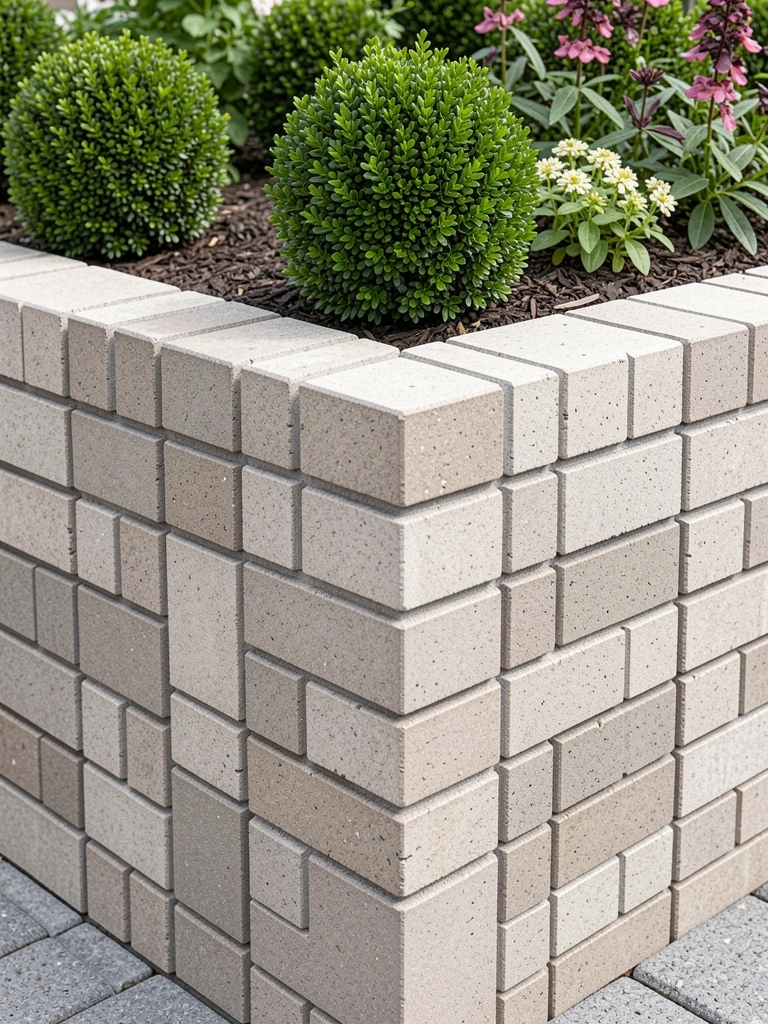
I like a clean row of stacked brick cubes for a modern corner. They read tidy and are ridiculously low-maintenance.
I used uniform bricks and kept soil levels even. The cubes create mini stages for plants and make pruning easier.
Watch for frost heave in colder spots — I put drainage stones below and the cubes stayed snug through winter.
What You’ll Need for This Look
- Matching bricks for neat stacking
- Low boxwoods or clipped hedging
- Well-draining topsoil
- Gravel base for drainage
10. Brick-Edged Wildflower Strip
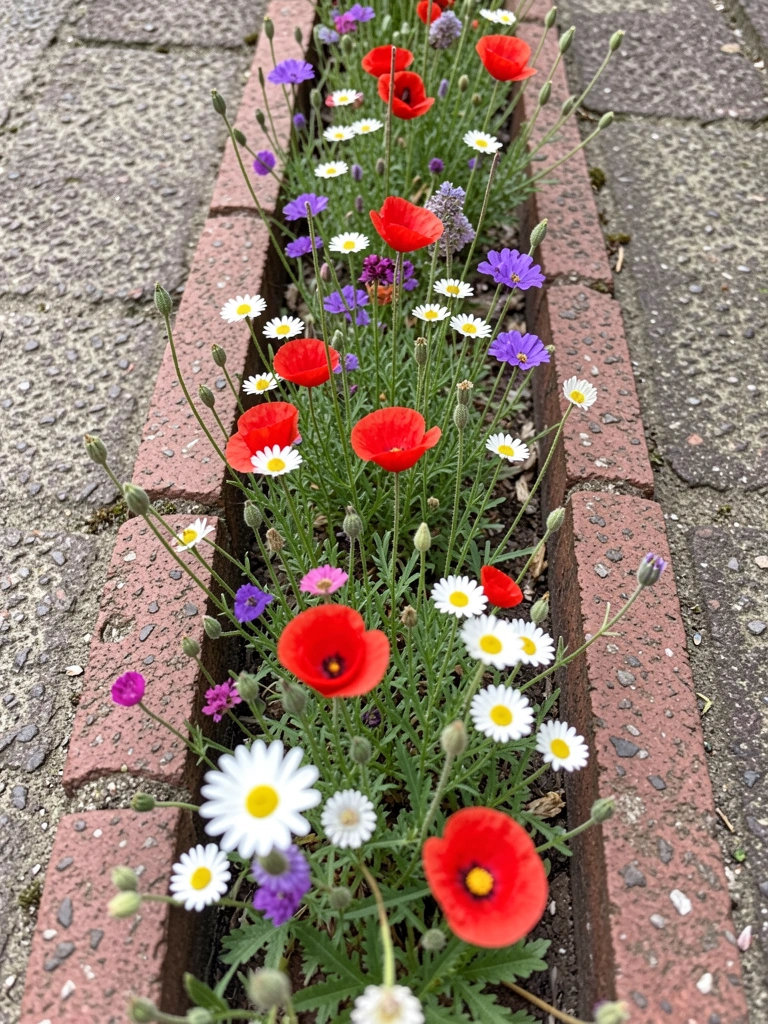
I used a thin brick edge along the street side and planted native wildflowers. It felt accidental in a good way—cottage without fuss.
The bricks keep foot traffic off and the flowers reseed. It’s low-cost and cheery in midsummer.
My note: pick local seed mixes. I learned that a flashy mix can outcompete tiny natives here, so I mix carefully.
What You’ll Need for This Look
- Standard bricks for edging
- Native wildflower seed mix
- Seed starter mix and mulch
- Small rake
11. Reclaimed Brick Raised Bed for Vegetables
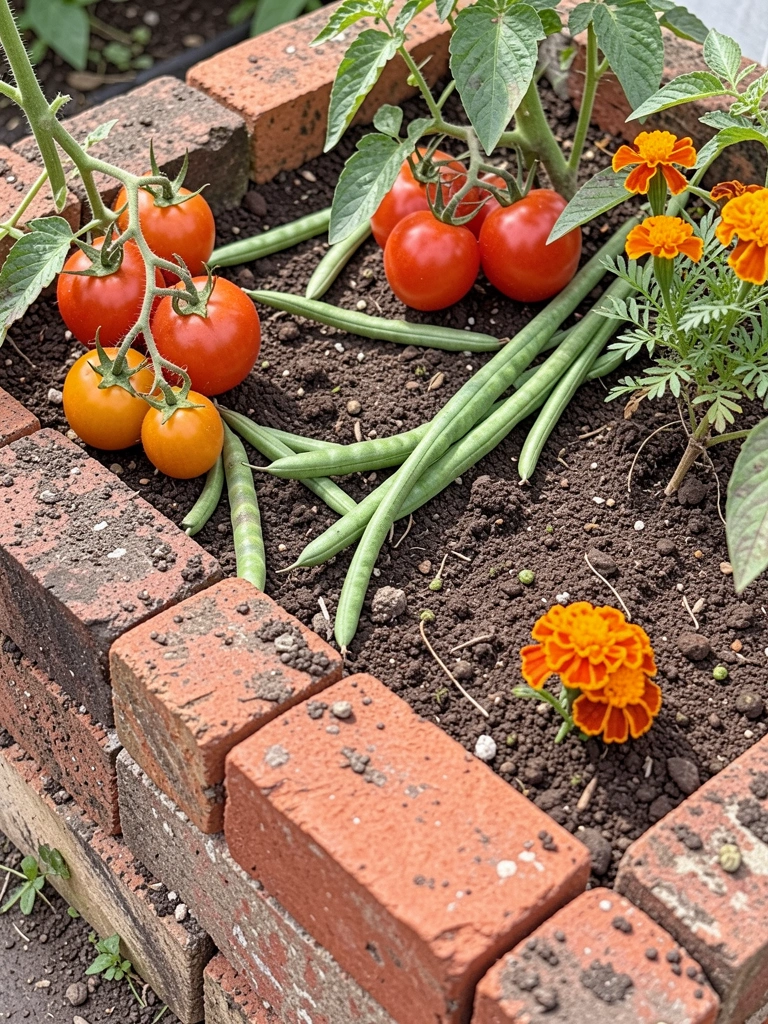
I stacked reclaimed bricks into a roomy veg bed. It’s forgiving and keeps soil warmer than the ground.
I overfilled once and had nitrogen-starved squash. Now I layer compost and rotate crops yearly.
The reclaimed aesthetic hides imperfections and is sturdy. Put in a drip line and you’ll thank yourself during dry spells.
What You’ll Need for This Look
- Reclaimed bricks (for stacking)
- Vegetable soil mix and compost
- Drip irrigation kit
- Tomato supports and marigolds
12. Patterned Brick Path Surround Bed
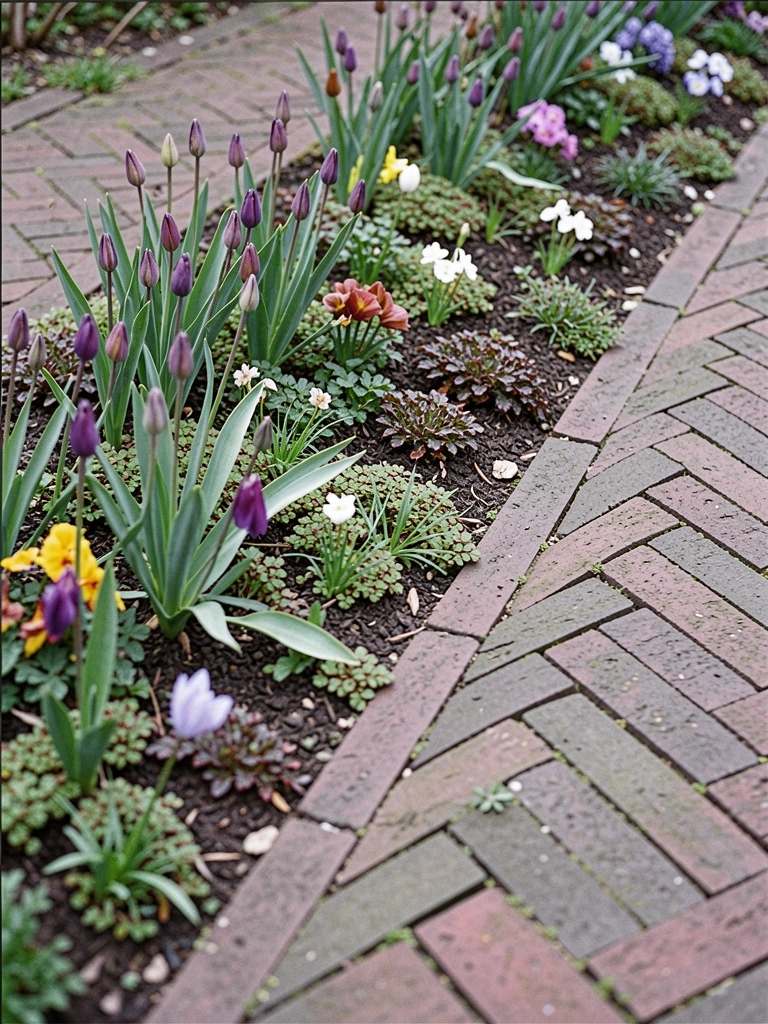
I laid a herringbone brick path and planted narrow beds along both sides. The pattern makes the space feel considered and small bulbs peek between bricks.
The contrast between the neat path and relaxed planting is cozy. My error was packing soil too hard near the pattern; loosen it to help roots settle.
Plant bulbs and groundcovers for a seasonal surprise. The bricks hold the scene together visually.
What You’ll Need for This Look
- Herringbone bricks or pavers
- Daffodil and crocus bulbs, low groundcover
- Fine topsoil and bulb planter
- Sand for bedding bricks
Final Thoughts
You don’t have to do all these ideas. Pick one that suits your pace and space.
Bricks are forgiving. They age into the garden and you’ll learn with each row you lay.
Start small, keep a notebook, and enjoy fixing the tiny mistakes.