14 Bold Front Yard Flower Pot Ideas For Major Curb Appeal
I used to cram plants into the first cheap pot I found. The house looked busy but flat.
Over years I learned to pick one strong move and stick with it.
These ideas are the ones that actually made neighbors stop and ask questions. Simple to copy. Real results.
14 Bold Front Yard Flower Pot Ideas For Major Curb Appeal
These 14 ideas are practical and doable.
Each one is something I’ve tried in a real front yard.
They’re focused on appearance, planting, and the few things to buy.
You’ll get 14 clear ideas with shopping notes.
1. Layered Container Planting That Makes a Porch Feel Full
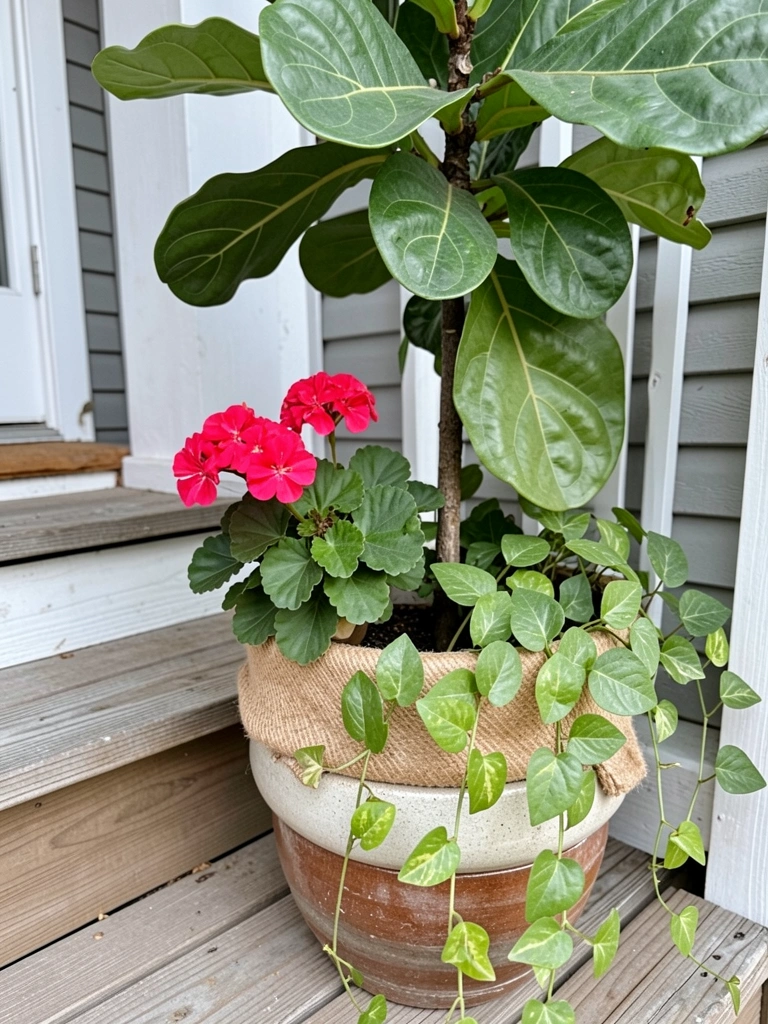
I planted three heights in one big pot and it finally looked intentional. The tall plant gives structure. Mid-height fills the eye. Trailing plants soften the edge.
At first I used tiny plants and it looked scrawny. Bigger starter sizes make a difference. Keep the top layer of soil slightly curved so water runs in.
Tip: rotate the pot a bit each week so all sides get sun. It keeps the shape even.
What You’ll Need for This Look
- 18–24 inch deep glazed ceramic planter
- Tall structural plant (8–10 ft or potted substitute)
- Mid-height flowering annuals (geraniums, salvia)
- Trailing vine (sweet potato vine)
2. Matching Pair Flanking the Walkway for Formal Balance
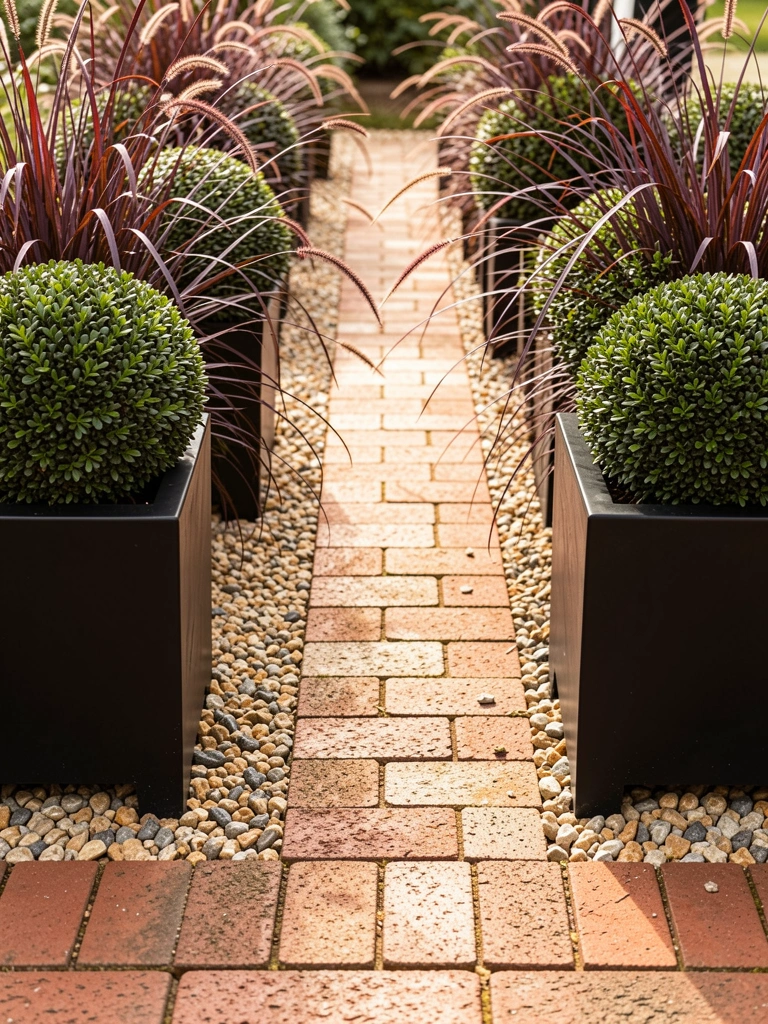
I bought two identical planters and put them on either side of the path. The symmetry made the whole yard read as intentional. People notice balance more than color.
My mistake was choosing planters too small the first season. The plants got top-heavy and looked awkward. Go one size up than you think.
Choose low-maintenance evergreens for winter structure, and swap seasonal pots in spring for color.
What You’ll Need for This Look
- Pair of square black planters (16–20 inch)
- Boxwood or dwarf evergreen balls
- Purple fountain grass for seasonal contrast
- Pebble mulch for drainage
3. Vintage Wheelbarrow Overflowing With Cottage Blooms
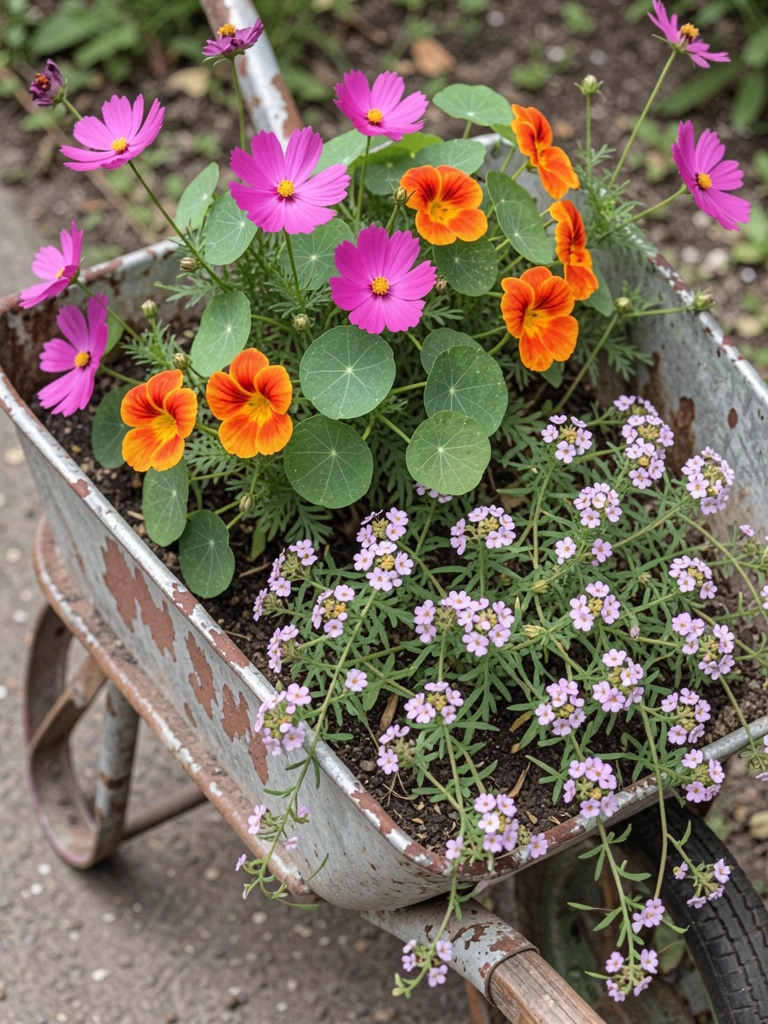
I drove a rusty wheelbarrow into the yard and filled it up. It anchors a corner and makes people smile. The mix of airy cosmos and bold nasturtiums looks casual and full.
I learned to line it with a rigid plastic tub first. Otherwise the soil leaks and drainage problems multiply. It’s an easy fix that keeps cleanup simple.
Move it seasonally to avoid soggy spots. The wheelbarrow ages beautifully, so don’t buy a pristine one.
What You’ll Need for This Look
- Vintage metal wheelbarrow (lined with plastic tub)
- Cosmos, nasturtiums, alyssum
- Potting mix and landscape fabric
- Hand trowel
4. Tall Column Planters to Frame the Front Door
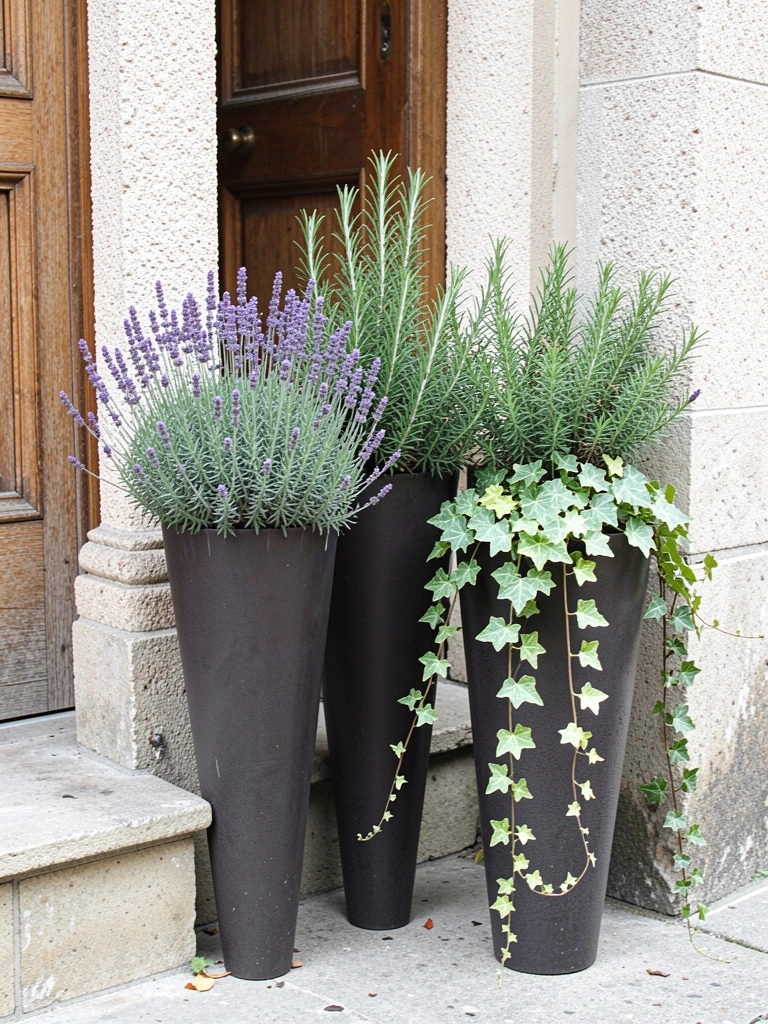
I swapped low pots for tall columns and the front door felt taller. Slim columns draw the eye up, making an old porch look grander without a remodel.
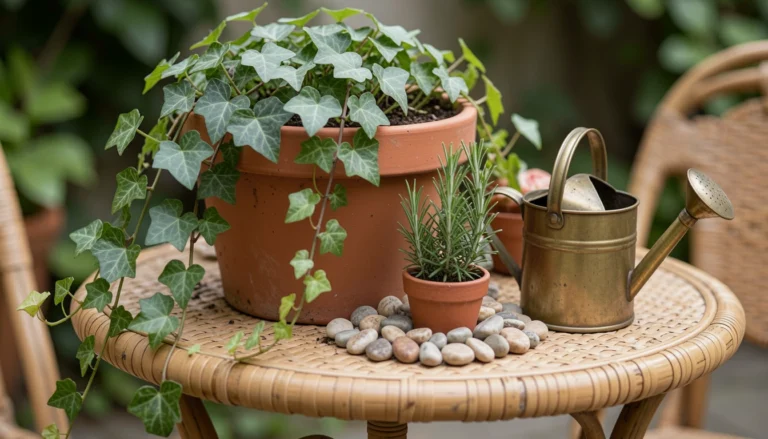
I used aromatic herbs so the entrance smells good when I walk by. Lavender and rosemary also stand up to sun and stay neat.
Pick a column with internal drainage or drill holes. Secure tall pots against wind if you live in a breezy spot.
What You’ll Need for This Look
- Pair of 30–36 inch tapered column planters
- Lavender and rosemary (potted)
- Trailing English ivy
- Drill bits for drainage holes
5. Low-Profile Concrete Troughs for a Modern Clean Line
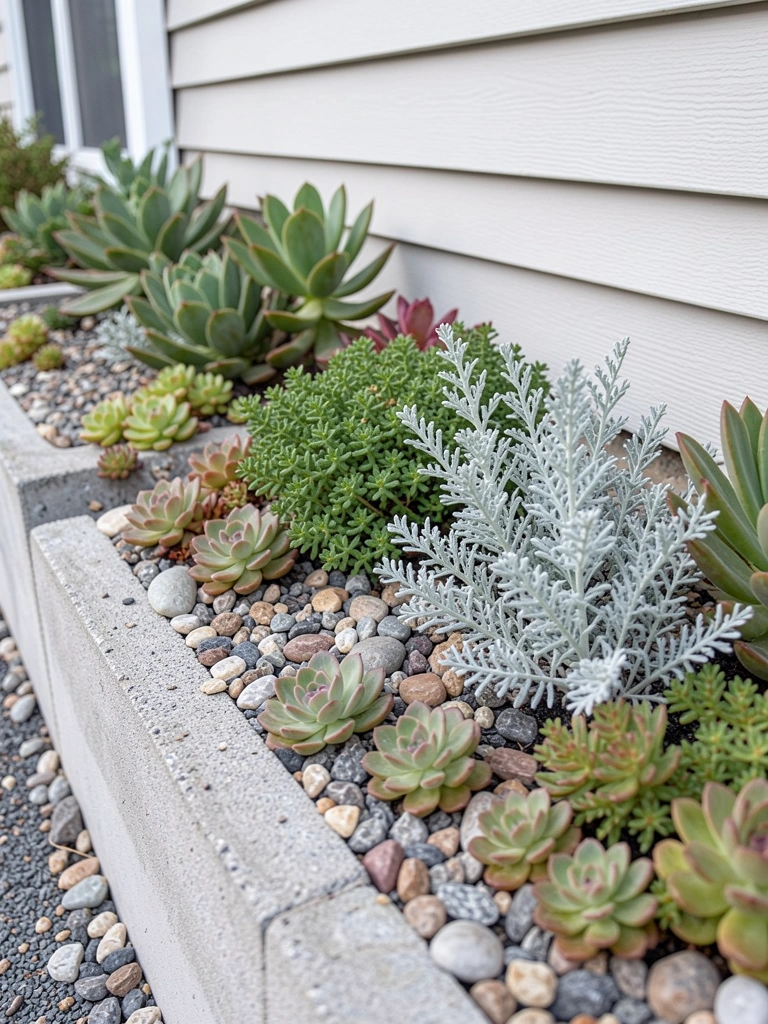
I replaced cluttered pots with long concrete troughs and suddenly the front looked calmer. The linear shape complements modern siding and hides chaotic planting.
My first trough was too shallow. Plants dried out fast. Now I choose deeper troughs and add a coarse gritty mix. Water needs drop and the look stays tidy.
Group troughs in odd numbers for interest. The concrete warms up with age and stays low-maintenance.
What You’ll Need for This Look
- Long concrete trough planter (36–48 inch, 10–12 inch deep)
- Drought-tolerant succulents and sedum
- Coarse potting mix with grit
- Decorative gravel top layer
6. Layered Seasonals in a Wheel-Style Planter Tower
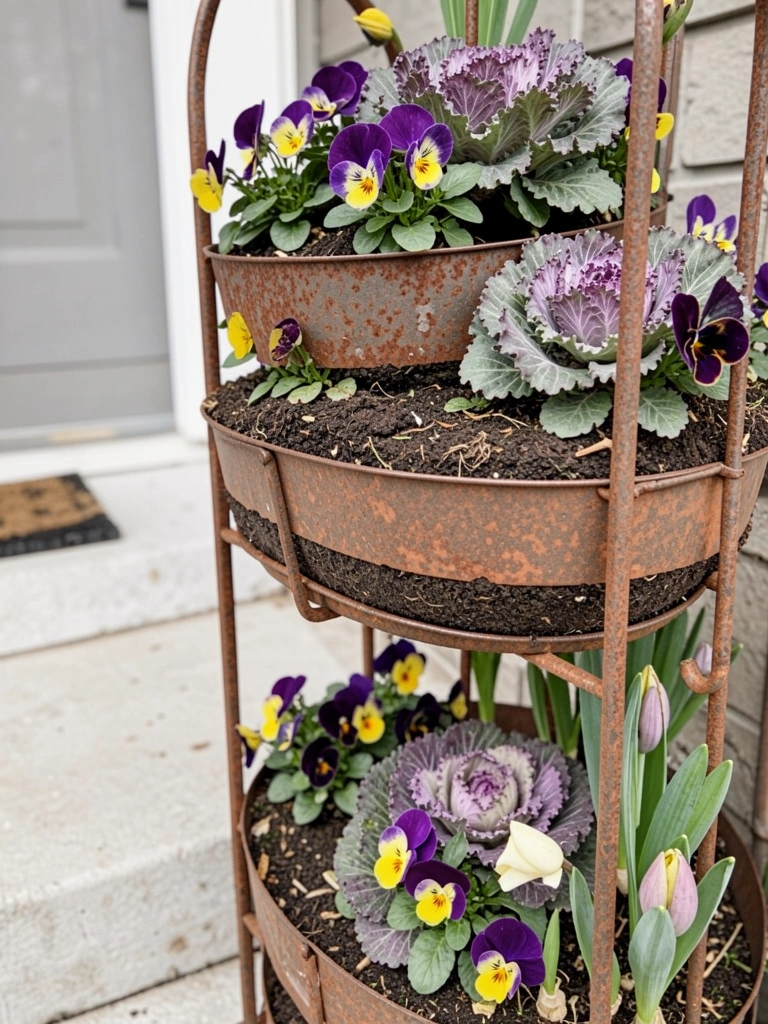
I stacked three metal tiers and planted each with different seasonal color. That vertical rhythm keeps interest from spring bulbs through fall mums.
It’s compact, so it’s perfect for small yards. I learned to stagger bloom times so there’s always something showing. Early bulbs, mid-season annuals, late-season mums work well.
Water from the top and let gravity distribute moisture. Top tiers will dry faster—check them more often.
What You’ll Need for This Look
- Tiered metal planter tower (3 tiers)
- Early bulbs, pansies, ornamental kale, mums
- Potting soil and slow-release fertilizer
- Watering can with long spout
7. Painted Pots That Echo Your Front Door Color
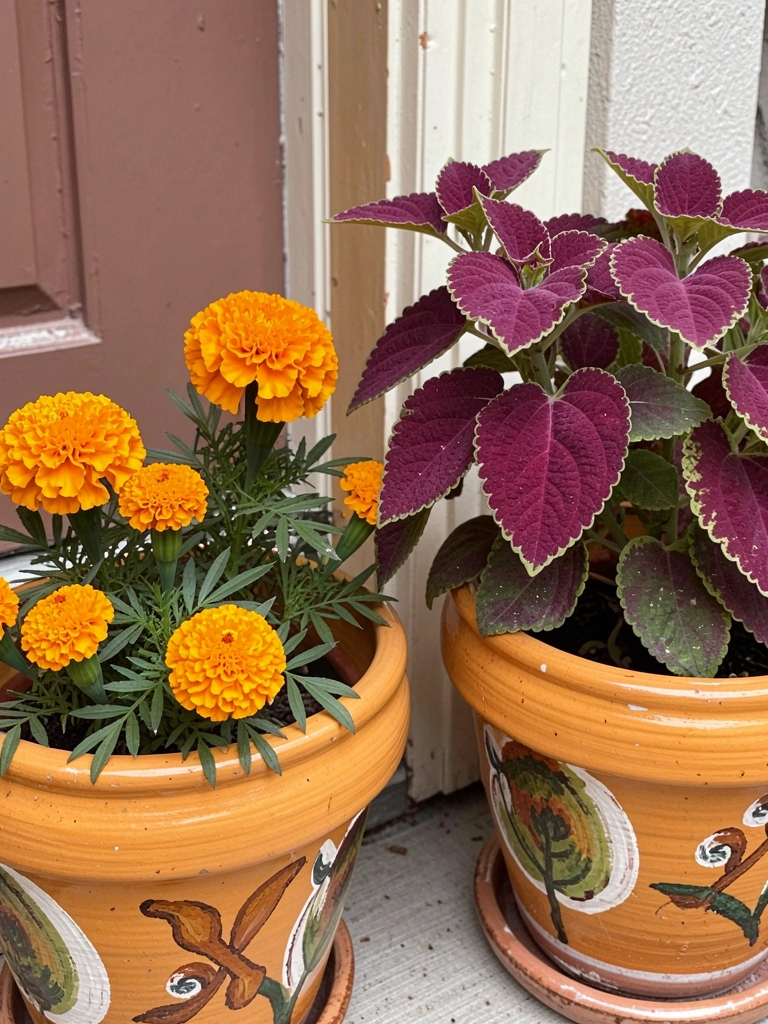
I painted a set of thrifted pots to match my door. The repeat color pulls the whole scene together more than matching plant colors would.
Painting saved me money and made mismatched pots look curated. Use outdoor paint and a sealant so the finish lasts through rain. I had one paint chip in year two—touch-up was easy.
Pick two shades of the same family for depth. It feels intentional without being fussy.
What You’ll Need for This Look
- Set of ceramic or terracotta pots (various sizes)
- Exterior paint in two matching shades
- Outdoor clear sealer
- Marigolds and coleus
8. Lighted Pots for Nighttime Curb Appeal
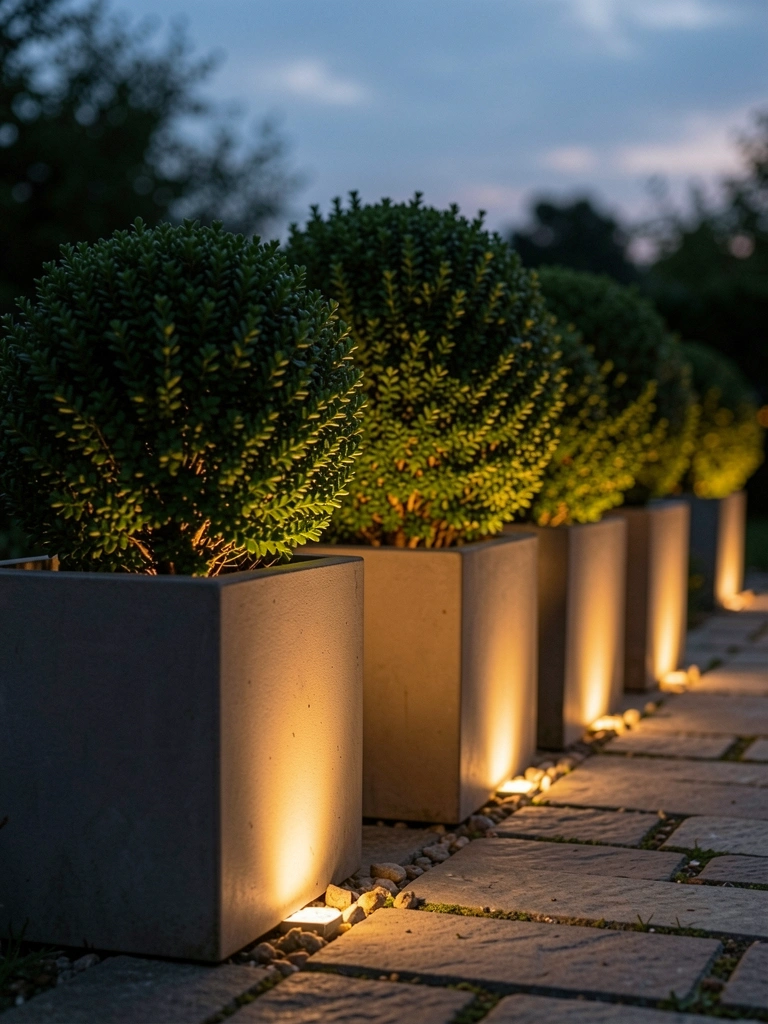
I added solar stake lights inside large planters and the porch read as welcoming at night. You notice the house more and it feels safer walking up to the door.
Solar lights vary a lot. My first ones barely lasted a season. Choose units with replaceable batteries and a good lumen rating. Position them where morning sun charges them.
Uplighting small evergreens gives structure at night and makes flowers pop in daytime.
What You’ll Need for This Look
- Large planters with room for lighting (18–24 inch)
- Solar LED uplights with replaceable batteries
- Small evergreen shrubs or boxwood
- Mulch to hide wiring and bases
9. Mixed Materials: Metal, Terracotta, and Wood Cluster
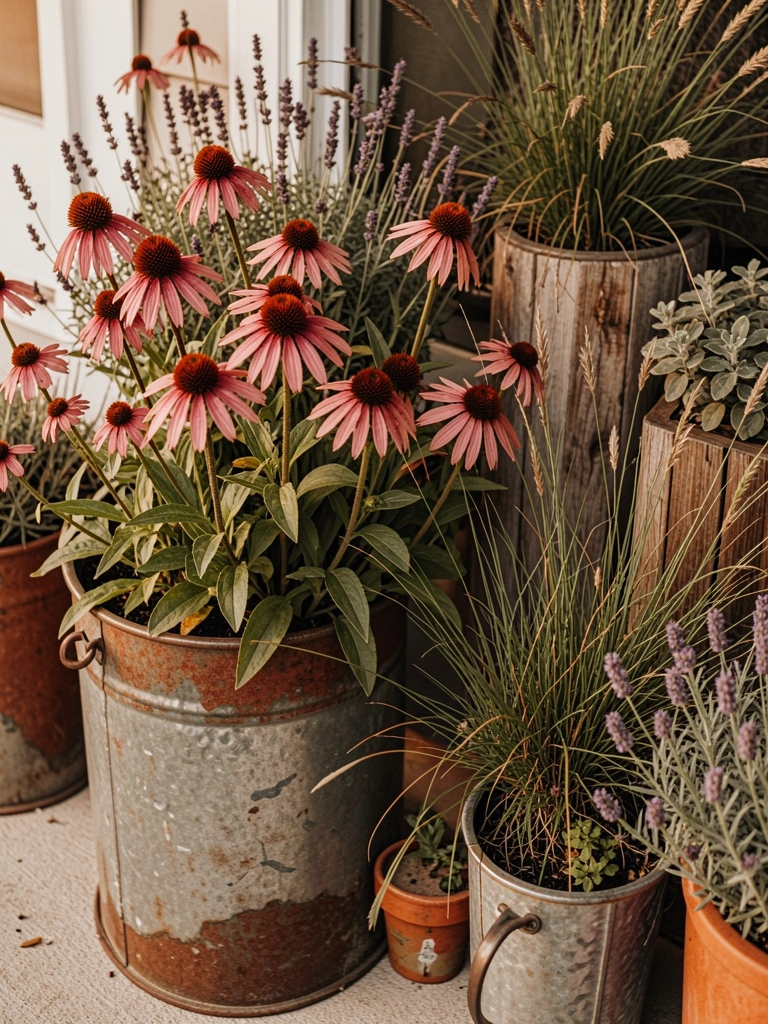
I stopped buying matching sets and mixed materials instead. A rusty metal pot, a classic terracotta, and a wooden barrel tell a story that feels lived in.
My mistake was using too many tiny pots at first. It read cluttered. Group larger containers with varied textures for contrast and easier watering.
Think scale—one tall, one medium, one wide works. It’s more forgiving than exact color matching.
What You’ll Need for This Look
- Rusted metal planter (12–18 inch)
- Terracotta pot (14–20 inch)
- Small wooden barrel planter
- Echinacea, lavender, ornamental grasses
10. Seasonal Swap Baskets on the Porch Railing
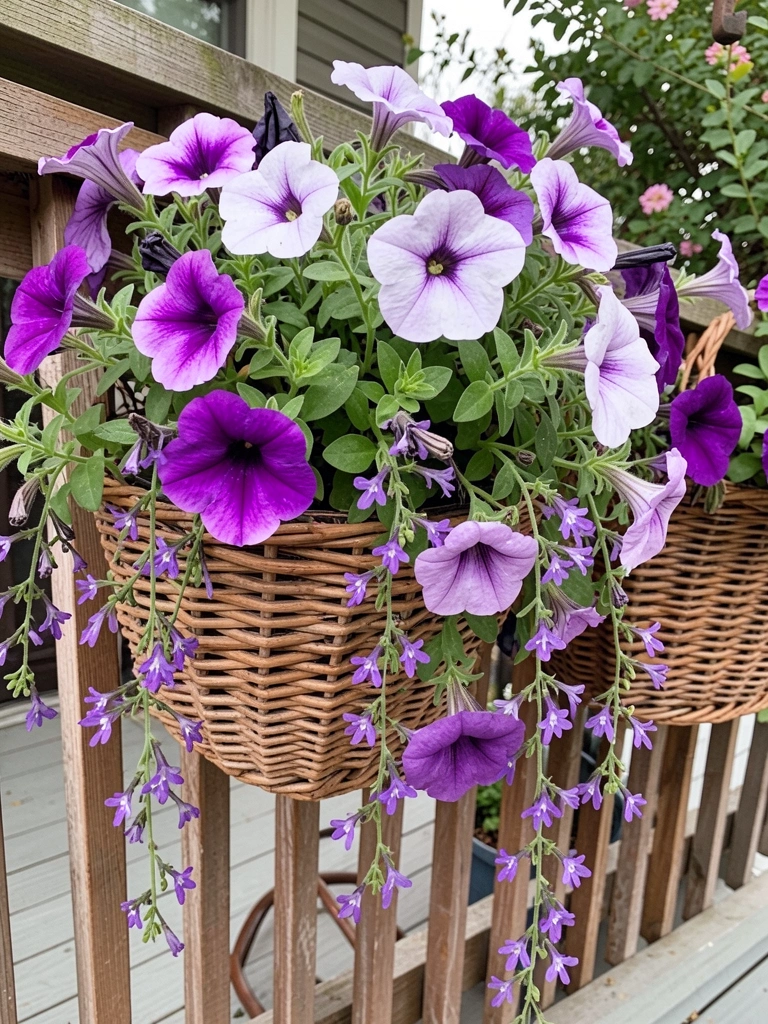
I hooked baskets to the railing and change them four times a year. It’s the easiest way to keep the entry fresh without moving heavy pots.
I use liner baskets and replace the liners yearly. They hold soil and prevent rot on the wood. The visual effect is immediate and bright.
Choose lightweight but sturdy hangers. If wind is an issue, add a bit of gravel in the bottom for ballast.
What You’ll Need for This Look
- Woven railing baskets with liners (12–16 inch)
- Petunias, lobelia, seasonal annuals
- Galvanized railing hooks
- Potting mix and slow-release fertilizer
11. Low Seating Bench with Integrated Planters
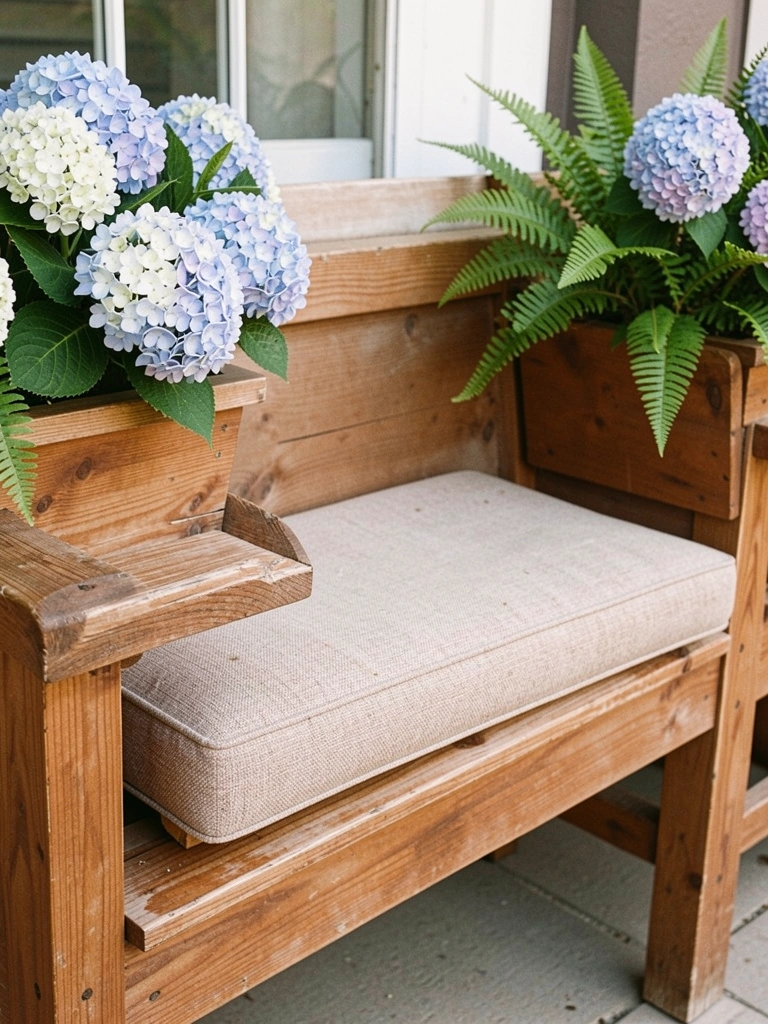
I built a low bench with planters on the ends and it changed how I use the space. It invites neighbors to pause and makes the front feel like a room.
I had to rust-proof the planter liners; wood and wet soil are a bad combo if untreated. I learned to add a small gap under the planter base for airflow to avoid rot.
Add a weather cushion and you’ve got a spot that looks made for morning coffee.
What You’ll Need for This Look
- Wooden bench with planter ends (cedar or treated wood)
- Hydrangeas, ferns, or shade-loving plants
- Waterproof planter liners
- Outdoor cushion
12. Statement Single-Plant Focus in a Monument Pot
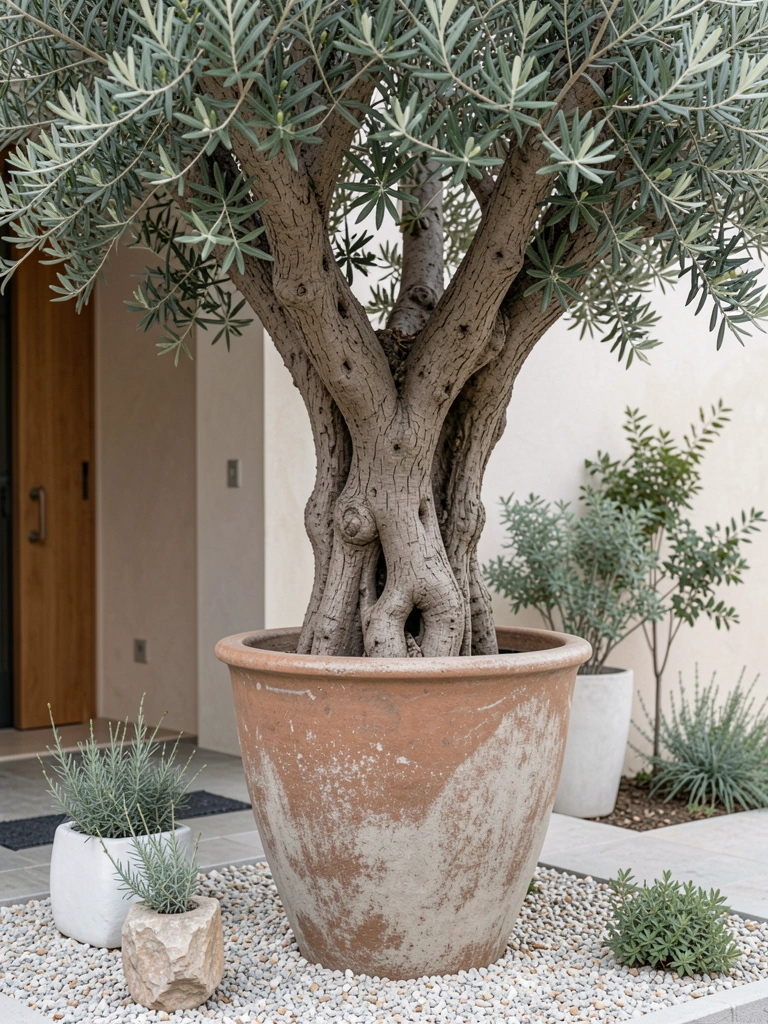
I planted one strong specimen in a big pot and it became the yard’s focal point. An olive or small Japanese maple reads like a sculpture and simplifies everything else.
My early choice of too-small pots made the tree root-bound fast. Buy a pot that gives at least two years of growth room. Repotting a large specimen is a pain.
Water deeply but less often. The plant rewards restraint.
What You’ll Need for This Look
- Monument-style planter (24–30 inch)
- Small olive tree or Japanese maple (potted)
- Gravel mulch and deep potting mix
- Slow-release fertilizer
13. Cottage Cluster With Mismatched Pots and Climbers
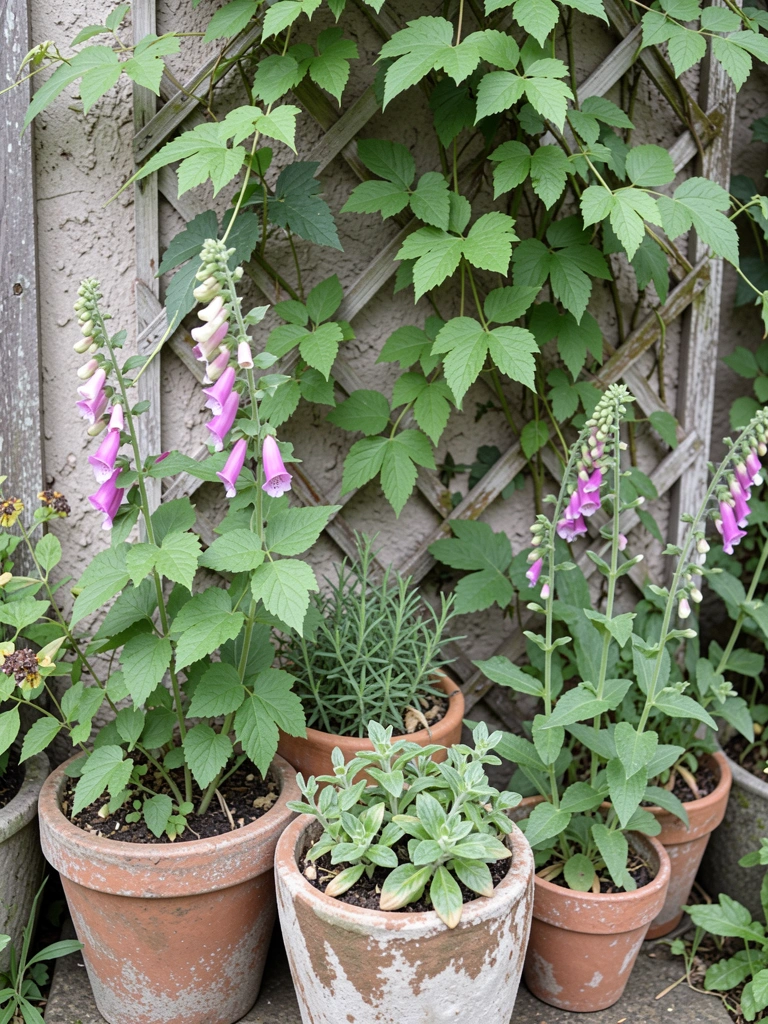
I let pots be imperfect and mixed old clay with painted ones for a cottage cluster. Clematis on a small trellis pulls the eye up and softens the house edge.
I planted too close to the wall at first and the climber shaded other plants. Now I place climbers slightly out and train them gently to avoid overcrowding.
This look forgives mistakes and rewards layers of different bloom times.
What You’ll Need for This Look
- Assortment of mismatched terracotta and painted pots
- Clematis on small trellis, foxglove, perennial mixed plants
- Garden ties and pruning shears
- Organic potting mix
14. Portable Pallet Planter Wall for a Tiny Front Yard
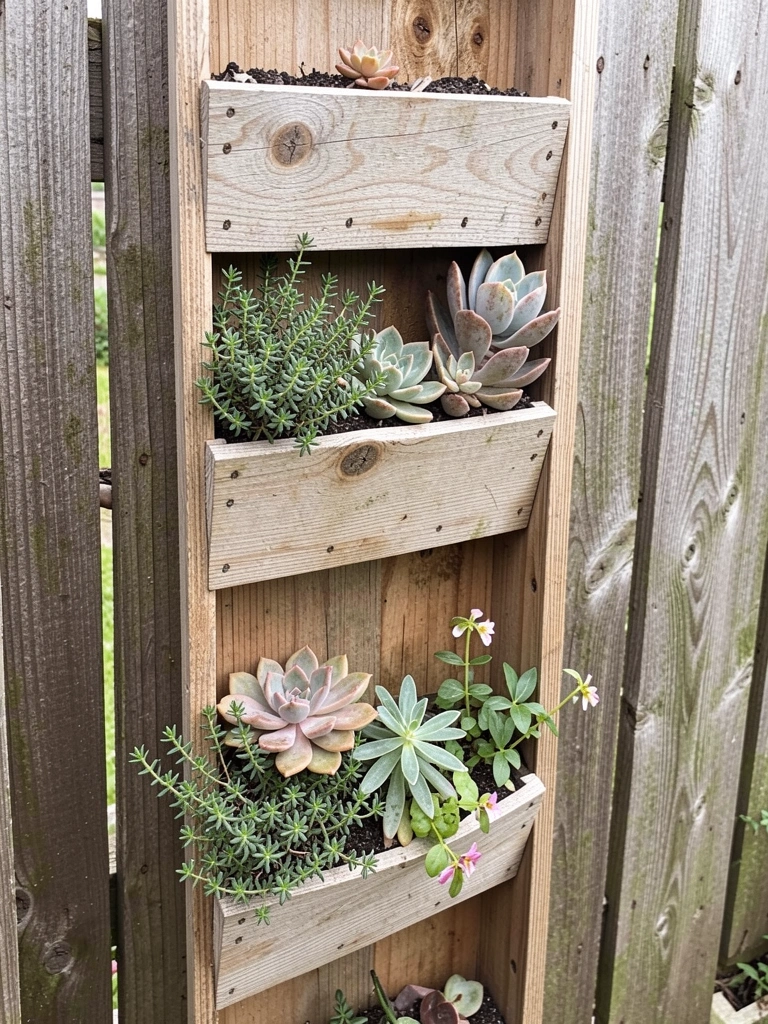
I built a pallet planter and leaned it where space is tight. It turned a blank fence into a green canvas and freed up floor space for a bench.
The early pallet had poor drainage pockets and some plants drowned. I cut drainage holes and added a layer of gravel to each pocket. Simple fixes made it reliable.
It’s light enough to move for sun or paint when I want a new backdrop.
What You’ll Need for This Look
- Reclaimed pallet turned vertical planter
- Succulents, thyme, small annuals
- Landscape fabric and gravel for pockets
- Masonry hooks or stand for support
Final Thoughts
You don’t need to copy every idea. Pick one or two that match your house, time, and budget.
Start small and buy good pots. It’s cheaper than replacing a plant that died.
Gardening is messy and forgiving. You’ll get it right through a few wrong turns.