15 Vibrant Colorful Butterfly Garden Flowers
I used to plant tidy rows and watch nothing come but a lot of green.
When I planted color with purpose, butterflies arrived — and I learned what really holds up here.
This list grew from mistakes, from plants that self-seeded wildly, and from combos that kept visitors all season.
15 Vibrant Colorful Butterfly Garden Flowers
These 15 ideas are real, tested, and ready to plant.
Each idea shows how I used color and structure to attract butterflies.
You’ll get 15 practical looks that I’ve grown and kept going.
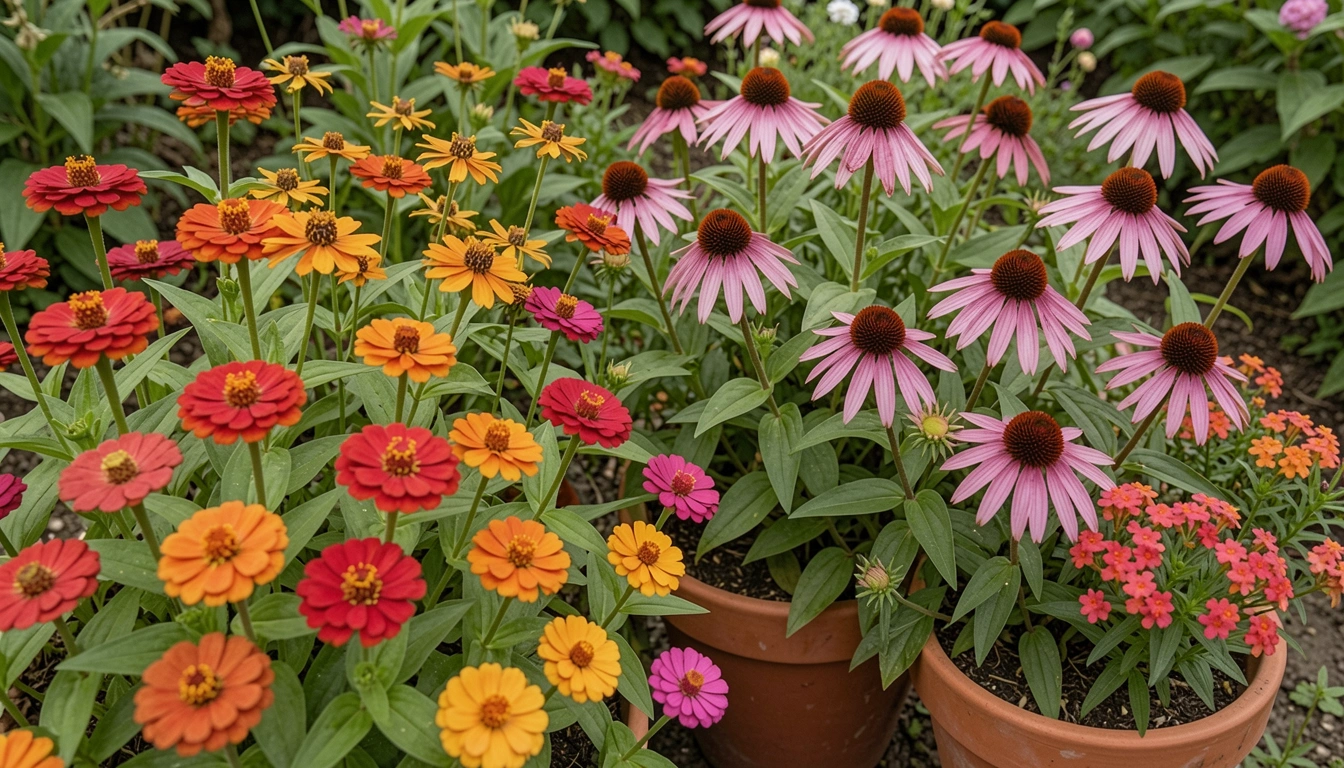
1. Massed Zinnia Patch for Instant Color
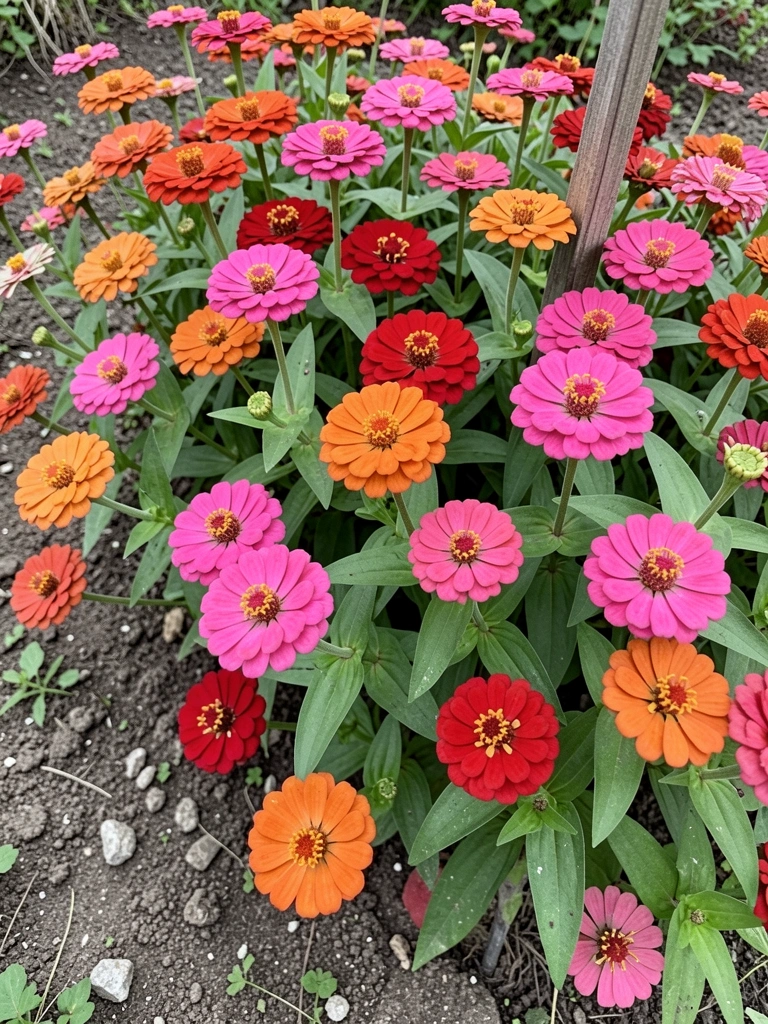
I planted a block of zinnias in a tired strip and they filled it fast.
The butterflies came first, then kids with scissors for bouquets.
I learned the hard way to thin seedlings; overcrowded zinnias sulked and rotted in wet weeks.
Now I leave space and they’re sturdy all summer.
What You’ll Need for This Look
- Zinnia seeds mix (compact varieties)
- Well-draining garden soil, 2–3 inch top dressing
- Hand trowel and garden gloves
- Small garden clippers for cutting blooms
2. Compact Butterfly Bush in a Corner Bed
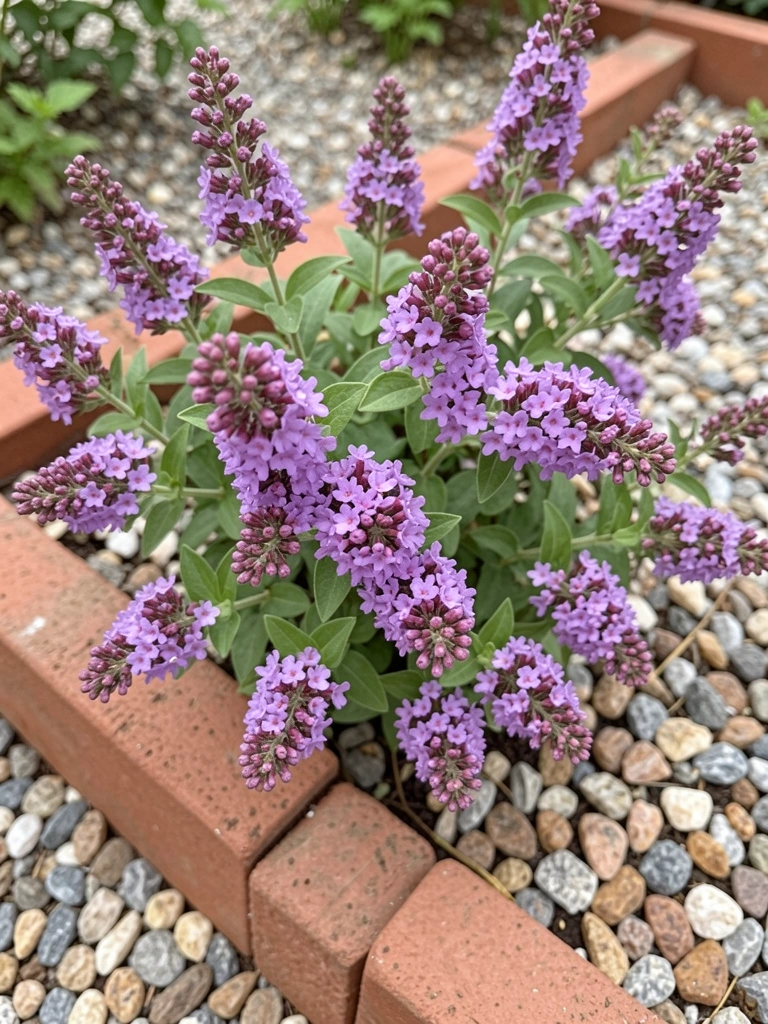
I planted a compact butterfly bush near the patio and it became the daily landing pad.
Its perfume draws butterflies and the bench is never empty on warm afternoons.
I did prune too late the first winter and it got leggy, so I now prune hard in early spring.
A compact variety keeps it from swallowing the bed.
What You’ll Need for This Look
- Compact Buddleia (3–4 ft)
- Mulch or gravel for base
- Bypass pruners
- 5-gallon planting soil mix
3. Native Milkweed Cluster for Eggs and Caterpillars
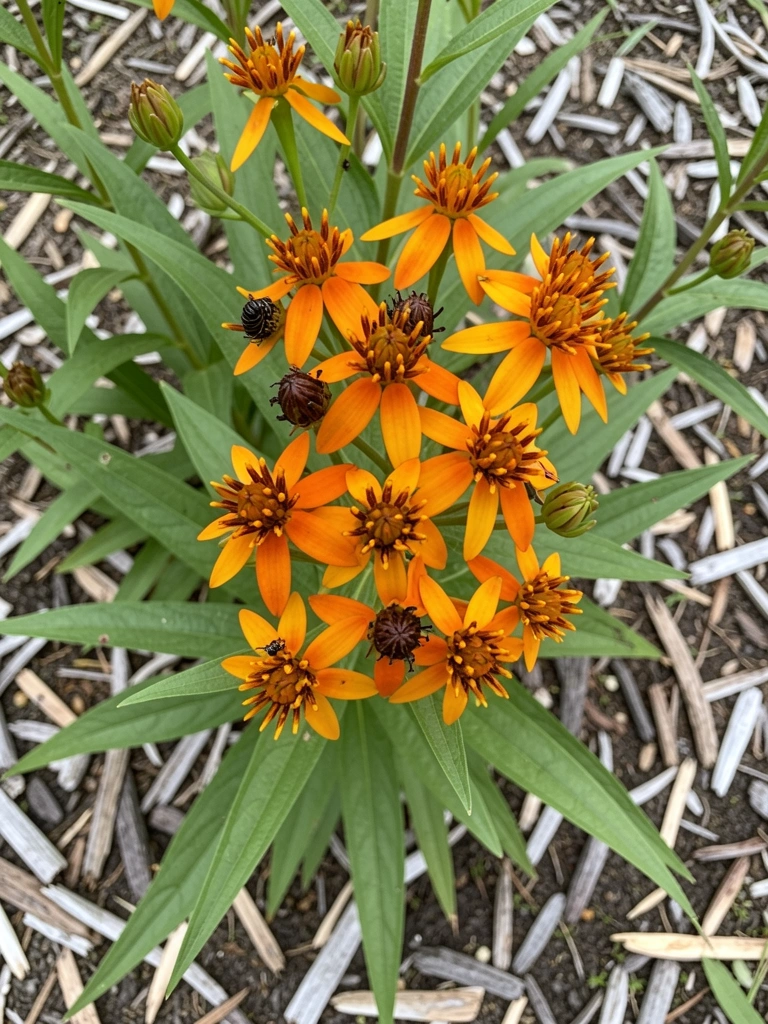
I carved a sunny patch for milkweed and watched monarchs claim it immediately.
It looks wild but purposeful — leaves are messy, moths and caterpillars feed and vanish into chrysalis.
I once pulled a plant thinking it was a weed; that cost me a brood. Now I label the patch.
Milkweed is the backbone of a butterfly garden, even when it gets untidy.
What You’ll Need for This Look
- Native milkweed plugs (Asclepias tuberosa or incarnata)
- Native wildflower soil or loam
- Simple plant labels
- Small mulch for moisture retention
4. Tall Echinacea and Rudbeckia Border
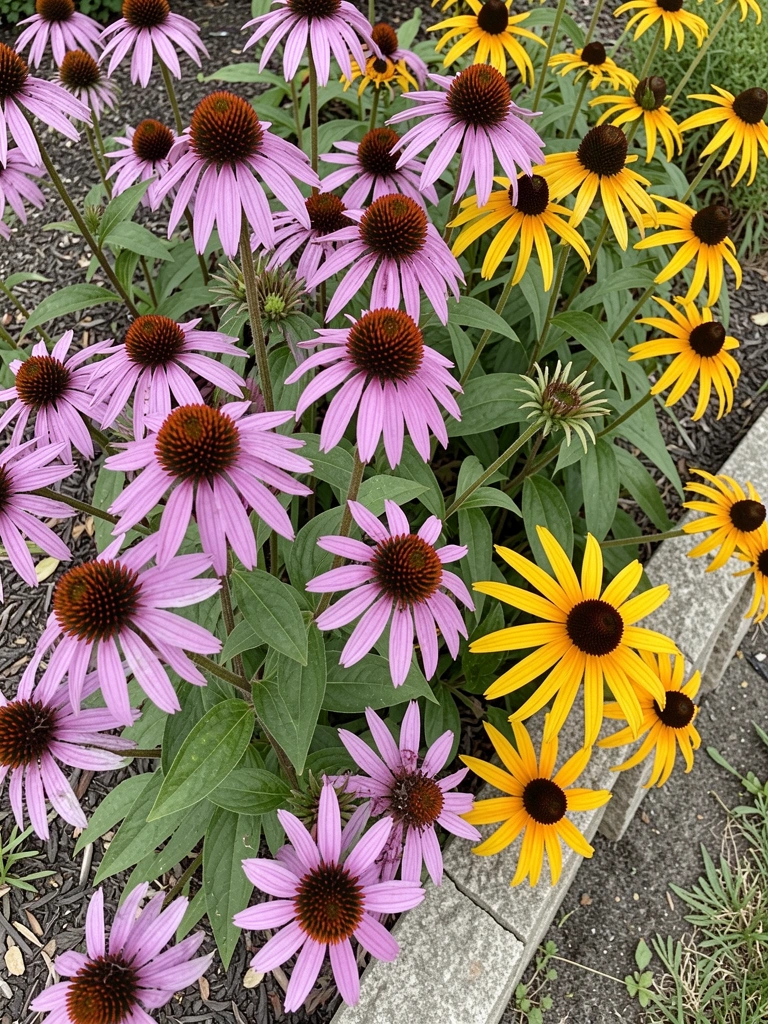
I planted echinacea and rudbeckia together for structure and color contrast.
They stand through heat and the seedheads feed late-season butterflies and birds.
I didn’t stake early the first year and a storm flattened them; I now add discreet stakes at planting.
Together they make a row that reads bold and lasts.
What You’ll Need for This Look
- Echinacea (3–4 ft) and Rudbeckia (2–3 ft)
- Natural stone edging
- Garden stakes and twine
- Compost-amended topsoil
5. Lantana in a Sunny Container Mix
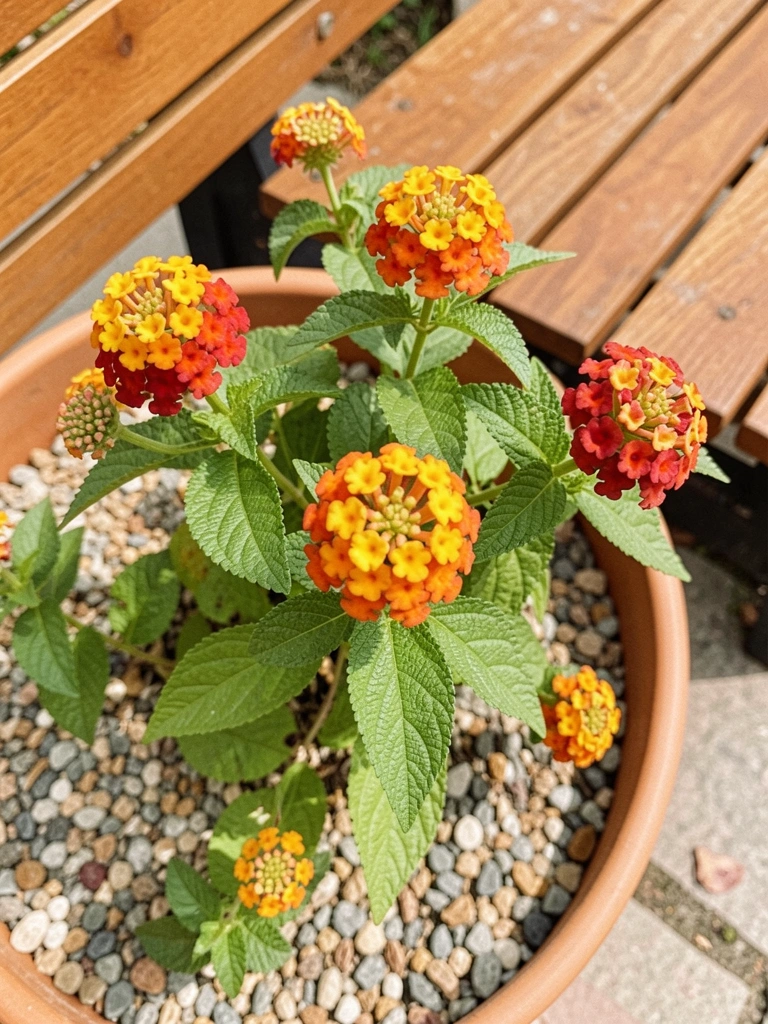
I keep lantana in big pots near the door so butterflies visit the step.
It blooms until frost and tolerates heat that fried other plants.
Early on I used small pots and the lantana became rootbound; upgrading to larger containers made a huge visual difference.
It’s low fuss and bright where you spend time.
What You’ll Need for This Look
- Lantana (trailing or mounding)
- 14–18 inch terracotta or resin planter
- Well-draining potting mix
- Drip saucer and watering wand
6. Verbena bonariensis Meadow Sprinkles
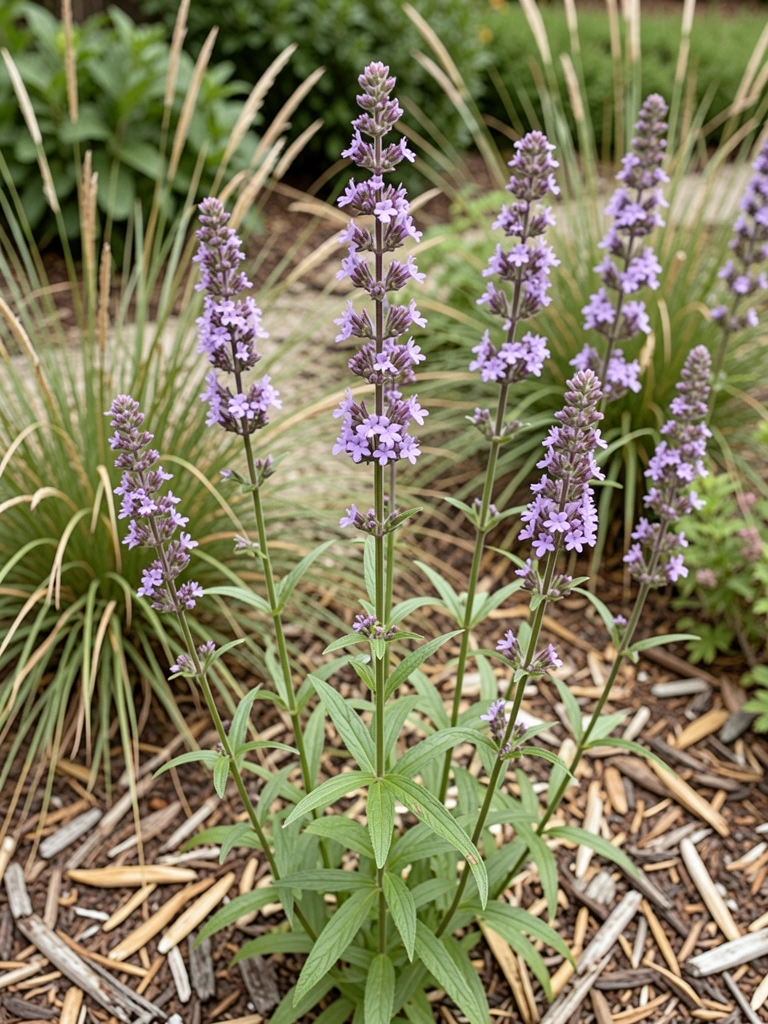
I let Verbena bonariensis seed through a corner and it became airy color that butterflies love.
It moves where it wants and gives height without blocking sightlines.
I did let it reseed too enthusiastically one year; now I pull seedlings from paths and keep it where I want.
Its tall, thin stems make the whole bed feel relaxed and alive.
What You’ll Need for This Look
- Verbena bonariensis plants or seed
- Garden rake for light soil prep
- Hand fork for thinning
- Burlap or soft ties for sheltering in wind
7. Salvia and Lavender Pairing for Long Bloom
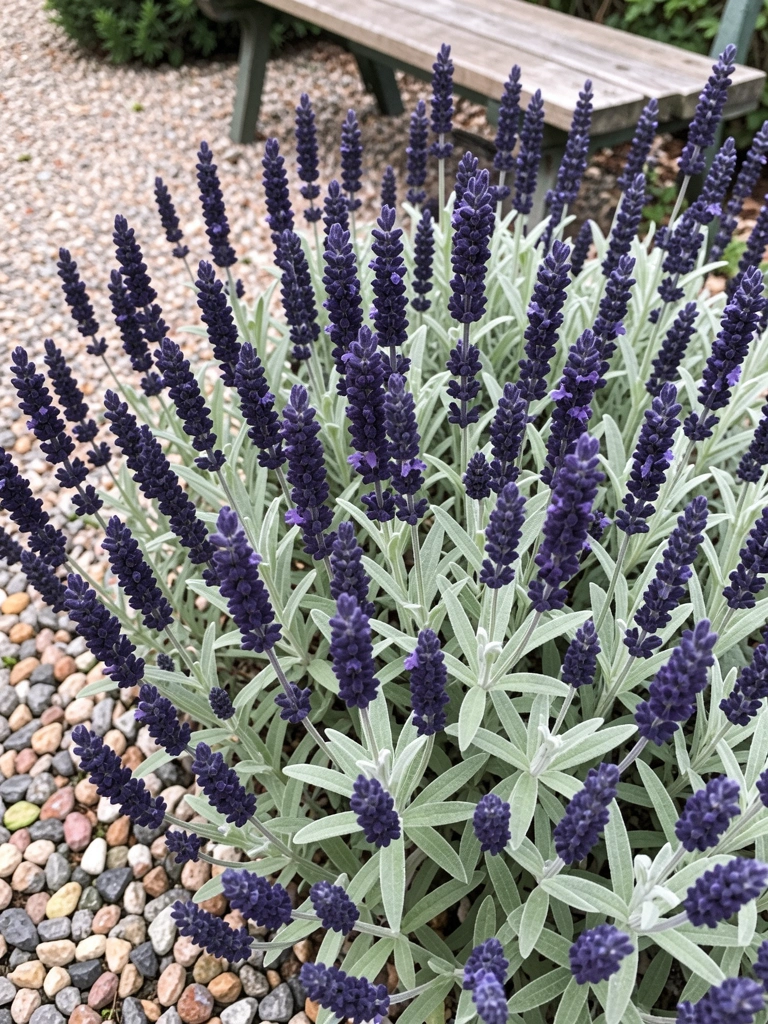
I paired salvia and lavender along a sunlit path and they bloom for months.
Butterflies sip on salvia while the lavender gives gentle scent and texture.
I learned that both need sharp drainage here; heavy soil made them sulk until I raised the bed.
Now the path smells like summer and fills with wings.
What You’ll Need for This Look
- Salvia varieties (blue/purple)
- English or French lavender plants
- Raised bed mix with grit
- Stone path edging
8. Phlox Drifts for Summer Visits
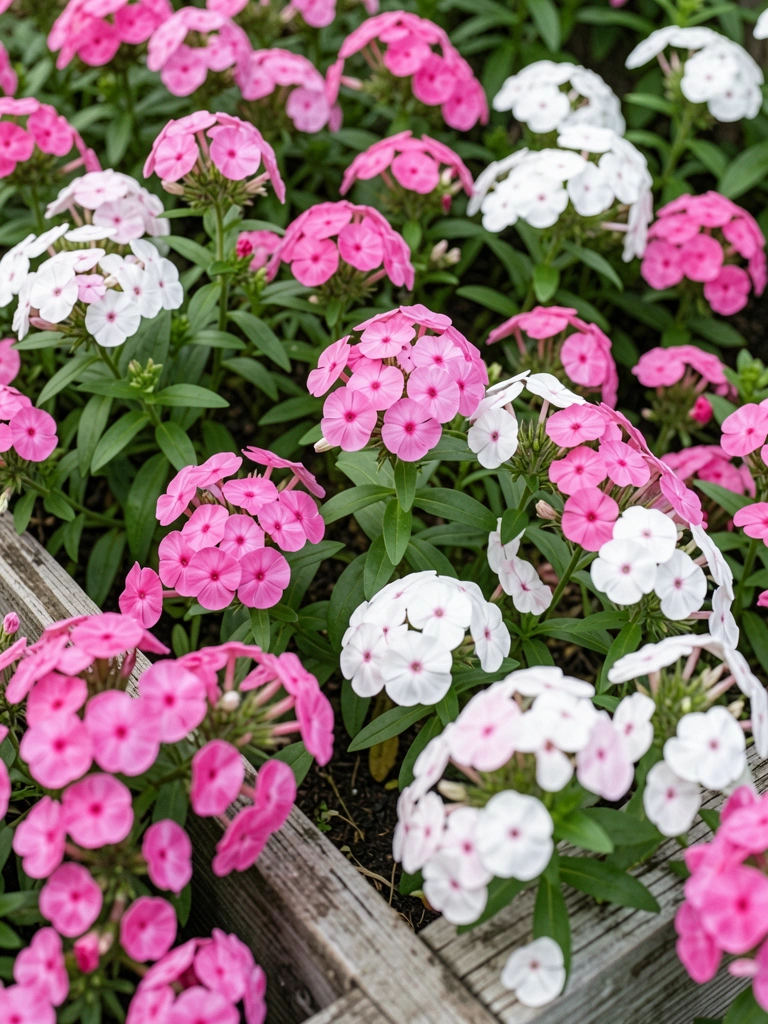
I planted a drift of summer phlox and it became a magnet for mid-season butterflies.
The scent is subtle but the color cluster reads like a landing strip.
I misjudged spacing one year — crowded clumps mildew — so I now split them every three years.
Phlox gives a dense, gardeny look that guests always notice.
What You’ll Need for This Look
- Tall summer phlox clumps
- Fertile, well-draining soil
- Garden fork for dividing
- Natural edging boards
9. Cosmos Cutting Garden for Casual Bouquets
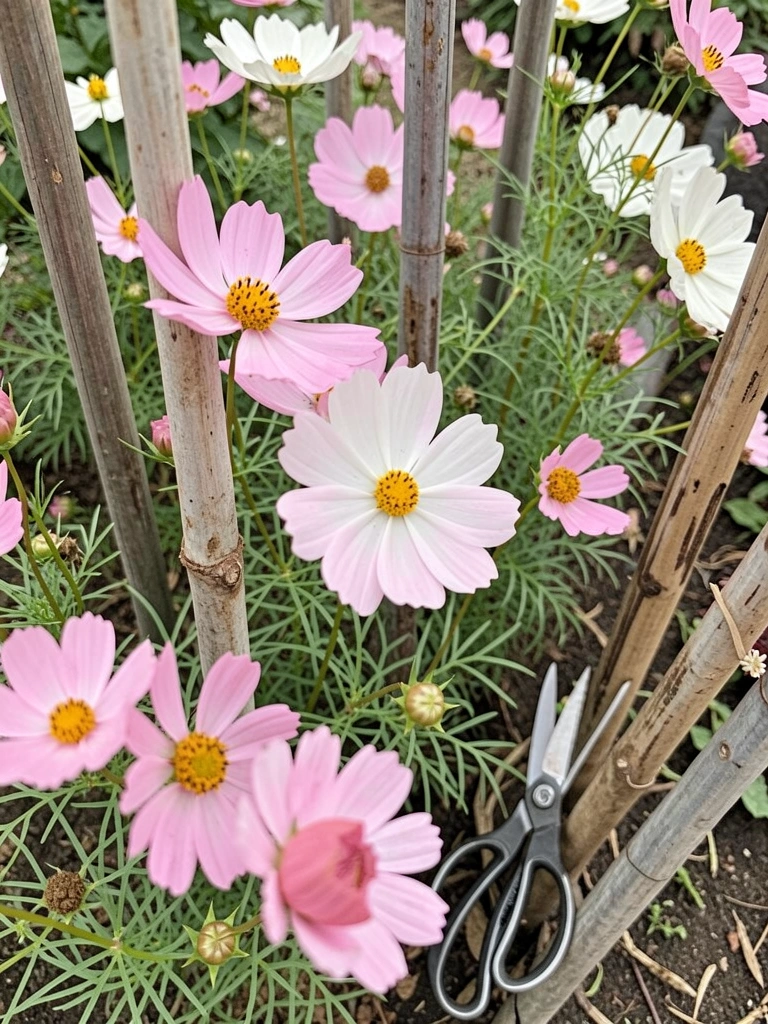
I planted cosmos in a narrow bed and cut bouquets all summer long.
Butterflies love the open centers and the bed looks loose and generous.
My mistake was over-fertilizing once — more leaves, fewer flowers — so I now feed lightly.
Cosmos is easy, forgiving, and makes the whole garden feel casual and bright.
What You’ll Need for This Look
- Cosmos seeds (mixed heights)
- Lightweight seed-start mix
- Pruning shears for cutting
- Low-nitrogen plant feed
10. Gaillardia (Blanket Flower) for Tough Spots
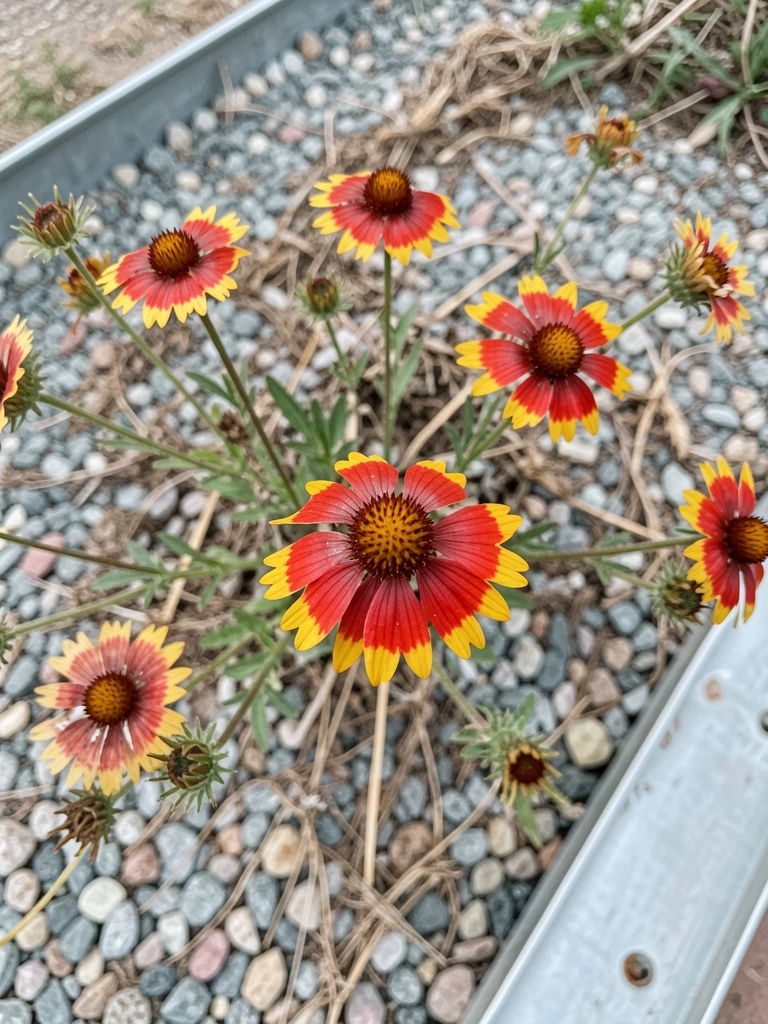
I tucked Gaillardia into a sun-baked strip and it thrived where others failed.
The color stays bold even in drought and butterflies land by the dozen.
I once watered it daily out of habit; that invited root rot. Now I water sparingly and it rewards me.
It’s a workhorse for hot, poor soils.
What You’ll Need for This Look
- Gaillardia perennials
- Gravel mulch or coarse sand
- Drought-tolerant soil blend
- Low-drip irrigation or watering can
11. Joe-Pye Weed and Aster Fall Nectar Stand
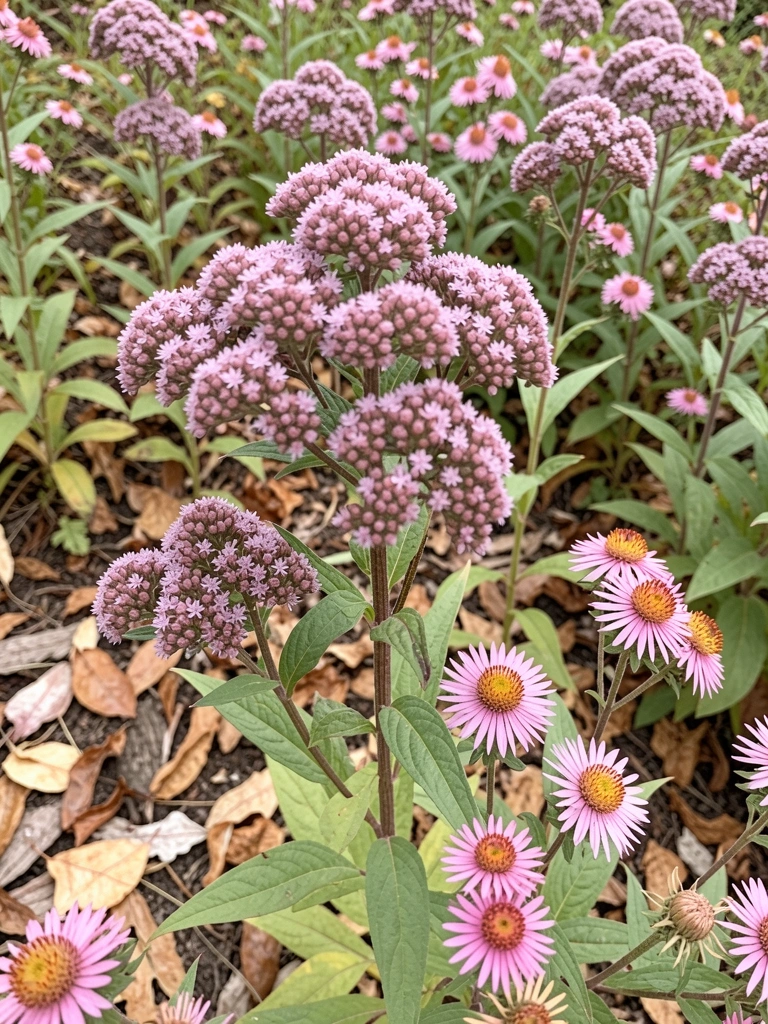
I planted Joe-Pye weed and asters for late-season color and it paid off.
When other blooms fade, this pair feeds migrating butterflies and lightens the bed.
I underestimated the height the first season and it shaded smaller plants; I now plant taller things at the back.
This combo stretches the visiting season and keeps the garden interesting into fall.
What You’ll Need for This Look
- Joe-Pye weed (3–6 ft) and fall asters
- Deep planting soil
- Tall stakes for support
- Mulch for winter protection
12. Alyssum and Low Creeping Edges for Larval Shelter
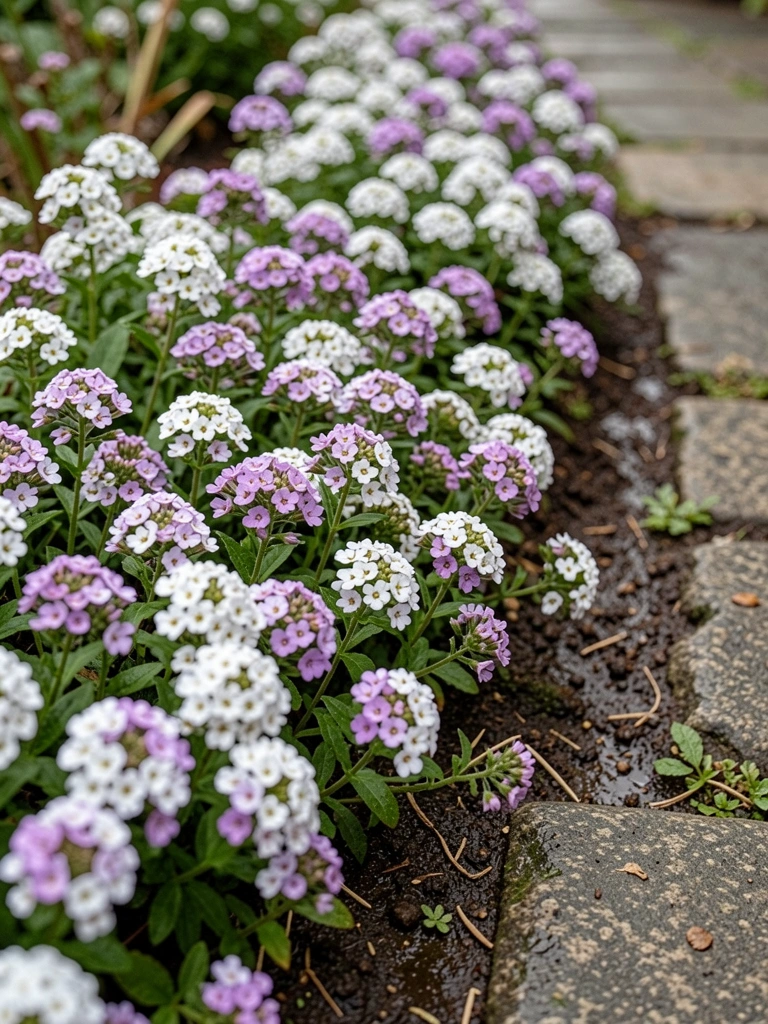
I edge paths with alyssum and it creates tiny nectar stops and low shelter for small caterpillars.
It’s humble but fills gaps between bolder plants, softening hard edges.
One year I planted it too densely and it got leggy; light trimming revived it quickly.
Alyssum is quiet support that helps the whole border read as intentional.
What You’ll Need for This Look
- Sweet alyssum plants or seed
- Edge trowel
- Small shears for trimming
- Fine mulch or compost
13. Sedum and Late-Season Flowers for Butterflies in Fall
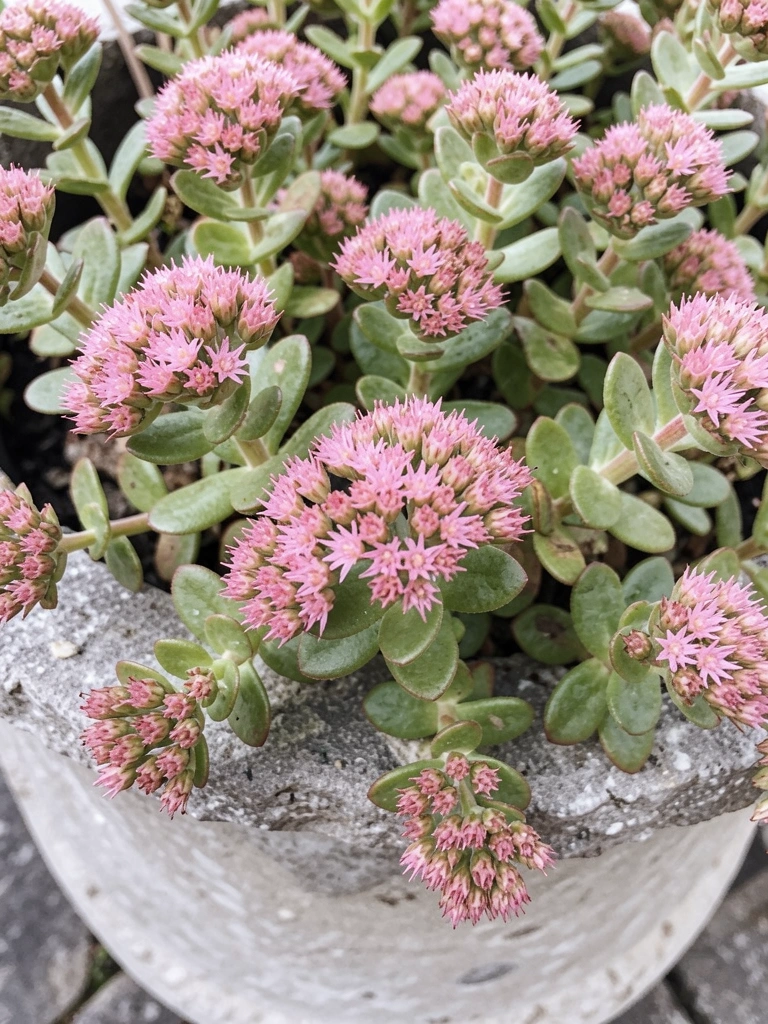
I mix sedum with asters and goldenrod to keep butterflies fed late in the year.
Sedum’s fat flowers are irresistible and hold up to cool nights.
I made the mistake of planting a tender sedum variety in exposed soil; it died back hard. Now I choose hardy types and shelter them a bit.
Late-season structure keeps the garden humming into chillier weather.
What You’ll Need for This Look
- Hardy sedum varieties
- Late-blooming asters and goldenrod
- Rocky, well-drained soil
- Small frost cloth for early cold snaps
14. Pollinator Bench Nook with Potted Brights
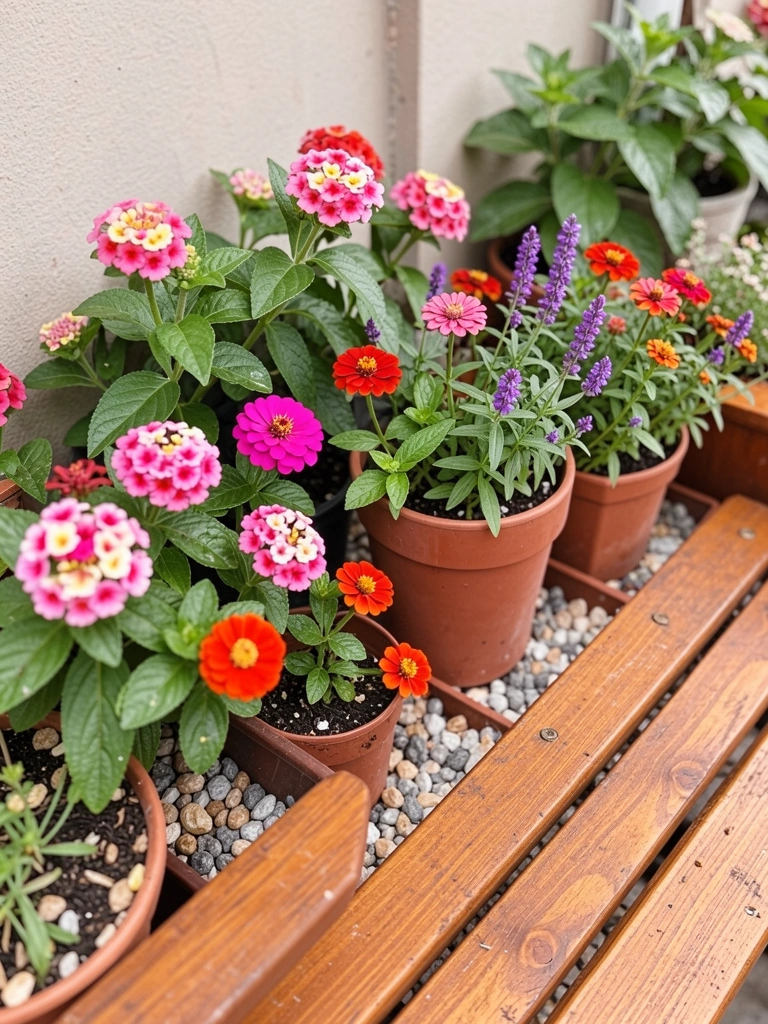
I built a bench nook and circle it with pots of nectar-rich flowers.
Sitting there, I watch different species prefer different pots and it’s endlessly entertaining.
At first I chose mismatched tiny pots; frequent watering was a chore. Upgrading to larger planters cut chores and made the look cohesive.
A seating nook turns planting into daily joy.
What You’ll Need for This Look
- 3–5 large planters (12–18 inch)
- Mixed nectar plants: zinnia, salvia, lantana
- Small bench or stool
- Watering can with long spout
15. Mixed Cottage-Style Bed with Layers of Color
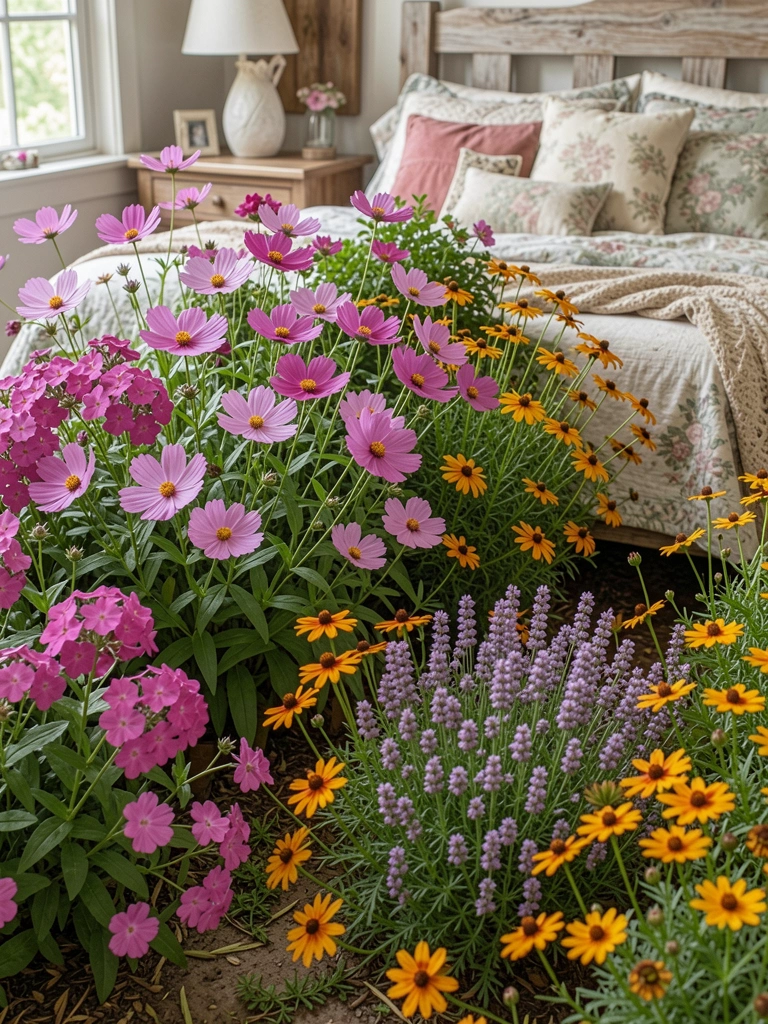
I planted a cottage-style mixed bed and it felt full the first season.
Layering tall, mid, and low bloomers created continuous color and constant butterfly traffic.
I misjudged height and planted a tall variety in front one year; lesson learned — always mock-up heights first. Now the bed reads loose but intentional.
This layered approach gives depth without fussy maintenance.
What You’ll Need for This Look
- Mixed plants: cosmos, phlox, coreopsis, verbena
- Plot stakes for mock-up layout
- Quality compost
- Mulch and a small hand rake
Final Thoughts
You don’t need to do every idea.
Pick one or two that fit your space and planting style.
Gardening for butterflies is about rhythm more than perfection. Start small, watch, and slightly adjust each season.