10 Fun Flower Pot Ideas Kids Will Absolutely Love Making
I used to think kids needed complicated projects to care for plants. They don't.
Simple pots, small successes, and a little mess are enough.
These projects helped my kids learn to water, notice growth, and forgive mistakes.
10 Fun Flower Pot Ideas Kids Will Absolutely Love Making
These 10 ideas are hands-on and realistic.
They work in small spaces and messy yards.
You'll get clear, do-able projects and shopping lists for each.
1. Painted Handprint Flower Pots
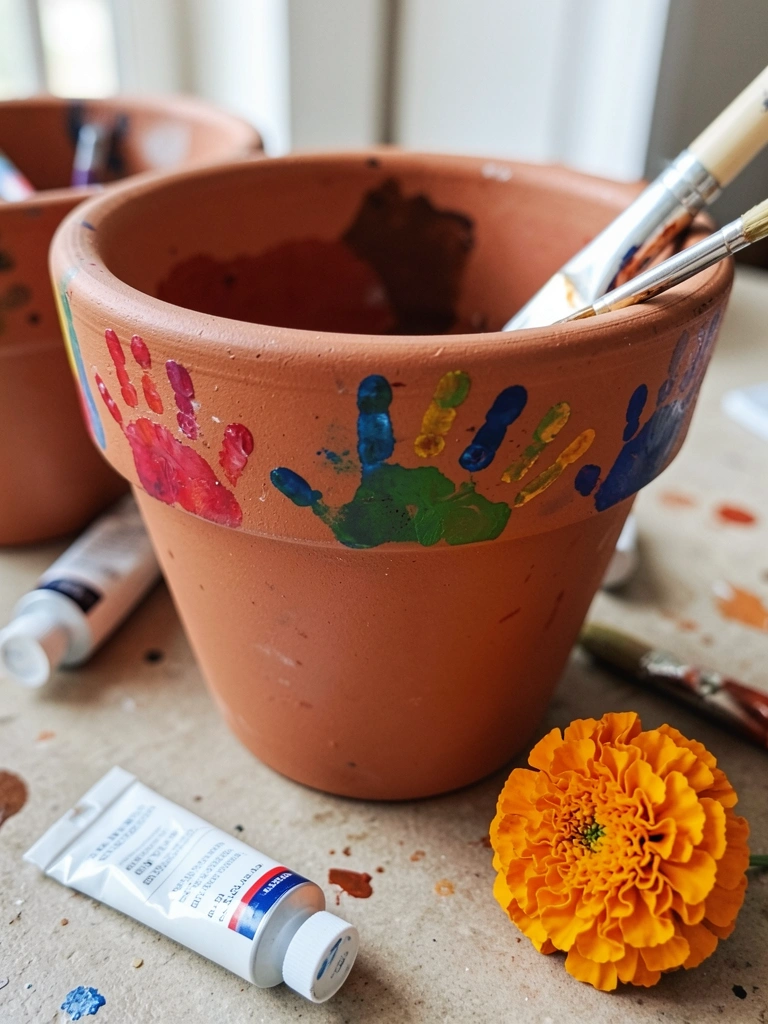
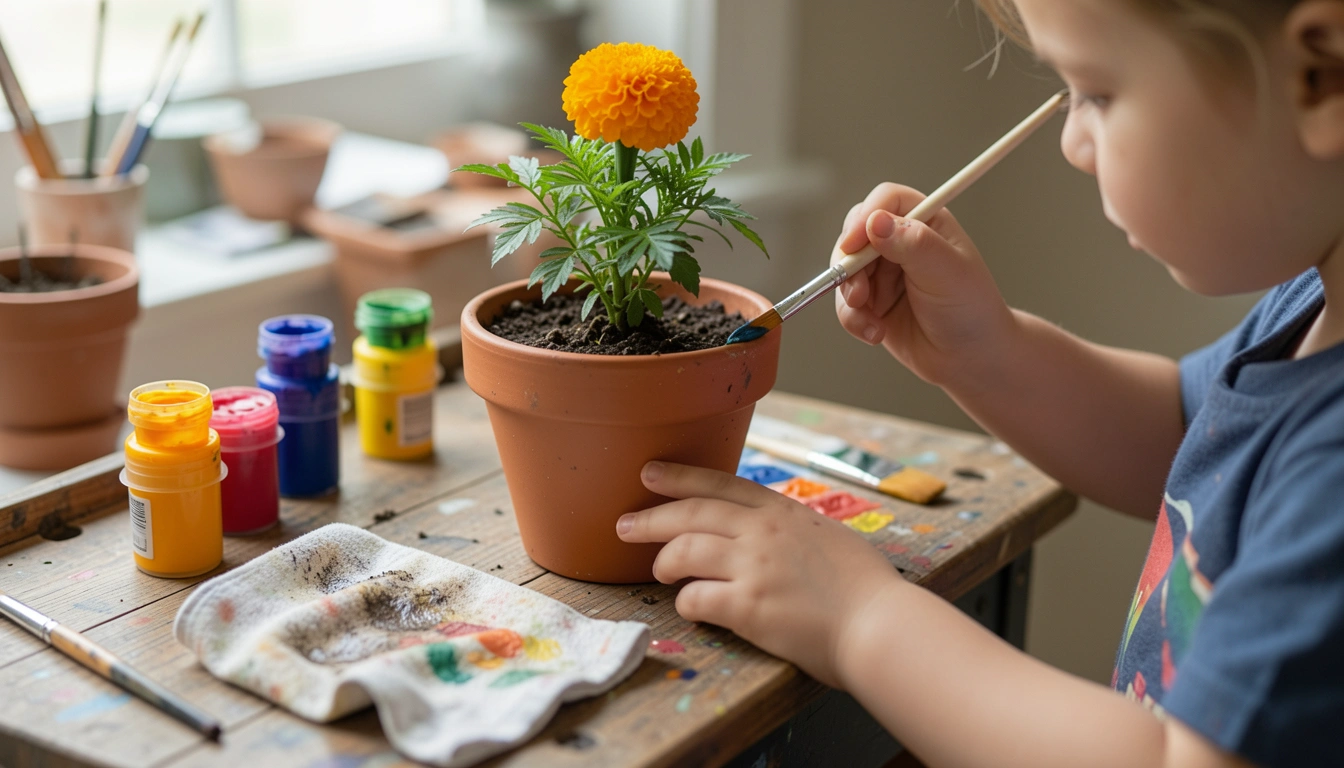
I let my daughter press her hand straight onto a terracotta pot.
It looked messy at first. I left it. That imperfection made her proud.
We planted a single nasturtium and watched seedlings show up all summer.
Tip: seal with outdoor matte varnish after 24 hours so rain won’t rub the paint off.
What You’ll Need for This Look
- 6–8 inch terracotta pot
- Outdoor acrylic paint set (kid-safe)
- Matte outdoor varnish spray
- Small annual like nasturtium or marigold
2. Pizza Herb Pots (Plant, Label, and “Top”)
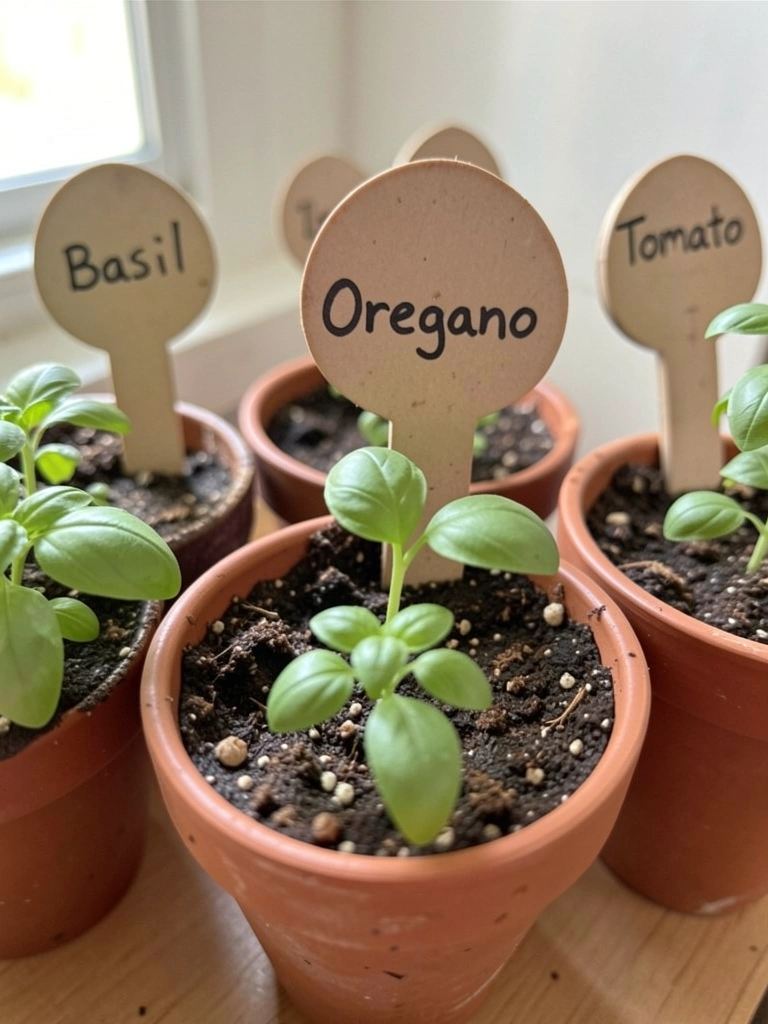
We made “pizza pots” and kids planted basil, oregano, and cherry tomato seedlings.
They loved adding little wooden “toppings” as labels. The smell hooked them.
At first I planted tomatoes too deep and they sat soggy. I learned shallower holes work better in small pots.
Now the pots live on our sunny step and serve as snack-time picks.
What You’ll Need for This Look
- 4–6 inch plastic or ceramic pots
- Basil, oregano, cherry tomato seedlings
- Mini wooden plant stakes or chalk labels
- Potting mix for vegetables
3. Dino Safari Succulent Planters
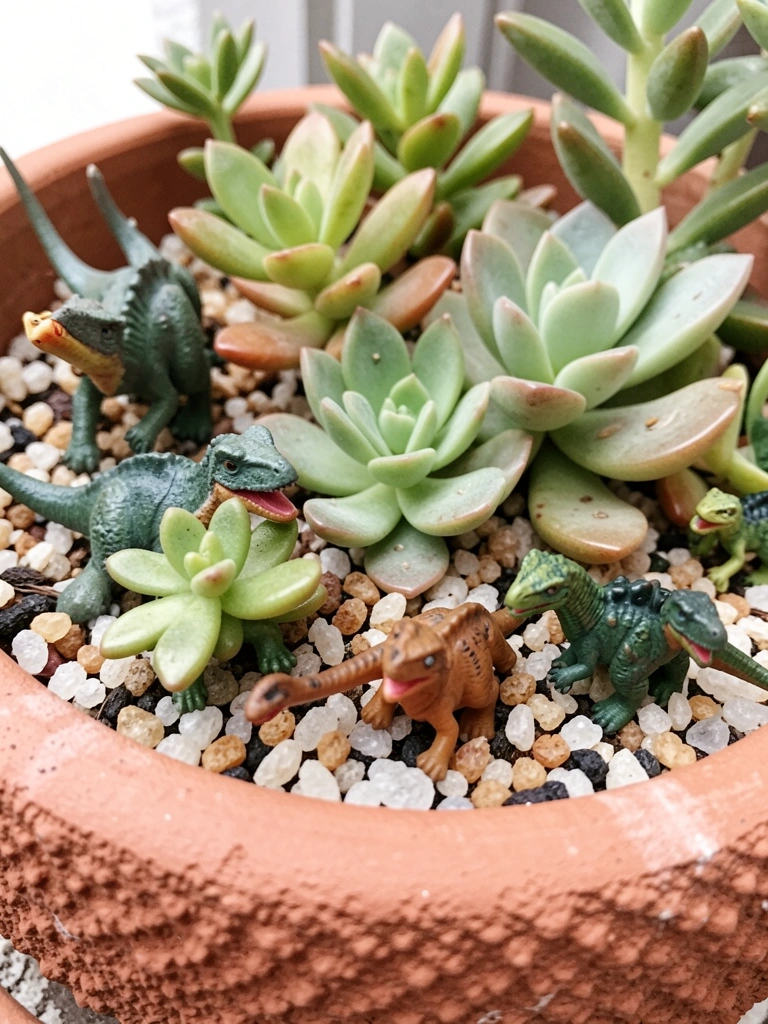
I glued tiny plastic dinos into the soil rim once and regretted the hot glue when it cracked later.
Switching to miniature pebbles and pressing toys in gently worked much better.
Succulents are forgiving for kids who forget a watering now and then.
It’s quiet, tactile, and the dinos spark stories while they learn plant basics.
What You’ll Need for This Look
- Shallow terracotta or ceramic dish (8–10 inch)
- Assorted small succulents
- Gravel/top dressing
- Small plastic figurines (washable)
4. Color-Blocked Tin Can Garden
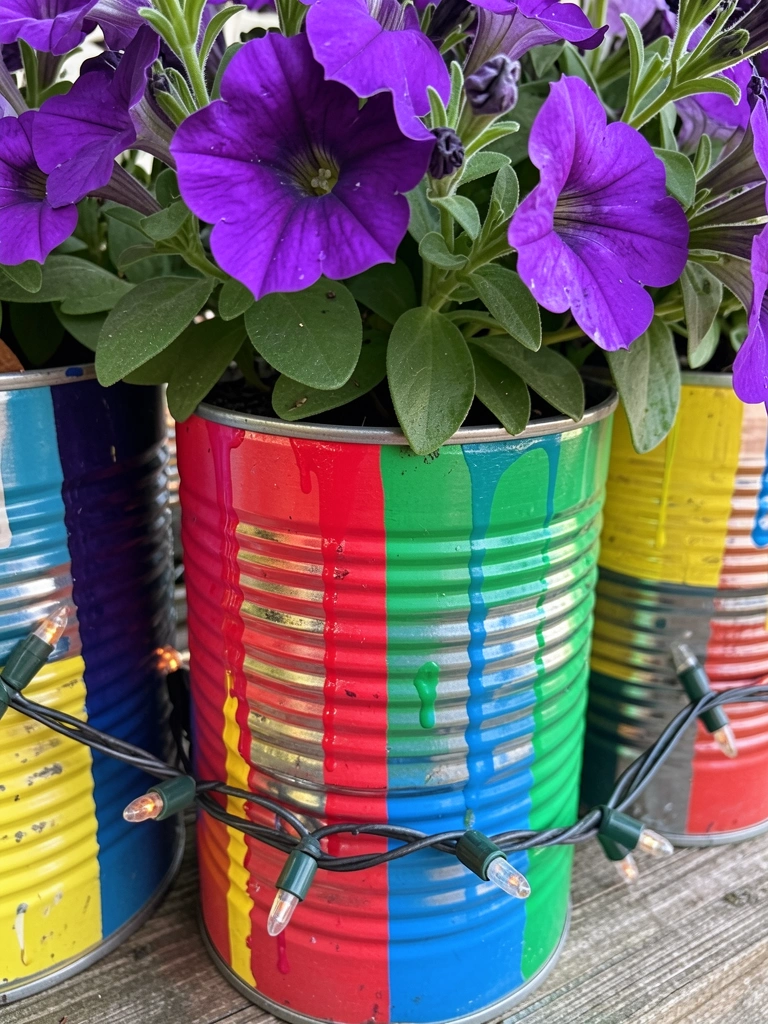
I saved old cans and we painted bold color blocks. I learned to punch drainage holes first.
One rainy spell taught me not to skip holes—plants didn’t like soggy feet.
Kids dug in compost and felt proud when the petunias filled out.
This is cheap, loud, and very portable for small balconies.
What You’ll Need for This Look
- Recycled tin cans (cleaned)
- Outdoor spray paint in 2–3 colors
- Drill or nail for drainage holes
- Petunias or trailing annuals
5. Story Pots: Characters in a Pot
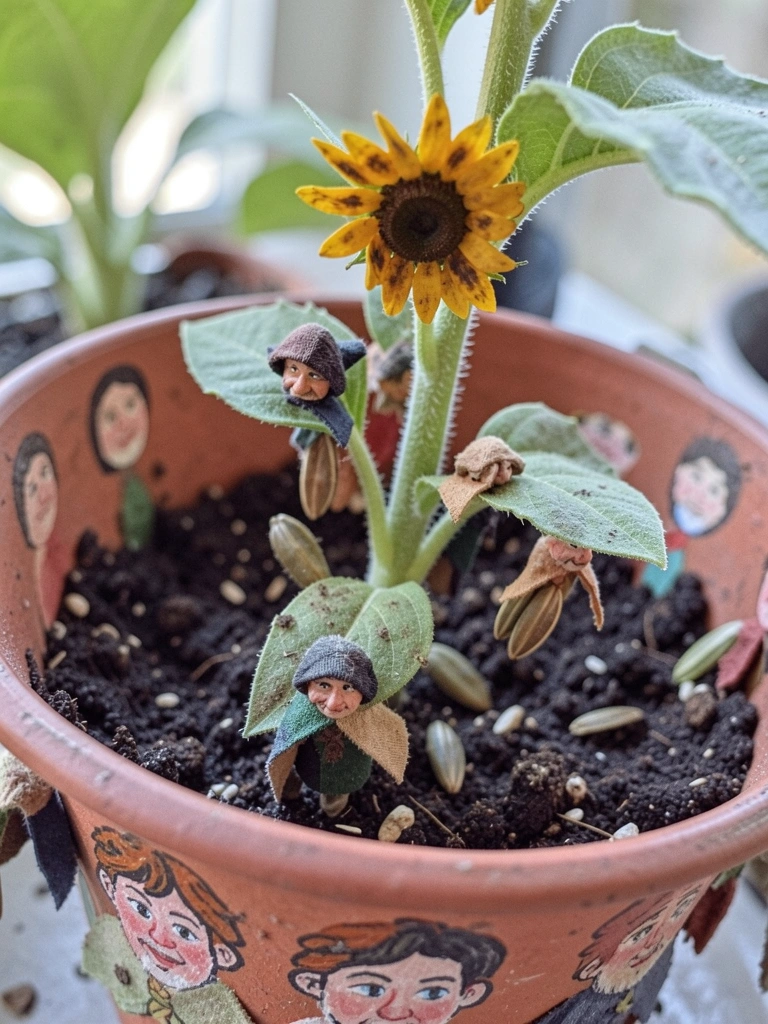
We made pots that look like people. Each kid named theirs.
One pot got too-heavy decorations and tipped in wind. I removed the heavy bits and it held up.
These pots encourage kids to check on “their person” daily. They water, pinch dead blooms, and talk to them.
It turns plant care into a routine without nagging.
What You’ll Need for This Look
- 6–8 inch ceramic or plastic pots
- Acrylic paint and craft felt for simple clothes
- A sturdy annual or small perennial (e.g., dwarf sunflower)
- Hot glue gun (use supervised)
6. Pocket Planter Watering Game
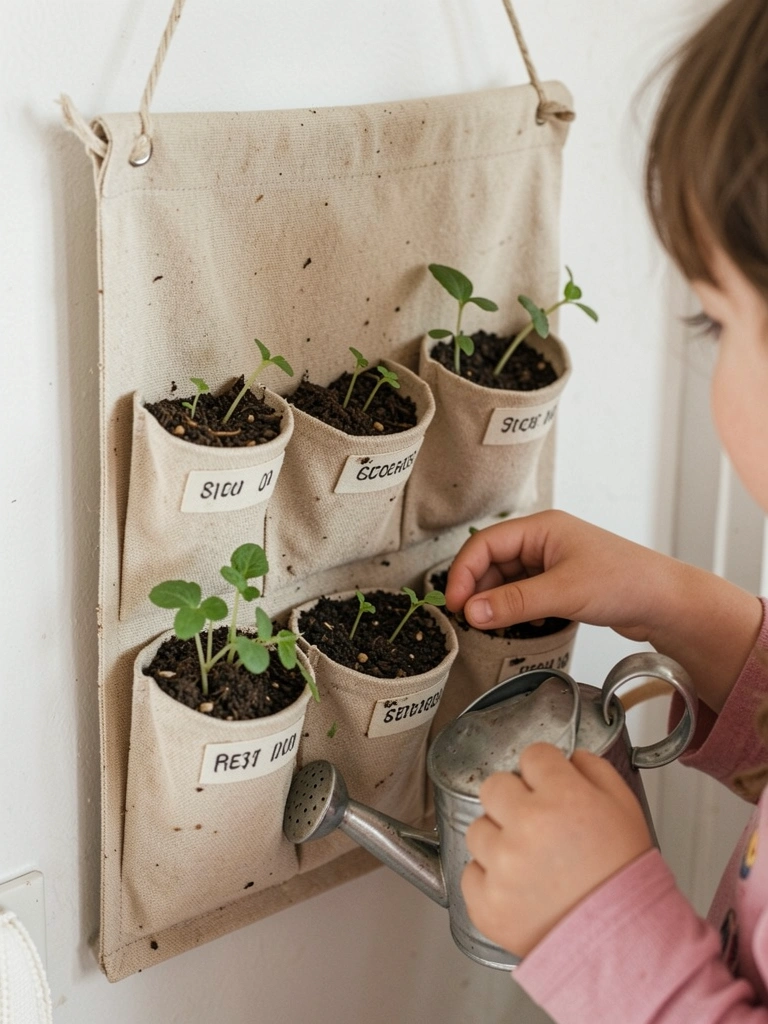
I hung a pocket planter at kid height and turned watering into a daily game.
They learned which pockets drained faster and moved thirsty plants accordingly.
I once overloaded the pockets with heavy soil and the hanger sagged. I switched to lighter potting mix and it stayed straight.
This works well for lettuces and herbs and saves ground space.
What You’ll Need for This Look
- Canvas pocket planter (outdoor-rated)
- Lightweight potting mix
- Lettuce or herb seedlings
- Small long-spout watering can
7. Painted Rock Markers and Seedling Pots
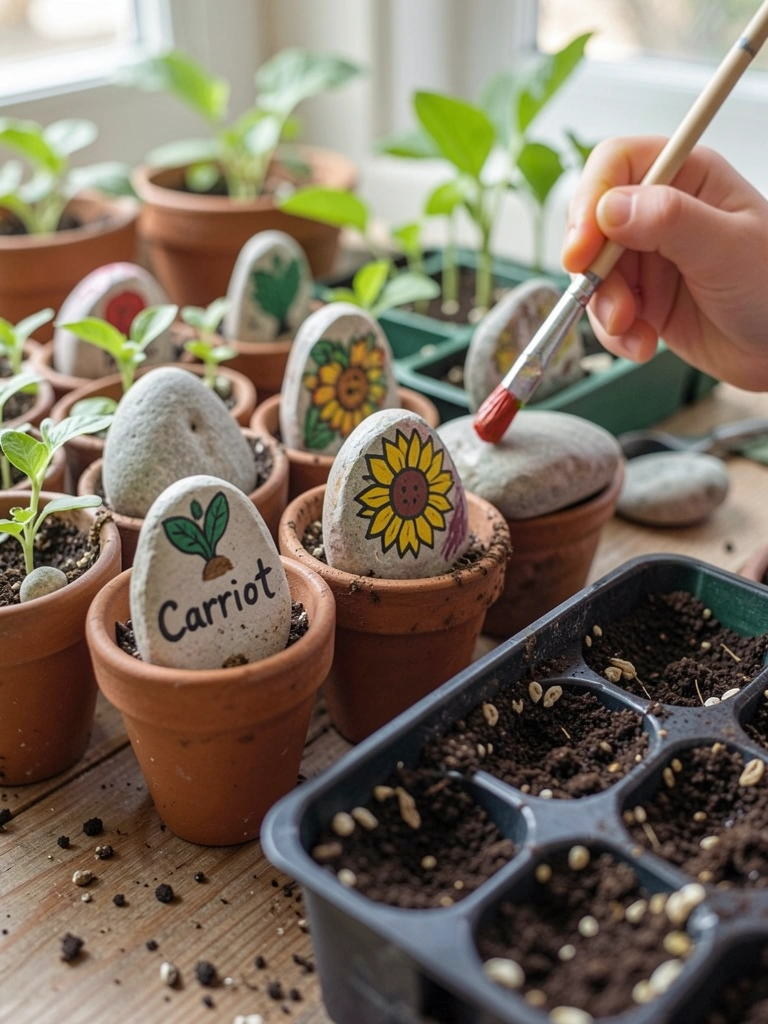
We collected rocks and painted plant names. The kids wanted to keep painting and delayed planting once.
That delay taught patience—art first, planting later. It still counts.
Placing rocks in pots as markers made the patch feel organized and personal.
This is a low-cost craft that pairs well with seed-starting indoors.
What You’ll Need for This Look
- Small 3–4 inch pots or seed trays
- Smooth rocks for painting
- Acrylic markers or paint pens
- Seeds like sunflowers or quick-sprouting beans
8. Pollinator Party Pots
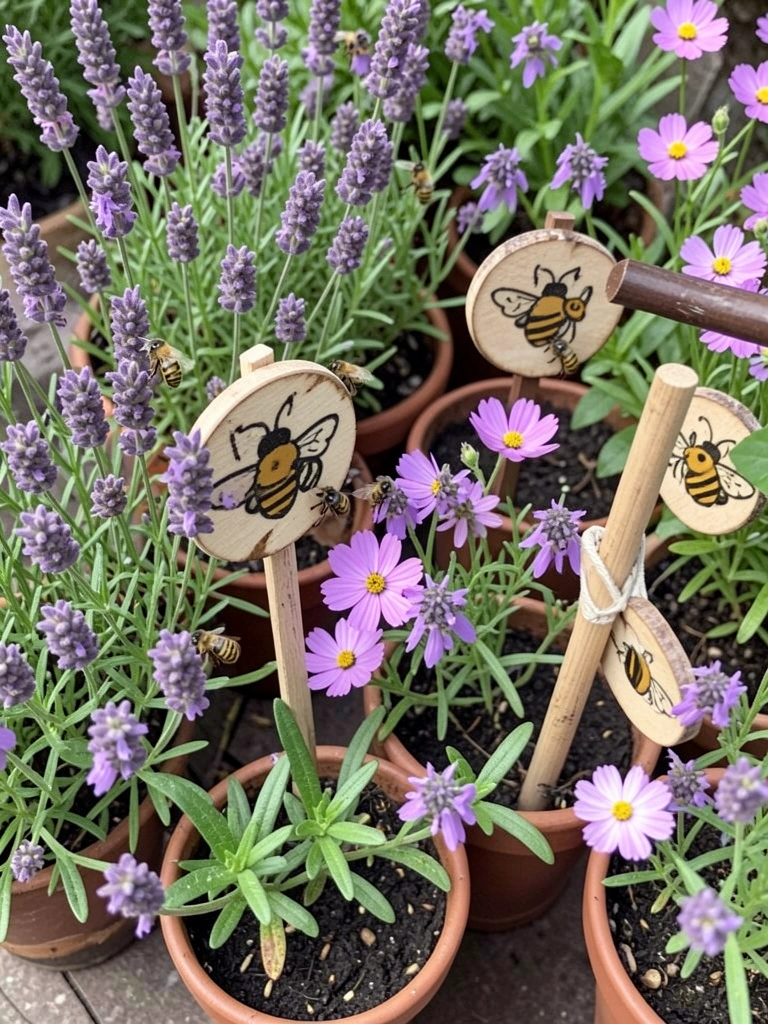
I planted a batch for pollinators and we watched bees arrive the first week.
Kids were thrilled to spot bees and count visits. I did overplant one pot and had to thin it later. That was a good lesson.
This project teaches respect for insects and simple plant ID.
Pick bright, fragrant flowers and put pots somewhere sunny.
What You’ll Need for This Look
- 6–8 inch pots
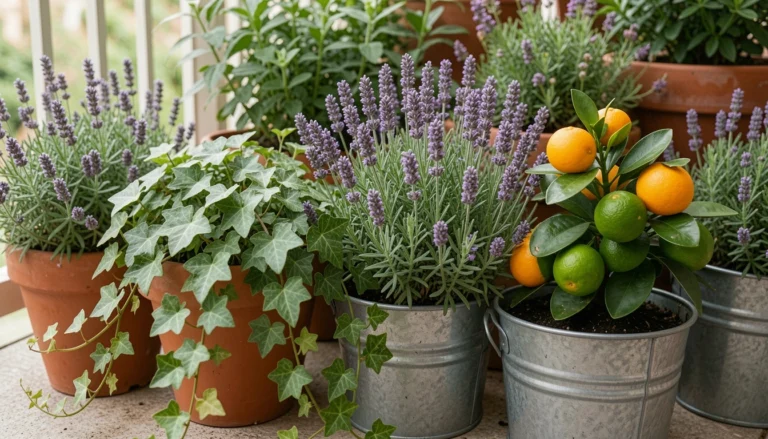
- Lavender, borage, cosmos seedlings
- Wooden plant labels
- Bee and butterfly ID card for kids
9. Mini Fairy-Path Flower Pot
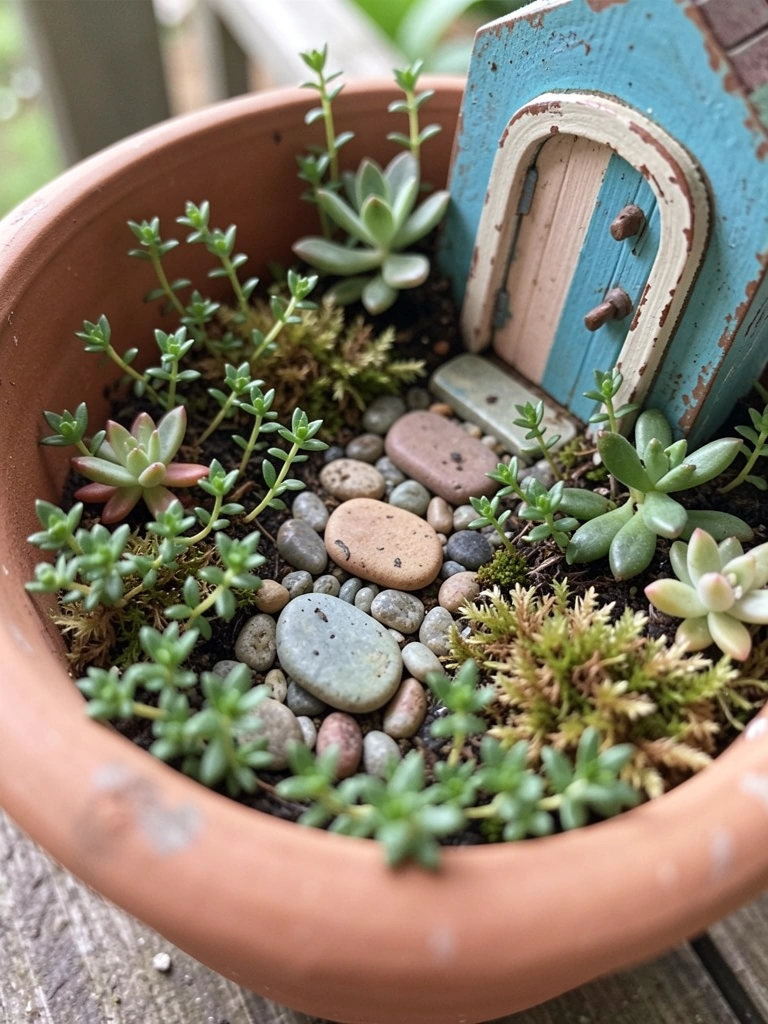
I admit I went overboard with tiny trinkets once and the pot looked cluttered.
I learned that one path and one focal plant reads better. The kids still add tiny stones and rearrange.
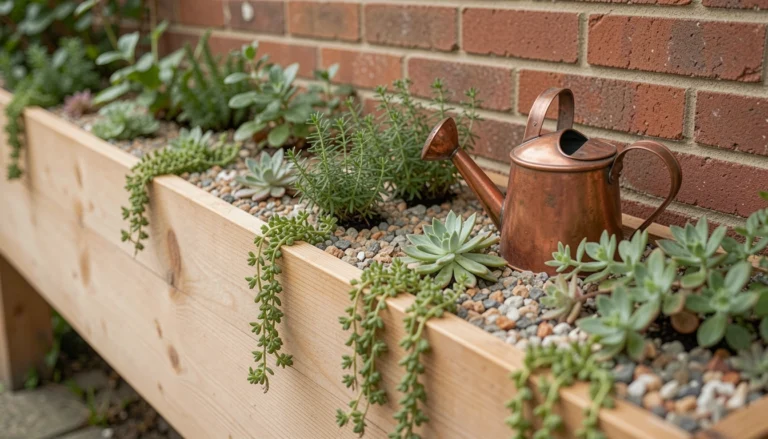
Thymus and low sedums fill in nicely and smell good when tiny feet brush them.
This project is slow to mature but very satisfying.
What You’ll Need for This Look
- Shallow saucer-like planter (8–10 inch)
- Low-growing thyme or sedum
- Pebbles for a path and one tiny decorative door
- Sphagnum or moss for texture
10. Plantable Seed Paper Pots
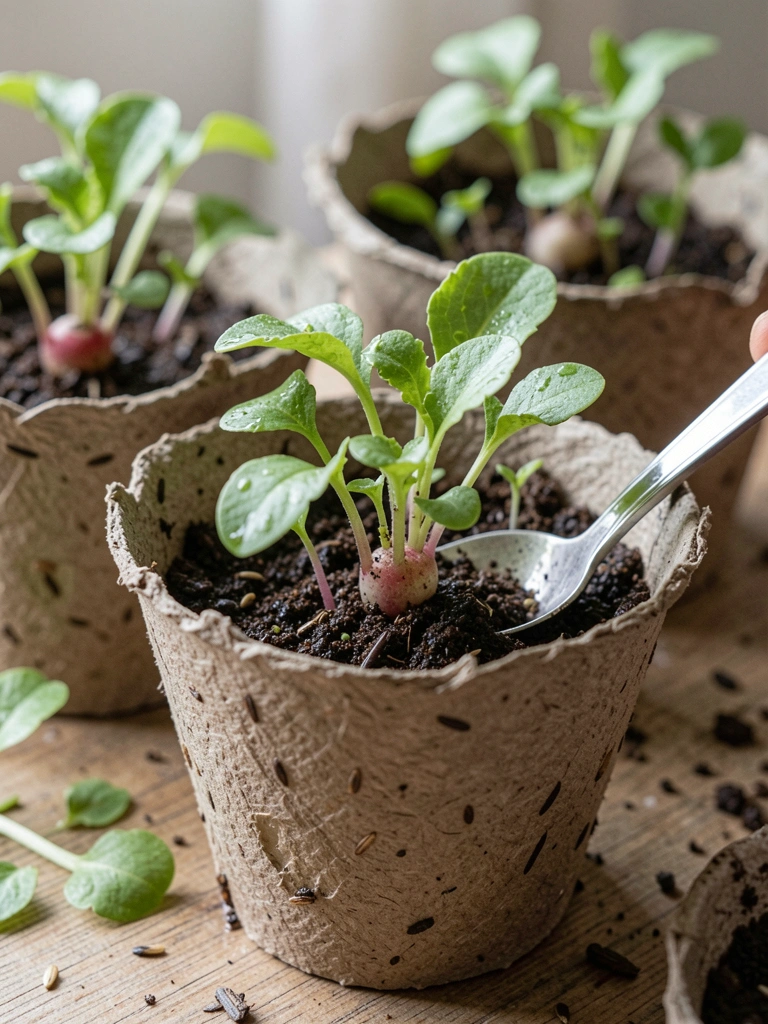
I made seed paper pots with the kids using old paper and mixed seeds.
Some pots fell apart when I overwatered early on. I learned to mist gently until roots set.
Once established, these pots go straight into the ground or a larger pot and the paper disappears.
Kids love the idea that the pot itself is part of the plant’s life.
What You’ll Need for This Look
- Biodegradable seed paper or homemade pulp
- Fast-sprouting seeds (radish, lettuce)
- Small scoop and tray for molding
- Light potting mix for initial care
Final Thoughts
You don’t need perfect tools. You need small wins.
Let kids make a mess, fix mistakes, and keep things simple.
Try one idea, learn together, then try another. The garden will forgive you.