How To Design A Narrow Terrace Garden That Feels Spacious
I used to stand on my narrow terrace and feel boxed in. Pots crowded one side. The other felt empty.
I tried rearranging and it still looked cluttered. I wanted breathing room, not more stuff.
I’ll show what to keep and what to let go. Small choices can make the space feel calm and wider.
How To Design A Narrow Terrace Garden That Feels Spacious
You’ll learn how to make a narrow terrace read wider through placement, scale, and rhythm. The result feels calm, balanced, and easy to live in.
What You’ll Need
- Two long terracotta trough planters (60–80cm)
- Slim teak bench (approx. 120cm)
- Vertical wooden slatted trellis (stained oak)
- Tall columnar evergreen (one or two specimens)
- A mix of trailing plants (soft-leaved ivy, Senecio, small petunias)
- Light-colored pea gravel or pale paving (covers main walking strip)
- Warm white wall-mounted LED string lights or small sconces
Step 1: Establish a clear sightline so the space reads wider
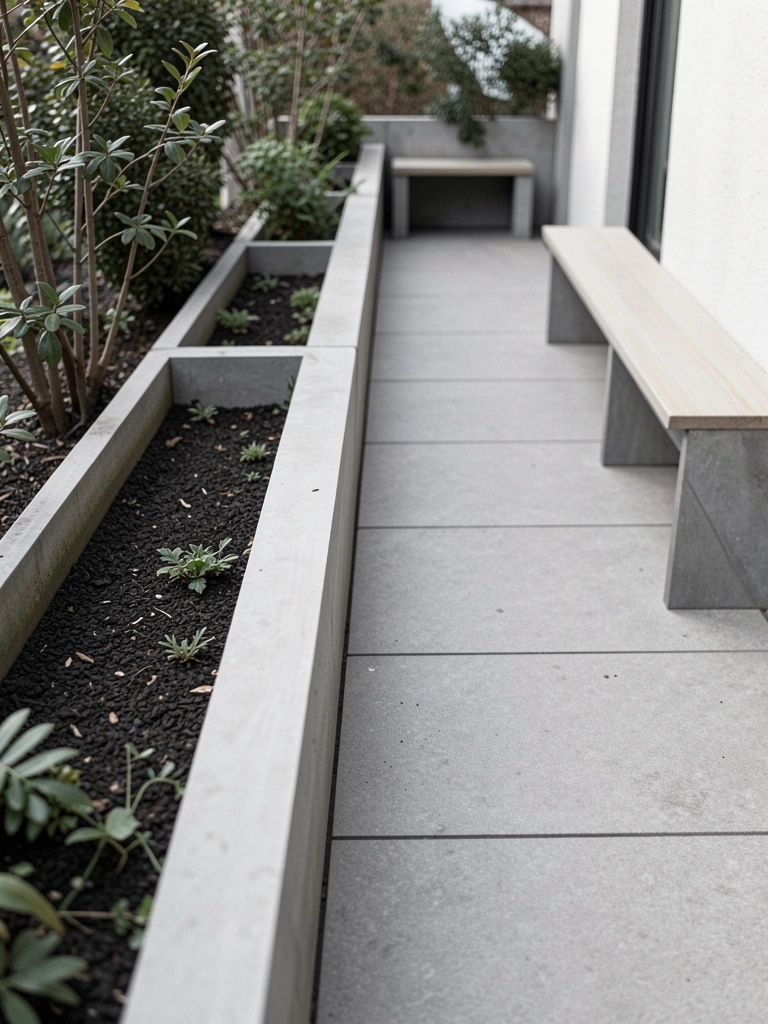
First I choose one uninterrupted sightline from door to end. I keep one side cleaner and use the opposite side for placing planters and anchors. That single line gives your eye somewhere to travel and tricks the brain into spaciousness.
Visually, clutter disappears. The terrace looks longer and calmer when the eye isn’t stopped by random pots. People often miss the power of a single view.
A common mistake is filling both sides equally. Don’t block the central line with mismatched objects or too many tiny pots.
Step 2: Keep the floor light and simple to open the view
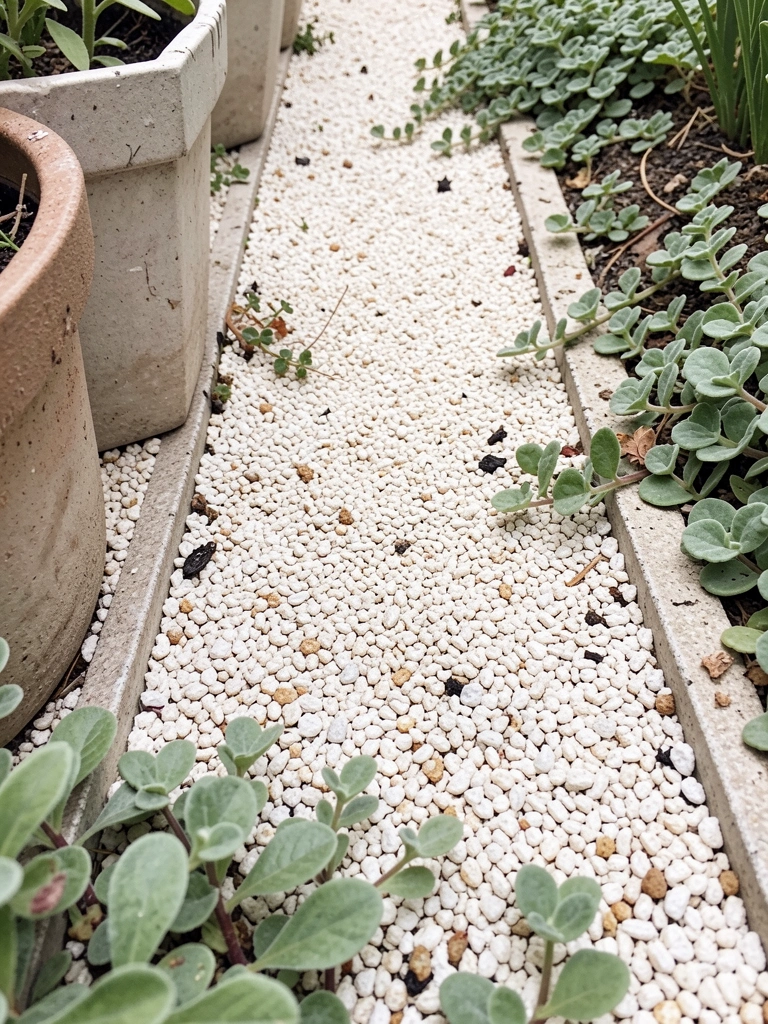
I simplify the ground plane with a pale material and a narrow walking strip. Light floors reflect light back up and make walls feel farther away. I let a small band of pale gravel or pale paving run the length; it becomes the terrace spine.
What changes is immediate: the floor reads continuous instead of chopped into islands. People often overlook how much the floor color affects perceived width.
Avoid too many patterns or contrasting rugs in the middle. Busy surfaces break the sightline and shrink the feel.
Step 3: Use vertical anchors and repeat them for depth and rhythm

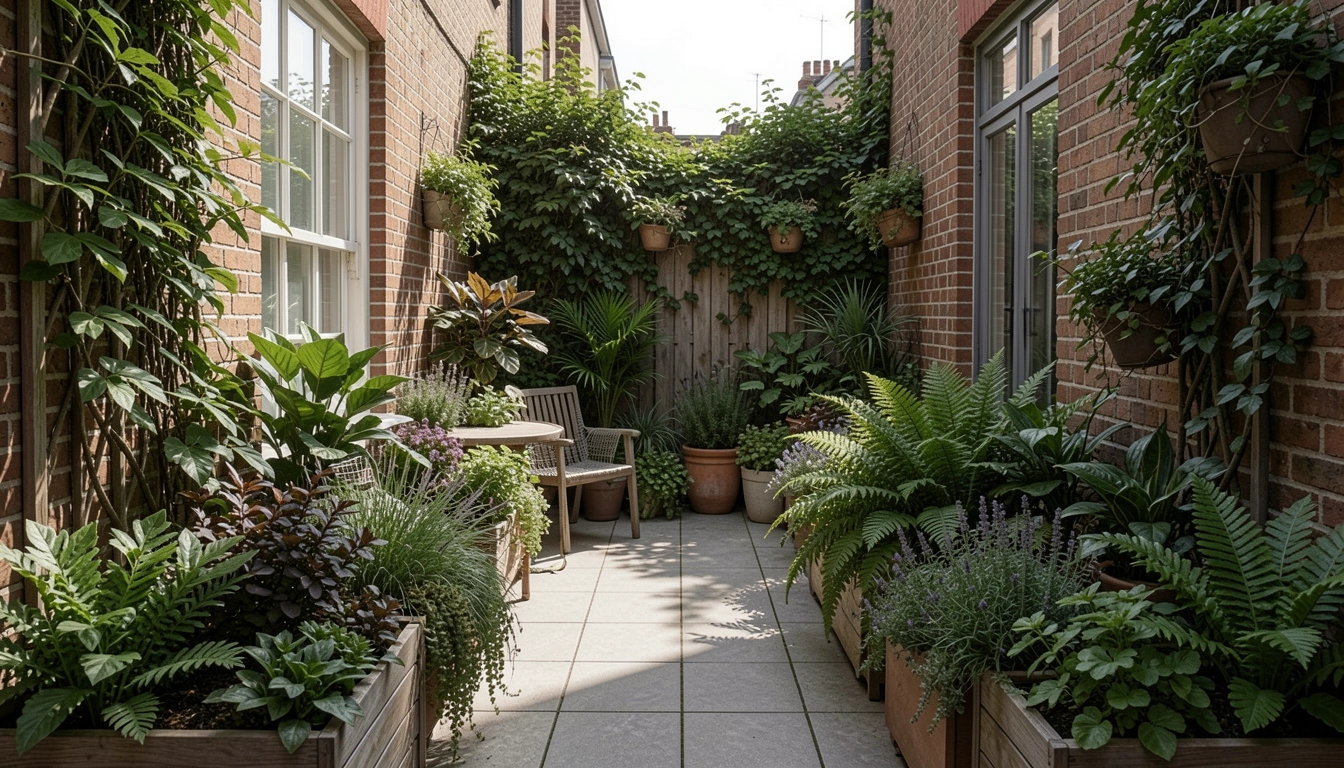
I place tall, slim elements at intervals rather than a single focal point. A columnar evergreen, a trellis, then another planter creates rhythm. That repetition adds depth and makes the terrace feel layered, not cramped.
The visual change is subtle but strong: the eye moves past one anchor to the next, creating perceived depth. Many people plant tall things randomly; rhythm matters more than quantity.
A small mistake is clustering all tall pieces at one end. That reads heavy and throws off balance. Space them and let air show between them.
Step 4: Add small reflective or light-catching touches to expand space
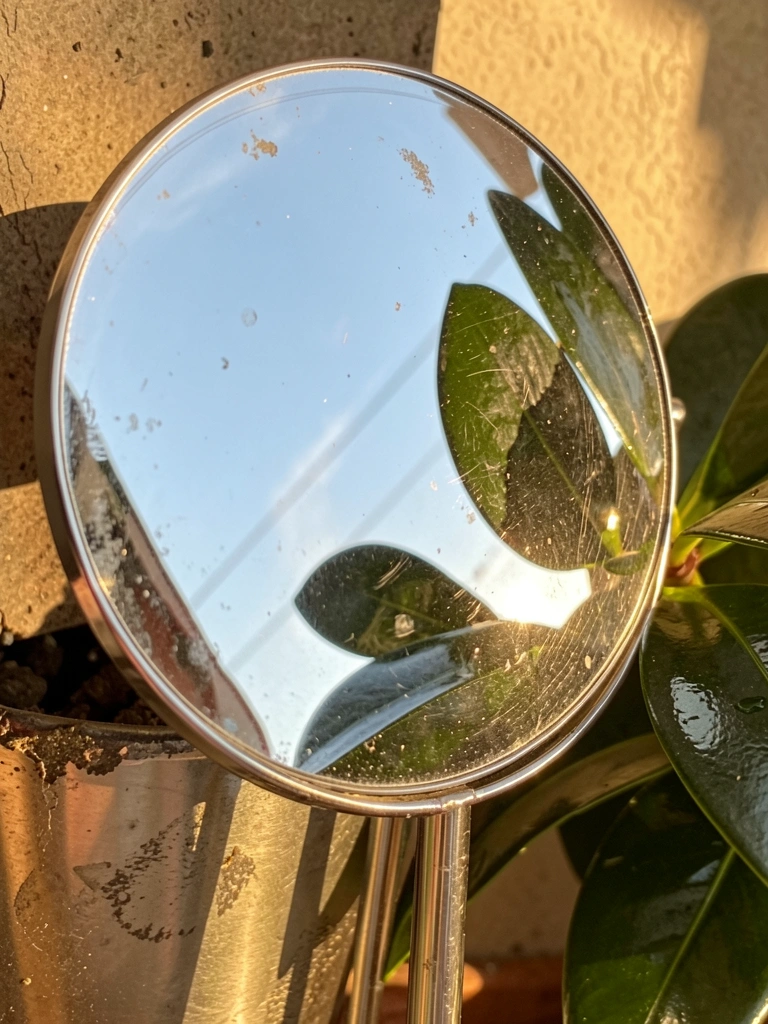
I introduce one or two small reflective surfaces: a glazed pot, a metal planter, or a modest mirror tucked by the wall. They bounce light and give a glimpse of brightness beyond the terrace. I use them sparingly so they feel part of the scene.
What visually shifts is brightness and a sense of extension. A well-placed shimmer can make a corner feel less claustrophobic. Many people avoid reflective pieces, but subtlety wins.
Don’t use a large mirror that feels staged. Too much reflection reads artificial and breaks the lived-in feel.
Step 5: Choose slim furniture and place it for flow, not foreground
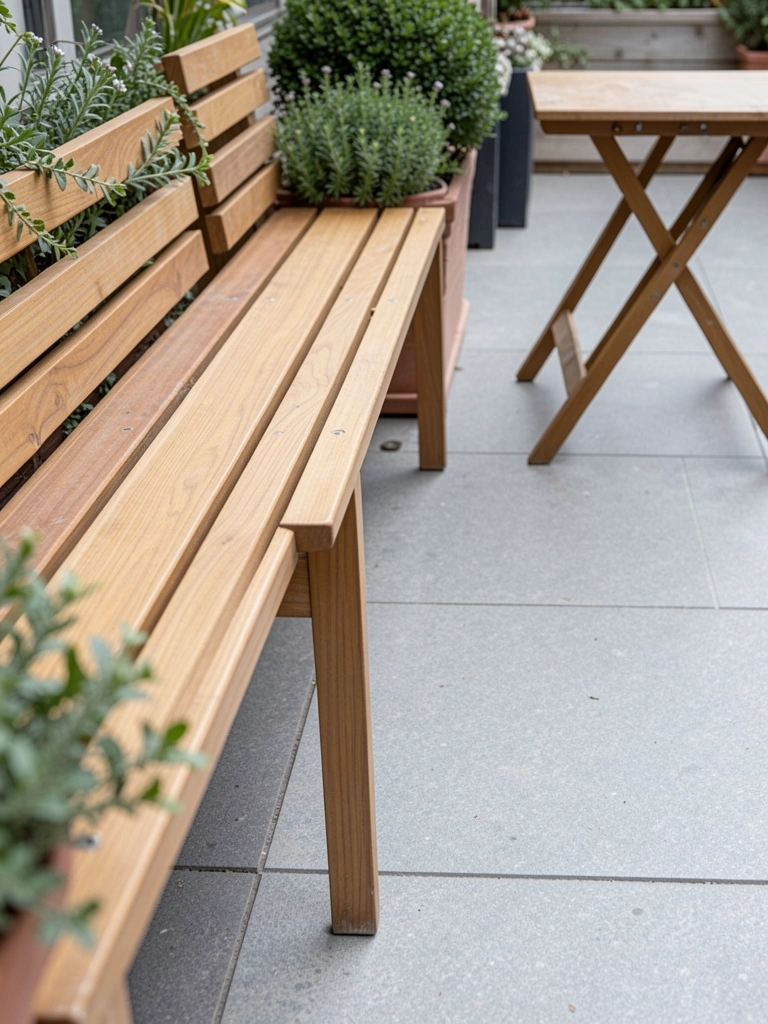
I pick furniture with narrow profiles and tuck them to one side. A slim bench against the wall and a foldable table allow passage and keep the central sightline open. I treat furniture as part of the composition, not the centerpiece.
Visually the terrace breathes. You still have seating, but it doesn’t interrupt movement or view. People often buy comfortable but oversized pieces that dominate a narrow space.
Avoid placing chairs in the middle of the path. That small mistake turns a flowing terrace into an obstacle course.
Plant Choices for Narrow Terraces
I favor plants that read as soft blocks rather than lots of tiny separate pots. Tall, columnar evergreens sit behind medium shrubs, with trailing plants softening edges. Use one or two dominant foliage colors—green with a dusty silver or soft variegation—to keep the palette calm.
Bulky blossoms can be used sparingly. A single seasonal pot of color feels intentional. Repeat the same plants in different spots to tie the space together.
Furniture and Scale
Think slim, multi-purpose pieces. A narrow bench doubles as a table. A folding bistro set tucks away when you need space. Leave a clear walking strip and float furniture against a wall when possible.
Avoid heavy armchairs or deep sofas. They visually chop a narrow terrace and reduce usable flow.
Lighting and Evening Feel
Soft, warm light along the wall and under planters creates gentle depth at night. I use small wall-mounted LEDs or a single strand of warm bulbs, kept low and diffuse. Light should guide the eye, not spotlight everything.
At dusk the terrace becomes cozy and larger. Bright, cool lights flatten the space—choose warmth and restraint.
Final Thoughts
Start with one small change. Pick a sightline or swap to a light floor and live with it for a week. I always tweak after a few days of real use.
You don’t need more stuff. You need better placement and a calm palette. The terrace will breathe once you let a few gaps remain.
Take it slowly and trust your eye. Small, deliberate edits make a narrow terrace feel spacious and comfortable.