18 Easy Vegetable Terrace Garden Ideas For Fresh Harvests
I kept a tiny terrace for years and finally stopped overthinking it.
I learned what actually grows well in pots. I also learned which ideas I hated hauling water for.
These are simple setups I’ve used, failed at, and then fixed. Each one is something I’d plant again.
18 Easy Vegetable Terrace Garden Ideas For Fresh Harvests
These 18 ideas are practical and garden-tested.
They’re small-scale, doable, and honest about what works.
Expect clear setups you can copy or tweak.
1. Layered Container Planting That Makes a Patio Feel Full
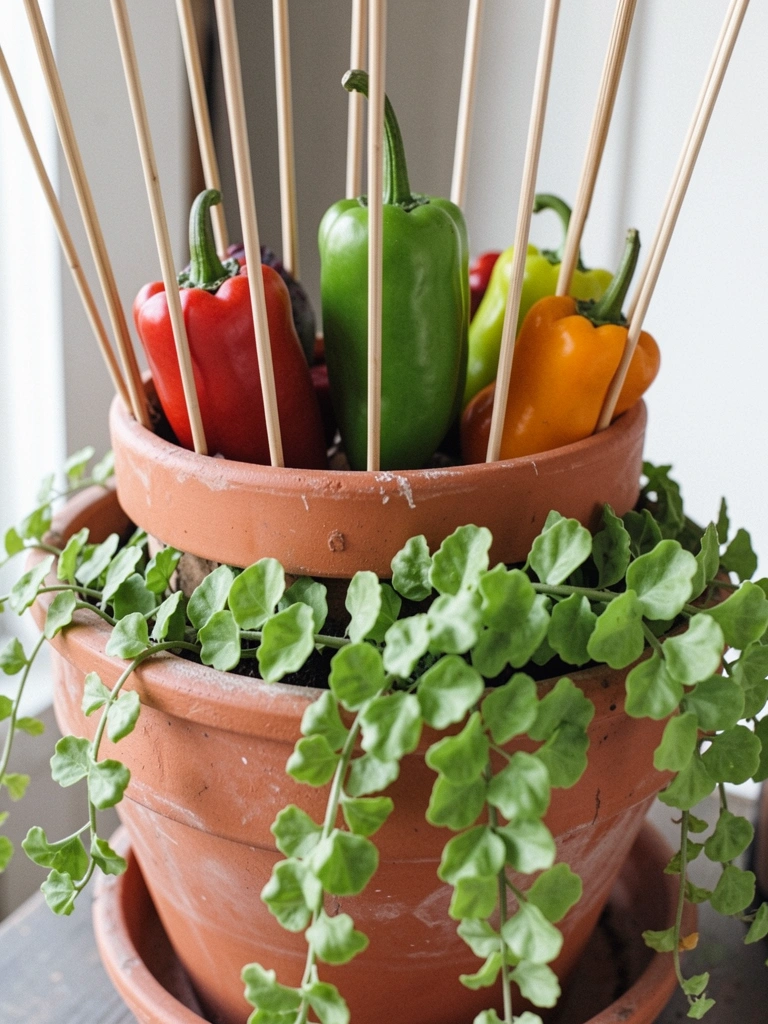
I planted three heights in one big pot and it changed the whole terrace. Tall stakes with pole beans, mid-level peppers, and trailing basil filled gaps all season. It looked fuller than separate pots and shaded thirsty soil.
I did overplant the first year and had to thin. Now I space better and keep things breathing.
Watch drainage and don’t crowd roots. I swap in succession seedlings to keep it dense without getting scraggly.
What You’ll Need for This Look
- Large terracotta planter (16–20 inch)
- 3’ bamboo stakes or metal trellis
- Potting mix with slow-release fertilizer
- Hand trowel
2. Mini Raised Bed Along the Railing for Deep Roots
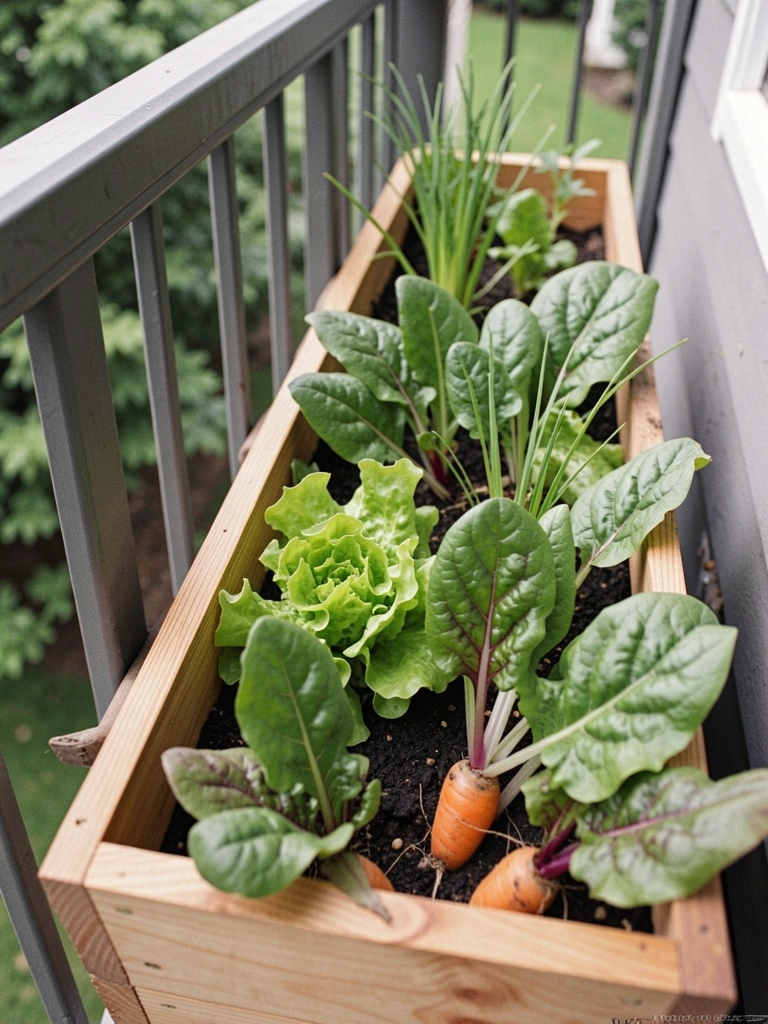
I built a 4-inch-deep raised box along the railing for carrots and beets that needed depth. It gave roots room and kept soil from baking on the floor.
Visually it created a green edge. I liked reaching into the bed from standing height.
Be careful with weight—fill with light mix. I later lined the bottom with weed fabric to stop soil loss.
What You’ll Need for This Look
- Cedar railing planter box (4"x36")
- Lightweight raised bed soil mix
- Compost or well-rotted manure
- Drill and mounting brackets
3. Vertical Pallet Herb Wall for Tiny Terraces
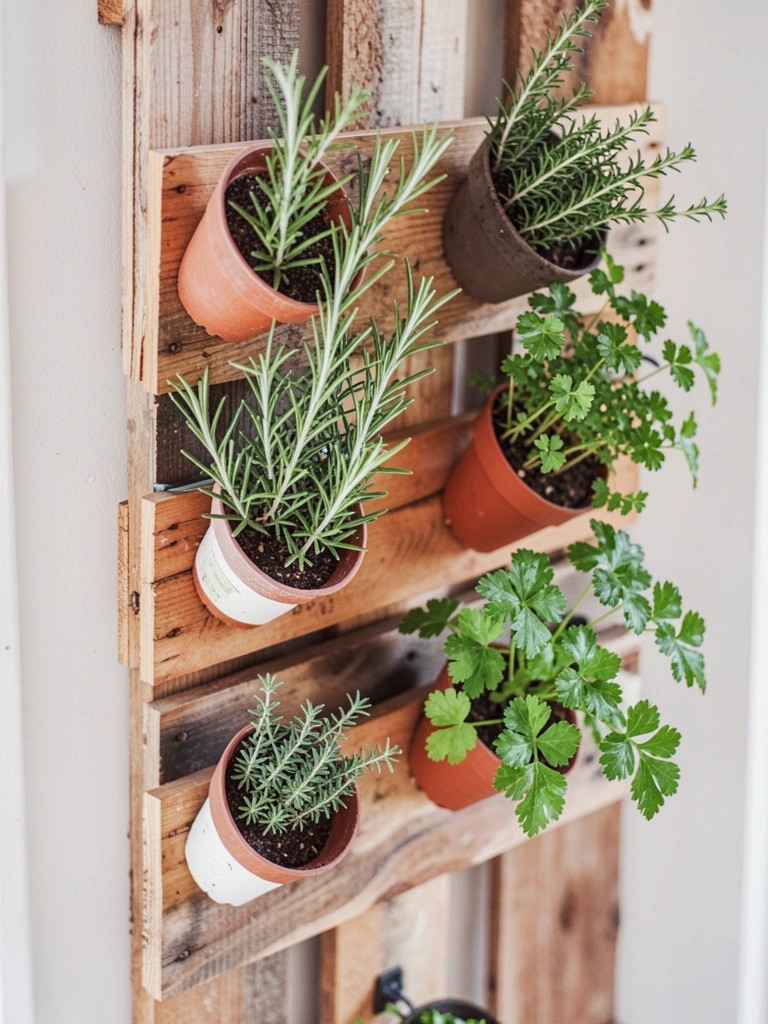
I screwed a pallet to the wall and hung small pots. Herbs like thyme and oregano loved the drainage and sun. It freed floor space and smelled great when I brushed past.
My first pallet was untreated and warped in a wet spring. I replaced it with a sealed frame this time.
Use pockets for soil and stagger plant heights. It’s low-footprint and perfect for multiple herbs.
What You’ll Need for This Look
- Reclaimed wood pallet or vertical planting frame
- Small 4–6 inch pots or felt planting pockets
- Herb plant starts (rosemary, thyme, parsley)
- Exterior sealant
4. Mixed Salad Bowl Containers for Continuous Picks
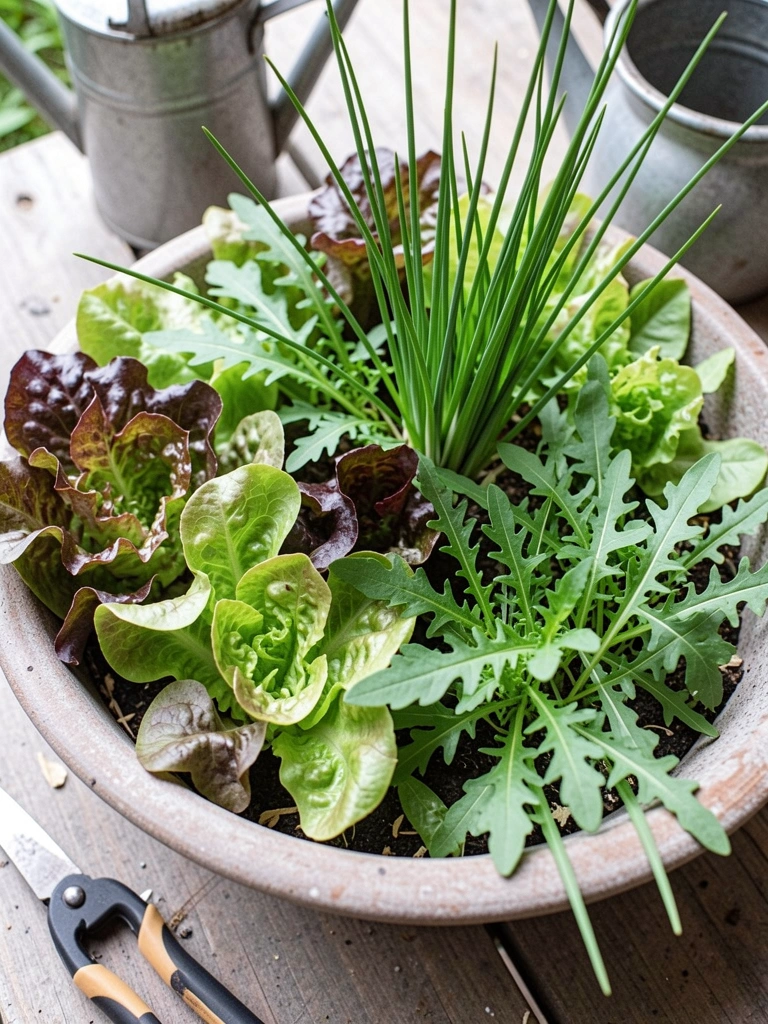
I kept several shallow bowls and harvested salad greens almost every day. I mix fast-growers with a few slower ones to avoid a sudden glut. The bowl approach keeps leaves tender.
I did plant some slow lettuces too close once; they shaded out the rest. Now I stagger sowings every two weeks.
Replant a small portion each month and you’ll always have fresh picks. These bowls feel abundant with very little space.
What You’ll Need for This Look
- Wide shallow planter (14–18 inch)
- Mixed salad seed pack
- Lightweight potting mix
- Snips or kitchen scissors
5. Potato Stack in a Wire Mesh Caddy
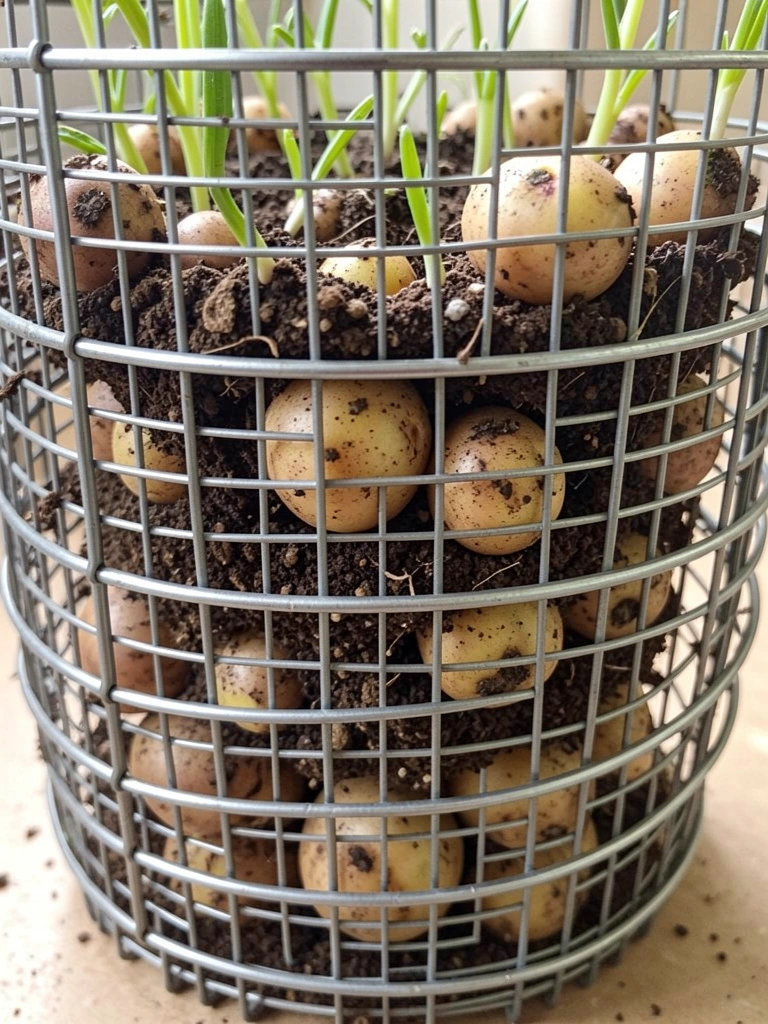
I used a wire mesh basket to grow potatoes up and out instead of in a deep bed. I layered straw and compost with seed potatoes and kept adding as shoots appeared. Harvesting was a game—I pulled away the mesh and found new spuds.
My first attempt used too little compost. The yield was small. More organic matter made a big difference next season.
It’s tidy and saves floor space while giving surprisingly big yields.
What You’ll Need for This Look
- Wire mesh potato caddy (2–3 feet tall)
- Seed potatoes
- Straw and compost mix
- Garden fork
6. Drip-Irrigated Row in Long Trough Planters
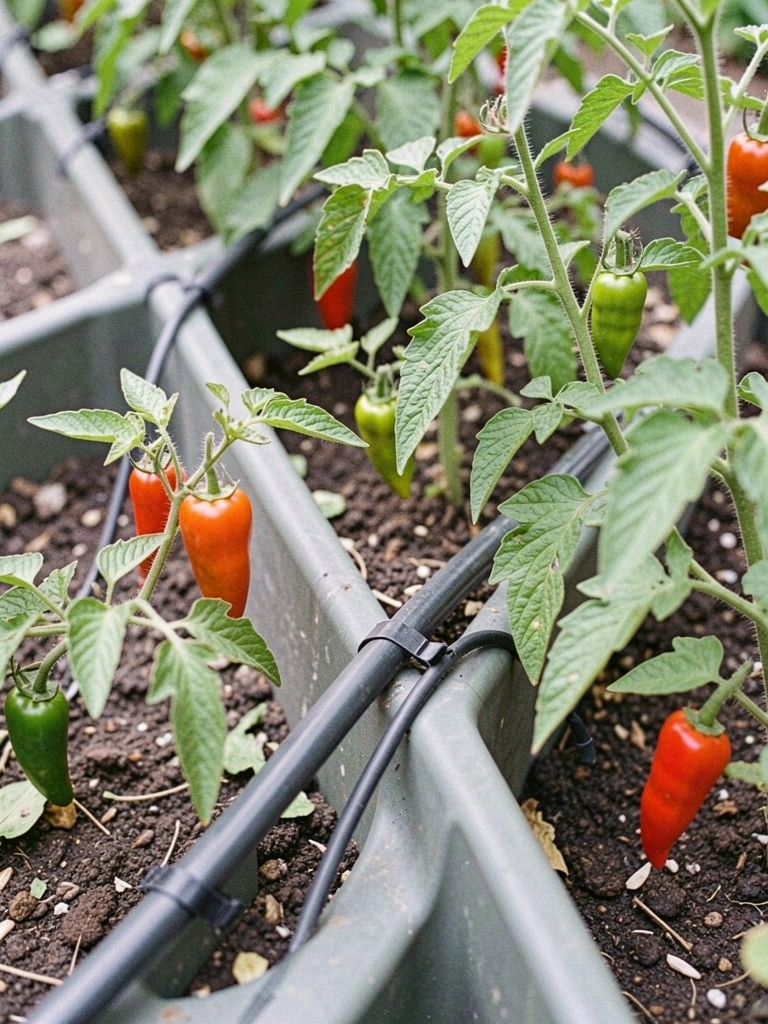
I installed a basic drip line in three long troughs and suddenly watering became honest work instead of a chore. Roots stayed consistently moist and plants were happier.
I did plug one emitter with debris the first month. A quick flush fixed it. Regular checks keep the system working.
This is great for peppers, tomatoes, and eggplants on terraces where hose maneuvering is tight.
What You’ll Need for This Look
- Long trough planters (4'x12")
- Drip irrigation kit with pressure regulator
- Tomato and pepper transplants
- Mulch
7. Tomato and Basil Classic Pairing in Large Clay Pots
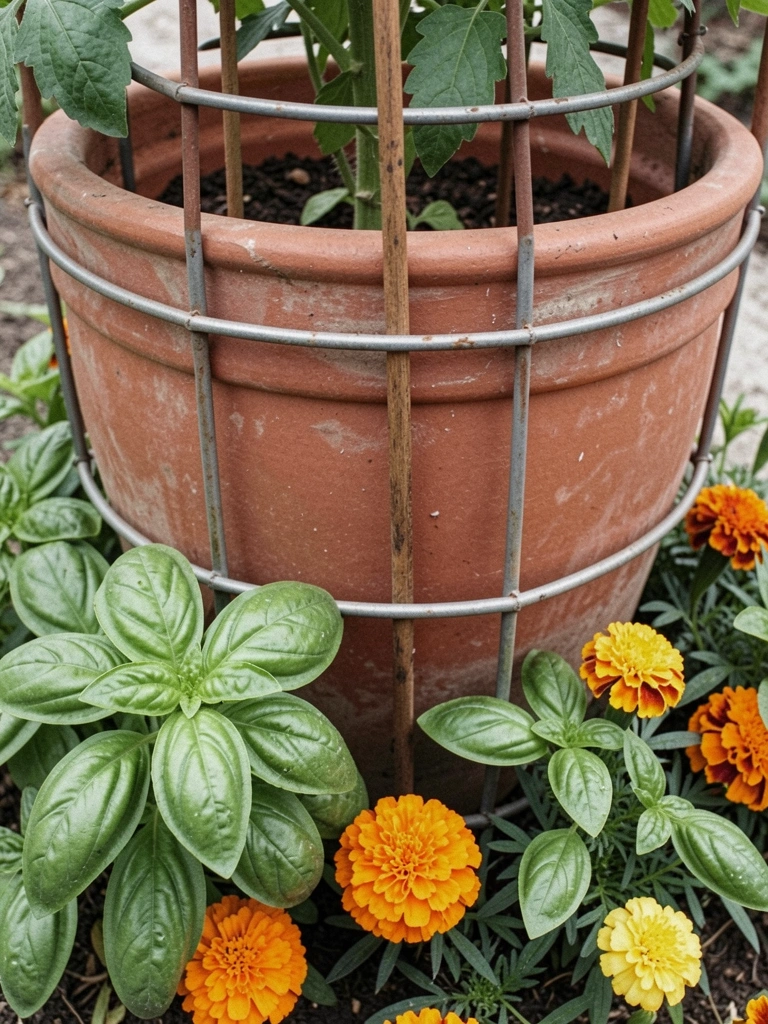
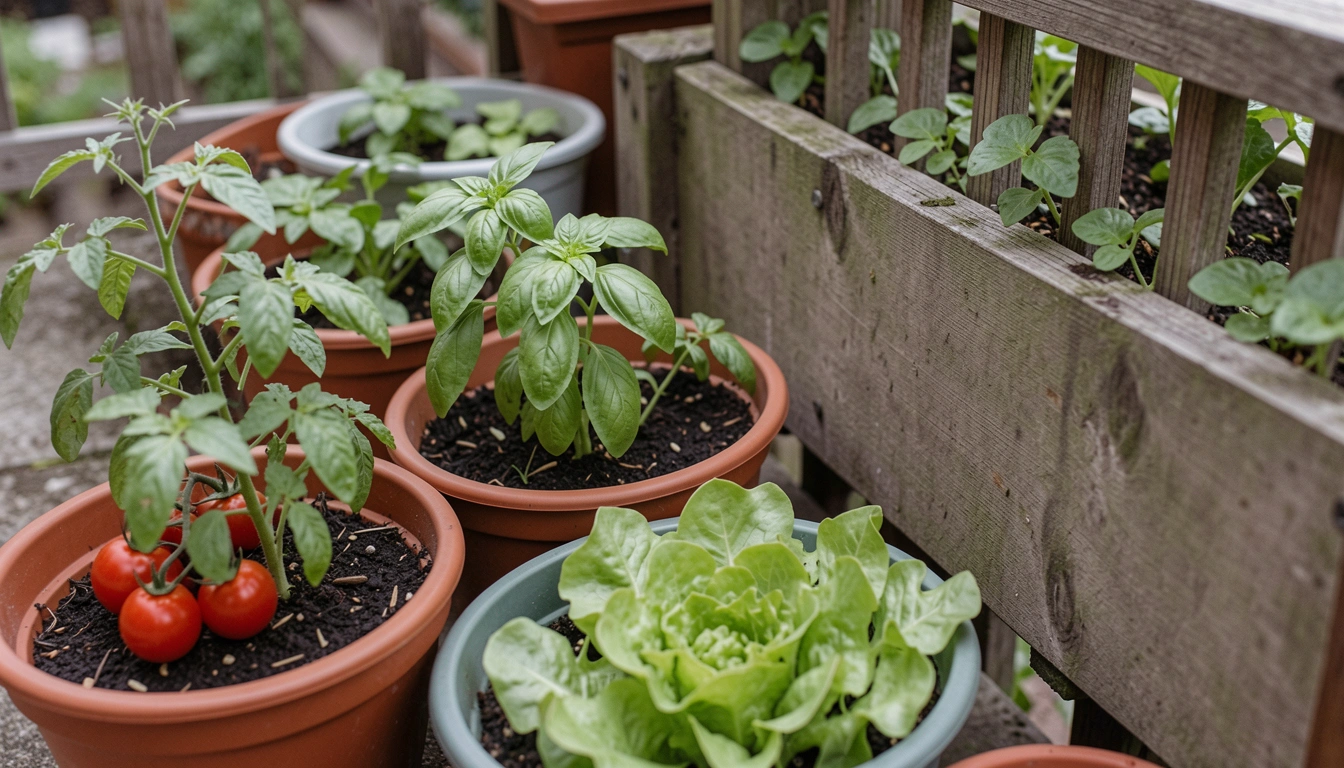
I plant tomatoes and basil together in a heavy clay pot every year. Basil keeps the pot lush and I reach in for flavor daily. The clay moderates soil temperature, which helped during hot spells.
I failed one season by under-staking a big plant; it toppled and broke a branch. Now I use a sturdy cage and tie as it grows.
Pairing is simple and sensory—sight, smell, and taste all in one pot.
What You’ll Need for This Look
- Large clay pot (18–24 inch)
- Tomato cage or metal stakes
- Basil seedlings
- Tomato fertilizer and mulch
8. Succession Planting in Moveable Pots for Season Extension
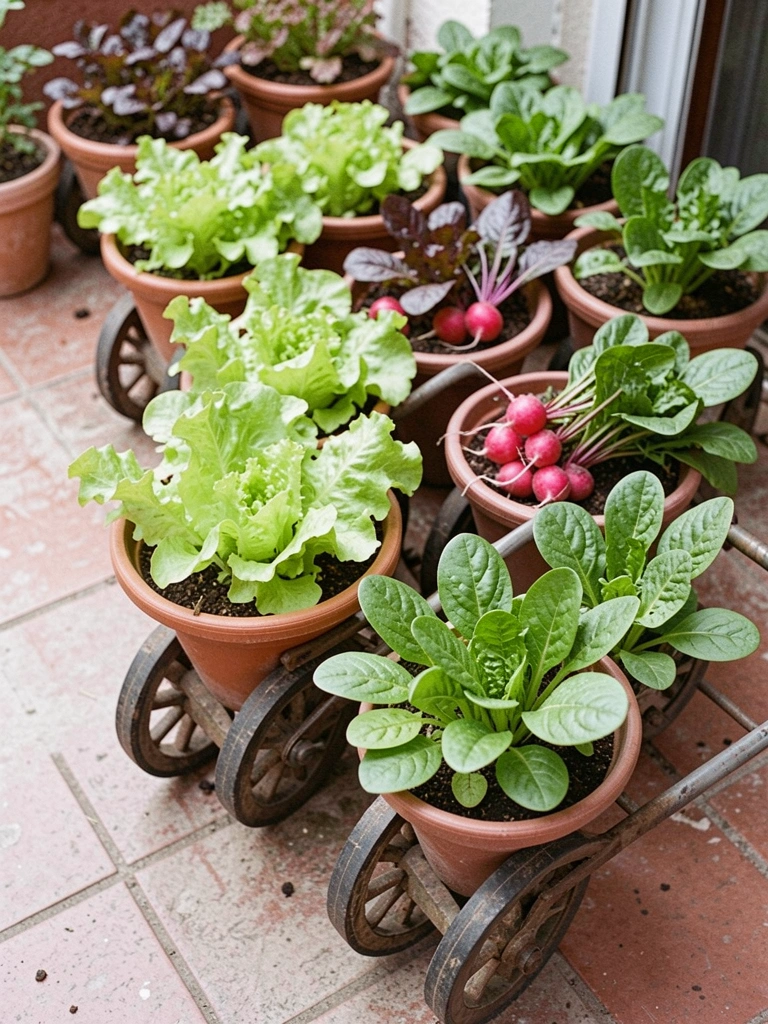
I keep pots on small dollies so I can swap seedlings into sun or shade. When one crop finishes, I pull it and plant another. It extended my harvests into late fall.
My first mobile pots had tiny casters and stuck on rough decking. Upgrading to rubber casters made moving easy.
This is a great way to chase the best light and keep planting fast cycles without permanent beds.
What You’ll Need for This Look
- Pots on casters/dollies (10–16 inch)
- Fast-maturing seeds (radish, spinach, lettuce)
- Lightweight potting mix
- Plant labels
9. Compact Bush Varieties in Square Foot Containers
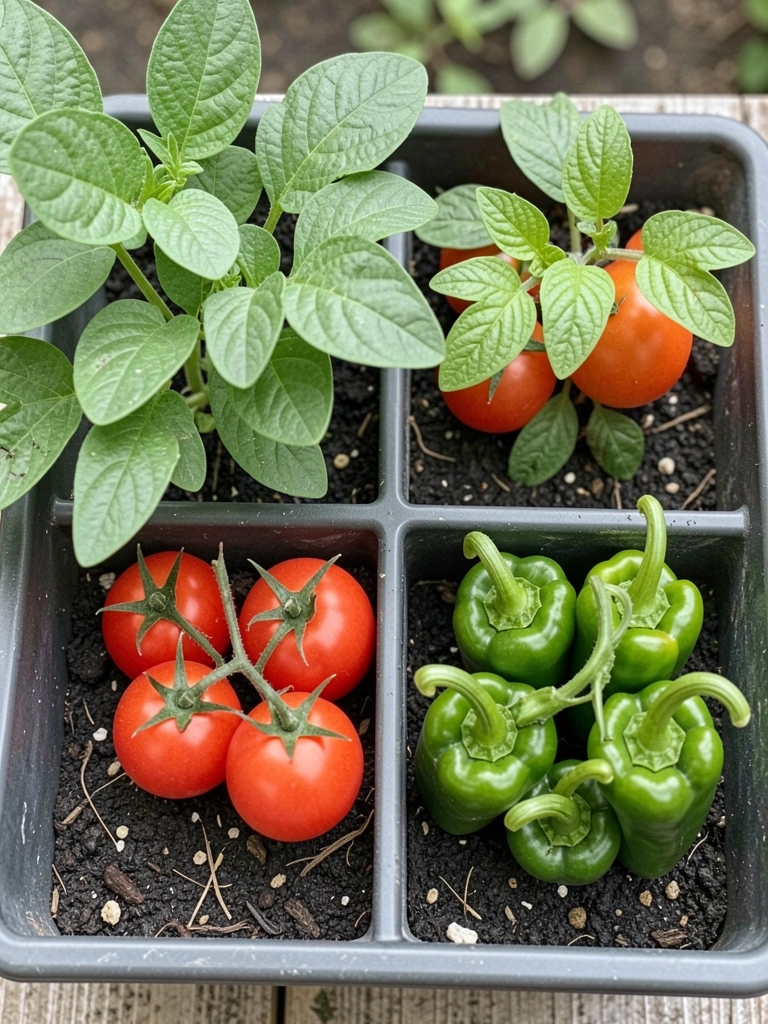
I switched to bush and patio varieties to fit more plants in a small footprint. Square containers let me plant in tighter grids and still pick everything easily.
I learned not to assume dwarf equals low water. Some bush types still dry fast and needed daily checks during heat.
This is a tidy approach if you want multiple crops without climbing supports.
What You’ll Need for This Look
- Square foot planters (12–16 inch)
- Dwarf tomato and bush bean varieties
- Fertile potting mix
- Hand fork
10. Hanging Basket Vines for Vertical Shade and Food
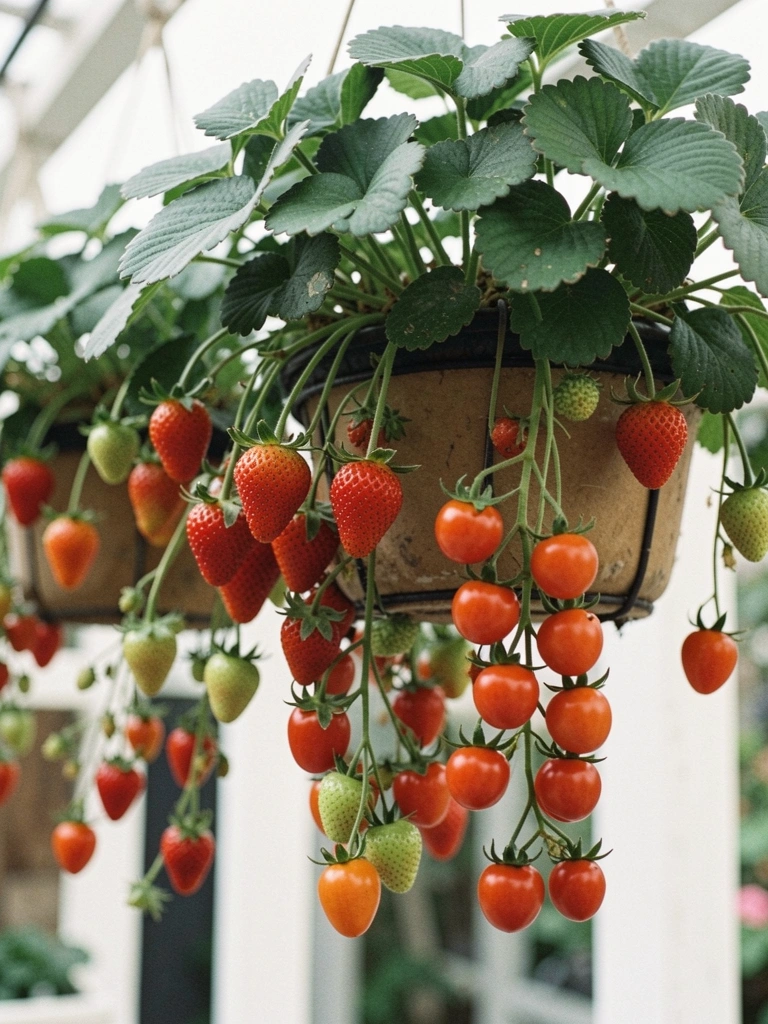
I hung baskets with indeterminate cherry tomatoes and strawberries. They cascade down and catch the eye, while giving harvests at head height. It’s decorative and productive.
I used to overwater them because they look small. Once I switched to moisture-retentive mix and proper drainage, they thrived.
Hanging crops use vertical space well and add a soft canopy feel to a tiny terrace.
What You’ll Need for This Look
- Hanging baskets (12–14 inch) with coco liner
- Trailing tomato or strawberry varieties
- Moisture-retentive potting mix
- Strong hanging hardware
11. Cold-Frame Cover Over a Small Bed for Early Crops
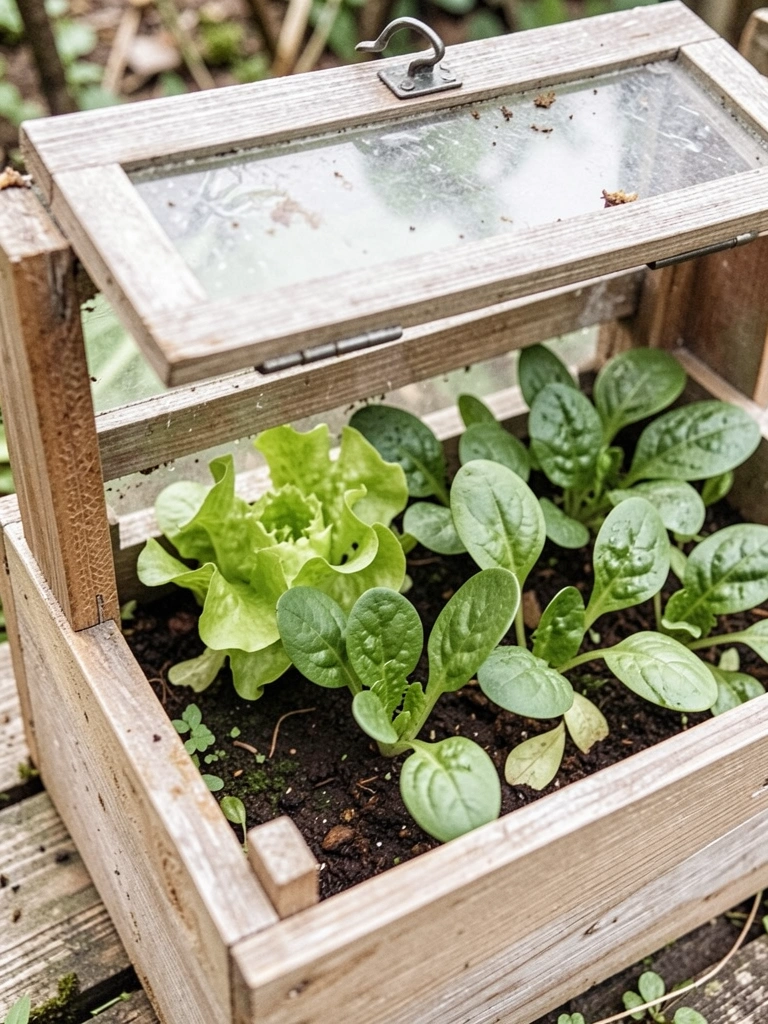
I built a simple cold frame from an old window and used it to start greens early. The soil warmed, and I harvested leaves weeks sooner than neighbors.
My first lid had poor ventilation; seedlings got leggy. I added adjustable vents and that stopped overheating and damping off.
It’s a small step that stretches the season without fancy gear.
What You’ll Need for This Look
- Small cold-frame or hinged window box
- Fast-warming seed mix
- Early lettuce and spinach seedlings
- Thermometer and vent hinge
12. Companion Planting Corners — Beans, Squash, Nasturtium
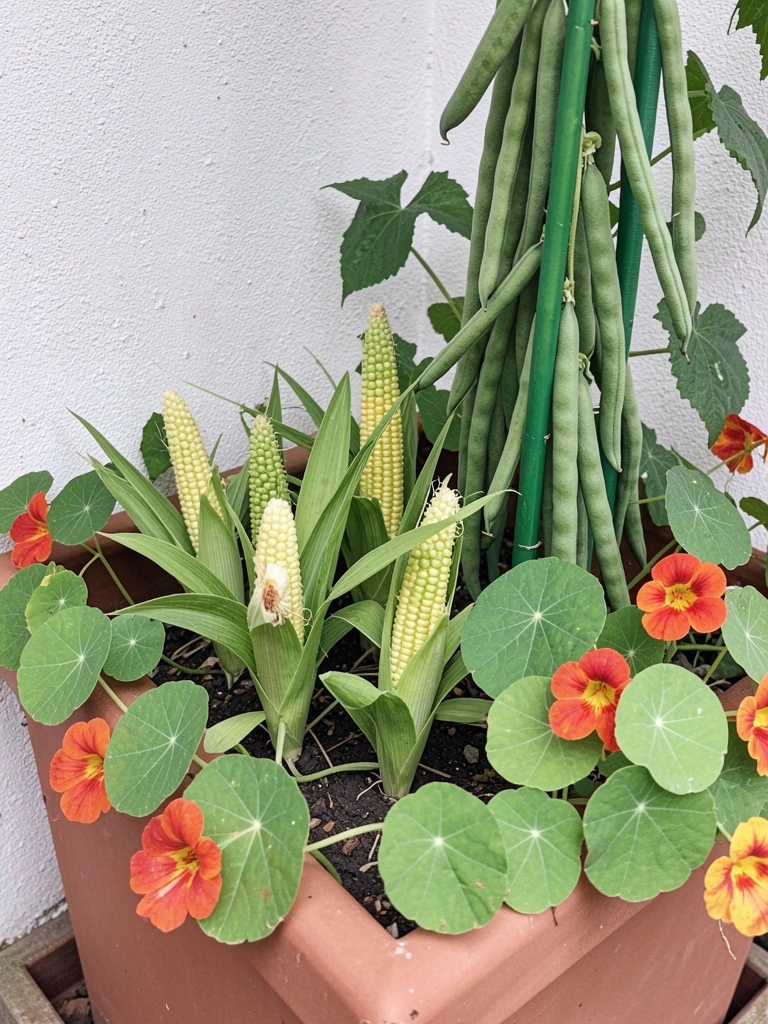
I tried a tiny “three sisters” corner with dwarf corn, beans, and squash in a big planter. The beans climbed, the squash shaded the soil, and nasturtiums kept pests at bay.
It took a season to get spacing right; I crowded the corn at first. Once I separated rows slightly, everything balanced.
This feels like a small patch of wild abundance on a terrace.
What You’ll Need for This Look
- Large planter or bed (3'x3')
- Dwarf corn, pole beans, bush squash
- Nasturtium seeds
- Trellis supports for beans
13. Compact Fruit Trees in Large Containers
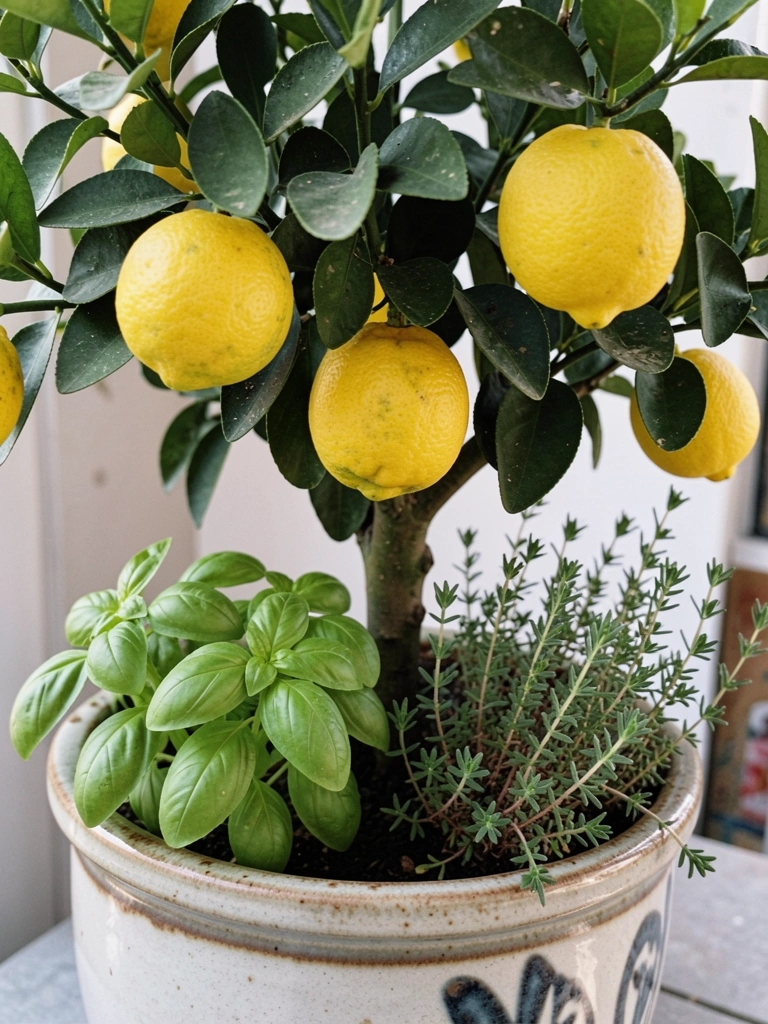
I’ve kept a dwarf citrus in a large glazed pot on my terrace for years. It flowers and then feeds us fresh fruit. The scent alone makes the spot feel special.
Pruning and winter protection were learning curves. I once let heavy fruit overload a branch. Regular thinning and ties fixed that.
Pick a true dwarf and you’ll have manageable fruit trees with minimal space needs.
What You’ll Need for This Look
- Glazed container (20–24 inch)
- Dwarf citrus or fig tree
- Citrus potting mix and slow-release fertilizer
- Winter frost cloth (if needed)
14. Mobile Garden on Casters for Flexibility
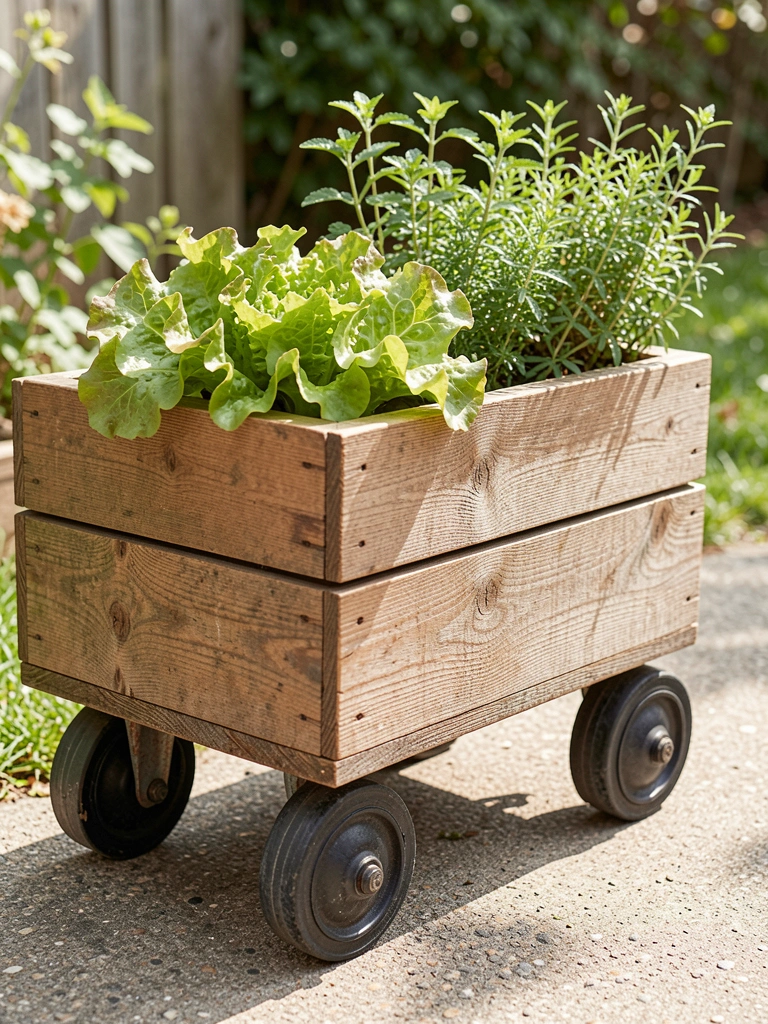
I built a planter on big casters so I can move it with the sun or to shelter it during storms. It saved multiple crops when shade suddenly appeared from a neighbor’s renovation.
Choose sturdy wheels. I once used small casters that jammed on grooves. After upgrading, moving became a five-minute chore.
If you rent or change layouts, mobility keeps your garden adaptable.
What You’ll Need for This Look
- Wooden planter box (36"x18") on heavy-duty casters
- Mixed vegetable starters
- Lightweight but nutrient-rich soil
- Adjustable covers for storms
15. DIY Greenwall with Hydroponic Tubes
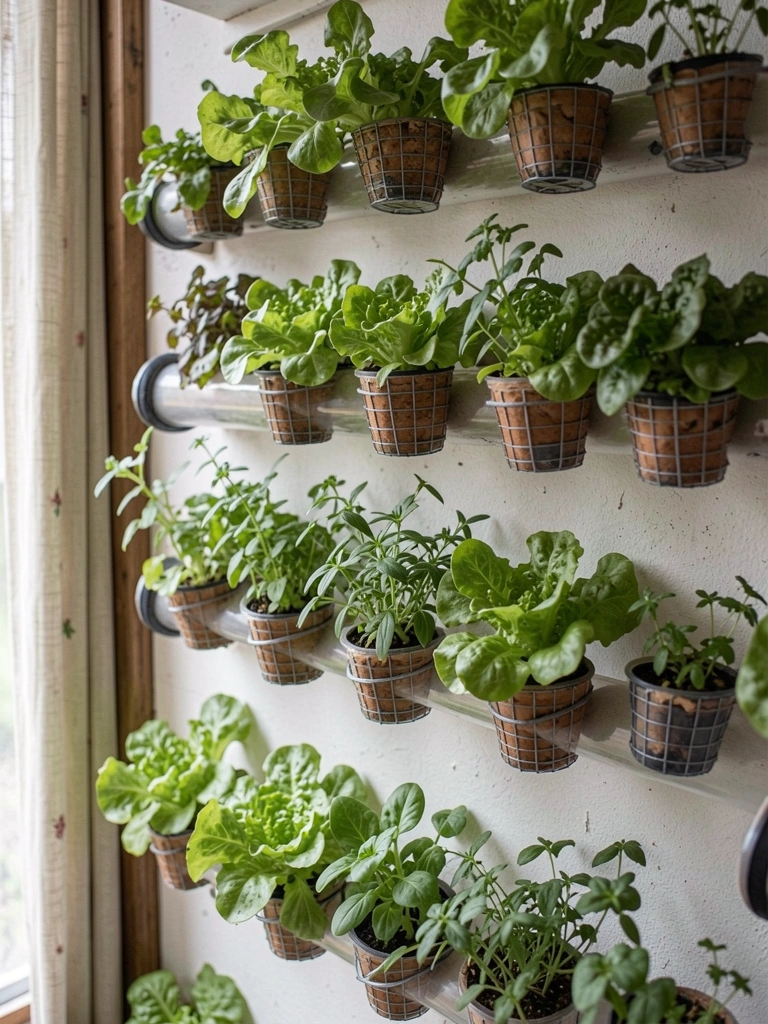
I experimented with a hydroponic PVC tower to save soil weight. It grew quick greens and gave steady yields. The first build was overly complex and the pump failed mid-season.
I learned to simplify—bigger reservoir, simple pump, and regular nutrient checks. It’s high-reward but needs commitment.
If you like tinkering and steady harvests, this can be very satisfying.
What You’ll Need for This Look
- PVC hydroponic tube kit or vertical system
- Submersible pump and nutrient solution
- Net pots and grow medium (rockwool or clay pellets)
- pH test kit
16. Edible Flower Border in Planter Boxes
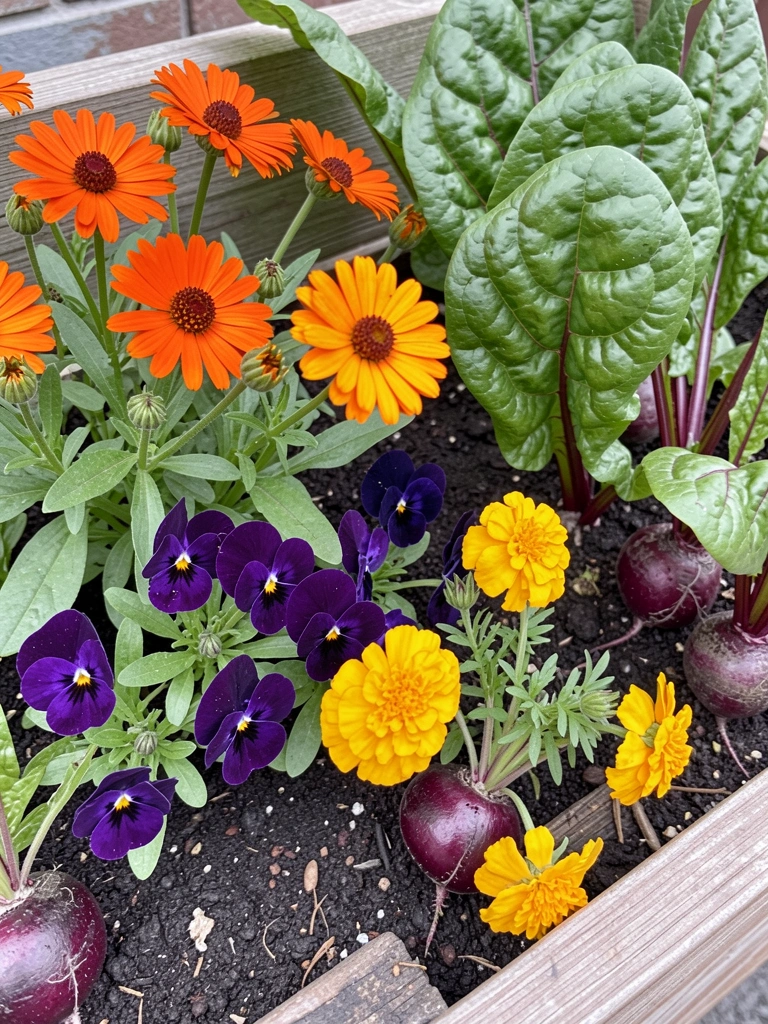
I edged my planters with calendula and violas. They made the beds feel intentional and I started adding petals to salads. Pollinators noticed them first, then the vegetables followed.
I once planted a showy nasturtium that seeded itself everywhere. Now I pull volunteers early.
This is an easy way to make food feel like a border garden.
What You’ll Need for This Look
- Long planter box (24–48 inch)
- Edible flower seed pack (calendula, violas, nasturtium)
- Chard or beet starts
- Fine hand rake
17. Shade-Tolerant Veg Corner Using Leafy Greens
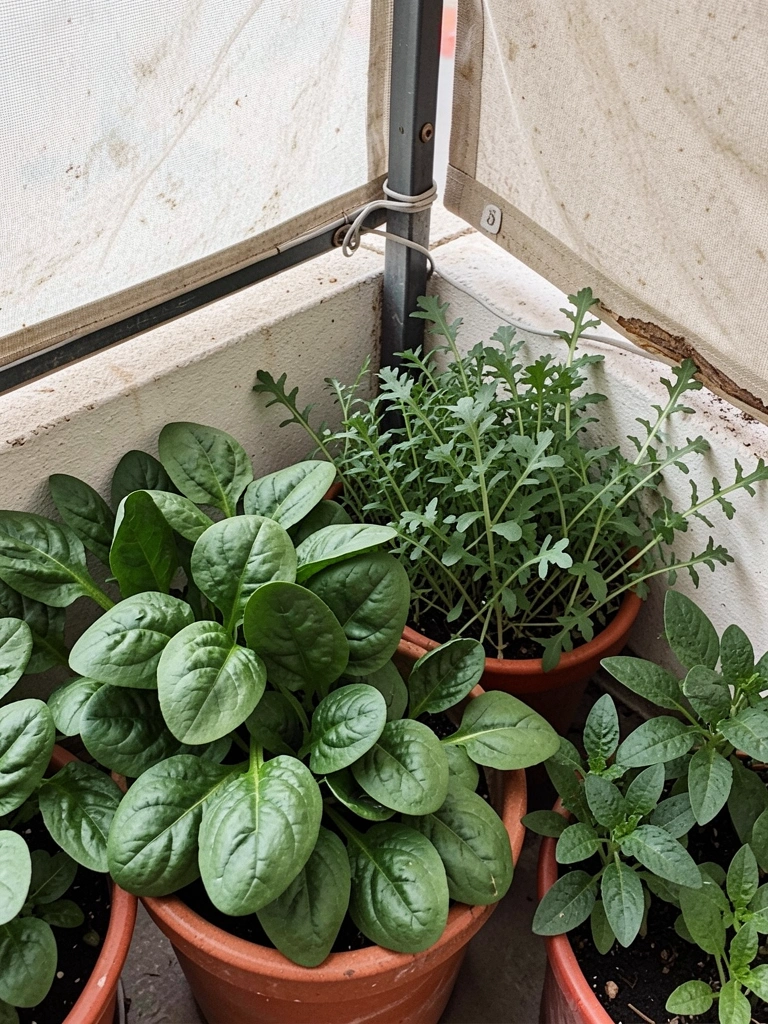
My north-facing corner surprised me with spinach and mustard that loved the cooler light. I grouped shade-tolerant pots together and they outperformed my sun crops in heat waves.
I once tried tomatoes there and they sulked. Matching plant to light saved me a lot of frustration.
If your terrace gets limited sun, pick greens and you’ll still harvest plenty.
What You’ll Need for This Look
- Medium pots (8–12 inch)
- Shade-tolerant greens (spinach, mizuna)
- Organic potting mix
- Light feeder fertilizer
18. Cozy Harvest Bench with Integrated Planters
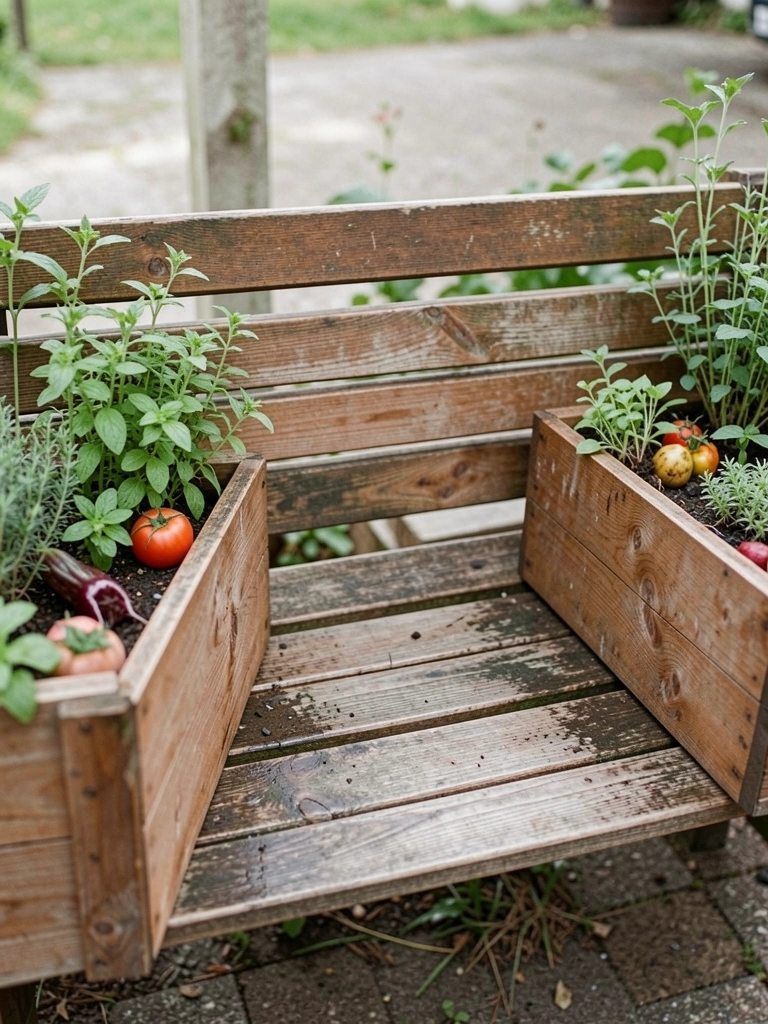
I built a bench with planters at each end. It became my favorite spot to sit and snip herbs between tasks. It also made harvests easy—everything within arm’s reach.
I underestimated drainage in the first build and had root rot. I retrofitted drainage holes and gravel layers and it improved quickly.
This merges seating and harvest and keeps the terrace feeling comfortable and useful.
What You’ll Need for This Look
- Wooden bench with planter inserts (36" bench)
- Herb starts (thyme, sage, basil)
- Potting soil and drainage gravel
- Outdoor cushions (optional)
Final Thoughts
You don’t need all 18 ideas. Pick one or two that match your sun, weight limits, and how much time you want to spend.
Start small, expect mistakes, and adjust. My best terraces came from fixing what didn’t work.