21 Fresh Backyard Garden Bed Ideas To Upgrade Your Outdoor Living
I kept thinking small changes would fix my scrappy backyard.
One season I dug, another I ripped out.
Now I plan beds that work for real life—kids, dogs, late starts, dry spells.
These ideas grew from mistakes and surprises. You can copy pieces of them and make the space feel like home.
21 Fresh Backyard Garden Bed Ideas To Upgrade Your Outdoor Living
These 21 ideas are hands-on, not showy.
They’re the kinds I’ve actually planted, pruned, and replanted.
You’ll get practical looks and spot-on buys to make them work.
1. Narrow Border Bed Along a Fence for Constant Color
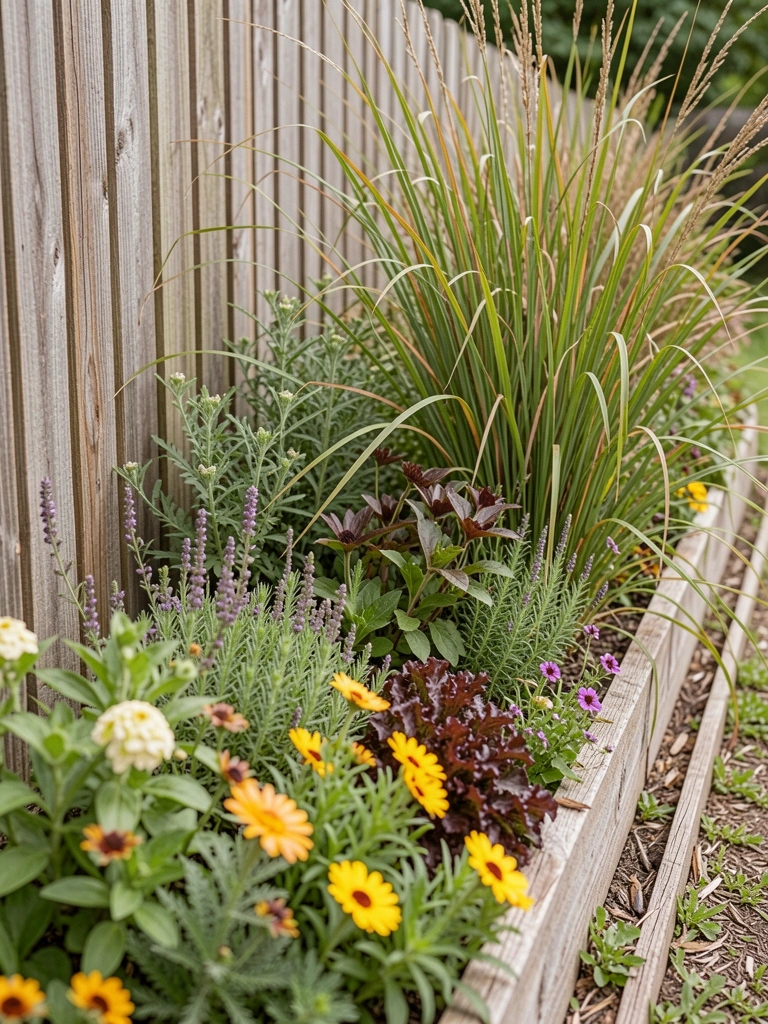
I carved a thin bed along our back fence to stop the space from feeling empty.
I planted tall backbone plants at the back, mid-size perennials in the middle, and low spillers at the front. It reads full even in late summer.
I forgot to stagger bloom times at first, so I adjusted for spring bulbs and late asters.
Tip: choose three heights and repeat them. It looks intentional without fuss.
What You’ll Need for This Look
- Woody fence plants (lavender, Russian sage)
- Mid-height perennials (salvia, echinacea)
- Low spillers (sedum, ajuga)
- Mulch (2–3 inch)
2. Cedar Raised Beds for Vegetables and Annuals
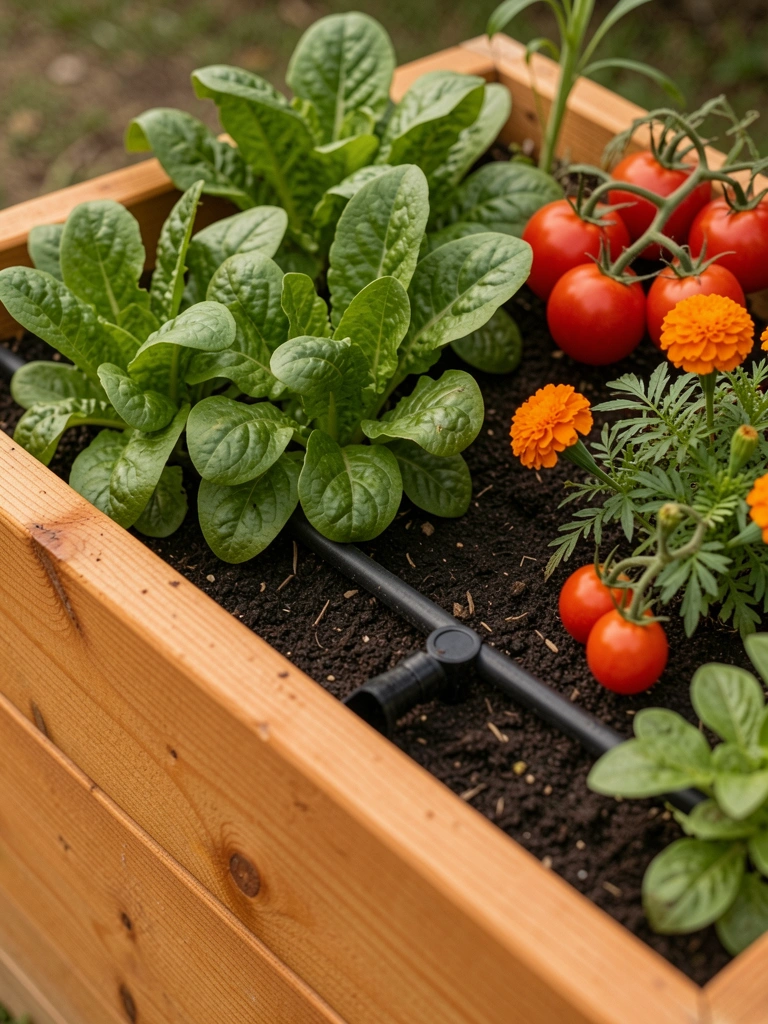
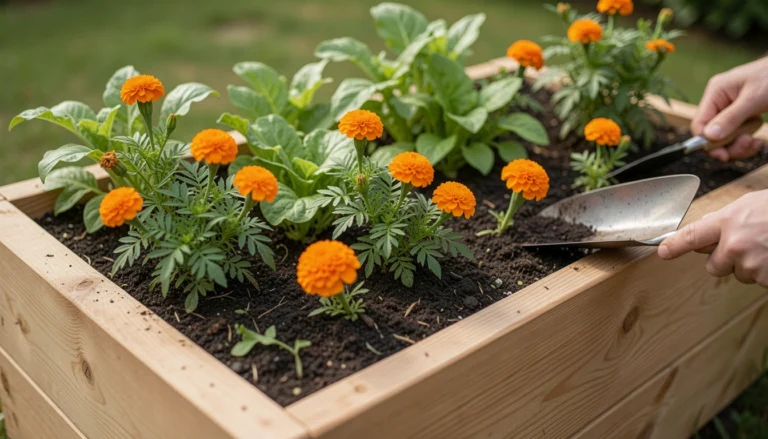
I built cedar beds to stop the back pain and improve soil fast.
They warmed earlier in spring, and I could add compost in layers. The beds organize my crops and hide the kids’ toys.
My first go used cheap wood and it warped. Spend a little extra on straight cedar.
Tip: keep beds 3–4 feet wide so you can reach the middle without stepping in.
What You’ll Need for This Look
- Cedar raised bed kit (4×8 or 4×4)
- Quality garden soil mix (vegetable-grade)
- Drip irrigation kit, 1/2 inch tubing
- Twine and tomato cages
3. Pollinator Cottage Bed with Layered Flowers
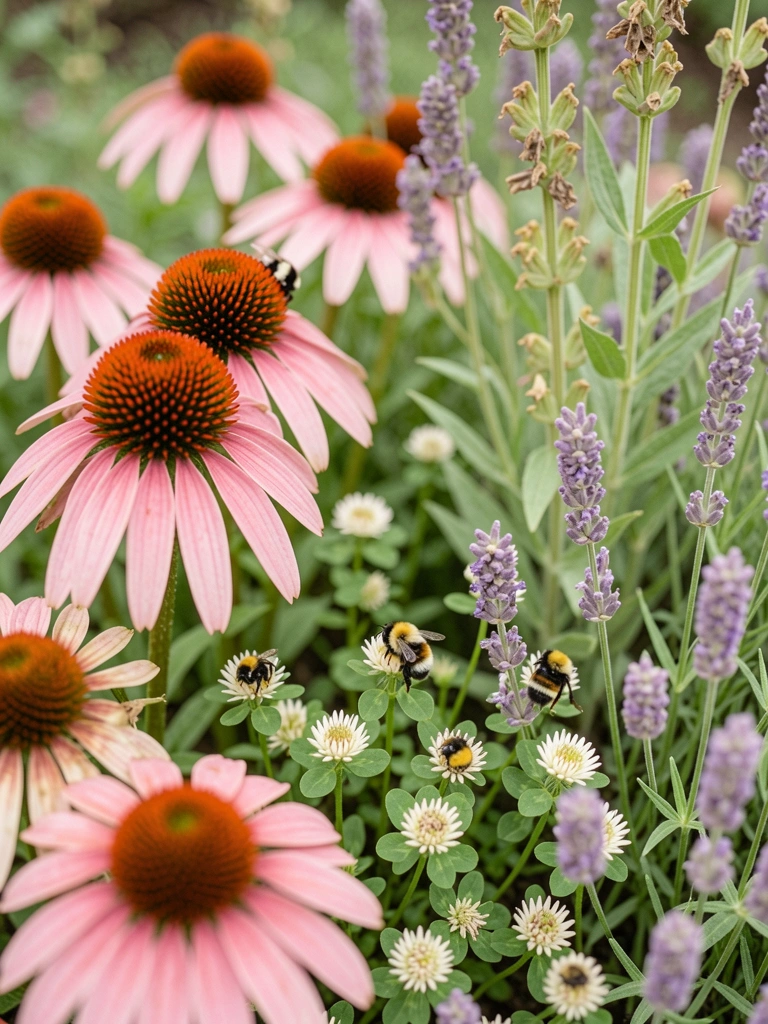
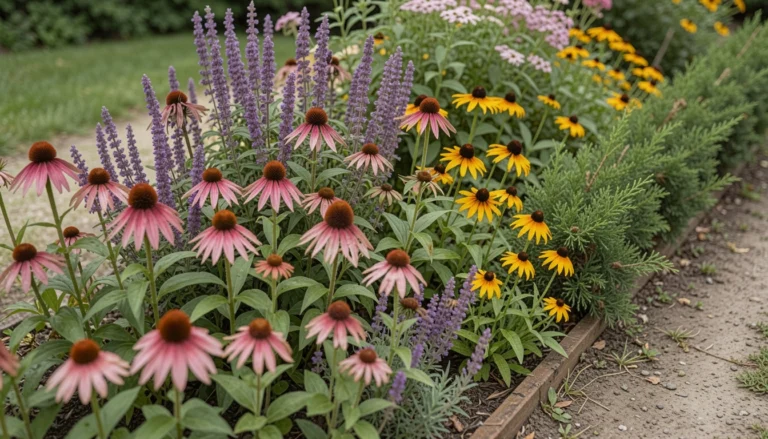
I let a section go a little wild and bees showed up in force.
Now I plant for steady nectar: early spring bulbs, mid-summer perennials, and late-blooming asters. It hums with life.
I used to tidy away spent stems; now I leave seedheads for winter food. It keeps birds and beneficial insects coming back.
Tip: include at least one native milkweed or native shrub for larvae.
What You’ll Need for This Look
- Echinacea, asters, lavender (varied heights)
- Native milkweed or butterfly bush
- Pollinator-friendly mulch (coarse)
- Small brush pile or insect house
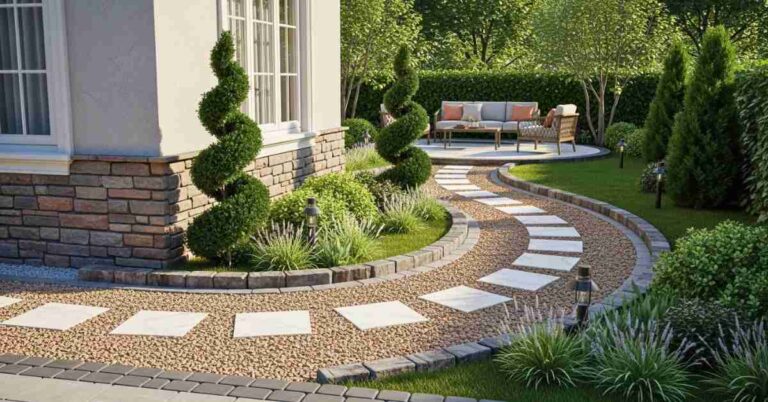
4. Low-Maintenance Gravel Bed with Drought-Tolerant Plants
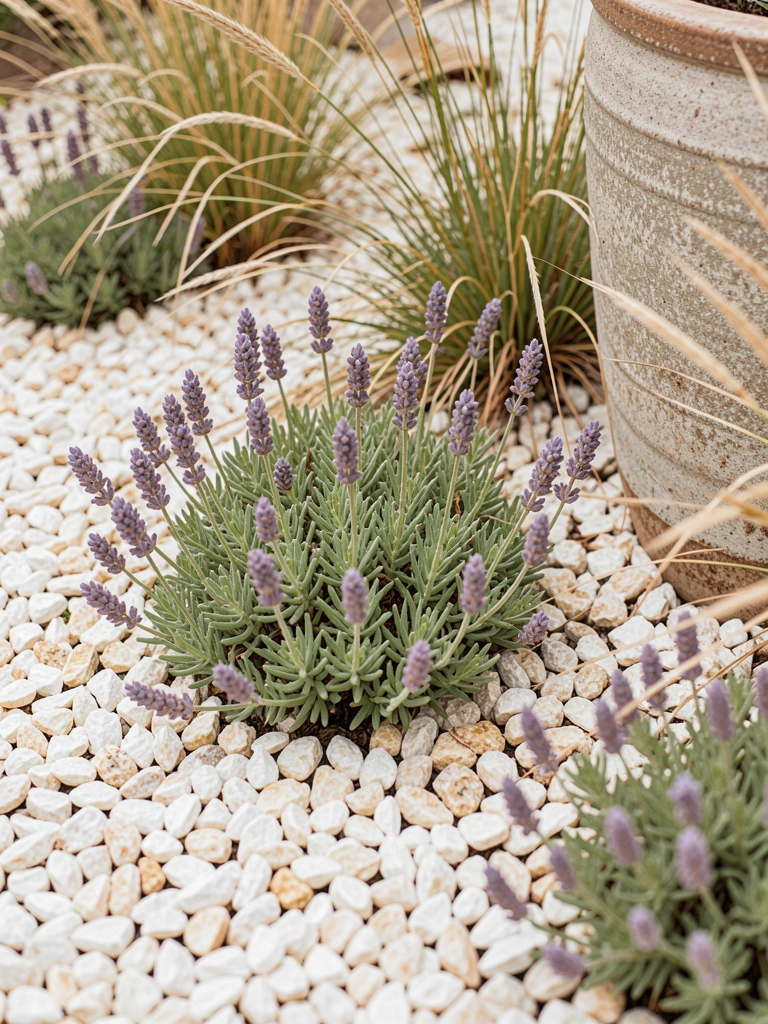
I ripped out a thirsty lawn patch and installed a gravel bed.
It looks clean and needs almost no water once established. The gravel keeps a tidy edge and the plants pop.
I overplanted at first and some succulents rotted in poor-drain spots—space them.
Tip: mix larger rocks with smaller gravel for a natural look and to reduce soil splash.
What You’ll Need for This Look
- Crushed gravel, 1/4–3/8 inch
- Drought plants (sedum, agave, lavender)
- Coarse sand or grit for soil mix
- Decorative boulders or stepping stones
5. Shade-Loving Woodland Bed Under Trees
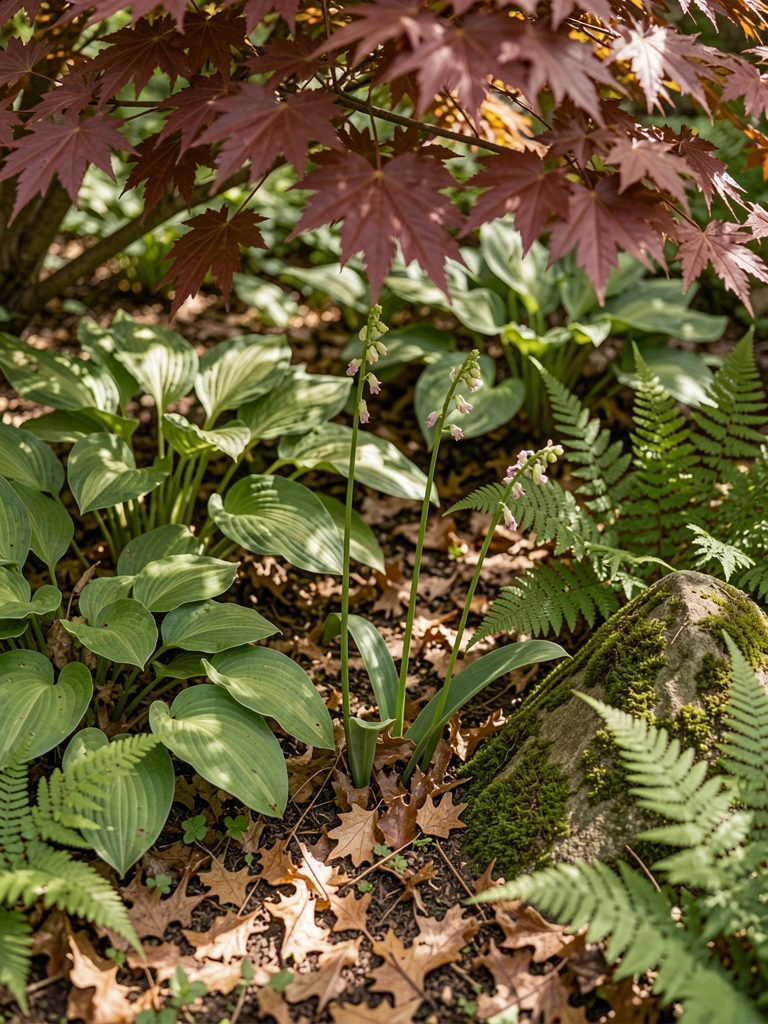
I gave up fighting the shade under our oak and started planting what likes it.
Hostas, ferns, and hellebores created a quiet, layered floor. The dappled light feels cool in summer and soft in photos.
I used to clear fallen leaves; now I leave a thin layer for structure and soil health.
Tip: use bark chips, not heavy mulch, and avoid planting too close to the trunk.
What You’ll Need for This Look
- Shade perennials (hosta, fern, hellebore)
- Bark mulch, shredded (thin layer)
- Mossy stepping stone or log
- Shade-tolerant groundcover (pulmonaria)
6. Curved Cottage Border for a Cozy Back Patio
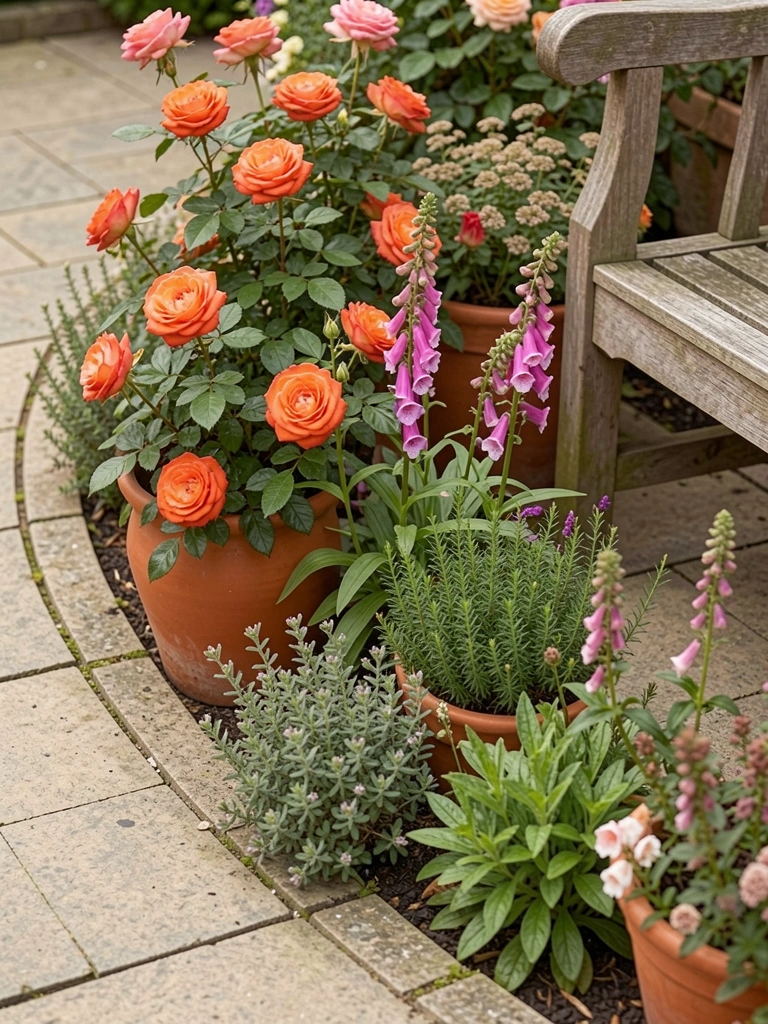
I softened straight edges near our patio with a curved cottage border.
It made the seating area feel hugged and planted spaces feel generous. I mixed annuals with perennials, so there’s always something flowering.
I learned that too many tall plants can block views—keep lower fillers near seating.
Tip: repeat color or plant forms every few feet to keep the curve coherent.
What You’ll Need for This Look
- Flowering perennials (roses, penstemon)
- Annuals for fill (geraniums, cosmos)
- Terracotta pots and a small bench
- Flexible edging or brick for the curve
7. Layered Container Planting That Makes a Patio Feel Full
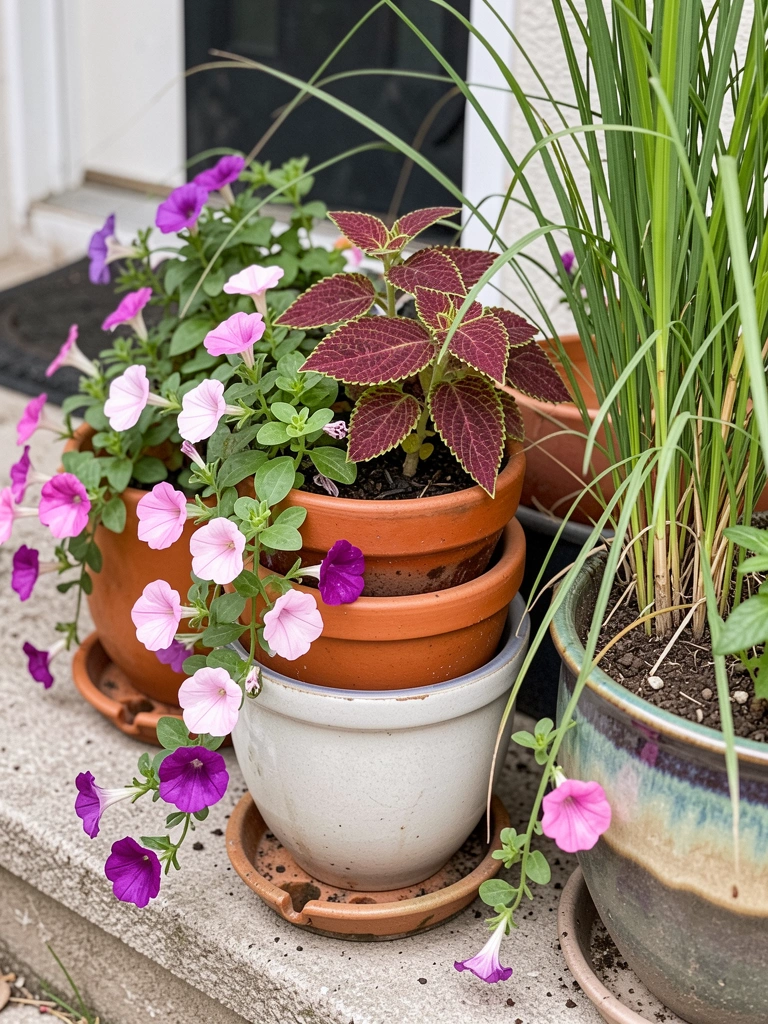
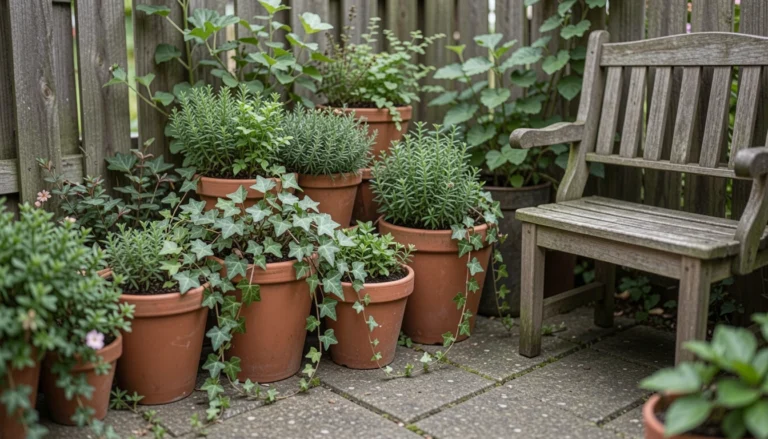
I stopped fighting for ground space and filled vertical corners with pots.
Taller plants in the back, trailers at the edge, and a solitary focal pot make the patio read like a small garden.
I once used mismatched soil in pots and had uneven watering. Now I use potting mix and saucers.
Tip: group odd numbers of pots for a natural cluster and match plant water needs.
What You’ll Need for This Look
- Terracotta and glazed pots (varied sizes)
- Potting mix (moisture-retentive)
- Trailing annuals (petunia, bacopa)
- Taller fillers (ornamental grass, coleus)
8. Narrow Edible Strip for Quick Harvests
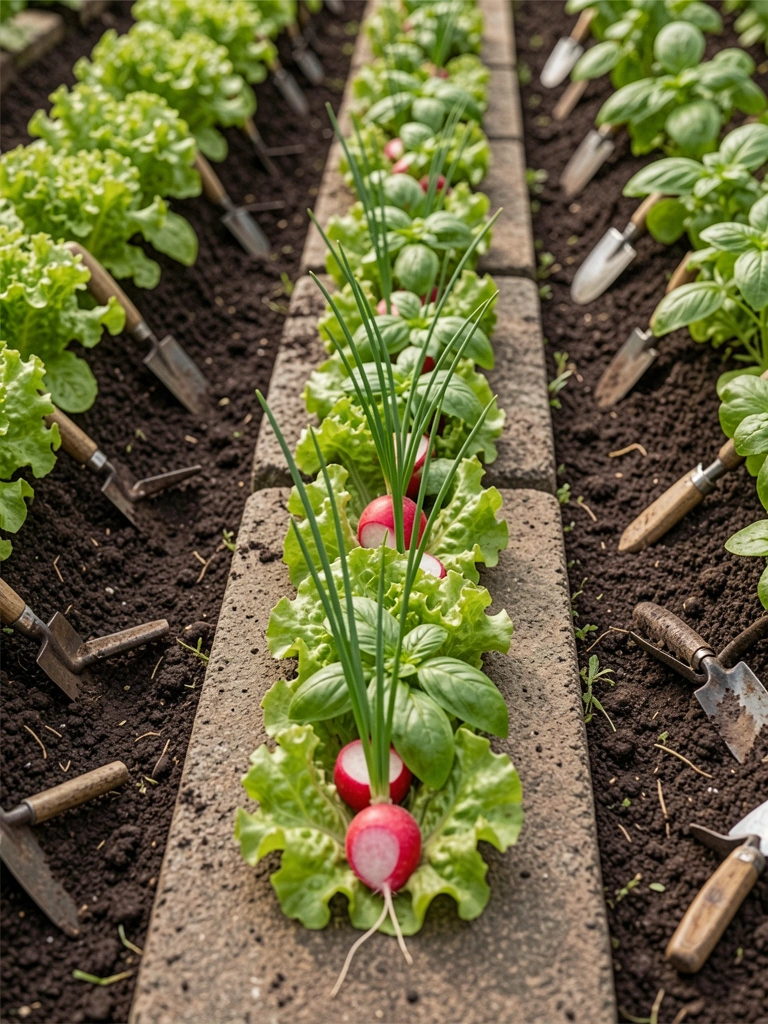
I planted a slim edible strip along our pathway.
It’s a high-return area: I harvest microgreens, snip herbs, and grab lettuce on the way inside. Little beds make me actually use them.
My mistake was putting sun plants where shade falls after afternoon; relocate to suit light.
Tip: use quick crops and succession planting to keep it producing.
What You’ll Need for This Look
- Quick crops (lettuce, radish, basil)
- Hand tools and small trowel
- Lightweight soil mix for easy turnover
- Edging stones or narrow raised frame
9. Mixed-Height Perennial Island in the Lawn
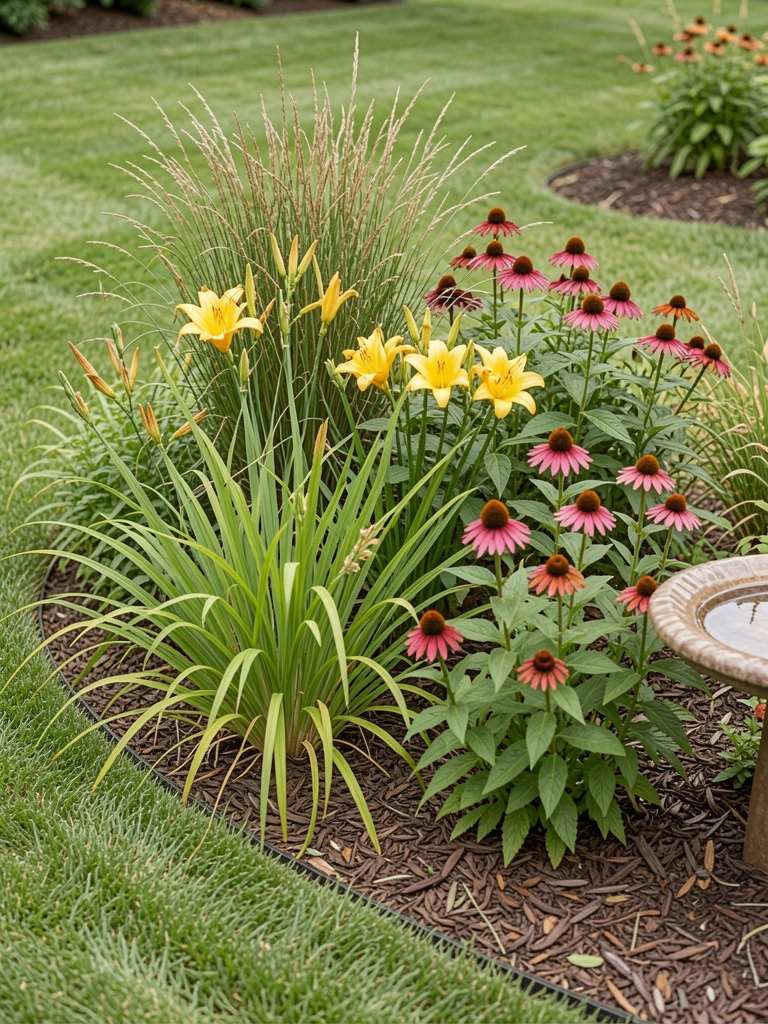
I cut a freeform island into the lawn and planted a mix of perennials.
It gives sightlines and interest without filling every inch. The island becomes the garden’s anchor and hides utility boxes.
At first I planted too densely; the center choked. Thinning yearly keeps it airy.
Tip: leave a stepping space for easy maintenance and watering access.
What You’ll Need for This Look
- Perennials (daylilies, ornamental grass, coneflower)
- Mulch (2 inches)
- Small decorative element (birdbath or stone)
- Garden spade for edging
10. Scented Bed Near a Door or Seat
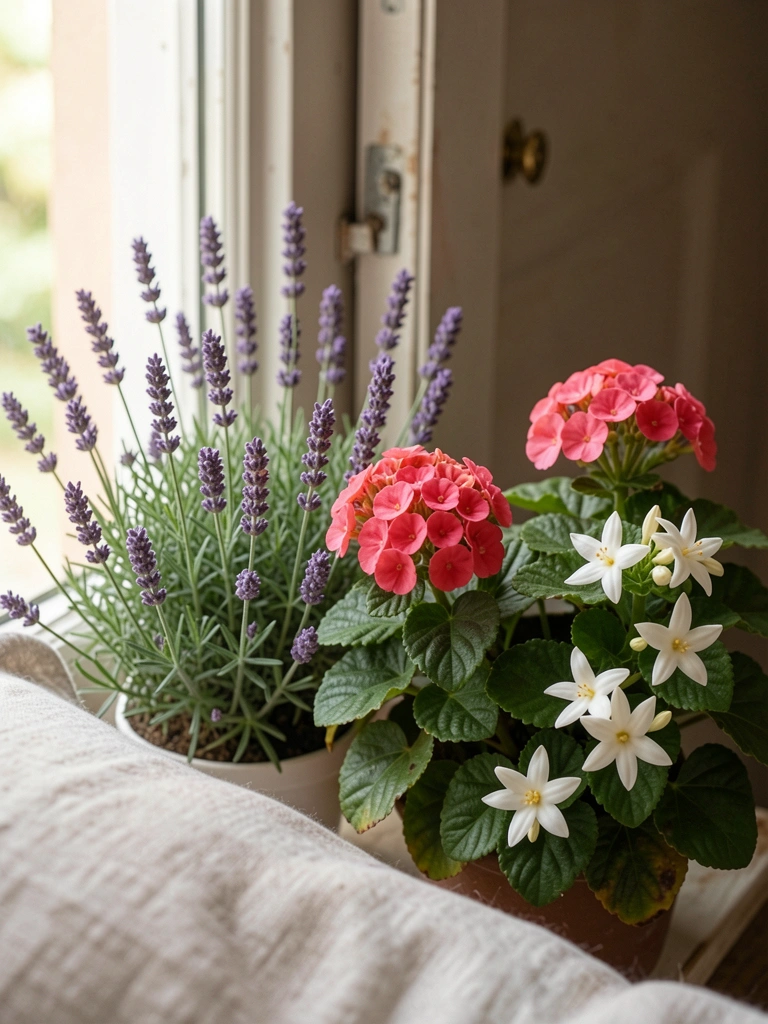
I planted a narrow fragrant bed by the back door so every exit has a scent.
Lavender, lemon-scented geranium, and rosemary release fragrance when brushed. It’s small but impactful.
One year I planted full sun herbs in a patch that got afternoon shade. Not great—move plants to match light.
Tip: choose resilient scented plants so they don’t need fuss to keep scent strong.
What You’ll Need for This Look
- Lavender and rosemary
- Scented geraniums (lemon or rose)
- Compact jasmine or honeysuckle for evening scent
- Small stepping stone or mat
11. Night-Illuminated Bed for Evening Use
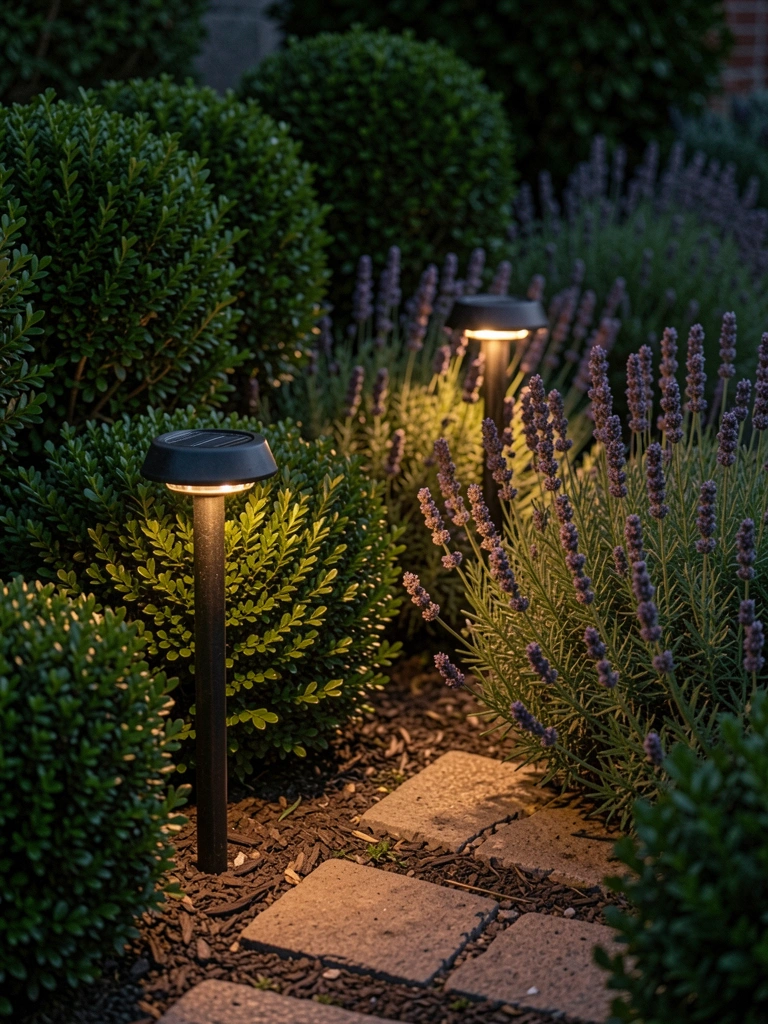
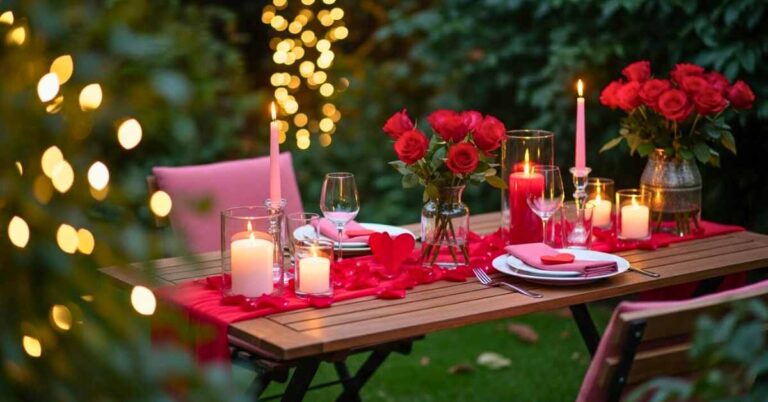
We entertain late, so I added low warm lights to a bed near our table.
Soft pools of light make the garden readable at night and highlight textured foliage. It’s subtle and cozy.
I once used bright white LEDs and it felt harsh—switch to warm white.
Tip: place lights low to avoid glare and use solar for easy installation.
What You’ll Need for This Look
- Solar pathway lights, warm white
- Low evergreen or textured plants (boxwood, lavender)
- Low-voltage LED strips (optional)
- Small timer or dusk sensor
12. Vertical Trellis Bed for Tomatoes and Vines
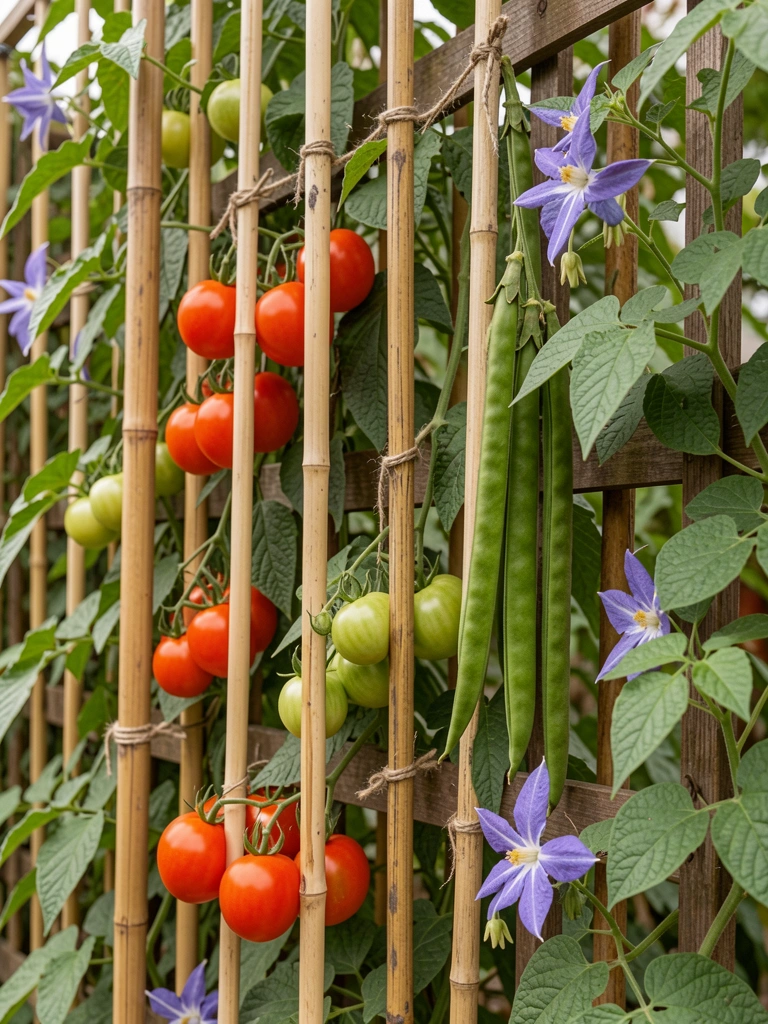
I went vertical to save space and keep tomatoes off the soil.
A simple trellis gives air circulation and makes harvesting easier. Vines add height and privacy.
My early trellis was too flimsy and bowed under fruit—use sturdy posts.
Tip: tie loosely and check ties every few weeks as plants grow.
What You’ll Need for This Look
- Sturdy trellis or bamboo poles
- Twine or plant ties
- Supportive tomato cages or clips
- Soil enriched with compost
13. Rain Garden Bed to Handle Runoff
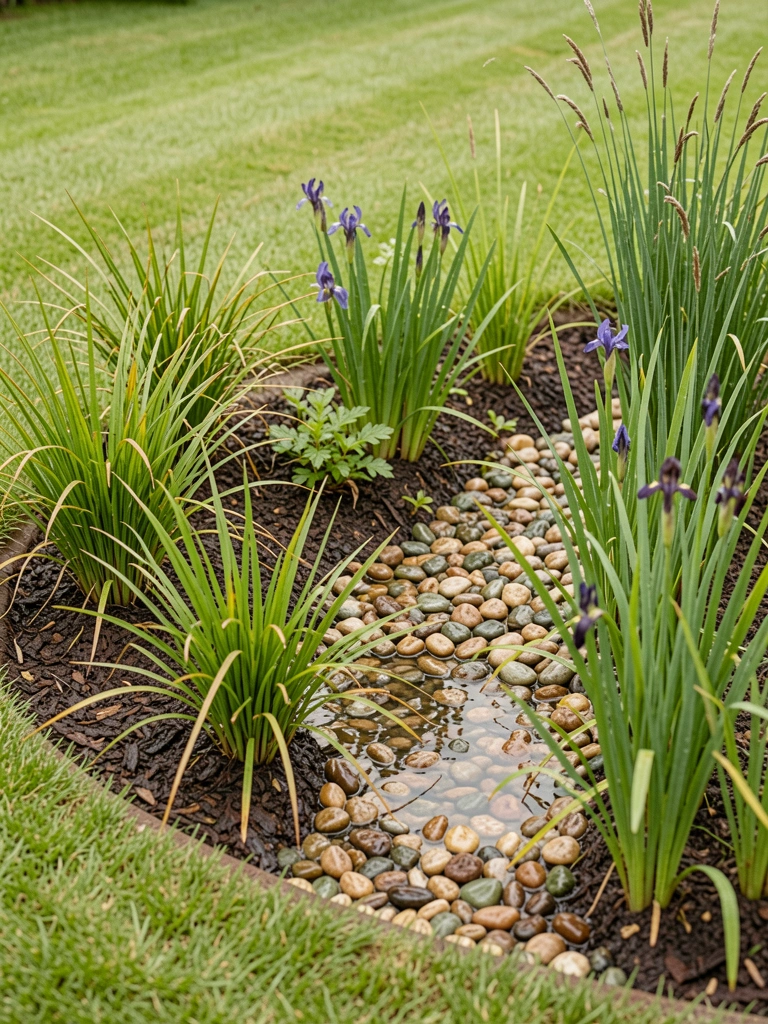
A low spot used to swamp after storms. I turned it into a rain garden.
Native sedges, iris, and joe-pye weed soak up water and look natural. It reduced puddles and fed a new microhabitat.
I planted non-wet plants at first and they sulked—match species to moisture.
Tip: shape a gentle basin and add a pebbled overflow path for big rains.
What You’ll Need for This Look
- Wet-tolerant plants (iris, sedge, joe-pye weed)
- Native soil mix for moisture buffering
- Decorative pebbles for overflow
- Shovel to form a basin
14. Pocket Pollinator Patches Along a Walkway
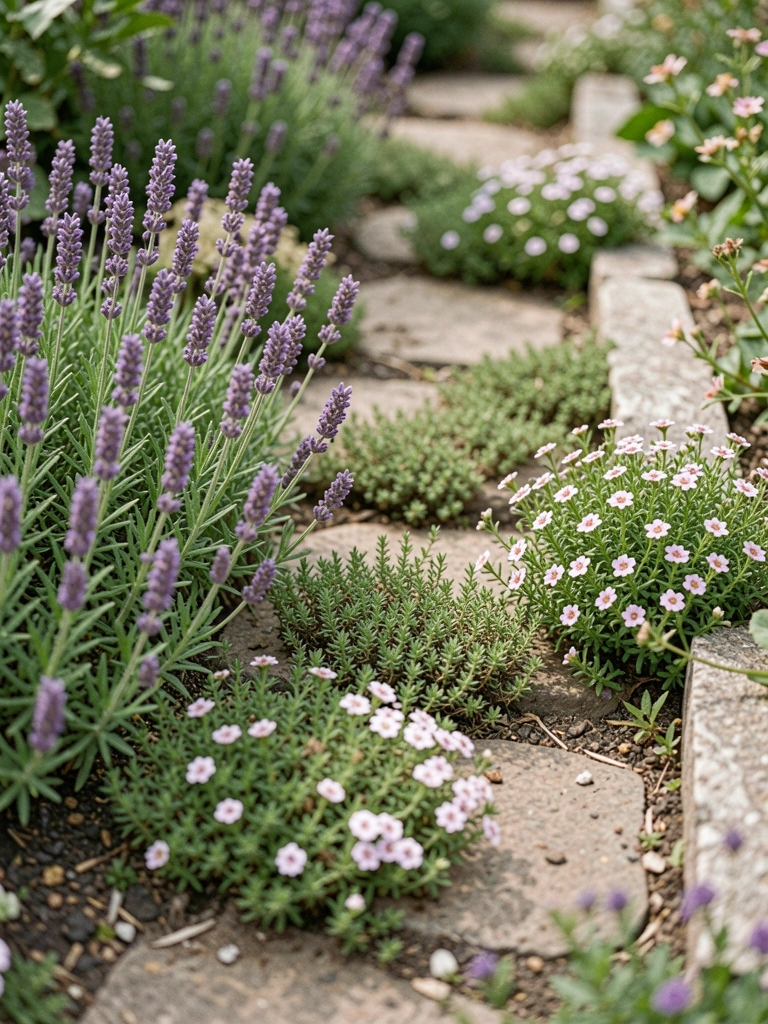
I dropped tiny pollinator pockets between pavers to add color without losing the path.
These small inserts attract bees and look charming up close. They’re low-cost and easy to swap seasonally.
I once used edible herbs that got stepped on—place tougher varieties next to heavy traffic.
Tip: keep each pocket small and use low-growing, resilient plants.
What You’ll Need for This Look
- Low plants (thyme, alyssum, dwarf sedum)
- Soil for small pockets (well-draining)
- Narrow garden trowel
- Stepping stones or paver edge
15. Mixed Fruiting Hedge for Privacy and Produce
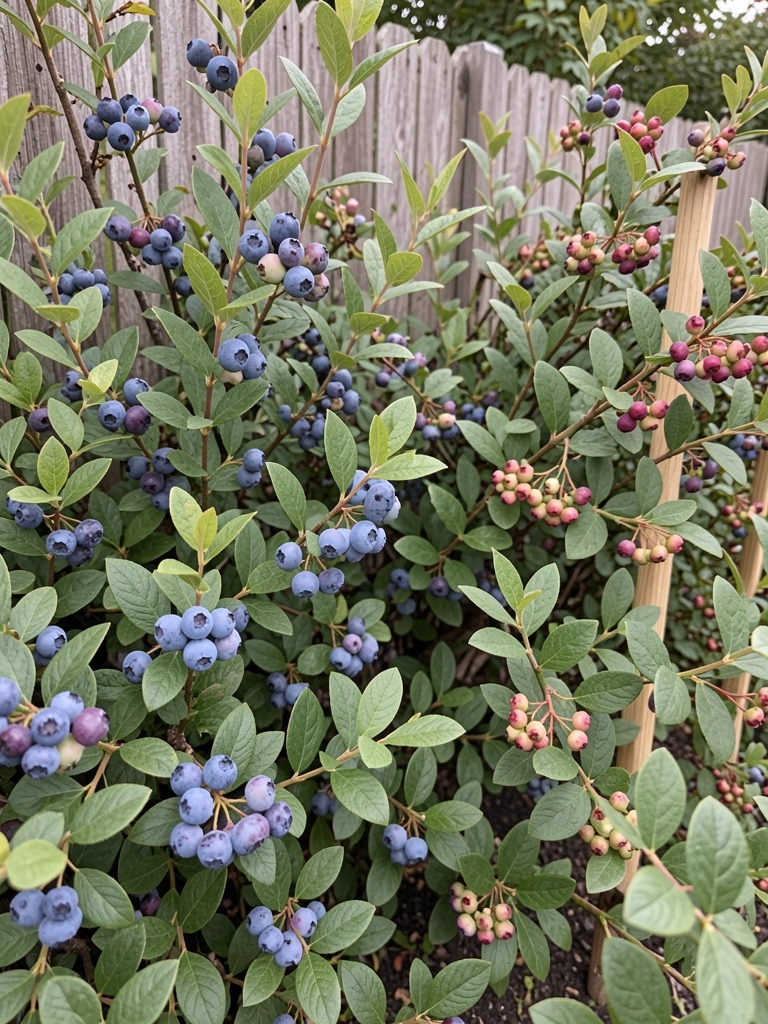
I planted a mixed hedge that gives privacy and snacks.
Blueberries, small apple trees, and serviceberry create a seasonal rhythm of flowers and fruit. It’s practical and habitat-rich.
I did plant varieties needing different chill hours together once—choice of cultivars matters.
Tip: group plants by soil pH needs (blueberries like acidic pockets).
What You’ll Need for This Look
- Small fruit shrubs (blueberry, serviceberry)
- Espalier-friendly apple or pear
- Soil amendment for acidity (for blueberries)
- Mulch and netting for harvest
16. Cut-Flower Bed for Bouquets All Season
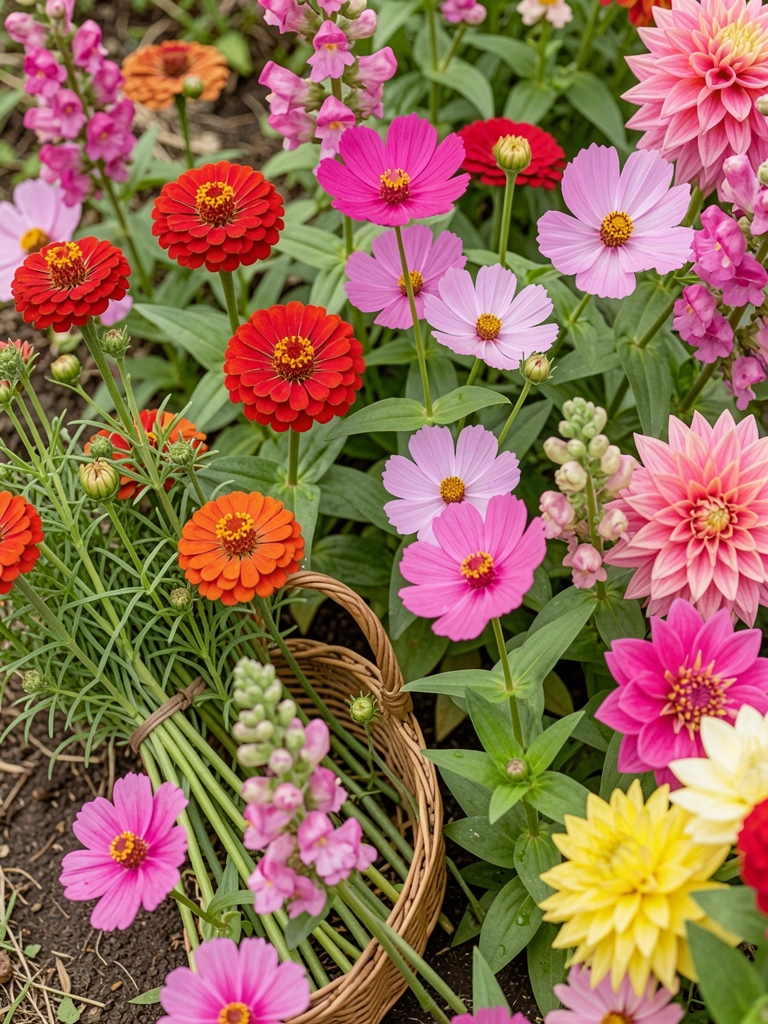
I cleared a sunny strip for flowers I can cut.
Zinnias, cosmos, and dahlias keep giving if I harvest regularly. The patch ends up on the kitchen table all summer.
My mistake was crowding tuberous dahlias—give them room and staking.
Tip: deadhead to encourage more blooms and plant in blocks for easy cutting.
What You’ll Need for This Look
- Cut-friendly flowers (zinnia, cosmos, dahlia)
- Staking materials for tall stems
- Harvest scissors and baskets
- Fertilizer for frequent bloom
17. Small Wildlife Pond Bed for Birds and Frogs
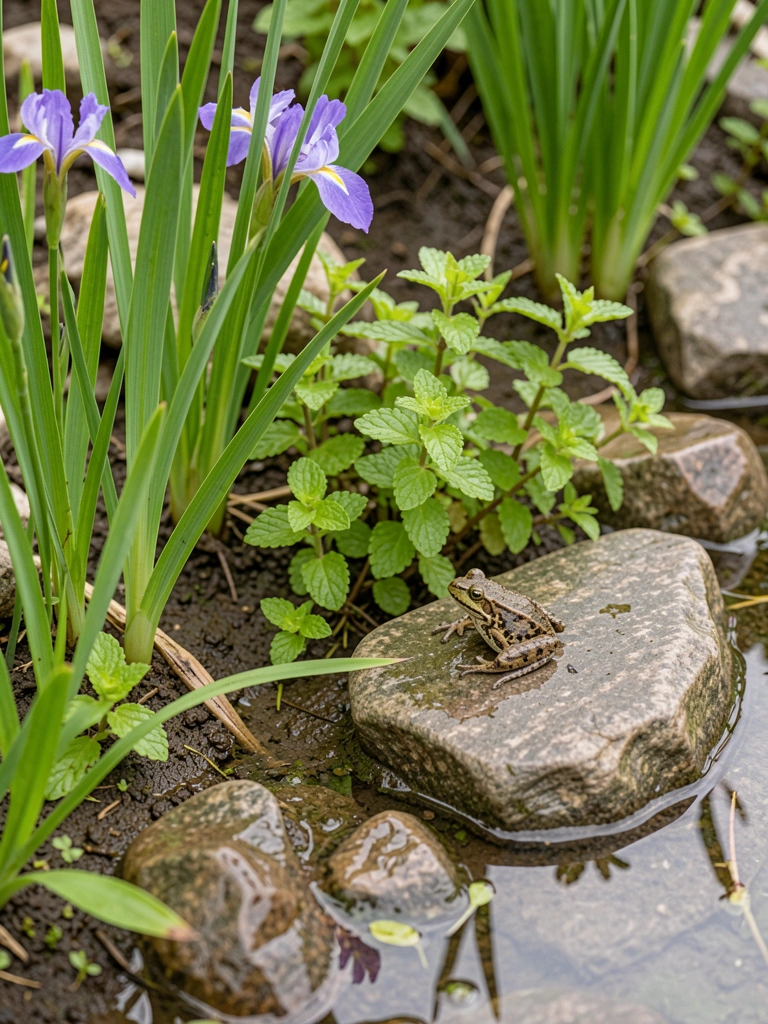
I added a shallow pond and planted around it with native marginals.
It brought dragonflies and small frogs—instant life. The bed blends dense planting with open water and looks natural.
I overfed fish once and got algae; minimal or no fish keeps balance.
Tip: include several planting depths and a few flat stones for birds to perch.
What You’ll Need for This Look
- Pond liner or preformed pond
- Marginal plants (iris, water mint)
- Flat stepping stones
- Pond pump or small fountain (optional)
18. Kids’ Sensory Bed with Touch and Taste
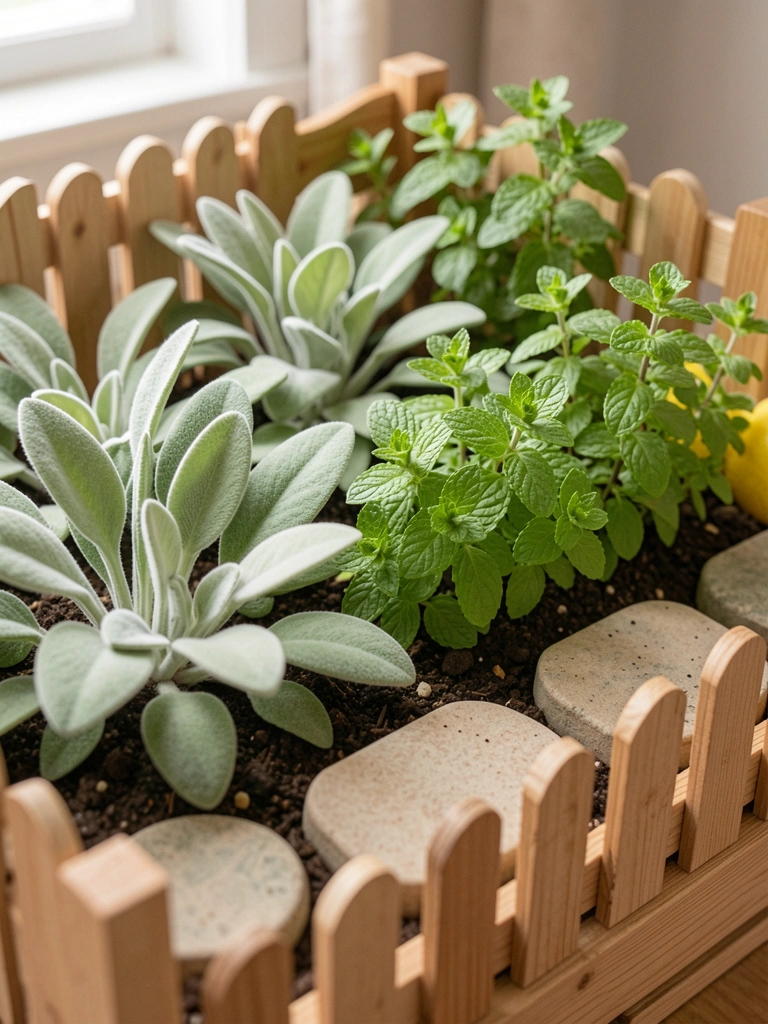
I made a small sensory patch near the play area.
Lamb’s ear, mint, and snapdragons invite touch and smell. The kids pick a leaf or two and learn plants slowly.
I once planted invasive mint without a container—now I pot it. Keep aggressive herbs contained.
Tip: low edging helps little hands keep to the bed and prevents trampling.
What You’ll Need for This Look
- Sensory plants (lamb’s ear, mint in pots, lemon balm)
- Low fence or edging
- Child-friendly stepping stones
- Small sign labels for learning
19. Staggered Bulb Bed for Early Spring Drama
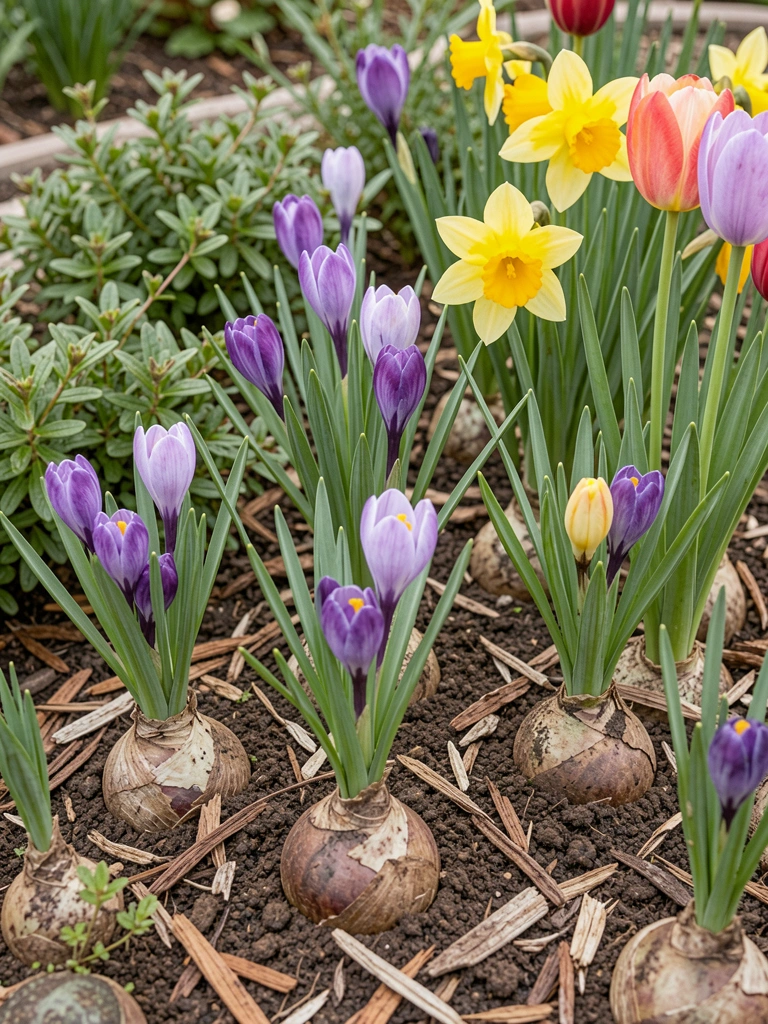
I started planting bulbs in layers and now have color from late winter through spring.
Early crocus, mid daffodil, and later tulips keep the bed changing its mood. It’s the first thing I look at after a long winter.
I planted tulips too deep once and they were hidden by later perennials—position bulbs for visibility.
Tip: plant bulbs in drifts, not single rows, for natural movement.
What You’ll Need for This Look
- Assorted bulbs (crocus, daffodil, tulip)
- Bulb planter or trowel
- Leaf mulch for winter protection
- Marking stakes to remember locations
20. Rockery Bed with Alpine Plants for Texture
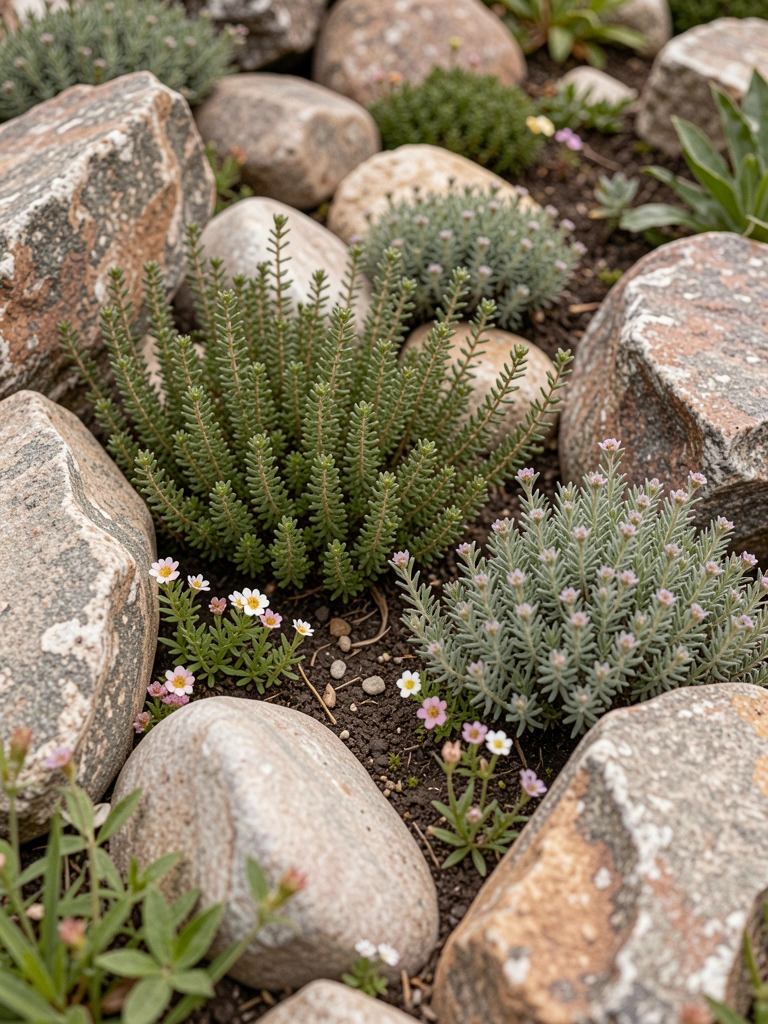
I built a small rockery on a slope with low alpine plants.
Rocks hold warmth and give contrast to tiny leaves and flowers. It’s surprisingly low effort once the plants settle.
My first rocks were too uniform; mix sizes for a natural look.
Tip: plant in pockets of soil between stones and don’t overwater.
What You’ll Need for This Look
- Mixed rocks and stones (varied sizes)
- Alpine plants (saxifrage, sedum, thyme)
- Shallow, gritty soil mix
- Small trowel and stiff brush
21. Evergreen Structure Bed for Year-Round Form
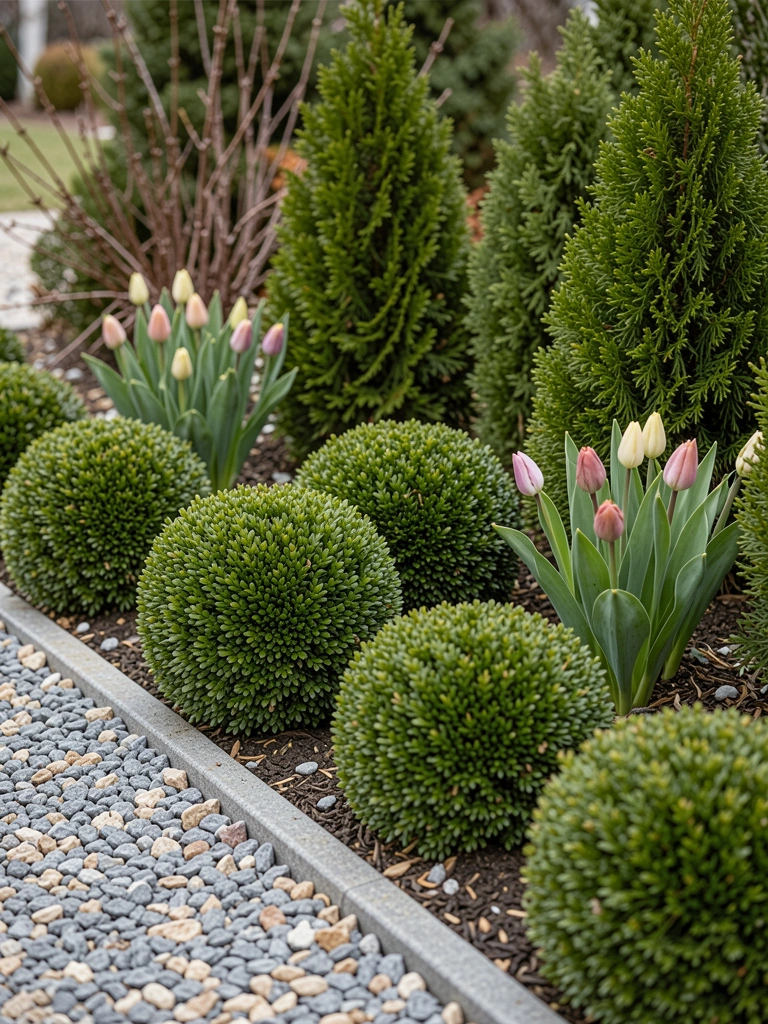
I planted evergreens to give the garden shape in winter.
Boxwood, dwarf conifers, and a few seasonal bulbs keep things readable on gray days. You notice the structure more than you expect.
I pruned too harshly the first winter—let the plants settle and prune gently.
Tip: mix sizes and add a few winter-flowering shrubs for interest.
What You’ll Need for This Look
- Evergreen shrubs (boxwood, dwarf conifers)
- Seasonal bulbs (snowdrops, crocus)
- Gravel or stone edging
- Hand pruners
Final Thoughts
You don’t need every idea.
Pick two or three that fit your light, time, and soil.
I’ve reused parts of these plans across seasons. Small changes add up.