16 Productive Vegetable Garden Bed Ideas For A Bountiful Harvest
I learned that beds can be simple and honest. A messy row of beans taught me more than a polished patch ever could.
I fixed a drainage problem by digging once, not by buying gadgets.
These ideas come from dirt under my nails and plants that surprised me.
16 Productive Vegetable Garden Bed Ideas For A Bountiful Harvest
These 16 ideas are practical and tested in real gardens.
They’re not show pieces. They’re plans I’ve used and remade.
You’ll find full descriptions, what to watch for, and what to buy.
1. Narrow Raised Bed Along a Fence for Vertical Veg
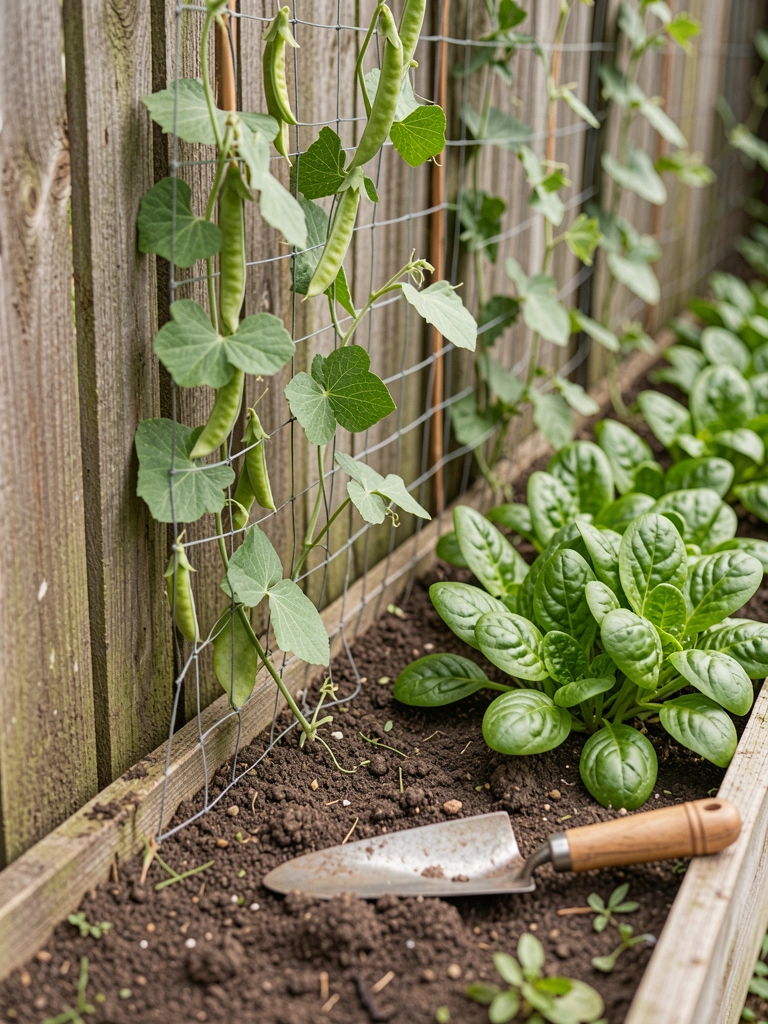
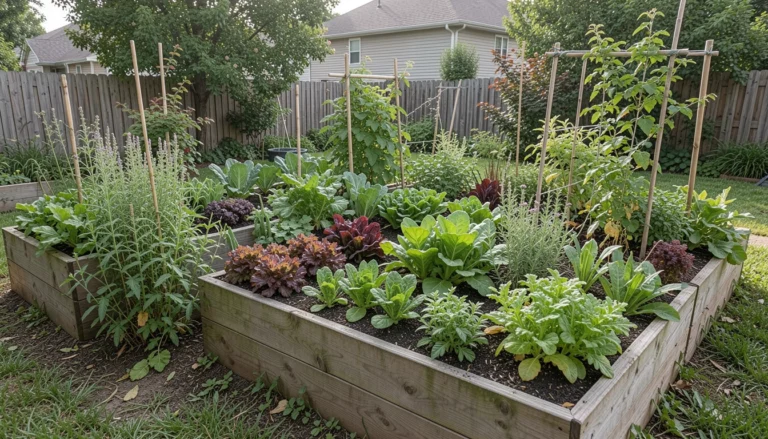
I built a 12-inch-wide cedar bed along my fence and planted peas and indeterminate tomatoes. The fence gave instant vertical support. It felt logical and saved space.
Early on I crowded it with sprawling squash. That was my mistake—vines choked the trellis. I learned to stick to climbers and low greens here.
Visually, the long line makes a yard feel ordered without being formal. It’s a quiet, productive edge.
What You’ll Need for This Look
- Cedar raised bed kit (8–12 inch height, 6–8 ft length)
- Trellis netting or bamboo poles
- Tomato cages (tall, sturdy)
- Hand trowel, garden gloves
2. Square-Foot Cedar Bed for Intensive Harvests
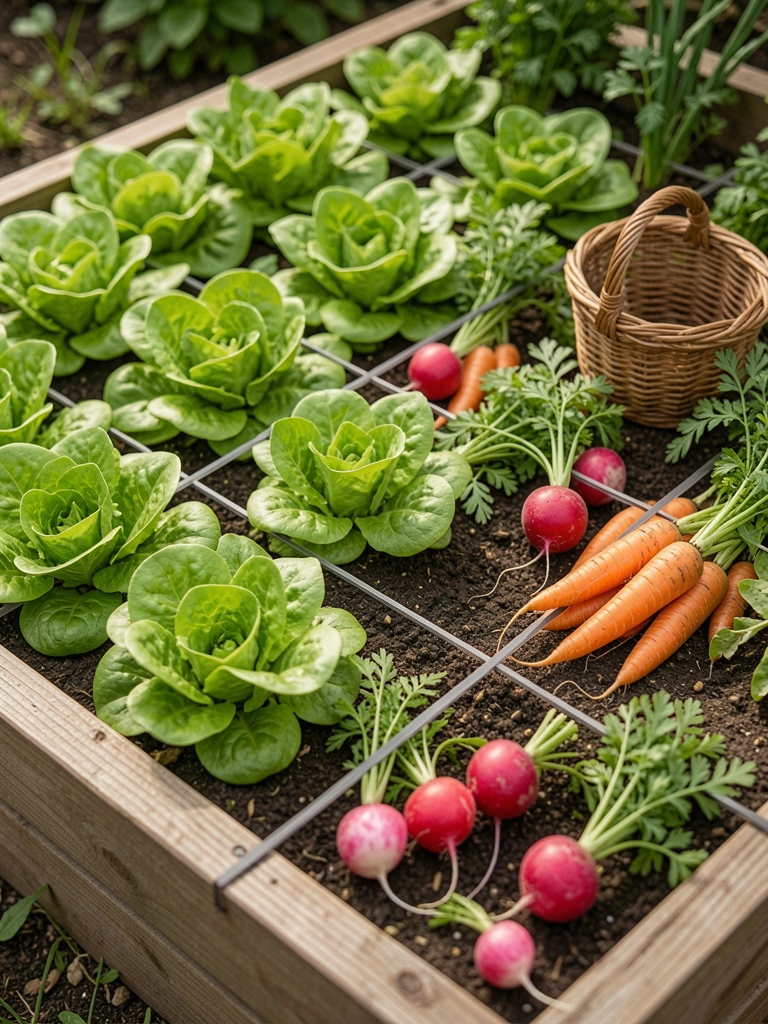
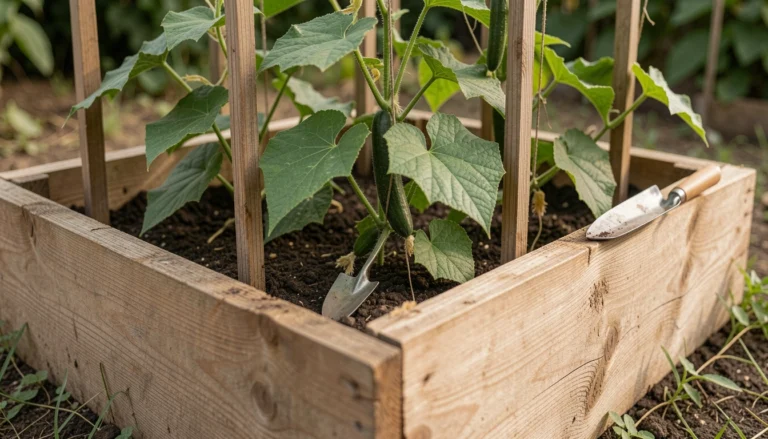
I switched to a 4×4 square-foot bed after wasting space in rows. Planting in grids made my yields jump. I could see what each square needed.
At first I over-fertilized. Leaves went lush and roots lagged. I scaled back and watched colors and flavor improve. That was my most useful lesson.
This bed feels efficient and contained. It’s good when I want high output from limited space.
What You’ll Need for This Look
- 4×4 cedar raised bed box
- Wooden grid or string to mark squares
- Small hand rake, soil scoop
- Mixed vegetable seed packets (lettuce, radish, carrot)
3. Terraced Beds for a Sloped Yard
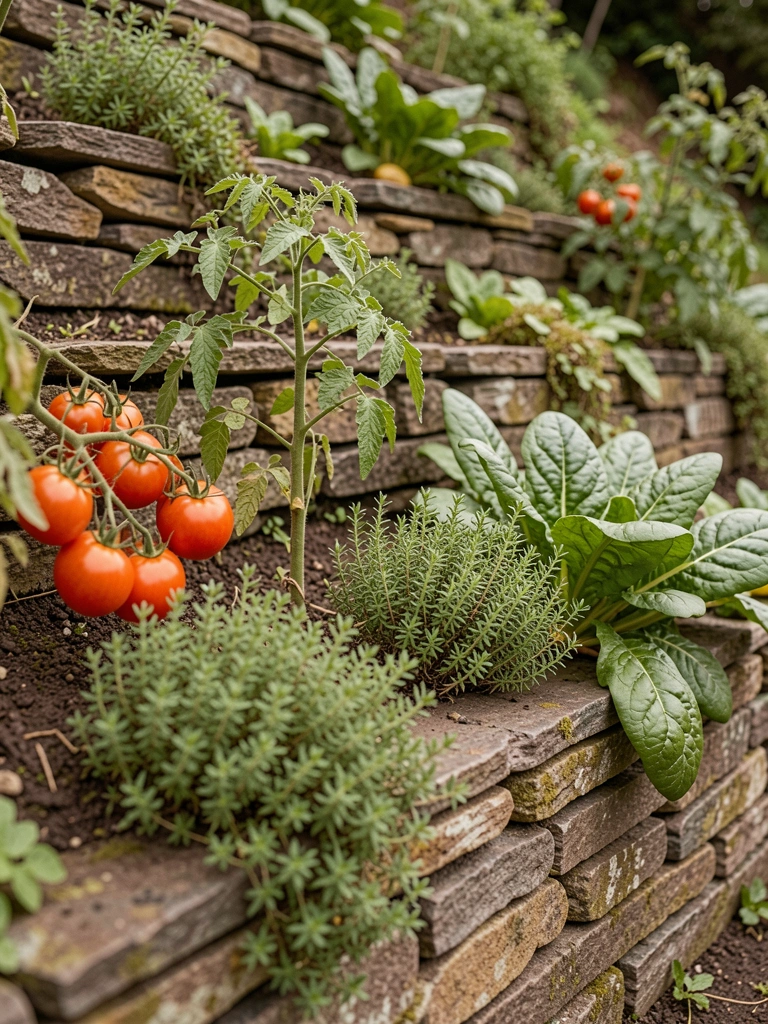
I terraced a slope with three low stone walls. Suddenly I had usable flat beds and better water control. Each level offered different sun and moisture.
I underestimated soil volume at first. One terrace looked shallow and roots hit stone. I added compost and that fixed it fast.
Terraces make a messy hill look intentional. They’re steady work up front, but the harvest feels worth the sweat.
What You’ll Need for This Look
- Natural stone or stacked concrete blocks
- Wheelbarrow and shovel
- Compost and topsoil mix
- Mulch (shredded bark)
4. Keyhole Bed with a Composting Center
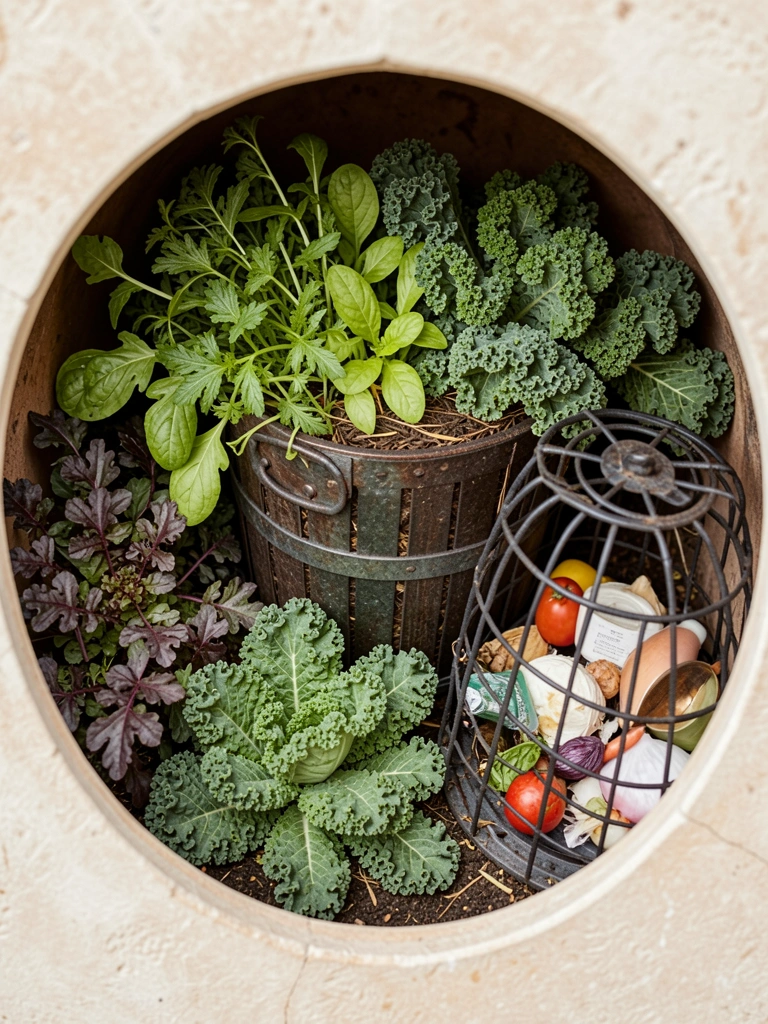
I built a keyhole bed around a compost basket. Feeding the center meant I had rich soil right where roots needed it. It’s a lazy gardener’s trick.
My first compost cage rusted fast. I learned to buy a thicker gauge and keep liquids off it. A small mistake, big lesson.
This bed feels productive and approachable. It’s a good way to recycle kitchen scraps and keep nutrients close.
What You’ll Need for This Look
- Raised circular bed frame (3–4 ft diameter)
- Metal compost basket (sturdy gauge)
- Layered compost materials (greens and browns)
- Kitchen compost bin
5. Herb Spiral for Microclimates and Quick Picks
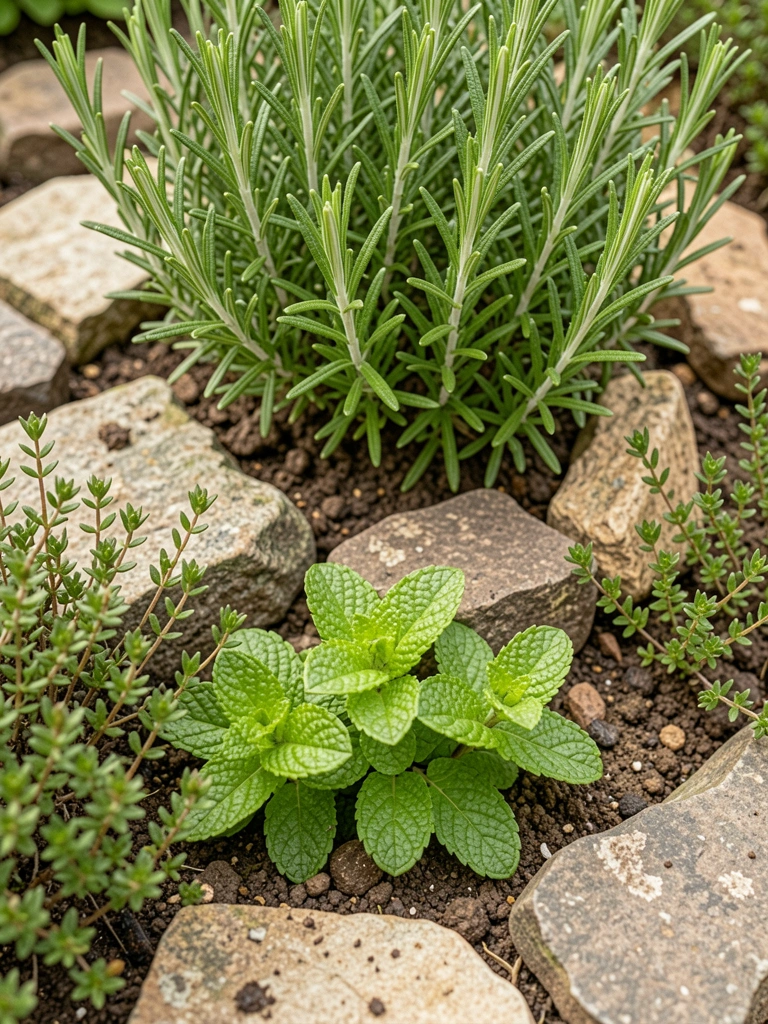
I planted a small herb spiral by my kitchen door. The curve creates hot, dry spots and cool moist pockets. I put rosemary up top and mint low.
At first I planted mint too close to the top. It sulked in dry soil. I moved it down and it exploded. Little adjustments like that taught me to watch microclimates.
The spiral looks informal and is a joy to harvest from. It’s compact and fragrant.
What You’ll Need for This Look
- Natural stone or bricks for spiral
- Herb starts (rosemary, thyme, mint, basil)
- Hand trowel and small rake
- Small watering can
6. Container Bed with Tall Trellis for Balconies
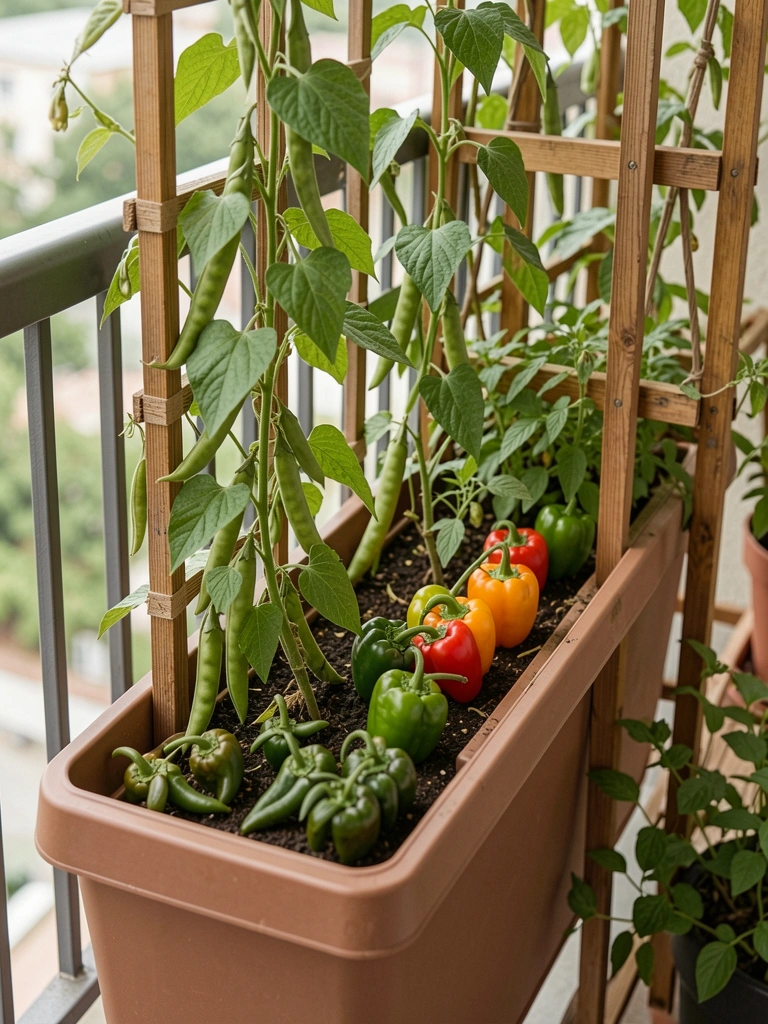
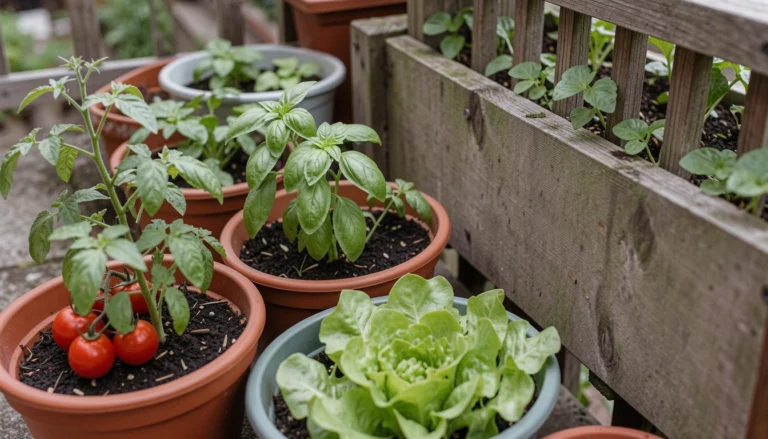
I turned a narrow balcony into a productive bed with a trough planter and a 6-foot trellis. Beans climbed up and I planted peppers in front.
I once used shallow pots and roots circled and stalled. Switching to a deep trough fixed that. Depth matters in containers.
This setup feels like a mini-garden—urban but full. It’s perfect when soil isn’t an option.
What You’ll Need for This Look
- Deep trough planter (20–24 inch depth)
- Tall wooden trellis (6 ft)
- Potting mix for vegetables
- Compact vegetable varieties (bush pepper, pole beans)
7. Straw Bale Bed for Instant Soil
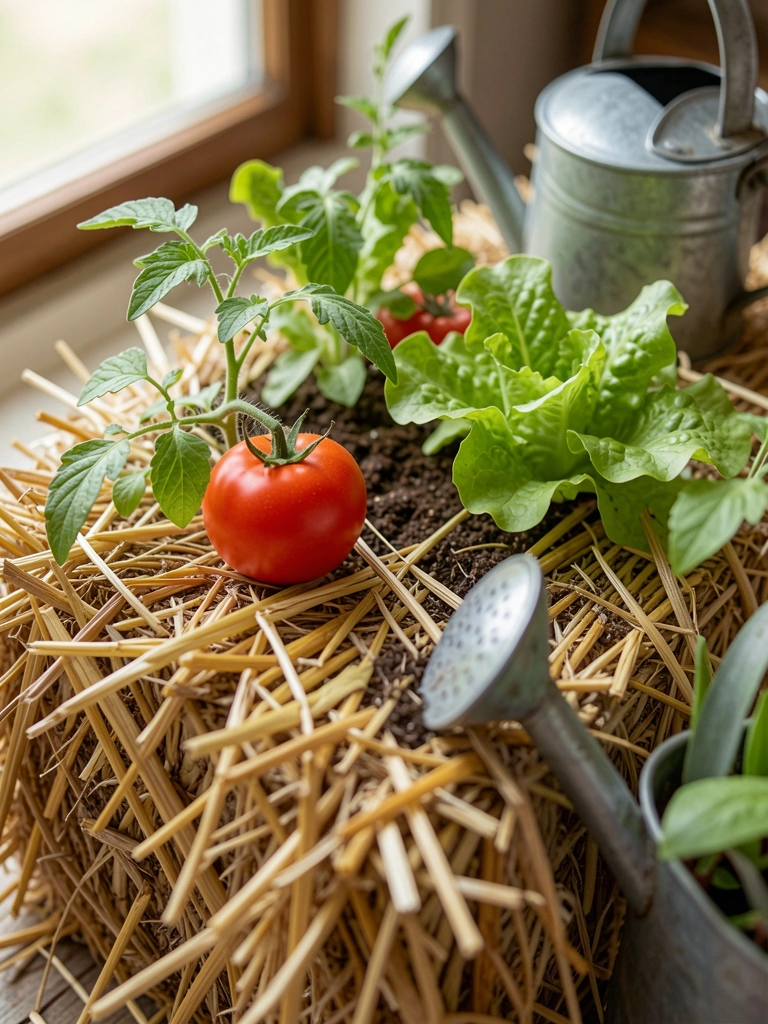
I tried straw bales one summer and got beds in days. After conditioning, plants rooted into the bale and grew fast. It felt like cheating in a good way.
My mistake was planting too early before full conditioning. Seedlings struggled. Wait the extra two weeks and it’s worth it.
Straw bales sit above ground and are great for back problems. They’re simple, temporary, and surprisingly productive.
What You’ll Need for This Look
- Straw bales (conditioned)
- Fertilizer for conditioning (nitrogen source)
- Seedlings for transplanting (tomato, lettuce)
- Watering wand or soaker hose
8. Hugelkultur Raised Bed for Long-Term Richness
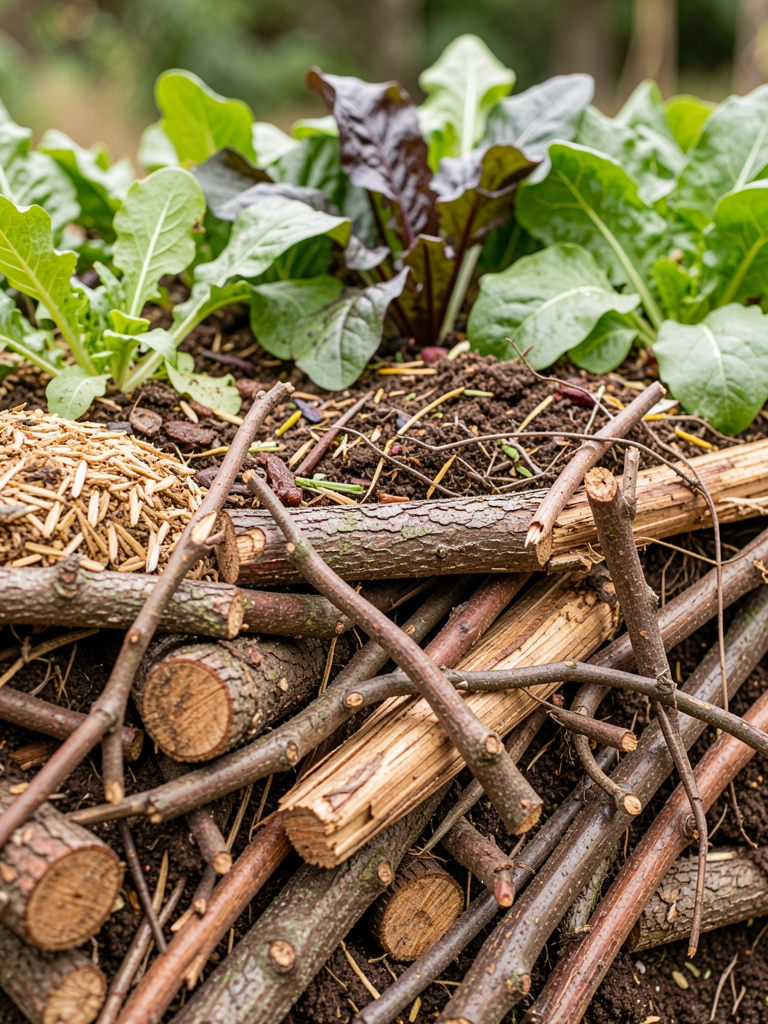
I built a hugelkultur bed with rotting logs as the core. The bed warmed and held moisture. Over two seasons the soil became deep and lively.
I misjudged log sizes at first—too large and the bed settled oddly. I re-layered with smaller wood and compost. That fixed drainage and settling.
It feels wild and natural. The bed is less tidy, but my tomatoes loved the steady moisture.
What You’ll Need for This Look
- Logs and woody debris (mixed sizes)
- Compost and topsoil
- Mulch (leaf litter)
- Long-handled shovel
9. Perennial Edible Border That Keeps Giving
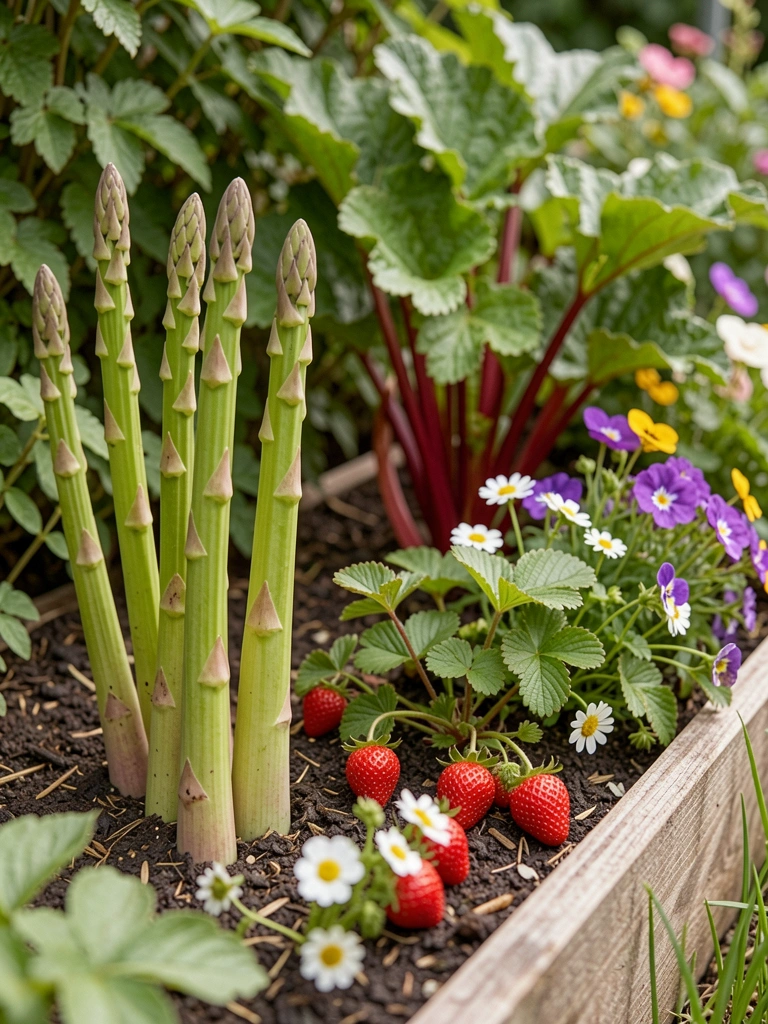
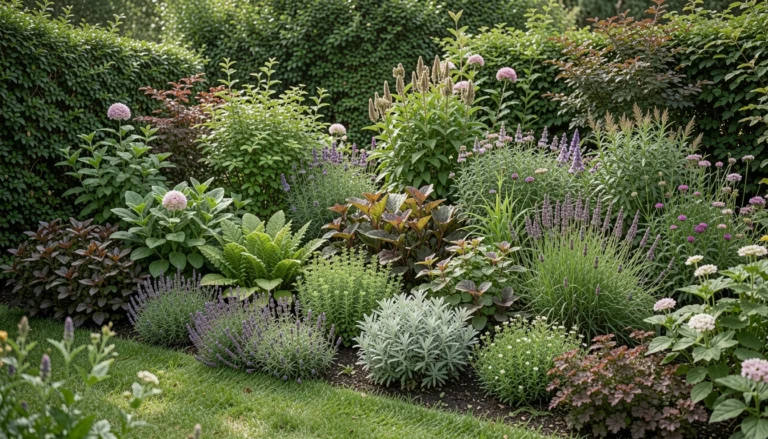
I planted a perennial edible border along a walk. Asparagus came back each year, rhubarb made big leaves, and strawberries spread. It’s low-work once established.
I planted too many strawberries at first and they smothered a young asparagus crown. I thinned and spaced them properly. That was a patience lesson.
This border feels like a kitchen garden that keeps returning. It’s calm and steady work over seasons.
What You’ll Need for This Look
- Perennial crowns (asparagus, rhubarb)
- Strawberry plants (day-neutral)
- Companion flowering plants (calendula)
- Garden shears
10. Deep Trough for Carrots and Roots
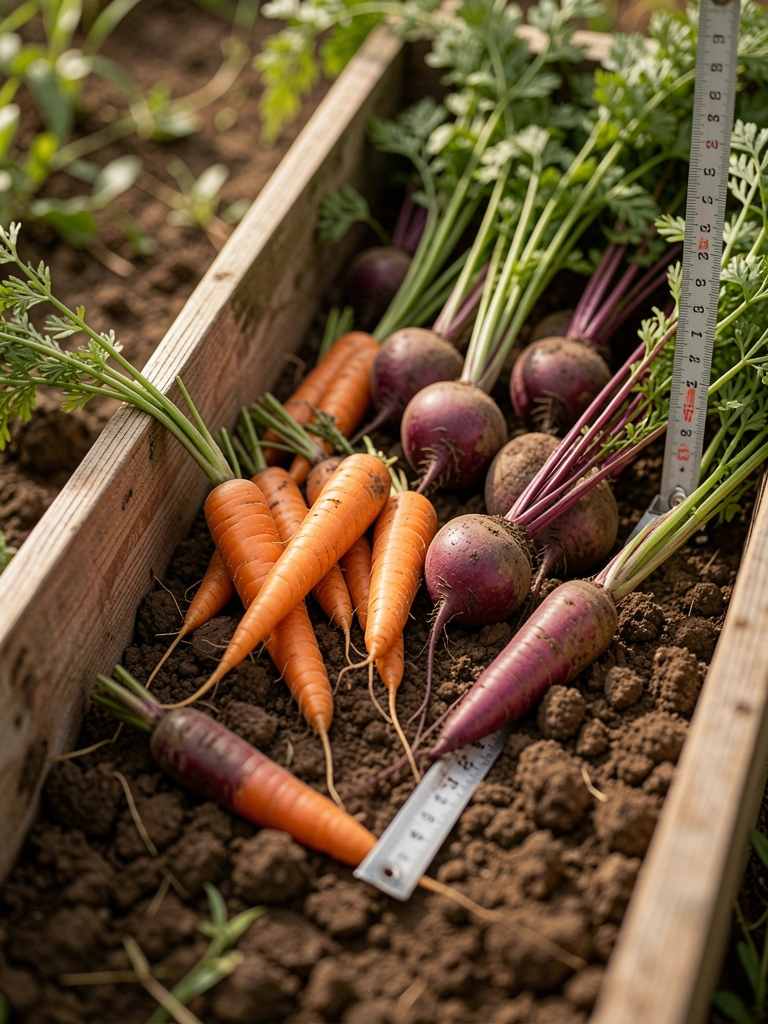
I switched my root crops to a 14–18 inch deep trough. Carrots grew long and straight. No rocks meant no weird forks.
I once used an old dumpster liner and it trapped water. Roots rotted. Now I ensure drainage holes and well-tilled soil.
This trough feels like honest work. It’s satisfying to pull long roots and know the bed is built for them.
What You’ll Need for This Look
- Deep wooden trough planter (14–18 inch depth)
- Loose, stone-free soil mix
- Root vegetable seed packets (carrot, beet)
- Soil sieve (optional)
11. No-Dig Sheet-Mulch Bed That’s Instant Soft Soil
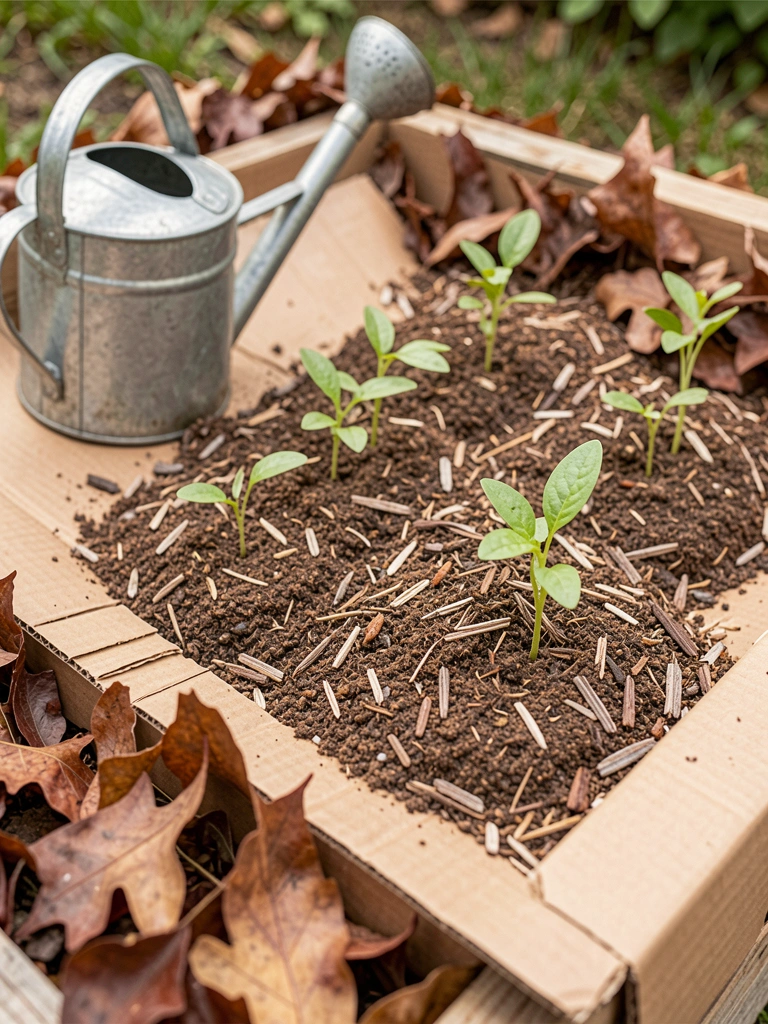
I adopted a no-dig bed by laying cardboard and compost. Worms moved in and the soil became soft without heavy turning. My back thanked me.
My first no-dig bed had a weedy spot where cardboard hadn’t overlapped. I re-covered seams and weeds dropped. It’s simple but detail matters.
No-dig feels gentle and patient. It’s less dramatic than forking, but the beds become rich over time.
What You’ll Need for This Look
- Cardboard or heavy kraft paper
- Compost and well-rotted manure
- Mulch (straw or wood chips)
- Garden knife and watering can
12. Cold Frame-Topped Bed for Spring and Fall Crops
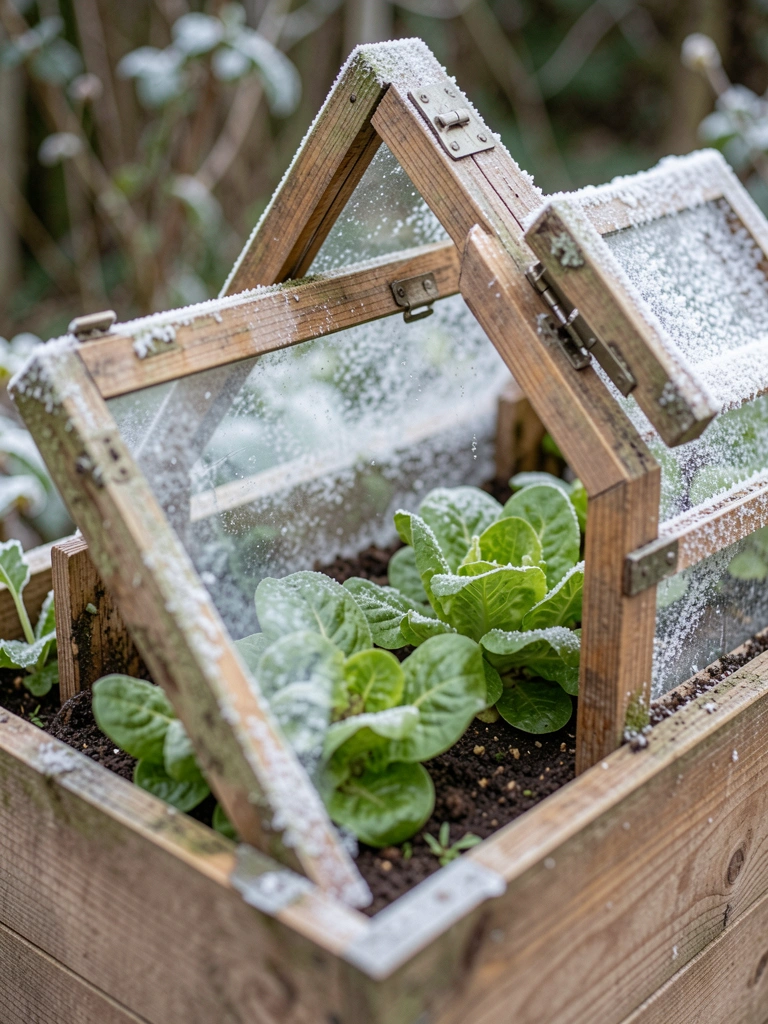
I installed a small cold frame on one bed and extended my seasons. I planted lettuce earlier and tucked seedlings into warmth on chilly nights.
My first frame had poor ventilation and plants overheated on sunny days. I added a hinge and venting and that stopped the stress.
It feels like tucking young plants in. You’ll pick leaves when others are still shivering.
What You’ll Need for This Look
- Cold frame with hinged lid (wood and glass or polycarbonate)
- Raised bed box (matching size)
- Seedlings for early/late season (lettuce, spinach)
- Thermometer (optional)
13. Mobile Planter on Casters to Follow the Sun
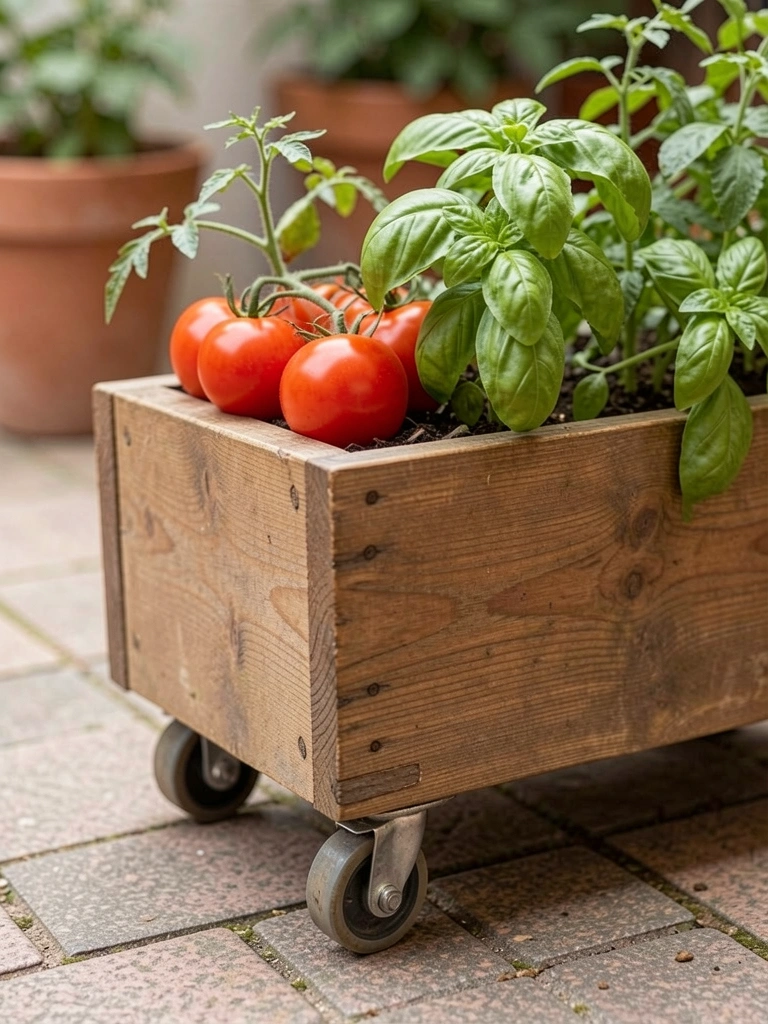
I put one planter on heavy-duty casters so I could chase sun or shade. In late summer I rolled it into afternoon shade and my basil stopped burning.
I underestimated weight and used weak casters. They bent. Upgrading to locking, heavy casters solved it. Lesson: hardware matters.
This mobile bed feels flexible. It’s an easy way to adapt to changing light without replanting.
What You’ll Need for This Look
- Heavy wooden planter box (with drainage)
- Locking caster wheel set (heavy-duty)
- Potting mix for vegetables
- Compact plant varieties (dwarf tomato, basil)
14. Wicking Bed for Low-Water, High-Return Beds
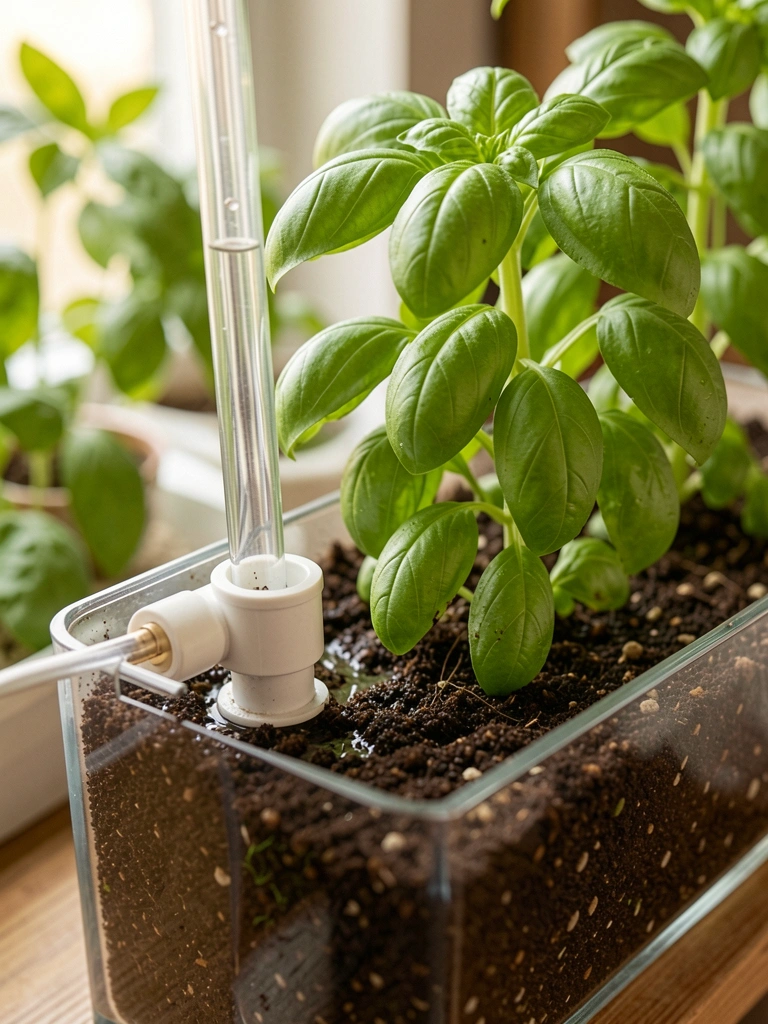
I built a wicking bed during a dry stretch. It fed roots from below and I watered less. Tomatoes kept steady fruit set even in heat.
My early version had a leaky seam. I ended up resealing and adding a float valve. Once fixed, it was a reliable workhorse.
Wicking beds feel calm. They reduce daily watering and are great for busy seasons.
What You’ll Need for This Look
- Wicking bed kit or build materials (liner, reservoir)
- Fill tube and overflow pipe
- Moisture-retentive soil mix
- Drought-tolerant plant starts
15. In-Ground Lasagna Bed for Cheap Soil Building
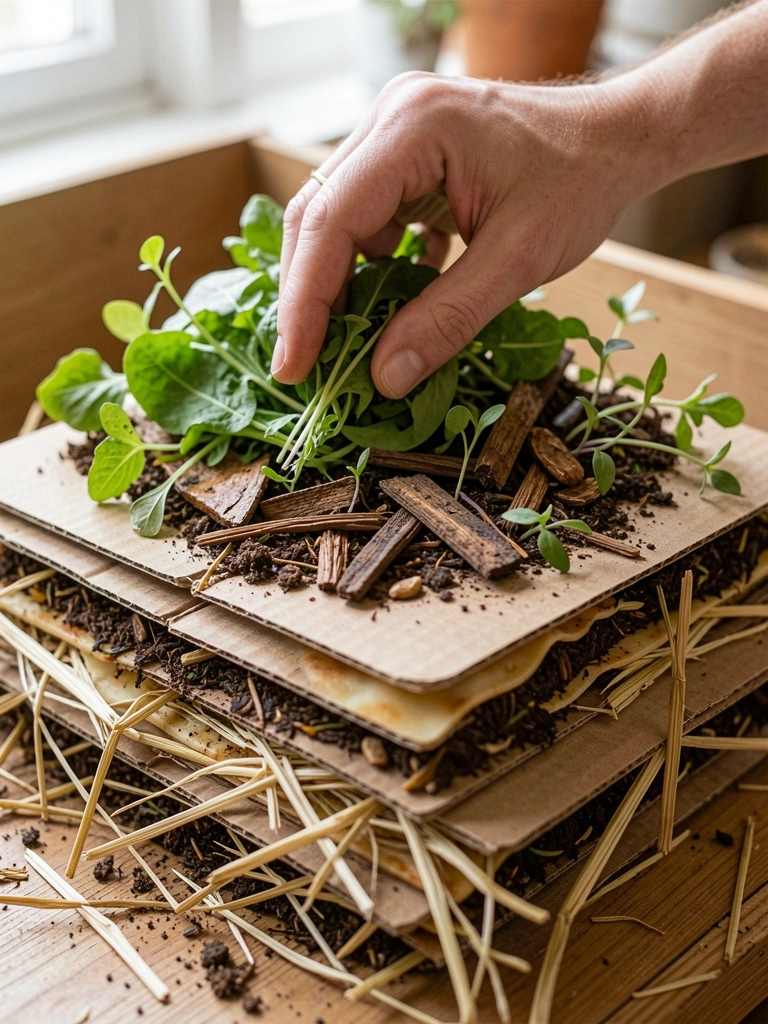
I layered cardboard, leaves, kitchen scraps, and compost on a patch and called it lasagna gardening. Within a season the soil softened and fed seedlings.
I mistakenly used glossy paper once and had slow breakdown. Now I stick to plain cardboard and shredded leaves. Little choices speed results.
It feels satisfying to build soil from waste. It’s cheap, smelly at first, and then quietly productive.
What You’ll Need for This Look
- Cardboard sheets (no tape/ink)
- Brown and green compost materials (leaves, kitchen scraps)
- Compost starter (optional)
- Mulch layer (straw)
16. Edible Driveway Strip for Quick Salad Picks
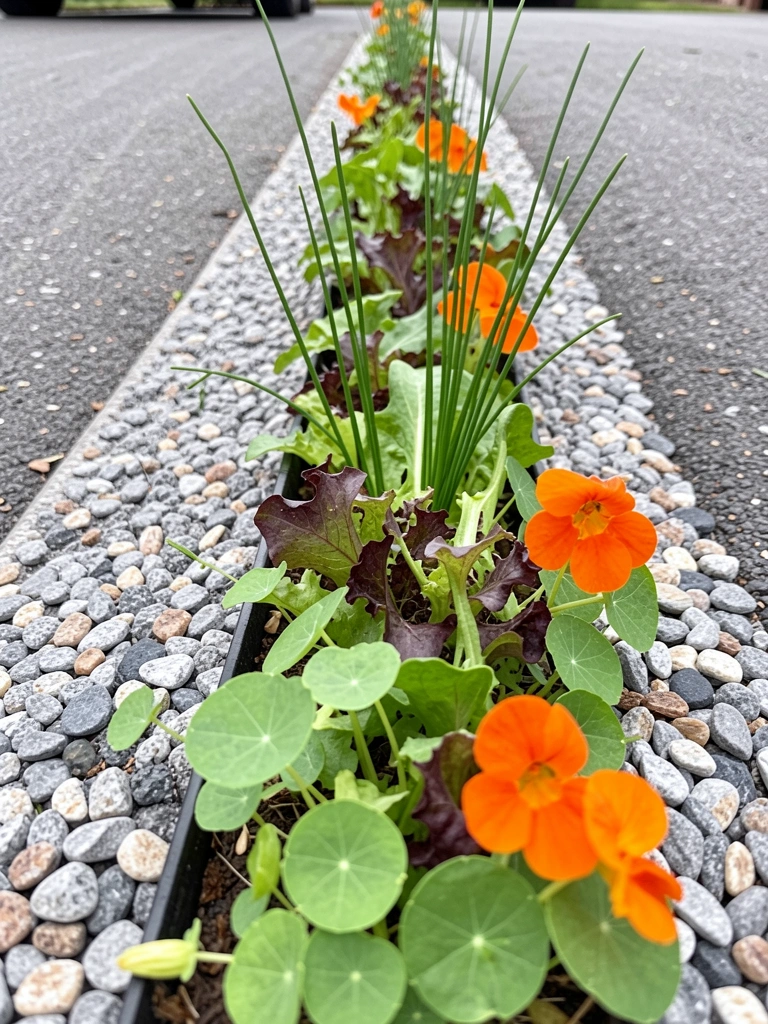
I turned a narrow strip by the driveway into a salad strip. Mixed greens, chives, and nasturtiums gave frequent snips for dinner. It’s my quick-grab garden.
I planted sun-loving greens into a shady patch once. They sulked. Now I match plant choice to that strip’s light. It’s a small, fast-learning spot.
This strip feels practical and playful. It’s perfect for quick harvests and a little curb charm.
What You’ll Need for This Look
- Narrow raised bed liners or edging (6–12 inch width)
- Salad green seed mixes
- Low-growing companion flowers (nasturtium)
- Small hand snips
Final Thoughts
I don’t do perfect gardens. I do gardens that feed us and teach me every season.
Pick one idea that fits your life. Start small. Learn from the plants.
You’ll be surprised how much a single, well-chosen bed can give.