18 Smart Balcony Flower Pot Ideas For Small Outdoor Spaces
I used to cram pots anywhere and then wonder why nothing looked balanced.
Once I slowed down and chose one idea at a time, the balcony felt calmer.
These ideas are the ones I actually use, mess up, and fix. They work in small spaces.
18 Smart Balcony Flower Pot Ideas For Small Outdoor Spaces
These 18 ideas are practical and tested on real balconies.
They focus on simple setups you can copy, one idea at a time.
I’ll show what I grew, what went wrong, and what to buy.
1. Layered Container Planting That Makes a Balcony Feel Full
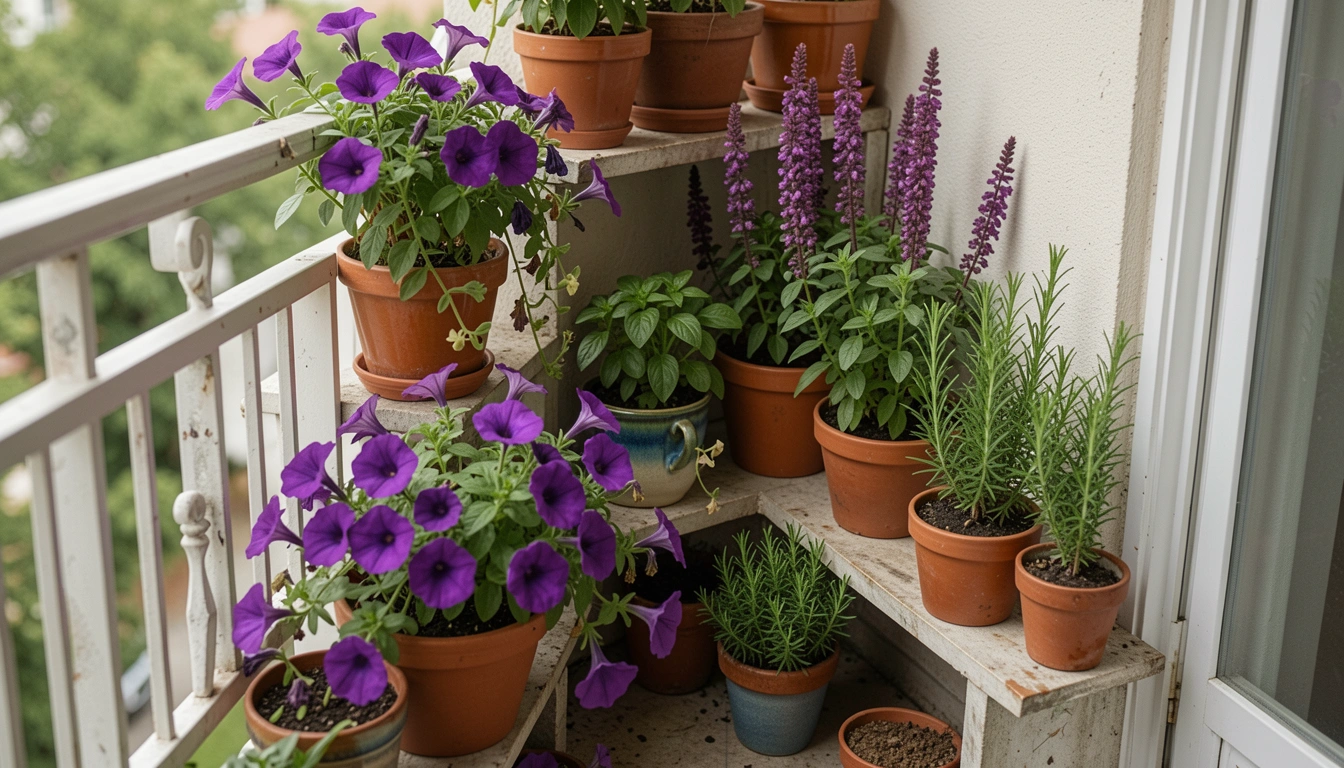
I started with three sizes and suddenly the small balcony read like a garden.
Tall center plants give height. Mid plants fill the eye line. Low plants soften the rim.
Early on I picked plants with the same light needs — that saved me from constant re-potting.
Tip: use staggered pot sizes and repeat one foliage color for cohesion.
What You’ll Need for This Look
- Tall narrow planter (24–30 inch)
- Mid-height glazed pots (10–12 inch)
- Low saucer pots (6–8 inch)
- Potting mix, slow-release granules
2. Vertical Pallet Garden for Climbing Flowers and Herbs
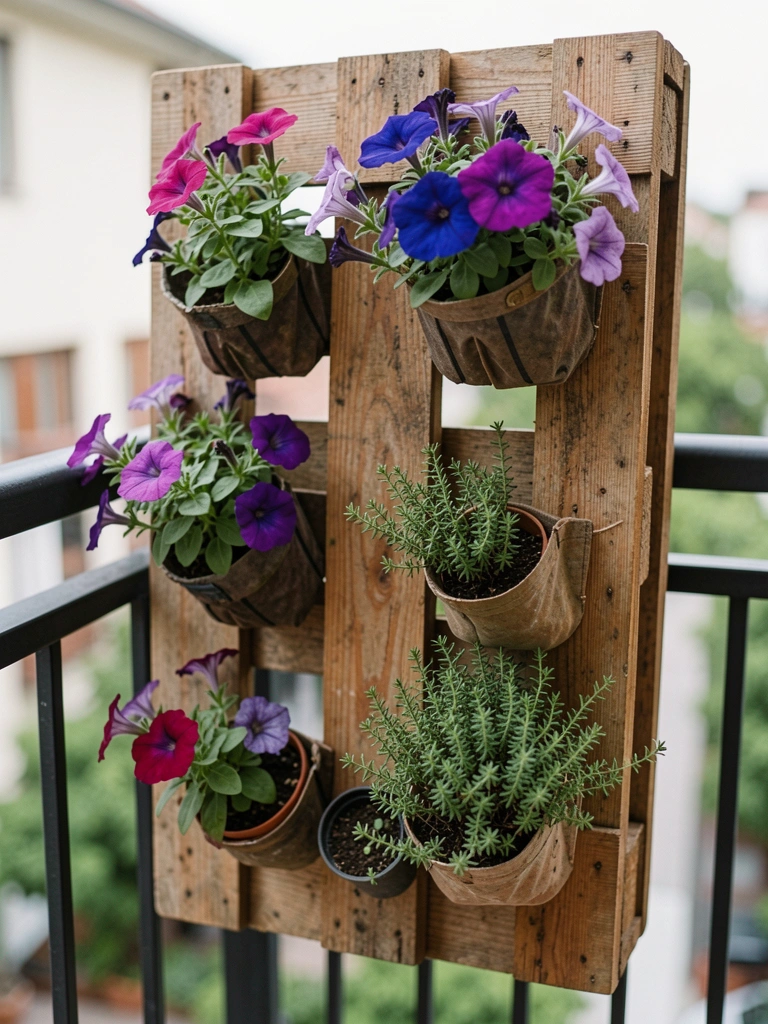
I screwed a pallet to the wall and wound up with a living tapestry.
Climbers and trailing herbs took to pockets quickly. It saved floor space and felt cozy.
My mistake was not lining pockets at first; soil leaked. I added a simple liner and that fixed it.
Keep plants with similar watering together. It’s a visual punch without crowding.
What You’ll Need for This Look
- Vertical pallet or wall planter
- Landscape fabric or pocket liners
- Small trailing plants and herbs (6–8 pots)
- Wall anchors and screws
3. Railing Planter Boxes That Create a Green Hedge
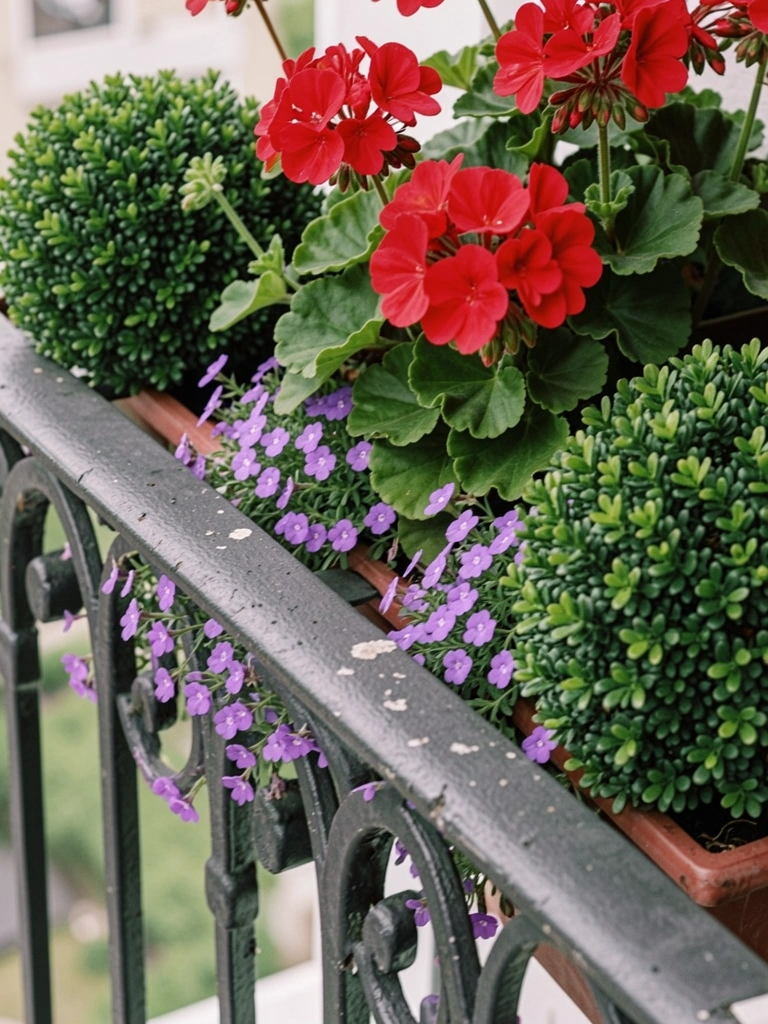
I clipped a long railing box across one side and it changed the view entirely.
A continuous line of flowers reads like a hedge and softens the street below.
Watch drainage — my first box held water and roots rotted. I drilled a few more holes and used coarse gravel.
Use repeat colors and tidy foliage for a consistent look.
What You’ll Need for This Look
- Long railing planter (24–36 inch)
- Drainage mesh or gravel
- Flowering annuals (geraniums, petunias)
- Potting mix and fertilizer spikes
4. Hanging Basket Trio for Vertical Color
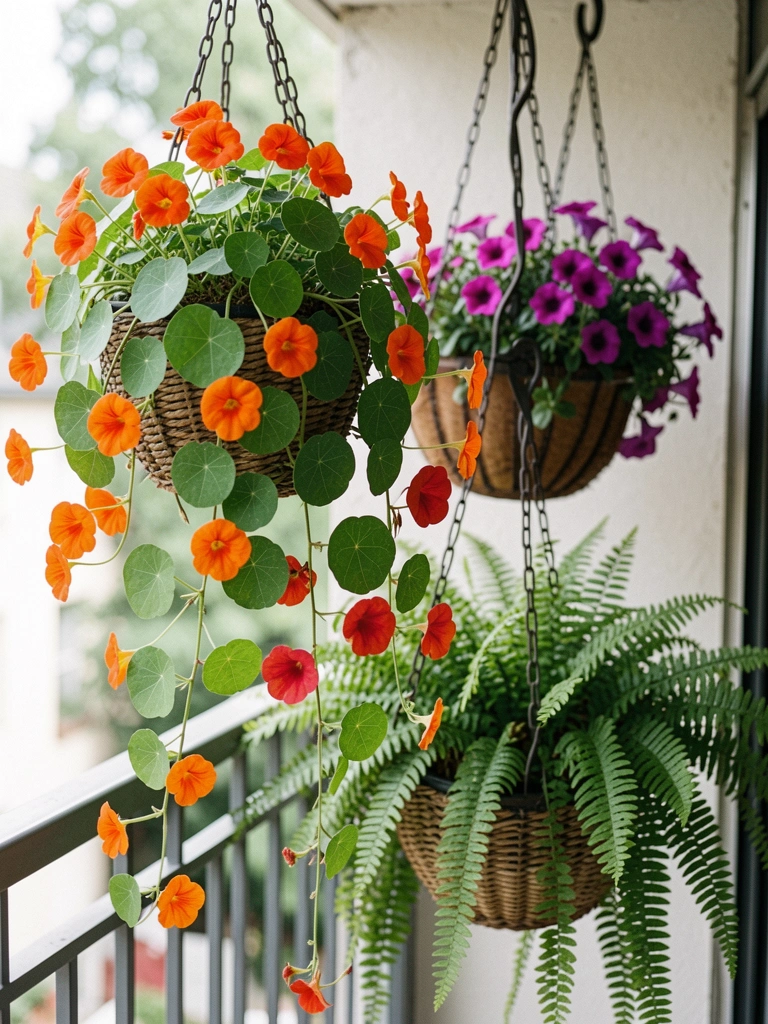
I hung three baskets at staggered heights and it made the balcony feel layered.
Trailing plants spill over and hide railings. Hanging space keeps the floor free for seating.
I learned to rotate baskets mid-season so sun exposure stays even. Otherwise one side faded.
Use lightweight soil and check hangers for weight rating.
What You’ll Need for This Look
- Hanging baskets (12–16 inch)
- Coconut coir liners
- Trailing annuals and ferns
- Chain hangers and ceiling hooks
5. Mini Herb Kitchen Trough by the Door
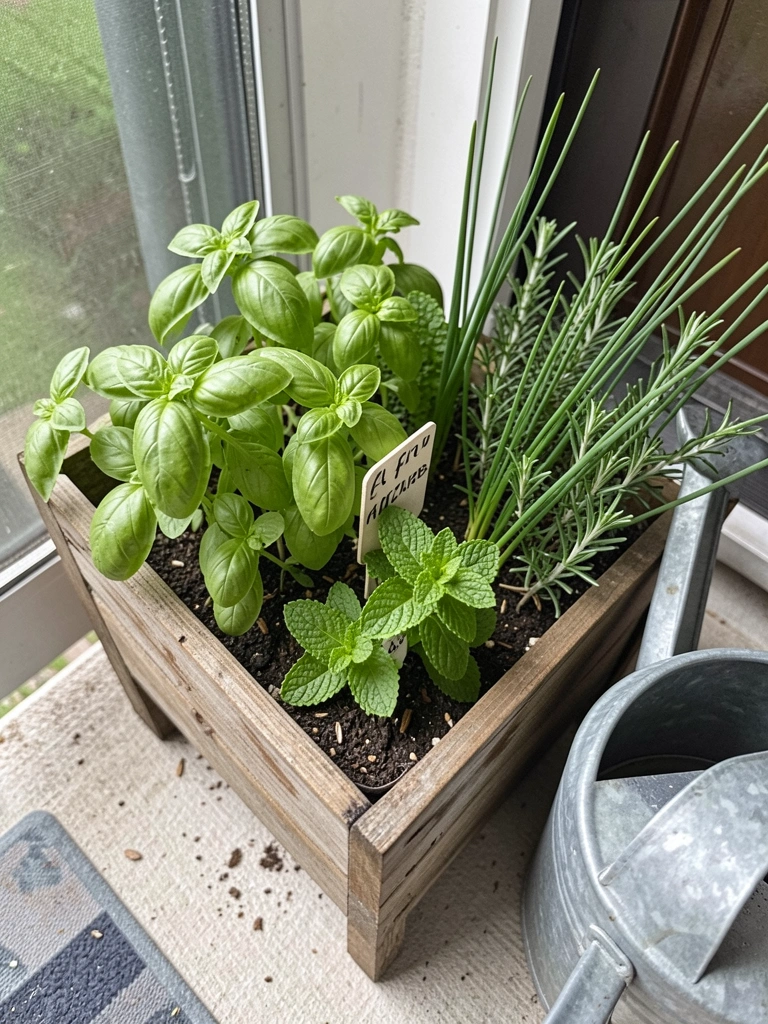
I set a long trough by the door for quick snips while cooking.
Fresh basil and chives made weekday dinners feel homemade. It’s practical and smells good.
I overplanted mint one season and it took over. Now I use a single pot for aggressive herbs.
Plant herbs with similar light and water needs together.
What You’ll Need for This Look
- Wooden trough planter (18–24 inch)
- Basil, chives, parsley, rosemary (small pots)
- Plant labels
- Quality potting mix
6. Succulent Shallow Tray for Low-Maintenance Corners
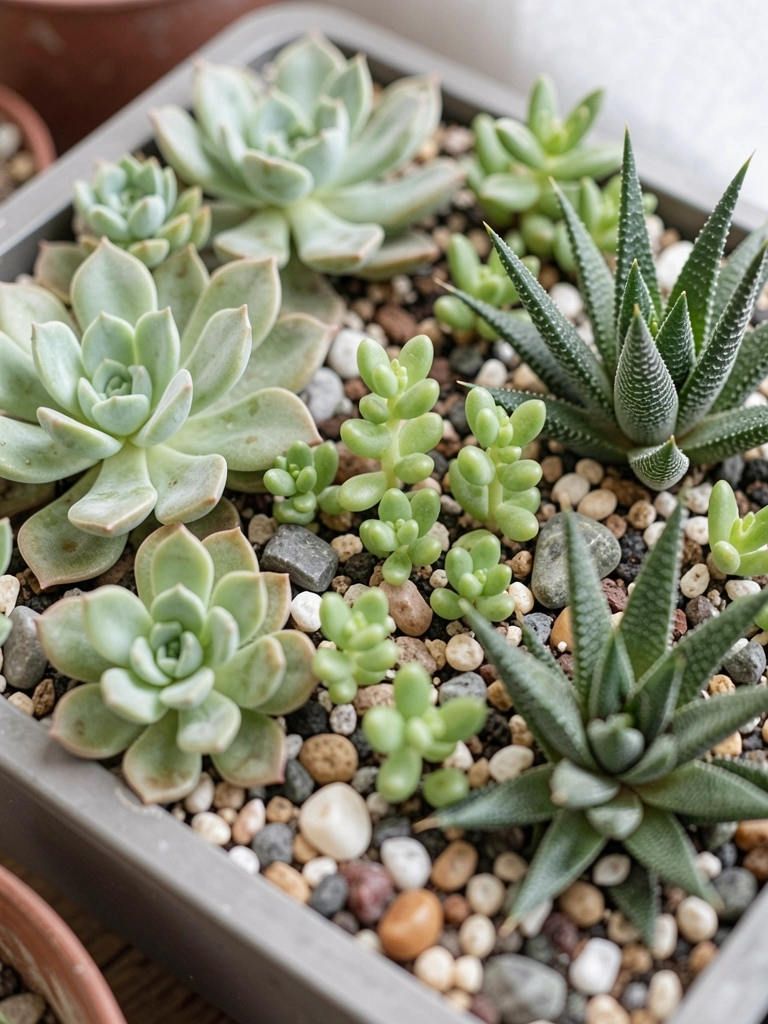
I made a shallow succulent tray for a sunny corner that I kept forgetting to water.
Succulents handled my neglect and still looked tidy. The shallow tray sits well on small tables.
My early mistake was using deep pots; succulents prefer shallow containers. They root shallowly and dry faster.
Top-dress with gravel and avoid overwatering.
What You’ll Need for This Look
- Shallow ceramic tray (10–14 inch)
- Assorted succulents
- Gritty potting mix and coarse sand
- Pebble top-dressing
7. Dwarf Ornamental Tree in a Large Pot for Structure
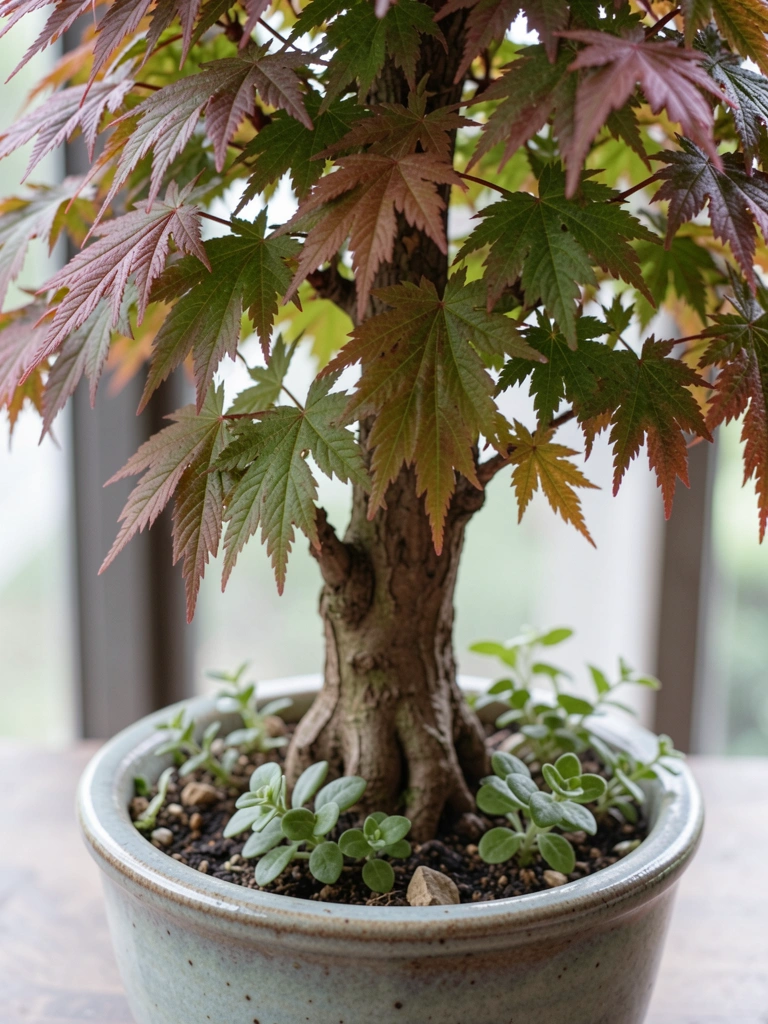
I planted a dwarf tree in a big pot for a focal point.
It gives the balcony instant backbone and months of leaf interest. I liked how it framed my seating.
I learned that big pots need winter protection — roots can chill. I wrapped the pot and pulled it against the wall.
Choose a slow-growing variety and add companions around the base.
What You’ll Need for This Look
- Large planter (18–24 inch)
- Dwarf ornamental tree (Japanese maple, citrus)
- Companion groundcover plants
- Insulating wrap for winter
8. Seasonal Rotation Pots for Continuous Bloom
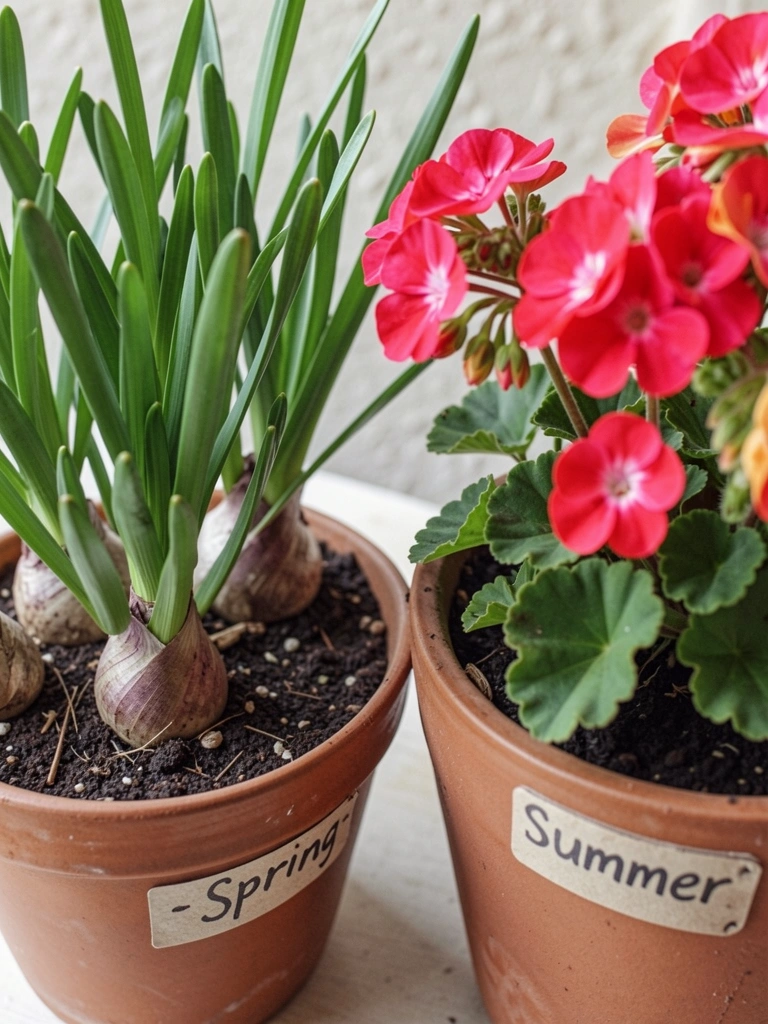
I swap a few pots every season to keep the space fresh.
Spring bulbs, summer geraniums, autumn asters, winter pansies — rotating keeps color year-round without extra fuss.
It took me a season to time the swaps. Now I pot bulbs late autumn and move to display in spring.
Start with 2–3 rotation pots and build from there.
What You’ll Need for This Look
- Medium pots (10–14 inch)
- Seasonal bulbs and annuals
- Bulb compost and slow-release feed
- Labels or calendar reminder
9. Self-Watering Pots for Busy Weeks Away
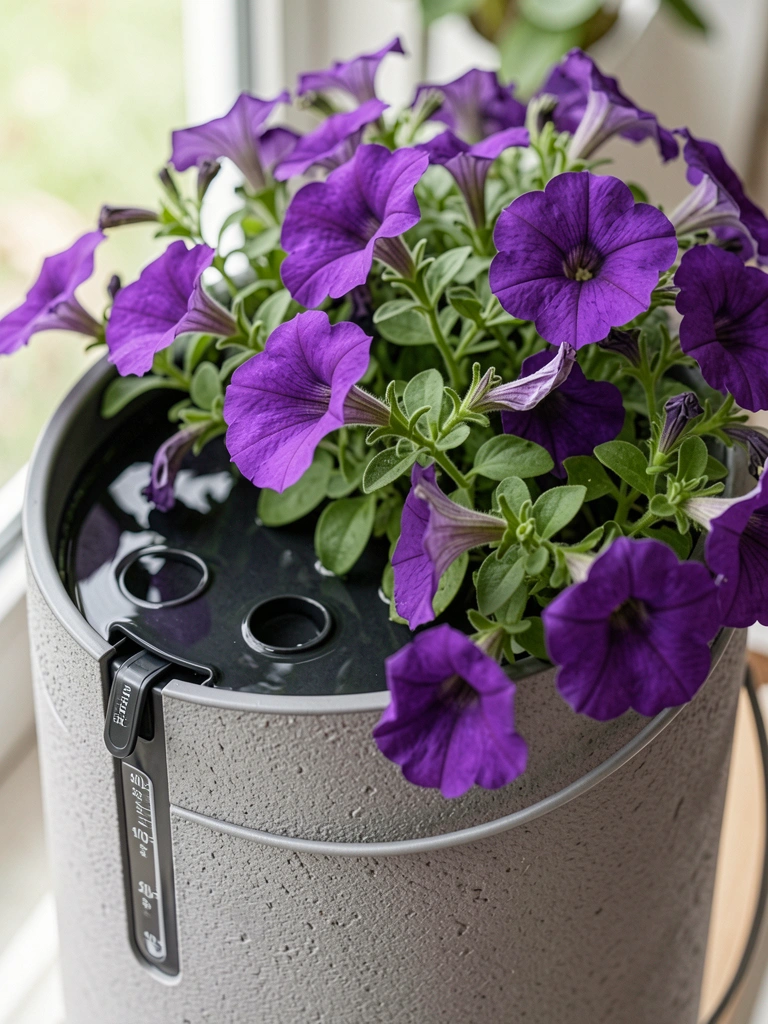
I bought self-watering pots after a holiday disaster.
They kept plants alive through a week of 90°F heat while I was away. The reservoir reduces daily checks.
My first model leaked because I chose a cheap plastic. Upgrading to a sturdier unit stopped the mess.
These pots are great for mixed pots that dry fast.
What You’ll Need for This Look
- Self-watering planter (12–18 inch)
- Flowering annuals or herbs
- Water reservoir soil or wicking mix
- Fill indicator models
10. Monochrome Pot Scheme for Calm and Cohesion
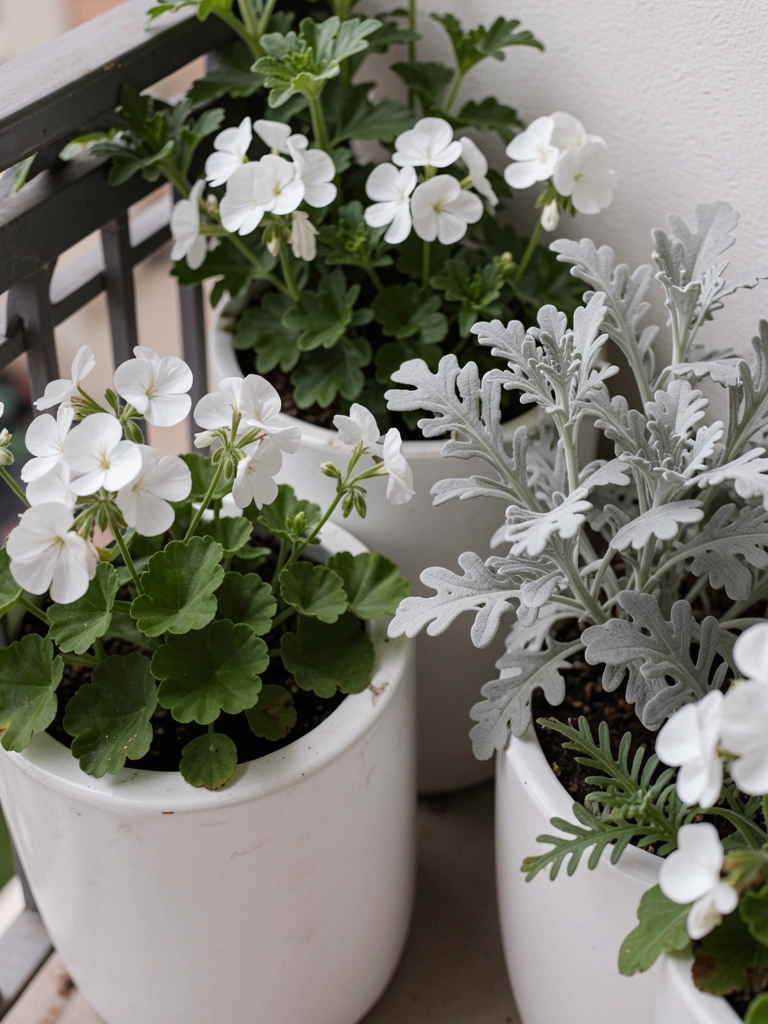
I painted all my pots the same color and the balcony felt calmer.
A monochrome pot palette lets foliage and bloom shapes do the talking. It hides mismatched pots you inherit.
I nearly overdid it once by choosing too dark a color; it absorbed heat and stressed plants. Now I pick light tones for sunny spots.
Repeat a single pot color and vary plant textures.
What You’ll Need for This Look
- Matching pot set (8–12 inch)
- Light-colored or white ceramic
- Assorted green foliage and white flowers
- Pot paint (if refurbishing)
11. Night-Scented Balcony Bed for Evening Enjoyment
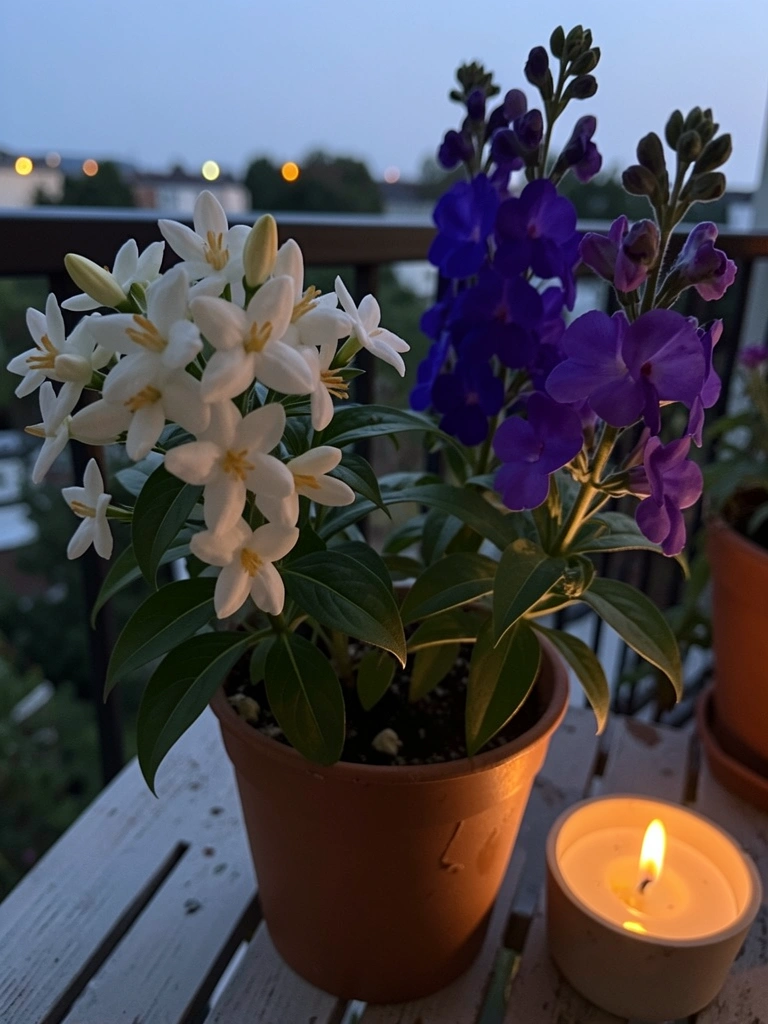
I planted night-scented flowers where I sip tea after sunset.
The fragrance changes the whole mood of the balcony in the evening. It’s subtle and homey.
I discovered that some scented plants drop petals; I sweep regularly to keep the floor tidy.
Mix a couple of strong scents with softer notes, and place near seating.
What You’ll Need for This Look
- Medium pots (10–14 inch)
- Night-scented plants (jasmine, nicotiana)
- Small table near seating
- Light-weight soil and slow-release feed
12. Pollinator-Friendly Pots That Attract Bees
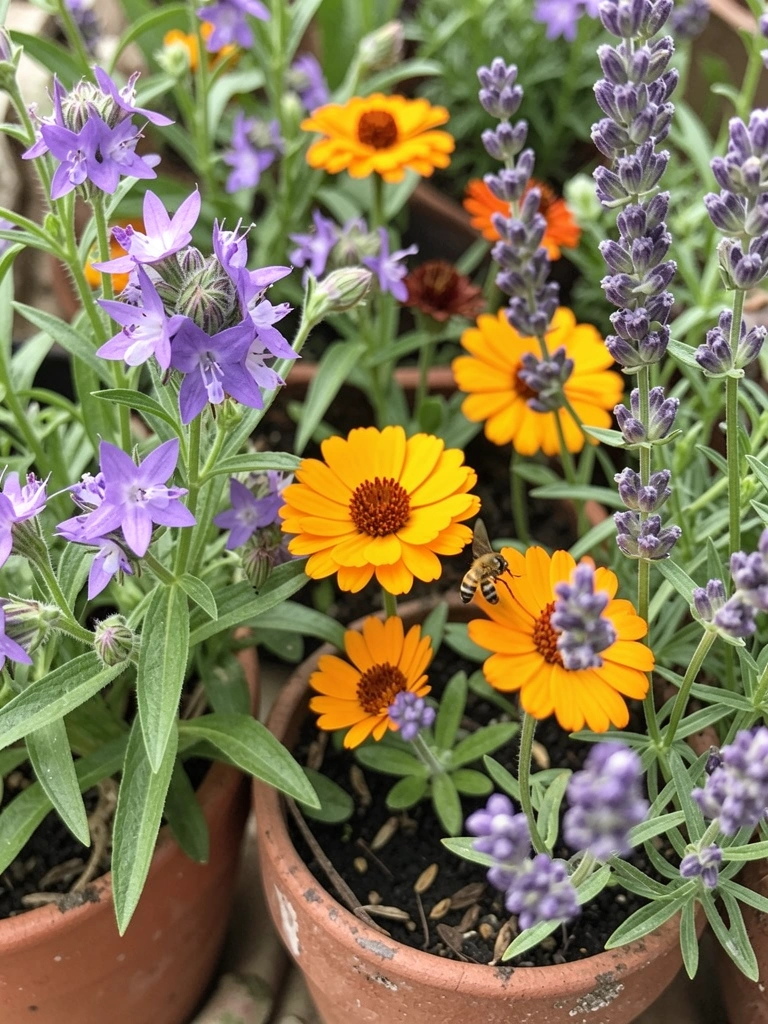
I started a pollinator pot cluster after one season felt empty.
Bees and hoverflies arrived and the whole balcony buzzed. It felt alive in a way chairs and cushions don’t give.
I initially used only one type of flower and saw fewer visitors. Mixing colors and bloom shapes drew more insects.
Plant with staggered bloom times to keep visitors coming.
What You’ll Need for This Look
- Assorted pots (8–12 inch)
- Pollinator plants (lavender, borage, calendula)
- Native wildflower seed mix for a tray
- Pebble landing pads
13. Clematis on a Mini Trellis for Vertical Drama
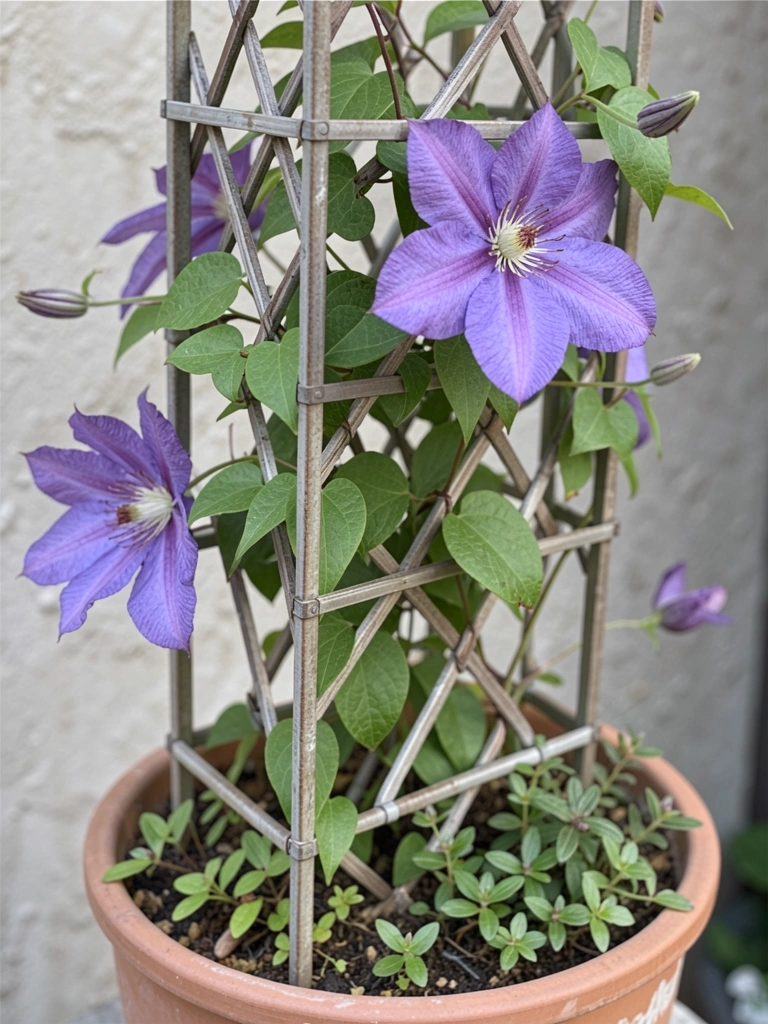
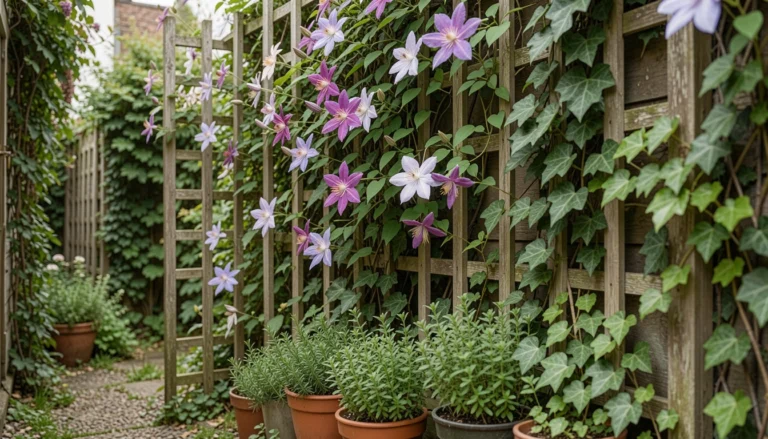
I trained a clematis on a small trellis and it made the balcony feel taller.
One vine fills vertical space without taking floor area. The blooms sit at eye level and make a simple statement.
My first trellis was too flimsy and sagged. Upgrading to a metal frame solved it at once.
Anchor the pot and attach ties gently as it grows.
What You’ll Need for This Look
- Large pot (12–16 inch)
- Clematis variety (compact type)
- Small sturdy trellis
- Soft plant ties and compost
14. Upcycled Containers for Personality and Low Cost
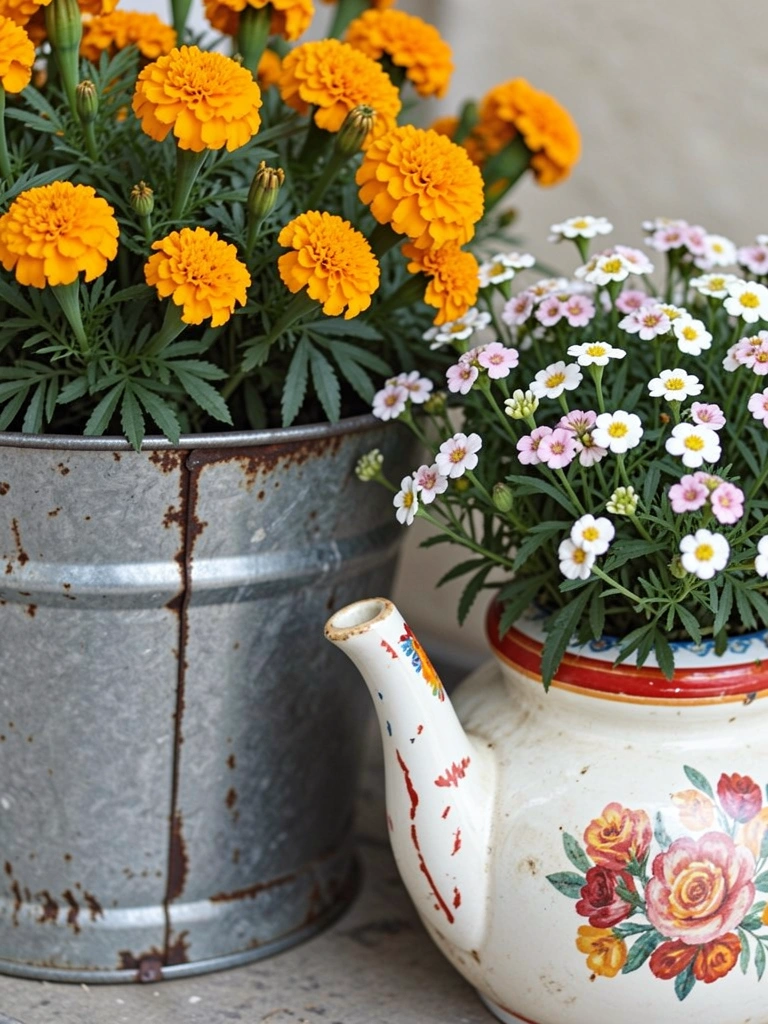
I started saving old containers and now each pot tells a story.
A chipped teapot with alyssum feels friendly. Upcycling keeps costs down and adds charm.
Be careful: some old containers lack drainage. I drilled holes or used a liner to avoid soggy roots.
Pair quirky containers with tidy plants to balance the look.
What You’ll Need for This Look
- Assorted upcycled containers (teapots, tins)
- Drill bit for drainage (if metal)
- Small bedding plants (marigolds, alyssum)
- Potting mix and saucers
15. Shade-Corner Planting with Textured Foliage
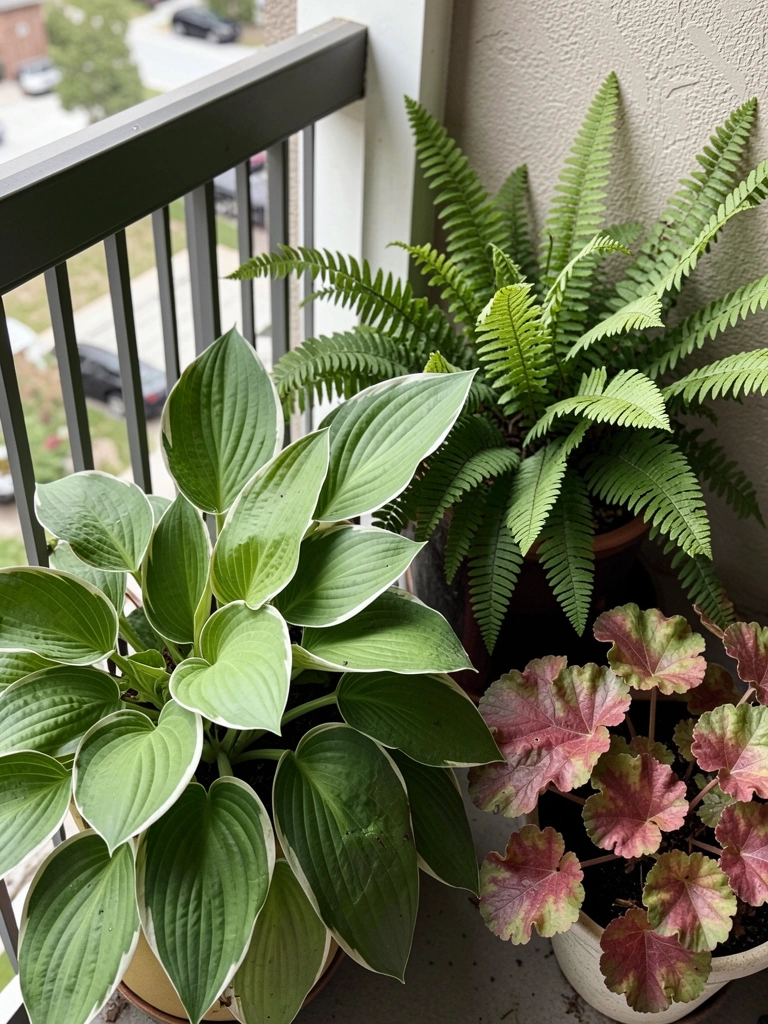
My north-facing balcony used to be a dead zone.
Ferns, heuchera, and hostas changed that corner into something quiet and green.
I once planted sun-loving impatiens there and they sulked. Replacing them with shade-tolerant foliage solved the problem.
Focus on texture and leaf color rather than blooms in shade.
What You’ll Need for This Look
- Mix of pots (8–14 inch)
- Shade plants (hosta, fern, heuchera)
- Moisture-retaining potting mix
- Mulch to keep roots cool
16. Edible Flower Mix for Salad-Bowl Pots
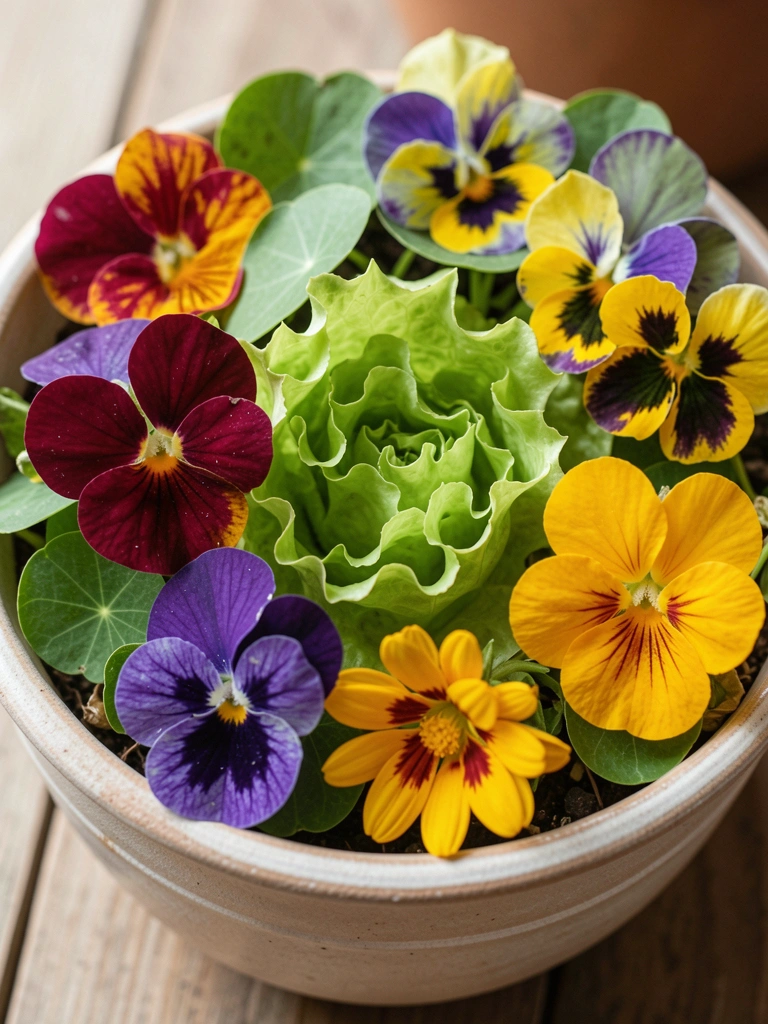
I planted edible flowers with lettuce and suddenly my salads were prettier.
Nasturtiums trail while pansies add color. It’s instant garnish and yields.
My early mix had too many aggressive nasturtiums crowding out lettuce. Now I use fewer and prune regularly.
Keep an eye on taste — some petals are spicy, some mild.
What You’ll Need for This Look
- Medium planter (12–16 inch)
- Edible flowers (nasturtium, pansy, calendula)
- Salad greens (cut-and-come-again varieties)
- Organic potting mix
17. Small Bamboo Pots for Lightweight Privacy
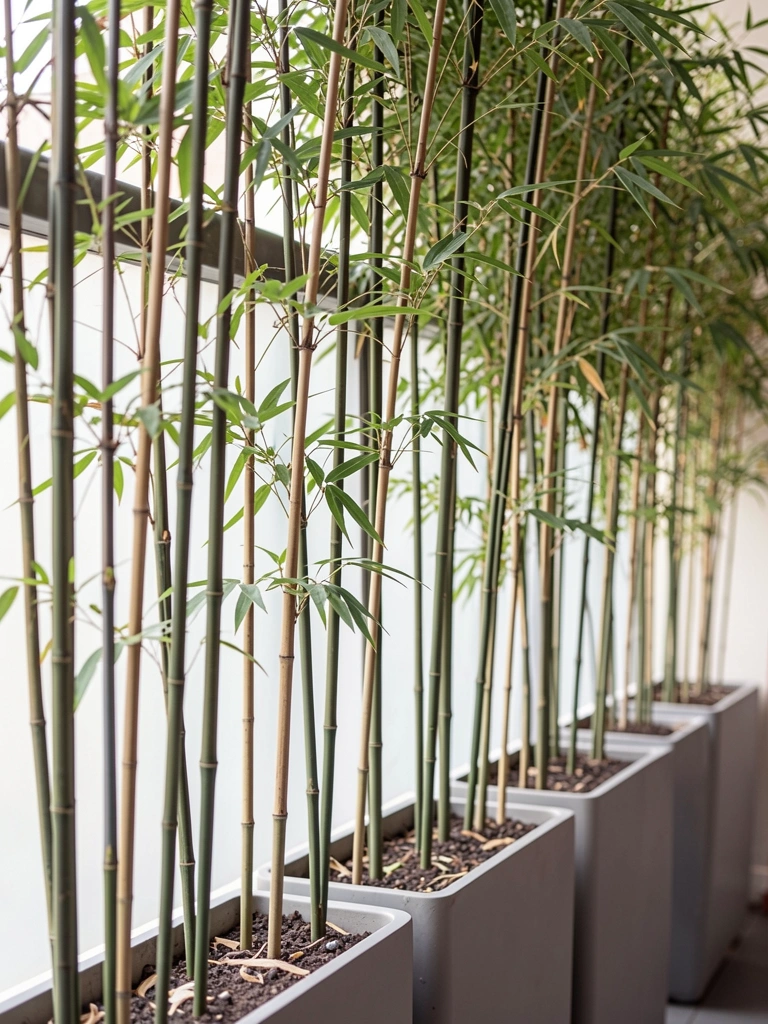
I used clumping bamboo in tall pots to make a quick screen.
It grew fast enough to block sightlines but didn’t grab the floor. It feels private without being heavy.
I learned to choose clumping varieties; running types would have been a disaster in pots.
Place pots close and trim lower foliage for a neat line.
What You’ll Need for This Look
- Tall planters (18–24 inch)
- Clumping bamboo species
- Root barrier or large pots
- Stakes for initial support
18. Portable Wagon Planter for Flexibility and Seating
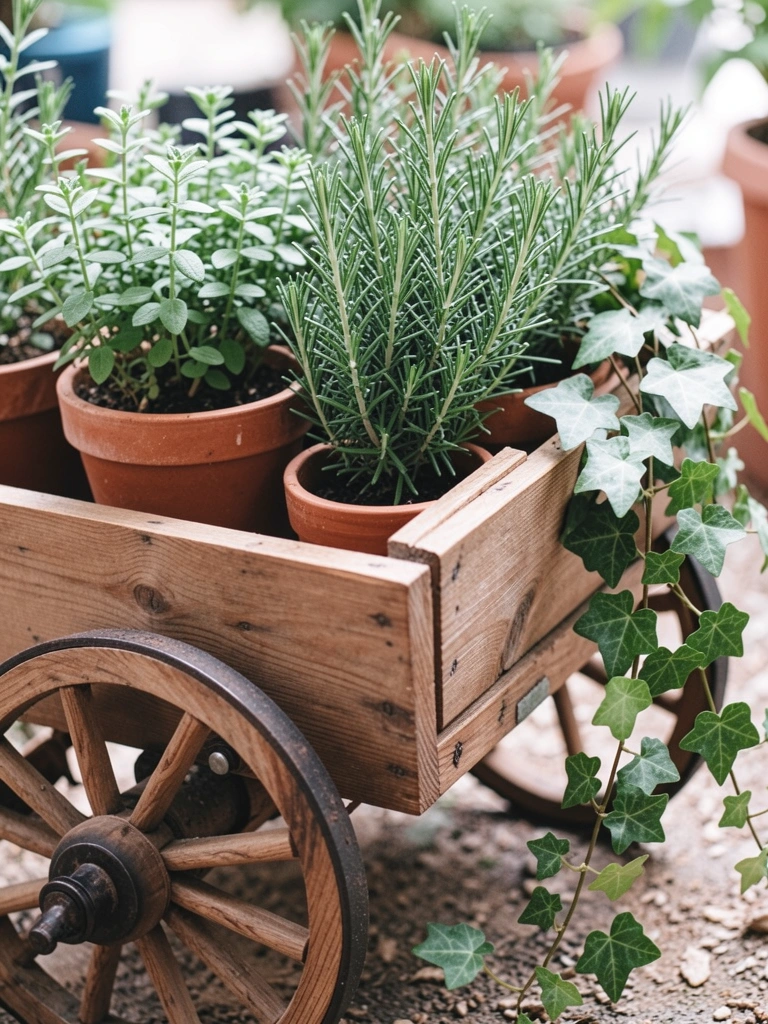
I put pots on a small wagon so I could chase the sun.
On rainy days I roll it under cover. On hot afternoons I move it for shade. It’s useful and doubles as a side table.
I once overloaded it and the wheels jammed. Sticking to light pots fixed the problem.
Choose sturdy wheels and balance weight front to back.
What You’ll Need for This Look
- Small wooden wagon or cart
- Assorted light pots (6–10 inch)
- Herbs and small ornamentals
- Outdoor caster wheels
Final Thoughts
You don’t need every idea at once. Pick one or two that fit your light and lifestyle.
Start small, accept a few mistakes, and build confidence.
In time your balcony will feel intentional and livable.