How to Create a Butterfly-Friendly Garden
I used to stand by a sunny patch and wonder why butterflies never stayed. I’d plant bright flowers and still see empty air. It felt like a small mystery I couldn’t solve.
I learned it wasn’t just the blooms. It was where things sat, how they layered, and the tiny places I left for them.
I’ll show you a simple, lived-in way to fix that.
How to Create a Butterfly-Friendly Garden
This is the method I use when a garden feels empty of wings. You’ll learn how to arrange plants and small features so butterflies return and linger. The result is steady visits and parts of your bed that look relaxed and inviting.
What You’ll Need
- Tall native milkweed (Asclepias, 2–3 plants)
- Magenta purple coneflower clumps (Echinacea, groups of 3–5)
- Clumping lavender (silver-gray foliage, 2–4 plants)
- Patch of fine-textured native grasses (1–2 ft)
- Low evergreen shrub (1–3 ft) for wind shelter
- Flat sunning stones or pavers (2–3 south-facing)
- Shallow terracotta saucer with gravel for puddling
- Small clay pots of zinnias (bright colors) for late season
Step 1: Group nectar plants where butterflies can spot them
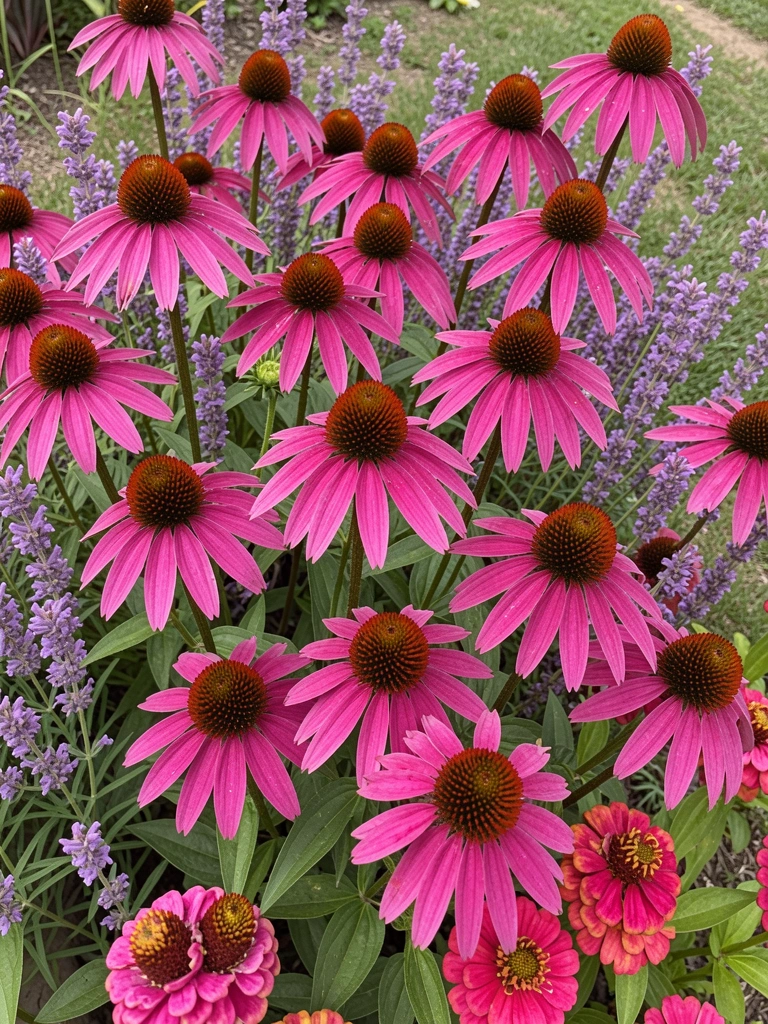
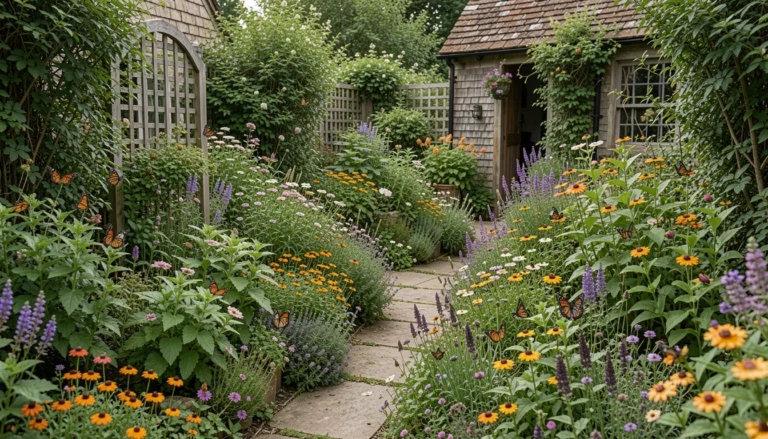
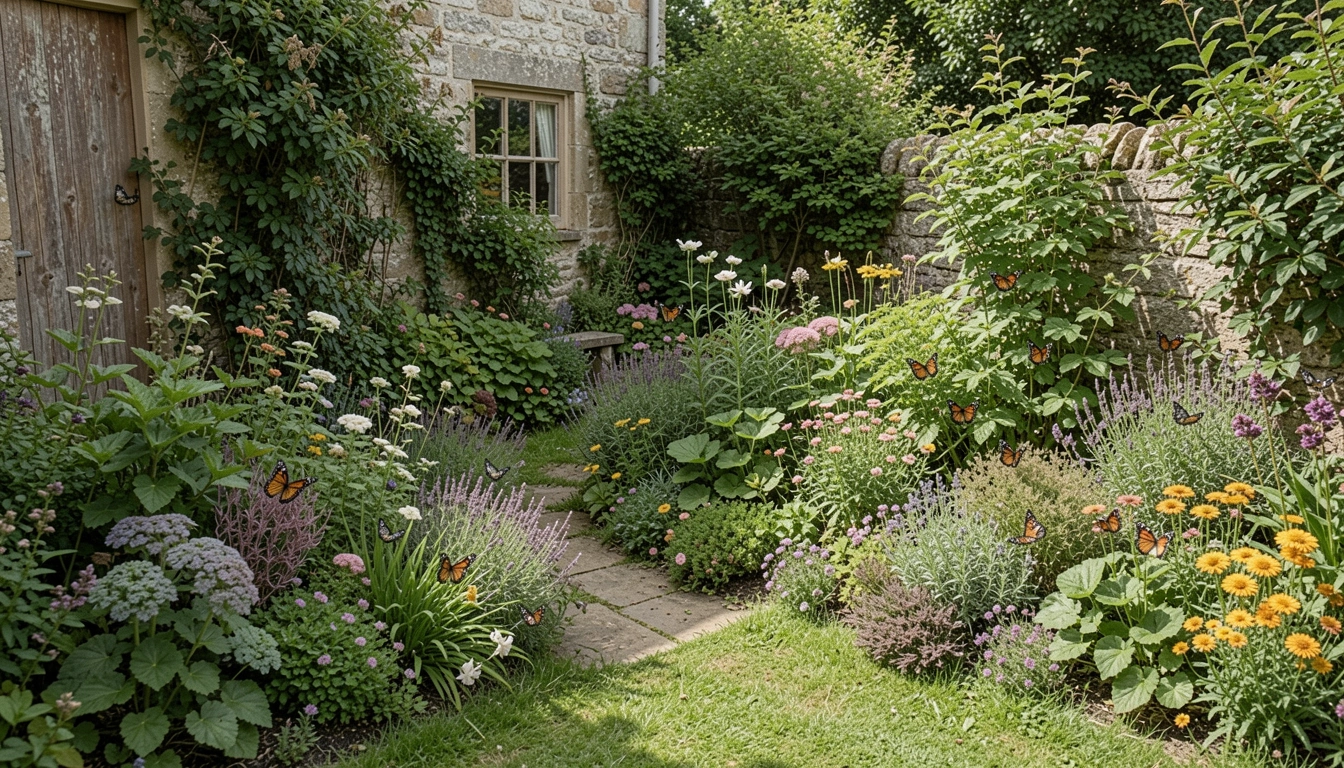
I plant nectar sources in obvious clusters rather than scattering single stems. I put Echinacea, lavender, and a pot of zinnias close together so wings can see a promise of food from a distance. You get a visible block of color that reads as a feeding station.
Visually, the bed goes from thin to dense. The eye lands on groups, and butterflies do the same. One thing people miss is how much distance matters; single plants vanish in the background.
A common mistake is lining plants up like soldiers. Avoid straight rows—aim for relaxed drifts instead.
Step 2: Tuck host plants into quiet edges and near grasses
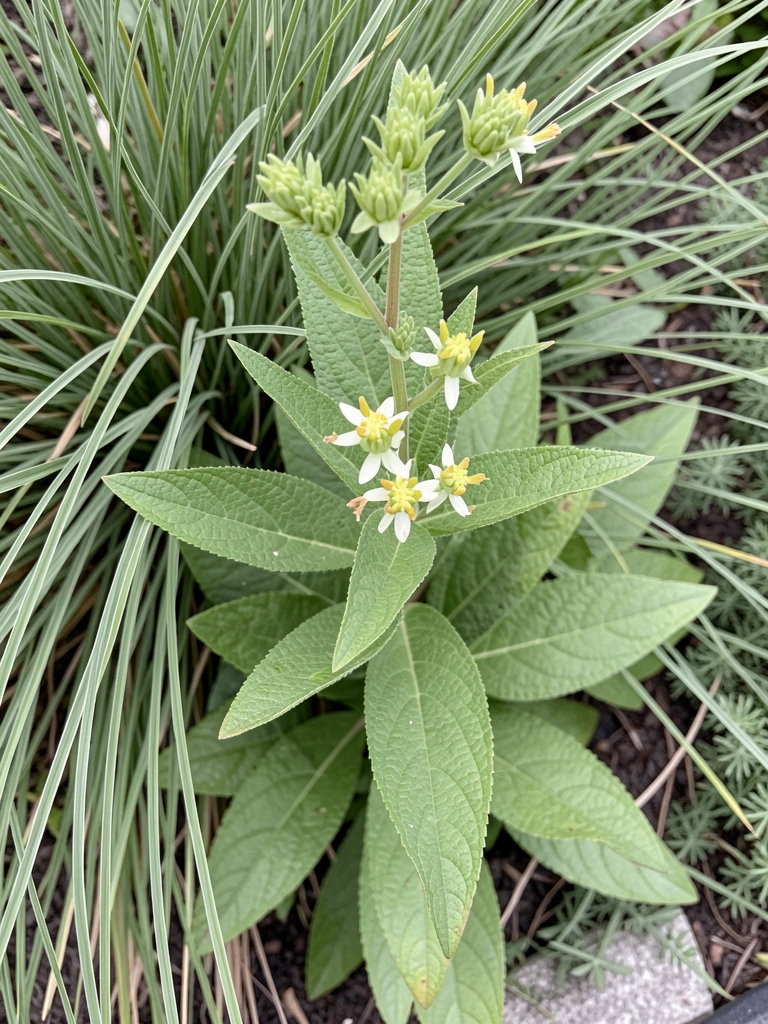
I plant host species like milkweed in the quieter parts of the bed—edges, corners, or beside grasses. That gives caterpillars shelter and keeps them out of the main show. Butterflies still visit nectar nearby, but larvae feel protected.
The visual change is subtle. Taller, architectural leaves sit behind softer textures. People often miss that host plants don’t need to be hidden; they just need reasonable neighbors.
A small mistake is removing host foliage too early. Don’t tidy every leaf away mid-season—those leaves are purpose.
Step 3: Build shelter with low shrubs and grass clumps
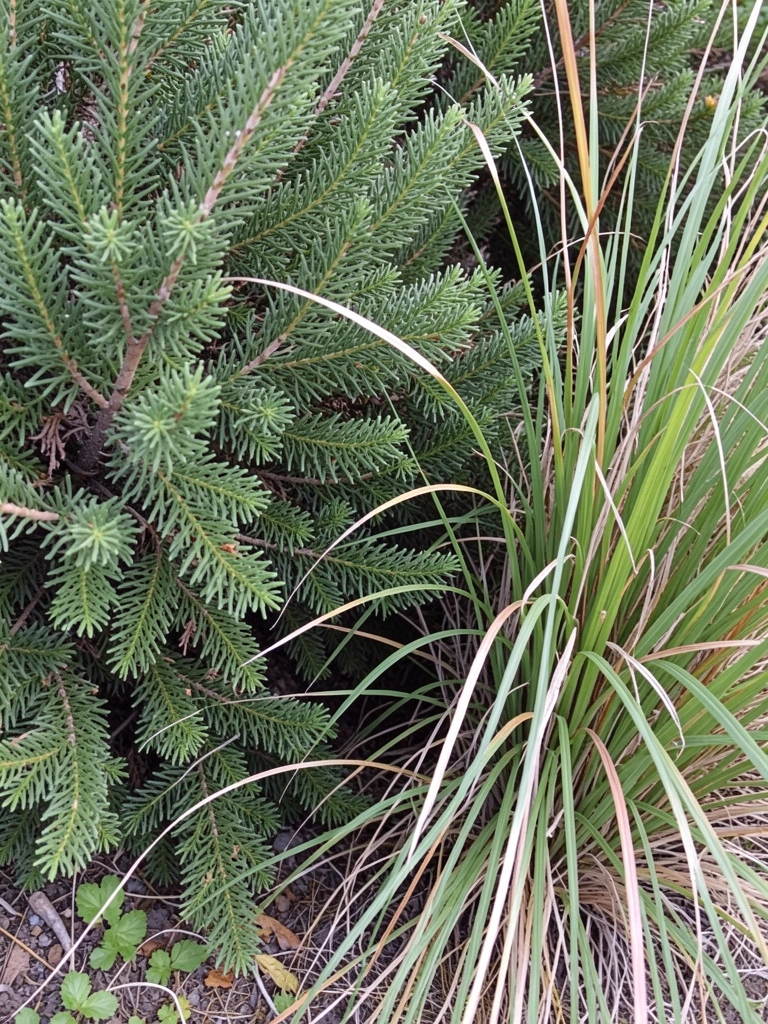
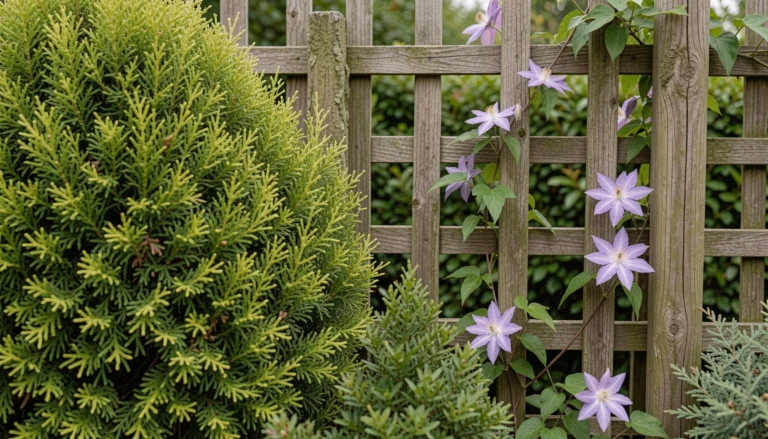
I place a low shrub and grass clumps to break wind and offer perches. Butterflies love a calm corner to rest or escape storms. This creates vertical layers and a feeling of rooms in the garden.
The space gains depth and season-long structure. One insight people miss is that butterflies choose sheltered spots first, then the nectar. They need microhabitats as much as flowers.
Avoid over-pruning that shelter. A manicured hedge removes hiding places and makes the bed feel exposed.
Step 4: Add sunning stones and a shallow puddling spot
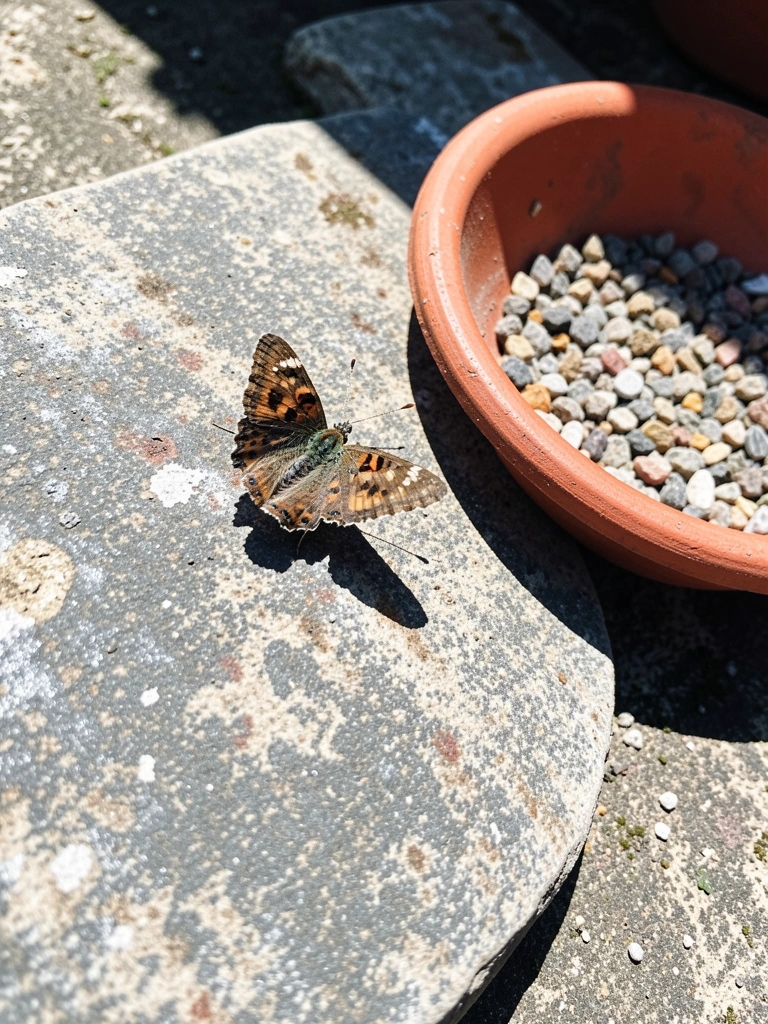
I set flat stones in a sunny patch and a terracotta saucer with gravel for puddling. Butterflies need warm surfaces to open their wings and shallow water for minerals. These are tiny, intentional props that bring them close to you.
Visually, these elements read as natural features, not ornaments. One insight people miss is the scale—small stones work better than large slabs for butterflies.
A mistake is placing water in full shade or making it too deep. Keep it shallow and sunlit.
Step 5: Stagger blooms and tidy selectively for continuous visits
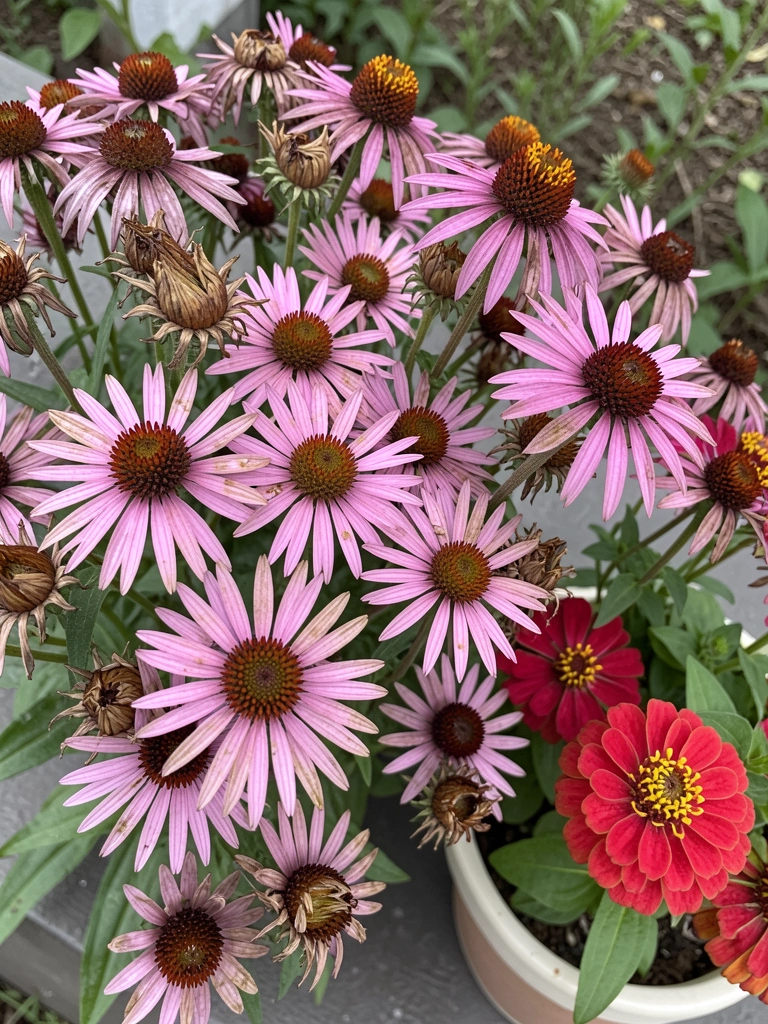
I plan for overlapping bloom times and leave some spent flowers into autumn. I add potted zinnias for a late burst and avoid deadheading everything. That keeps nectar available through the season and offers seeds for birds later.
The bed looks less fussy and more generous. A common oversight is treating butterfly gardens like floral displays—constant tidying removes food and shelter.
A small mistake is removing every old stem in late summer. Let a few stand for late nectar and refuge.
Plant choices for different seasons
I think in sequences. Early spring favors nectar from native salvias and early asters. Summer is when coneflowers, milkweed, and lavender do the heavy lifting. Late season needs asters and potted zinnias to keep visits steady.
Mix textures and colors so something is always noticeable. Even small gardens can have a rhythm—early, mid, late—if you plan just a few reliable plants.
Balancing design and wildlife needs
Keep your bed cozy, not manicured. A lived-in edge, a few seedheads, and a low shrub will read intentional. Balance neat paths with loose planting beds so the space feels comfortable.
You don’t need chaotic plantings. Aim for simple groupings and clear sightlines so you can enjoy the butterflies as much as they enjoy the garden.
Quick fixes for small spaces and containers
Use 2–3 pots of bright annuals by a sunny seat. Place a flat stone and a tiny saucer with gravel beside them. Tuck one host plant in a corner pot or narrow bed.
Small spaces respond well to clear blocks of color. Even one milkweed in a container will draw attention if it sits near nectar plants.
Final Thoughts
Start with one sunny corner and one host plant. I often tweak placement as visitors teach me where they like to feed and land. Keep it small and patient.
You don’t need perfection. A lived-in approach brings more visits than a tidy display. Trust the plants and the butterflies will follow.