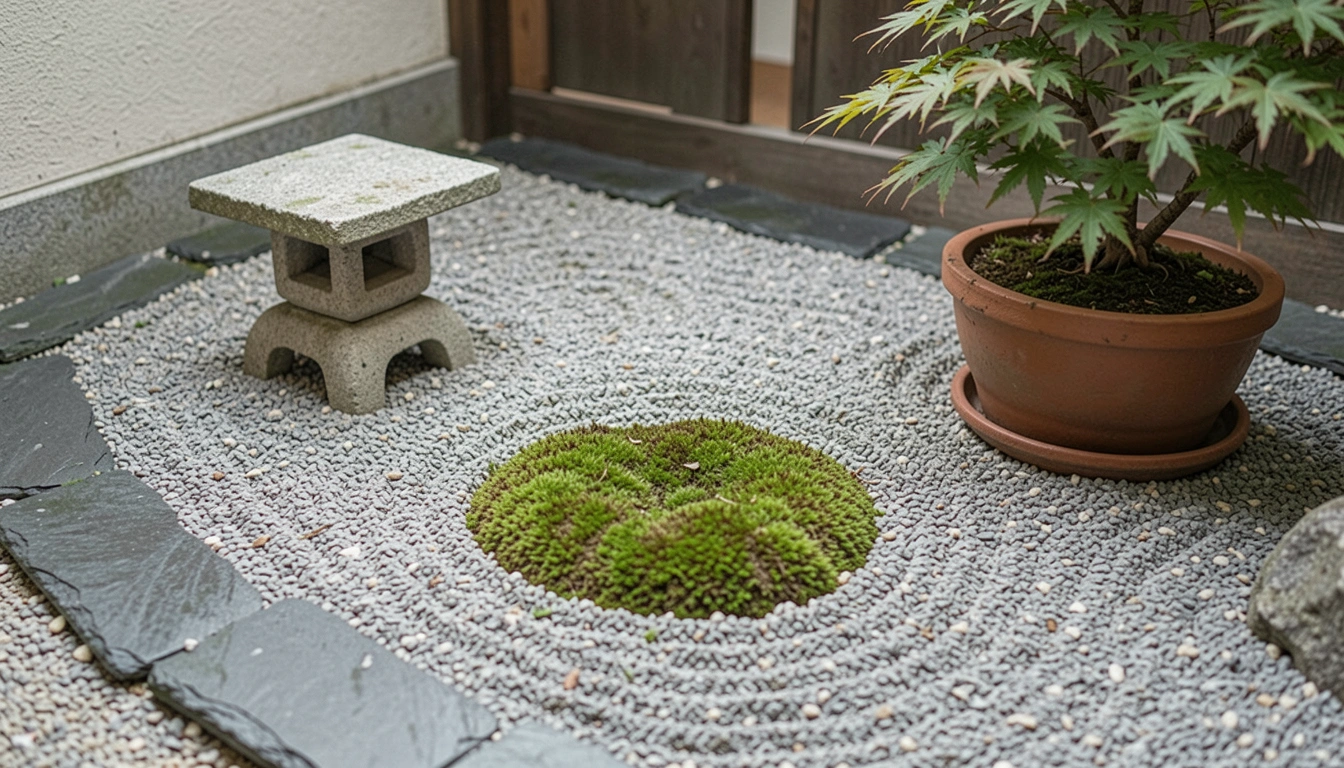
13 Calm Japanese Terrace Garden Ideas For A Peaceful Retreat
I used to cram too many plants onto my terrace. It looked busy, not calm.
I learned to edit. To leave space.
These ideas come from that slow unpacking. They’re simple. Doable.
13 Calm Japanese Terrace Garden Ideas For A Peaceful Retreat
These 13 ideas show real, lived-in ways to make a terrace feel calm.
They’re practical, low-fuss, and honest about mistakes I made.
You’ll get simple setups you can copy and adapt.
1. Mini Zen Gravel Courtyard with a Single Focal Stone
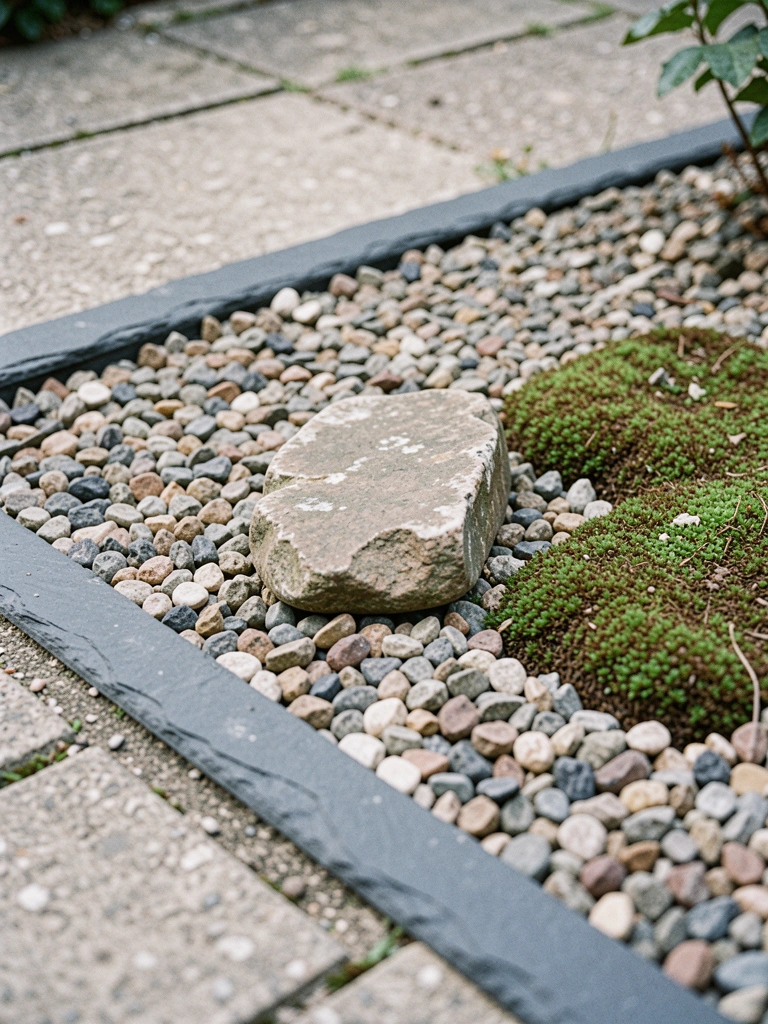
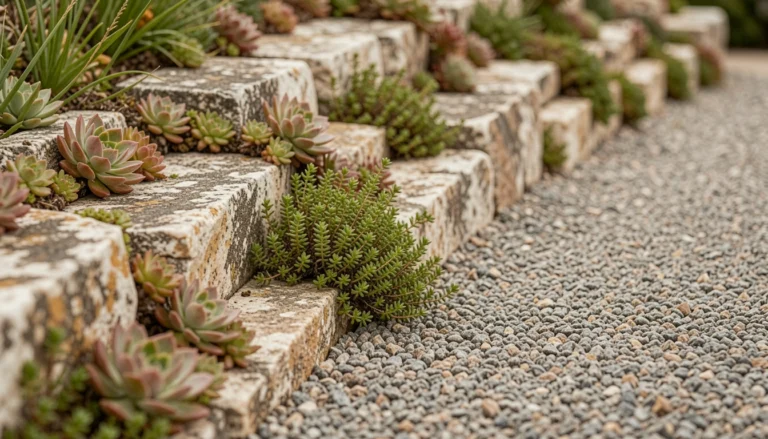
I cleared a crowded corner and laid fine gravel. I left one weathered stone as the focal point. It made the whole terrace breathe.
I rake in the morning. The motion calms me and keeps the gravel tidy. Visitors notice the quiet first.
Be careful: I first used coarse gravel and it looked clumsy. Fine silica-free gravel reads smoother and holds rake lines better.
What You’ll Need for This Look
- Fine pea gravel, light gray (1/4 inch)
- Weathered garden stone (20–30 lb)
- Low slate or metal edging, 4–6 inch
- Small hand rake for gravel
2. Layered Container Planting That Makes a Patio Feel Full
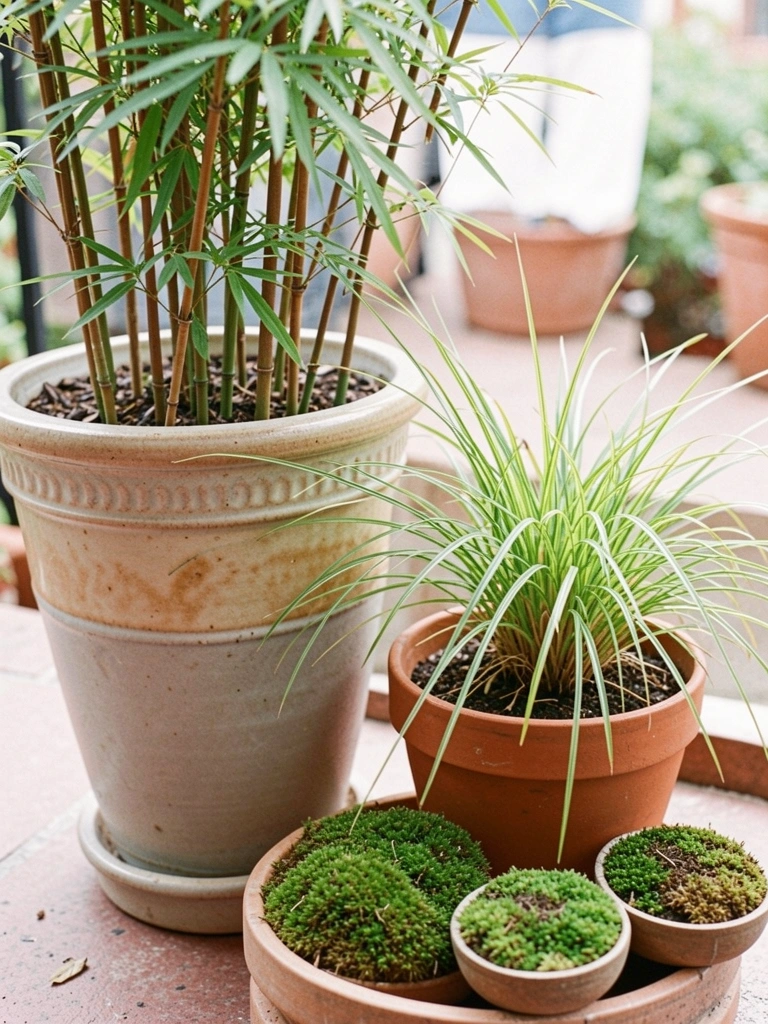
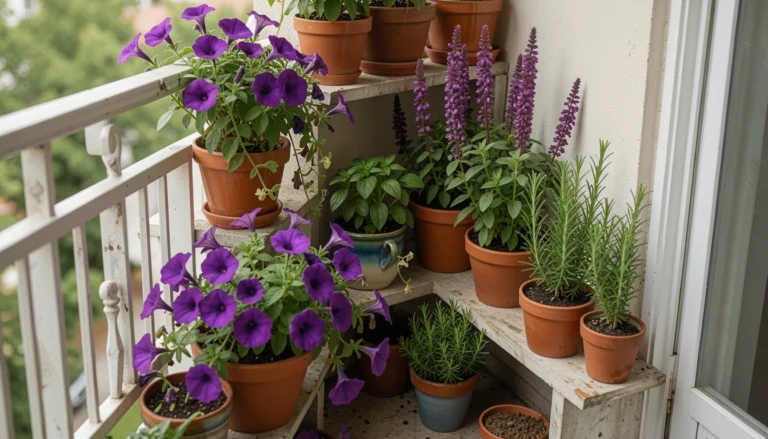
I learned to plant in layers: tall, mid, groundcover. My terrace felt fuller without clutter.
I use different pot heights. The eye moves naturally from bamboo to grass to moss. It reads calm, not chaotic.
My mistake: I once used identical pots. Everything muddled together. Vary the size and texture of containers for depth.
What You’ll Need for This Look
- Tall ceramic planter (18–24 inch), glazed neutral
- Medium terracotta planter (12–14 inch)
- Small saucers or shallow bowls for moss
- Lightweight potting mix for containers
3. Fargesia Bamboo Screen for Privacy (Without the Invasion)
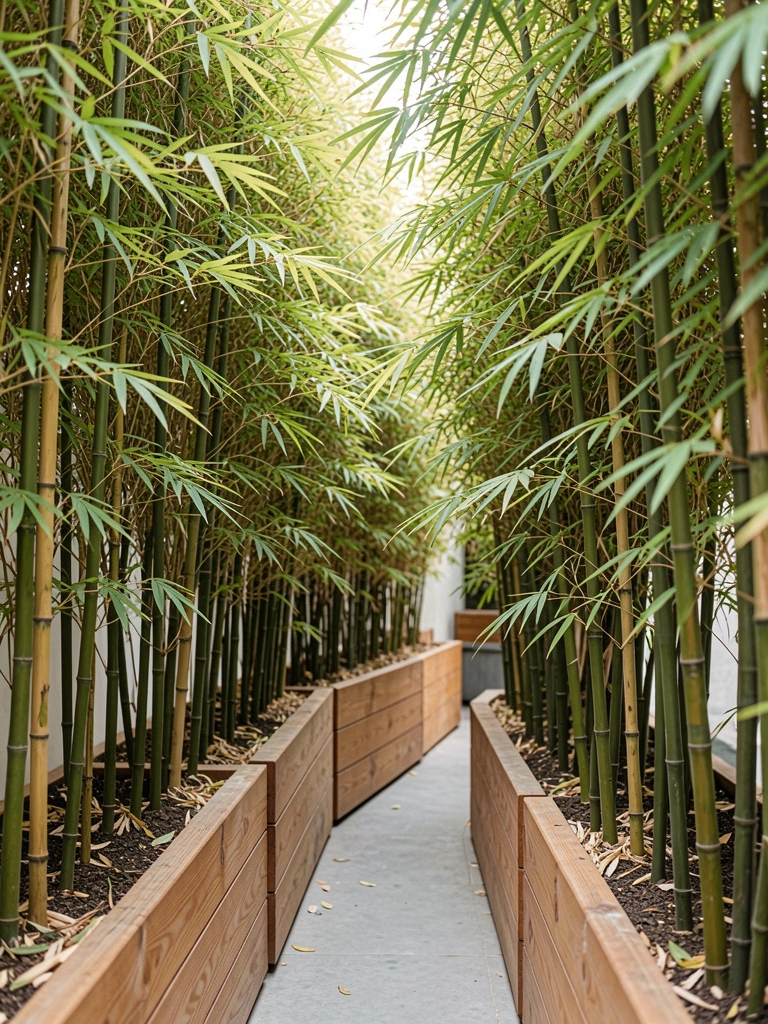
I wanted privacy and chose Fargesia clumping bamboo. It gave screen and sound dampening without sending runners everywhere.
At first I tried a running bamboo and it got messy. I removed it and replaced it with clumping types — much easier.
Keep plants well watered the first two seasons. And use deep planters so roots can grow without escaping between boards.
What You’ll Need for This Look
- Fargesia clumping bamboo (2–3 gallon)
- Long cedar planter box (6–8 inch deep)
- Landscape fabric liner for planter
- Slow-release fertilizer for evergreen grasses
4. Small Stone Water Bowl for Soft Sound (and Lessons About Splash)
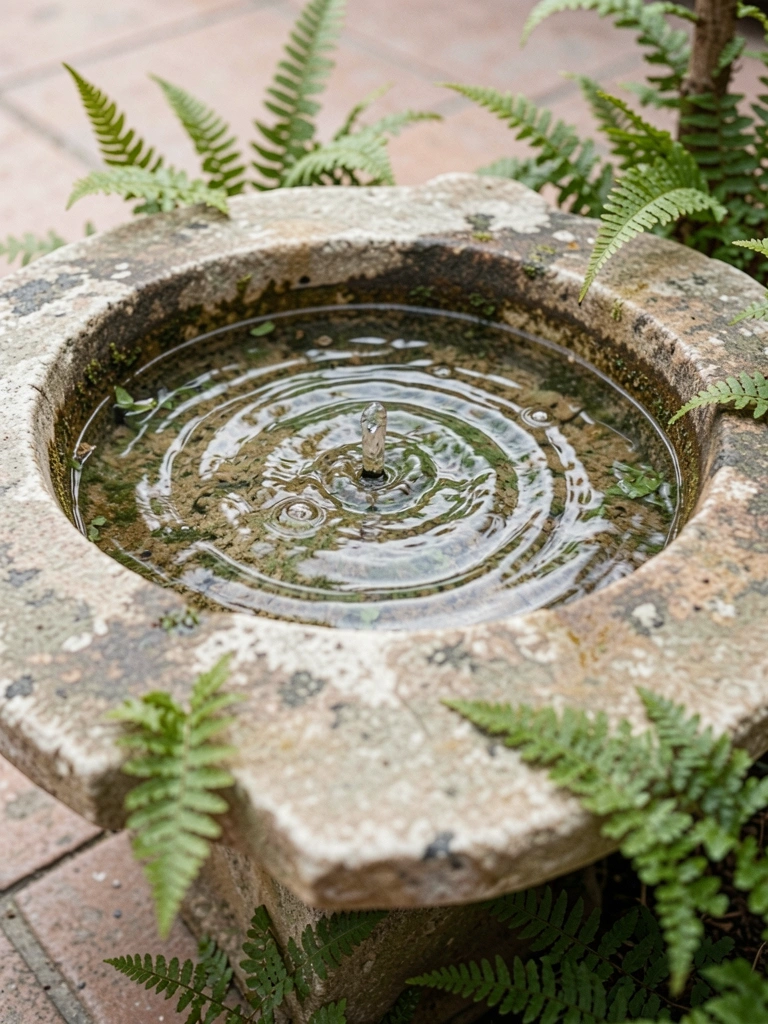
I installed a stone water bowl for sound. The trick is small scale. It adds a hush without dominating the terrace.
I learned the hard way: too high a pump splashed everywhere. I swapped to a low-flow pump. Quiet, steady ripples now, no puddles.
Place it on a tray or waterproof pad. And keep a tiny net over the bowl if leaves fall in often.
What You’ll Need for This Look
- Stone or cast-stone water bowl (12–18 inch)
- Low-flow fountain pump (submersible)
- Rubber tray or waterproof pad
- Small aquatic plants or floating moss
5. Mossy Shade Nook with Ferns and Stepping Slate
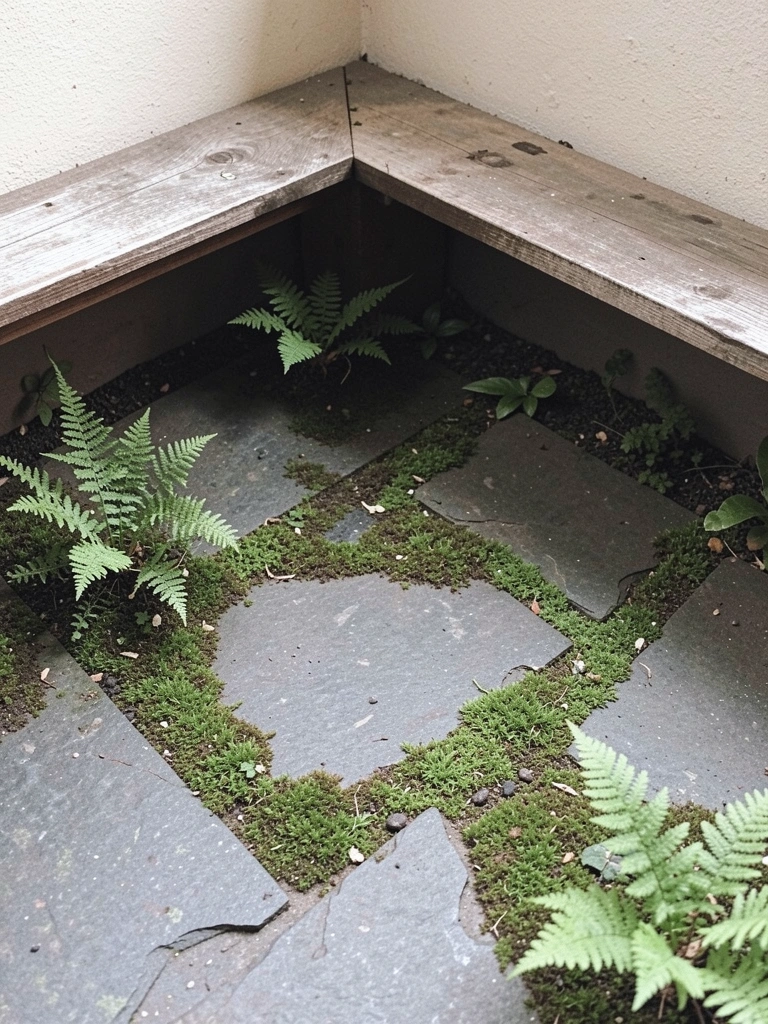
A damp corner of my terrace refused most plants until I planted moss and ferns. It felt instantly older and softer.
I let foot traffic avoid that spot. A little slate stepping gives access and protects the moss. The texture is quiet and green.
Mistake: I once tried to force sun plants here. They sulked. Read the light first and work with shade-loving species.
What You’ll Need for This Look
- Sheet moss or moss plugs
- Small ferns (Athyrium, Dryopteris)
- Slate stepping stones, irregular
- Shade-tolerant potting mix
6. Bonsai and Suiban Display on a Weathered Shelf (and a Pot Size Error)
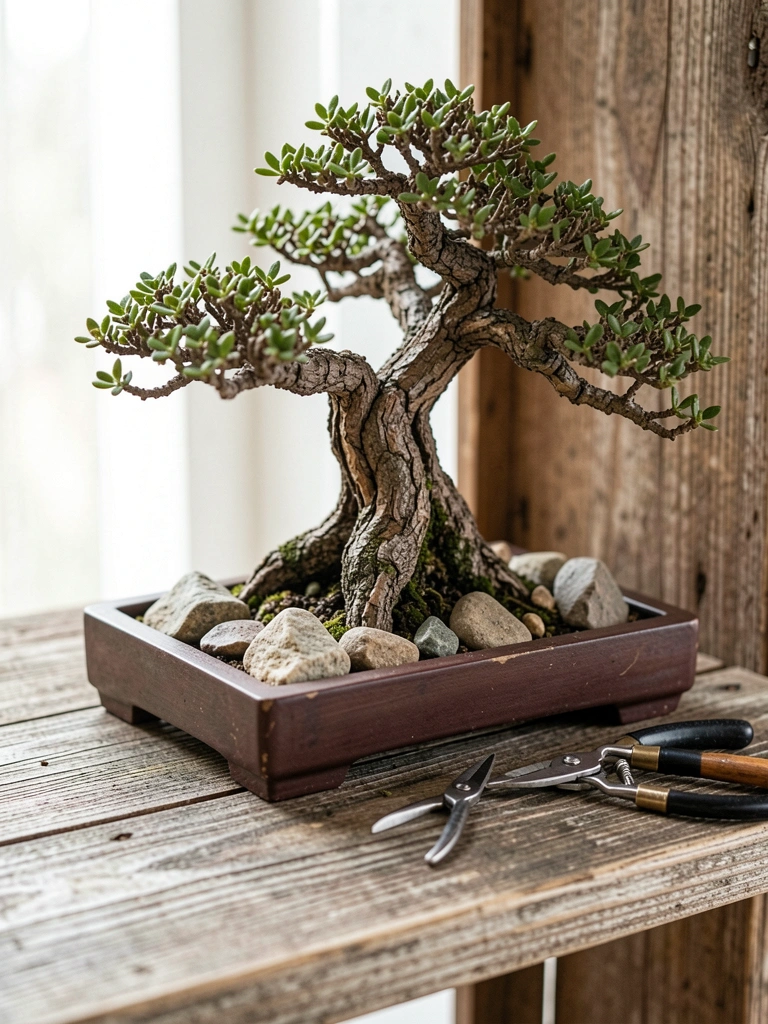
I set up a shelf for a few bonsai and a suiban tray. They give scale and a quiet focal line along the terrace rail.
I learned that bonsai need light and airflow. On my first shelf I used narrow pots that dried too quickly. I switched to slightly larger containers and they settled better.
Rotate them for even light and water carefully. The display needs slow attention, not daily fuss.
What You’ll Need for This Look
- Wooden weathered shelf (teak or cedar)
- Small bonsai pots (6–10 inch)
- Shallow suiban tray with river stones
- Basic bonsai pruning shears
7. Tatami-Style Low Seating with a Narrow Tea Table
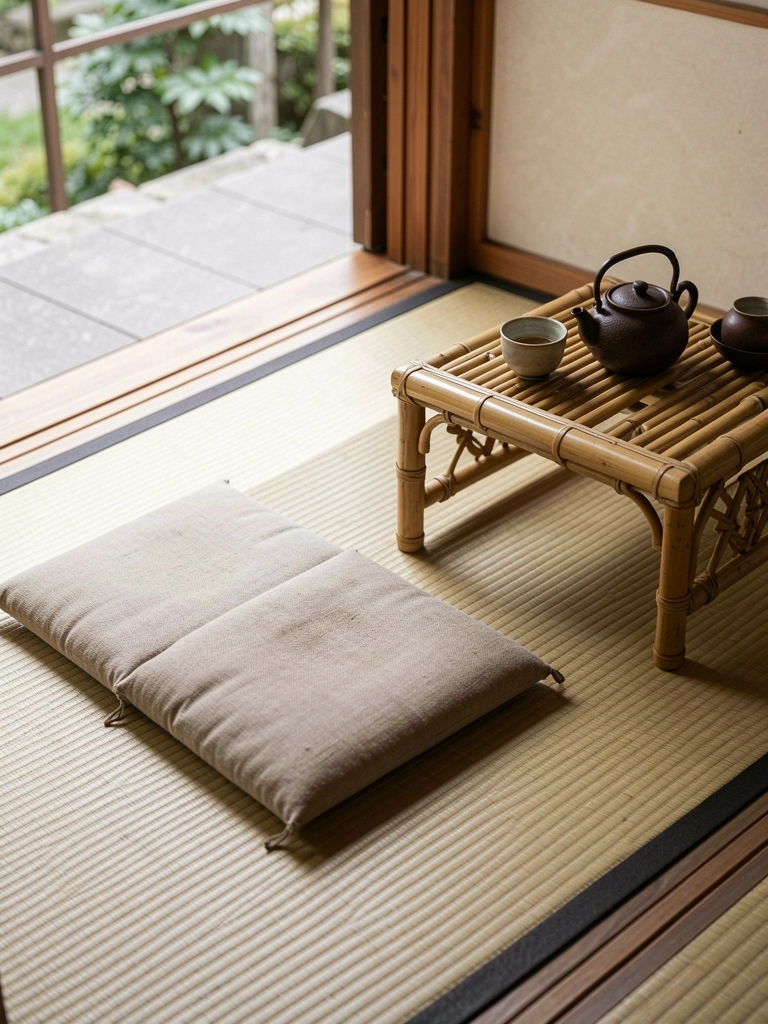
I swapped bulky chairs for low seating and a narrow table. The terrace felt quieter and more intimate.
I use washable floor cushions and a small slatted table. Mornings here are slow. The height makes me lean in and notice the plants.
Be realistic: high winds can move cushions. I keep a low tray or weights handy. Comfort matters more than perfect styling.
What You’ll Need for This Look
- Tatami-style woven mat (outdoor-friendly)
- Zabuton floor cushions with removable covers
- Narrow bamboo or slatted teak tea table
- Weatherproof storage box for cushions
8. Stepping Stone Path through Container Beds
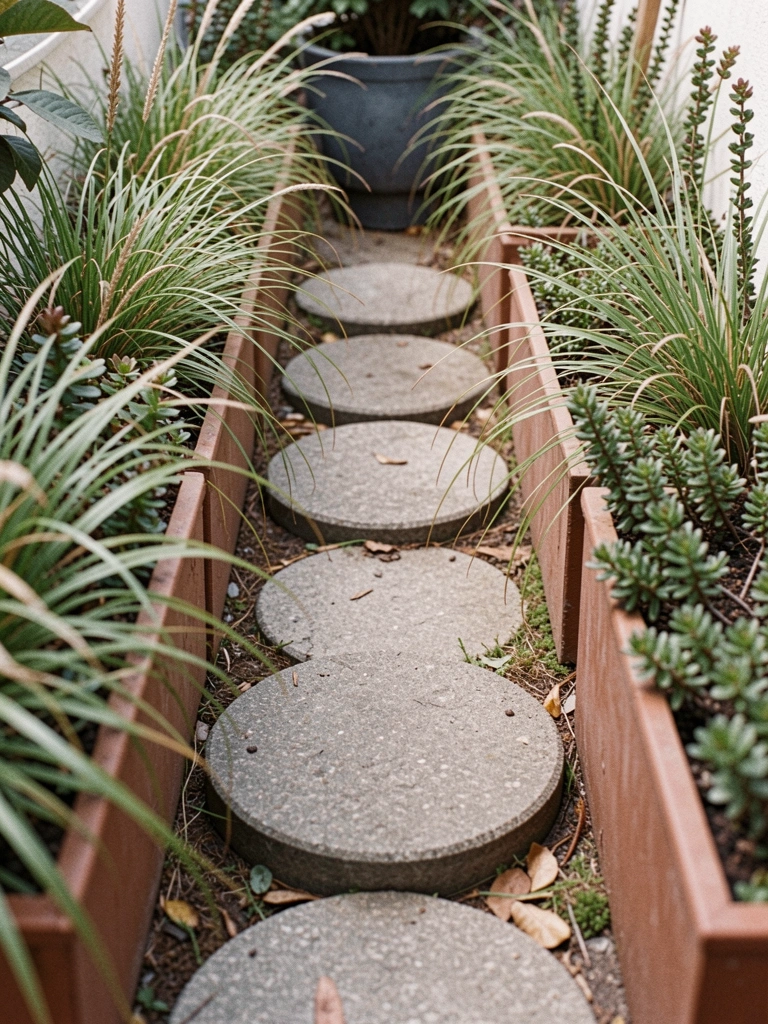
I laid round stepping stones between containers to make a route. It turned plant clusters into a small journey.
The stones break the monotony of decking and let me tend plants without crushing them. The path invites you to slow down.
I misaligned my first stones and stumped my toe more than once. Take time to set them evenly and at comfortable stride spacing.
What You’ll Need for This Look
- Round concrete stepping stones (12–16 inch)
- Variety of container sizes for plant grouping
- Rubber spacers or gravel base for leveling
- Ground-level LED path lights, warm white
9. Vertical Fern and Hosta Wall for a Green Backdrop (I Overwatered Once)
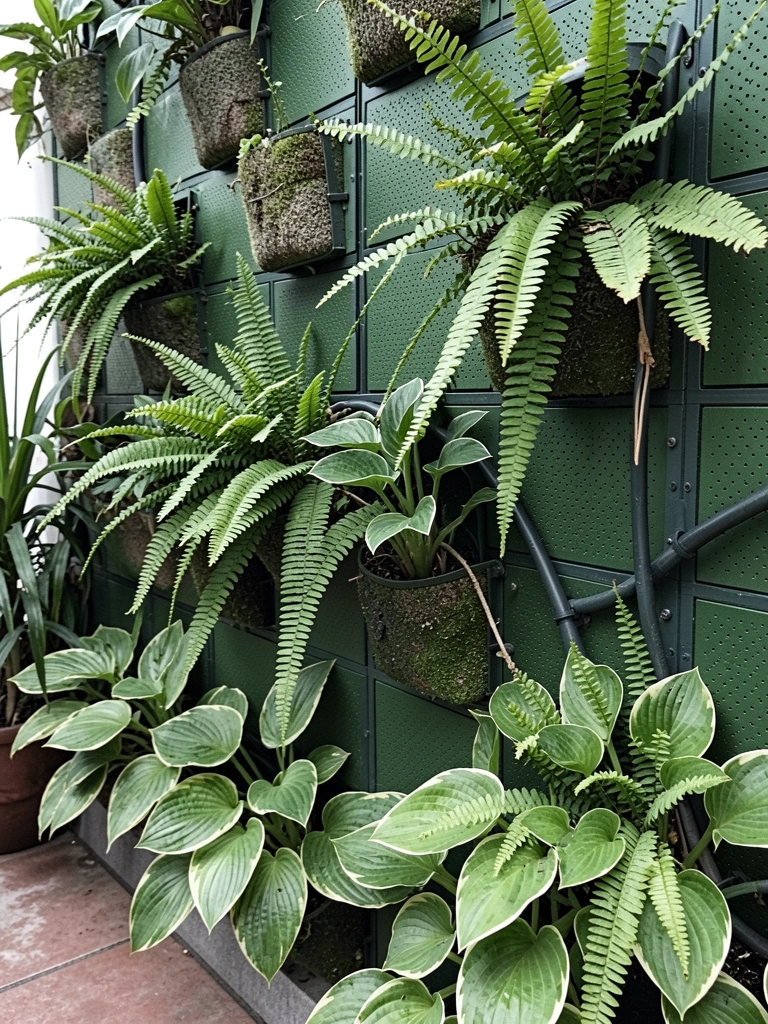
I built a simple pocket wall and planted ferns and small hostas. It turned a blank wall into soft green texture.
I made the mistake of overwatering at first — drifted runoff onto the neighbors’ railing. I adjusted to a drip line and better drainage. Problem solved.
Choose hardy shade varieties and stagger pockets for a layered look. It feels like a living backdrop.
What You’ll Need for This Look
- Fabric pocket planters or modular living wall panels
- Shade-tolerant ferns and miniature hostas
- Drip irrigation kit with timer
- Lightweight potting mix for vertical planting
10. Lantern-Lit Evenings with Paper-Style Lanterns and Solar Warm Light
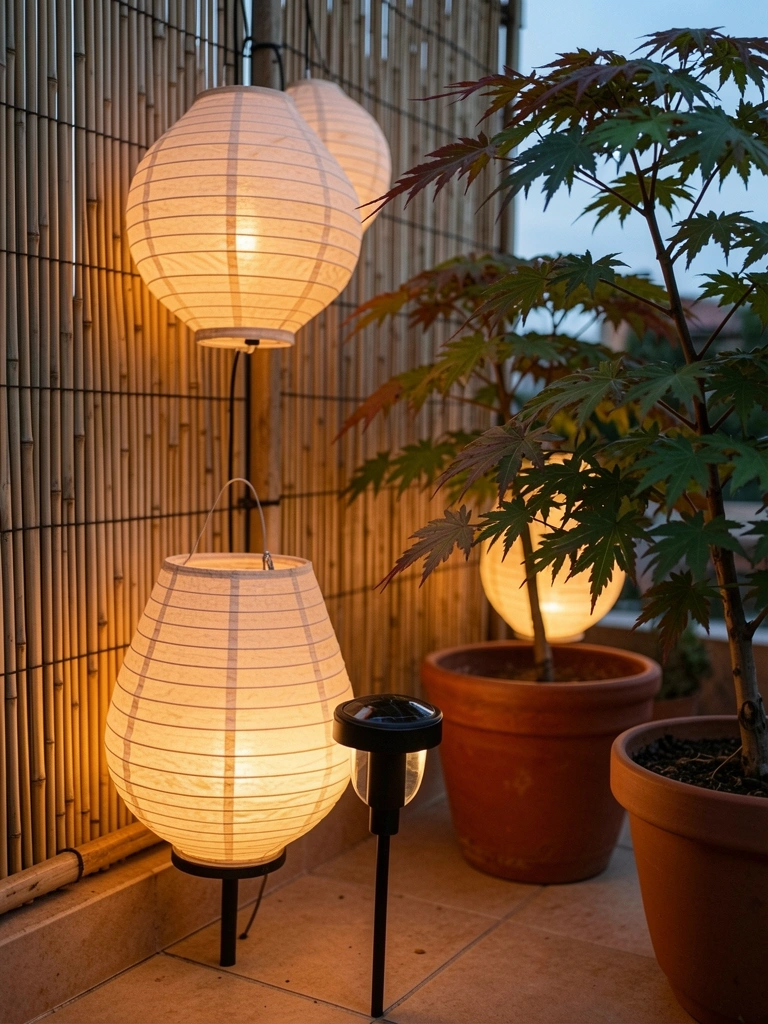
I switched to warm solar lanterns for evenings. The light is soft and energy-free. It makes the terrace usable after dusk.
Paper-style lanterns hung at differing heights feel intimate. I use shatterproof versions for wind. The glow is friendly, not bright.
I once used cool white LEDs; it felt sharp. Warm white (2700K) reads more like traditional lantern light.
What You’ll Need for This Look
- Solar paper-style lanterns (warm white, shatterproof)
- Low-voltage string lights, warm white
- Metal hooks or bamboo poles for hanging
- Small rechargeable backup lights
11. Simple Gravel Border with Ornamental Grass for Movement
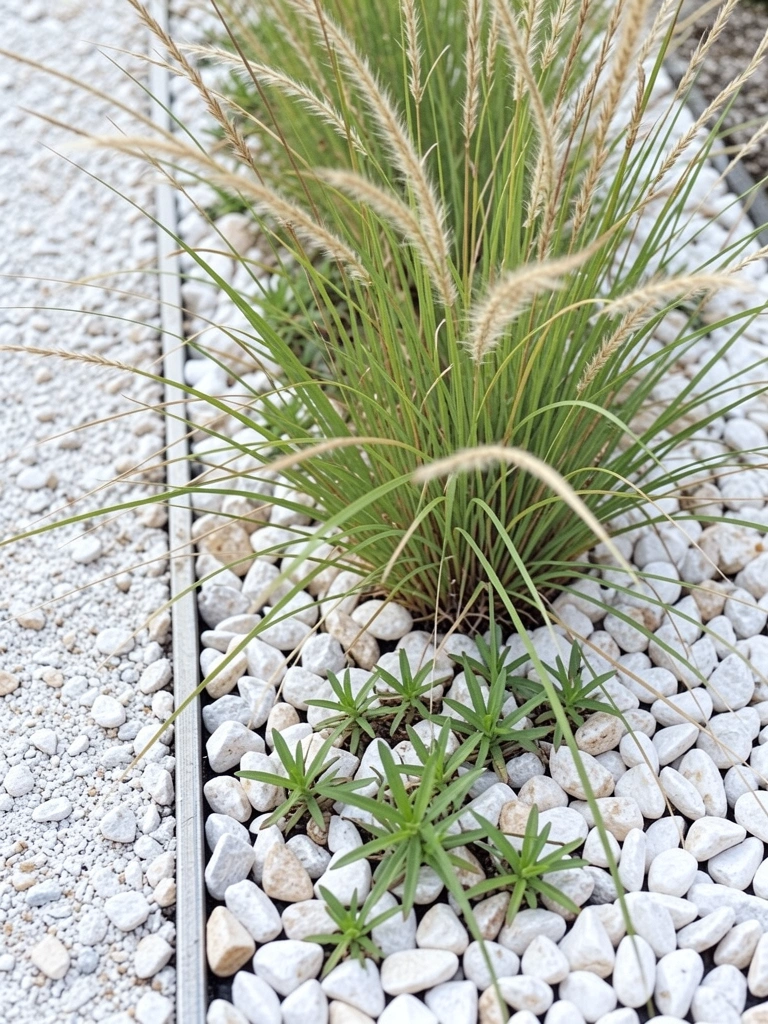
A thin gravel border with ornamental grass gave my terrace edge movement. The grasses whisper in the wind.
I planted Hakone grass in a line and it softened the hard edge of the deck. It’s low maintenance and graceful.
Tip: cut back in early spring. I let mine flop once and it hid the view. Regular tidy-ups keep that soft motion.
What You’ll Need for This Look
- Light-colored decorative gravel (1/4 inch)
- Hakone grass (Hakonechloa macra) or carex
- Narrow metal or stone edging
- Pruning shears for seasonal tidy
12. Small Tea Garden with Scented Herbs in Shallow Pots
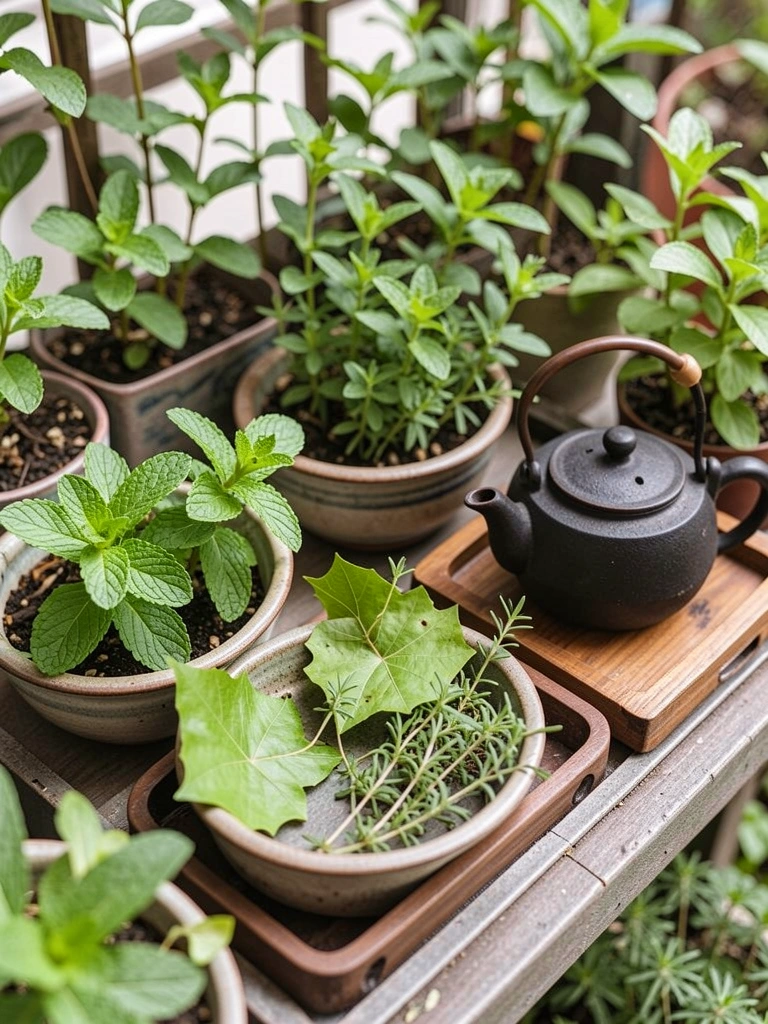
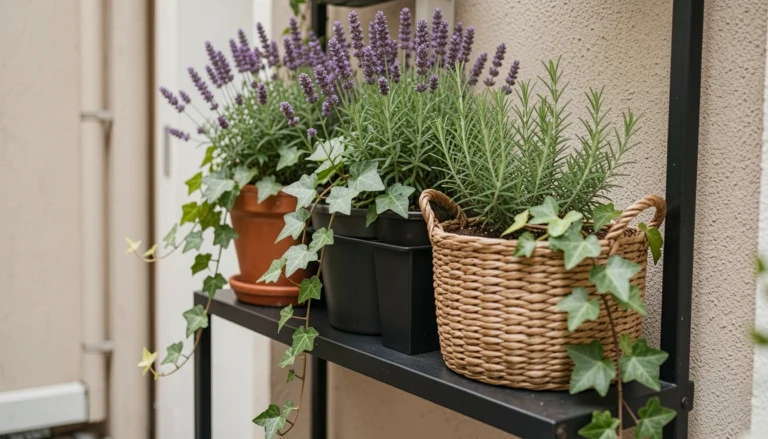
I planted a tiny tea garden in shallow pots for scent and quick cups. A sprig of mint or a leaf of shiso changes morning rituals.
I use shallow ceramic trays for ease. The herbs sit near the seating and release scent when brushed or warmed by the sun.
Avoid invasive mint varieties. I planted mint in a saucer and still had to divide it. Use a strict container strategy.
What You’ll Need for This Look
- Shallow ceramic trays or suiban (8–12 inch)
- Mint (variegated), shiso, lemon balm in 2–3 inch pots
- Small cast-iron teapot for sessions
- Hand trowel and herb snips
13. Evergreen Backbone with Seasonal Accent Pots
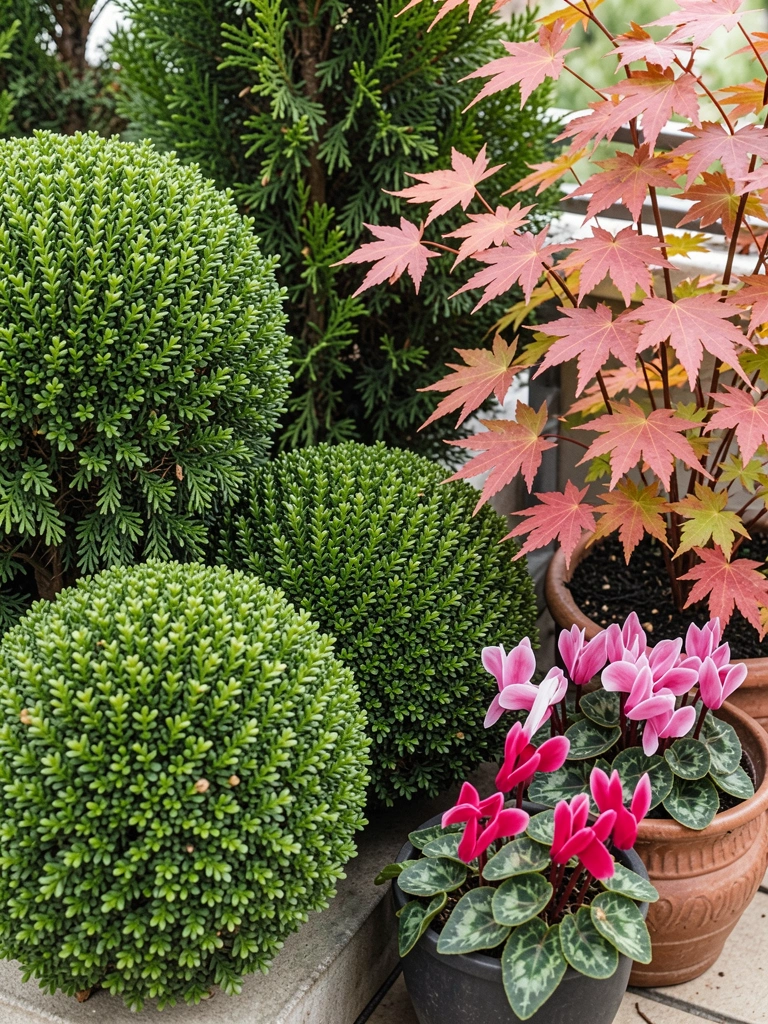
I built a simple evergreen backbone using dwarf boxwood and small conifers. It keeps the terrace readable year-round.
Then I add seasonal pots: a small Acer in spring, cyclamen in winter. The structure feels steady and the accents feel deliberate.
I once relied entirely on seasonal annuals and it looked empty each winter. Evergreens give presence and make the seasonal shifts more meaningful.
What You’ll Need for This Look
- Dwarf boxwood or small evergreen shrubs (2–3 gallon)
- Seasonal accent pots (12–16 inch)
- Small acer palmatum or seasonal bulbs
- Slow-release evergreen fertilizer
Final Thoughts
You don’t need to do all of these. Pick one or two that fit your light and time.
Start small and edit. Gardens grow with you.
Trust that a calm terrace is more about space and choice than stuff.